Bonus Episode: Previewing Israel’s First Post-October 7 Election
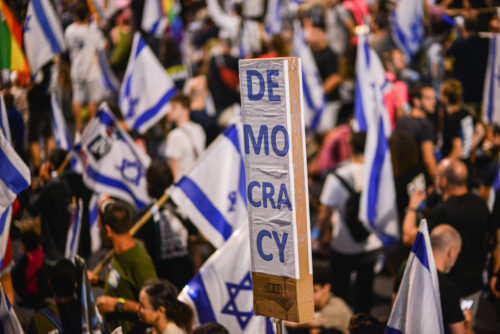
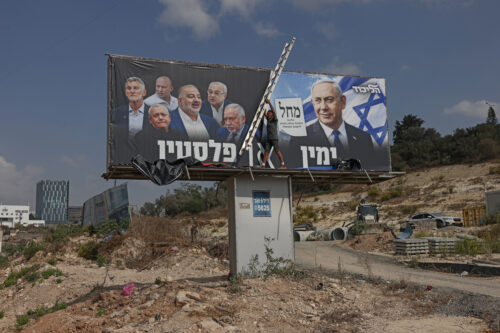
Israel is preparing to hold what may be its most consequential election in decades. On October 27, Prime Minister Benjamin Netanyahu will face his first electoral test since October 7, 2023. In this bonus episode of Middle East Focus, we present the audio from a recent MEI webinar, hosted in Israel on the eve of the vote. Senior Fellow Natan Sachs is joined by Dr. Shira Efron, Distinguished Chair for Israel Policy and senior fellow at the RAND Corporation, and Neri Zilber, veteran journalist and Financial Times correspondent. They explore what’s at stake in this historic election and how different outcomes could reshape Israel’s domestic politics and the wider region.
Israel Was Built on Hope. This Election May Be Our Last Chance to Save It
Israel’s national anthem, Hatikva, means “the hope.” Israel is not just another country, but the culmination of a 2,000-year-old dream of national redemption. The rebirth of the Jewish people’s ancestral homeland, just three years after the Holocaust, was a miraculous triumph of hope over all odds.
Today, that hope has been shattered and the elections on October 27 have become the most consequential in Israel’s history.
One striking thing about US President Donald Trump’s endorsement of Israeli Prime Minister Benjamin Netanyahu this past week is how isolated he was in making this call. The Israeli Prime Minister has become a widely detested figure worldwide following Israel’s war in Gaza—where Israel committed war crimes. This disdain was clearly on display in New York in September when dozens of diplomats streamed out of the hall during Netanyahu’s speech.
Since 1967, Israeli settlements in the West Bank have been a contested feature of the Israeli-Palestinian conflict. The ultimate disposition of the settlements and ongoing activity related to their growth have repeatedly defied agreement in negotiations over a resolution to the conflict.
The Houthis are a political-military faction and Zaydi religious movement founded in northwestern Yemen in the 1980s. A key member of Iran’s Axis of Resistance with links to other militant organizations in the Arabian Peninsula and the Horn of Africa, the group has continued to pose a threat to Western interests on a global scale.
The India-Middle East-Europe Economic Corridor (IMEC) is a proposed multinational infrastructure initiative aimed at upgrading connectivity between the three regions through integrated trade, energy, and digital networks. Announced at the G20 summit in New Delhi in September 2023, IMEC is envisioned partially as a counterweight to China’s international infrastructure project, the Belt and Road Initiative.
After a decade of post-Arab Spring isolation, Turkey’s leaders have recognized that their ambition to position the country as an agenda-setter on the world stage requires active engagement in all directions. President Recep Tayyip Erdoğan’s consolidation of executive authority has centralized foreign policy decision-making and tied it to his domestic political priorities, transforming the country’s revisionist approach to one shaped primarily by personal and pragmatic interests.
MEI Senior Fellow Brian Katulis engages friends, colleagues, and policy experts in casual conversations on the most important happenings in the Middle East.
Heightening Tension between U.S.-led Coalition and Iran-led Forces in Syria
Just hours before the news of U.S. airstrikes in Syria broke out, Iran’s Fars News Agency (F.N.A.) reported that the Lebanese Hezbollah had dispatched 3,000 fighters near the border-crossing al-Tanf passageway along Syria’s borders with Iraq and Jordan to “thwart the U.S. plots” and take the control of the Palmyra-Baghdad road.
I.R.G.C. Outlet: Iran’s “Military Diplomacy” Forced Pakistan to Take Action against Terrorists
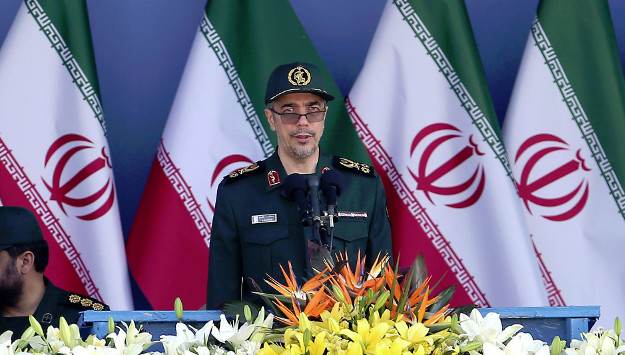
An article in Tasnim News Agency says Iran’s “military diplomacy” was instrumental in compelling Pakistan to take concrete actions against terrorist groups. “After the attack by terrorist groups that martyred 10 Iranian border guards, it was the powerful words of Major General [Mohammad] Bagheri that made Pakistani political leaders to take practical actions to control the borders,” wrote the outlet, which is affiliated with the Islamic Revolution Guards Corps (I.R.G.C.).
Accusations are mounting that Iran is ramping up its engagement with the Taliban in Afghanistan. Like a lot of Iran’s murky foreign policy, it is difficult to separate the wheat from the chaff. The three questions that need to be answered to clear up the murky relationship between Iran and the Taliban are: why the change in Iran’s policy; when did this policy change occur; and what is the level of support afforded to the Taliban?
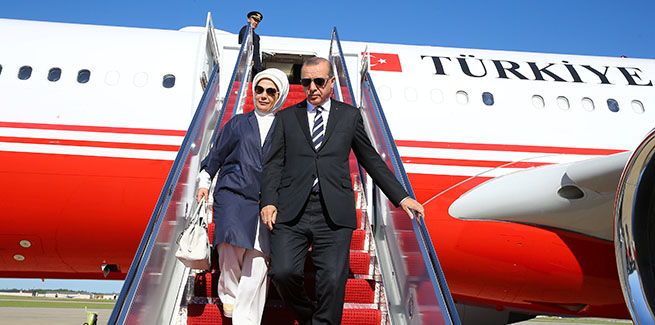
President Recep Tayyip Erdogan will meet President Donald Trump as a frustrated and disappointed man. His hopes for a clean slate after strained relations with President Barack Obama have been dashed as Trump has endorsed his predecessor’s policies against key Turkish demands. Importantly, Trump last week approved an Obama era plan to arm Syrian Kurds in preparation for the upcoming battle to retake Raqqa from ISIS.
The India-U.A.E. Strategic Partnership in Regional Context: A Zero-Sum Game?
Since the government of Narendra Modi took office in 2014, India and the U.A.E. have moved relatively quickly to consolidate their existing ties and to explore new areas of cooperation. During this time, they have elevated the relationship to a comprehensive strategic partnership, with the expressed intention of extending their cooperation to the security and defense spheres. This essay discusses these recent developments, with particular attention to the role of Pakistan as a constraining factor in India-U.A.E. relations going forward.
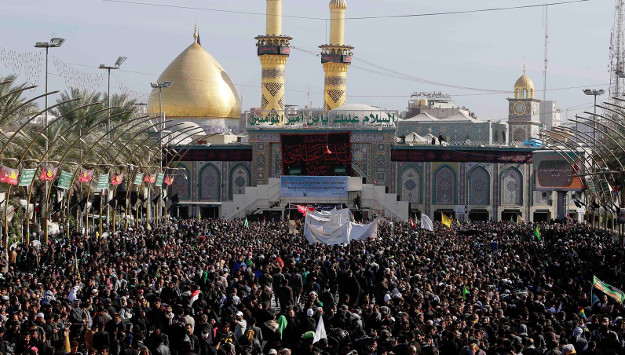
Iran’s Envoy to Iraq Meets with Senior Religious and Political Leaders in Karbala
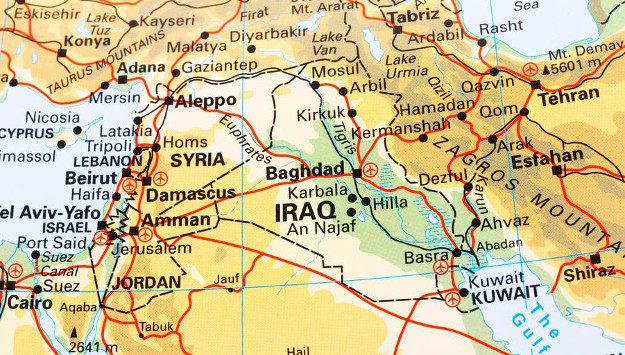
On Monday, Iranian Ambassador to Baghdad Iraj Masjedi traveled to the holy city of Karbala and held meetings with senior Iraqi government officials and religious leaders, the
I.R.G.C. Outlet: U.S. Eyes Post-ISIS Military Presence in Iraq and Syria to Counter Iran
A lengthy report in Fars News Agency (F.N.A.), an outlet close to the Islamic Revolution Guards Corps (I.R.G.C.), claims that the United States is seeking to contain the growing influence of Iran and its proxies in Iraq and Syria by increasing its military presence in northern and southern Syria and keeping
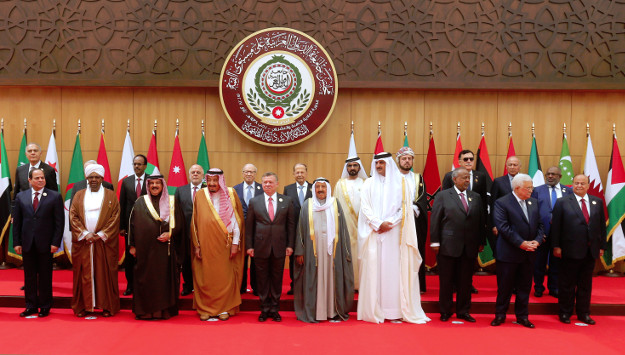
Iran’s Defense Minister Cautions about Anti-Iran “Arab NATO” by U.S. and Its Allies
President Donald Trump’s planned trip to Saudi Arabia has triggered concern in Tehran. Iranian officials and media outlets appear to be particularly troubled by Riyadh’s decision to invite leaders of dozens of Muslim countries to attend a summit with the American president. Many Iranian leaders and analysts say Washington, Israel and Sunni Gulf nations want to establish an “Arab NATO” or “American-Arab NATO” to confront Iran’s power and influence in the region.
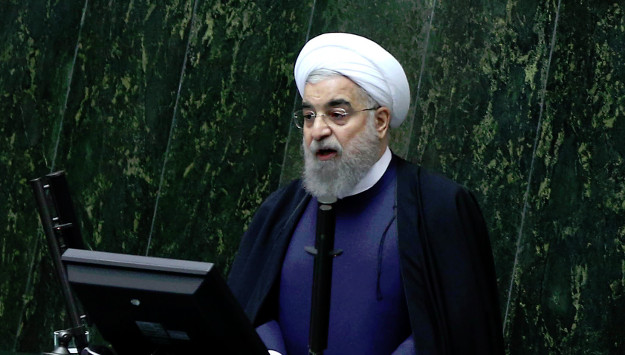
Hardliners Question Rouhani’s Pledge to Remove Remaining Sanctions if Reelected
The hardline Iranian media – particularly outlets affiliated with the Islamic Revolution Guards Corps (I.R.G.C.) – has attacked President Hassan Rouhani for pledging to make efforts to remove remaining U.S. sanctions against Iran if reelected.
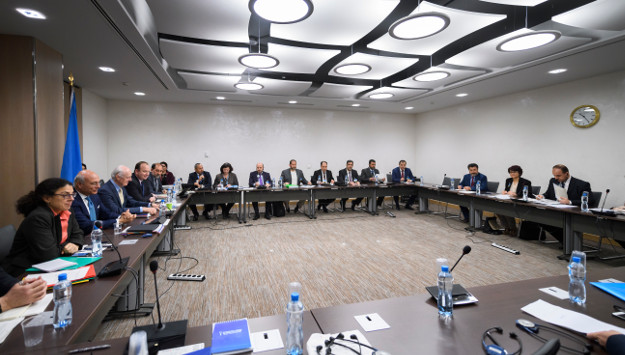
Syria Talks Resume in Geneva; Saudis to Give Warm Welcome to Trump; Qalibaf Withdraws from Iran Presidential Race
In this week’s Monday Briefing, MEI experts Charles Lister, Gerald Feierstein, Eran Etzion, and Alex Vatanka provide analysis on recent and upcoming events including the resumption of Syria talks in Geneva, President Trump’s upcoming visit to Saudi Arabia and Israel, and the latest developments in the home stretch of Iran’s presidential election.
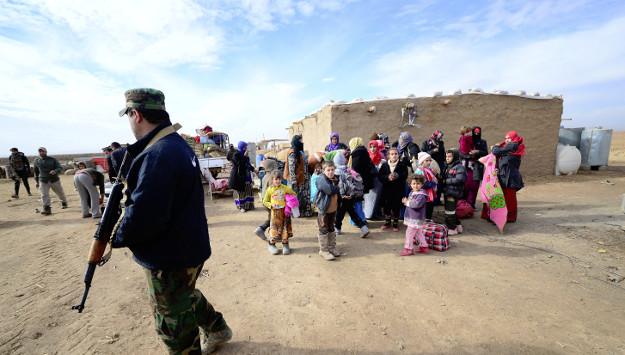
Escalating Tension between Iran-Backed P.M.F. Groups and Peshmerga Forces in Sinjar
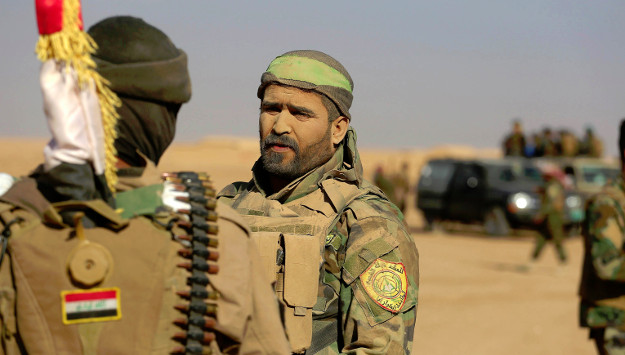
A commander of Kurdish peshmerga forces in the Iraqi town of Sinjar, Sarbast Lazkeen, has cautioned that any further expansion of Iran-backed Popular Mobilization Forces (P.M.F.) toward the Syrian border and into Kurdish regions could prompt a direct military intervention by Turkey, Saudi Arabia or the United States.
The oldest peer-reviewed publication dedicated to the study of the modern Middle East, MEI’s flagship journal covers politics, society, and culture in the region.