Bonus Episode: Previewing Israel’s First Post-October 7 Election
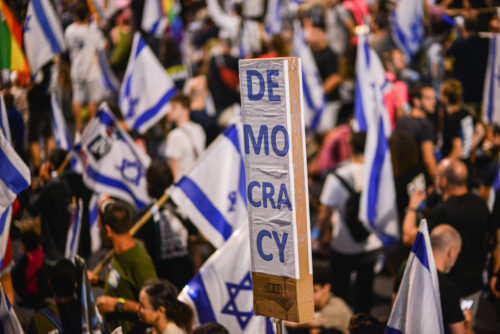
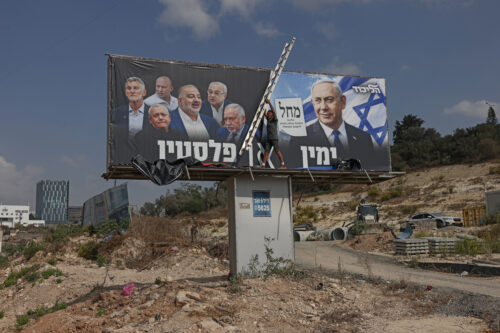
Israel is preparing to hold what may be its most consequential election in decades. On October 27, Prime Minister Benjamin Netanyahu will face his first electoral test since October 7, 2023. In this bonus episode of Middle East Focus, we present the audio from a recent MEI webinar, hosted in Israel on the eve of the vote. Senior Fellow Natan Sachs is joined by Dr. Shira Efron, Distinguished Chair for Israel Policy and senior fellow at the RAND Corporation, and Neri Zilber, veteran journalist and Financial Times correspondent. They explore what’s at stake in this historic election and how different outcomes could reshape Israel’s domestic politics and the wider region.
Israel Was Built on Hope. This Election May Be Our Last Chance to Save It
Israel’s national anthem, Hatikva, means “the hope.” Israel is not just another country, but the culmination of a 2,000-year-old dream of national redemption. The rebirth of the Jewish people’s ancestral homeland, just three years after the Holocaust, was a miraculous triumph of hope over all odds.
Today, that hope has been shattered and the elections on October 27 have become the most consequential in Israel’s history.
One striking thing about US President Donald Trump’s endorsement of Israeli Prime Minister Benjamin Netanyahu this past week is how isolated he was in making this call. The Israeli Prime Minister has become a widely detested figure worldwide following Israel’s war in Gaza—where Israel committed war crimes. This disdain was clearly on display in New York in September when dozens of diplomats streamed out of the hall during Netanyahu’s speech.
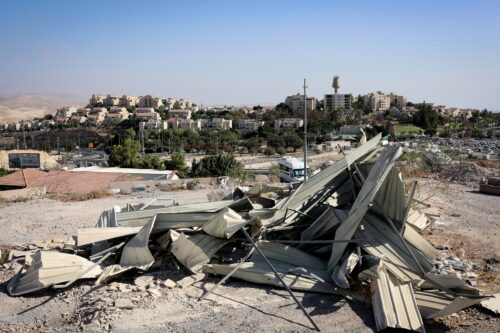
Since 1967, Israeli settlements in the West Bank have been a contested feature of the Israeli-Palestinian conflict. The ultimate disposition of the settlements and ongoing activity related to their growth have repeatedly defied agreement in negotiations over a resolution to the conflict.
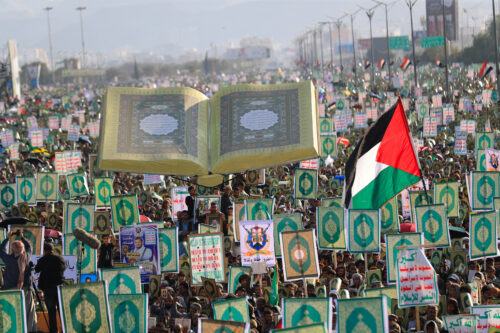
The Houthis are a political-military faction and Zaydi religious movement founded in northwestern Yemen in the 1980s. A key member of Iran’s Axis of Resistance with links to other militant organizations in the Arabian Peninsula and the Horn of Africa, the group has continued to pose a threat to Western interests on a global scale.
The India-Middle East-Europe Economic Corridor (IMEC) is a proposed multinational infrastructure initiative aimed at upgrading connectivity between the three regions through integrated trade, energy, and digital networks. Announced at the G20 summit in New Delhi in September 2023, IMEC is envisioned partially as a counterweight to China’s international infrastructure project, the Belt and Road Initiative.
After a decade of post-Arab Spring isolation, Turkey’s leaders have recognized that their ambition to position the country as an agenda-setter on the world stage requires active engagement in all directions. President Recep Tayyip Erdoğan’s consolidation of executive authority has centralized foreign policy decision-making and tied it to his domestic political priorities, transforming the country’s revisionist approach to one shaped primarily by personal and pragmatic interests.
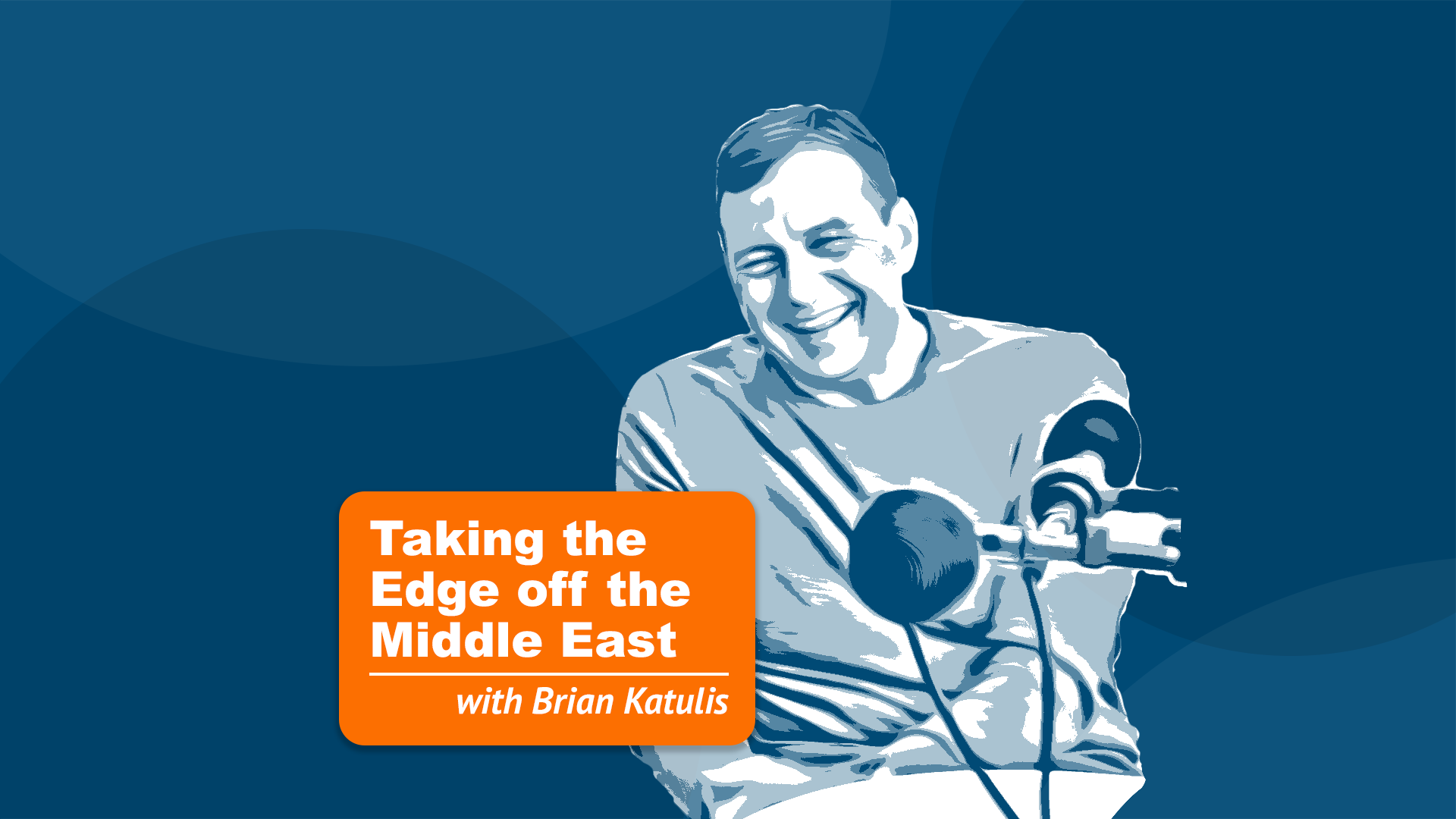
MEI Senior Fellow Brian Katulis engages friends, colleagues, and policy experts in casual conversations on the most important happenings in the Middle East.
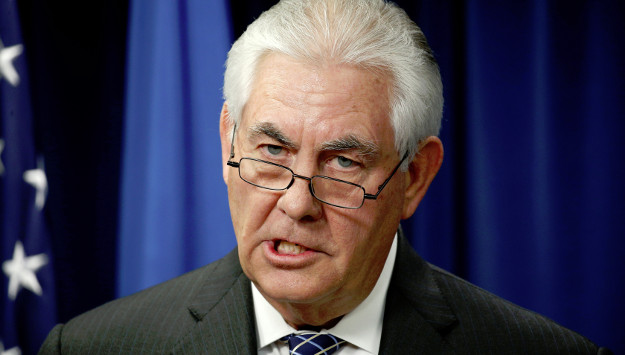
Tillerson’s Remark on U.S. Long-Term Strategy in Syria and Iraq Alarms I.R.G.C.
U.S. Secretary of State Rex Tillerson’s March 22 remark that the United States and its allies will remain engaged in Syria and Iraq long after the Islamic State is defeated has provoked an angry reaction in Iran.
When I was approached last summer by New York University’s Hagop Kevorkian Center for Near Eastern Studies to teach a class this spring, I did not imagine the changes that would take place in the American political landscape. Since Donald Trump took office, his promise to place “America first” has manifested itself in numerous ways. Although I am committed to the university and the students, traveling to the United States is becoming less and less enticing.
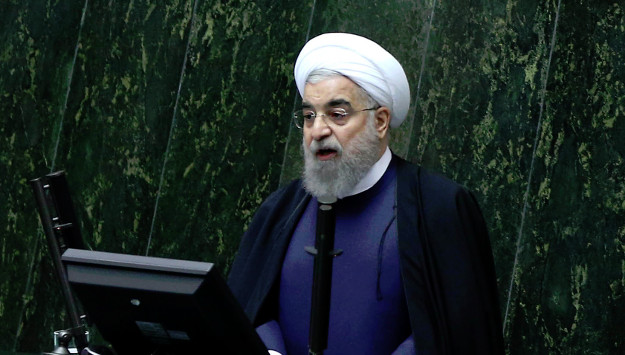
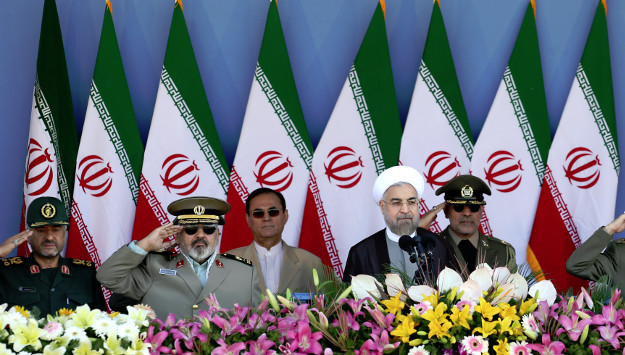
Rouhani’s Letter to Supreme Leader: We’ll Work to Strengthen “Resistance Economy”
Iranian President Hassan Rouhani has pledged that his government will do its utmost to implement policies that will strengthen the country’s “resistance economy” and stimulate growth. In a letter to Supreme Leader Ali Khamenei on Wednesday, Rouhani emphasized that his administration planned to hold a cabinet session to discuss Supreme Leader’s latest instructions and explore ways of increasing domestic production and creating jobs – particularly for young Iranians.
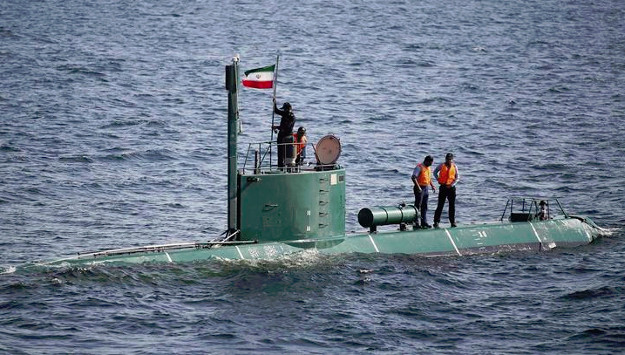
U.S. Commanders: Iran Navy Is Disrupting International Navigation by Harassing Warships
U.S. Navy commanders have expressed the concern that Iranian naval forces are disrupting international navigation by “harassing” warships passing through the strategic Strait of Hormuz, Reuters reported on Wednesday. The U.S.
India’s Strategic Vision About West Asia and Its Limitations
The discourse of Non-Alignment continues to shape the political culture of the Indian establishment’s strategic thinking in the field of foreign policy, notwithstanding the decline of Gandhian-Nehruvian moralism and increasing adaptation to the culture of power-centered realism in recent years. This essay shows that gradualism and risk avoidance remain deeply embedded features of India’s conduct of external relations, including its relations with West Asia.
Peace in Yemen Requires Bridging North-South Divide
The Yemeni civil war, which began in March 2015, has become another quagmire in the Middle East with increasingly sectarian overtones. However, sectarianism is not the only dimension to this conflict. Indeed, the war has straddled a number of cleavages in Yemeni society, including the north-south divide. The Southern Nationalist Movement, an umbrella platform known locally as Hirak, presents a major obstacle to peace as it continues to call for secession for the south.
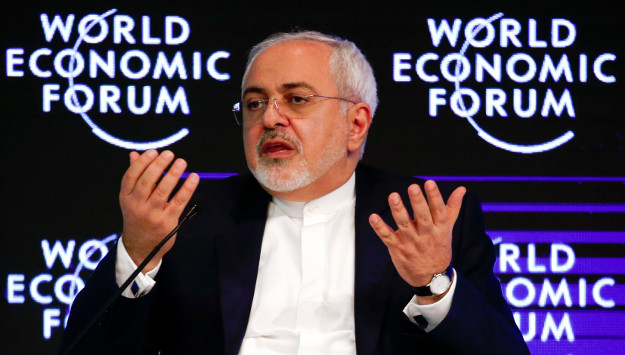
Javad Zarif: Iran “Completely Ready” to Resume Nuclear Program
Iran’s Foreign Minister Mohammad Javad Zarif has warned that his government is “completely ready” to restart its nuclear program if the United States fails to adhere to the 2015 nuclear agreement. “If America reneges on the deal to the level that the continuation of the J.C.P.O.A. [Joint Comprehensive Plan of Action] harms our national interests, the Islamic Republic of Iran is completely ready to return to the pre-J.C.P.O.A.
Jailed Female Activist Accuses Rouhani of Colluding with I.R.G.C. ahead of Elections
Hengameh Shahidi, a reformist activist and journalist who was recently imprisoned in Iran, has accused President Hassan Rouhani of striking a deal with the Islamic Revolution Guards Corps (I.R.G.C.) ahead of the country’s presidential elections slated for May this year.
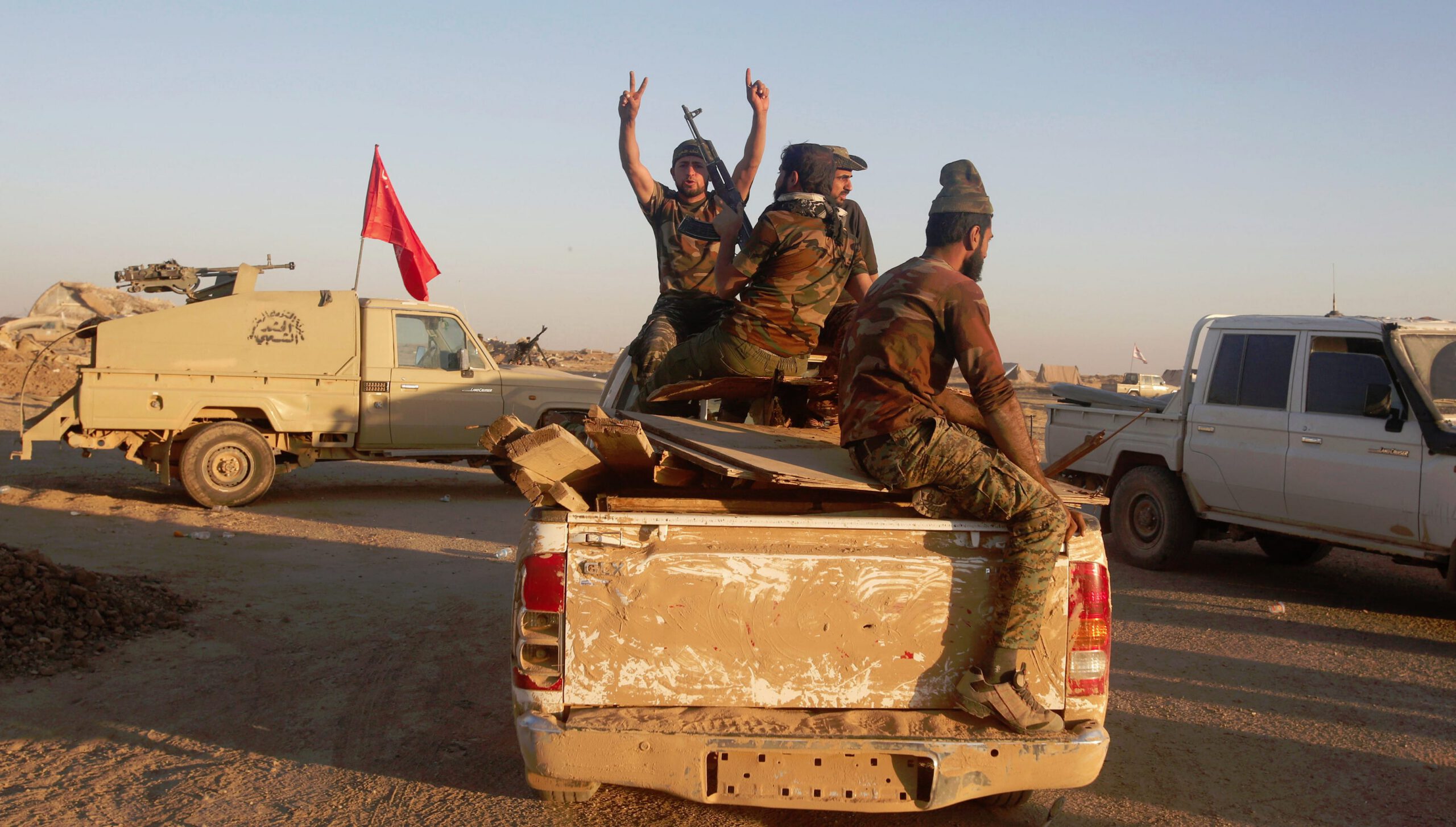
Iran-Supported Iraqi Militia Groups Make Further Advances in Western Mosul
The Iraqi Popular Mobilization Forces (PMF) have seized several villages in northwestern Mosul from the Islamic State in recent days and are planning to enter the strategic city of Tal Afar, the Iranian media reports.
March 17, 2017 – MEI Senior Fellow Alex Vatanka joins host Paul Salem to discuss US-Iranian relations since the US election and Iran’s upcoming presidential election in the context of regional turmoil and questions over the Supreme Leader’s succession.
In this week’s Monday Briefing, MEI experts Charles Lister, Randa Slim, Paul Salem, and Eran Etzion provide analysis on recent and upcoming events including the meeting of the anti-ISIS coalition in D.C., the Iraqi Prime Minister’s visit to the U.S., the upcoming Arab League summit, and Israeli Prime Minister Netanyahu’s visit to China.
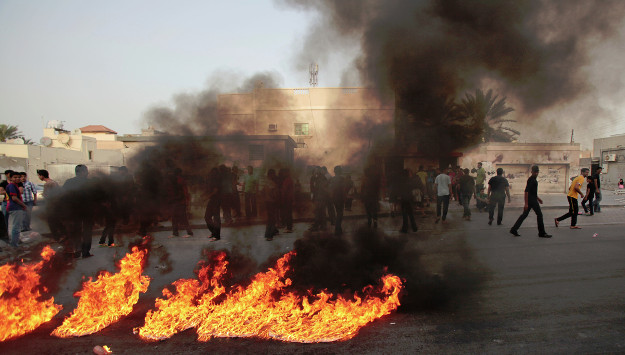
U.S. Designation of Iran-Backed Bahraini Militants Prompts Angry Reaction from Tehran
The U.S. Department of State’s designation of two Iran-backed Bahraini militants as Specially Designated Global Terrorists (S.D.G.T.) has prompted an angry reaction from Tehran. Iran’s Foreign Ministry called allegations by Washington that Tehran supports terrorist activities in Bahrain as “baseless and politically-motivated,” and accused the U.S.
The oldest peer-reviewed publication dedicated to the study of the modern Middle East, MEI’s flagship journal covers politics, society, and culture in the region.