Bonus Episode: Previewing Israel’s First Post-October 7 Election
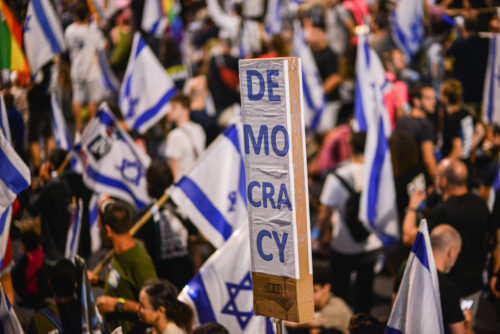
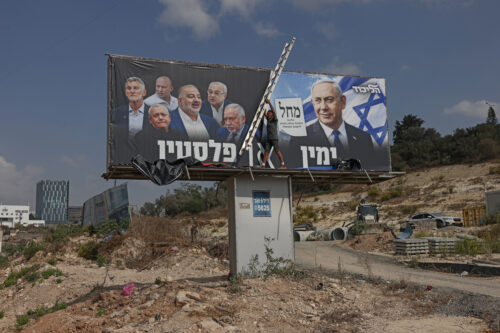
Israel is preparing to hold what may be its most consequential election in decades. On October 27, Prime Minister Benjamin Netanyahu will face his first electoral test since October 7, 2023. In this bonus episode of Middle East Focus, we present the audio from a recent MEI webinar, hosted in Israel on the eve of the vote. Senior Fellow Natan Sachs is joined by Dr. Shira Efron, Distinguished Chair for Israel Policy and senior fellow at the RAND Corporation, and Neri Zilber, veteran journalist and Financial Times correspondent. They explore what’s at stake in this historic election and how different outcomes could reshape Israel’s domestic politics and the wider region.
Israel Was Built on Hope. This Election May Be Our Last Chance to Save It
Israel’s national anthem, Hatikva, means “the hope.” Israel is not just another country, but the culmination of a 2,000-year-old dream of national redemption. The rebirth of the Jewish people’s ancestral homeland, just three years after the Holocaust, was a miraculous triumph of hope over all odds.
Today, that hope has been shattered and the elections on October 27 have become the most consequential in Israel’s history.
One striking thing about US President Donald Trump’s endorsement of Israeli Prime Minister Benjamin Netanyahu this past week is how isolated he was in making this call. The Israeli Prime Minister has become a widely detested figure worldwide following Israel’s war in Gaza—where Israel committed war crimes. This disdain was clearly on display in New York in September when dozens of diplomats streamed out of the hall during Netanyahu’s speech.
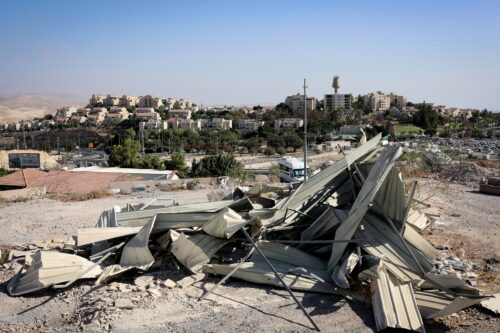
Since 1967, Israeli settlements in the West Bank have been a contested feature of the Israeli-Palestinian conflict. The ultimate disposition of the settlements and ongoing activity related to their growth have repeatedly defied agreement in negotiations over a resolution to the conflict.
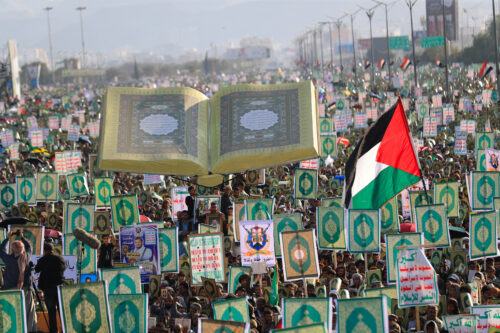
The Houthis are a political-military faction and Zaydi religious movement founded in northwestern Yemen in the 1980s. A key member of Iran’s Axis of Resistance with links to other militant organizations in the Arabian Peninsula and the Horn of Africa, the group has continued to pose a threat to Western interests on a global scale.
The India-Middle East-Europe Economic Corridor (IMEC) is a proposed multinational infrastructure initiative aimed at upgrading connectivity between the three regions through integrated trade, energy, and digital networks. Announced at the G20 summit in New Delhi in September 2023, IMEC is envisioned partially as a counterweight to China’s international infrastructure project, the Belt and Road Initiative.
After a decade of post-Arab Spring isolation, Turkey’s leaders have recognized that their ambition to position the country as an agenda-setter on the world stage requires active engagement in all directions. President Recep Tayyip Erdoğan’s consolidation of executive authority has centralized foreign policy decision-making and tied it to his domestic political priorities, transforming the country’s revisionist approach to one shaped primarily by personal and pragmatic interests.
MEI Senior Fellow Brian Katulis engages friends, colleagues, and policy experts in casual conversations on the most important happenings in the Middle East.
What is Going on in Idlib between Tahrir and Ahrar al-Sham?
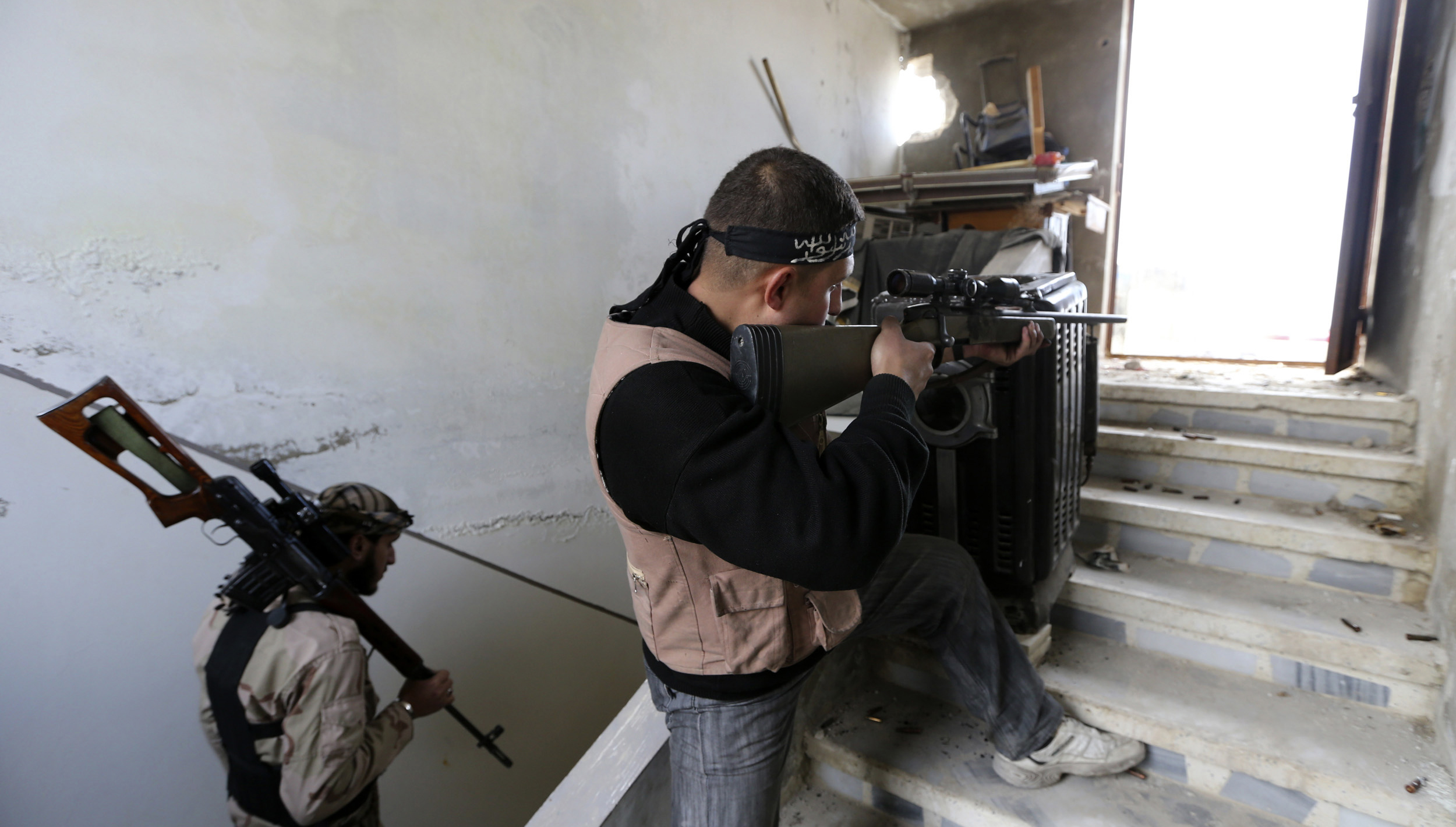
Tensions between the two main opposition umbrellas—Tahrir al-Sham and Ahrar al-Sham—in northwestern Syria continue to rise. The two sides are clashing in different towns, and intensifying their media campaign against each other to justify their narrative and rally more support from civilians.
Resolving the Conflict in Yemen: U.S. Interests, Risks and Policy
The following testimony by Amb. (Ret’d) Gerald M. Feierstein, Senior Fellow and Director of the Center for Gulf Affairs at the Middle East Institute, was delivered to the United States Senate Foreign Relations Committee on March 9, 2017.
Mr. Chairman, Mr. Ranking Member, Members of the Committee:
Thank you for providing this opportunity to speak to you today about Yemen and the tragic circumstances confronting the Yemeni people.
Iran-Backed Iraqi Militia Group Launches New Brigade to “Liberate” Golan Heights
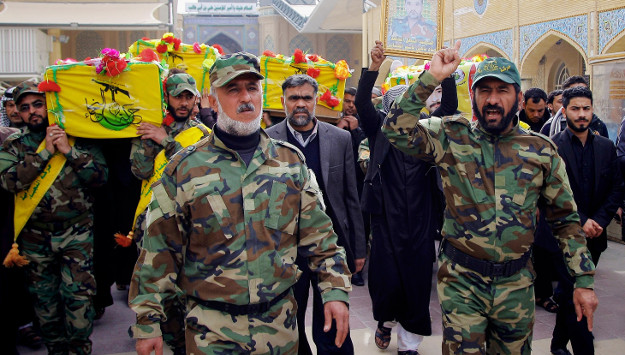
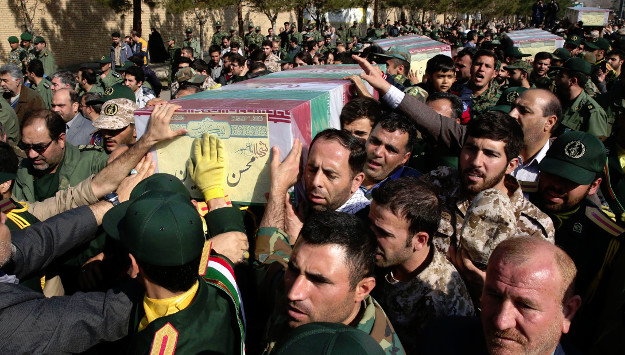
A powerful Iran-supported Iraqi Shiite militia group has announced the creation of a new brigade to “liberate” the Golan Heights from Israel, the Iranian media reports. “After the latest victories [in Syria and Iraq], we established the ‘Golan Liberation Brigade’.
This essay explores the future of India-Gulf ties in all spheres and some out-of-the-box security dynamics, especially the possibility of evolving an alternative security mechanism in the Gulf. It specifically highlights the opportunities and challenges for Asian countries, especially India, in the quest for a new collective security architecture and stability in the region.
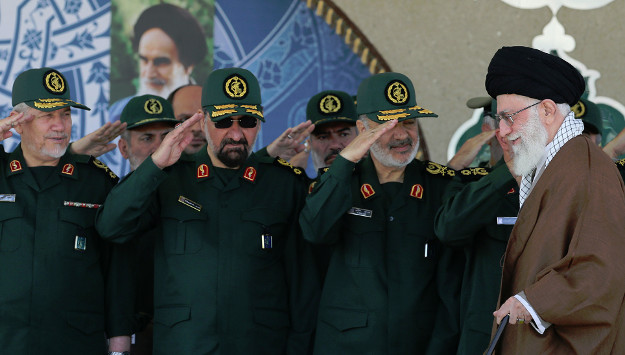
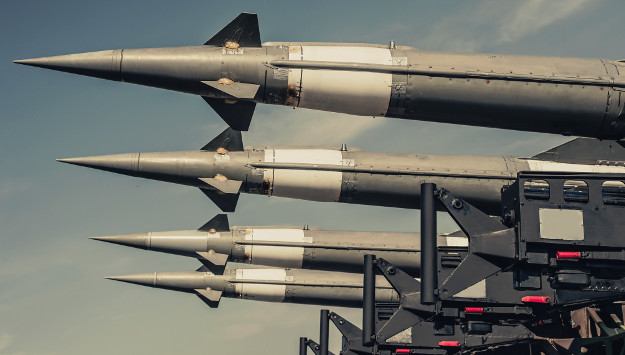
I.R.G.C. Test-Fires Naval Ballistic Missile amid Heightening Tension with U.S.
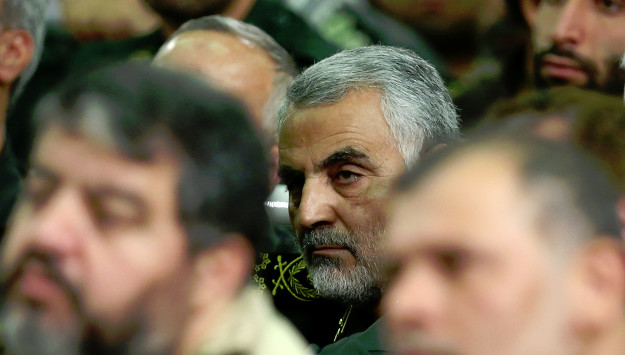
The Islamic Revolution Guards Corps (I.R.G.C.) has “successfully” test-fired a naval missile destroying a floating target more than 100 miles away, the Iranian media reported earlier today.
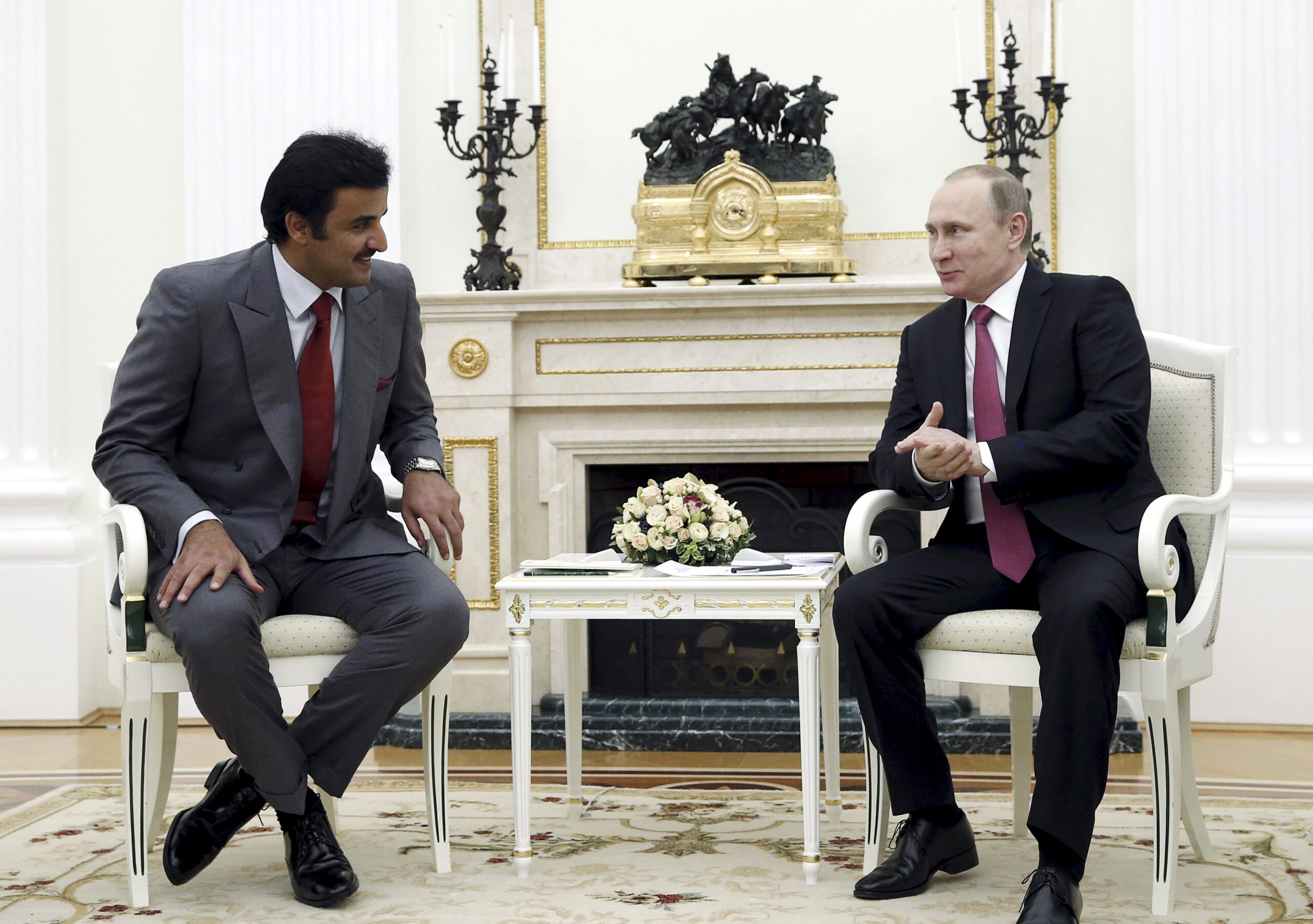
Qatar is throwing its financial muscle to woo Russia in a bid to regain lost political influence in the Syrian conflict, and the broader Middle East. Qatar’s Emir Sheikh Tamim bin Hamad al-Thani visited Russia in January to address Middle Eastern geopolitics and energy issues.
Rights Groups Call on Tehran to End Repression of Justice-Seekers of 1980s Mass Executions
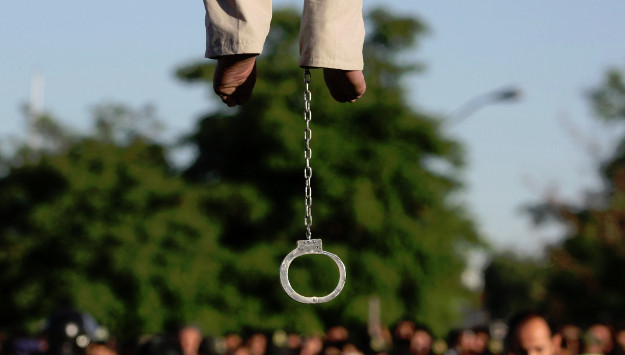
Twenty human rights organizations issued a joint statement today calling on the Iranian authorities to “stop the harassment, intimidation and prosecution of human rights defenders seeking truth and justice on behalf of individuals who were summarily executed or forcibly disappeared during the 1980s and their families,” the Center for Human Rights in Iran (CHRI), one of the signatories of the statement
The oldest peer-reviewed publication dedicated to the study of the modern Middle East, MEI’s flagship journal covers politics, society, and culture in the region.