Bonus Episode: Previewing Israel’s First Post-October 7 Election
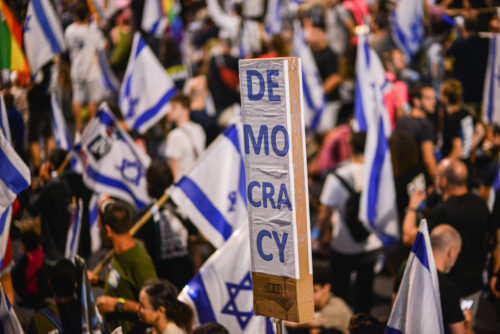
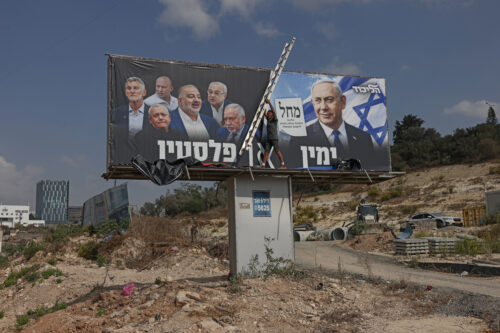
Israel is preparing to hold what may be its most consequential election in decades. On October 27, Prime Minister Benjamin Netanyahu will face his first electoral test since October 7, 2023. In this bonus episode of Middle East Focus, we present the audio from a recent MEI webinar, hosted in Israel on the eve of the vote. Senior Fellow Natan Sachs is joined by Dr. Shira Efron, Distinguished Chair for Israel Policy and senior fellow at the RAND Corporation, and Neri Zilber, veteran journalist and Financial Times correspondent. They explore what’s at stake in this historic election and how different outcomes could reshape Israel’s domestic politics and the wider region.
Israel Was Built on Hope. This Election May Be Our Last Chance to Save It
Israel’s national anthem, Hatikva, means “the hope.” Israel is not just another country, but the culmination of a 2,000-year-old dream of national redemption. The rebirth of the Jewish people’s ancestral homeland, just three years after the Holocaust, was a miraculous triumph of hope over all odds.
Today, that hope has been shattered and the elections on October 27 have become the most consequential in Israel’s history.
One striking thing about US President Donald Trump’s endorsement of Israeli Prime Minister Benjamin Netanyahu this past week is how isolated he was in making this call. The Israeli Prime Minister has become a widely detested figure worldwide following Israel’s war in Gaza—where Israel committed war crimes. This disdain was clearly on display in New York in September when dozens of diplomats streamed out of the hall during Netanyahu’s speech.
Since 1967, Israeli settlements in the West Bank have been a contested feature of the Israeli-Palestinian conflict. The ultimate disposition of the settlements and ongoing activity related to their growth have repeatedly defied agreement in negotiations over a resolution to the conflict.
The Houthis are a political-military faction and Zaydi religious movement founded in northwestern Yemen in the 1980s. A key member of Iran’s Axis of Resistance with links to other militant organizations in the Arabian Peninsula and the Horn of Africa, the group has continued to pose a threat to Western interests on a global scale.
The India-Middle East-Europe Economic Corridor (IMEC) is a proposed multinational infrastructure initiative aimed at upgrading connectivity between the three regions through integrated trade, energy, and digital networks. Announced at the G20 summit in New Delhi in September 2023, IMEC is envisioned partially as a counterweight to China’s international infrastructure project, the Belt and Road Initiative.
After a decade of post-Arab Spring isolation, Turkey’s leaders have recognized that their ambition to position the country as an agenda-setter on the world stage requires active engagement in all directions. President Recep Tayyip Erdoğan’s consolidation of executive authority has centralized foreign policy decision-making and tied it to his domestic political priorities, transforming the country’s revisionist approach to one shaped primarily by personal and pragmatic interests.
MEI Senior Fellow Brian Katulis engages friends, colleagues, and policy experts in casual conversations on the most important happenings in the Middle East.
Top Russian Official Cancels Trip to Tehran in Anger
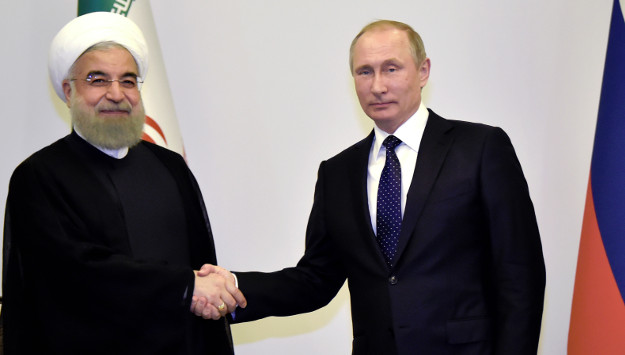
Iranian media have been speculating about reasons why Russian Deputy Prime Minister Dmitryi Rogozin this week canceled his planned trip to Tehran. Rogozin was due to hold talks with top Iranian officials, including Defense Minister Hossein Dehgan.
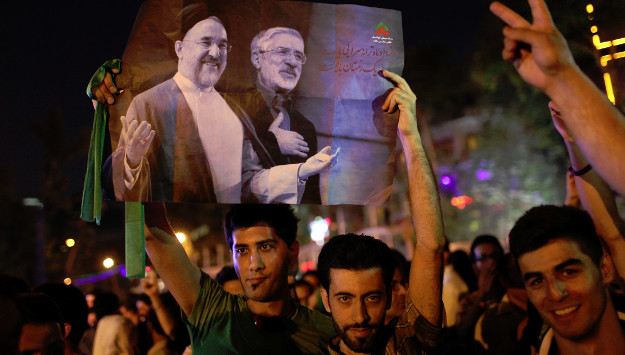
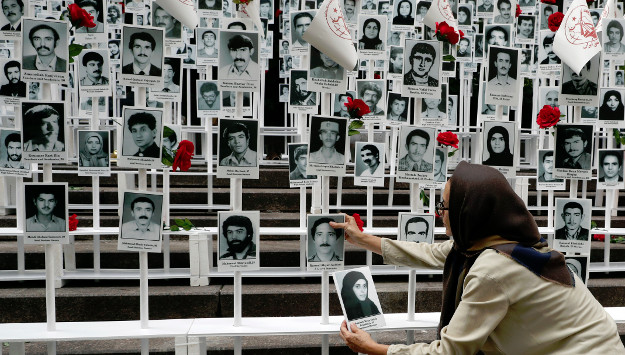
Rouhani Called Out for Not Fulfilling Election Promise of Releasing Political Prisoners
The U.S. Department of State released a statement this afternoon calling for the immediate release of former Iranian opposition leaders and presidential candidates Mehdi Karroubi and Mir Hossein Mousavi, as well as Mousavi’s wife and women’s rights activist Zahra Rahnavard.
Iran Risks Military Clash with U.S. Navy by Sending Weapons to Houthis
The New York Times reported on February 12 that Defense secretary Jim Mattis last week was exploring whether the U.S. Navy should “intercept and board an Iranian ship to look for contraband weapons possibly headed to Houthi fighters in Yemen.” But according to unnamed U.S.
Designating I.R.G.C. a Terror Organization Could Undo Iran Nuclear Deal
U.S. media reports that the Trump White House might list Iran’s powerful Islamic Revolution Guards Corps (I.R.G.C.) as a terrorist entity has been met by considerable trepidation in Tehran.
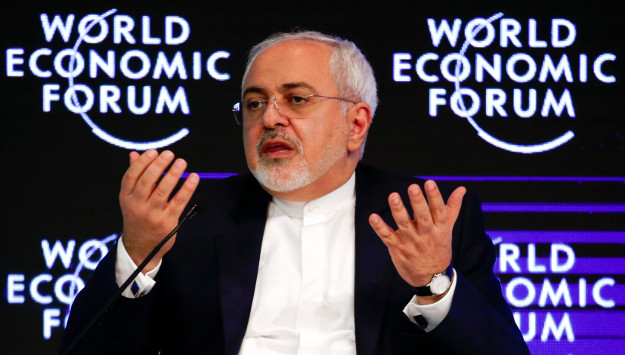
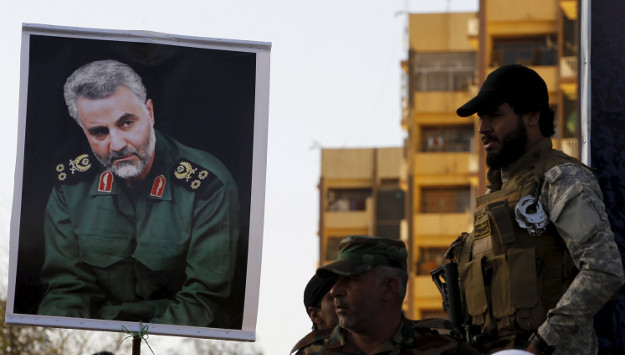
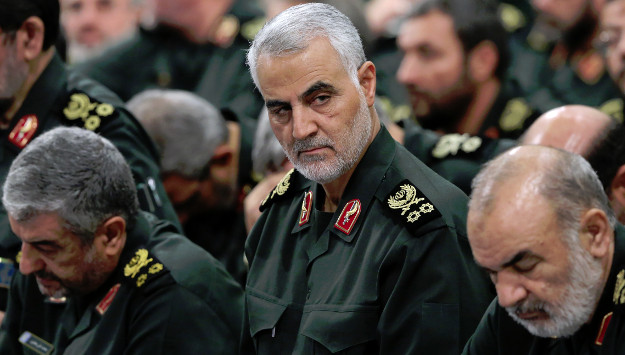
Zarif Again Declares His Allegiance to General Soleimani
Iran’s Foreign Minister Javad Zarif has strongly defended the regional policies of the Islamic Revolution Guards Corps (I.R.G.C.). In particular, Zarif defended General Qassem Soleimani, the head of the Quds Force, which is the I.R.G.C.’s expeditionary force. “I have had a close relationship with General Soleimani for over 20 years. When I was the head of the [Iranian] negotiating team involving questions of Iraq and Afghanistan, I had a very good working relationship with General Soleimani,” Zarif stated.
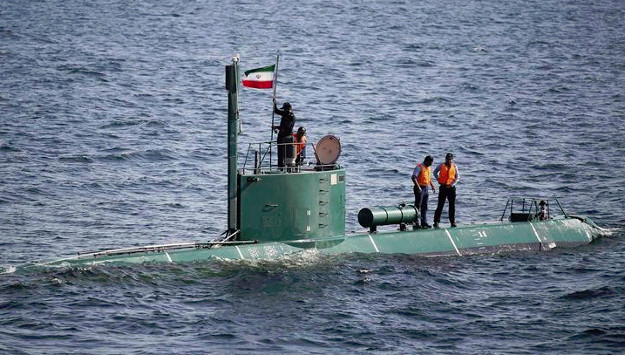
Iran Expansionist Naval Agenda May Further Alarm Regional States
Iranian Navy Commander Habibollah Sayyari on Sunday discussed Iran’s latest progress in developing the capabilities and expanding the operational and geographical scope of the country’s naval forces. He announced that he had deployed 20,000 naval personnel to the Makran region on the Persian Gulf and the Gulf of Oman.
Findings and Recommendations of the Conference on “Arab-U.S. Relations in Perspective” hosted jointly by the School of Global Affairs at AUC and the Middle East Institute, on January, 29-30, 2017, in Cairo, Egypt.
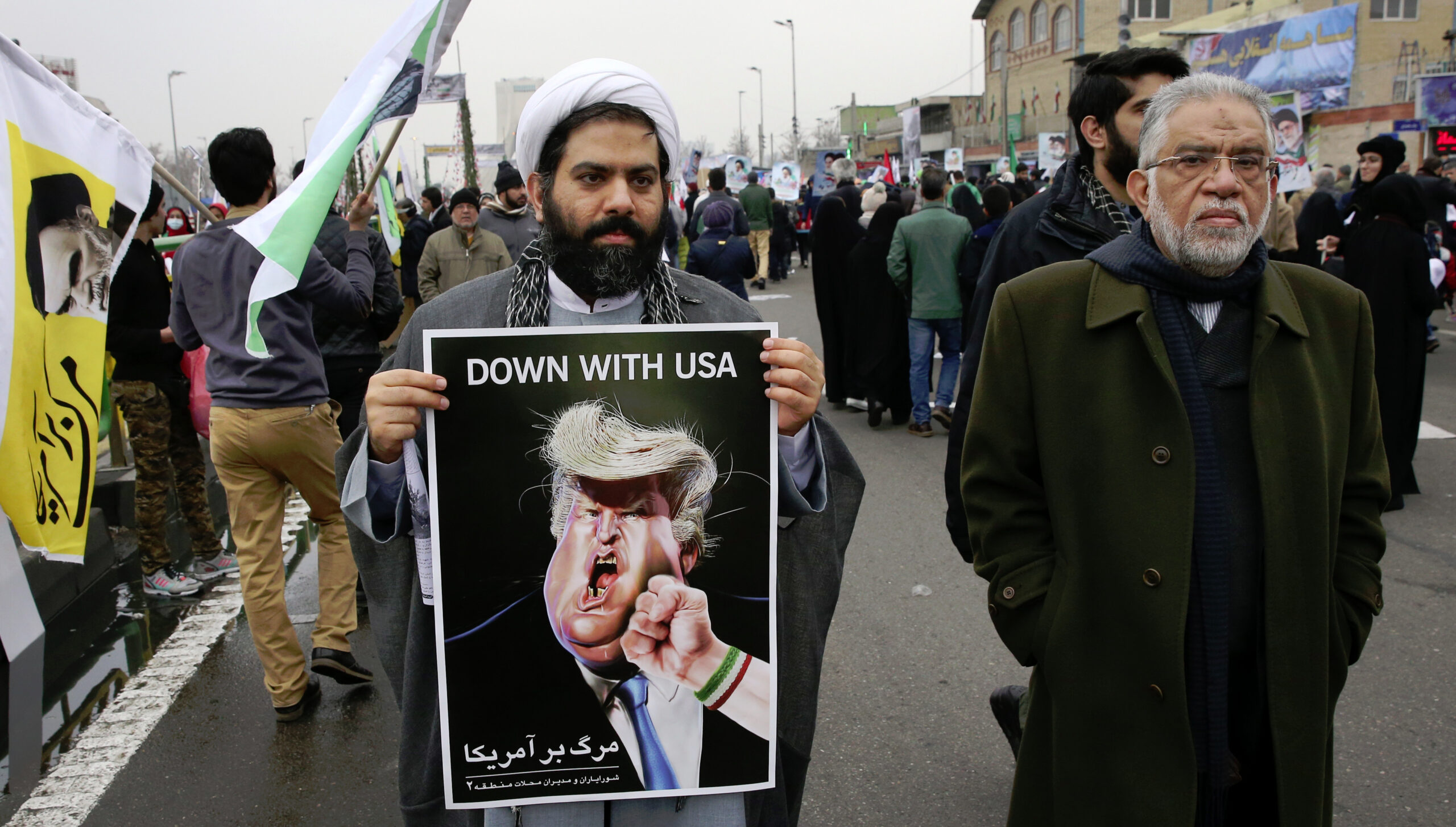
Iranian Regime Marks 1979 Revolution Anniversary with “Death to America” Slogan
Chanting “Death to America” and “Death to Israel,” hundreds of thousands of pro-regime Iranians rallied on Friday to renew allegiance to the clerical establishment and commemorate the 38th anniversary of the country’s Islamic Revolution, Iranian state-run media reported.
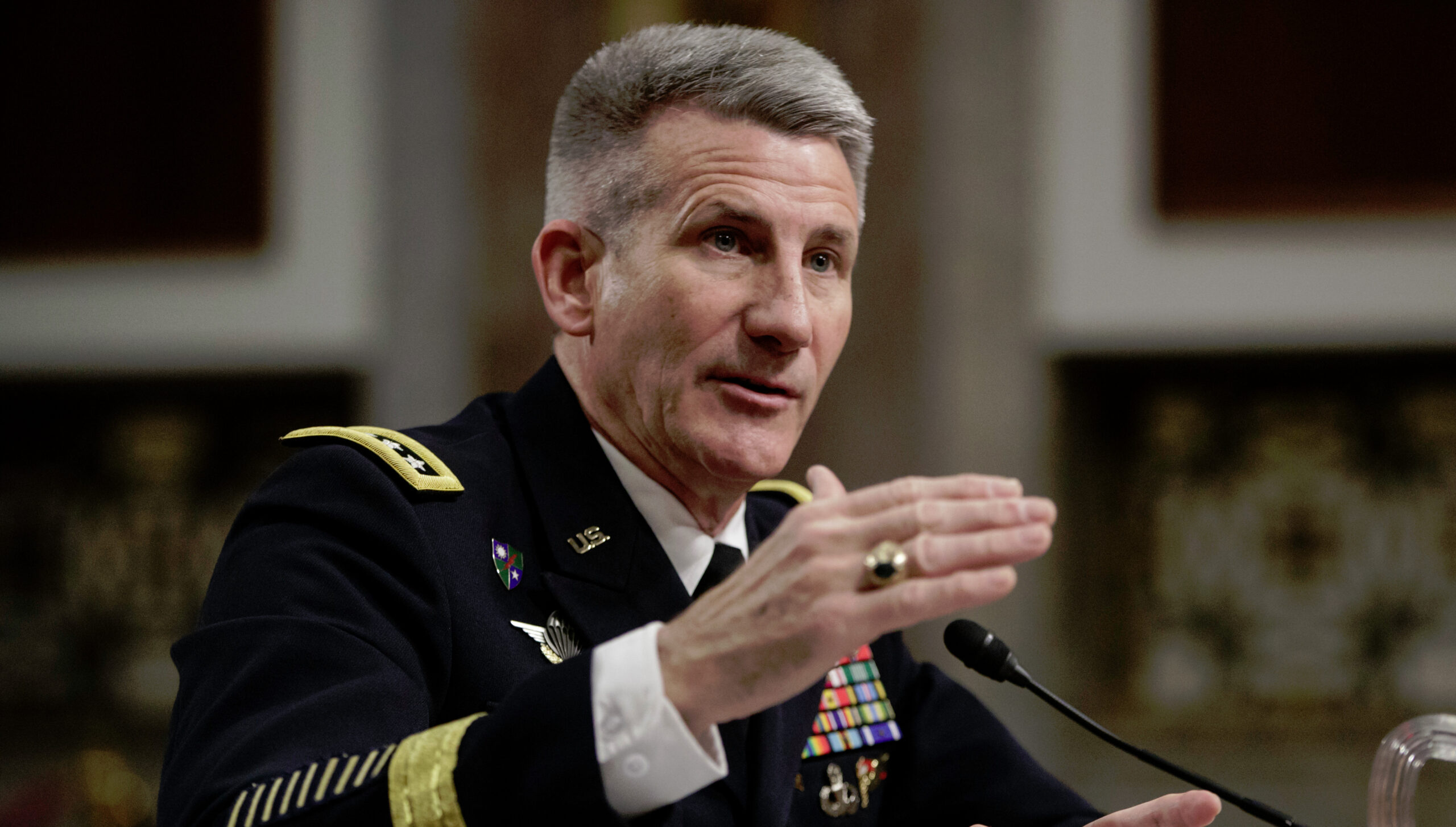
Top U.S. General Provides Further Evidence of Iran’s Support for Taliban
The top American commander in Afghanistan told Congress yesterday that Iran and Russia are supporting the Taliban to undermine the U.S. mission to stabilize the war-ravaged country. Army Gen.
Mehdi Khazali, a prominent critic of the Iranian regime who was arrested by the security forces this week and sent to Tehran’s Evin Prison, has decided to go on hunger strike. Khazali’s hunger strike was reported by a number of reformist-leaning outlets in Iran.
The oldest peer-reviewed publication dedicated to the study of the modern Middle East, MEI’s flagship journal covers politics, society, and culture in the region.