Bonus Episode: Previewing Israel’s First Post-October 7 Election
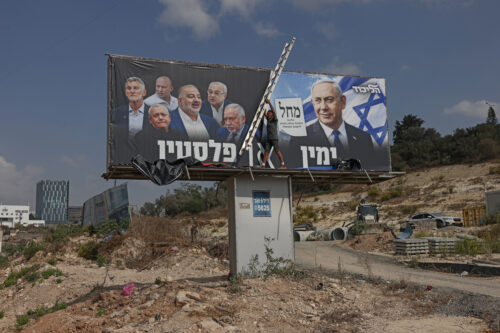
Israel is preparing to hold what may be its most consequential election in decades. On October 27, Prime Minister Benjamin Netanyahu will face his first electoral test since October 7, 2023. In this bonus episode of Middle East Focus, we present the audio from a recent MEI webinar, hosted in Israel on the eve of the vote. Senior Fellow Natan Sachs is joined by Dr. Shira Efron, Distinguished Chair for Israel Policy and senior fellow at the RAND Corporation, and Neri Zilber, veteran journalist and Financial Times correspondent. They explore what’s at stake in this historic election and how different outcomes could reshape Israel’s domestic politics and the wider region.
Israel Was Built on Hope. This Election May Be Our Last Chance to Save It
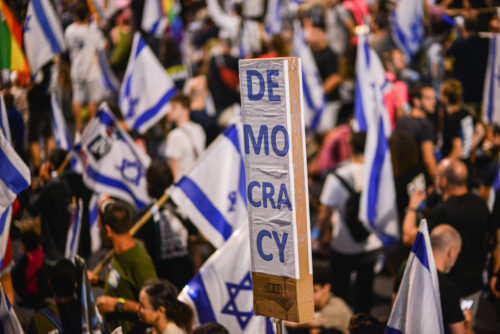
Israel’s national anthem, Hatikva, means “the hope.” Israel is not just another country, but the culmination of a 2,000-year-old dream of national redemption. The rebirth of the Jewish people’s ancestral homeland, just three years after the Holocaust, was a miraculous triumph of hope over all odds.
Today, that hope has been shattered and the elections on October 27 have become the most consequential in Israel’s history.
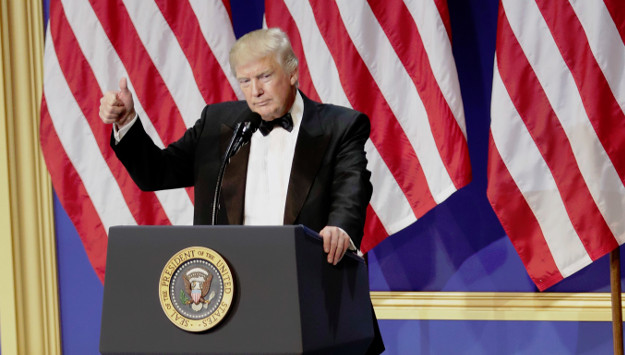
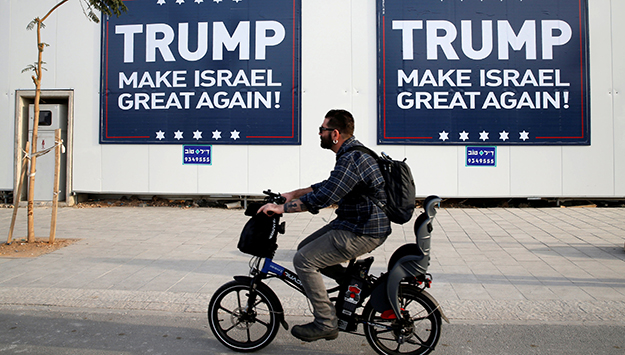
One striking thing about US President Donald Trump’s endorsement of Israeli Prime Minister Benjamin Netanyahu this past week is how isolated he was in making this call. The Israeli Prime Minister has become a widely detested figure worldwide following Israel’s war in Gaza—where Israel committed war crimes. This disdain was clearly on display in New York in September when dozens of diplomats streamed out of the hall during Netanyahu’s speech.
Since 1967, Israeli settlements in the West Bank have been a contested feature of the Israeli-Palestinian conflict. The ultimate disposition of the settlements and ongoing activity related to their growth have repeatedly defied agreement in negotiations over a resolution to the conflict.
The Houthis are a political-military faction and Zaydi religious movement founded in northwestern Yemen in the 1980s. A key member of Iran’s Axis of Resistance with links to other militant organizations in the Arabian Peninsula and the Horn of Africa, the group has continued to pose a threat to Western interests on a global scale.
The India-Middle East-Europe Economic Corridor (IMEC) is a proposed multinational infrastructure initiative aimed at upgrading connectivity between the three regions through integrated trade, energy, and digital networks. Announced at the G20 summit in New Delhi in September 2023, IMEC is envisioned partially as a counterweight to China’s international infrastructure project, the Belt and Road Initiative.
After a decade of post-Arab Spring isolation, Turkey’s leaders have recognized that their ambition to position the country as an agenda-setter on the world stage requires active engagement in all directions. President Recep Tayyip Erdoğan’s consolidation of executive authority has centralized foreign policy decision-making and tied it to his domestic political priorities, transforming the country’s revisionist approach to one shaped primarily by personal and pragmatic interests.
MEI Senior Fellow Brian Katulis engages friends, colleagues, and policy experts in casual conversations on the most important happenings in the Middle East.
Despite Controversial Visa Ban, Iranians Still Give Trump a Chance
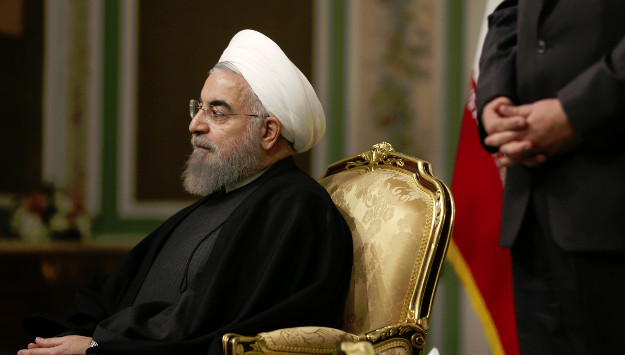
News that President Donald Trump is about to introduce a visa ban on Iranian nationals wanting to travel to the United States has been met by considerable composure in Tehran.
The Mystery of Iran’s “Strategic Depth” Policy in Syria
BBC Persian, an important independent source of news for Iranians inside Iran where media freedoms are restricted, published an article on the sensitive subject of Tehran’s endgame in the Syrian war.
The introduction of the draft in Gulf monarchies — after decades of sovereign statehood — presents an interesting puzzle. What are the reasons behind the newly implemented conscription? What broader implications does this phenomenon have for the Gulf? This essay addresses these questions.
Six Challenges to U.S.-Israel Relations under Trump
In the early 2000s, the Bush administration’s global ratings were at historic lows. There was only one allied country in which public opinion was favorable to U.S. policies—Israel. Like its citizenry, the Israeli government was strongly supportive of “the freedom agenda,” “the global war on terror,” and the need to eradicate “the axis of evil.” A decade later, President Donald Trump’s inauguration created a very similar effect, winning overwhelming governmental support and backed by a majority of Israelis.
Tehran Views GCC Overture as “Sign of Weakness,” Not Goodwill Gesture
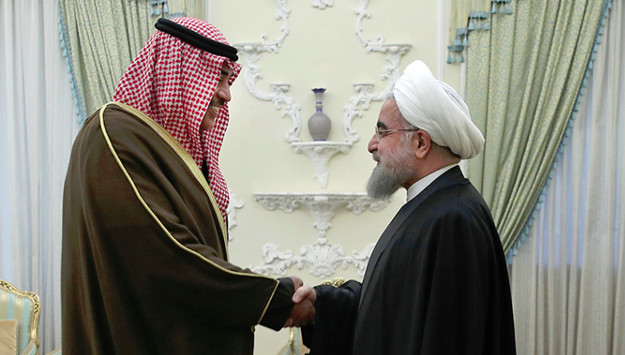
Kuwaiti Foreign Minister Sheikh Sabah Khaled al-Sabah has arrived in Tehran today to deliver a message from Gulf Cooperation Council (GCC) on a strategic dialogue between the Gulf Arab states and Iran, the Iranian and Arab media report. “Gulf states have a true desire that relations with Iran are normal and based on international law,” Sabah said on Tuesday after attending the inauguration of a NATO center in Kuwait.
Trump’s Missile Defense Plan Raises Questions in Iran
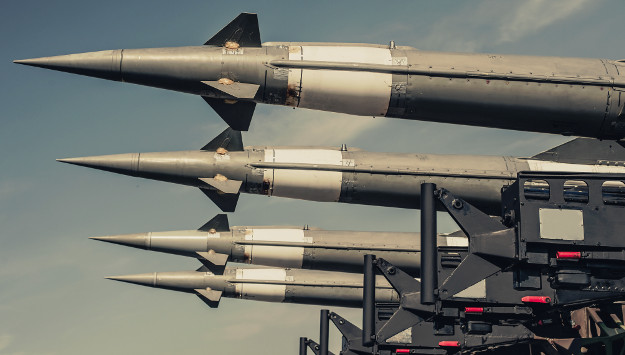
The Trump administration’s plan to develop a missile defense system (MDS) to counter potential intercontinental ballistic missile (ICBM) threats has raised many questions in Iran.
Shortly after Donald Trump took the oath of office, the White House website released a policy statement – titled “Making Our Military Strong Again” – which stated that the administration will “develop a state-of-the-art missile defense system to protect against missile-based attacks from states like Iran and North Korea.”
Rouhani’s Brother and Corruption in Iran Government
According to the speaker of the Iranian parliament (Majlis), Ali Larijani, 45 parliamentarians are insisting that President Hassan Rouhani look into the alleged wrongdoings of his younger brother, Hossein Fereidun.
Swedish Prime Minister Reminded of Political Prisoners in Tehran
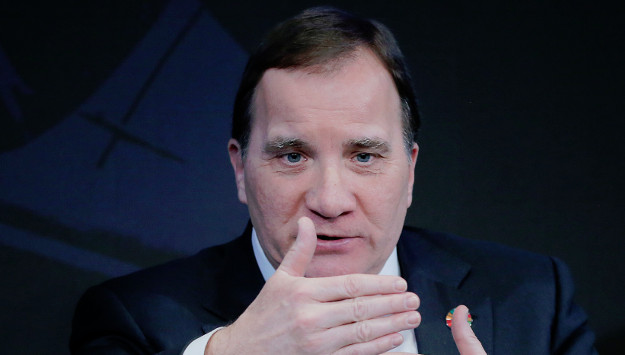
As the Swedish Prime Minister Stefan Lofven prepares for his February 11-12 visit to Tehran he is facing pushback from Iranians that are urging Sweden not to overlook human rights violations while pursuing business interests in that country. A number of open letters have been published by Iranian activists about dire conditions for political prisoners in Iran. It will remain to be seen if Lofven will push the issue while in Tehran.
The Poor of Baluchistan Ignored by Rouhani Minister
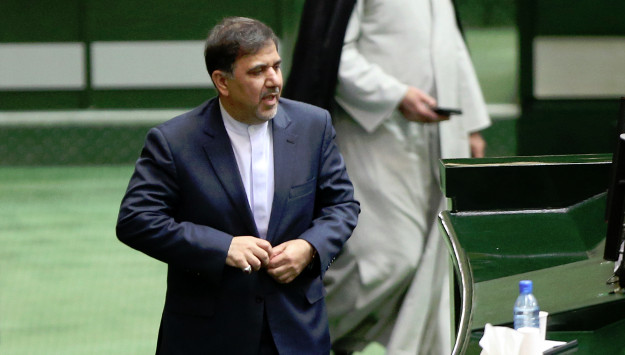
Abbas Akhundi, one of the more controversial ministers in the government of President Hassan Rouhani, has once again come under attack for his performance.
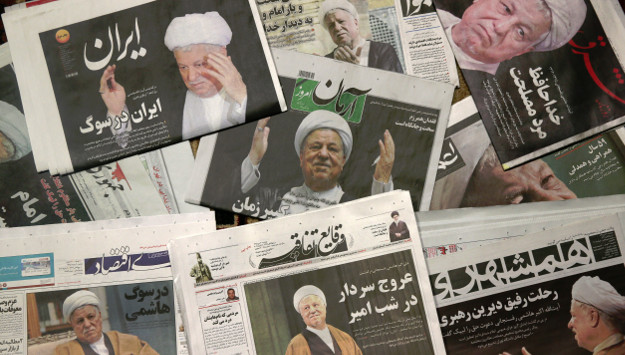
Rafsanjani Had Urged Khamenei to Release Top Political Prisoners
One Iranian opposition-leaning site, Kaleme, has reported that the recently deceased Ayatollah Akbar Hashemi Rafsanjani had strongly urged Iran’s Supreme Leader Ayatollah Ali Khamenei to release Mir-Hossein Mousavi and Mehdi Karroubi from house arrest. “These are elderly people and if anything happens to them [while under house arrest] then the regime is responsible,” Rafsanjani is quoted to have said to Khamenei.
New Poll Shows Support for Rouhani Sinking ahead of Elections
A new opinion poll shows that public support for Iranian President Hassan Rouhani is plummeting as Iranians are increasingly dissatisfied with the government’s handling of economic and democracy-related issues.
Ukrainian officials have confirmed that a shipment of missile components sized at a Kieve airport was destined for Iran. According to a report by IHS Jane’s, the State Border Guard Service of Ukraine (DPSU) said its personnel found 17 boxes with no accompanying documents that contained components for a Fagot anti-tank guided missile system. The DPSU also released photos of components from 9P135-series ground launching systems found on the Iran-bound airliner.
The once powerful Iranian reformist parties are today on the political margins. While they continue to enjoy significant support from voters at election times – which was last evident in the 2016 parliamentary elections when reformists secured about 41% of the vote – the public no longer seems to believe reformists can instill serious reform in Iran. In particular, the Iranian youth of today, which used to be the bedrock of support for reformists, is noticeably disillusioned with the political process in the country.
The oldest peer-reviewed publication dedicated to the study of the modern Middle East, MEI’s flagship journal covers politics, society, and culture in the region.