Bonus Episode: Previewing Israel’s First Post-October 7 Election
Israel is preparing to hold what may be its most consequential election in decades. On October 27, Prime Minister Benjamin Netanyahu will face his first electoral test since October 7, 2023. In this bonus episode of Middle East Focus, we present the audio from a recent MEI webinar, hosted in Israel on the eve of the vote. Senior Fellow Natan Sachs is joined by Dr. Shira Efron, Distinguished Chair for Israel Policy and senior fellow at the RAND Corporation, and Neri Zilber, veteran journalist and Financial Times correspondent. They explore what’s at stake in this historic election and how different outcomes could reshape Israel’s domestic politics and the wider region.
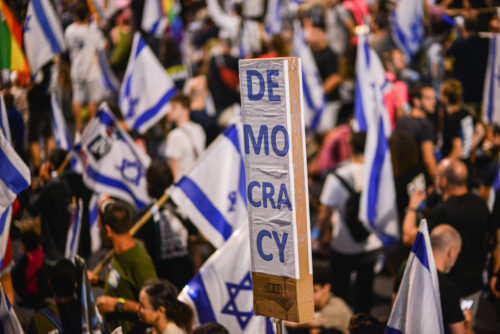
Israel Was Built on Hope. This Election May Be Our Last Chance to Save It
Israel’s national anthem, Hatikva, means “the hope.” Israel is not just another country, but the culmination of a 2,000-year-old dream of national redemption. The rebirth of the Jewish people’s ancestral homeland, just three years after the Holocaust, was a miraculous triumph of hope over all odds.
Today, that hope has been shattered and the elections on October 27 have become the most consequential in Israel’s history.
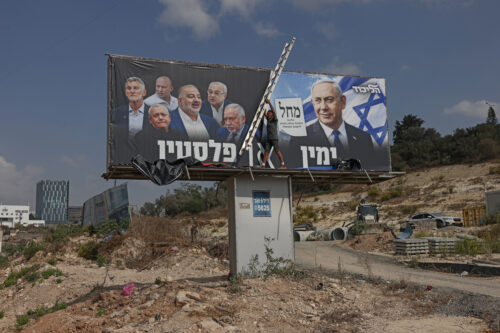
One striking thing about US President Donald Trump’s endorsement of Israeli Prime Minister Benjamin Netanyahu this past week is how isolated he was in making this call. The Israeli Prime Minister has become a widely detested figure worldwide following Israel’s war in Gaza—where Israel committed war crimes. This disdain was clearly on display in New York in September when dozens of diplomats streamed out of the hall during Netanyahu’s speech.
Since 1967, Israeli settlements in the West Bank have been a contested feature of the Israeli-Palestinian conflict. The ultimate disposition of the settlements and ongoing activity related to their growth have repeatedly defied agreement in negotiations over a resolution to the conflict.
The Houthis are a political-military faction and Zaydi religious movement founded in northwestern Yemen in the 1980s. A key member of Iran’s Axis of Resistance with links to other militant organizations in the Arabian Peninsula and the Horn of Africa, the group has continued to pose a threat to Western interests on a global scale.
The India-Middle East-Europe Economic Corridor (IMEC) is a proposed multinational infrastructure initiative aimed at upgrading connectivity between the three regions through integrated trade, energy, and digital networks. Announced at the G20 summit in New Delhi in September 2023, IMEC is envisioned partially as a counterweight to China’s international infrastructure project, the Belt and Road Initiative.
After a decade of post-Arab Spring isolation, Turkey’s leaders have recognized that their ambition to position the country as an agenda-setter on the world stage requires active engagement in all directions. President Recep Tayyip Erdoğan’s consolidation of executive authority has centralized foreign policy decision-making and tied it to his domestic political priorities, transforming the country’s revisionist approach to one shaped primarily by personal and pragmatic interests.
MEI Senior Fellow Brian Katulis engages friends, colleagues, and policy experts in casual conversations on the most important happenings in the Middle East.
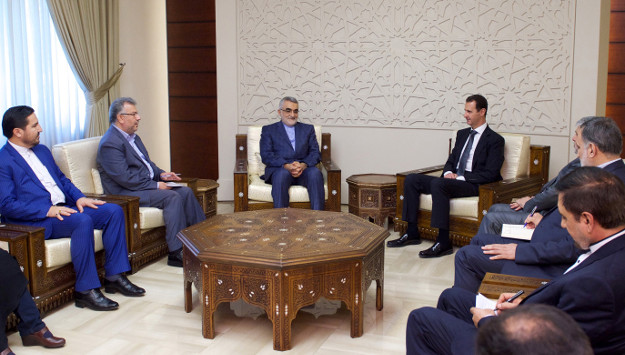
Senior Iranian Delegation Visits Damascus for Talks
Iran’s Fars News Agency reports that a high-level Iranian parliamentary delegation left Tehran for Damascus on January 3 to hold meetings with senior Syrian officials. The chairman of Iranian Parliament’s Committee on National Security and Foreign Policy, Alaeddin Boroujerdi, heads the delegation.
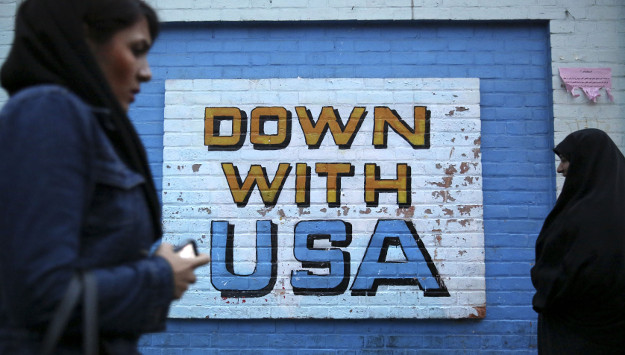
Iran Hosts International “Down with USA” Exhibition
News Brief: On December 29, senior Iranian civilian and military officials participated in the closing ceremony of The Third International Grand Award of “Down with USA” held in Tehran. The organizers of the event had asked artists, photojournalists, cartoonists and documentary-makers from all over the world to submit their works for the competition and promised monetary rewards for the winners.
Heydar Moslehi, Supreme Leader Ayatollah Ali Khamenei’s special representative to the Islamic Republic Guards Corps (IRGC), has launched a scathing attack on Western embassies in Tehran.
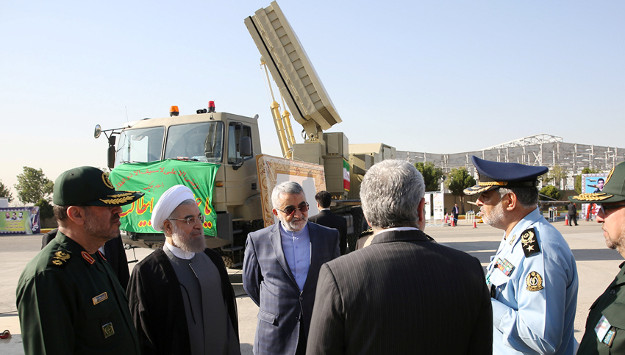
Khamenei’s Tight Control over Iran’s Missile Arsenal
Hassan Firouzabadi, up until recently the Chief of Staff of Iranian Armed Forces, has revealed the country’s supreme leader is intensely involved in managing Iran’s missile industry.
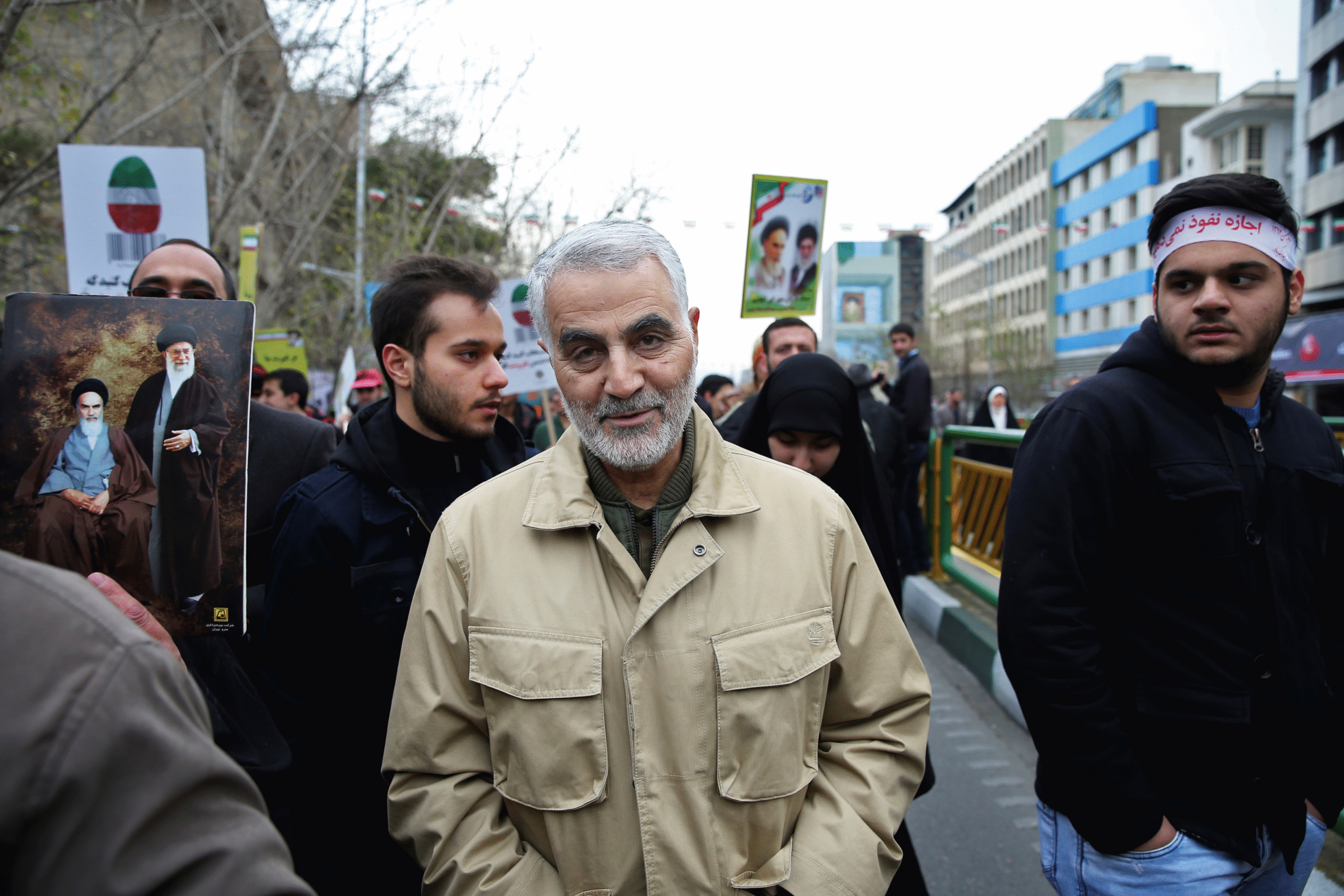
Qassem Suleimani in Aleppo Angers Russian Generals
News Brief:Shia News, an Iranian website, commented that the sudden appearance of Qassem Suleimani, the head of Iran’s Quds Force, in the streets of Aleppo after it was recaptured by Iran-led forces generated anger among the top Russian military brass.
Iranian Military Base for Russia Illustrates Tehran’s Real Agenda
On December 27, Iran’s Defense Minister Hossein Dehghan gave a lengthy interview about Iranian regional policy objectives. In his remarks, Dehghan made it clear that Russia can count on access to military sites on Iranian soil should circumstances require it.
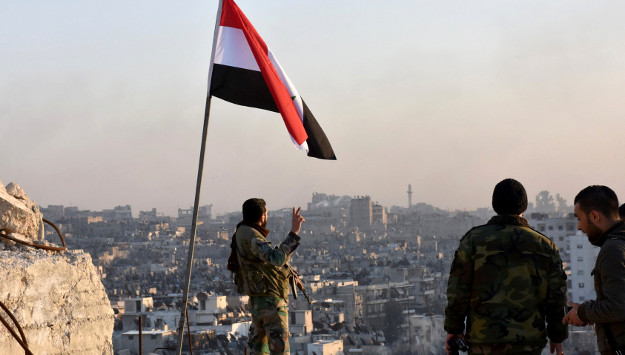
IRGC Sees Victory in Syria Vital to Expanding Its Hegemony in Region
A top Iranian general has said the “liberation” of the Syrian city of Aleppo was a “strategic” victory for Iran over the United States and regional countries. “When Aleppo was liberated, polici
Iran Provokes Region with Plan to Build Aircraft Carrier
A senior Iranian navy commander unveiled the country’s plan to construct an aircraft carrier as part of a broader project to upgrade the country’s maritime warfare capabilities.
Ali Jannati, a former minister of culture under President Hassan Rouhani, has strongly attacked the state of the Iranian society and a lack of political leadership in the country. He said that there were “75,000 mosques and 800 Friday prayer leaders” in Iran today, but ordinary people still had “no one to turn to for leadership.”
The oldest peer-reviewed publication dedicated to the study of the modern Middle East, MEI’s flagship journal covers politics, society, and culture in the region.