Geopolitical influence over trade increasingly rests on controlling the systems that make them work. The Middle East illustrates the stakes. US ports, cable corridors, cloud facilities, artificial intelligence (AI) investments, and maritime routes connect regional economies to global commerce while exposing them to external decisions and disruptions. For the United States, the challenge is to translate technological advantage into resilient networks rather than rely on centrality that can itself become a source of vulnerability and coercion.
Bonus Episode: Previewing Israel’s First Post-October 7 Election
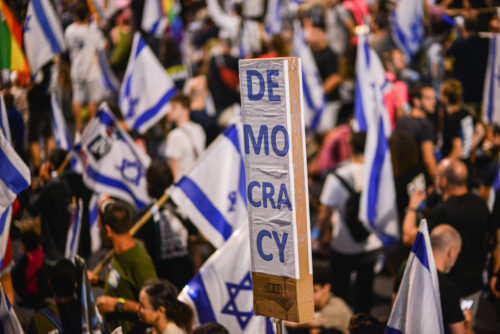
Israel is preparing to hold what may be its most consequential election in decades. On October 27, Prime Minister Benjamin Netanyahu will face his first electoral test since October 7, 2023. In this bonus episode of Middle East Focus, we present the audio from a recent MEI webinar, hosted in Israel on the eve of the vote. Senior Fellow Natan Sachs is joined by Dr. Shira Efron, Distinguished Chair for Israel Policy and senior fellow at the RAND Corporation, and Neri Zilber, veteran journalist and Financial Times correspondent. They explore what’s at stake in this historic election and how different outcomes could reshape Israel’s domestic politics and the wider region.
Israel Was Built on Hope. This Election May Be Our Last Chance to Save It
Israel’s national anthem, Hatikva, means “the hope.” Israel is not just another country, but the culmination of a 2,000-year-old dream of national redemption. The rebirth of the Jewish people’s ancestral homeland, just three years after the Holocaust, was a miraculous triumph of hope over all odds.
Today, that hope has been shattered and the elections on October 27 have become the most consequential in Israel’s history.
Since 1967, Israeli settlements in the West Bank have been a contested feature of the Israeli-Palestinian conflict. The ultimate disposition of the settlements and ongoing activity related to their growth have repeatedly defied agreement in negotiations over a resolution to the conflict.
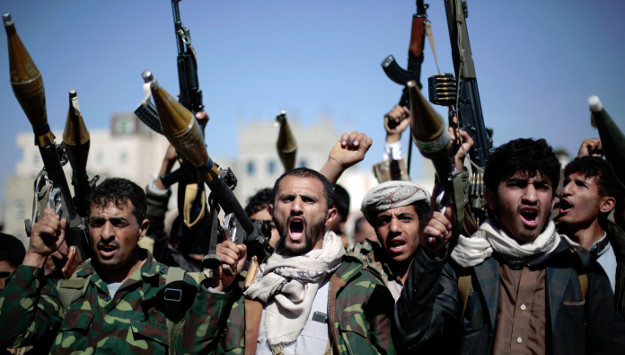
The Houthis are a political-military faction and Zaydi religious movement founded in northwestern Yemen in the 1980s. A key member of Iran’s Axis of Resistance with links to other militant organizations in the Arabian Peninsula and the Horn of Africa, the group has continued to pose a threat to Western interests on a global scale.
The India-Middle East-Europe Economic Corridor (IMEC) is a proposed multinational infrastructure initiative aimed at upgrading connectivity between the three regions through integrated trade, energy, and digital networks. Announced at the G20 summit in New Delhi in September 2023, IMEC is envisioned partially as a counterweight to China’s international infrastructure project, the Belt and Road Initiative.
After a decade of post-Arab Spring isolation, Turkey’s leaders have recognized that their ambition to position the country as an agenda-setter on the world stage requires active engagement in all directions. President Recep Tayyip Erdoğan’s consolidation of executive authority has centralized foreign policy decision-making and tied it to his domestic political priorities, transforming the country’s revisionist approach to one shaped primarily by personal and pragmatic interests.
MEI Senior Fellow Brian Katulis engages friends, colleagues, and policy experts in casual conversations on the most important happenings in the Middle East.
December 8, 2016 – Former U.S. Assistant Secretary of Defense, Mary Beth Long discusses the formation of Donald Trump’s foreign policy strategy in the Middle East with host Paul Salem.
After Aleppo, IRGC Calls for Toppling Regimes in Bahrain and Yemen
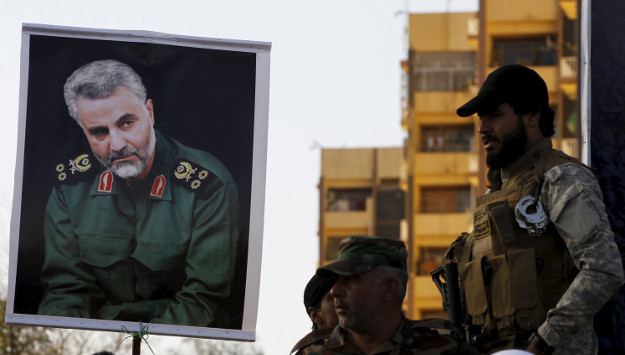
In its first official reaction to the fall of Aleppo, the Islamic Revolution Guards Corps (IRGC) hailed the seizure of Syria’s second largest city as a “divine gift” to the Iranian regime and a prelude to bigger achievements by Iran and its regional proxies across the Middle East.
The governor of Yemen’s Jawf governorate, in north central Yemen bordering Saudi Arabia, told a press conference, December 15, that the Yemeni army had captured “a large number of militias, including Iranian experts and others from Hizballah… ,” according to al-Arabiya. The governor said that the Iranians and Hizballah personnel were providing the Houthi militias with information and support.
A top Iranian religious figure has called on the Shiite minority in Pakistan to “stay united” and remain active and influential in society. Mohammad Hassan Akhtari, who is the head of the Iranian-controlled Ahl-ul Bayt – a Shiite-centric religious propaganda arm of the Iranian state – said that Iran “has no problems with majority of the Sunnis” but that its “fundamental conflict is with Wahhabis.”
Iran Invites Terrorist Group to International Conference It Hosts
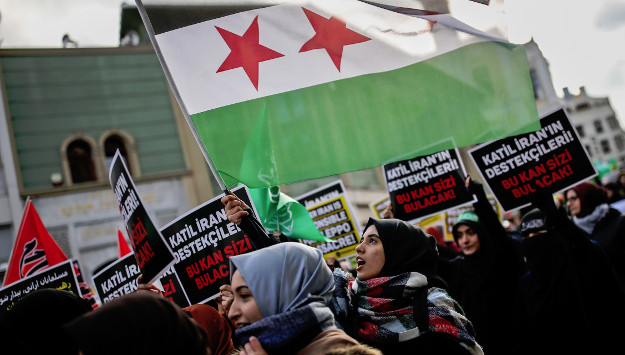
On December 15, Iran’s President Hassan Rouhani delivered a speech at the 30th International Islamic Unity Conference in Tehran. He spoke about the need for Muslim unity to fight “colonialist countries” and the “Zionist regime [Israel]” on the same day Iranian-backed militia fighters massacred Muslim civilians in Aleppo. He also called for collection action to fight terrorism.
A hardline Iranian news site that is controlled by the Islamic Revolution Guards Corps (IRGC) continues to seek to incite the Bahraini Shiite population. Quoting a Bahraini activist, the site propagated that the “international posture toward the political situation in Bahrain is merely for show” and aimed to “neutralize the Shiite opposition in the country.”
Iran’s So-Called “Moderates” Back Regime’s Expansionist Agenda
Fatima Zolghadr, a parliamentarian from Tehran and a member of reformist Hope Faction, hailed the fall of Aleppo as a victory for the Iran-led “resistance” forces.
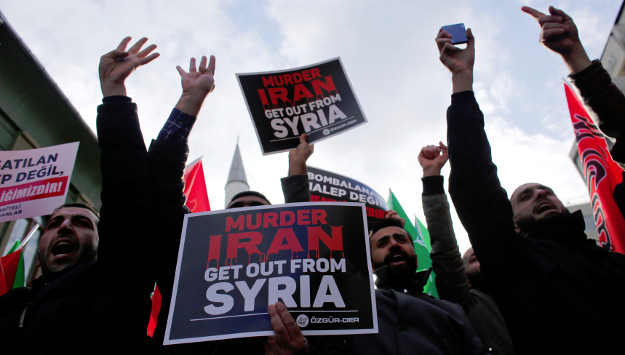
Tehran’s unwavering support for the regime of Bashar al-Assad continues to irk the Turks, according to press reports. On December 16, the Turkish prime minister, Binali Yildirim, and Iran’s vice president, Eshaq Jahangiri, spoke on the phone. The discussion was ostensibly about Jahangiri’s upcoming visit to Turkey, but also focused on the Syrian civil war.
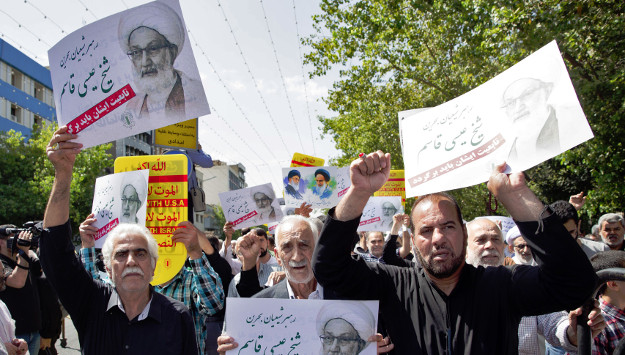
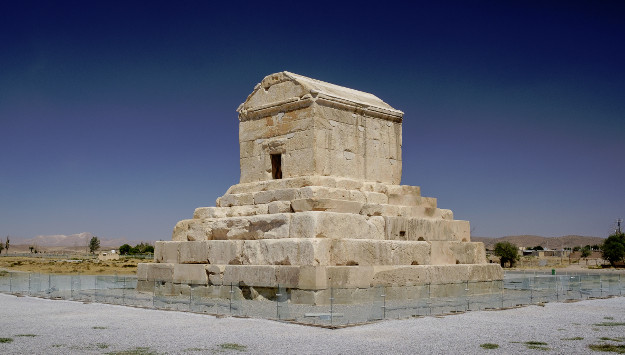
The authorities in the Iranian city of Shiraz have handed 74 people prison sentences ranging from one to eight years. The so-called crime of those sentenced was to gather for an unauthorized event at the tomb of Cyrus the Great, an ancient Persian king. The event happened in the last week of October and led to an outcry among hardliners. One hardliner, Ayatollah Hamedani, called the event an “anti-revolutionary” gesture that needs to be confronted.
This week again Iranian leaders have been busy publicizing themselves as “promoters of Islamic unity.” On the one hand, Iranian leaders, like President Hassan Rouhani, speak of the illusive “great conspiracy” supposedly concocted by what he calls “big powers” to split the Muslim world.
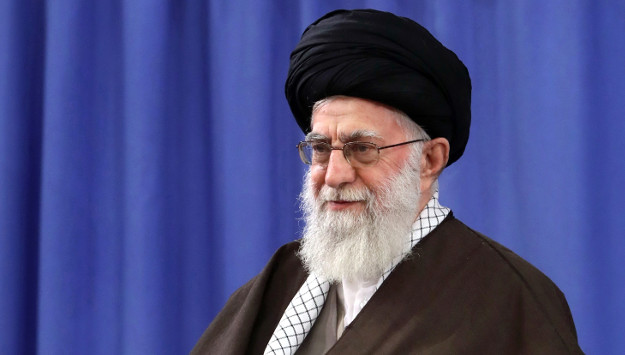
Iran’s supreme authority, Ayatollah Ali Khamenei, told a visiting Palestinian militant leader that “Israel will not exist in 25 years.” Khamenei made the remarks to Ramadan Abdullah Shalah, head o
Civilians Massacred in Aleppo by Iranian Backed Militia
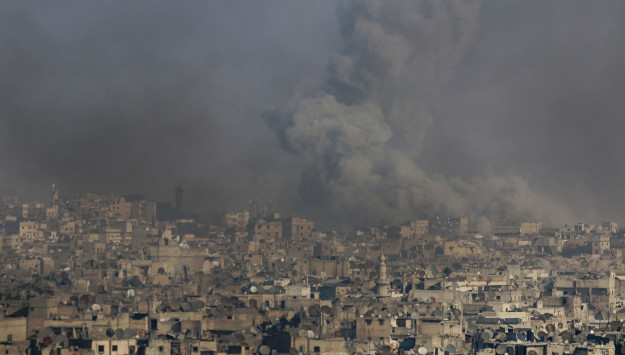
The bloody fall of Aleppo, Syrian opposition forces’ last major urban stronghold, is now certain. Without outside assistance, the rebel groups found it impossible to withstand a ruthless air and ground onslaught by the Iranian-led military forces that are propping up the regime of Bashar al-Assad.
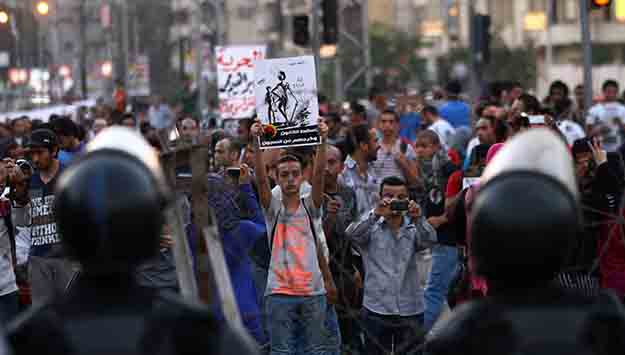
Egypt’s Supreme Constitutional Court (S.C.C.) recently ruled that a central element of the country’s controversial Protest Law relating to police power to ban public demonstrations is unconstitutional.
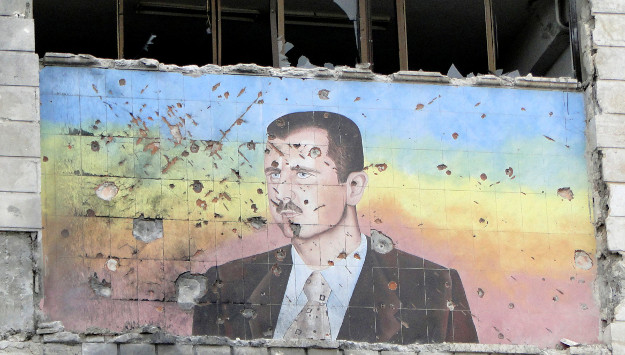
As President Bashar Assad’s army pushes into the last few neighborhoods controlled by rebels in Aleppo, the Syrian leader can claim a stronger position than at any point since the early days of a war that broke out in 2011.
The oldest peer-reviewed publication dedicated to the study of the modern Middle East, MEI’s flagship journal covers politics, society, and culture in the region.