Skip to Content

Research & Commentary

Read in-depth research, analysis, and commentary from MEI’s fellows and experts on the Middle East. 

Trump’s South Caucasus Peacemaking Is His Most Successful, but It Remains Unfinished
  • Commentary
  • Trump’s South Caucasus Peacemaking Is His Most Successful, but It Remains Unfinished

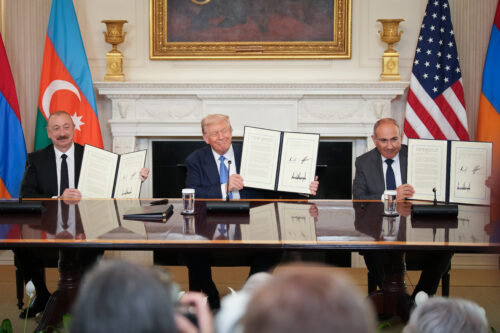
    Of all the fronts in President Trump’s peacemaking agenda, the South Caucasus has delivered the most concrete results. The August 2025 Washington Declaration, signed between Armenia and Azerbaijan and witnessed by Trump, marked an important step toward peace in the region. The two sides initialed a peace agreement and advanced plans to unblock regional connectivity, including through the establishment of the Trump Route for International Peace and Prosperity (TRIPP), which would connect Azerbaijan to its Nakhijevan exclave through southern Armenia. Implementation of TRIPP has since made notable progress, but construction has yet to start. A breakthrough on those two tracks would, in turn, unlock Armenia–Türkiye normalization, transforming a long-fractured region into an area of trade and interdependence.
    The Iran War Was Always About Regime Change
  • Commentary
  • The Iran War Was Always About Regime Change

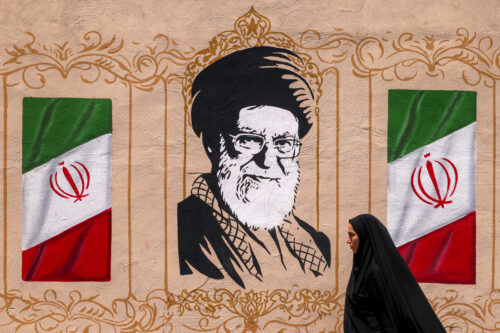
    Wars don’t just end. They get interpreted, reinterpreted, and turned into strategic doctrine. That is what happened after the Iran-Iraq War of the 1980s, a conflict that saw the United States back Tehran’s Iraqi adversaries. The war taught Tehran three lessons it never unlearned: that Washington wants the Islamic Republic gone, that Iran stands essentially alone in the world, and that it cannot survive a direct, overt fight with the U.S. and Israel.

    Iran’s New War Cabinet Is Really an Old One
  • Analysis
  • Iran’s New War Cabinet Is Really an Old One

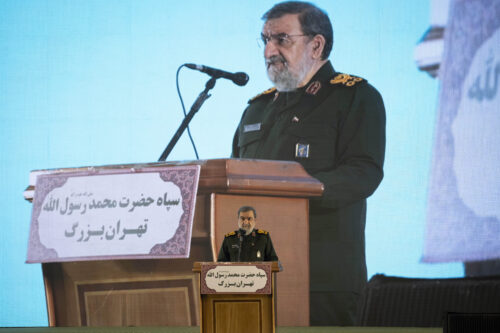
    Within 48 hours this week, Iran filled six of the most important posts in its battered military and security establishment. Read together with the biographies and mandates behind them, the appointments show how Tehran is drawing lessons from successive wars and preparing for a prolonged period of insecurity, without proving it has abandoned negotiation.

    Additional Research & Commentary

    Backgrounders

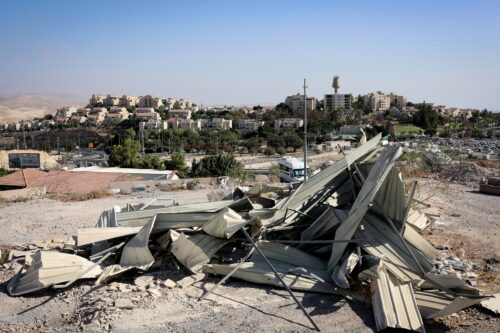
    Israeli Settlements in the West Bank
  • Backgrounder
  • Israeli Settlements in the West Bank

    Since 1967, Israeli settlements in the West Bank have been a contested feature of the Israeli-Palestinian conflict. The ultimate disposition of the settlements and ongoing activity related to their growth have repeatedly defied agreement in negotiations over a resolution to the conflict.

    June 9, 2026

    The Houthis
  • Backgrounder
  • The Houthis

    The Houthis are a political-military faction and Zaydi religious movement founded in northwestern Yemen in the 1980s. A key member of Iran’s Axis of Resistance with links to other militant organizations in the Arabian Peninsula and the Horn of Africa, the group has continued to pose a threat to Western interests on a global scale.

    May 15, 2026

    The India-Middle East-Europe Economic Corridor
  • Backgrounder
  • The India-Middle East-Europe Economic Corridor

    The India-Middle East-Europe Economic Corridor (IMEC) is a proposed multinational infrastructure initiative aimed at upgrading connectivity between the three regions through integrated trade, energy, and digital networks. Announced at the G20 summit in New Delhi in September 2023, IMEC is envisioned partially as a counterweight to China’s international infrastructure project, the Belt and Road Initiative.

    June 3, 2026

    Turkish Foreign Policy
  • Backgrounder
  • Turkish Foreign Policy

    After a decade of post-Arab Spring isolation, Turkey’s leaders have recognized that their ambition to position the country as an agenda-setter on the world stage requires active engagement in all directions. President Recep Tayyip Erdoğan’s consolidation of executive authority has centralized foreign policy decision-making and tied it to his domestic political priorities, transforming the country’s revisionist approach to one shaped primarily by personal and pragmatic interests.

    April 23, 2026

    Podcasts

    Middle East Focus

    MEI’s flagship weekly podcast on US foreign policy and contemporary political and social issues in the Middle East.

    Taking the Edge Off the Middle East

    MEI Senior Fellow Brian Katulis engages friends, colleagues, and policy experts in casual conversations on the most important happenings in the Middle East. 

    Rethinking Democracy

    MEI Senior Fellow Gonul Tol hosts leading scholars and thought leaders on global democracy trends and the state of the liberal international order. 

    Filter by
    8783 Results
    Japan’s New Energy Future and the Middle East
  • Analysis
  • Japan’s New Energy Future and the Middle East

    On March 11, 2011 Japan was struck by a massive earthquake and tsunami that devastated the northeastern part of the country. The quake and tsunami also damaged three reactors at the Fukushima Daiichi Nuclear Power Plant, triggering a nuclear crisis that led to the shutdown of nearly a third of the country’s energy production.

    Trafficking in Antiquities during a Time of War
    Middle East Institute
  • Analysis
  • Trafficking in Antiquities during a Time of War

    When Russian archaeologist Viktor Sarianidi excavated Tilya Tepe in 1978, 21,000 bejeweled, gold artifacts created during the Greco-Bactrian era known as The Golden Hoard of Bactria were reported as inventoried, photographed, and catalogued. But in consideration of the time (1978), and the fact that the Kremlin was considering military intervention in Afghanistan in support of the Communist regime, it seems prudent to challenge the veracity of Professor Sarianidi’s findings.

    June 5, 2012

    What the Hell Should We Do About Syria?
    Middle East Institute
  • Analysis
  • What the Hell Should We Do About Syria?

    This Opinion first appeared in Foreign Policy on May 30, 2012

    The massacre in al-Houla, where Syrian military forces and allied militiamen massacred more than 100 civilians in cold blood, leaves no doubt about the intentions of President Bashar al-Assad’s regime: survival at any cost and through any means. Assad does not have a Plan B.

    May 31, 2012

    Turkey Cozies Up to the KRG
    Middle East Institute
  • Analysis
  • Turkey Cozies Up to the KRG

    Turkey’s popular and outspoken Prime Minister, Recep Tayyip Erdogan, was treated to a hero’s welcome last week when he met with Syrian refugees for the first time since Turkey opened its doors to the thousands of people fleeing Bashar Al-Assad’s crackdown.  Erdogan’s pledge to defend the rights of the Syrian people and his call for Assad’s removal, however, fell short of expectations.  Although Erdogan’s speech drew some applause, it was also interrupted by shouts of “We want arms for the Free Syrian Army and a buffer zone inside Syria!”   The Turkish PM’s reiteration of his previous positi

    Egyptian Voters Flex Their Cheops
    Middle East Institute
  • Analysis
  • Egyptian Voters Flex Their Cheops

    The cacophony of bullhorns, fireworks and frenzied cross-country barnstorming in trucks, busses and three-wheeled “tuk-tuks” emblazoned with candidates’ posters has come to an end, and a historic moment has arrived: tens of millions of Egyptians are heading to the polls today in the first democratic presidential election in the country’s history, an election borne out of the 2011 revolution that ousted former President Hosni Mubarak and injected Egyptians with a novel feeling of excitement for participatory democracy.

    May 23, 2012

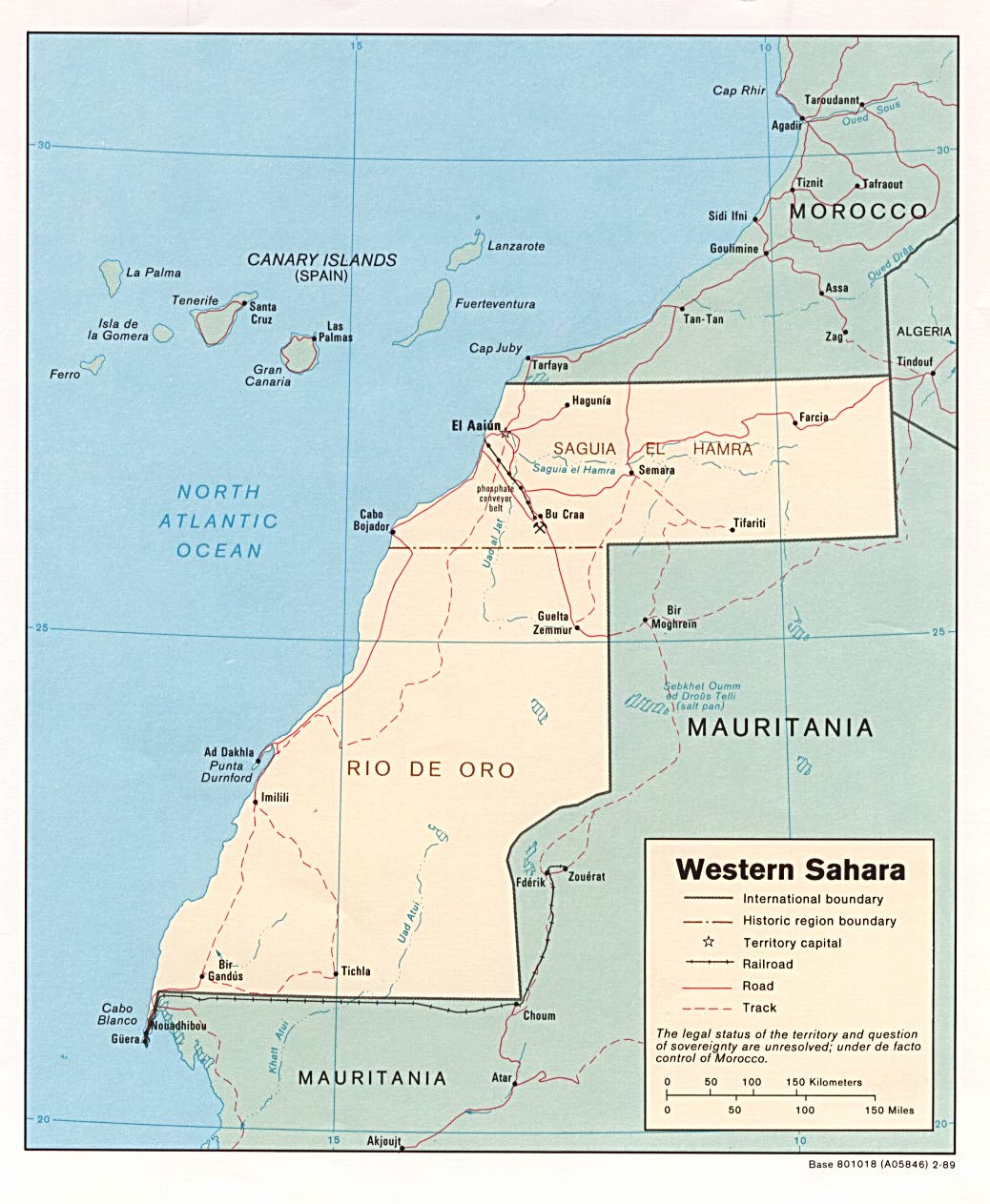
    Autonomy: The Optimal Political Solution
  • Analysis
  • Autonomy: The Optimal Political Solution

    1) Origins and genesis of the conflict

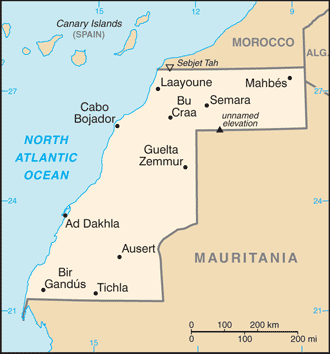
    Since the origin of the crisis, it has been evident that Morocco would never accept any outcome that might contest its sovereignty or result in the independence of the Western Sahara. The United Nations General Assembly (UNGA) proposed in its first resolution adopted on December 16, 1965 that Spain “takes all necessary measures” to decolonize the territory, while entering into negotiations on “problems relative to governing.”

    May 22, 2012

    'Reality Check' for Iran Nuclear Talks
    Middle East Institute
  • Analysis
  • 'Reality Check' for Iran Nuclear Talks

    This Opinion first appeared on CNN.com on May 21, 2012

    Iran is set for nuclear talks Wednesday with members of the U.N. Security Council, and the Obama administration, as well as some Iranian and European Union officials, expressed optimism that a compromise will be reached. But it is useful to examine Israel’s long-term objectives for a bit of a reality check.

    May 22, 2012

    Salafis Coming to America
    Middle East Institute
  • Analysis
  • Salafis Coming to America

    This Opnion first appeared in the Huffington Post on May 11, 2012.

    May 15, 2012

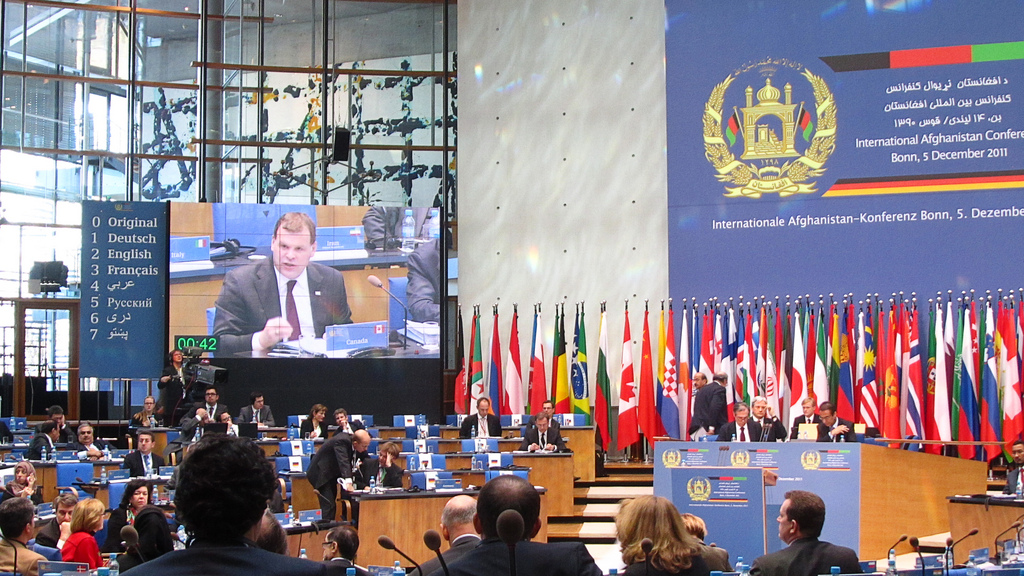
    Delivering on the Commitments of Afghanistan Conferences
  • Analysis
  • Delivering on the Commitments of Afghanistan Conferences

    Last December in Bonn, Germany hosted and Afghanistan chaired an international conference on “Afghanistan and the International Community: From Transition to the Transformation Decade.” Eighty-five countries and 15 international organizations participated in the Conference to celebrate their shared 10-year achievements, and to recommit to consolidating and sustaining these achievements beyond 2014 into a decade of transformation until 2024.

    May 14, 2012

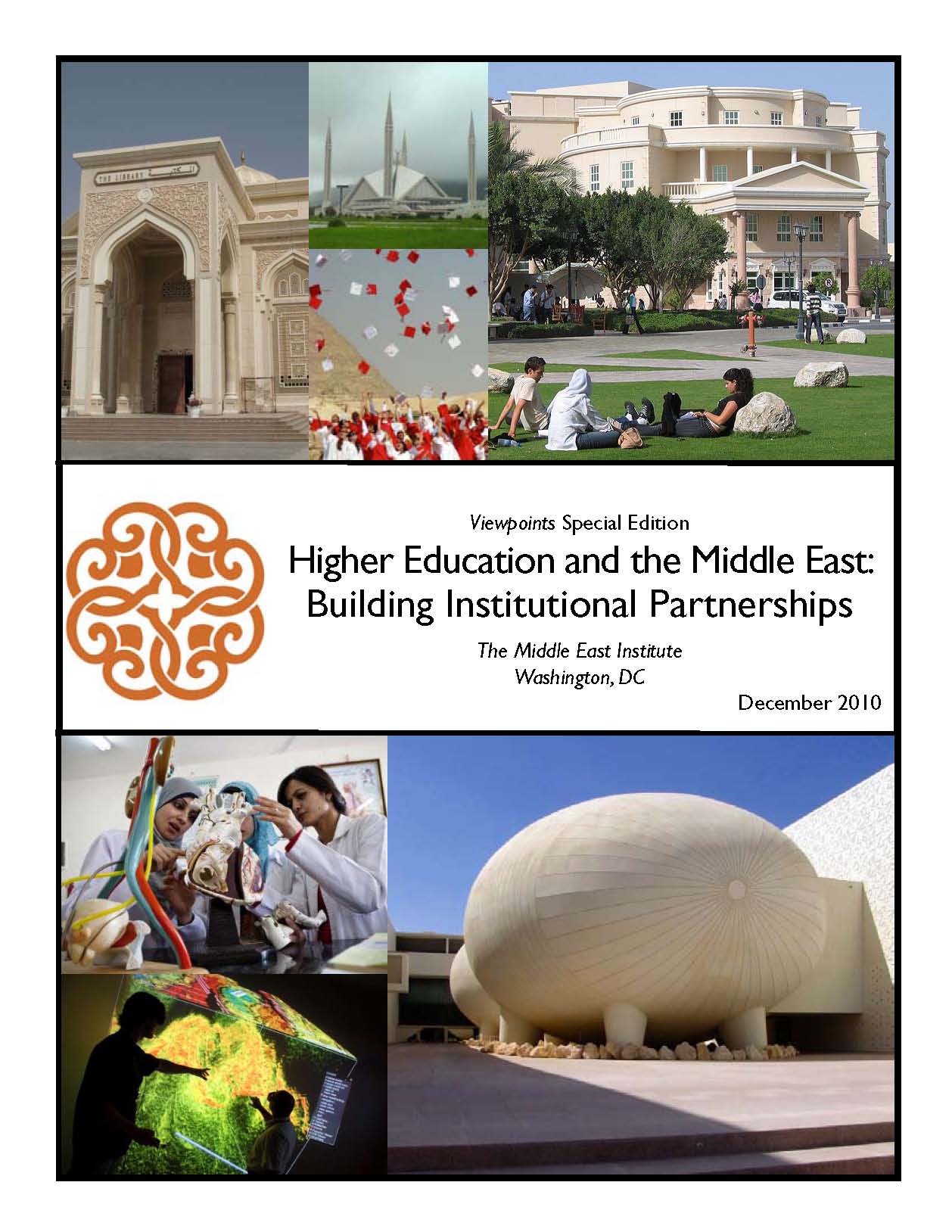
    Considering the Information Infrastructure for American-style Universities in the Middle East
  • Analysis
  • Considering the Information Infrastructure for American-style Universities in the Middle East

    Originally posted December 2010

    In the past 15 years, American educators – faculty, librarians, and administrators – have been invited to transfer their expertise to the Middle East and to assist in developing American-style universities. Attempting to transplant a culturally-based educational system into new nations with different values poses unique opportunities to reflect on what constitutes American education and what components must be included in the transfer.

    May 10, 2012

    Western Sahara: Deferred Referendum or Lasting Settlement?
  • Analysis
  • Western Sahara: Deferred Referendum or Lasting Settlement?

    Over the last decade, the dispute over the future status of the Western Sahara territory, which has set Morocco and the Algeria-backed pro-independence Polisario front in opposition, has entered a qualitatively new phase. This is due to attempts at finding a negotiated outcome instead of the long-delayed self-determination referendum. The idea of a political solution to break a twice deadlocked (1997 and 2000) UN self-determination referendum for the Western Sahara territory has steadily revived the prospect of autonomous status for the territory within Moroccan jurisdiction.

    May 9, 2012

    Read the Middle East Journal

    The oldest peer-reviewed publication dedicated to the study of the modern Middle East, MEI’s flagship journal covers politics, society, and culture in the region.