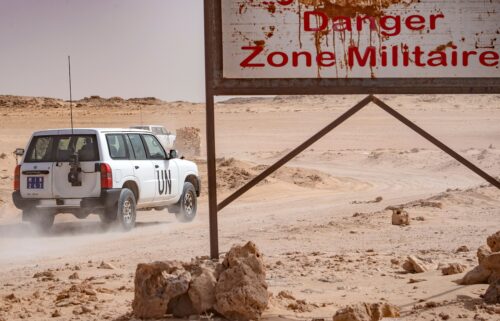
MINURSO’s Future: What the Security Council’s Choice May Reveal
As the United Nations Security Council (UNSC) approaches the October 31 renewal deadline of the UN Monitoring Mission in Western Sahara (MINURSO), the mission’s longer-term future remains uncertain. Another largely unchanged renewal remains a likely immediate outcome. But beyond that holding pattern, three possible scenarios are also on the table.
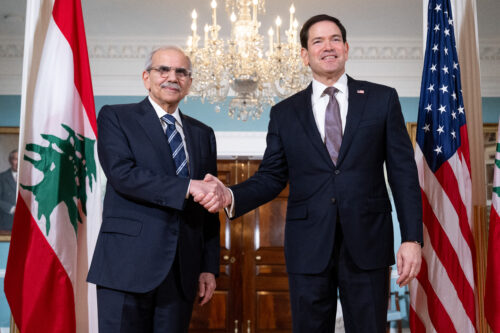
How Lebanon can be Trump’s first success in a troubled region
The Trump administration has done more than any of its predecessors to restore sovereignty for a much traumatized nation, Lebanon. The Israel Defense Forces’ operations in 2024 against Hezbollah decimated that organization, long the “A Team” in global terror.
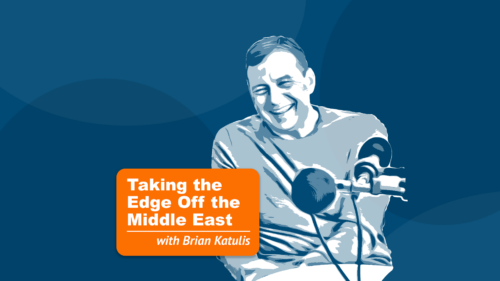
Kim Ghattas on a Murder That Explains the Middle East
Brian sits down with author and Emmy Award-winning journalist Kim Ghattas to talk about her new book, The Best Kind of American, which tells the story of the 1984 assassination of Malcolm Kerr, then president of the American University of Beirut. They discuss her inspiration for the project, what Kerr’s murder revealed about the Middle East at the time, and why his story still resonates four decades later.
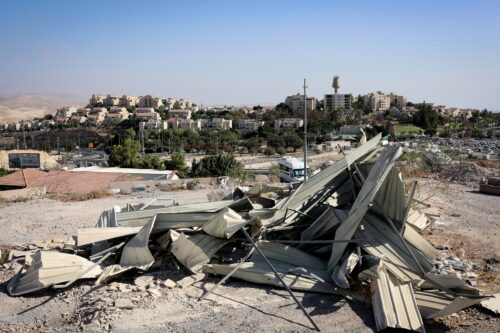
Since 1967, Israeli settlements in the West Bank have been a contested feature of the Israeli-Palestinian conflict. The ultimate disposition of the settlements and ongoing activity related to their growth have repeatedly defied agreement in negotiations over a resolution to the conflict.
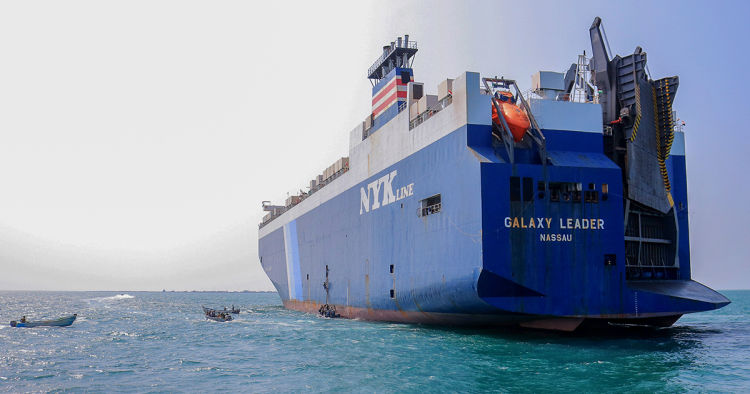
The Houthis are a political-military faction and Zaydi religious movement founded in northwestern Yemen in the 1980s. A key member of Iran’s Axis of Resistance with links to other militant organizations in the Arabian Peninsula and the Horn of Africa, the group has continued to pose a threat to Western interests on a global scale.
The India-Middle East-Europe Economic Corridor (IMEC) is a proposed multinational infrastructure initiative aimed at upgrading connectivity between the three regions through integrated trade, energy, and digital networks. Announced at the G20 summit in New Delhi in September 2023, IMEC is envisioned partially as a counterweight to China’s international infrastructure project, the Belt and Road Initiative.
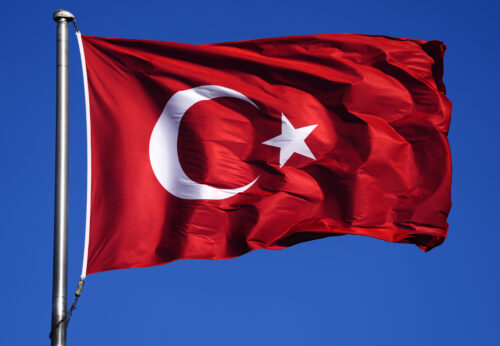
After a decade of post-Arab Spring isolation, Turkey’s leaders have recognized that their ambition to position the country as an agenda-setter on the world stage requires active engagement in all directions. President Recep Tayyip Erdoğan’s consolidation of executive authority has centralized foreign policy decision-making and tied it to his domestic political priorities, transforming the country’s revisionist approach to one shaped primarily by personal and pragmatic interests.
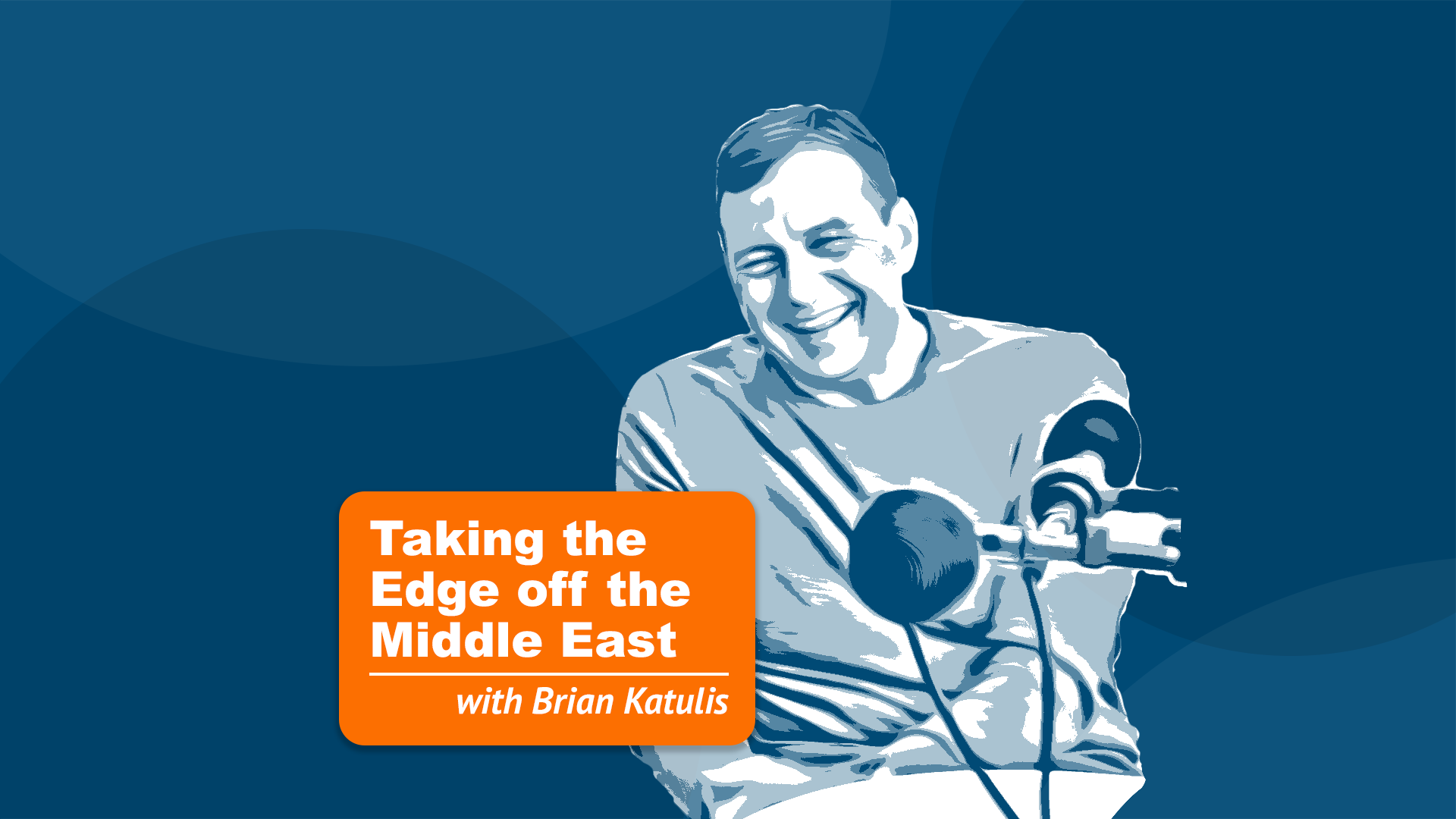
MEI Senior Fellow Brian Katulis engages friends, colleagues, and policy experts in casual conversations on the most important happenings in the Middle East.
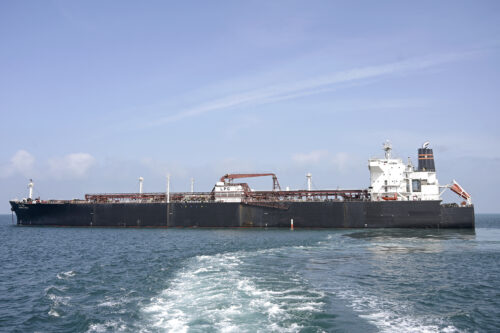
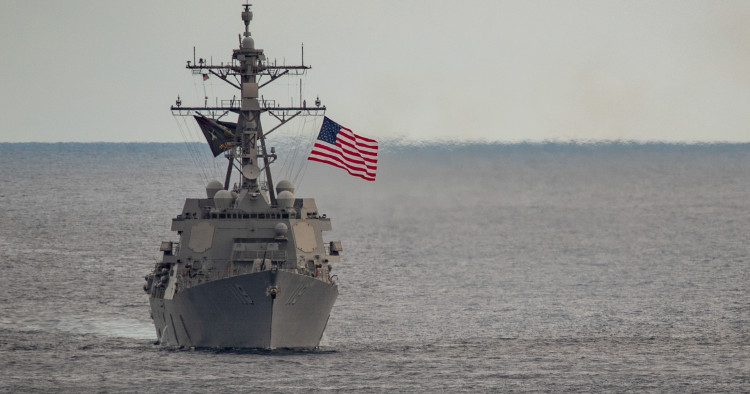
The recent Houthi attacks on commercial shipping in the Red Sea have highlighted the critical importance of US Naval force presence in the Middle East.
When the decades’ long commitment of US ground troops to Afghanistan ended with the debacle of a withdrawal in 2021, the headquarters of the US Navy’s Fifth Fleet in Bahrain once again became the anchor to US regional presence and the core protector of national interests in the region.
Egypt’s Economy: Missed Opportunities and Flawed Priorities
For the past several decades, successive Egyptian governments have practised the economic equivalent of riding a skateboard without a helmet; risky but manageable in the short run as long as one doesn’t encounter any obstacles. However, the inevitable has happened. Egypt’s economy smashed into not one, but two, major obstacles; a pandemic, which it just managed to stagger away from (World Bank, 2021), followed by the full-scale Russian invasion of Ukraine.
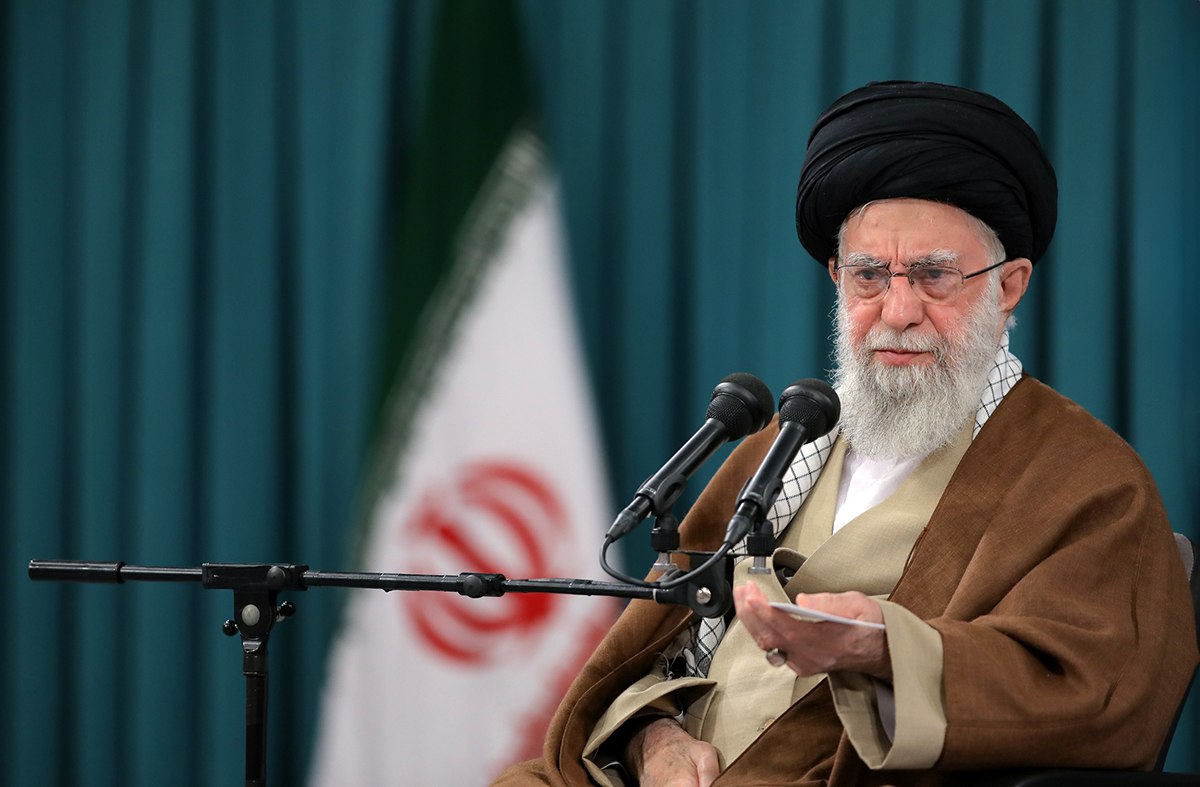
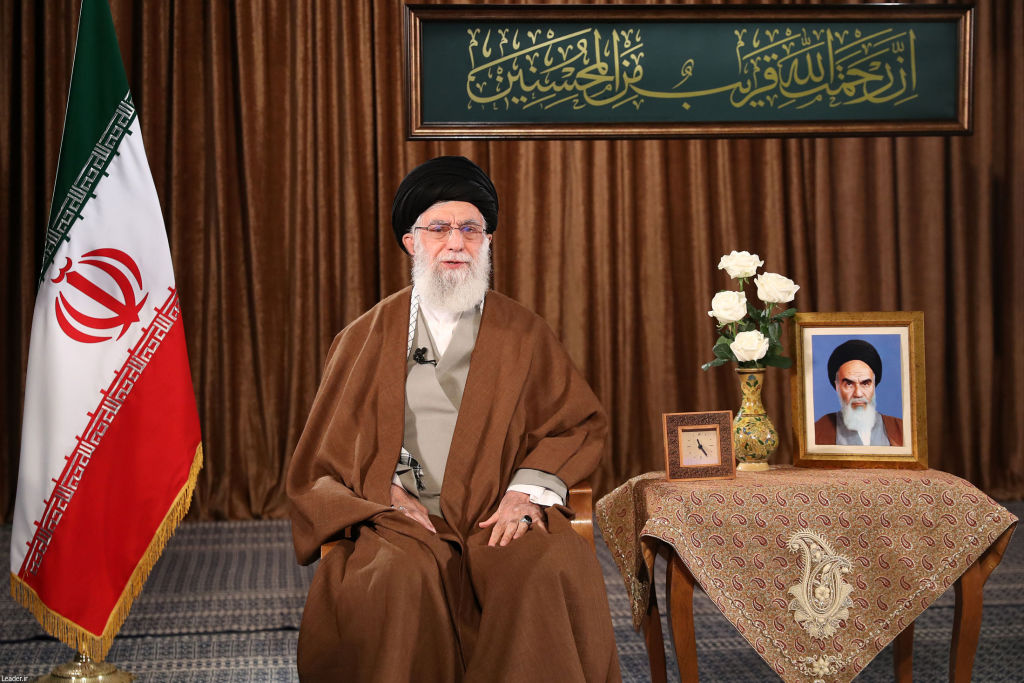
Moving to a post-Khamenei era: Cutthroat competition within the supreme leader’s office
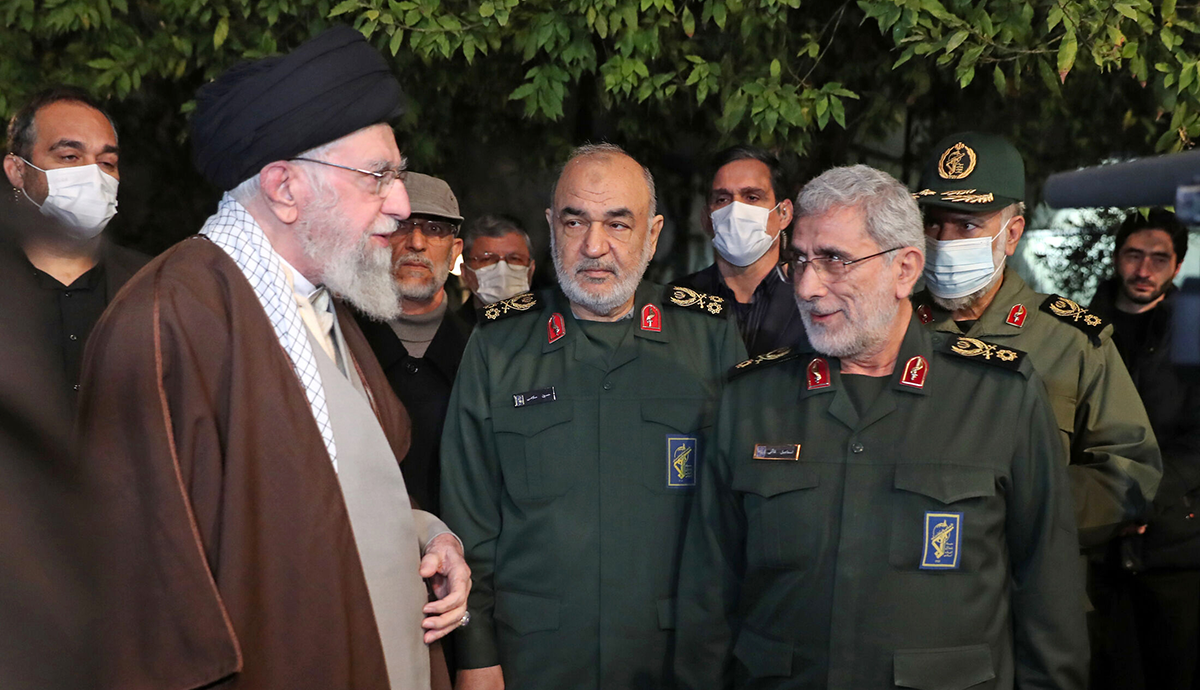
In discussions on Iran’s future in a post-Khamenei era, one crucial player in the transition to a new supreme leader is often overlooked: the inner circle surrounding Ayatollah Ali Khamenei, primarily operating within the framework of the Office of the Supreme Leader.
Five key takeaways from new poll ahead of Iran’s parliamentary elections
This article breaks down five key takeaways from the February 2024 survey conducted by Stasis Consulting ahead of Iran’s upcoming March 1 parliamentary elections.
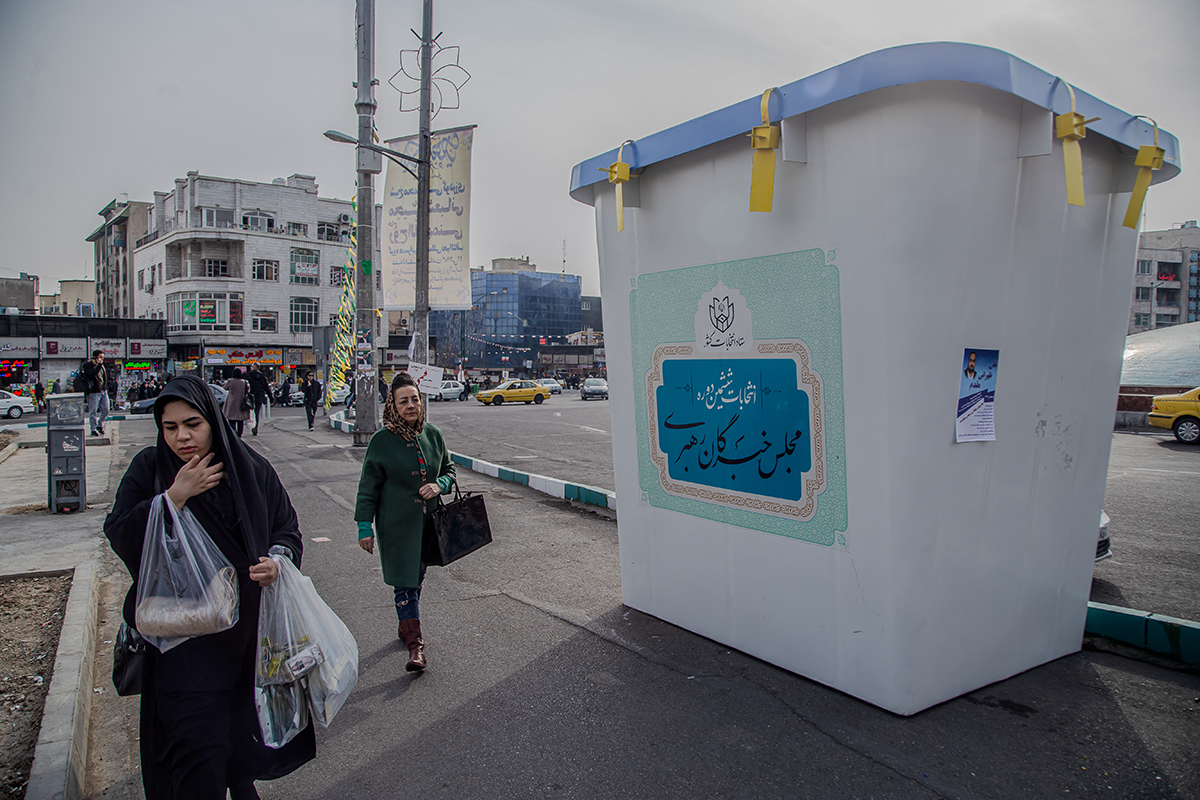
Polling suggests Iran’s 2024 parliamentary election will see record low turnout
Findings from the latest survey on Iran from Stasis Consulting: Turnout in the March 1 parliamentary election is expected to be a record low of 34%, the majority of Iranians disapprove of President Raisi’s job performance as well as that of the parliament (65% and 61%, respectively), and in a hypothetical face-off between President Raisi and former FM Zarif, Mr. Raisi wins out 30% to 16%.
Why Gulf Arab states are not intervening in the Red Sea
As Yemen’s Ansarullah movement—better known as the Houthis—steps up attacks on commercial vessels in the Red Sea, Gulf Arab states have opted to stay on the sidelines. They have their reasons for not engaging, including security concerns and the fact that their economies have, to a significant extent, remained shielded from the impact of the strikes. More importantly, these countries are bracing for the more serious economic risks they may face in the future.
Are Iran and Turkey on a collision course over West Azerbaijan?
Over the centuries, Iran and Turkey have engaged in an ebbing and flowing, but continual, rivalry for regional influence and supremacy. Yet such potentially escalatory dynamics have not been limited to geopolitical competition by proxy; they have also spilled over into efforts to meddle in each other’s internal affairs.
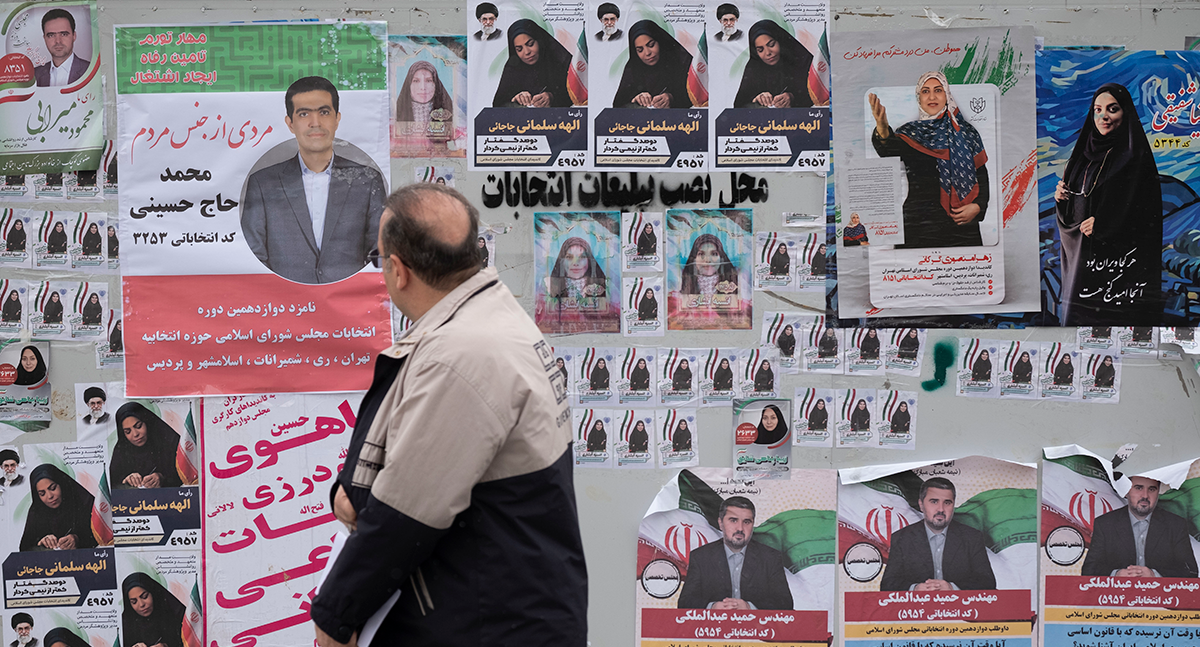
Elections in the Islamic Republic are highly restricted and engineered to produce the veneer of political representation. And yet, there is significant symbolism around heightened absurdities of holding elections in Iran that the vast opposition to the Islamist rule could have utilized if it had any gameplan.
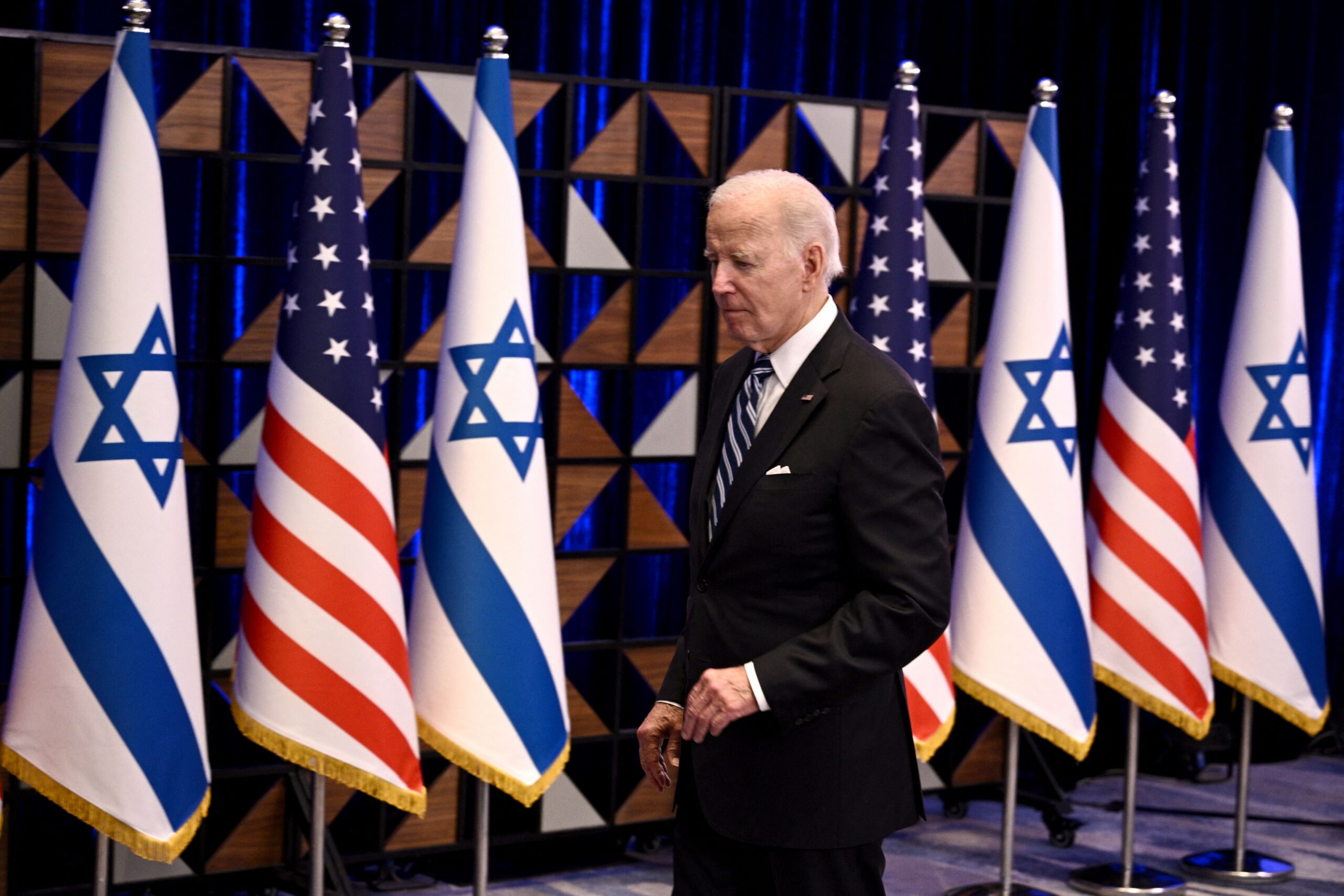
On 13 December 2023, following discussions with Israeli Prime Minister Benjamin Netanyahu on Israel’s military campaign in Gaza, US President Joe Biden rejected congressional calls to stop or condition US military assistance to the Jewish state.
“We’re not going to do a damn thing other than protect Israel in the process. Not a single thing,” he said at the time.
A month earlier, Vice President Kamala Harris said the United States “(was) not going to create any conditions on the support (it) was giving Israel to defend itself.”
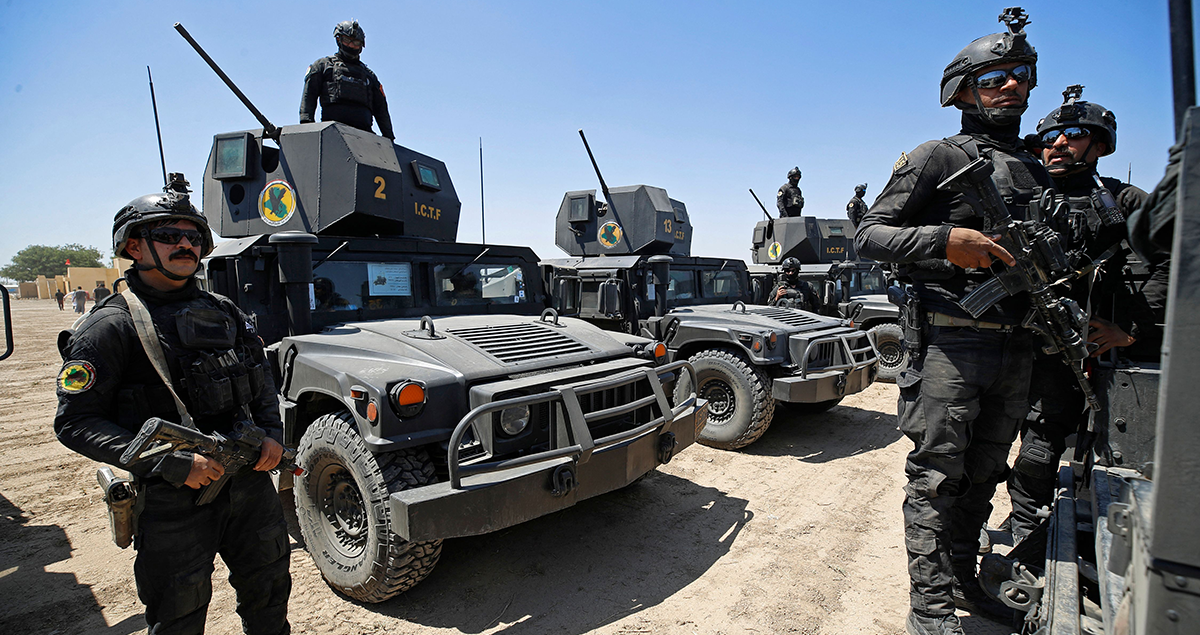
Maintaining the best thing the US built in Iraq: Continued support to the Iraqi Counterterrorism Service
As the US engages in a dialogue with the Iraqi government over the future of the coalition forces combating the Islamic State, Washington must ensure a continued relationship between the US Special Operations Forces and the Iraqi Counterterrorism Service.
“Exporting its internal problems”: Understanding Iran’s January missile salvos against its neighbors
In mid-January, with the war in Gaza continuing to rage on, Iran launched a series of surprise missile attacks on its immediate neighbors Iraq, Syria, and Pakistan over two days. Taken together, these attacks illustrate that the Islamic Republic puts regime survival above national interest in its foreign policy calculations, which undermines its efforts to engender solidarity and good relations with other Muslim-majority states in the region.
Moving to a post-Khamenei era: The role of the IRGC and the clergy
The IRGC and the clerical establishment are Ayatollah Ali Khamenei’s most significant instruments of power. This piece explores the relative influence of these two entities throughout the Khamenei era and beyond, with a particular focus on the potential changes that might occur to their position and standing after the conclusion of his leadership.
The oldest peer-reviewed publication dedicated to the study of the modern Middle East, MEI’s flagship journal covers politics, society, and culture in the region.