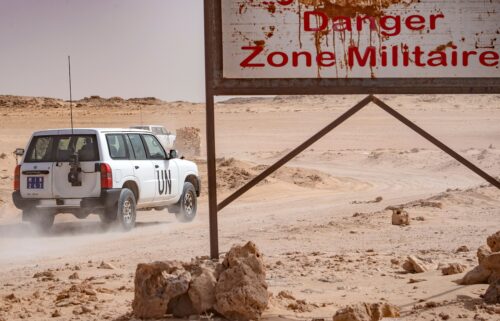
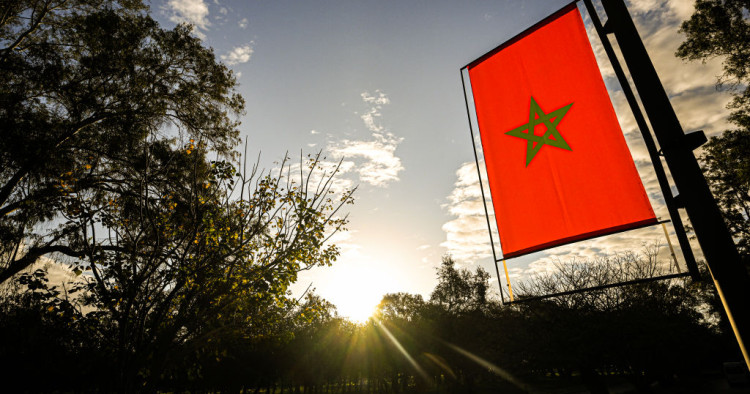
MINURSO’s Future: What the Security Council’s Choice May Reveal
As the United Nations Security Council (UNSC) approaches the October 31 renewal deadline of the UN Monitoring Mission in Western Sahara (MINURSO), the mission’s longer-term future remains uncertain. Another largely unchanged renewal remains a likely immediate outcome. But beyond that holding pattern, three possible scenarios are also on the table.
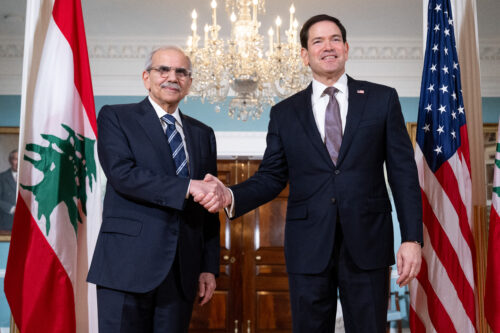
How Lebanon can be Trump’s first success in a troubled region
The Trump administration has done more than any of its predecessors to restore sovereignty for a much traumatized nation, Lebanon. The Israel Defense Forces’ operations in 2024 against Hezbollah decimated that organization, long the “A Team” in global terror.
Kim Ghattas on a Murder That Explains the Middle East
Brian sits down with author and Emmy Award-winning journalist Kim Ghattas to talk about her new book, The Best Kind of American, which tells the story of the 1984 assassination of Malcolm Kerr, then president of the American University of Beirut. They discuss her inspiration for the project, what Kerr’s murder revealed about the Middle East at the time, and why his story still resonates four decades later.
Since 1967, Israeli settlements in the West Bank have been a contested feature of the Israeli-Palestinian conflict. The ultimate disposition of the settlements and ongoing activity related to their growth have repeatedly defied agreement in negotiations over a resolution to the conflict.
The Houthis are a political-military faction and Zaydi religious movement founded in northwestern Yemen in the 1980s. A key member of Iran’s Axis of Resistance with links to other militant organizations in the Arabian Peninsula and the Horn of Africa, the group has continued to pose a threat to Western interests on a global scale.
The India-Middle East-Europe Economic Corridor (IMEC) is a proposed multinational infrastructure initiative aimed at upgrading connectivity between the three regions through integrated trade, energy, and digital networks. Announced at the G20 summit in New Delhi in September 2023, IMEC is envisioned partially as a counterweight to China’s international infrastructure project, the Belt and Road Initiative.
After a decade of post-Arab Spring isolation, Turkey’s leaders have recognized that their ambition to position the country as an agenda-setter on the world stage requires active engagement in all directions. President Recep Tayyip Erdoğan’s consolidation of executive authority has centralized foreign policy decision-making and tied it to his domestic political priorities, transforming the country’s revisionist approach to one shaped primarily by personal and pragmatic interests.
MEI Senior Fellow Brian Katulis engages friends, colleagues, and policy experts in casual conversations on the most important happenings in the Middle East.
Africa-to-Europe value chains: How nearshoring can mitigate Europe’s migration crisis and aid energy transition
Africa-to-Europe value chains in manufacturing and agri-food production can mitigate factors driving current migration patterns by employing Africans in local value-added production and boosting African GDP growth, reorienting Africa-Europe relations towards mutual economic benefit and dignity.
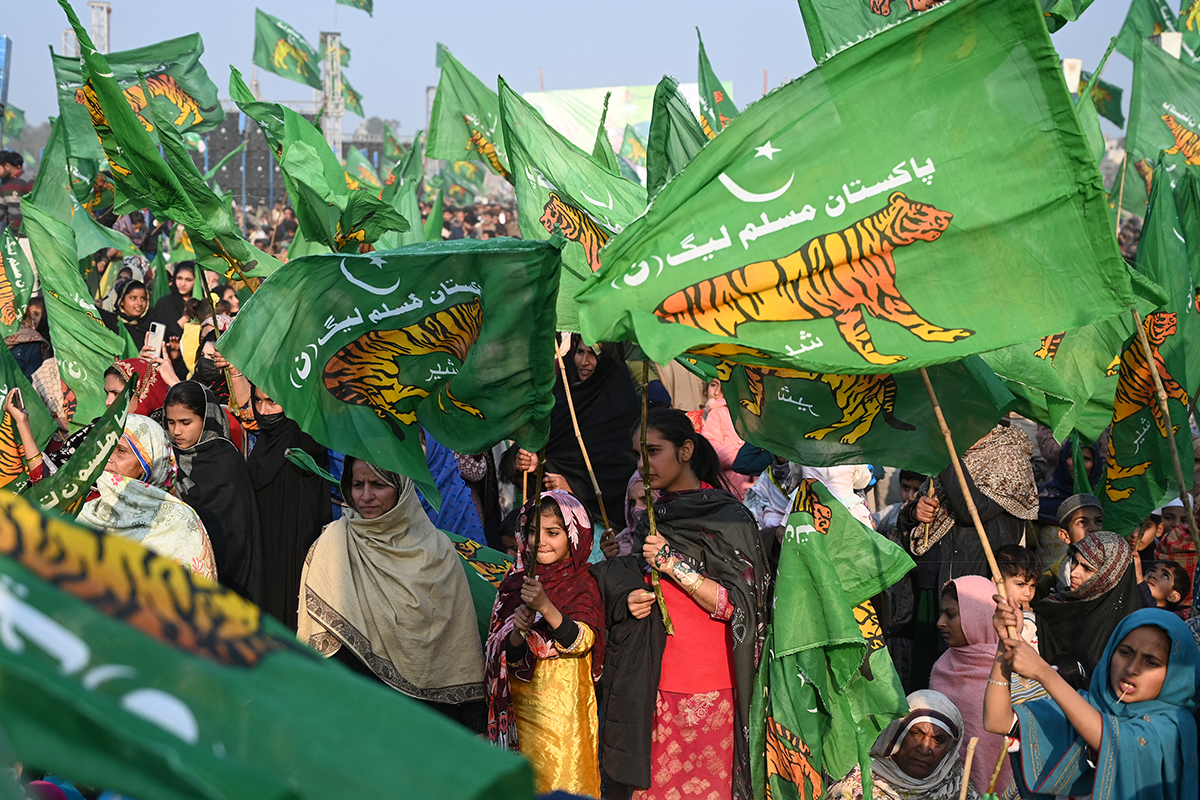
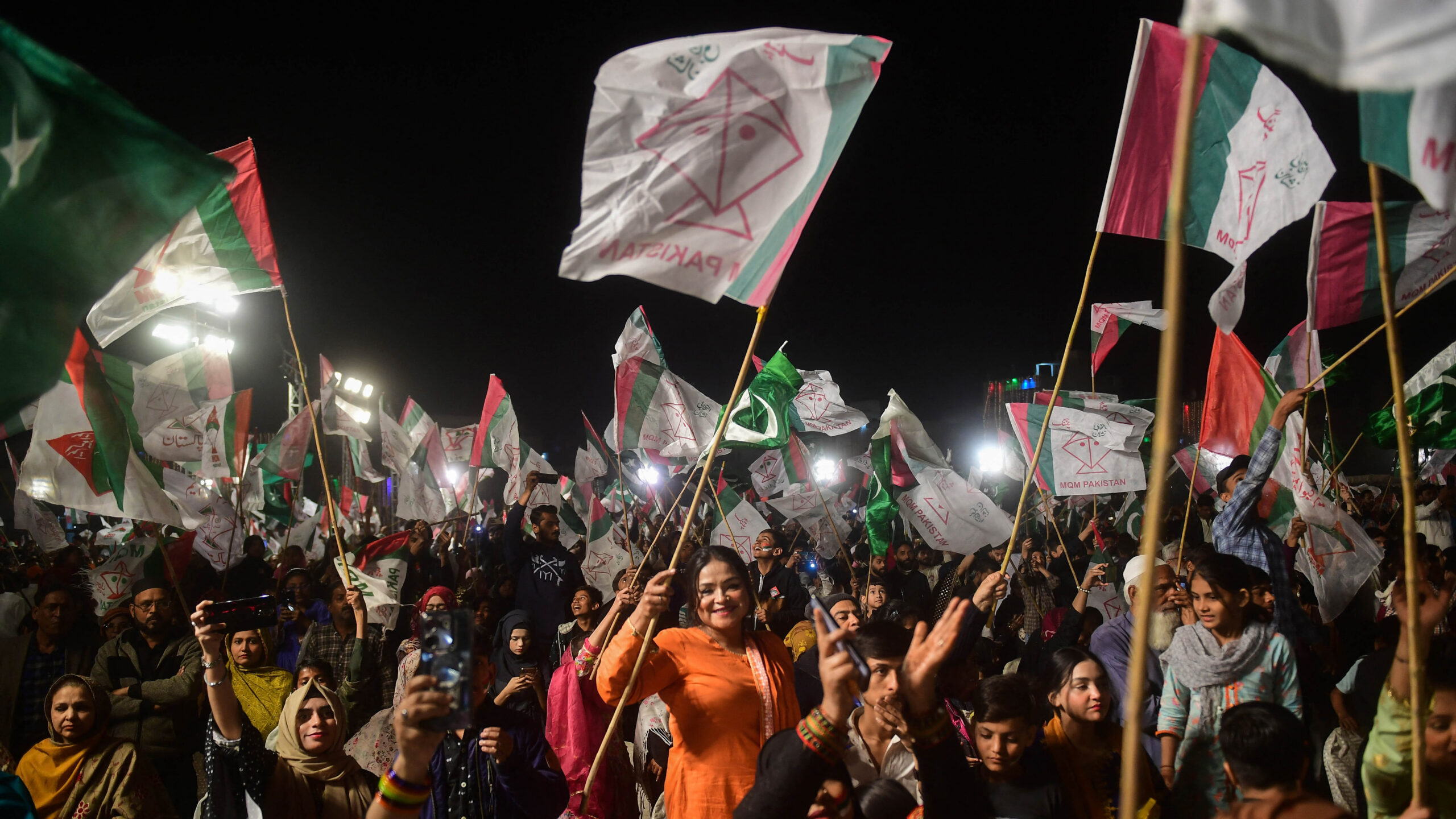
On this week’s episode Tamkinet Karim, Syed Mohammad Ali, and Alistair Taylor discuss the results of Pakistan’s Feb. 8 elections and where things might be headed moving forward. Over the past two years, Pakistan has gone through a particularly turbulent period, following the removal of Imran Khan’s government in a no-confidence vote in April 2022 — a time marked by political instability, intense polarization, a worsening economic crisis, and growing threats to internal security.
The Biden Administration’s National Cybersecurity Strategy: Opportunities and Challenges
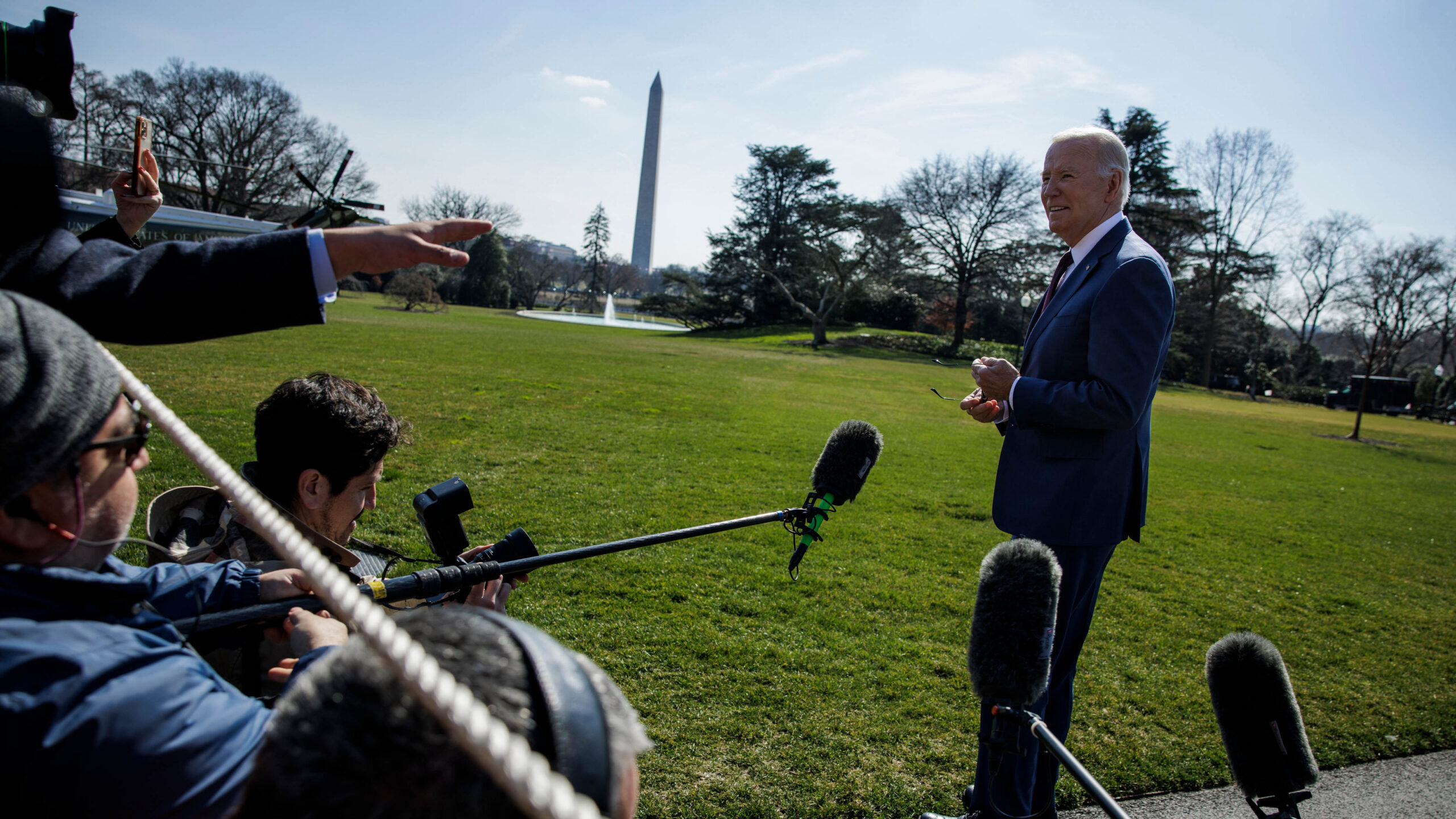
The Biden administration’s National Cybersecurity Strategy, published in March 2023, outlines how the White House plans on defending America’s digital ecosystem from malicious threat actors. The document defines key priorities for shaping a global cyber landscape that is more resilient and secure, but the administration will face obstacles and challenges while putting its plan into action. Overcoming these obstacles will require it to devise flexible, sustainable, and realistic policies at home and establish robust cyber coalitions and trade frameworks with allies and partners abroad.
Contrary to what many political observers predicted, Pakistan’s general election on Feb. 8 delivered many surprises and ushered in an even higher level of political uncertainty than what already prevailed. And with the current formation of the new coalition government, an end to political volatility doesn’t seem to be in sight.
The Political Economy of Climate Governance in Afghanistan: An Analysis of the Context and Challenges
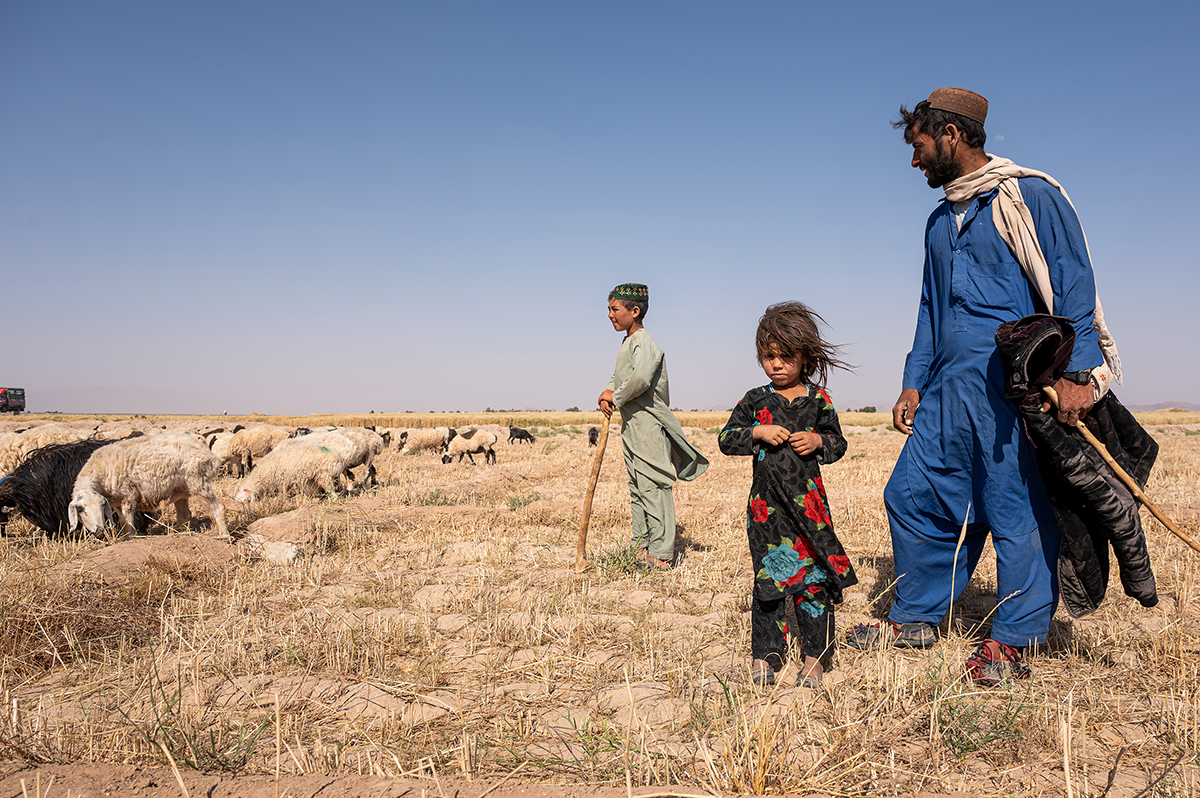
Even though it is one of the world’s lowest emitters of greenhouse gases, Afghanistan is among the 10 countries most vulnerable to climate change and severe weather conditions. Recent economic and humanitarian challenges, compounded by a political crisis of legitimacy and governance, exacerbate the situation, limiting the country’s ability to mitigate climate-induced fragility and build long-term resilience.
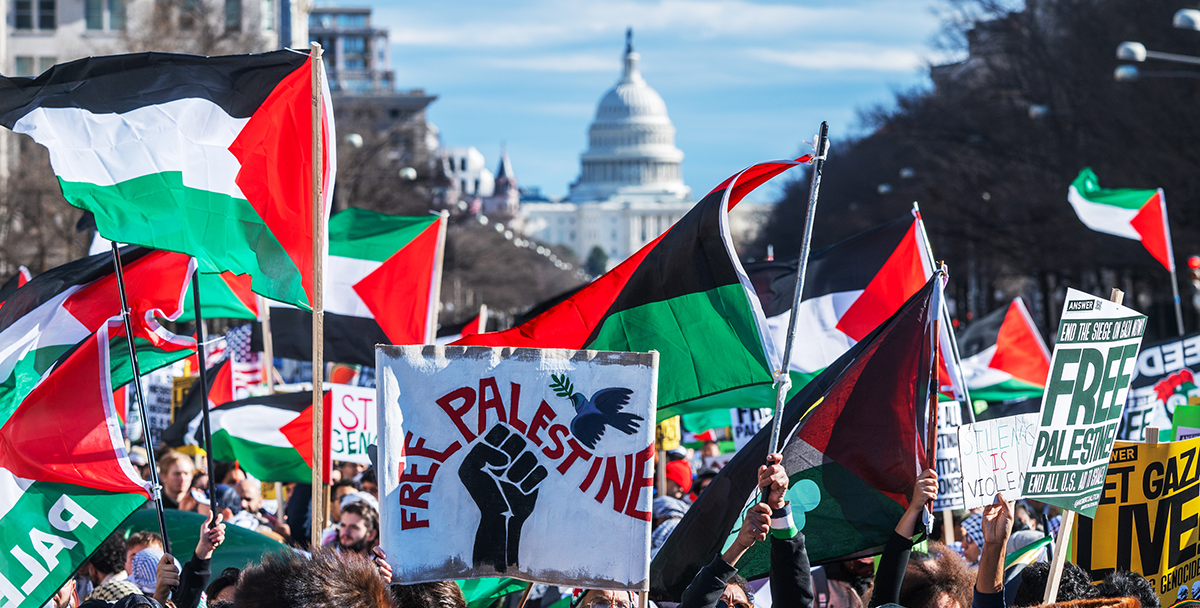
The ongoing catastrophe in Gaza is driving a surge in sympathy for Palestinians in the Western world that could mark a turning point in how the Israeli-Palestinian conflict is engaged with moving forward. Changing attitudes among younger generations are primarily responsible for this shift, driven in part by a post-Black Lives Matter outlook and narrative that has simplified and distilled the conflict.
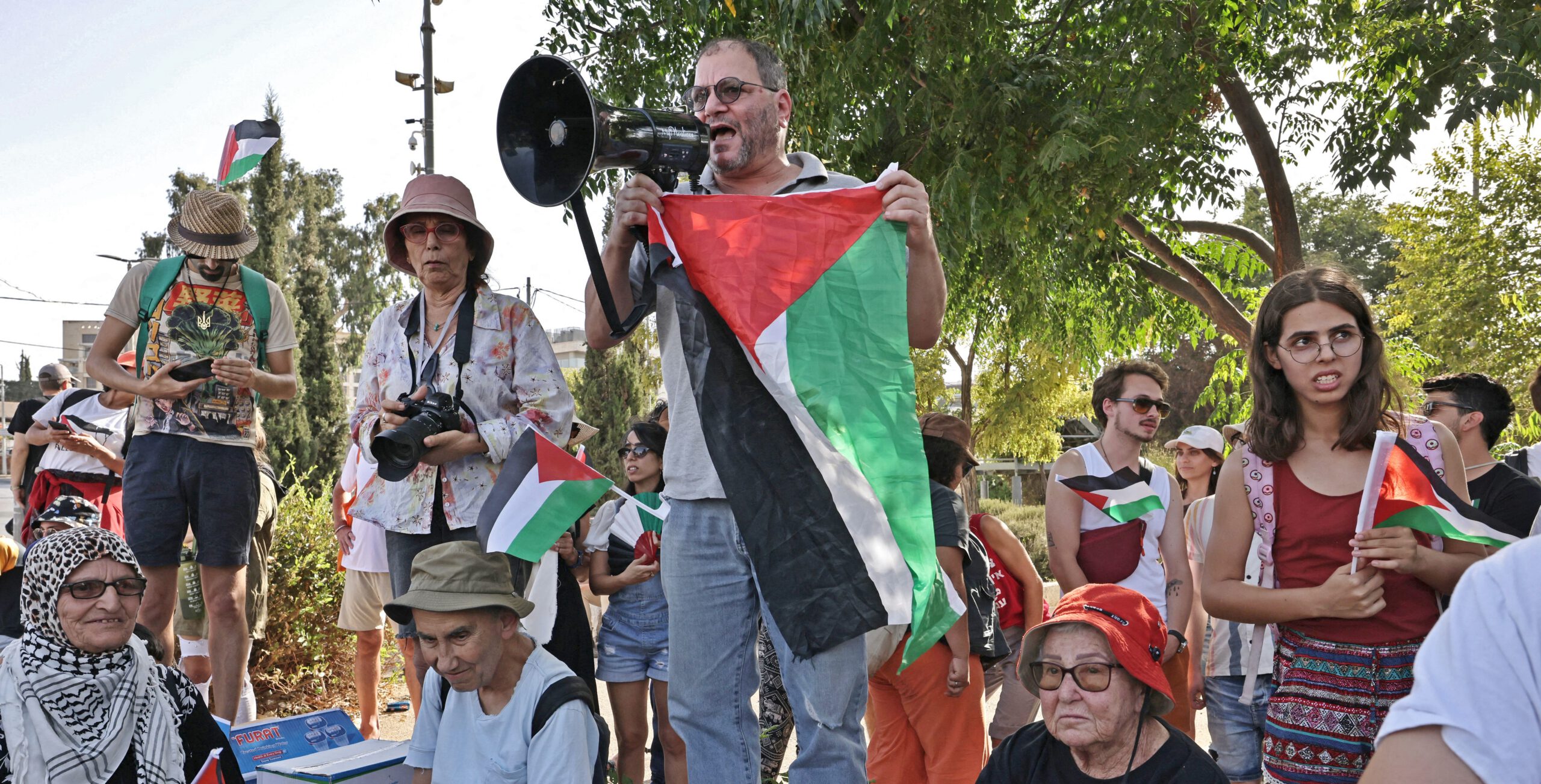
Expelling MK Cassif: A warning sign for Palestinian representation in the Knesset
If the Knesset expels lawmaker Ofer Cassif, it will represent the national legislature’s first use of the Suspension Law and signal a sharp curtailing of legal space for non-Zionist players in Israeli politics.
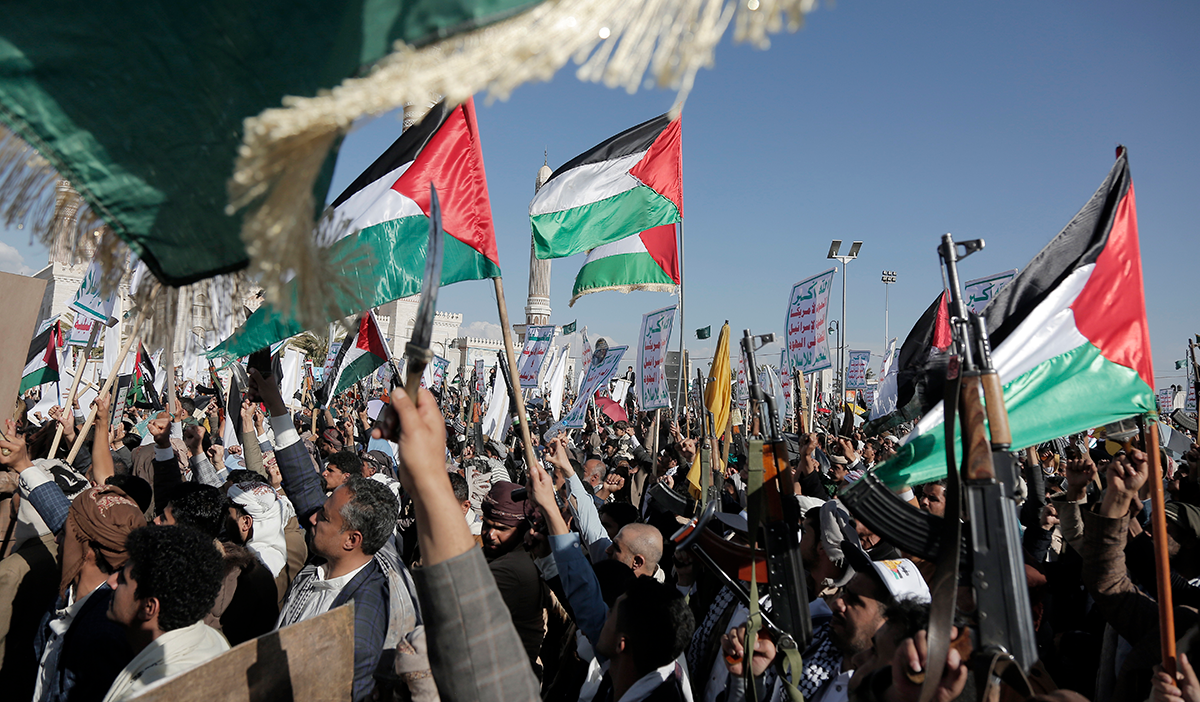
From Yemen to Palestine: The strategic depth of the Houthi-Iranian alliance
Houthi rhetoric focusing on Palestine underscores the militia’s strategic alliance with Tehran as part of the “Axis of Resistance.” This relationship, central to understanding the Houthi movement’s actions and narratives, frames its position within the larger geopolitical contest in the Middle East.
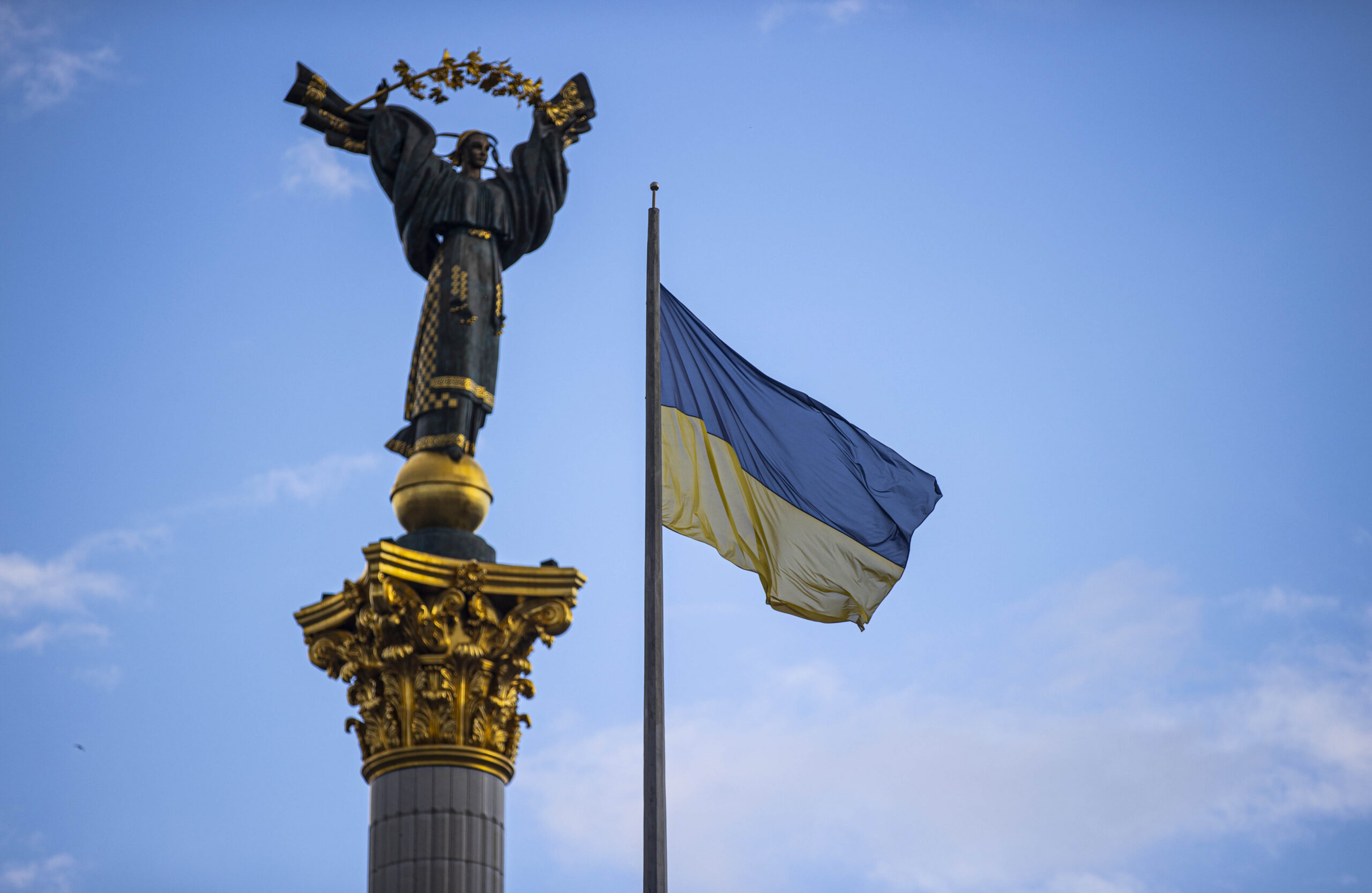
After weeks of inter-party disputes, the US Congress ended the first month of 2024 without agreeing to an additional $61bn military aid package for Ukraine.
The same can be said of the EU, where Hungary blocked a $55bn aid package.
There was no matching uncertainty in the Kremlin. Putin persists, his aim unchanged — the emasculation of an independent and sovereign Ukraine.
What will the rest of 2024 bring? Here are three scenarios.
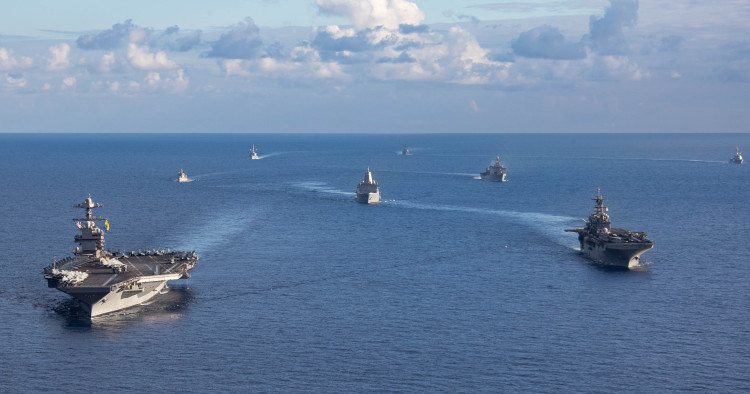
The Biden administration has largely relied on airstrikes to prevent the Houthis from causing further harm to international maritime trade in the Red Sea and the Gulf of Aden. But as we have seen already, this approach is unlikely to work against an armed group that has survived years of such one-off attacks from above. To effectively degrade the military capacity of the Houthis, a comprehensive and fully-resourced interdiction regime at sea is needed to target their supply lines and deny them the use of various forms of Iranian assistance.
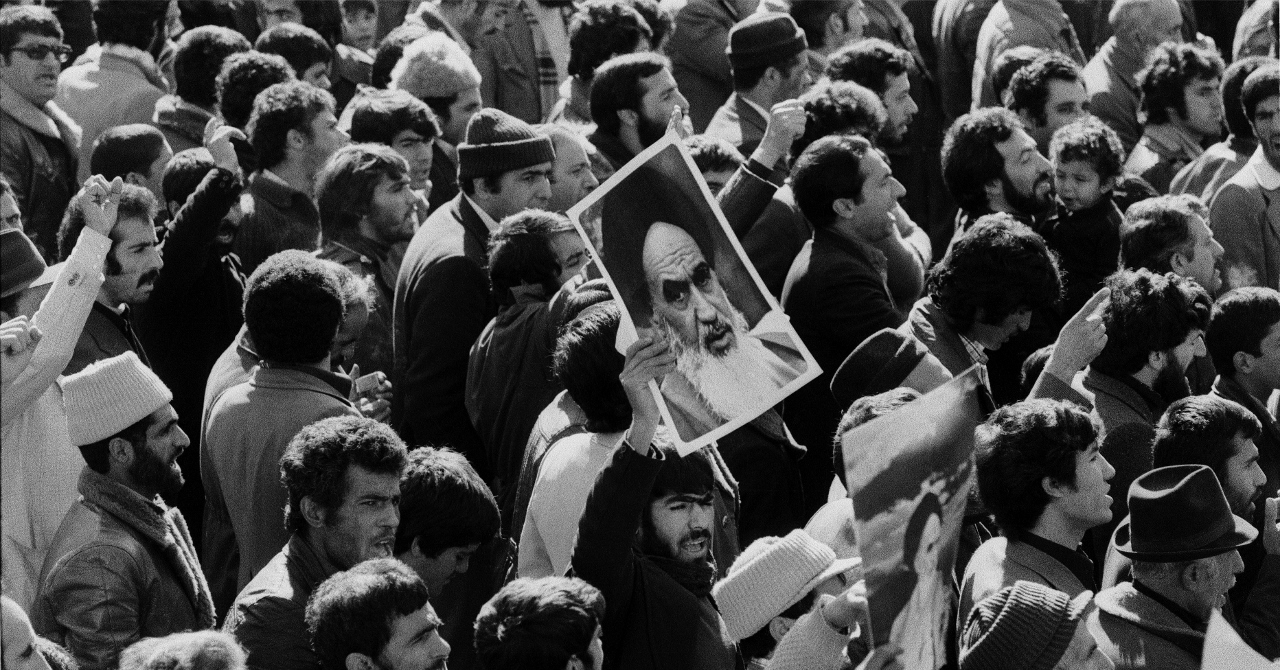
On this week’s episode, MEI Iran Program Director Alex Vatanka, MEI Non-resident Scholar Andrew Scott Cooper, and MEI Editor-In-Chief Alistair Taylor discuss the Iranian Revolution of 1979. A seminal event in the history of the modern Middle East, the revolution transformed Iran and its impact continues to reverberate across the region today, nearly five decades on.
Few events in our lifetime are as shrouded in myth and conspiracy as the 1979 Iranian Revolution. Forty-five years later, however, we now have a much clearer picture of the dramatic events that played out on the streets of Tehran before a worldwide television audience.
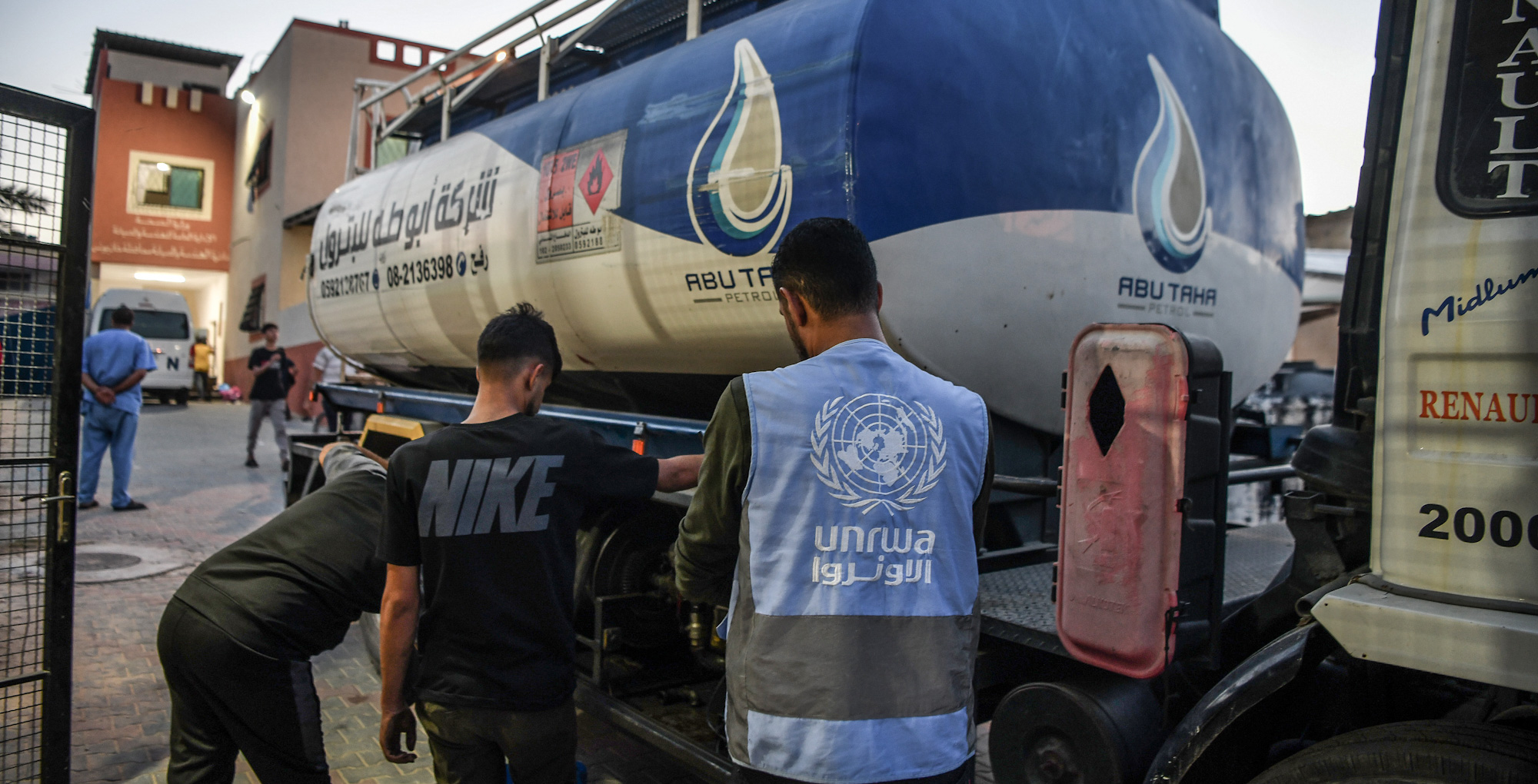
Suspending UNRWA funding is collective punishment for Palestinians
The decision by the United States and other donor countries to suspend financial assistance to UNRWA will have far-reaching and likely devastating consequences for the civilian populations that rely on its services, particularly in the Gaza Strip. Donor countries must realize that the consequences will hinder the humanitarian response to the Israeli war on Gaza, incurring a heavy cost in human lives.
The oldest peer-reviewed publication dedicated to the study of the modern Middle East, MEI’s flagship journal covers politics, society, and culture in the region.