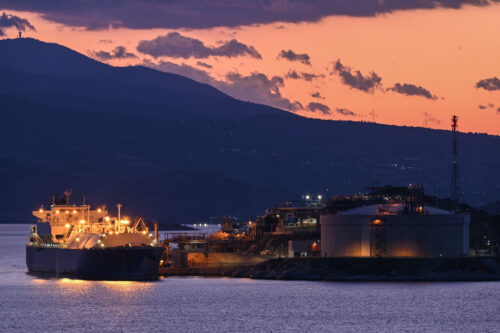
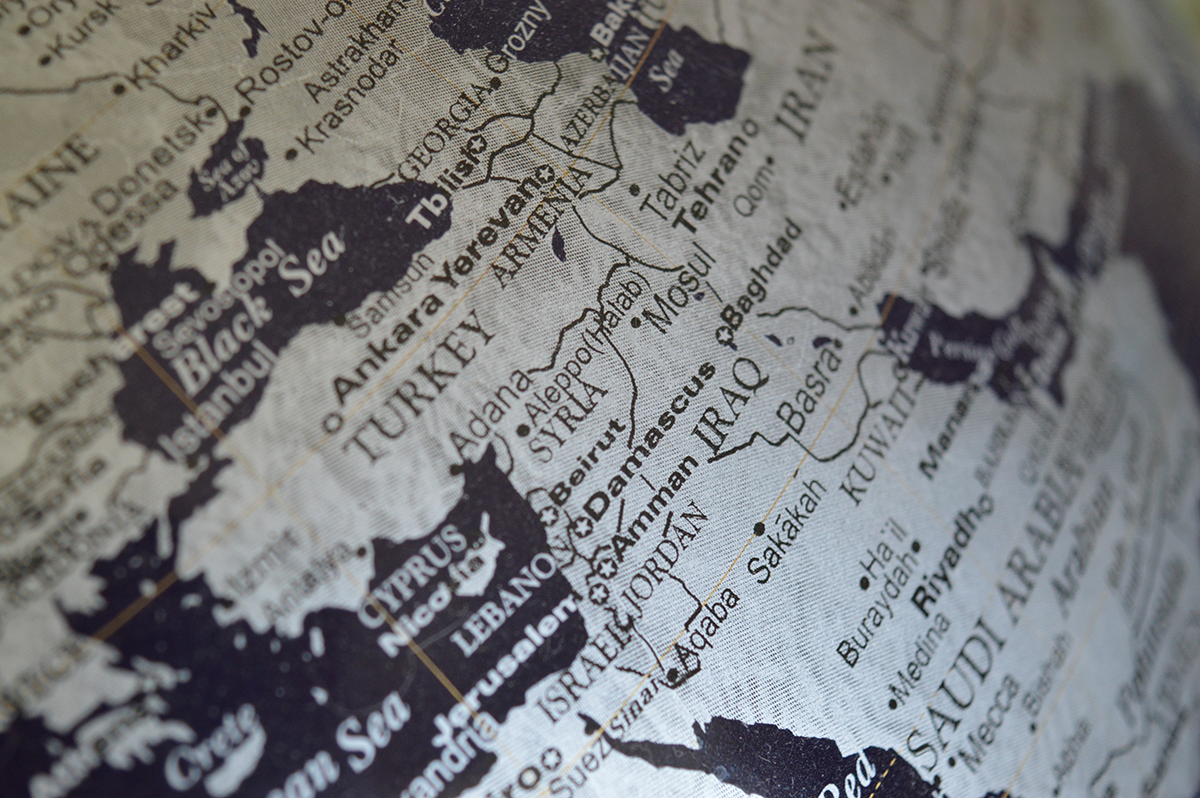
In less than two decades, a string of offshore discoveries has turned the Eastern Mediterranean into a significant gas-producing region, making Israel an exporter, twice lifting Egypt into the ranks of liquefied natural gas (LNG) exporters, and giving Cyprus finds it has yet to bring to market. This backgrounder explores the potential and challenges of exploiting and managing LNG resources in the region.
Deadlock in Gaza and the West Bank at a Breaking Point
A year after world leaders gathered in Sharm el-Sheikh to mark the end of the war in Gaza, Israel controls about 70% of the Strip, Hamas retains its arms, and reconstruction has yet to begin. Meanwhile, in the West Bank, record settler violence and settlement expansion are colliding with a Palestinian Authority on the brink of fiscal collapse. Hosts Alistair Taylor and Matthew Czekaj are joined by MEI Associate Fellow Tahani Mustafa to discuss why the Gaza peace plan is deadlocked, an increasingly emboldened Israel in the West Bank, Mahmoud Abbas’s postponement of Palestinian elections, the Palestinian Authority’s deepening economic crisis, and what role the US could play.
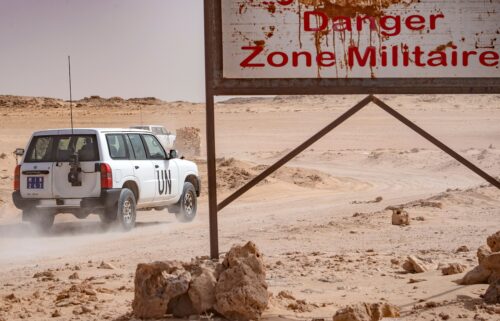
MINURSO’s Future: What the Security Council’s Choice May Reveal
As the United Nations Security Council (UNSC) approaches the October 31 renewal deadline of the UN Monitoring Mission in Western Sahara (MINURSO), the mission’s longer-term future remains uncertain. Another largely unchanged renewal remains a likely immediate outcome. But beyond that holding pattern, three possible scenarios are also on the table.
Since 1967, Israeli settlements in the West Bank have been a contested feature of the Israeli-Palestinian conflict. The ultimate disposition of the settlements and ongoing activity related to their growth have repeatedly defied agreement in negotiations over a resolution to the conflict.
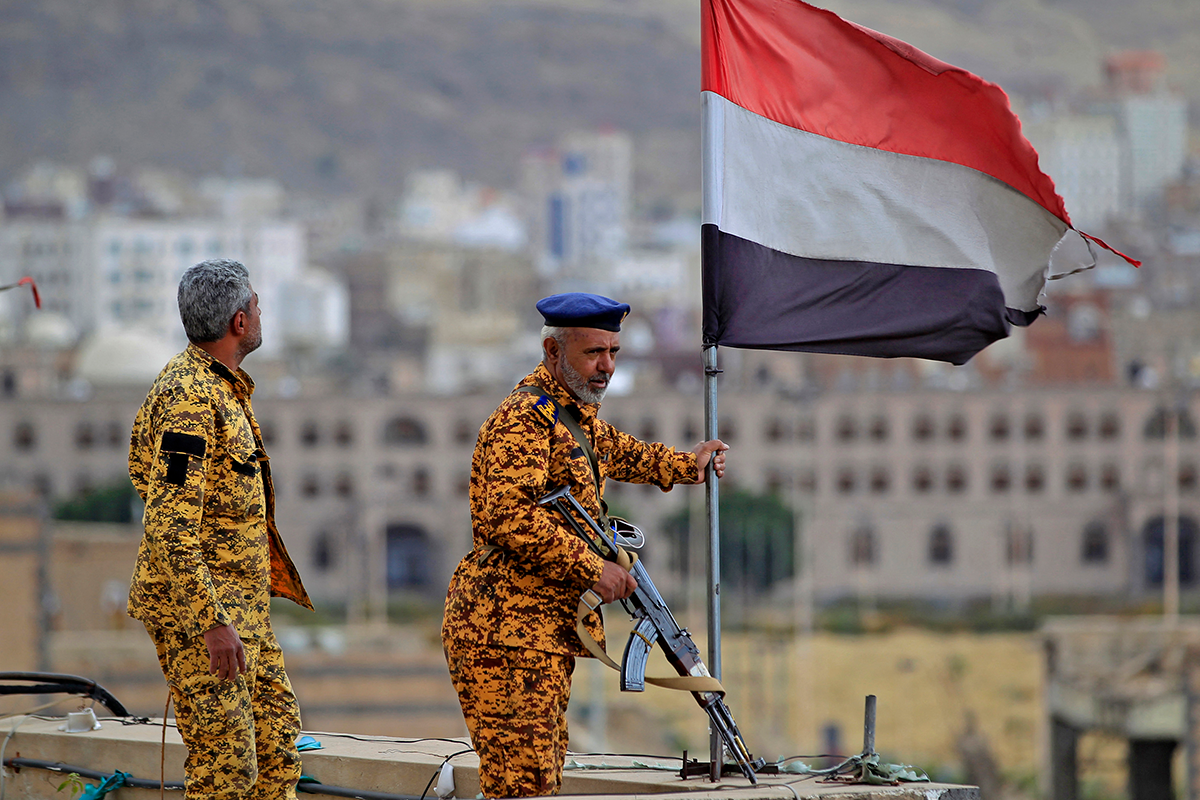
The Houthis are a political-military faction and Zaydi religious movement founded in northwestern Yemen in the 1980s. A key member of Iran’s Axis of Resistance with links to other militant organizations in the Arabian Peninsula and the Horn of Africa, the group has continued to pose a threat to Western interests on a global scale.
The India-Middle East-Europe Economic Corridor (IMEC) is a proposed multinational infrastructure initiative aimed at upgrading connectivity between the three regions through integrated trade, energy, and digital networks. Announced at the G20 summit in New Delhi in September 2023, IMEC is envisioned partially as a counterweight to China’s international infrastructure project, the Belt and Road Initiative.
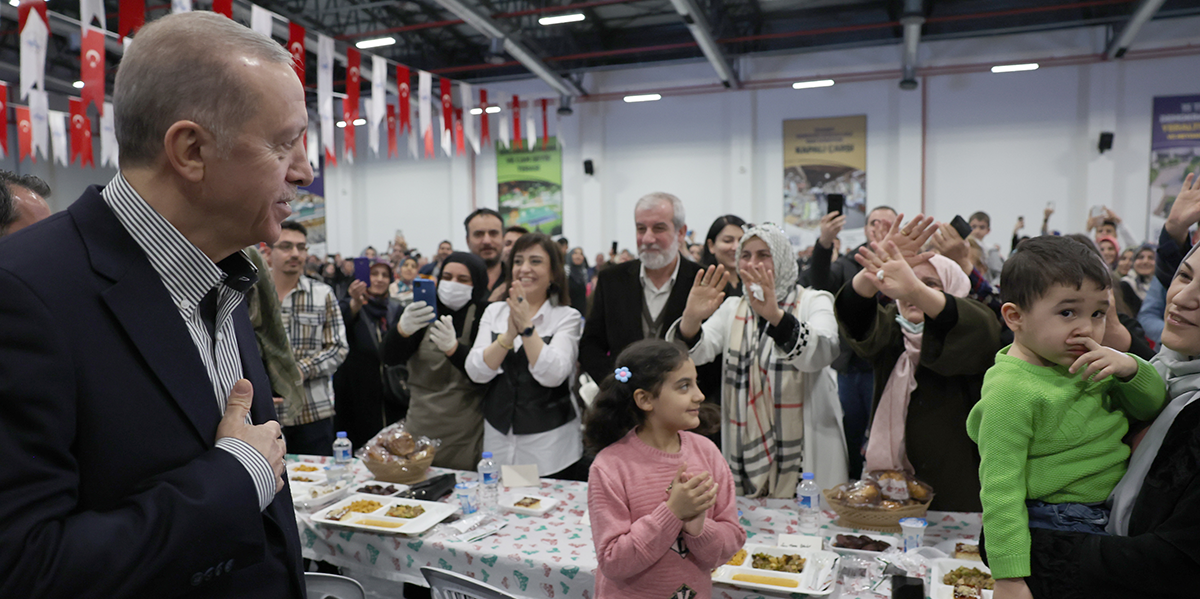
After a decade of post-Arab Spring isolation, Turkey’s leaders have recognized that their ambition to position the country as an agenda-setter on the world stage requires active engagement in all directions. President Recep Tayyip Erdoğan’s consolidation of executive authority has centralized foreign policy decision-making and tied it to his domestic political priorities, transforming the country’s revisionist approach to one shaped primarily by personal and pragmatic interests.
MEI Senior Fellow Brian Katulis engages friends, colleagues, and policy experts in casual conversations on the most important happenings in the Middle East.
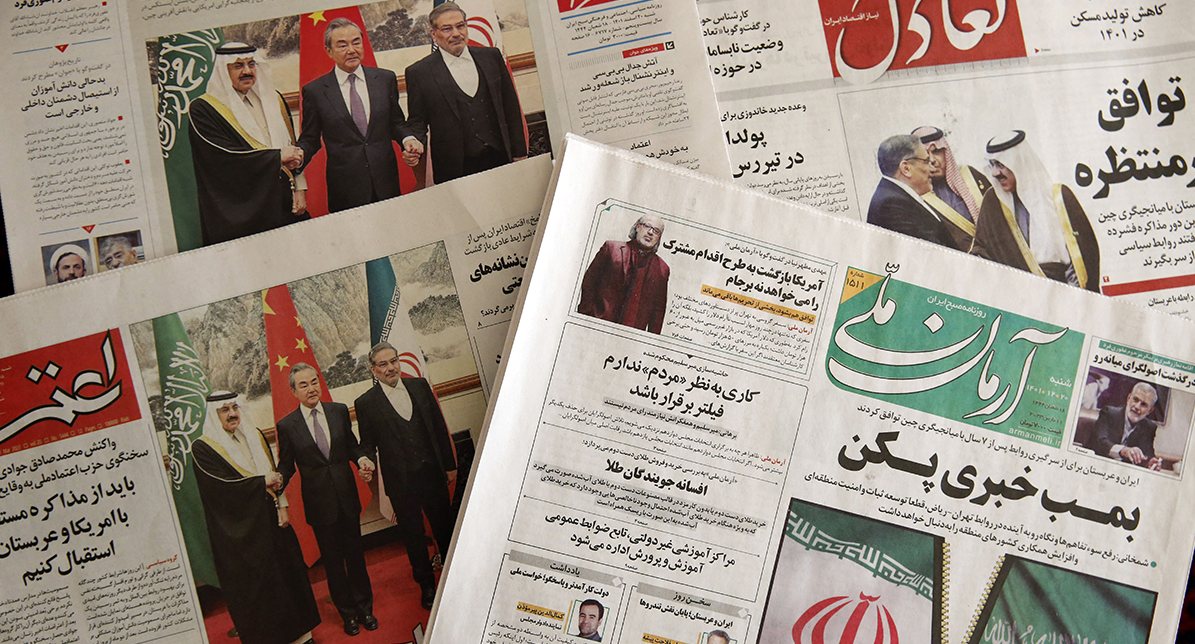
Iranian-Saudi detente and "Asianization" of the Persian Gulf: China fills the gap
After an intense round of secret negotiations between Iranian and Saudi representatives, facilitated by Chinese mediation, Tehran and Riyadh announced in mid-March that they would resume diplomatic relations. It is unclear if the Saudi-Iranian détente will last, but at least for now, China’s role in resolving this diplomatic stalemate seems to indicate the beginning of a multi-faceted de-Westernization process in the region.
China and the Saudi-Iran rapprochement: Implications for Yemen
The conclusion of the China-brokered Saudi-Iranian détente on March 10, which aims to thaw long-standing enmity and manage competition between the two regional arch rivals, has multi-layered implications for Yemen.
Dispatches from Delhi: India and the changing global order
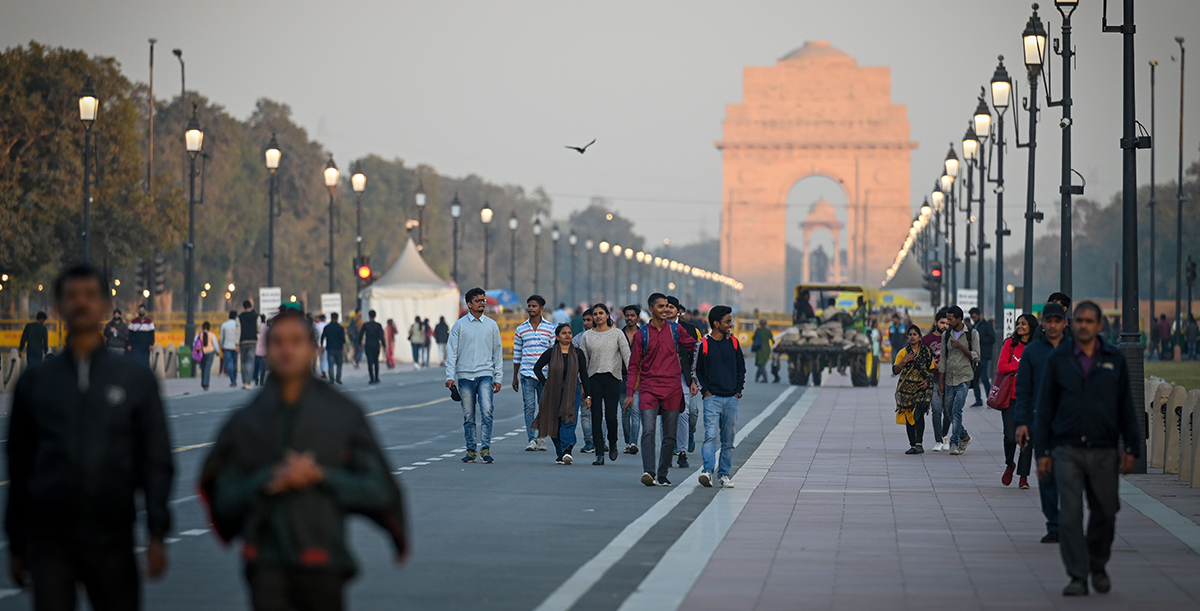
Delhi is one of the few capitals around the world that offers a representative view of the global order. After engaging with a wide variety of Indian policymakers and public intellectuals during a recent visit to India’s capital, I walked away with a better understanding of how Delhi is grappling with some of the main global issues.
By redefining and expanding the Asia-Pacific’s geopolitical dimensions, Abe Shinzō, the late Japanese prime minister, offered a geostrategic model that is now being realized across South Asia and the Middle East. With India at the center of this emerging West Asian ecosystem, Abe’s vision has begun to take shape.
The long Ukraine war: It’s time to transition to a more rational military assistance paradigm
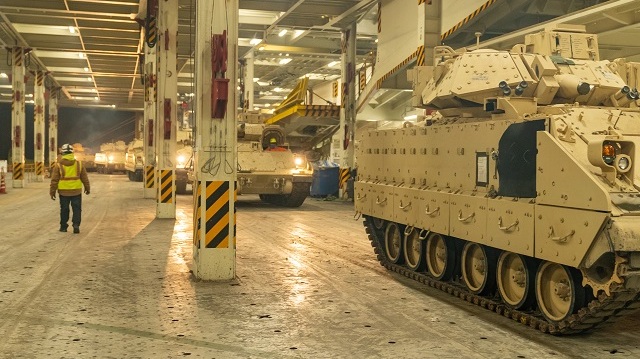
Ukraine’s partners, led by the United States and spread over the globe, have increasingly responded to Russia’s full-scale invasion of February 2022 with a dizzying array of financial, humanitarian, and military assistance. Unfortunately, the way in which the U.S. and Ukraine’s other partners have provided military assistance over the last year — that is, by delivering a wide range of equipment, ammunition, and training — significantly undermines the longer-term objective of developing a sustainable system via which Ukraine can generate combat power in the coming years to overcome Russian aggression.
The complex web of interdependence and threat balancing that prevents war between Iran and Azerbaijan
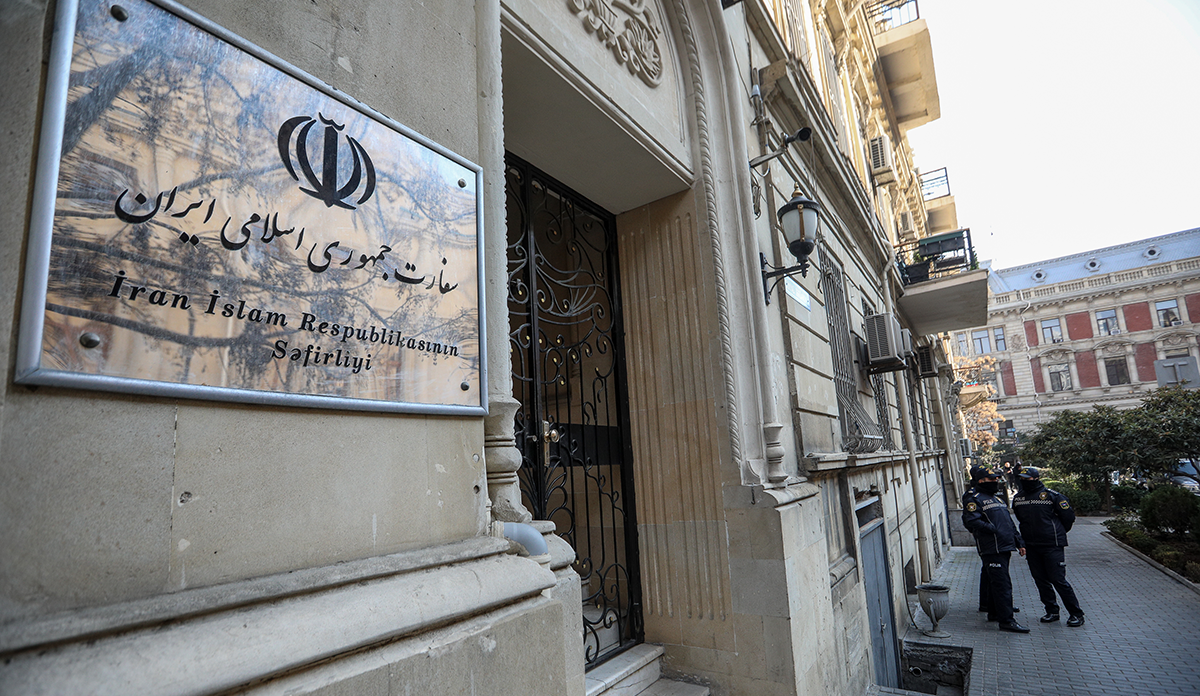
Relations between Tehran and Baku have long had their ups and downs, but a recent series of events in late March have once again brought tensions to a boil. However, despite the mutual threat perceptions, the recurring tensions between the two countries have not gotten out of control and led to military conflict. In fact, over the past three decades, relations between Tehran and Baku have consistently followed a cycle of escalating and de-escalating tensions.
The Israeli protests: What’s happened and what’s likely to come
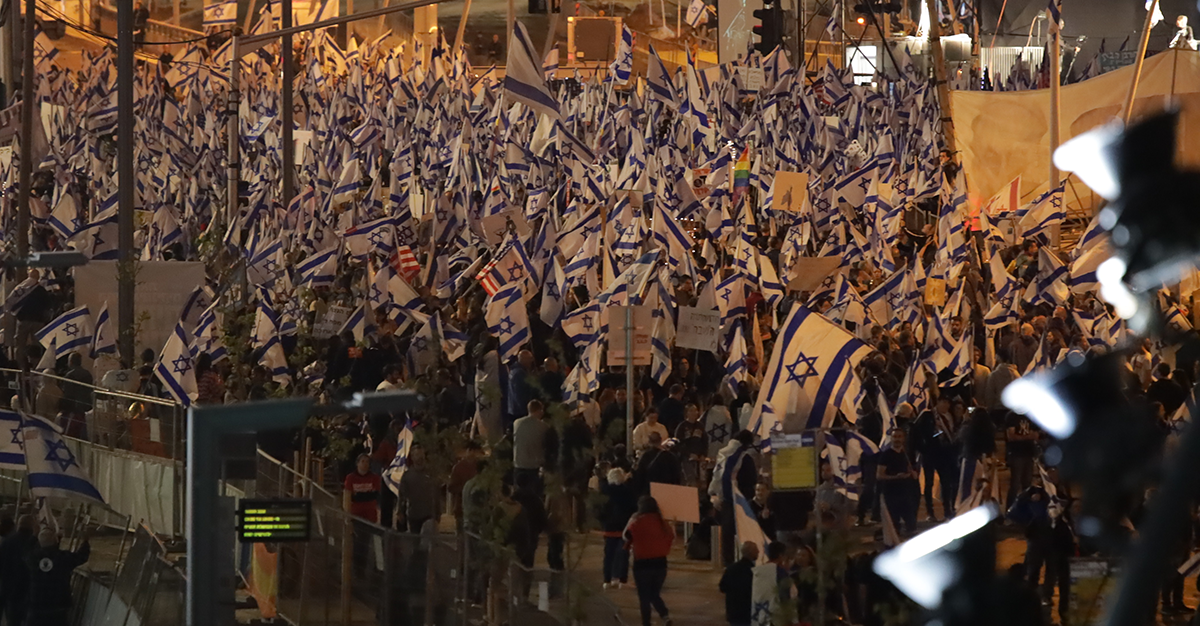
Monday, March 27 was supposed to be a red-letter day for the new far-right Israeli coalition government, when it planned to slide through the Knesset the central provision of its “judicial overhaul” bill, comfortably ahead of the Passover recess beginning on April 2. Instead, it ended up being one of the most extraordinary days in Israeli history. Spurred by the “firing” of Defense Minister Yoav Gallant by Prime Minister Benjamin Netanyahu the evening before, the demonstrations against the overhaul, which had been building in intensity for over two months, became overwhelming.
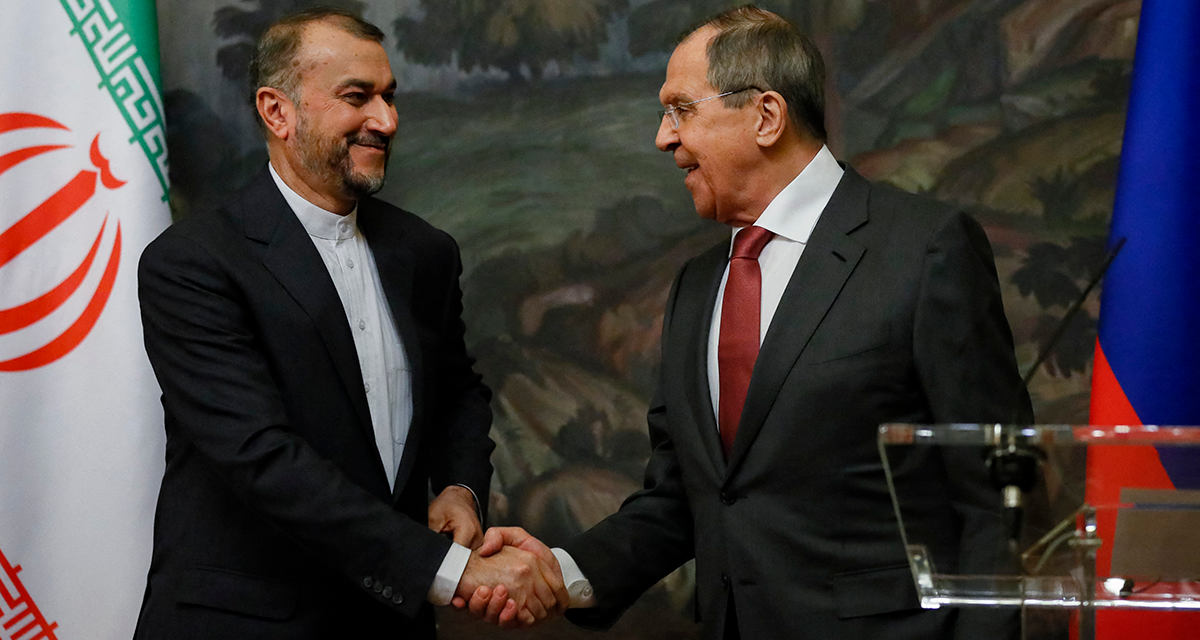
More than a year on from the beginning of the Ukraine war in February 2022, there is no more business as usual for Russia-Iran relations. While bilateral ties are still characterized by an intense focus on security and defense, the two sides are opening multiple new areas of cooperation as well. But what has motivated Moscow and Tehran to invest in strengthening their bilateral relations given all the potential risks and costs? Could conflicts of interest and competition put a crack in this burgeoning relationship? And what can the West do about it?
The credibility of American deterrence in the Middle East
I don’t think enough attention has been paid to US Central Command Commander Gen. Michael Kurilla’s public testimony on 23 March, in which he said that Iran-backed militias have attacked American troops in Syria 78 times since January 2021.
A day after Kurilla spoke, local fighters allied with Tehran’s Revolutionary Guards launched another attack with drones, killing a US contractor and wounding six other American service members.
Israel and Azerbaijan: Trusted friends and reliable partners
Israeli-Azerbaijani relations are based on two main pillars: patient and cordial political relations as well as defense cooperation and arms sales. While the former reached a more intensive level this year, with the opening of an Azerbaijani embassy in Tel Aviv in late March, the latter pillar of the relationship was well developed long before, as Israel became Azerbaijan’s largest weapons supplier.
Turkish Election Watch: The Week of March 26-April 2
Catch up with the latest developments about Turkey’s May elections with weekly updates from MEI’s Turkey Program. In this week’s installment of Turkish Election Watch: It’s officially a four-candidate race for the presidential election, Kılıçdaroğlu meets with İnce, Kılıçdaroğlu receives a warm welcome in an Erdoğan stronghold, and Bahçeli makes an unexpected move.
Women’s Reproductive Rights and Abortion in Morocco: Regulatory Reforms Should Not Miss the Bigger Picture
The recent death of a 14-year-old girl following a botched “back alley” abortion at the house of her abuser is the latest reminder of the need to better protect women’s reproductive rights in Morocco and should push Moroccan authorities to address the multi-faceted social, legal, and economic drivers behind unwanted pregnancies.
The oldest peer-reviewed publication dedicated to the study of the modern Middle East, MEI’s flagship journal covers politics, society, and culture in the region.