This summer, brutally hot temperatures, deepening water scarcity, and spiking fertilizer costs have put North Africa’s agricultural sector under intense pressure. Host Alistair Taylor is joined by Mohammed Mahmoud, CEO and founder of the Climate and Water Initiative and lead for Middle East Climate and Water Policy at the United Nations University Institute for Water, Environment, and Health, to unpack the region’s food and water security challenges. Drawing on Mahmoud’s new report card on agricultural sustainability in North Africa, they explore the diverging picture across the region, why some countries have weathered the strain better than others, and what it will take to build a more resilient and secure food system.
When the Strait of Hormuz closed in March, fertilizer prices spiked within weeks, triggering a food security crisis across North Africa and the Sahel. Host Alistair Taylor is joined by MEI Senior Fellow Intissar Fakir to explore what it means for the region, unpack the link between food security and regional stability, and assess how the strait’s reopening could impact those affected.
The Gulf’s water crisis: Why cooperation is crucial — and complicated
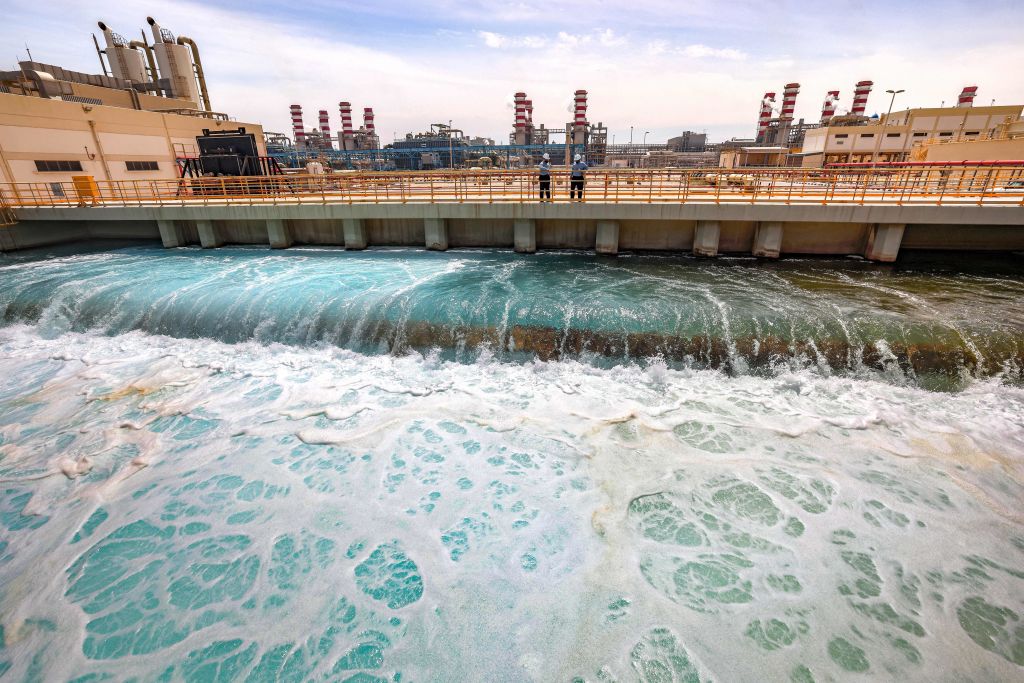
On June 19, false reports of an Israeli strike on Iran’s Bushehr nuclear plant sparked alarm across the Gulf. Though denied by Israeli officials, the claim traces back to a warning from Qatar’s prime minister of a potential catastrophe in the event of nuclear contamination — no water, no food, no life — due to the Gulf’s reliance on desalinated seawater. Gulf governments moved quickly to reassure the public that no radiation had been detected, but the episode underscored the region’s growing sense of vulnerability. A regional approach to water security could help to mitigate such risks.
The Middle East’s worsening dust storms are making it harder to deploy solar energy
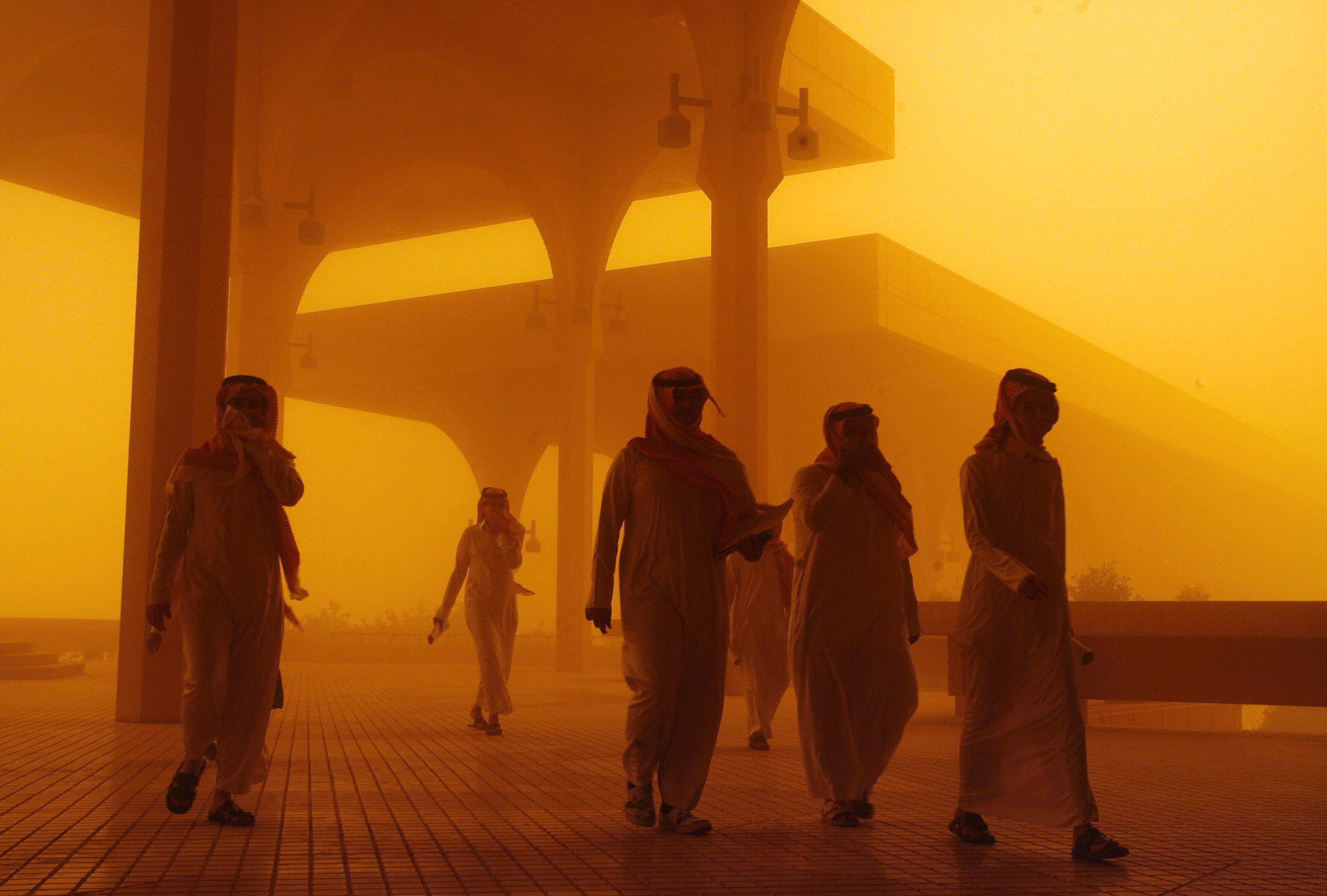
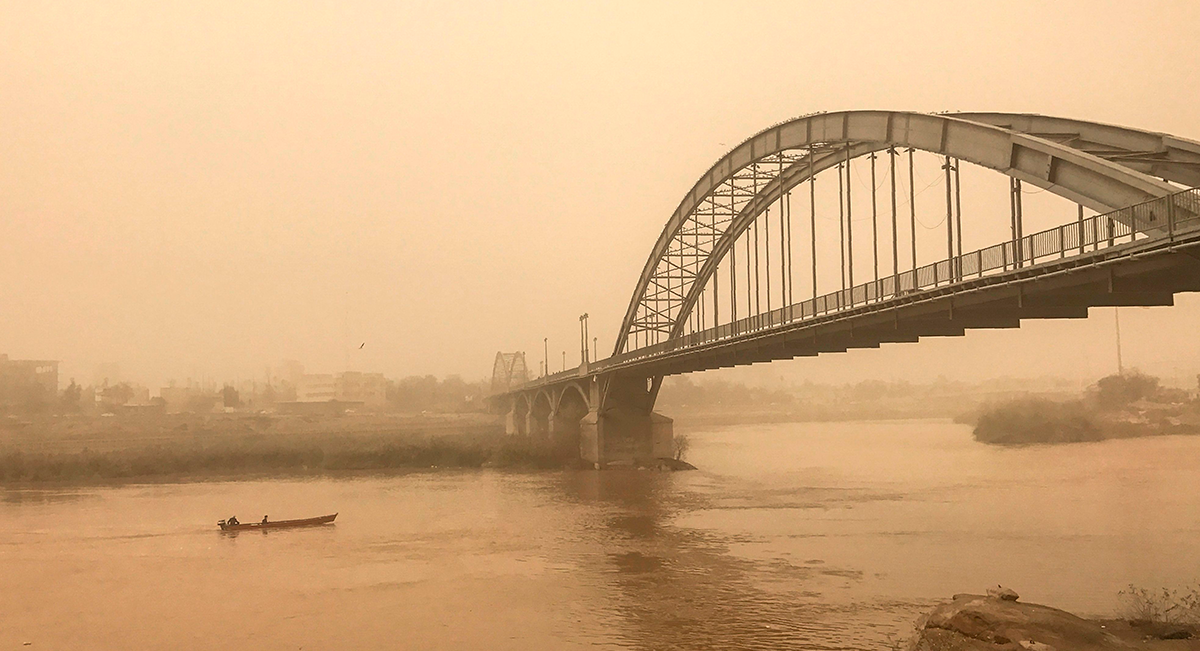
Recent months have seen unprecedented levels of dust storms in the Middle East. Hundreds of people were hospitalized because of breathing difficulties; public buildings, offices, and schools were closed; and flights were grounded. Sand and dust storms are not a new experience for the people of the region, but continuous exposure to thick blankets of dust — as seen in April and June 2022 — is quite alarming and has affected local communities and residents across the region from Syria to Iran.
Egypt as an Eastern Mediterranean power in the age of energy transition
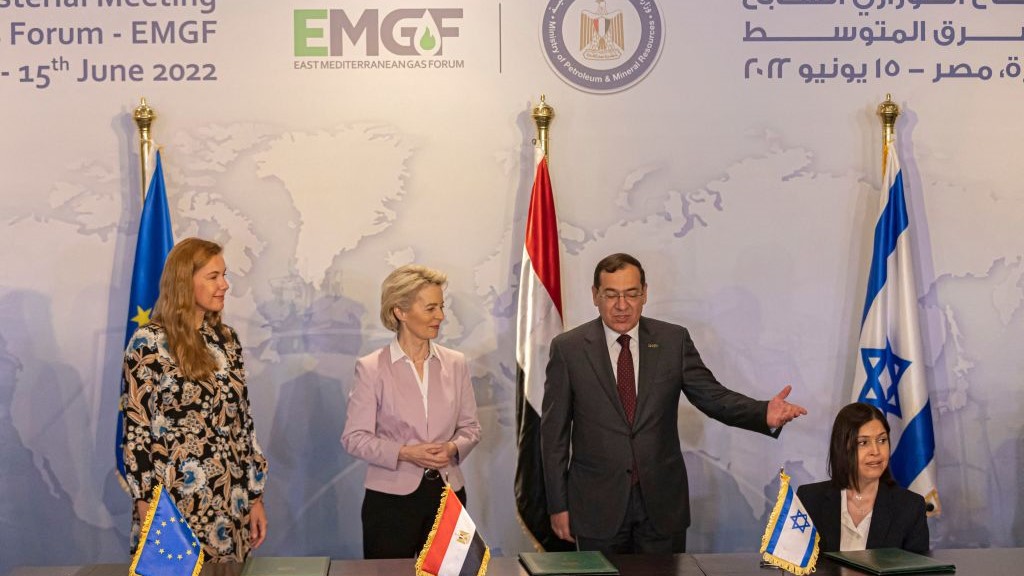
The emergence of Egypt as an Eastern Mediterranean energy hub resulted from a culmination of years of deliberate efforts. Increasingly, Egypt will be able to re-export Israeli natural gas or convert it into blue hydrogen, generate green electricity for export, or utilize its growing wind and solar power capacity to produce green hydrogen.
Urban pollution across the Middle East and Black Sea regions: Causes and mitigation measures
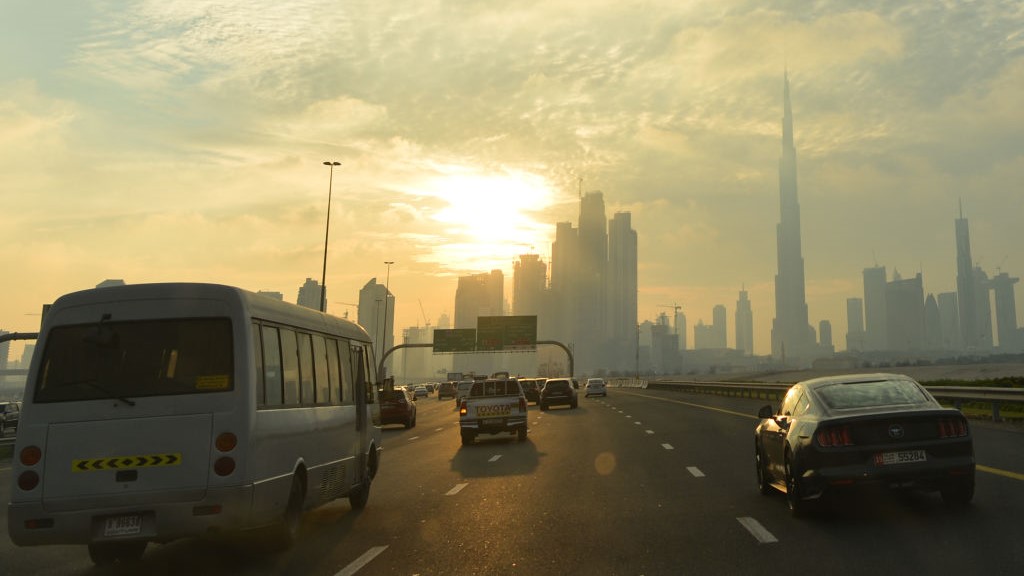
The latest IPCC reports clearly indicate that cities — responsible for up to 72% of global emissions — need to be redesigned to stand a chance against the climate crisis. The urban communities of the Middle East and Black Sea regions face some of the most difficult climate change effects. To properly address their challenges, a comprehensive analysis of drivers and strategies to follow is needed.
“Get an electric vehicle!” This might be the first idea that comes to mind when considering how to reduce carbon dioxide emissions from transportation at the community level. Fossil fuels are widely recognized as a significant source of emissions due to the large amount of carbon dioxide they produce when burned, but what about the emissions associated with electric vehicles?
Looking to the skies: The growing interest in cloud seeding technology in the Gulf
In response to water shortages exacerbated by population growth and climate change, an increasing number of countries have invested in weather modification technologies over the past decade, including precipitation enhancement, or cloud seeding. The UAE has been a leader in exploring this technology within the arid Gulf region, launching a cloud seeding program in 2002.
Amid dust storms and drought, Turkey and Iran are at odds over transboundary water management
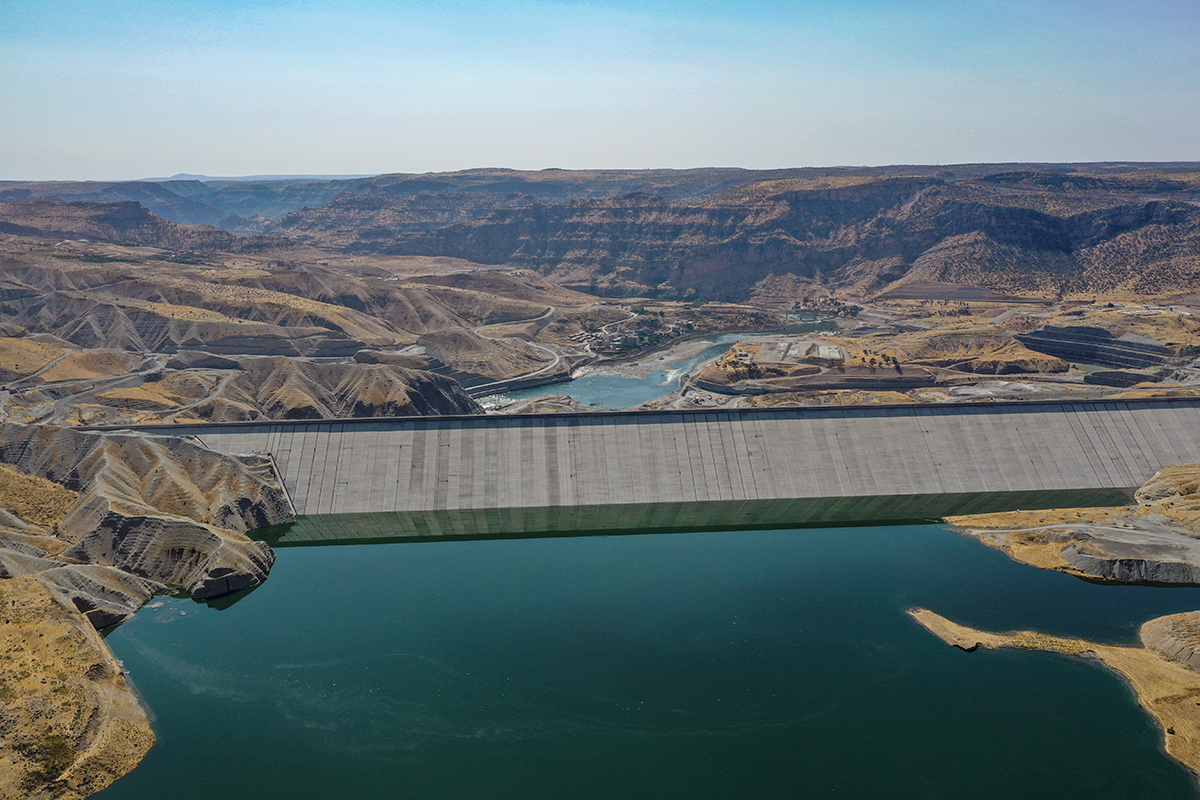
Water is slowly emerging as yet another potential cause for dispute between Ankara and Tehran. As of late, the two neighboring states have been at loggerheads over a number of issues, including Syria and Iraq, where they have opposing interests. After years of quiet diplomatic juggling, the issue of transboundary water management is gradually taking center stage in the two countries’ relations, a development that could, in the medium run, have serious repercussions for regional security.
In this interview from MEI’s Climate and Water program, guest host Mohammed Mahmoud speaks with Athra Khamis about her journey to the remote continent of Antarctica, what she saw there, and how it impacted her views on climate change.
Protecting Gulf waters through regional cooperation
In collaboration with regional and international experts and organizations, the Middle East Institute is implementing a program aimed at promoting regional approaches to solve climactic and anthropogenic challenges to the waters of the Gulf.
How the MENA region’s climate regime influences its water resources
The MENA region faces unique challenges to environmental sustainability and human habitation. First and foremost among these is the limited availability of freshwater. The region sees most of its precipitation fall as mountain snow and sustained availability of water to river systems like the Tigris and Euphrates is dependent on the predictable transformation of mountain snowpack into runoff.
The oldest peer-reviewed publication dedicated to the study of the modern Middle East, MEI’s flagship journal covers politics, society, and culture in the region.