This article is part of a collection of short essays written by the Fellows of the Middle East Institute to explore aspects of the ongoing war with Iran. The intent of the collection is to help readers see new and unexpected elements of the dynamics and impact of the ongoing hostilities and to think harder, deeper, and broader about the implications of the conflict.
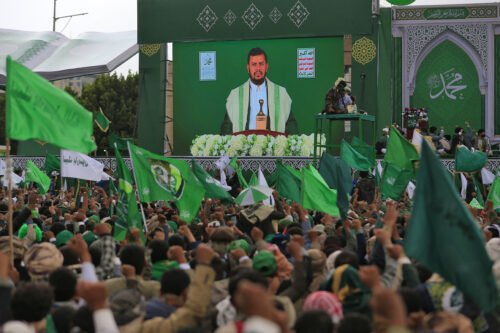
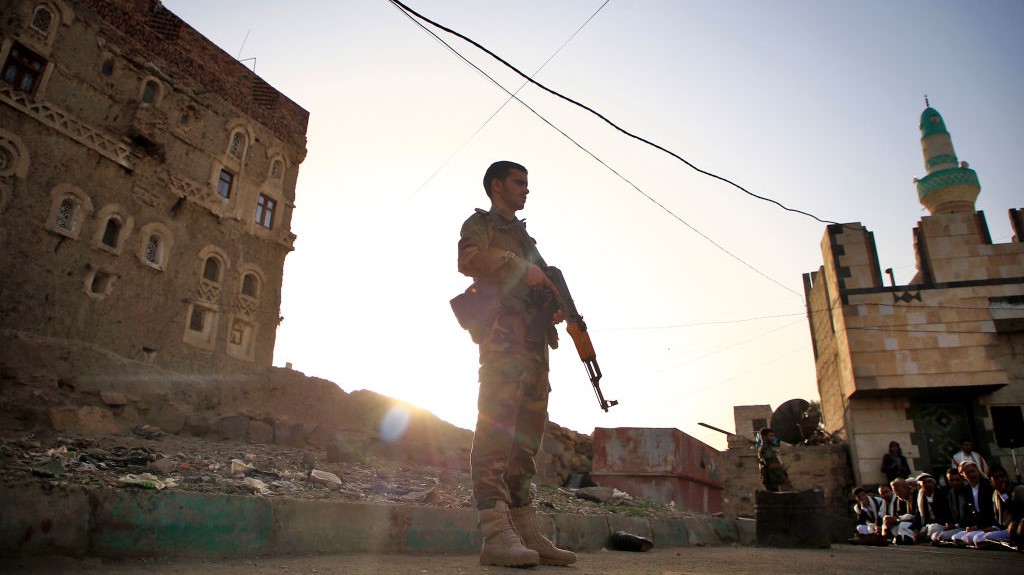
Yemen: The Houthis’ Role in the Next Evolution of the Axis of Resistance
The outbreak of the war with Iran demonstrated the strategic value of maritime chokepoints in the Islamic Republic’s confrontation with the United States. But as Tehran’s strategy of using the Strait of Hormuz to pressure Washington seems to be backfiring, Iran is working with the Houthis to strengthen its leverage over another strategic chokepoint: the Bab el-Mandeb. The recent escalation in Yemen should be viewed within this context.
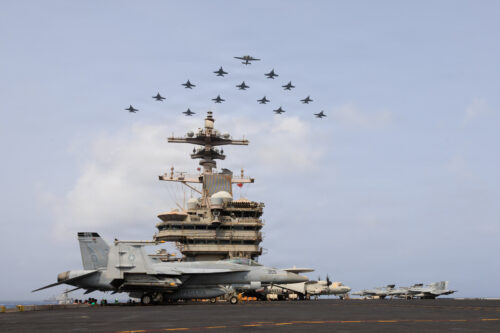
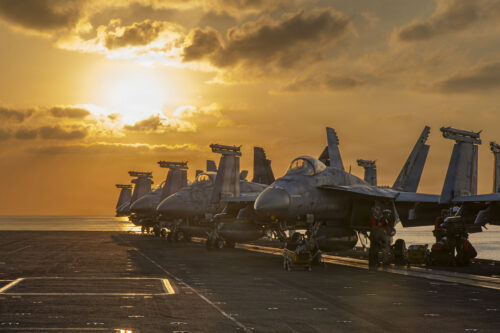
US Regional Defense Policy: Strategic Prioritization and the Promotion of Collective Defense
A war that the White House initially hoped would be brief has now dragged on for more than six months, with prospects for a resolution frustratingly remote, and the Trump administration’s credibility among friend and foe alike is nearly exhausted. Focusing on defense and security, there are multiple lessons from the Iran war that should shape US strategic thinking.
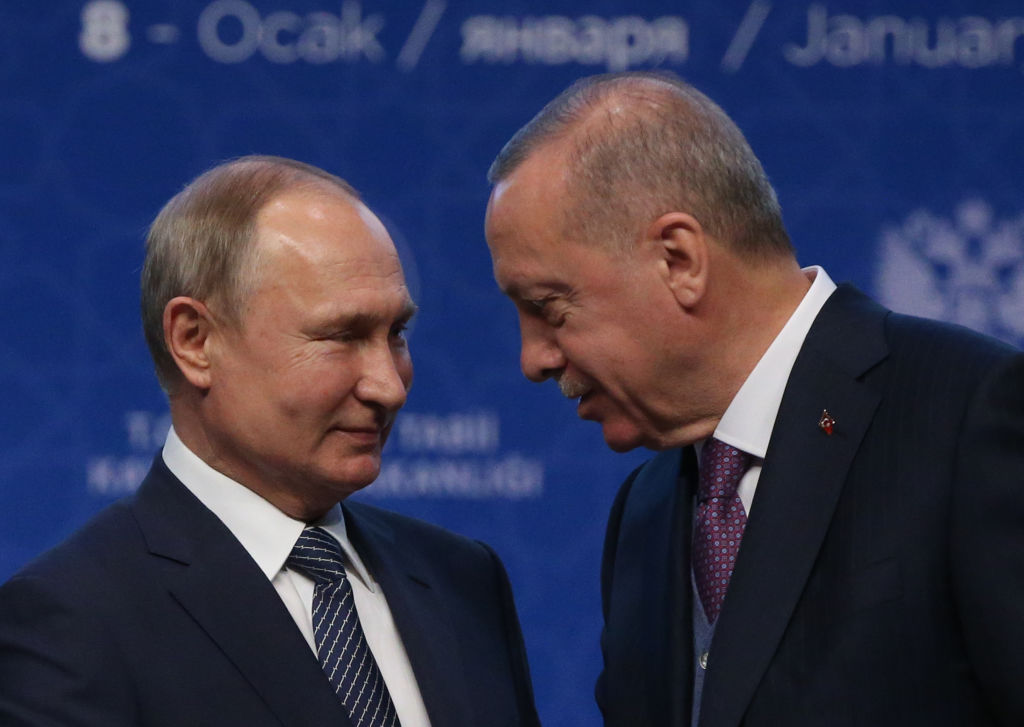
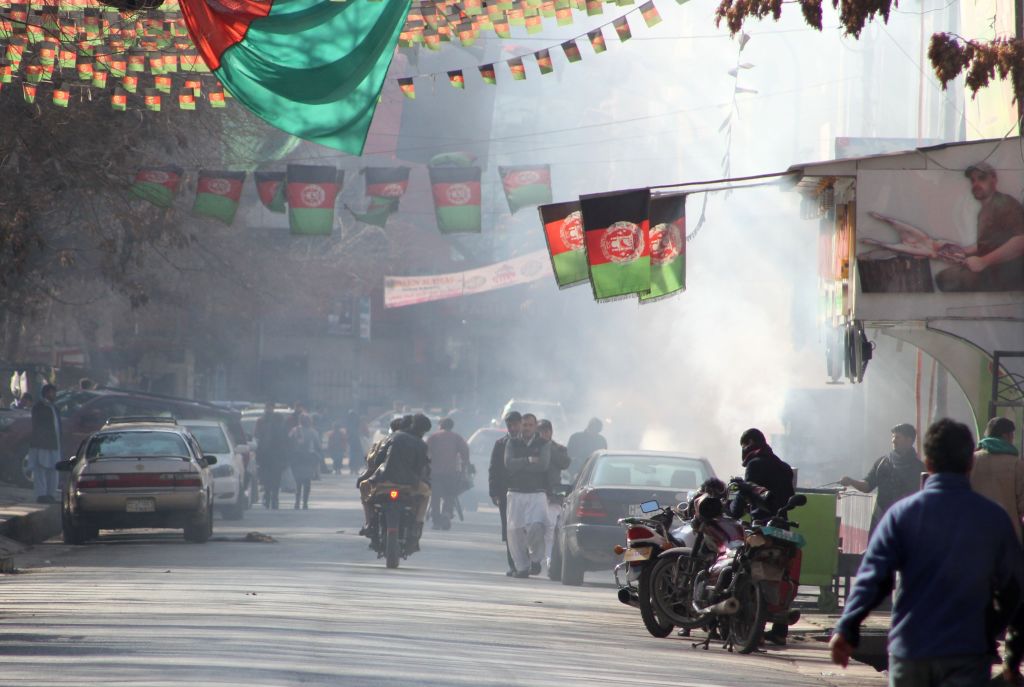
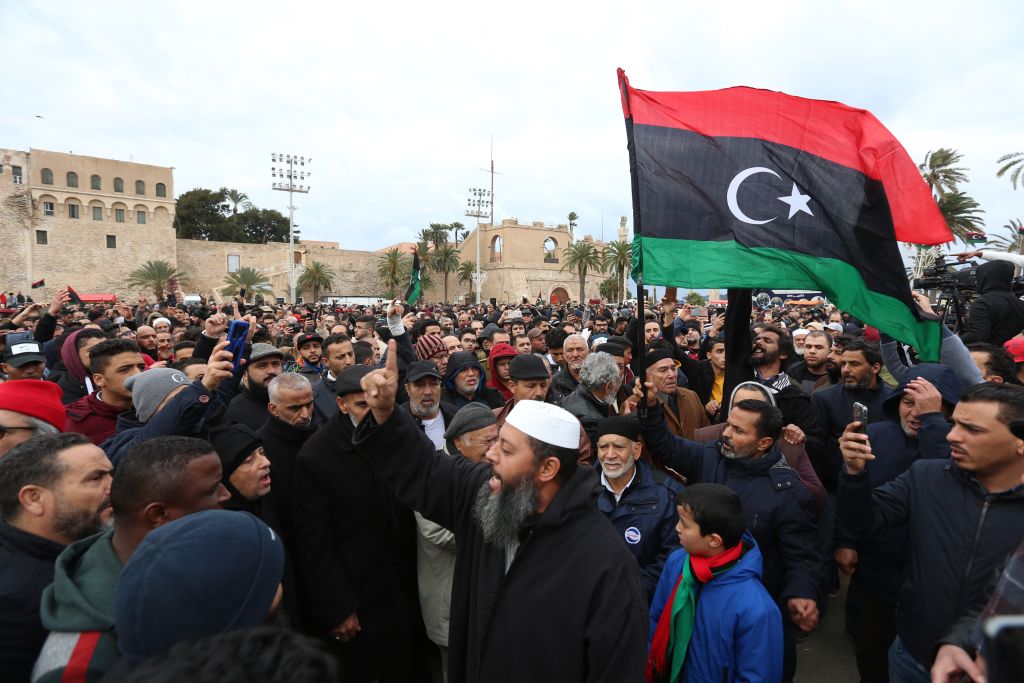
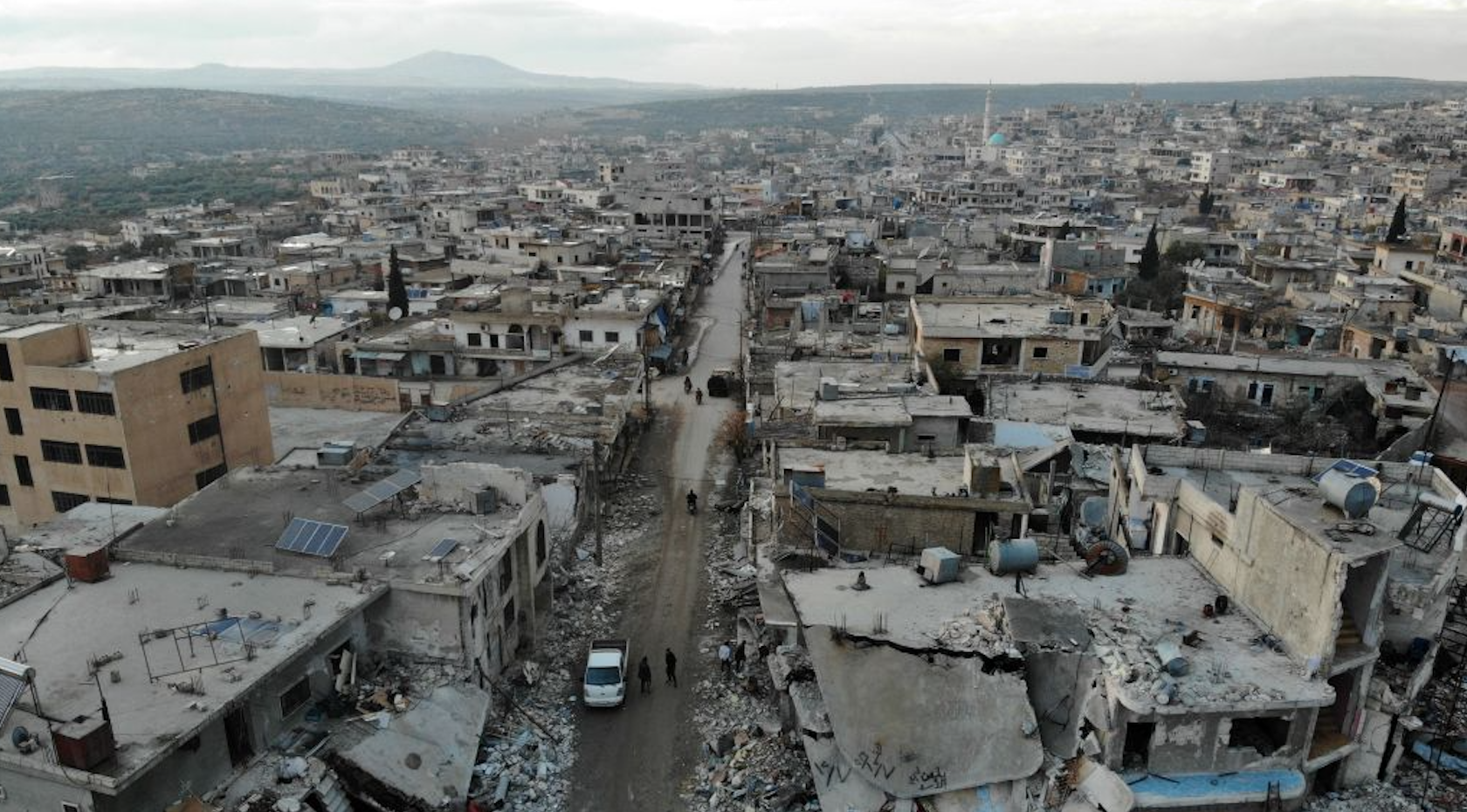
Cease-fires in Idlib and Libya as Turkey looks to buy time
It is increasingly the case that the Russian-Turkish decisions on Idlib or Syria need to be understood as part of a broader Russian-Turkish partnership.
The Military-Security Dimension of Israel-Southeast Asia Relations
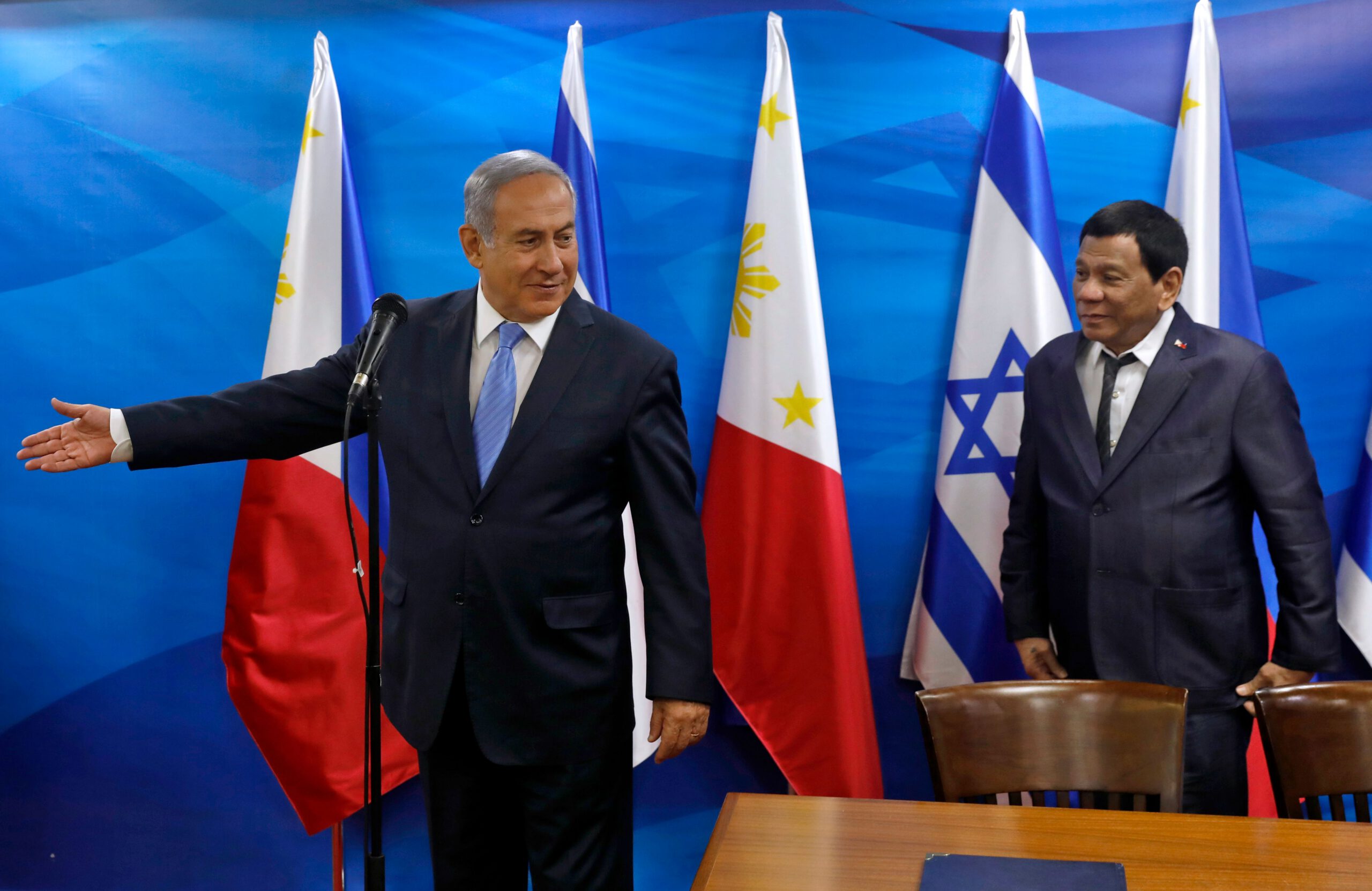
Over the past two decades, Israel has developed robust bilateral relationships with China, India, and Singapore. Israel has also succeeded in forging ties with Japan and South Korea. More recently, Israel has devoted considerable attention to strengthening its relations with Southeast Asian countries, particularly Vietnam, the Philippines, Thailand and Myanmar. Military-security cooperation in the form of arms trade as well as technology transfer and licensed production has emerged as an important dimension of Israel’s relations with Southeast Asian countries.
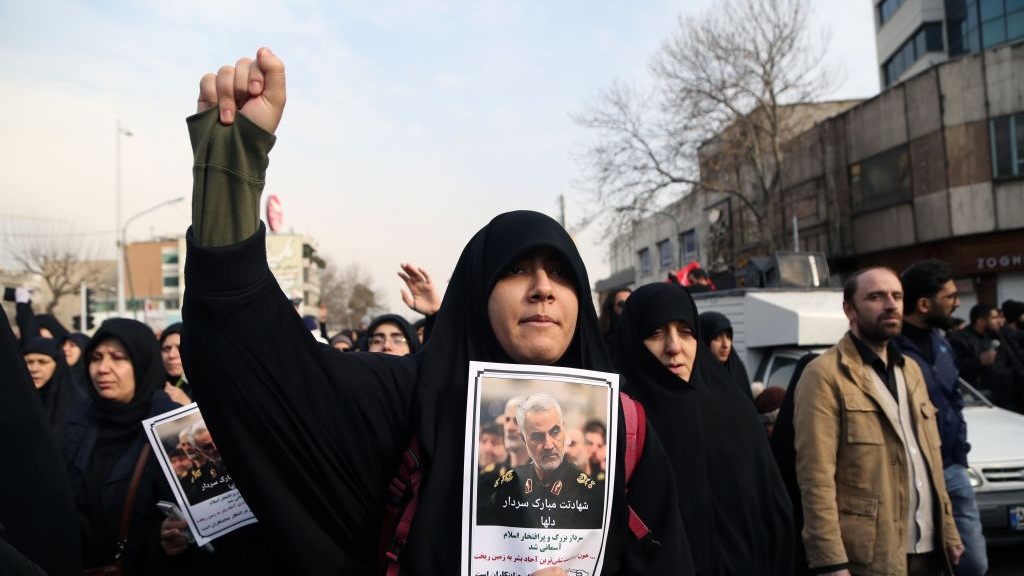
Trump has taken such a forward-leaning and aggressive position now that he has set himself, and the U.S., in a conflict trap that he might not be able to defuse.
While yesterday’s vote in the Iraqi Council of Representatives on a decision to remove U.S. forces is not legally binding, it creates dynamics inside the U.S. and Iraq that make a U.S. decision to remove its forces all but inevitable.
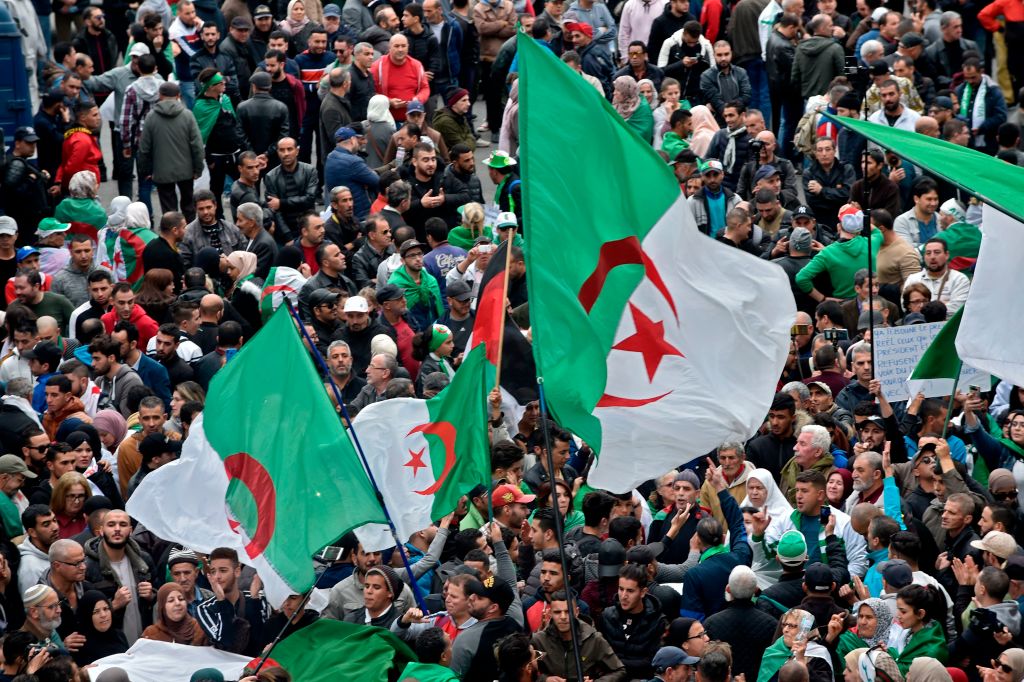
The future of the UK’s relationship with the Maghreb
The UK’s impending exit from the EU will present a new chapter for British interests in and posture toward the region. If the UK is to find a trade-off for loss of diplomatic and economic heft, it will need to re-prioritize its engagement efforts. Policy continuity toward Morocco and Tunisia appears inevitable; Algeria, in contrast, promises great opportunity for an evolving relationship.
Strong U.S. leadership could still make a difference to counter the threats arising from the ongoing proxy war, but the Trump White House appears mainly to have other things on its mind.
Militarily, the most concerning issue remains the fate of Idlib, where at least three million people remain crammed in a killing-zone that encompasses just 3.5 percent of Syria’s territory
The oldest peer-reviewed publication dedicated to the study of the modern Middle East, MEI’s flagship journal covers politics, society, and culture in the region.