Over the past several weeks, the Houthis have seized the port city of Mokha, Yemen’s western coastline, and several islands in the Bab el-Mandeb Strait, and they are now massing around Marib and Taiz in the first major frontline shift since 2022. MEI Associate Fellow Nadwa Al-Dawsari joins host Matthew Czekaj to unpack the latest developments. Together, they discuss what has allowed the Houthis to advance against Yemeni government forces, the role the militant group plays in Iran’s regional strategy, and what it will take to contain the threat.
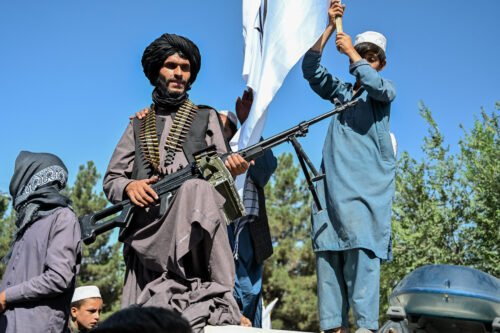
I was a teenage Afghan refugee in Pakistan’s tribal areas when the Twin Towers fell. Almost nobody around us understood the politics of what had happened, but we knew that something had changed for good. Afghanistan, which until then had been our private tragedy and our first exile from Taliban rule, had suddenly become the world’s concern, with the United States leading the response.
Though it has fallen out of the headlines because of the Iran war, Syria has had a dramatically consequential summer. Hosts Alistair Taylor and Matthew Czekaj are joined by MEI Senior Fellow Charles Lister to take stock of recent developments: the dissolution of the Kurdish-led Syrian Democratic Forces, Israeli strikes and the friction with Turkey they have exposed, the standoff in Sweida, as well as Damascus’s bid to turn Syria into a trade corridor between the Mediterranean and the Gulf. Is the transition consolidating or fragmenting nearly two years after the fall of the Assad regime?
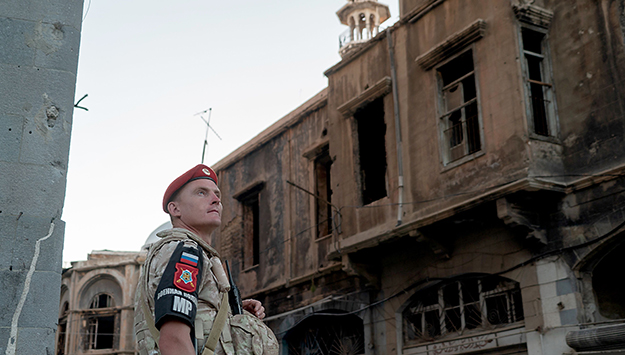
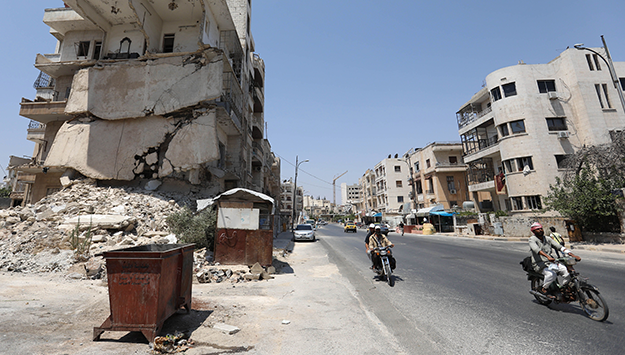
Following the Syrian government’s full reconquest of the country’s south, there are real signs that Russia intends to reduce its presence and responsibilities in Syria. Moscow has not stated this openly, in contrast to its three previous drawdown announcements. Each of these announcements came after a major victory, such as the recapture of Aleppo from rebels or eastern Syria from ISIS, and did not result in any tangible reductions. Despite an absence of fanfare, however, recent developments and statements indicate that a partial drawdown is already underway.
Several countries have engaged in a flurry of diplomatic moves in recent days to prevent combat between Israeli and Iranian forces in southern Syria from escalating into full-scale war. MEI senior fellows Robert Ford and Charles Lister join host Paul Salem to discuss these moves and the state of the Syrian conflict.
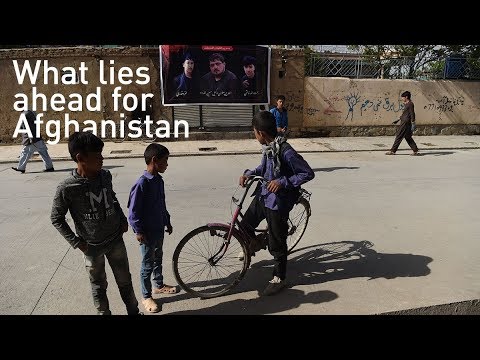
What lies ahead for Afghanistan: the various scenarios
The way forward in Afghanistan seems as unclear as it has ever been. An outright military victory against the Taliban and other insurgent groups appears to be unachievable. The prospect of insurgents overrunning the country soon appears similarly unlikely. At the same time, a negotiated peace seems presently improbable. At least on terms outlined by the Kabul government and international community, the Taliban shows little interest in reconciliation.
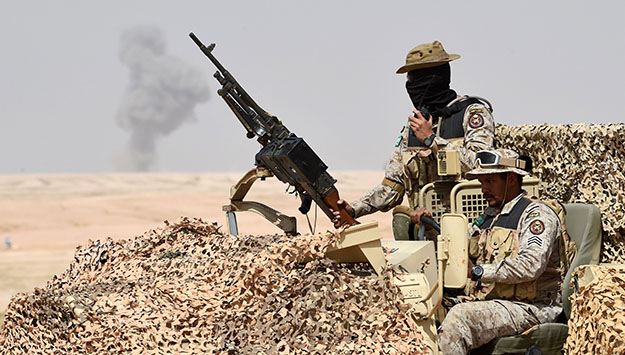
While armed nonstate actors and proxy militias have been grabbing most headlines in recent years, the risk of interstate war in the Middle East is rising at an alarming rate. This includes the risk of war between Israel and Iran, Saudi Arabia and Iran, and possibly the United States and Iran, or the United States and Russia. Tensions between Israel and Iran have boiled over several times in recent weeks in Syria, risking a serious escalation between the two countries.
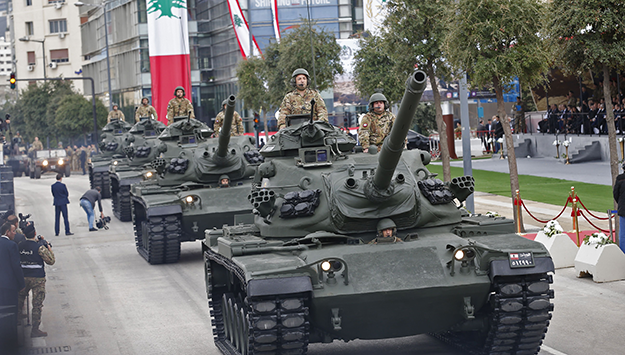
In Sunday’s elections in Lebanon, Hezbollah and its allies gained more than half the seats in Parliament. After a result like that, an old canard in Washington is likely to resurface with full force: the idea that U.S. policy in Lebanon is a disaster. Don’t buy it. In fact, of all the investments the United States has made in the Middle East over the past decade, Lebanon has generated the greatest returns.
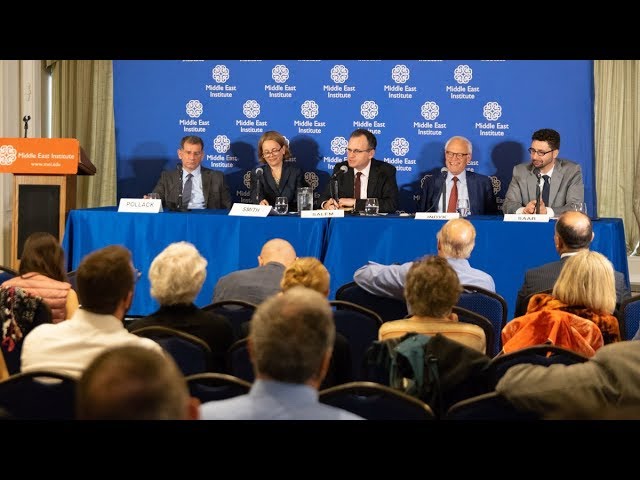
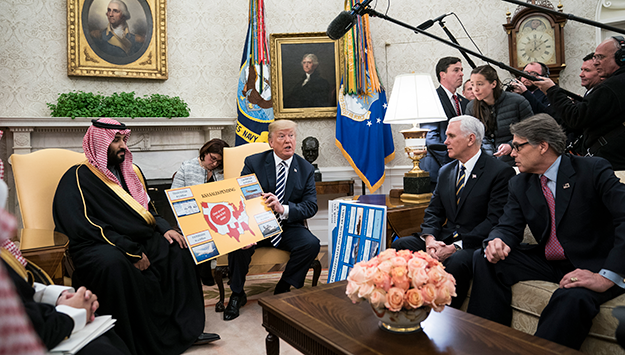
What impact will the Trump administration’s new arms sales policy, named “Buy American,” have on the Middle East, historically one of the major destinations for U.S.-made weapons? Michael O’Hanlon, senior fellow and director of research for the Foreign Policy program at Brookings, and Bilal Saab, director of MEI’s Defense and Security program, join host Paul Salem to discuss.
The White House last week released a new plan—called “Buy American”—to shore up U.S. arms sales to global friends and allies. It’s borne out of President Donald Trump’s desire, which he articulated during his presidential campaign, to sell more American weapons as a means to boost the U.S. economy and create more jobs.
Limit Iran's missiles? Sure, but first come up with a plan
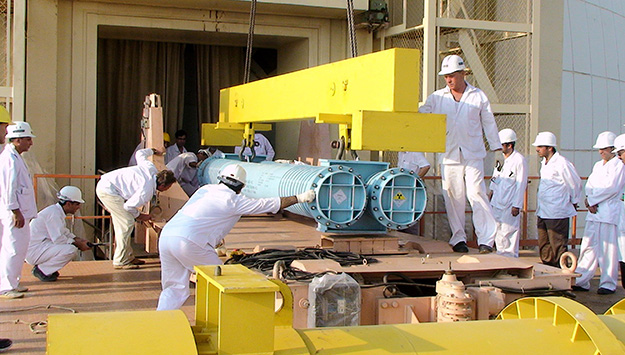
Critics of the Iran nuclear deal have consistently argued that one of its major flaws is that it didn’t address Tehran’s ballistic missile program. Imposing limits on those weapons of terror, opponents of the deal say, is a primary U.S. objective and should have been part of our negotiating strategy with the Iranians from the beginning.
Rex Tillerson’s exit and what’s next for US-Middle East policy
Outgoing Secretary of State Rex Tillerson had long been at odds with President Trump on key issues in the Middle East, from the intra-GCC dispute between Qatar and other member states, to the recognition of Jerusalem as Israel’s capital and the Iran nuclear deal. MEI fellows Gerald Feierstein, Charles Lister and Alex Vatanka join host Paul Salem to discuss how his replacement may impact these and other regional policy issues.
The oldest peer-reviewed publication dedicated to the study of the modern Middle East, MEI’s flagship journal covers politics, society, and culture in the region.