The Americans Are Gone. Will Iraq’s Militias Disarm?
On September 30, the US completed its military withdrawal from Iraq, ending a 12-year-long mission to combat ISIS that began in 2014. The date was also meant to be the deadline for disarming the largely Iranian-backed militias known as the Popular Mobilization Forces (PMF), but Prime Minister Ali al-Zaidi has now pushed that cutoff back to June 30, 2027. MEI Distinguished Diplomatic Fellow Amb. (ret.) Robert S. Ford joins hosts Alistair Taylor and Matthew Czekaj to discuss what the US military withdrawal means for Iraqi security and the nature of the bilateral relationship going forward. They also speak about what it will take for Baghdad to bring the PMF militias to heel, and how Iraq may navigate the post-Iran war era.
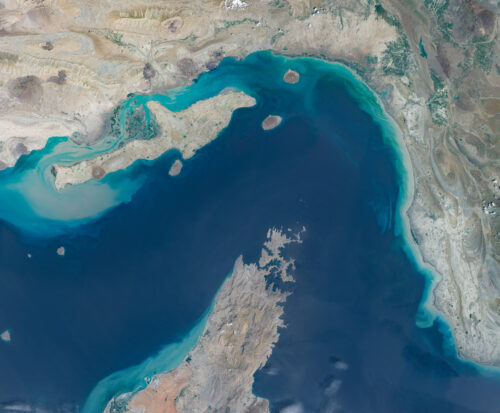
Proponents of the war with Iran have taken recent increases in crude-oil flows through the Strait of Hormuz as proof that the US strategy is finally working. President Trump is so confident in this that he recently rejected a seven-day plan, set forward by Iran’s foreign ministry, to end the war and open the strait. The United States is “winning tremendously,” Trump boasted.
The Mecca Joint Défense Agreement: A New Geometry of Middle Eastern Power?
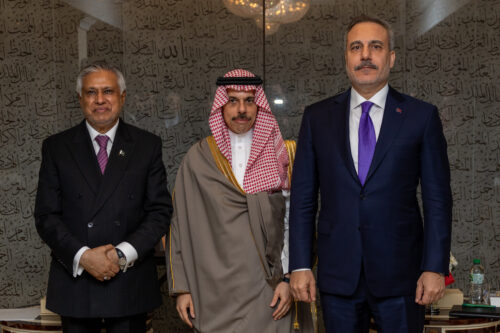
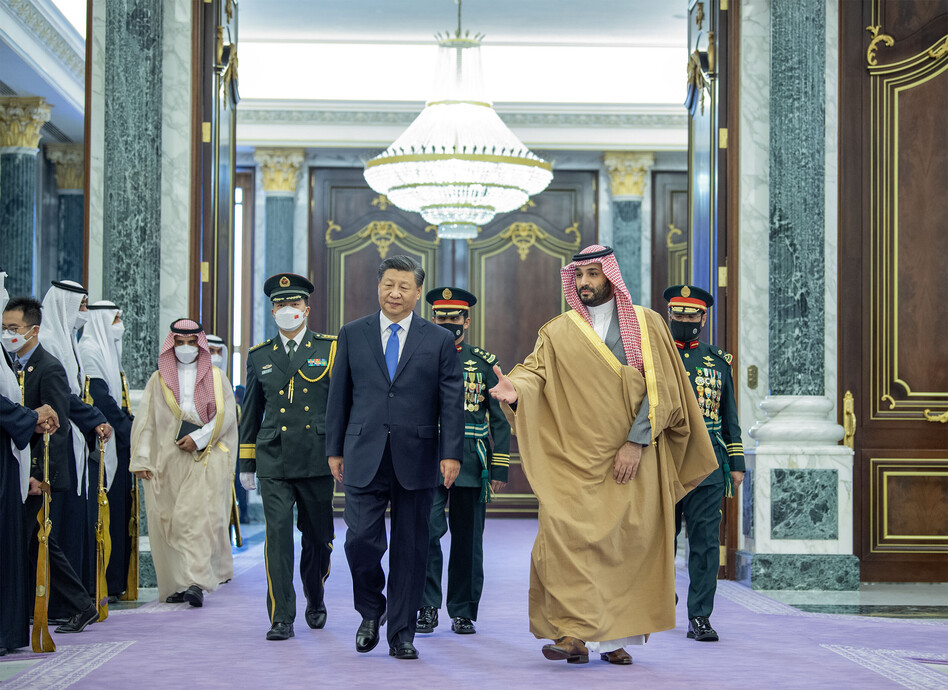
On August 7, 2026, Saudi Arabia, Turkey, and Pakistan signed the Mecca Joint Défense Agreement, a collective-defense pact widely compared to NATO’s Article 5. This essay argues that the comparison is misleading. Mecca borrows NATO’s language of solidarity without yet possessing NATO’s institutional machinery, and the Houthi offensive against Saudi Arabia in September 2026 provided an early and revealing test of what the agreement actually means in practice. Neither Pakistan nor Turkey automatically entered the fight on Saudi Arabia’s behalf, and Washington, despite an initial reluctance to strike directly, remained indispensable through intelligence support and a major proposed F-35 sale. Drawing on realist alliance theory — Hans Morgenthau, Kenneth Waltz, Stephen Walt, Glenn Snyder, and Steven David — and on the precedent of the Central Treaty Organization (CENTO), the essay contends that the Middle East is not dividing into rival blocs but moving from hierarchy toward a looser, overlapping geometry of hedged partnerships, in which American exclusivity is eroding considerably faster than American primacy.
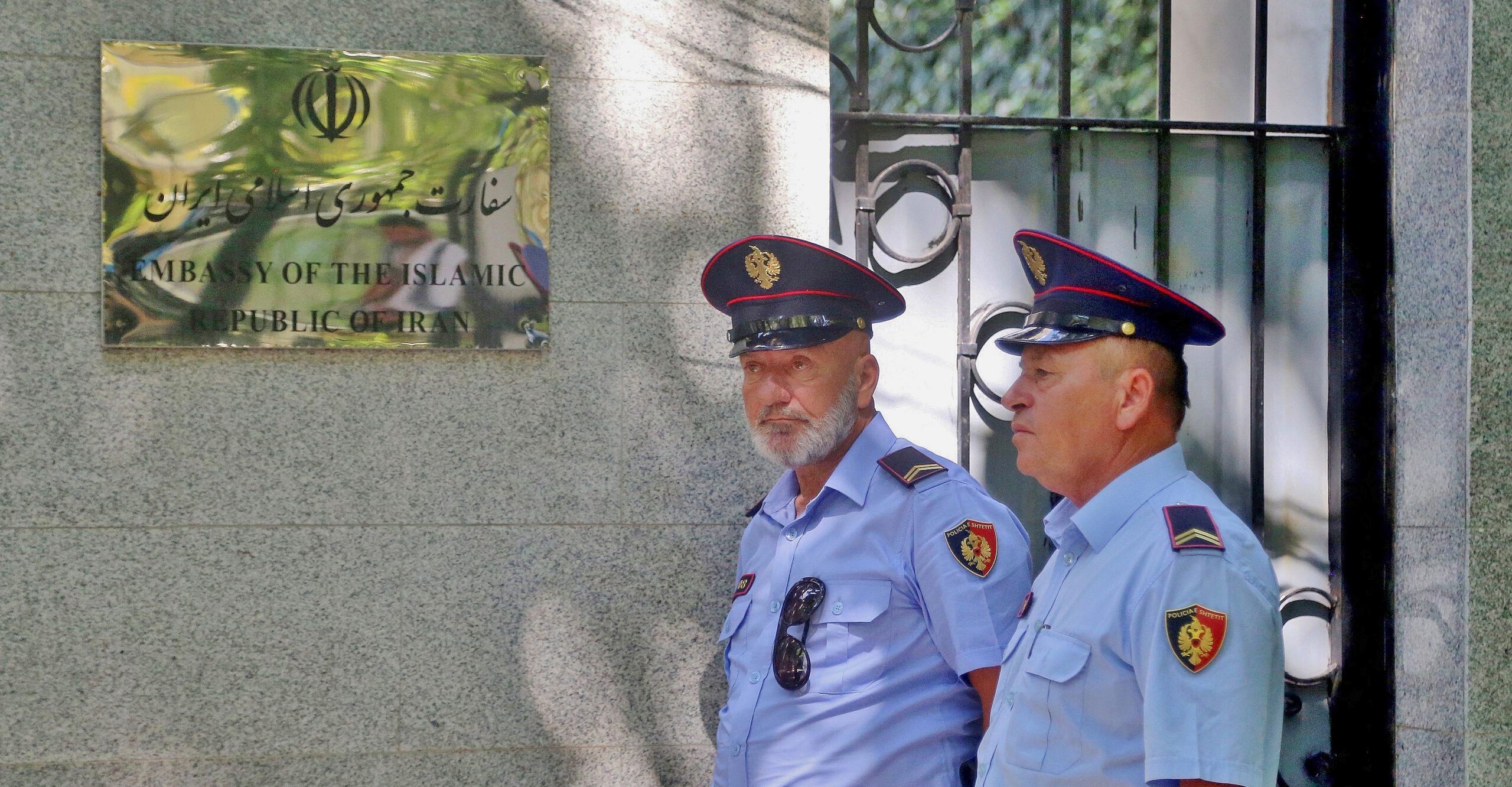
Iran’s Balkan front: The roots and consequences of Iranian cyberattacks against Albania
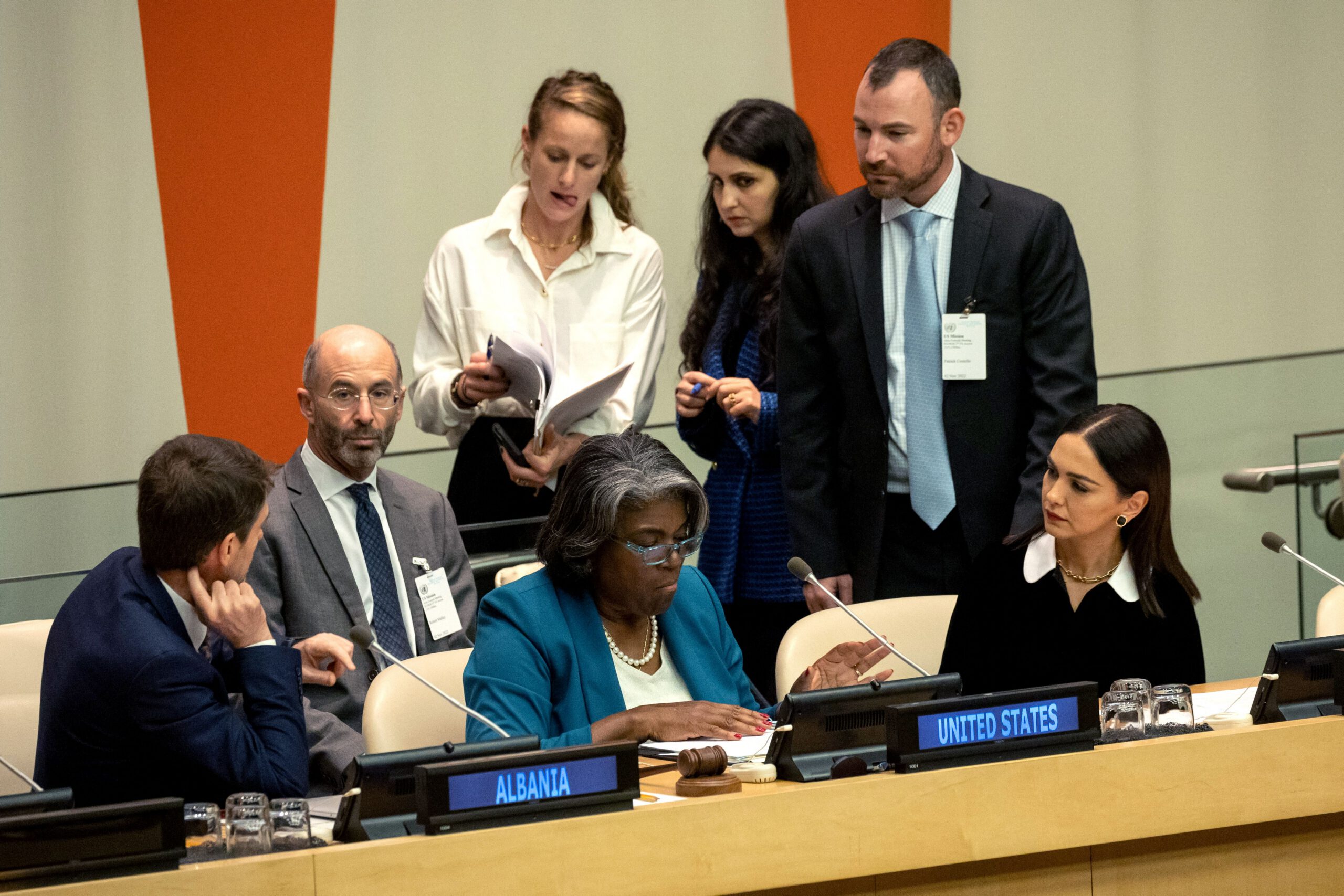
A series of damaging Iranian hacks of Albania’s critical digital infrastructure over the summer pushed Tirana to break off bilateral diplomatic relations. Iran has regularly responded to sanctions or perceived provocations through cyberattack campaigns, as was visible in the case of Albania, guilty in the Iranian authorities’ eyes for the accommodations it has given to the anti-regime group MEK .
What role will China play in Ukraine’s post-war transformation?
Cost estimates for Ukraine’s post-war reconstruction already exceed many hundreds of billions of dollars. Given the Western world’s slowing economic prospects, Ukrainian elites admit that China looks increasingly likely to have a role in helping finance and rebuild Ukrainian infrastructure. But Chinese involvement comes with economic and security risks.
Russia’s new military: The rise of Prigozhin and the Wagner Group
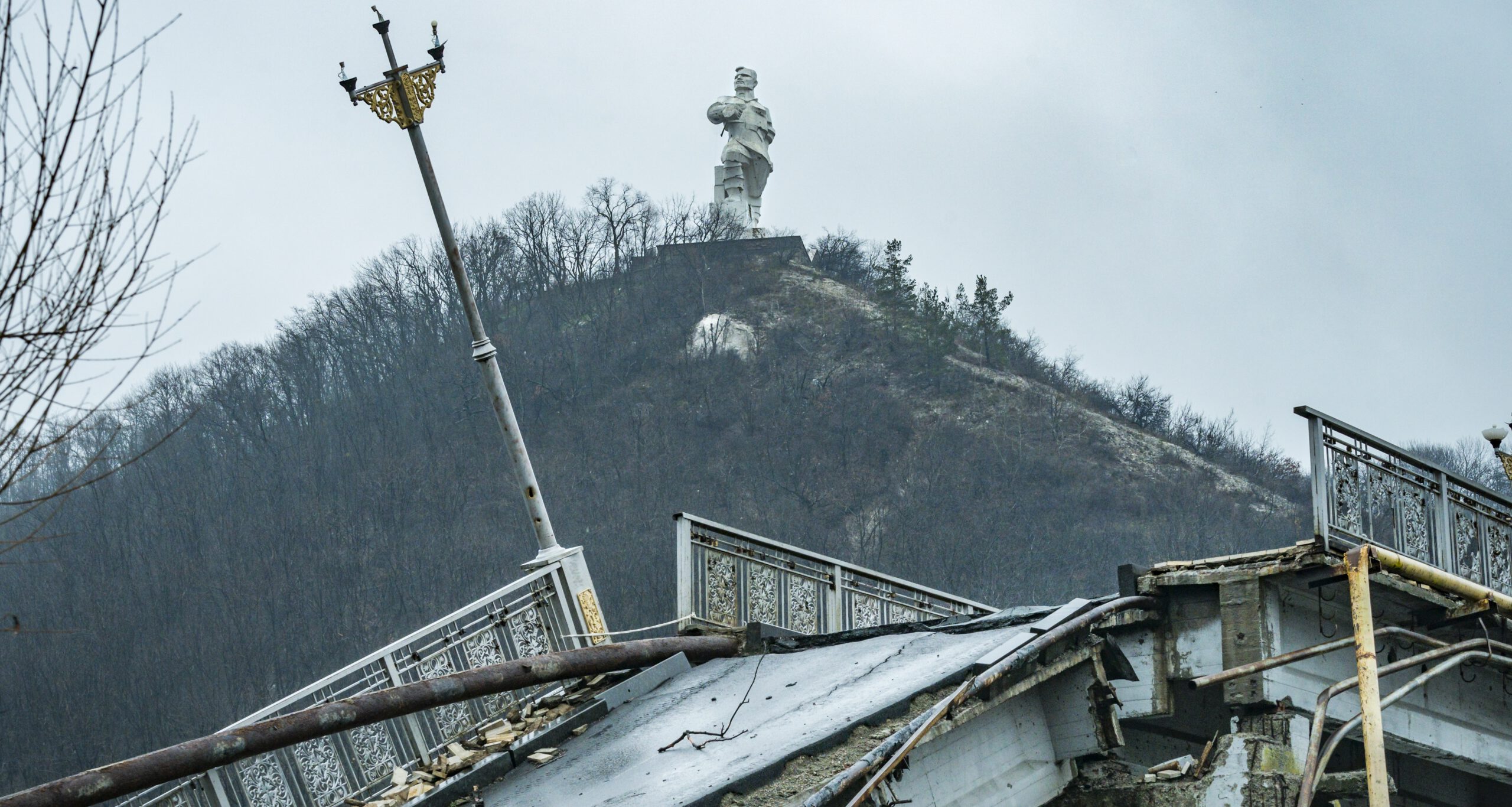
Kremlin-linked oligarch Yevgeny Prigozhin, founder of the notorious Wagner Group PMC, is taking power away from the traditional Russian military establishment and fostering President Putin’s dependence on his resources and advice. This trend will undoubtedly propel the escalation of the war in Ukraine and possibly inflict irrevocable damage to the future utility of the Russian Armed Forces.
Tensions in Tbilisi: Is there a Russian migrant crisis?
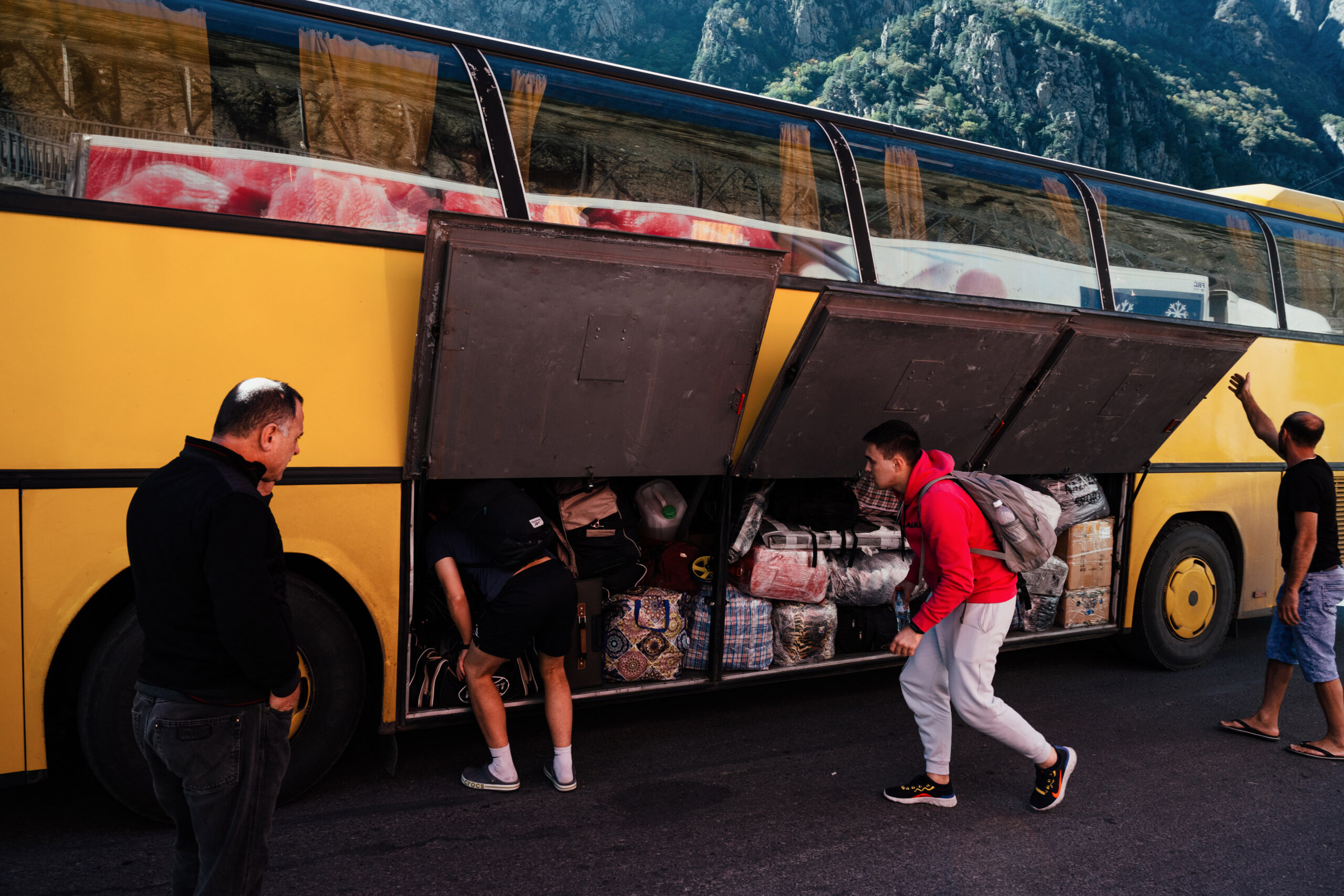
Competition for jobs was high in Georgia even prior to the influx of Russians. So the arrival of tens of thousands of working-age, often high-skilled individuals from an antagonistic country could, if it has not already, lead to further frustration among Georgians.
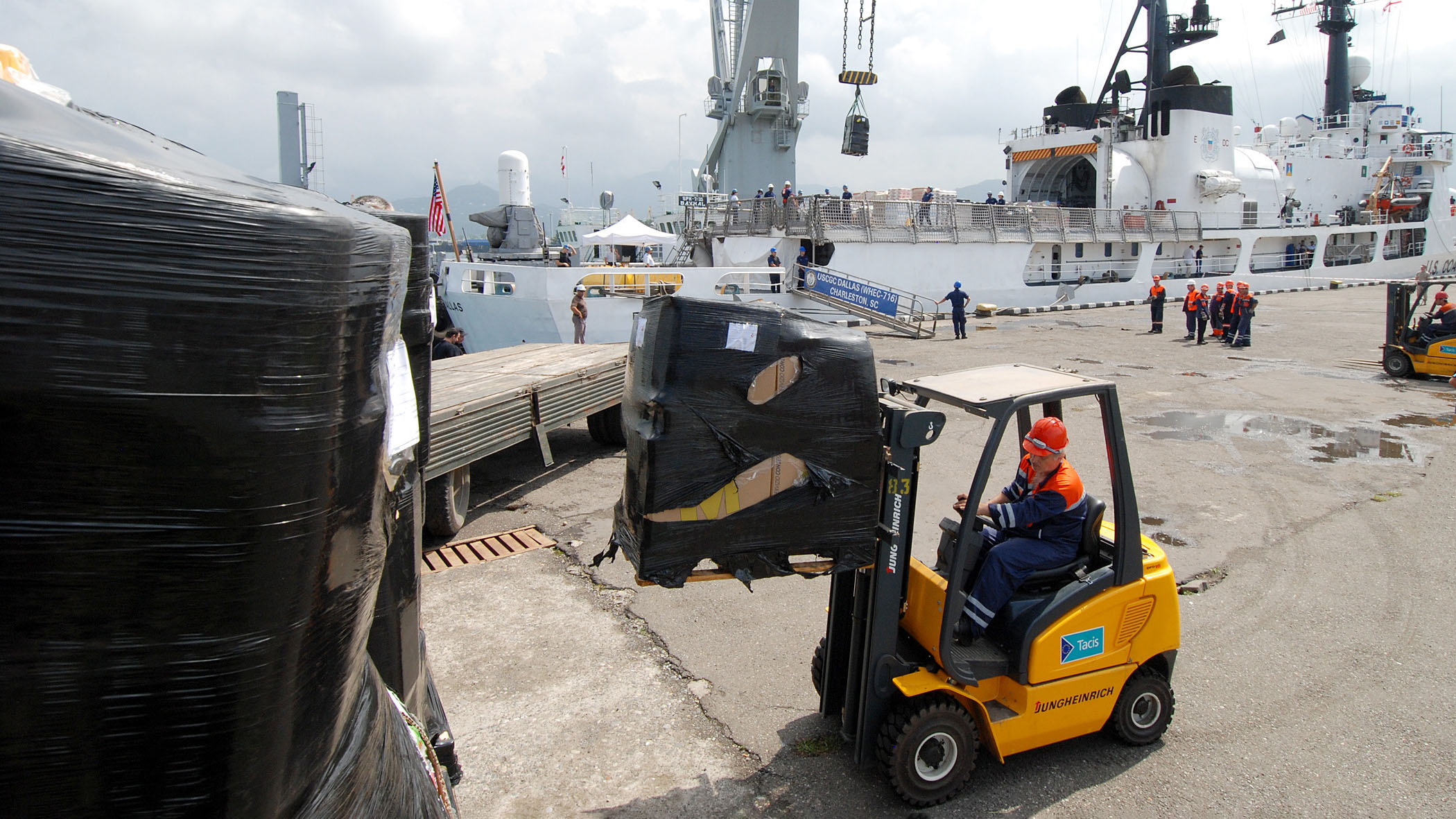
Georgia’s major seaports form a vital link in the transit of commerce via the Black Sea, but they are threatened by local and transnational involvement in illicit seaborne trade motivated by high income inequality, poverty, and population displacement. Enhancing maritime security in this geostrategic South Caucasus transit state aligns with the strategic interests of the U.S. and NATO.
War crimes in Ukraine: Failure to prosecute Russia will damage international security for years to come
Historically, Russia has escaped accountability for the war crimes it has committed. The war in Ukraine must not follow the same path. Otherwise, the entire international security architecture will bear the consequences of such impunity.
In Turkish-Russian relations, the Ukraine grain deal is not the point
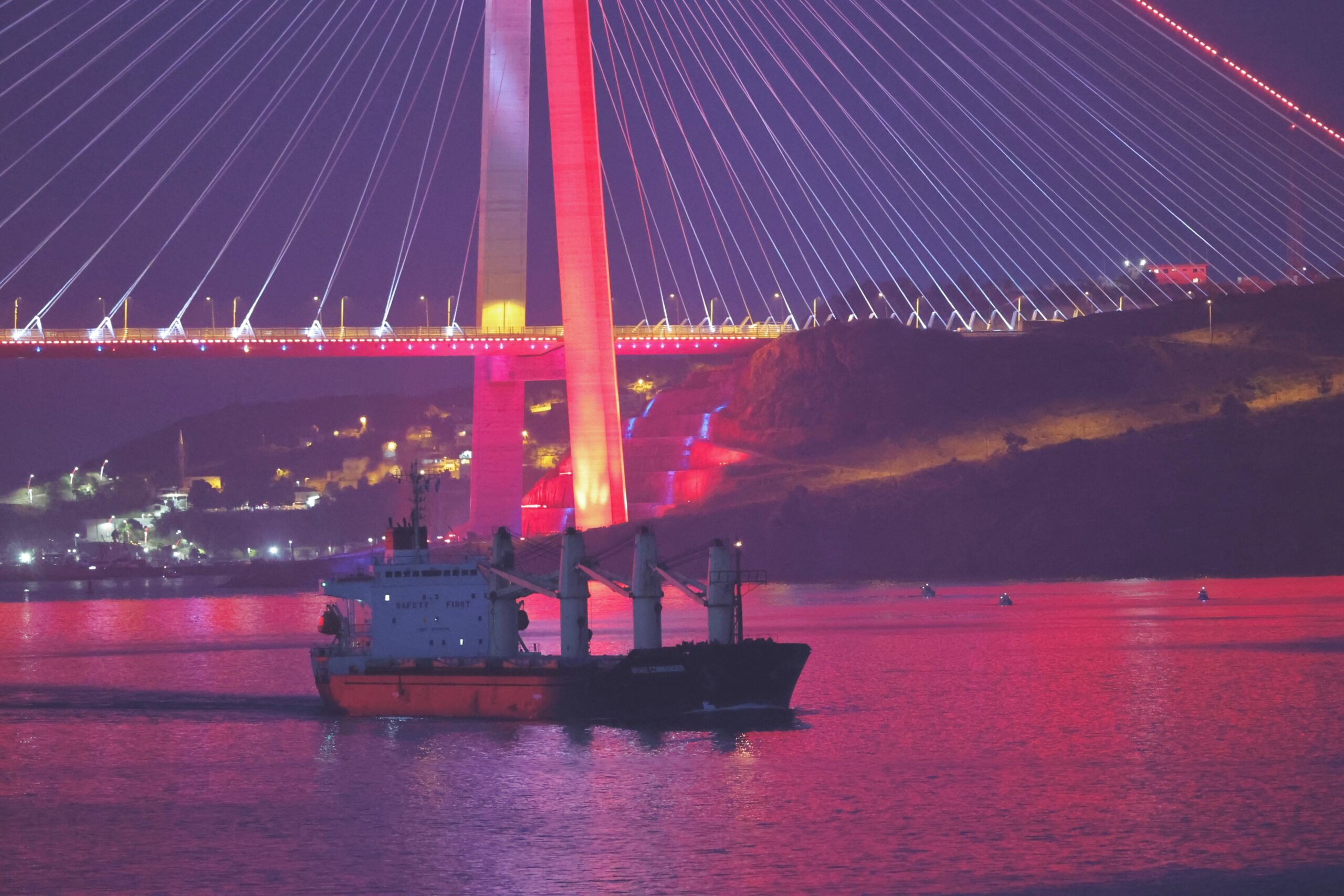
The Ukraine grain export deal, which Turkey helped mediate over the summer, was saved last week to much fanfare; but the central unaddressed issue remains lifting Russia’s illegal blockade of Ukrainian ports, so Ukraine can freely trade with the world.
Russia’s War on Ukraine: Iran’s Growing Role and the Nuclear Threat
In today’s episode, Alistair Taylor sits down with experts from MEI’s Frontier Europe Initiative to assess the trajectory of Russia’s war on Ukraine. They discuss Russia’s growing attacks on critical infrastructure, its recent deployment of Iranian drones and their impact on the battlefield, the potential nuclear threat, and where things might be headed from here.
Lukashenka’s visit to Abkhazia: A prelude to recognition?
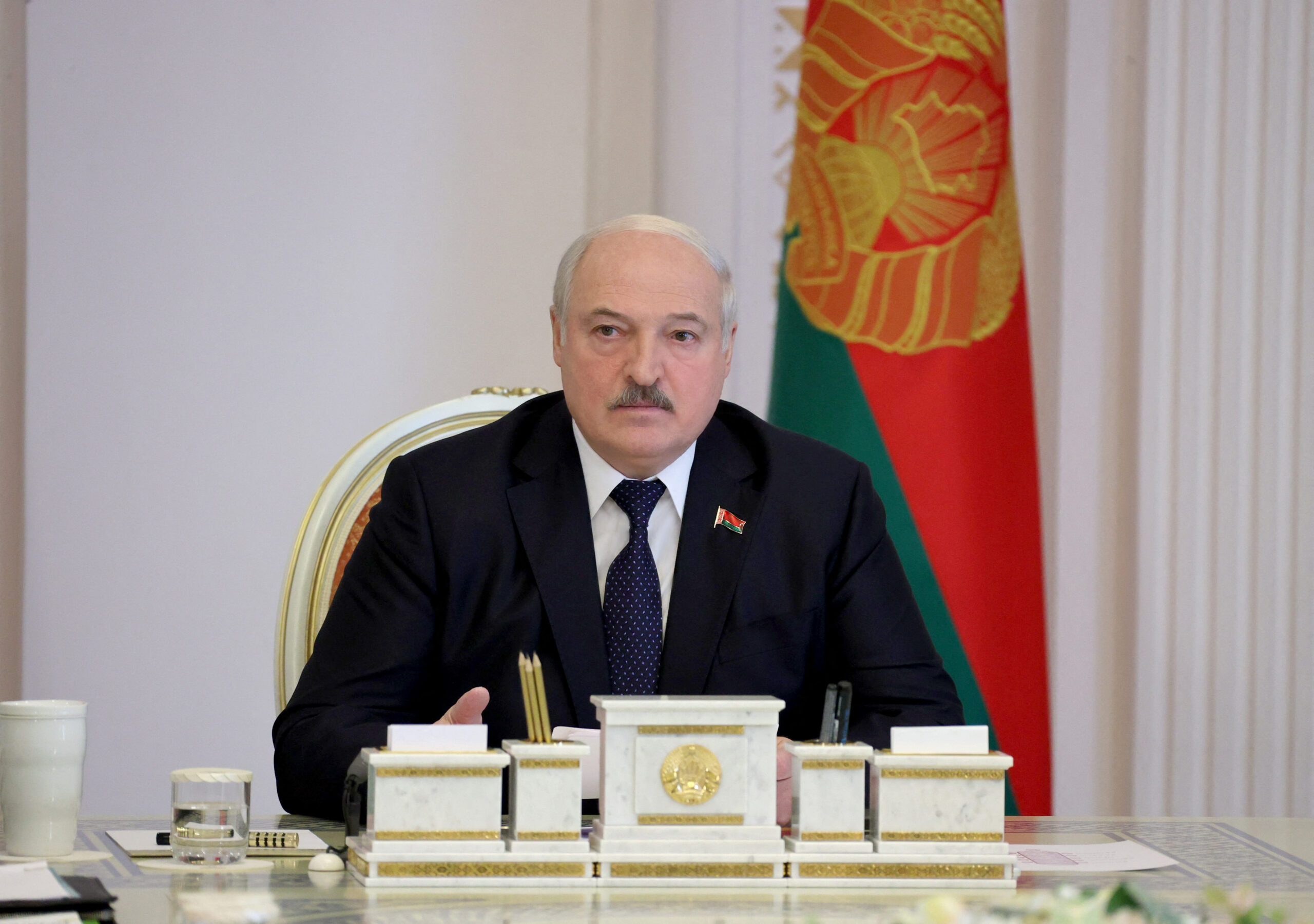
Almost immediately following a meeting with Vladimir Putin in Sochi, Belarusian President Alyaksandr Lukashenka quietly traveled to the Russian-occupied Georgian region of Abkhazia for the first time. Given Belarus’s isolation from the West and deep dependency on Russia, it is highly likely that Lukashenka’s visit to Abkhazia was directed by his Kremlin counterpart.
Albania finds itself caught in the middle as Iran and the West square off
Albania, a close U.S. ally, has found itself on the front line of the clash between the West and Iran. Though angered by the MEK’s presence in Albania, to date, there is little evidence to suggest that Tehran intends to further fuel the conflict with Tirana. This could change, however, If the Iranian proxy war with the U.S. and Israel intensifies.