The Americans Are Gone. Will Iraq’s Militias Disarm?
On September 30, the US completed its military withdrawal from Iraq, ending a 12-year-long mission to combat ISIS that began in 2014. The date was also meant to be the deadline for disarming the largely Iranian-backed militias known as the Popular Mobilization Forces (PMF), but Prime Minister Ali al-Zaidi has now pushed that cutoff back to June 30, 2027. MEI Distinguished Diplomatic Fellow Amb. (ret.) Robert S. Ford joins hosts Alistair Taylor and Matthew Czekaj to discuss what the US military withdrawal means for Iraqi security and the nature of the bilateral relationship going forward. They also speak about what it will take for Baghdad to bring the PMF militias to heel, and how Iraq may navigate the post-Iran war era.
Proponents of the war with Iran have taken recent increases in crude-oil flows through the Strait of Hormuz as proof that the US strategy is finally working. President Trump is so confident in this that he recently rejected a seven-day plan, set forward by Iran’s foreign ministry, to end the war and open the strait. The United States is “winning tremendously,” Trump boasted.
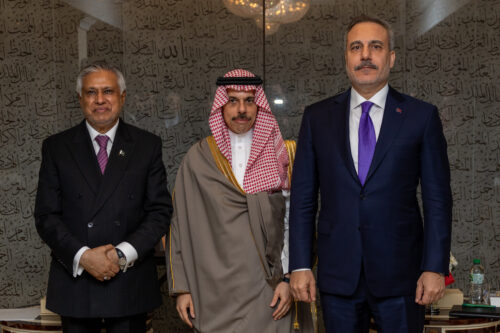
The Mecca Joint Défense Agreement: A New Geometry of Middle Eastern Power?
On August 7, 2026, Saudi Arabia, Turkey, and Pakistan signed the Mecca Joint Défense Agreement, a collective-defense pact widely compared to NATO’s Article 5. This essay argues that the comparison is misleading. Mecca borrows NATO’s language of solidarity without yet possessing NATO’s institutional machinery, and the Houthi offensive against Saudi Arabia in September 2026 provided an early and revealing test of what the agreement actually means in practice. Neither Pakistan nor Turkey automatically entered the fight on Saudi Arabia’s behalf, and Washington, despite an initial reluctance to strike directly, remained indispensable through intelligence support and a major proposed F-35 sale. Drawing on realist alliance theory — Hans Morgenthau, Kenneth Waltz, Stephen Walt, Glenn Snyder, and Steven David — and on the precedent of the Central Treaty Organization (CENTO), the essay contends that the Middle East is not dividing into rival blocs but moving from hierarchy toward a looser, overlapping geometry of hedged partnerships, in which American exclusivity is eroding considerably faster than American primacy.
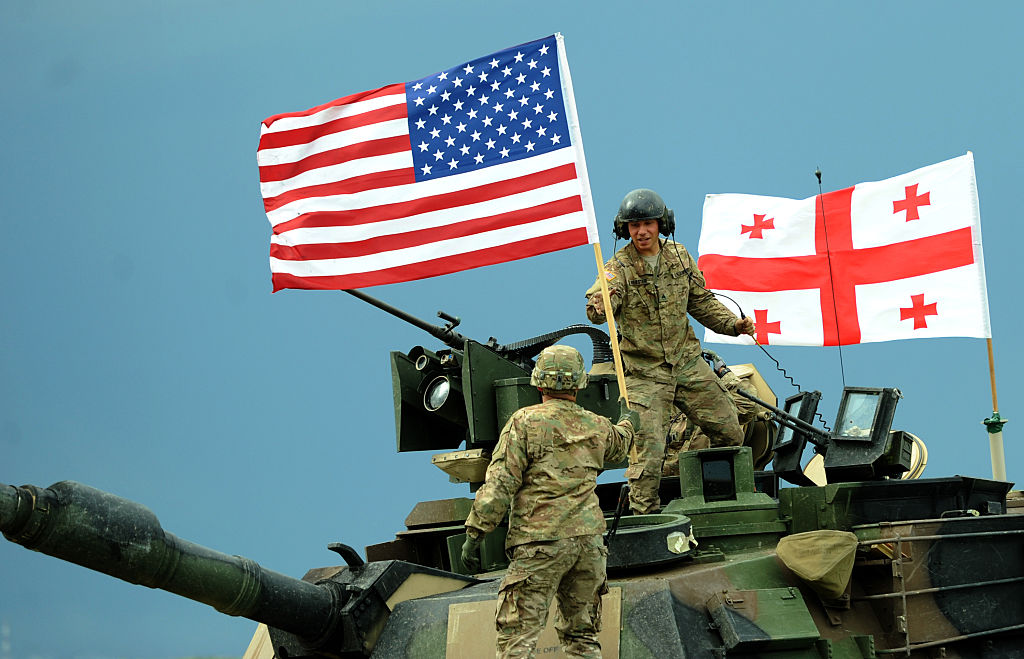
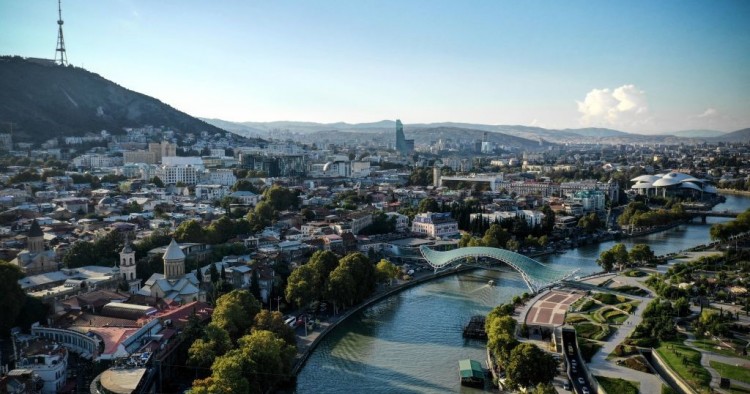
America must stay focused on Georgia's de-occupation and transatlantic path
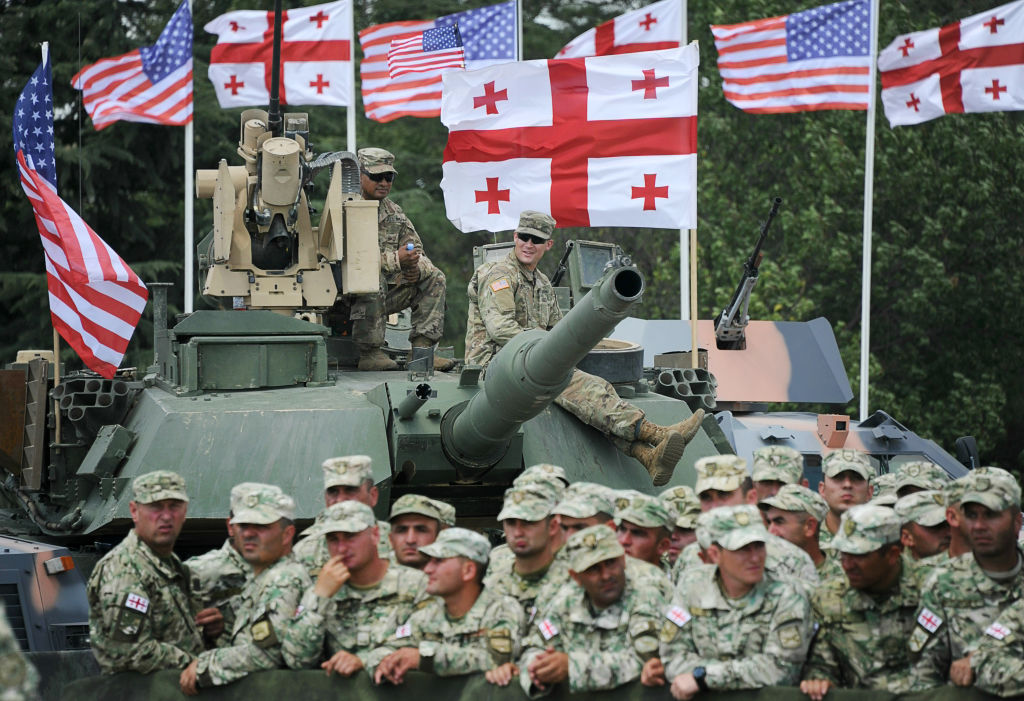
This week marks the 12th anniversary of Russia’s wonton invasion of Georgia. While the world was fixated on the Summer Olympics in Beijing, an invasion force comprised of hundreds of Russian tanks and armored vehicles passed through the Roki tunnel on the Russian–Georgian border.
The annual Conference of the Parties (COP) was initiated by the United Nations Framework Convention on Climate Change (UNFCCC) in 1995 to assess progress made by UN members in dealing with climate change. Some meetings have had practical and measurable outcomes, such as the Kyoto Protocol of 1997. But arguably the most well-known meeting is the 2015 COP21 in Paris, also known as the Paris Agreement.
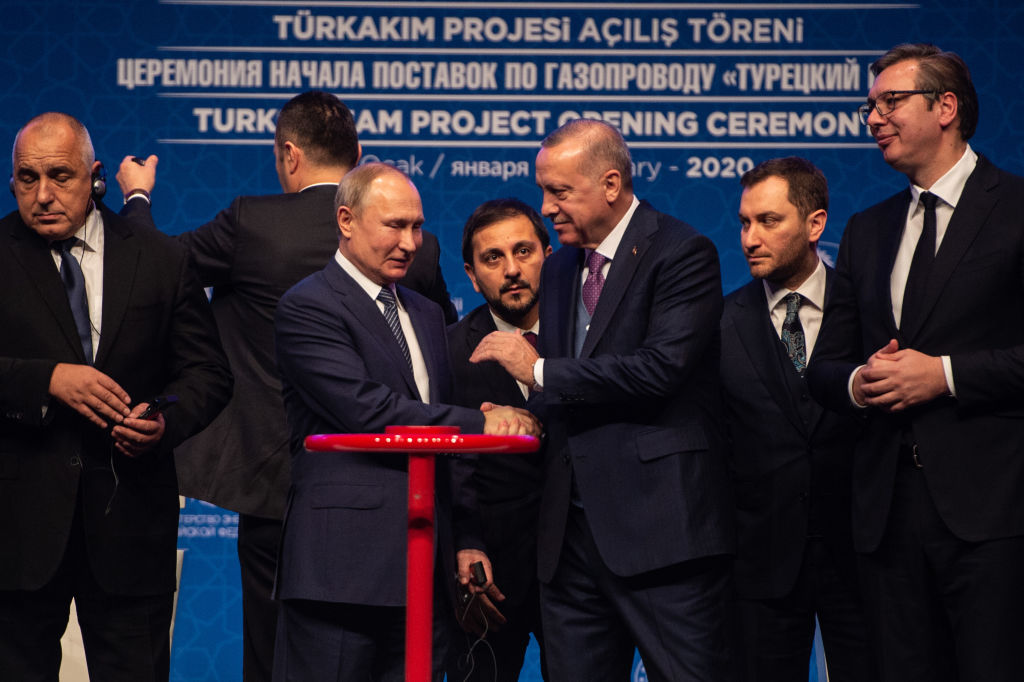
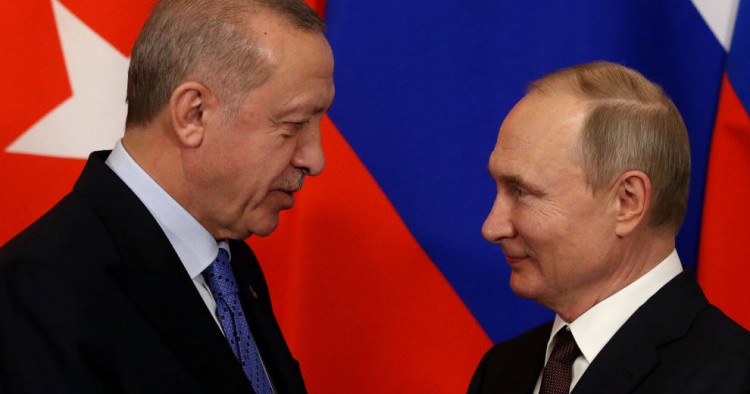
Moscow and Ankara will continue uneasy cooperation
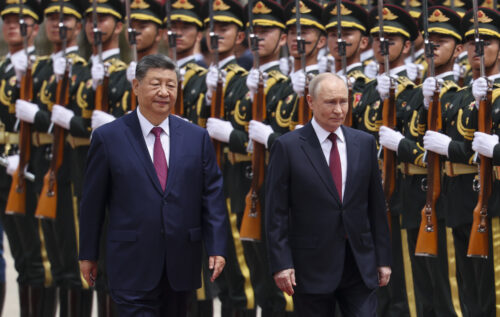
As Russia partially reopens international travel amidst the ongoing pandemic, Turkey is in the top three countries for resumed Russian flights. Moscow also touts possible space cooperation with Turkey amidst tensions with the US on this issue. Despite disagreements between Moscow and Ankara over Syria, Libya, and the broader Black Sea region, Russia and Turkey remain determined to cooperate. But the relationship remains unequal.
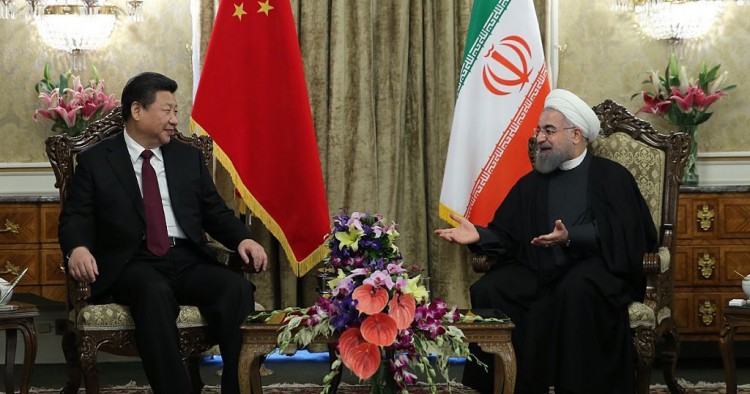
The Dangers Presented by Russian and PRC Weapons Sales to Iran
In October, the United Nations embargo on arms sales to Iran is scheduled to expire. This was a deadline specified in the 2015 Iran nuclear deal concluded by the Obama Administration. The Trump administration stridently opposes the lifting of this restriction and is lobbying within the UN Security Council to have the embargo extended indefinitely.
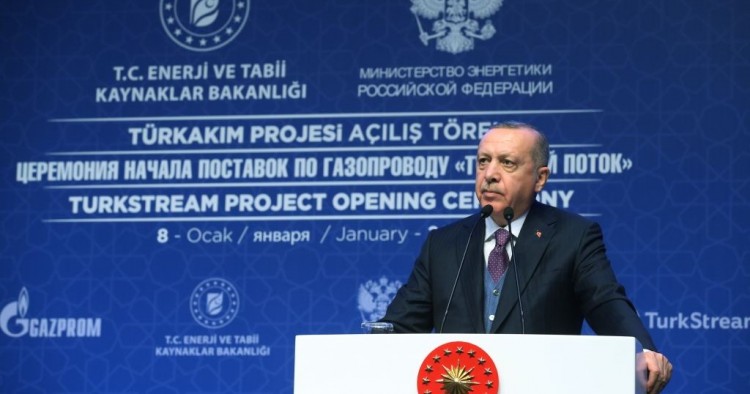
Until recently, Russia’s dominance in the natural gas markets southwest of its borders appeared unassailable. These days, that is less and less the case. Largely unnoticed yet dramatic changes are taking place in Turkey – Moscow’s top gas customer outside of Germany.
Are Turkey and Russia bracing for conflict in the South Caucasus?
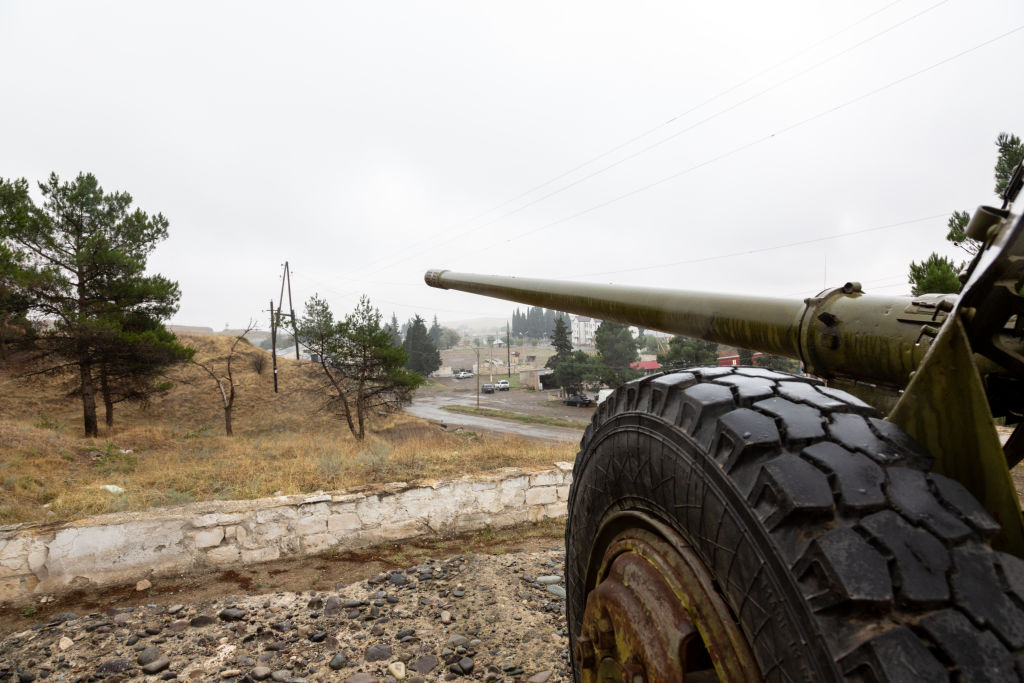
On July 12, the Armenian and the Azerbaijani armed forces started a border skirmish. Fighting went on for several days, leaving at least 16 dead in its wake. Remarkably enough, the two sides are facing off outside the disputed region of Nagorno-Karabakh, the usual flashpoint. This time around the flare-up took place well to the north, where Armenia’s Tavush region meets Azerbaijan’s Tovuz district. It is little wonder then that the crisis caught Turkey’s attention.
Azerbaijan-Armenia clashes put an end to cautious optimism
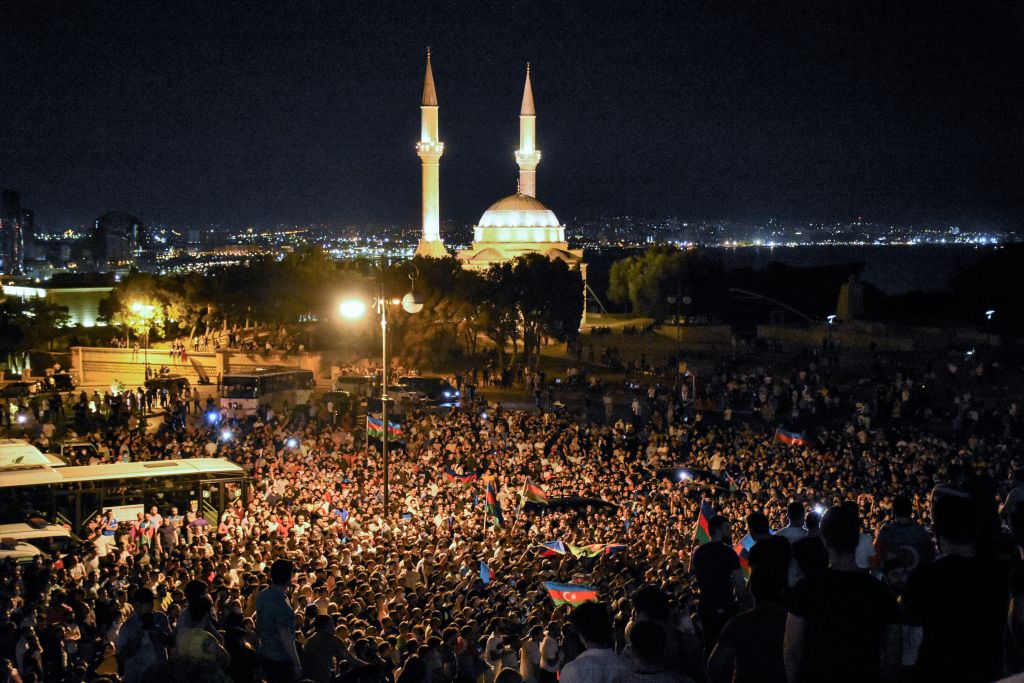
On July 12, military clashes broke out between Armenia and Azerbaijan, quickly escalating into the single deadliest incident since the “four-day war” of April 2016. While violent outbreaks between the two sides are common, they usually occur on the Line of Contact around Nagorno-Karabakh and its surrounding territories. This time, however, fighting erupted along the internationally recognized Armenia-Azerbaijan border, far away from the actual conflict zone. With heavy use of artillery, drones, cyberattacks and disinformation – causing at least 17 combined casualties, including a well-known Azerbaijani army general – the violence risked spiraling into a major war.
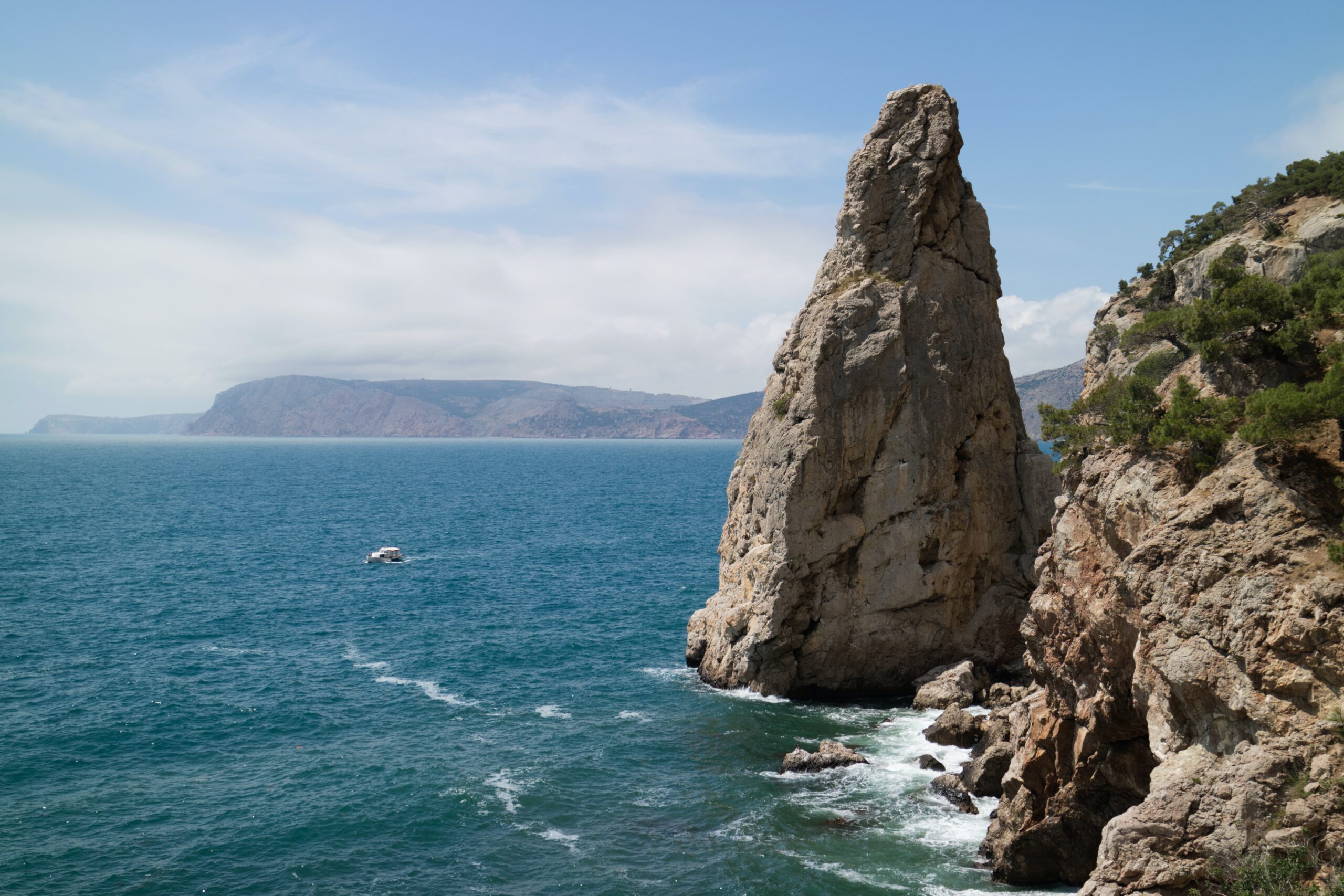
While the US is not a Black Sea country, it needs to be a Black Sea power
For many policymakers the Black Sea is a secondary consideration when it comes to transatlantic security. A lack of resources by NATO members meant that initiatives taken to bolster territorial defense were limited geographically after Russia’s invasion of Ukraine. At the time, Baltics were seen as the most pressing priority. Instead of bolstering NATO’s frontline from the Baltic to the Black Sea, the alliance instead focused most of its energy and resources on northeastern Europe.
New old dynamics at play in the Armenia-Azerbaijan conflict
There are two countries in Europe which have been at war with one other for three decades. Last week Armenia and Azerbaijan were fighting again. At least fifteen soldiers, including an Azerbaijani general and one civilian, were killed in clashes across their northern border between the towns of Tavush and Tovuz. After a brief lull, firing from heavy weapons resumed on July 16.
Russia’s approach to Responsibility to Protect in the Black Sea and Syria
Where most of the international community sees R2P as a mechanism for protecting human rights when a state cannot or will not ensure them, Russia’s take on the same concept focuses on the protection of national sovereignty at any cost. However, Moscow’s commitment to the notion of sovereignty has been selectively applied to the states of the Middle East and the Black Sea.
Why Ukraine is a secret weapon for China’s airpower
Name any category of weapons system and then check which countries are working on a design of that kind of weapon and one will make an interesting discovery: the armed forces of the People’s Republic of China (PRC) have more different types and designs of that weapon in development than the rest of the world’s arms producers combined.
Despite the collapse of the Soviet Union, the newly independent states of the Caspian and Russia are still deeply intertwined in each other’s economies, security, and cultures. Moscow has continued to wield considerable military, political, and economic influence in the region.