Skip to Content

Great Powers in the Middle East

Mohsen Rezaei: The Unlikely Peacemaker
  • Analysis
  • Mohsen Rezaei: The Unlikely Peacemaker

    After decades of political setbacks, Iran’s former Revolutionary Guards commander has returned to the center of power. Is he an incidental beneficiary of war, or have observers underestimated him all along?

    The Unavoidable Neighbor: Managing Iran Beyond the War
  • Analysis
  • The Unavoidable Neighbor: Managing Iran Beyond the War

    Gulf states and their partners are increasingly looking beyond their most immediate interests of containing the war with Iran. While recent talks between Saudi Arabia, Turkey, Pakistan, and Iran have kept de-escalation on the agenda, a broader regional security framework and non-aggression pact has also emerged, envisioning a longer-lasting solution to regional conflicts. The talks have yet to produce a settlement, but they reflect a growing recognition that Gulf security cannot depend entirely on Washington. Iran will still be there, and its neighbors will have to find ways of living with it.

    A Contested Mediterranean: What Role for the US?
  • Report
  • A Contested Mediterranean: What Role for the US?

    This report explores maritime security conditions in the Mediterranean and the evolving US engagement in the region. As critical infrastructure becomes increasingly vulnerable to sabotage, freedom of navigation is undermined by conflict, and energy disputes generate tension, US policy focus on the region has become fragmented and disengaged. The authors call for a sustained American role to strengthen maritime domain awareness, allied coordination, infrastructure protection, and the capacity to respond when Mediterranean crises affect US and transatlantic interests.

    Filter by
    462 Results
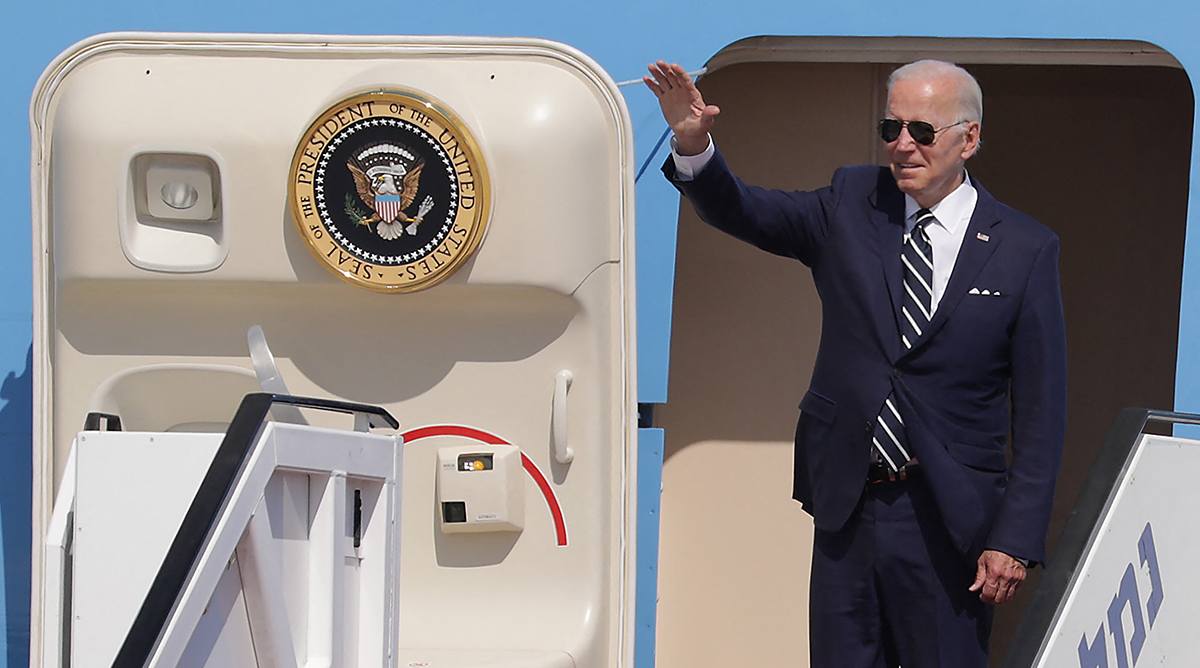
    Biden v. Putin: Rival roadshows in an increasingly assertive Middle East
    Photo by ABIR SULTAN/POOL/AFP via Getty Images
  • Analysis
  • Biden v. Putin: Rival roadshows in an increasingly assertive Middle East

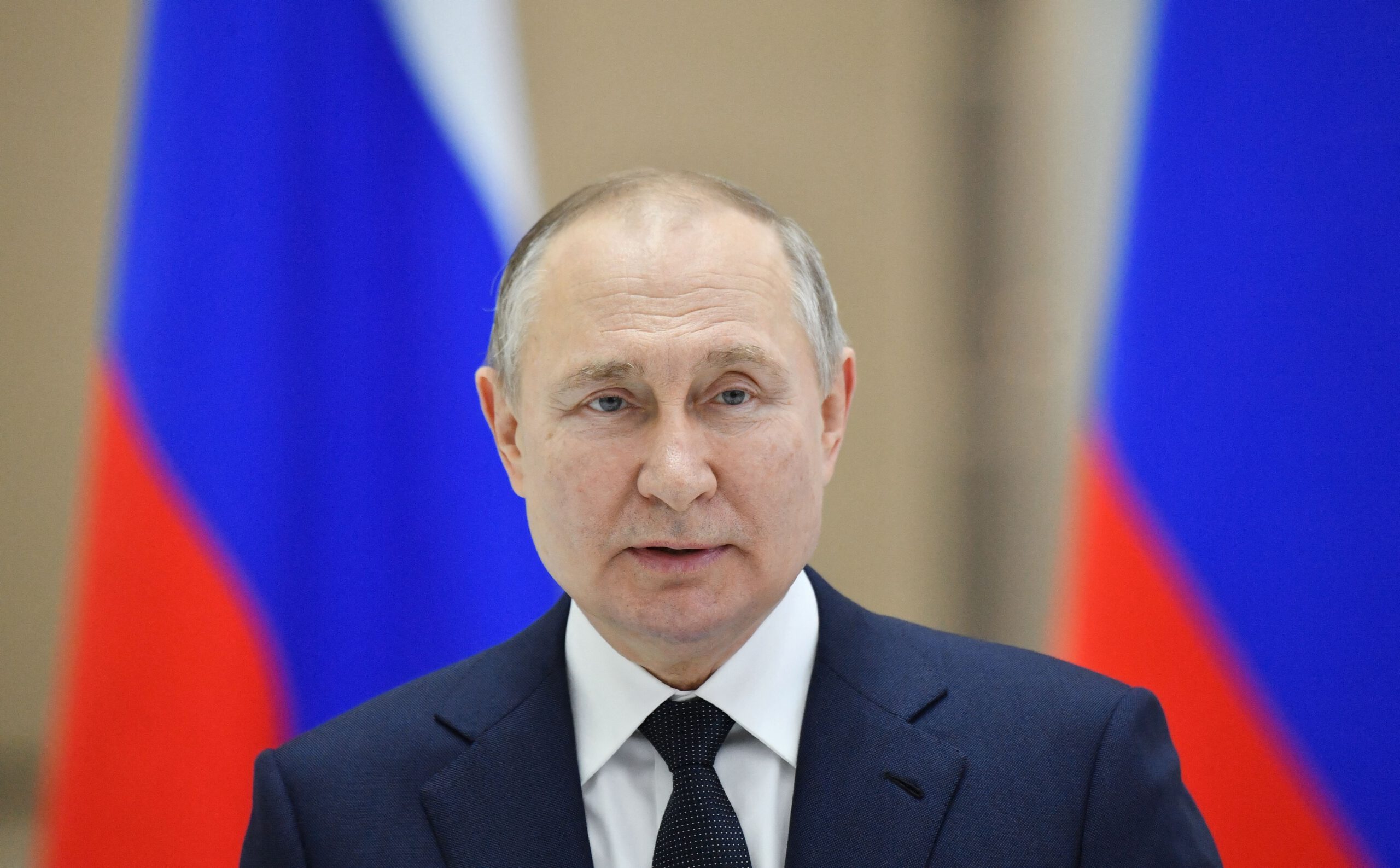
    The U.S. and Russian presidents staged high visibility visits to the Middle East in the past week and a half. The visits were designed to assert each great power’s influence in the region at a time of escalating great power conflict. But both presidents cut a diminished figure on the regional stage at a time when leaders in Turkey, Iran, and Saudi Arabia are feeling increasingly empowered.

    July 25, 2022

    Ukraine’s critical minerals and Europe’s energy transition: A motivation for Russian aggression?
    Photo by Jens Büttner/picture alliance via Getty Images
  • Analysis
  • Ukraine’s critical minerals and Europe’s energy transition: A motivation for Russian aggression?

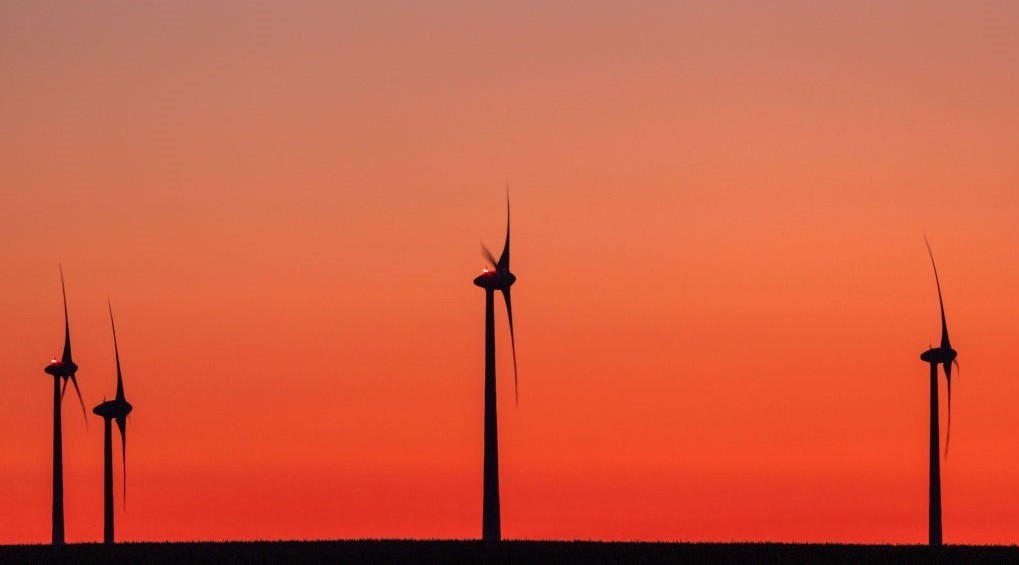
    Russia’s war launched on February 24, 2022, may have partly been motivated by Ukraine’s large reserves of critical metals and their global strategic importance in the production of advanced “green” energy technologies. The cutoff of access to Ukrainian sources, combined with the nature of the partnership between Moscow and Beijing — with China being the largest supplier of the necessary critical minerals — could endanger the very notion of the West’s energy transition.

    July 21, 2022

    The war in Ukraine: A test for Algiers’ non-alignment doctrine
    Photo by APP/NurPhoto via Getty Images
  • Analysis
  • The war in Ukraine: A test for Algiers’ non-alignment doctrine

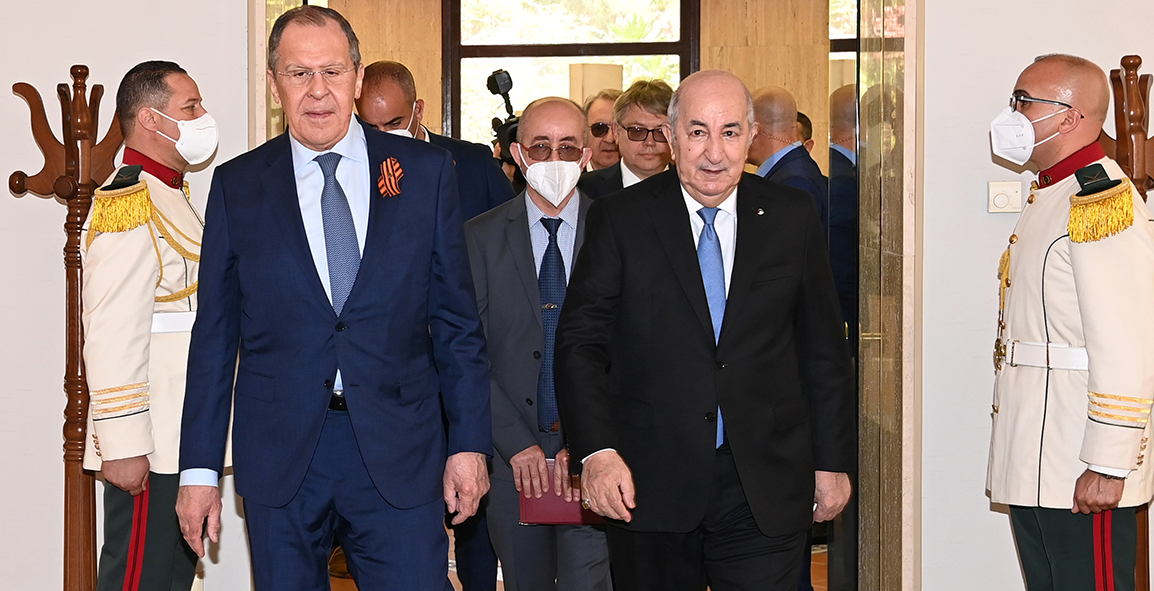
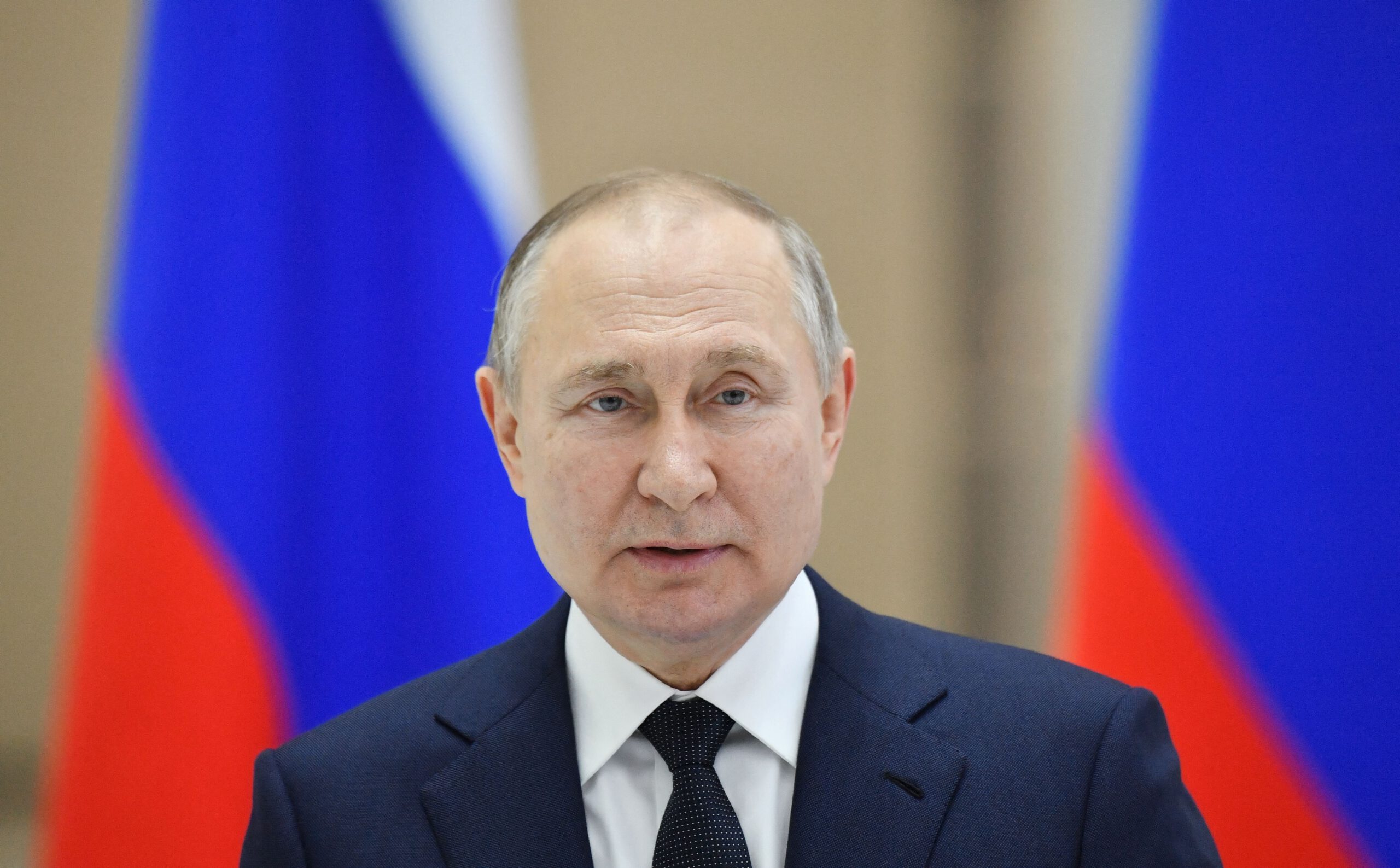
    Russian President Vladimir Putin’s decision to invade Ukraine in late February could have unprecedented consequences for North Africa. Algeria will be swept up in the resulting shifts, forcing the country’s civilian and military leadership to make difficult international calculations.

    July 7, 2022

    Overshadowed by war in Ukraine, Armenia and Azerbaijan edge closer to a peace deal
    Photo by Dursun Aydemir/Anadolu Agency via Getty Images
  • Analysis
  • Overshadowed by war in Ukraine, Armenia and Azerbaijan edge closer to a peace deal

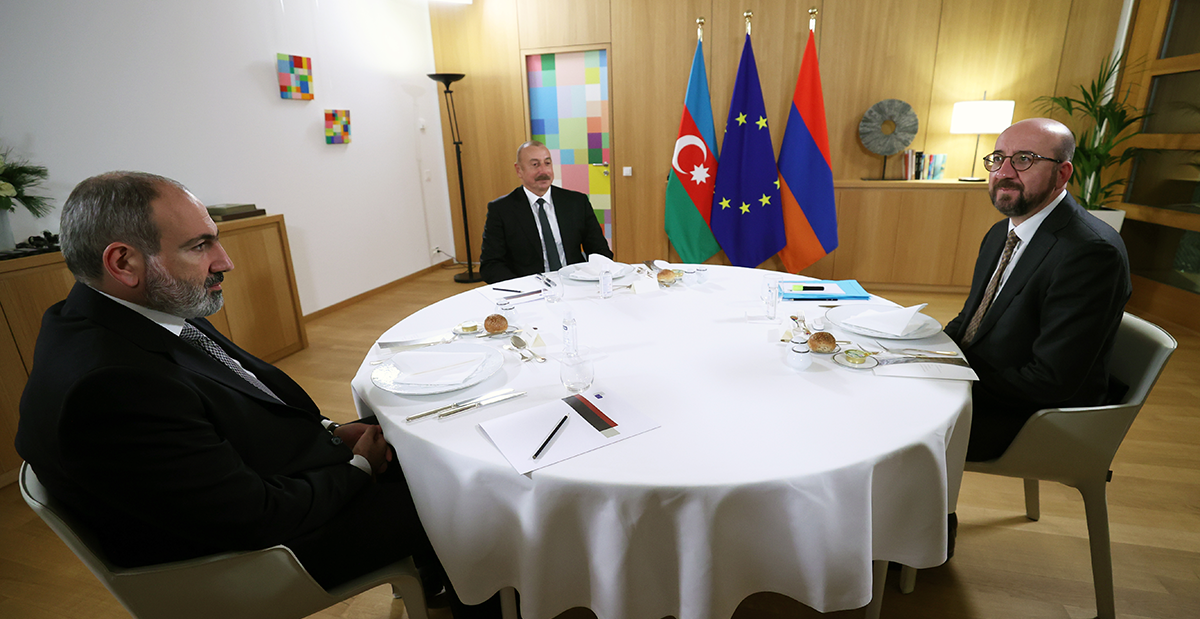
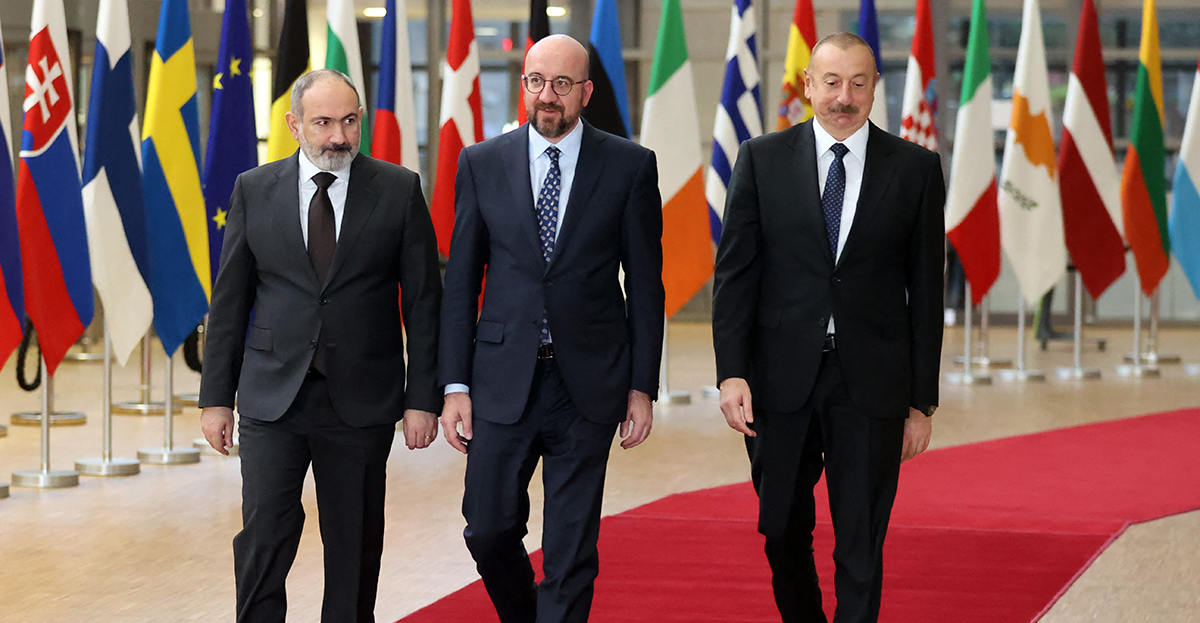
    Armenia and Azerbaijan, two long-standing adversaries in the South Caucasus, are edging closer to a peace deal that could potentially alter regional geopolitics. The prospective reconciliation also coincides with a nascent rapprochement between Armenia and Turkey. Yet there are significant constraints too, in terms of both wider geopolitics and domestic Armenian politics, that could hinder the process.

    June 30, 2022

    Staying the course … for now: Germany’s MENA policy under the Scholz government
  • Analysis
  • Staying the course … for now: Germany’s MENA policy under the Scholz government

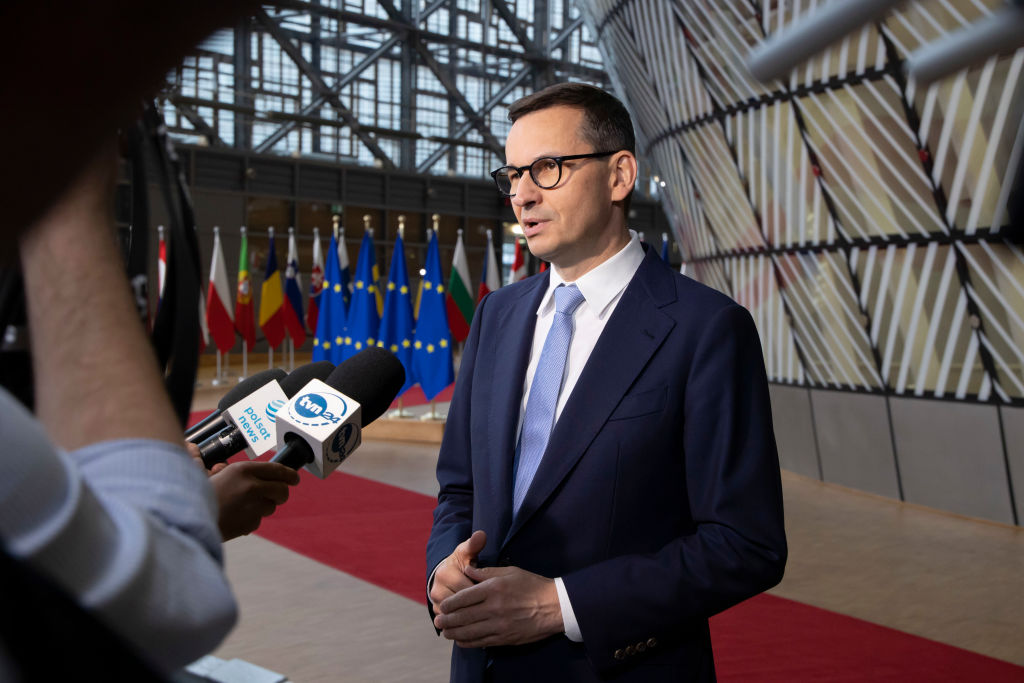
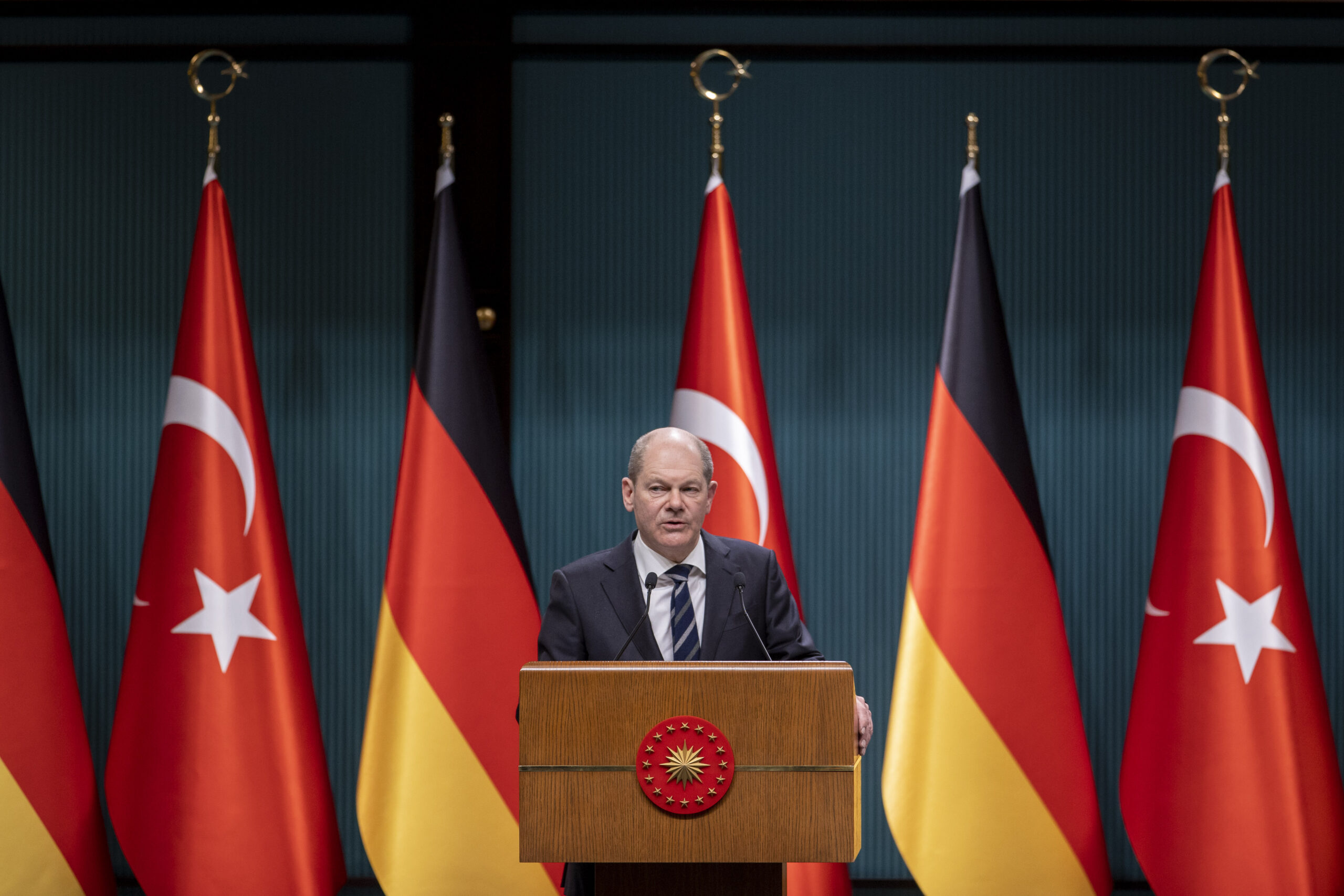
    After 16 years under Angela Merkel, Olaf Scholz’s assumption of Germany’s chancellorship on Dec. 8, 2021 marked a new chapter in the nation’s politics. Within the “traffic light” coalition government formed by the Social Democrats, the Free Democratic Party, and the Greens, Annalena Baerbock heads the Ministry of Foreign Affairs. Before taking office, the co-leader of Alliance 90/The Greens was known for both her welcoming attitude toward immigrants and her full-throated condemnation of human rights violations by authoritarian governments. The Middle East and North Africa (MENA) region has no shortage of the latter: According to the Economist Intelligence Unit’s Democracy Index, 17 out of the 20 countries in the region are “authoritarian” and not one is characterized as a “full democracy.” Beyond human rights, other key MENA policy issues for the new government include Iran, Turkey, ongoing conflicts in the region, and immigration. The challenges are numerous, if well-known, but how will Berlin respond? Is Germany’s policy toward MENA likely to change or remain the same under the new government?


    June 22, 2022

    The impact of the war in Ukraine on regional cooperation in the South Caucasus
    Photo by FRANCOIS WALSCHAERTS/AFP via Getty Images
  • Analysis
  • The impact of the war in Ukraine on regional cooperation in the South Caucasus

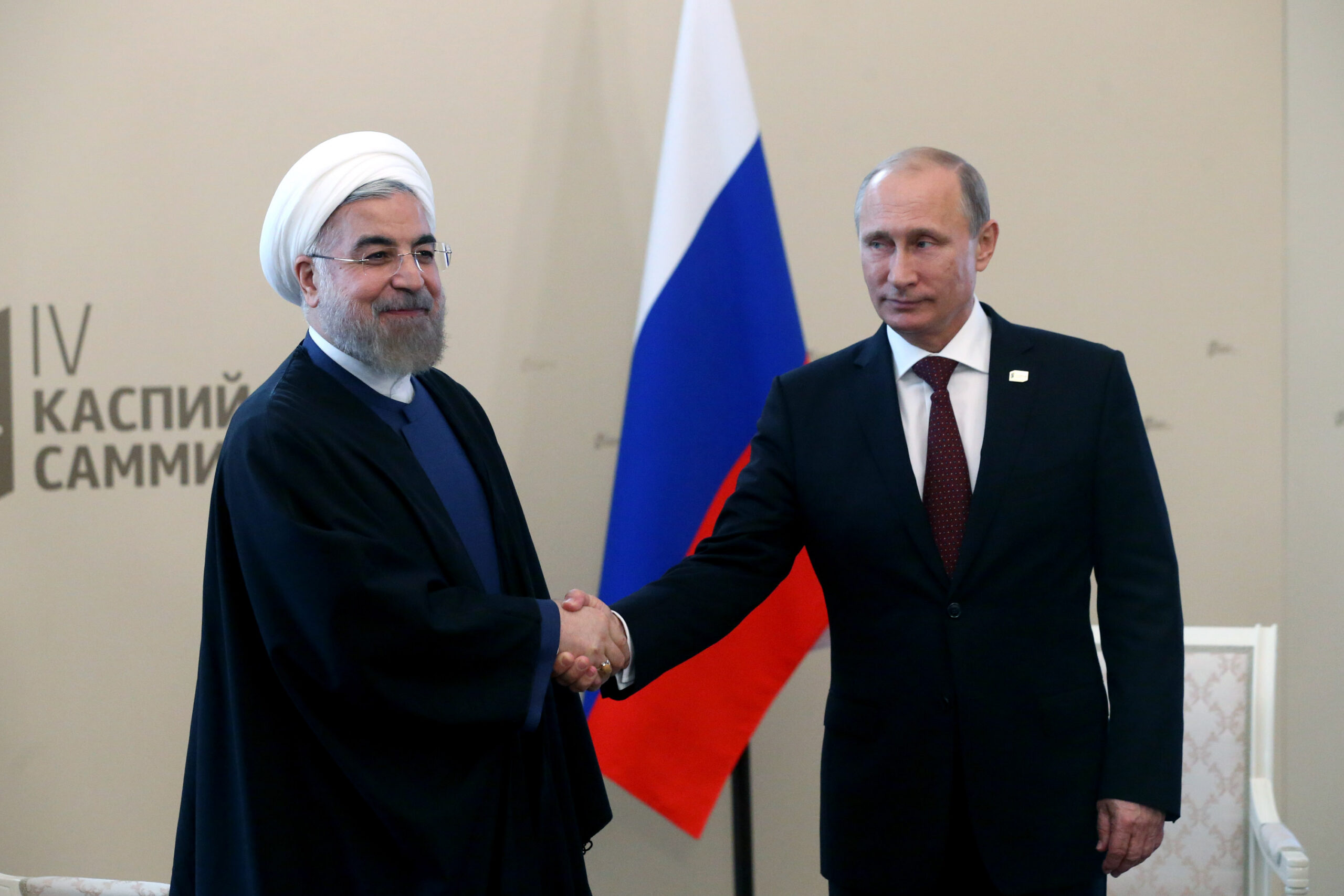
    Since the collapse of the Soviet Union, the South Caucasus has been unable to find a model for regional cooperation or form regional organizations. The relative calm that followed the Second Nagorno-Karabakh War, especially after the signing of the November 2020 cease-fire agreement, renewed hopes that this might change. Significant challenges to regional cooperation remain, however, and Russia’s war with Ukraine has only complicated matters further.

    June 8, 2022

    Read the Middle East Journal

    Short description Fusce dapibus, tellus ac cursus commodo, tortor mauris condimentum nibh, ut fermentum massa.