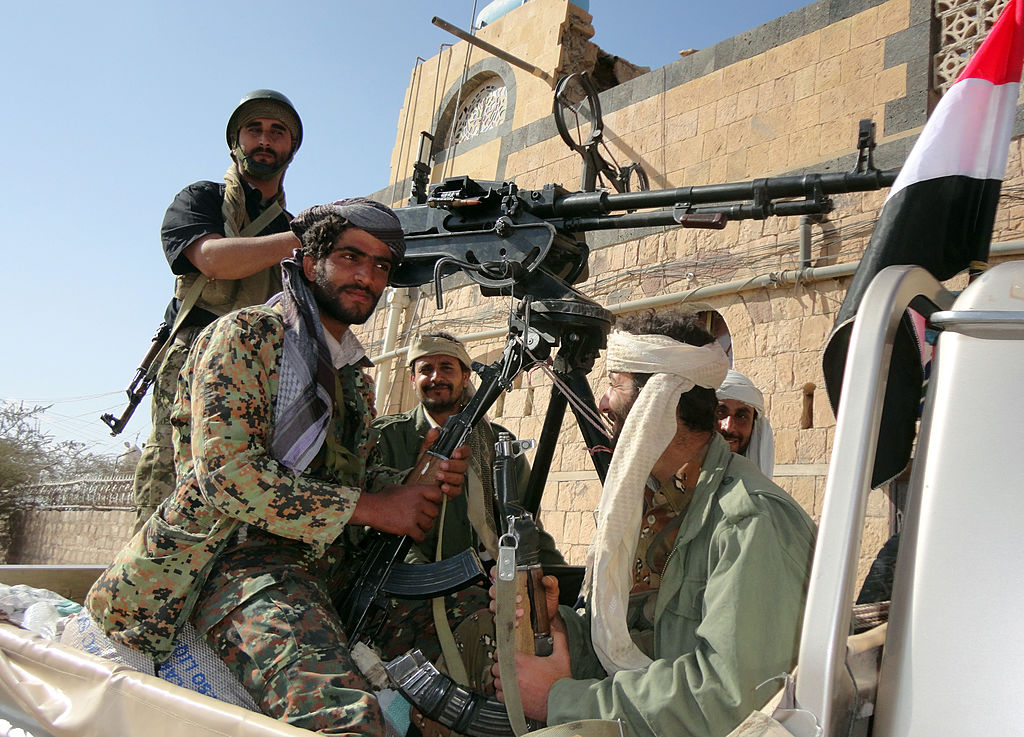
Over the past several weeks, the Houthis have seized the port city of Mokha, Yemen’s western coastline, and several islands in the Bab el-Mandeb Strait, and they are now massing around Marib and Taiz in the first major frontline shift since 2022. MEI Associate Fellow Nadwa Al-Dawsari joins host Matthew Czekaj to unpack the latest developments. Together, they discuss what has allowed the Houthis to advance against Yemeni government forces, the role the militant group plays in Iran’s regional strategy, and what it will take to contain the threat.
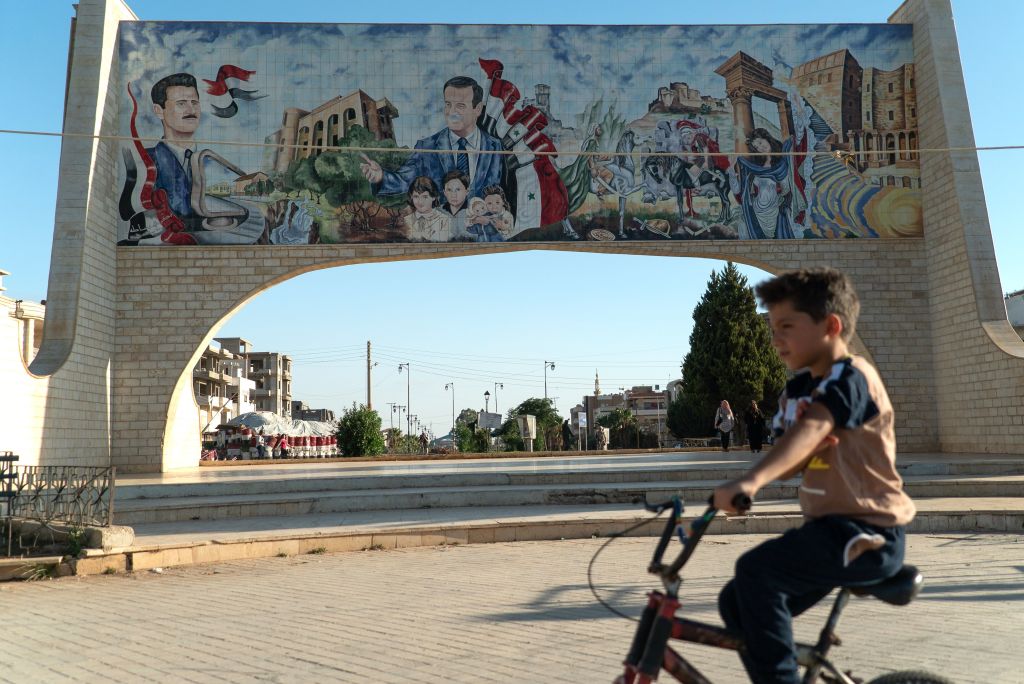
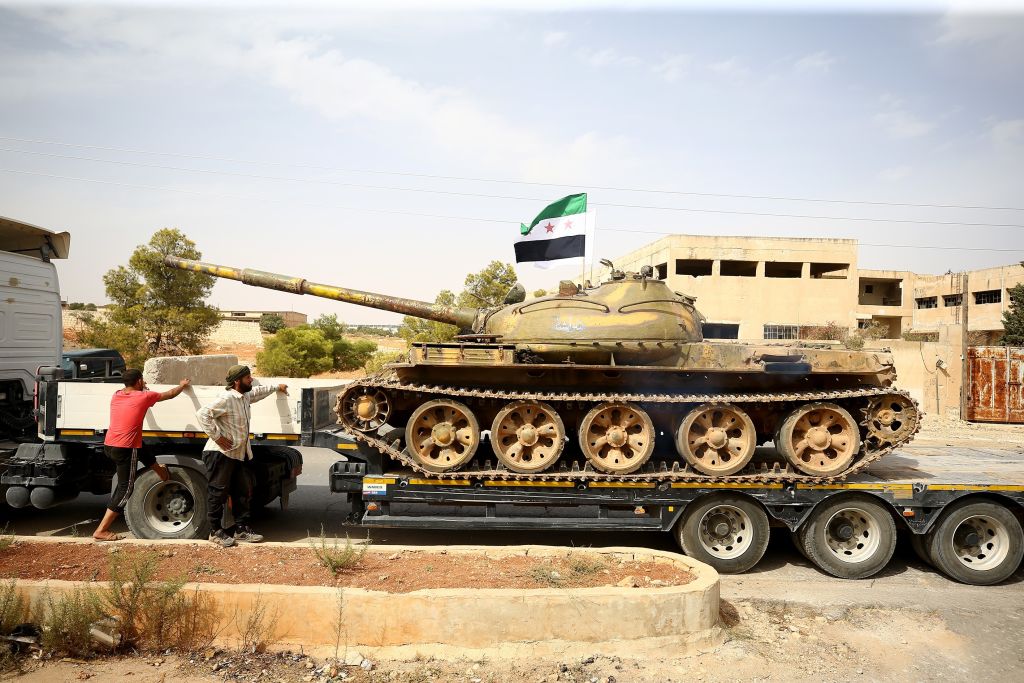
Though it has fallen out of the headlines because of the Iran war, Syria has had a dramatically consequential summer. Hosts Alistair Taylor and Matthew Czekaj are joined by MEI Senior Fellow Charles Lister to take stock of recent developments: the dissolution of the Kurdish-led Syrian Democratic Forces, Israeli strikes and the friction with Turkey they have exposed, the standoff in Sweida, as well as Damascus’s bid to turn Syria into a trade corridor between the Mediterranean and the Gulf. Is the transition consolidating or fragmenting nearly two years after the fall of the Assad regime?
As the US-Israel-Iran war enters its sixth month, the conflict has taken a sharp turn. After a brief lull in the fighting, Iran launched a surprise ballistic missile attack on US forces on July 28, and the US and Saudi Arabia struck back at Iran-backed militias in Iraq, marking Riyadh’s entry into the war. MEI Senior Fellow Alex Vatanka joins host Alistair Taylor to discuss the escalation, what may come next, and the state of talks over sharing the Strait of Hormuz.
Islamic State Ideology Continues to Resonate in Bangladesh
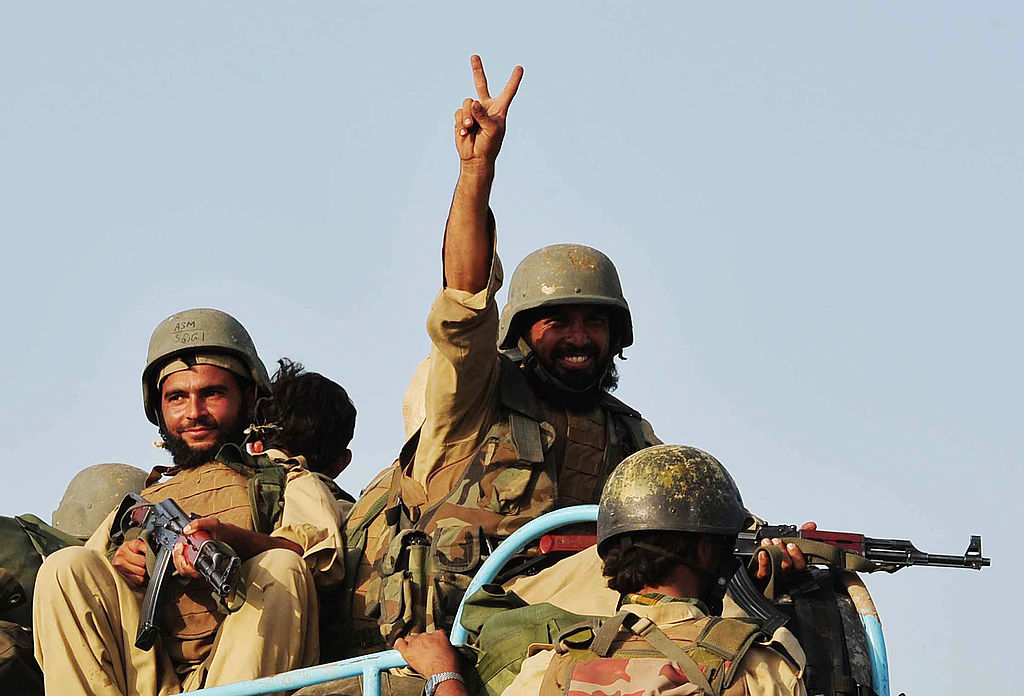
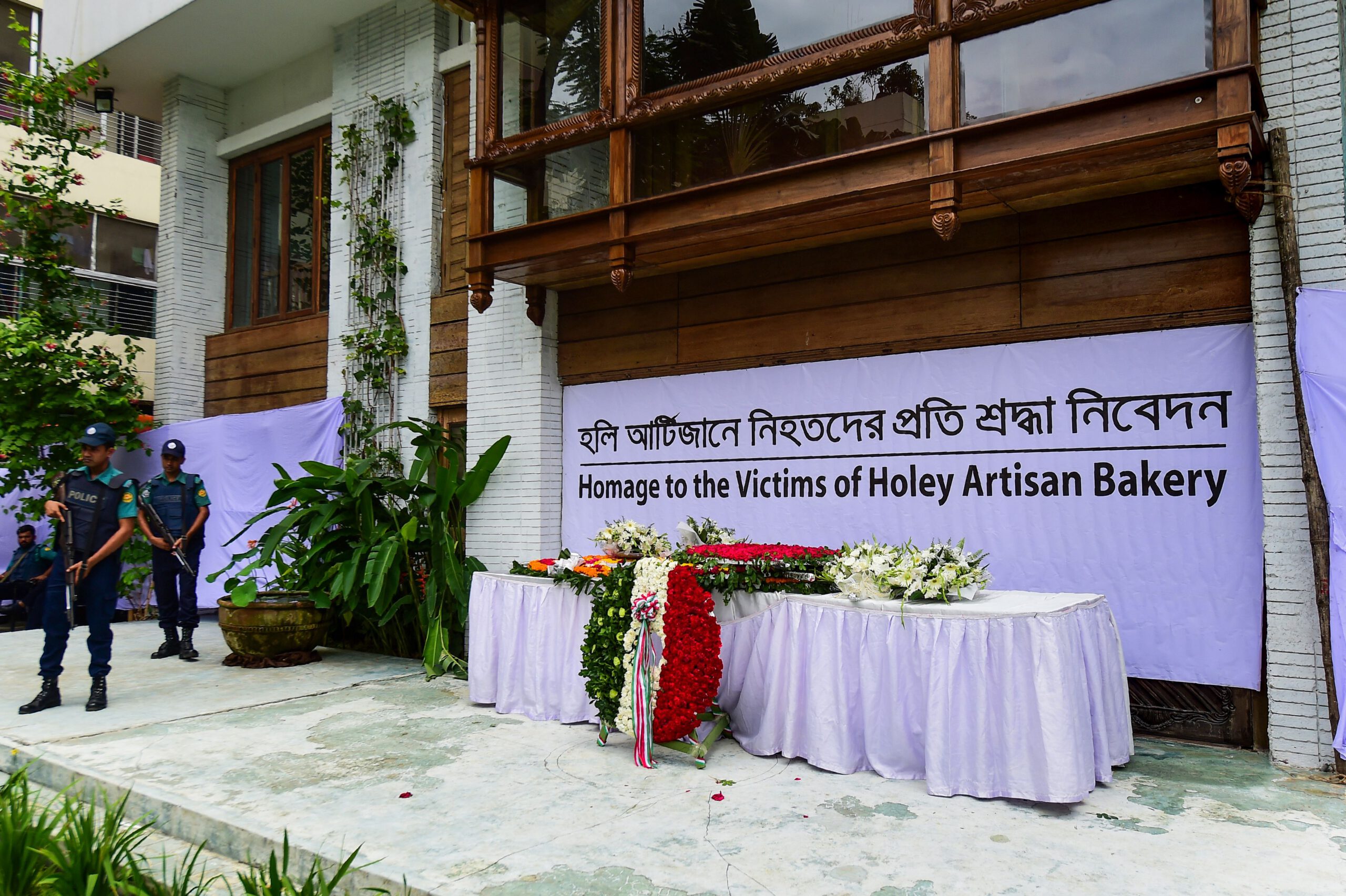
Three years after a major Islamic State (IS)-claimed attack in its capital Dhaka, defeating the group remains a work in progress for Bangladesh. The residual and regenerative capacity of the local pro-IS cells in Bangladesh is significant as evidenced by actual and thwarted attacks in the country during the first half of 2019. Amidst the threat emanating from Bangladeshi jihadist returnees from Syria, IS ideology continues to resonate and attracts new recruits in this part of South Asia. It remains to be seen how Bangladesh will respond to the re-surfacing of the IS, especially at a time when the region is witnessing inter-religious tensions.
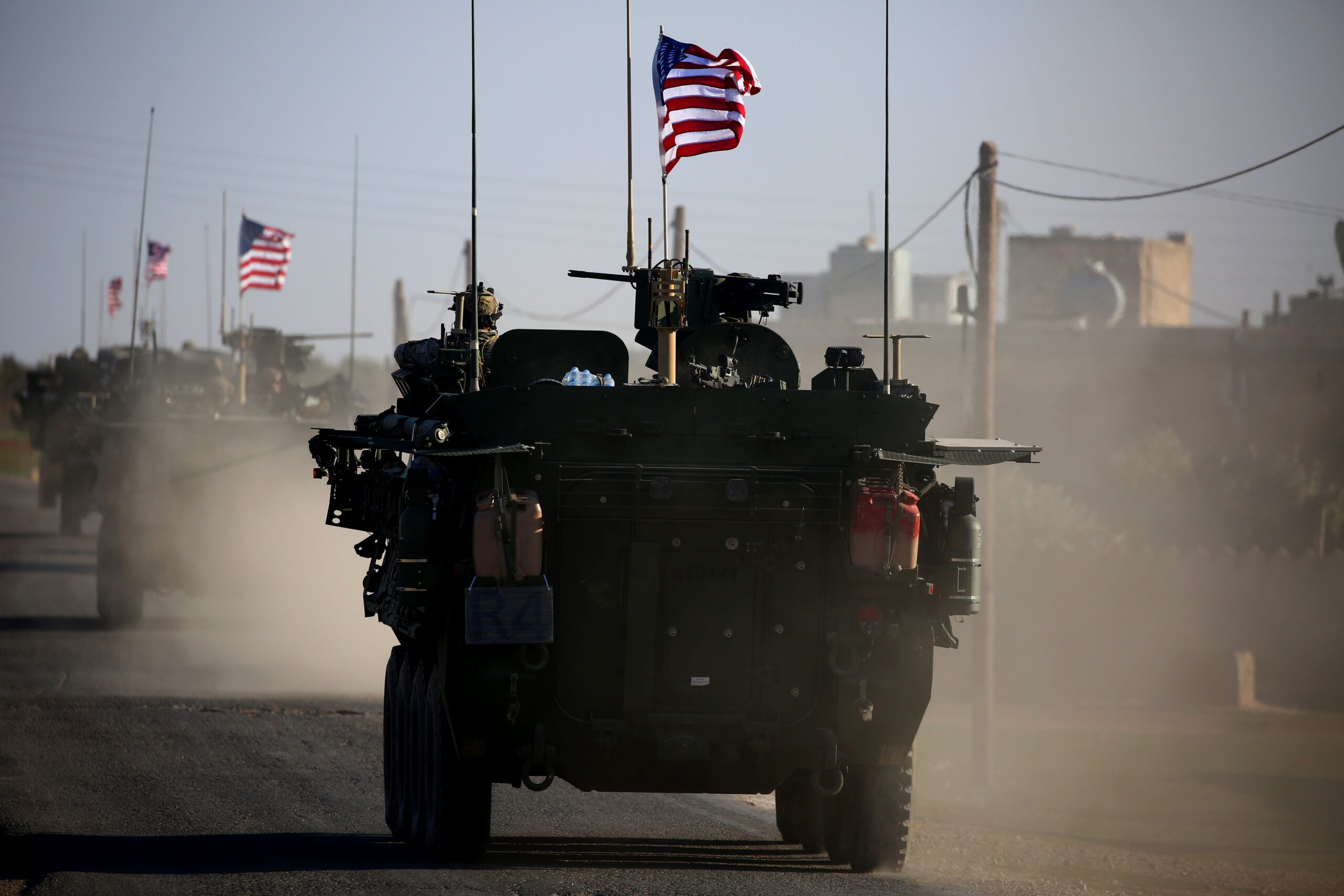
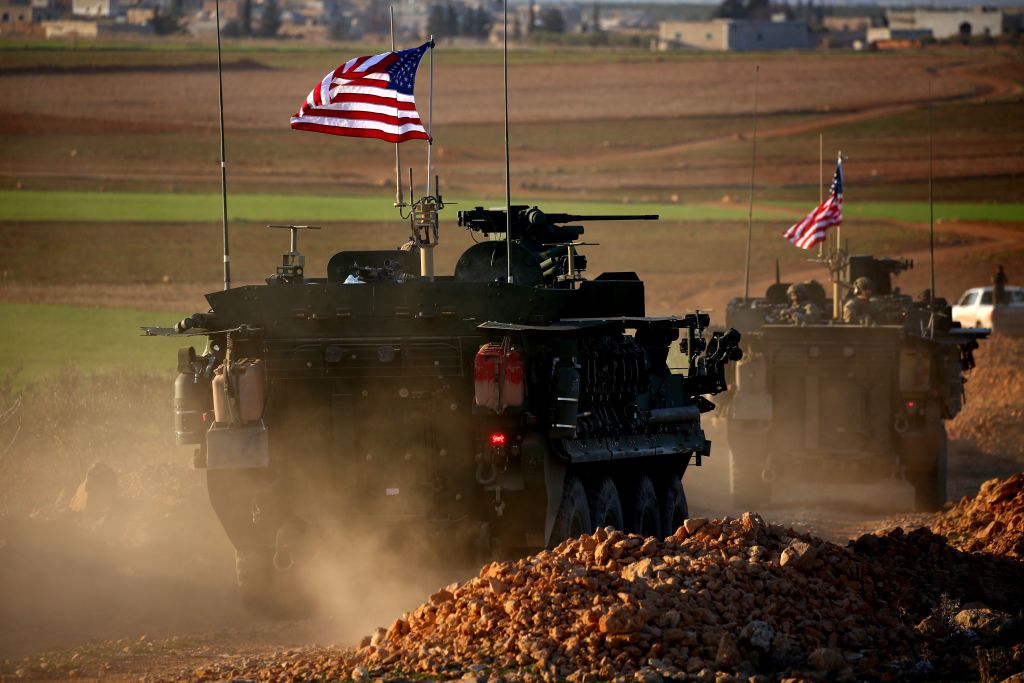
Over the past few weeks, my colleagues at MEI have debated whether the U.S. should stay in Syria or leave. Here I’d make a different argument: that it doesn’t really matter. The president has already made the decision to leave, and while his aides may have been able to slow roll the troop drawdown, the reality is that Donald Trump has made it clear the U.S. will not disburse any additional resources. Even within the 2020 Democratic field, not a single candidate has advocated increasing resources.
The uneasy triangle between Turkey, the US, and the YPG
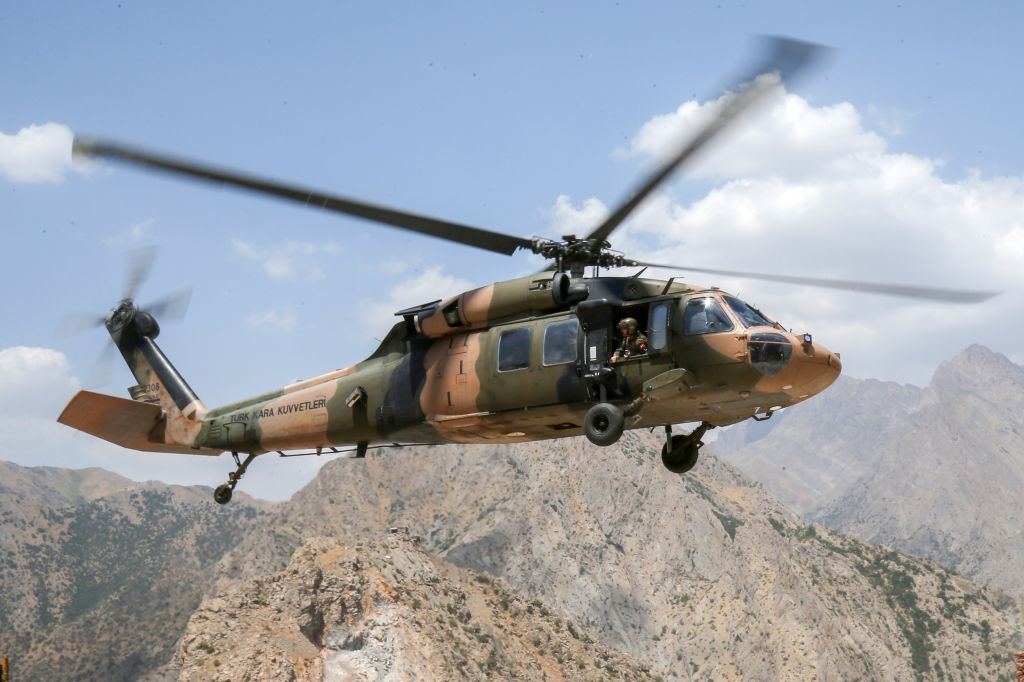
Turkey and the US recently announced an agreement for establishing a safe zone in northern Syria to serve as a buffer between Turkey and the YPG, which is seen by Ankara as a terrorist group and by Washington as a partner in the fight against ISIS. MEI’s Gonul Tol and Charles Lister join host Alistair Taylor to discuss how this policy may impact dynamics on the ground.
Leaving Syria won’t make things any better — for the US or Syria
Responding to Daniel Serwer’s “not so progressive case for withdrawing from Syria,” Charles Lister makes the case that the U.S. should remain in Syria — at the very least for long enough to secure conditions in which a realistic set of objectives could be achieved, including the existing counter-ISIS mission.
What’s next for al-Qaeda after the death of Hamza bin Laden
According to American intelligence officials, Osama bin Laden’s favorite son, Hamza, has been killed. Ever since his emergence in August 2015, Hamza bin Laden was perceived by many as being positioned to take over as al-Qaeda’s next global leader. While the group’s next steps in light of his death are unclear, for now al-Qaeda continues to move toward greater decentralization and “localism,” creating new challenges for governments seeking to confront it.
Assassinations could upset the status quo in Turkey-PKK conflict
Despite the fiery rhetoric, the long-time conflict between Turkey and the PKK has mostly been a controlled fight following tacit rules. But recent events, including Turkey’s increased efforts to assassinate PKK leaders and the targeted killing of a Turkish consulate official in the Iraqi Kurdish capital on July 17, risk overturning the status quo and ushering in a violent new era.
The progressive case for staying in Syria, for now
Ideally, the various sides of the Syrian civil war would seize the opportunity to reach an agreement. However, the Assad regime’s current intransigence and inability counter ISIS necessitate continued U.S. protection of northeastern Syria and efforts to stabilize it until such a deal can be made. This is not an ideal scenario, but the cost of a pullout at this stage will be immense.
Monday Briefing: US-Turkey dispute over Syria comes to a head
This week’s briefing on recent news and upcoming events in the region including the Turkish-U.S. crisis meeting in Ankara on Syria, the resumption of U.S.-Taliban negotiations, Trump’s creation of a new “dovish” line on Iran, a rise in Egypt’s poverty levels, Sudan’s democratic transition, the easing of female guardianship rules in Saudi Arabia, and the end of the ceasefire in Idlib, featuring Charles Lister, Marvin G. Weinbaum, Paul Salem, W. Robert Pearson, Mirette F. Mabrouk, Thomas W. Lippman, and Robert S. Ford.
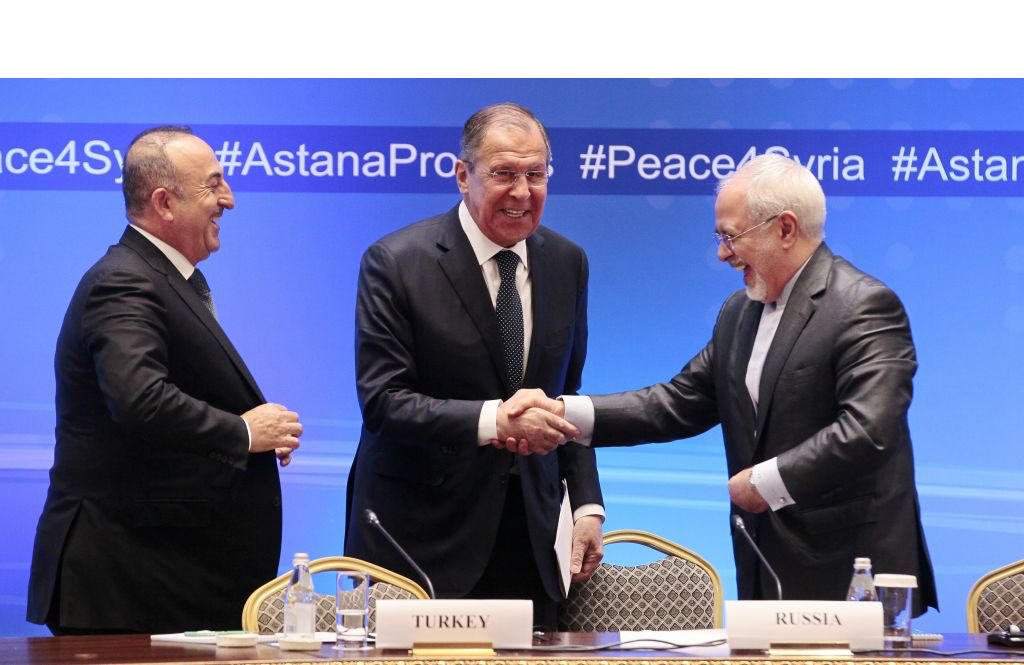
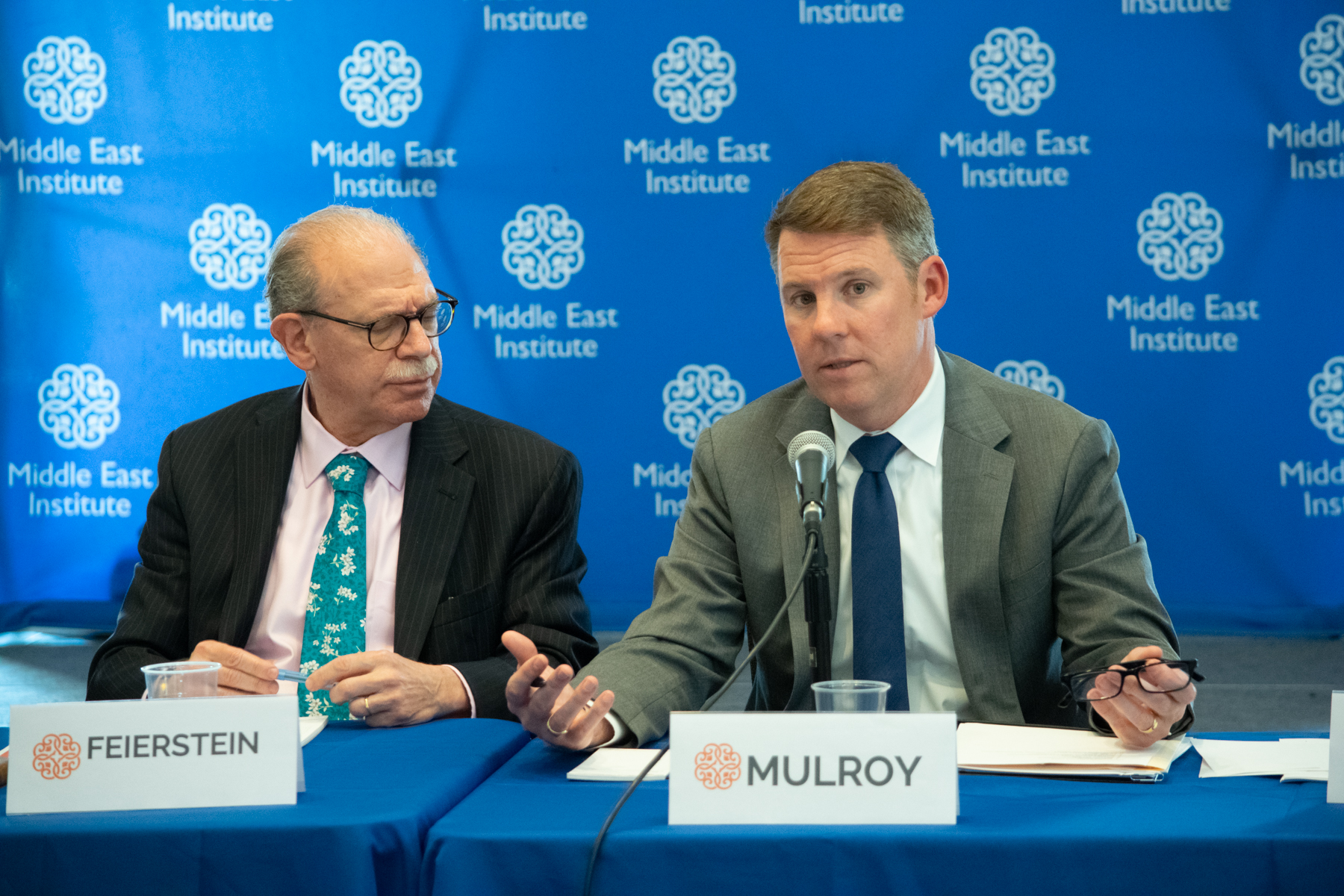
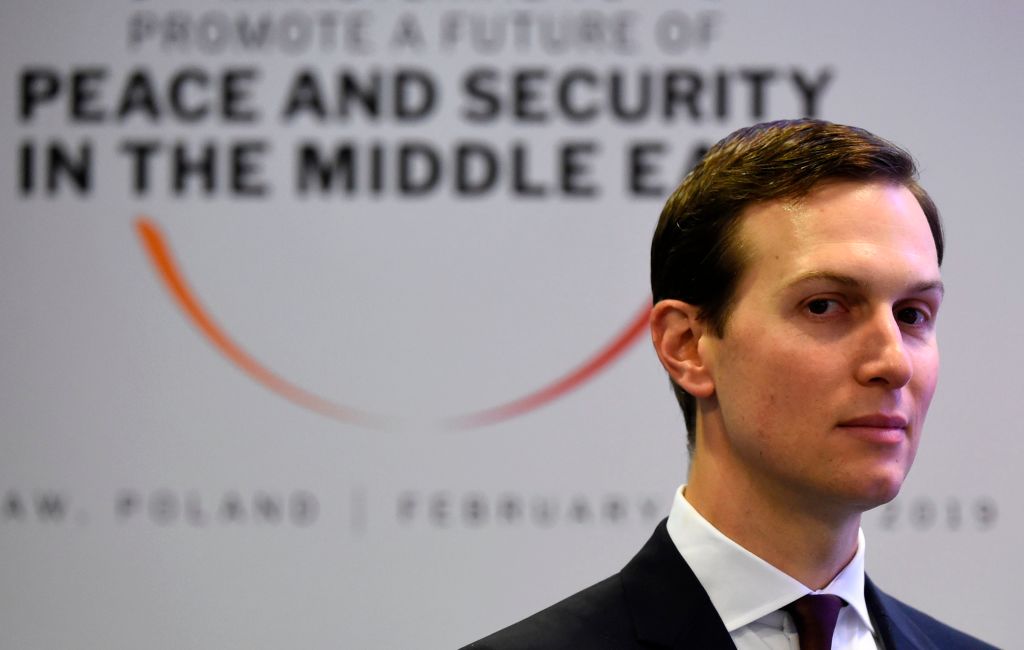
This week’s briefing on recent news and upcoming events in the region including Kazakhstan’s upcoming “Astana talks” on Syria, Jared Kushner’s planned visit to the Middle East, the shift in US-Pakistan relations, and Abbas’ announcement that the Palestinian Authority will halt all signed agreements with Israel, featuring Charles Lister, Gerald Feierstein, Marvin G. Weinbaum, and Khaled Elgindy.
Although Syria’s civil war has largely wound down, fighting in Idlib in the country’s northwest has heated up in the last two months. Charles Lister, MEI senior fellow and Director of the Countering Terrorism and Extremism Program, and Sasha Ghosh-Siminoff, executive director and co-founder of People Demand Change, join host Alistair Taylor to discuss the ongoing conflict and what impact it might have on Syria’s future.
As violence flares up in Daraa, control can be an illusion
Violence has been flaring up at an alarming rate in the southern Syrian province of Daraa, amid dozens of unclaimed attacks by gunmen. Over the last three months, assassinations, checkpoint attacks, fires, and sporadic clashes have wreaked havoc in the area and signaled a potential return of conflict.
A way out for Russia and Turkey from Idlib's spiral of violence
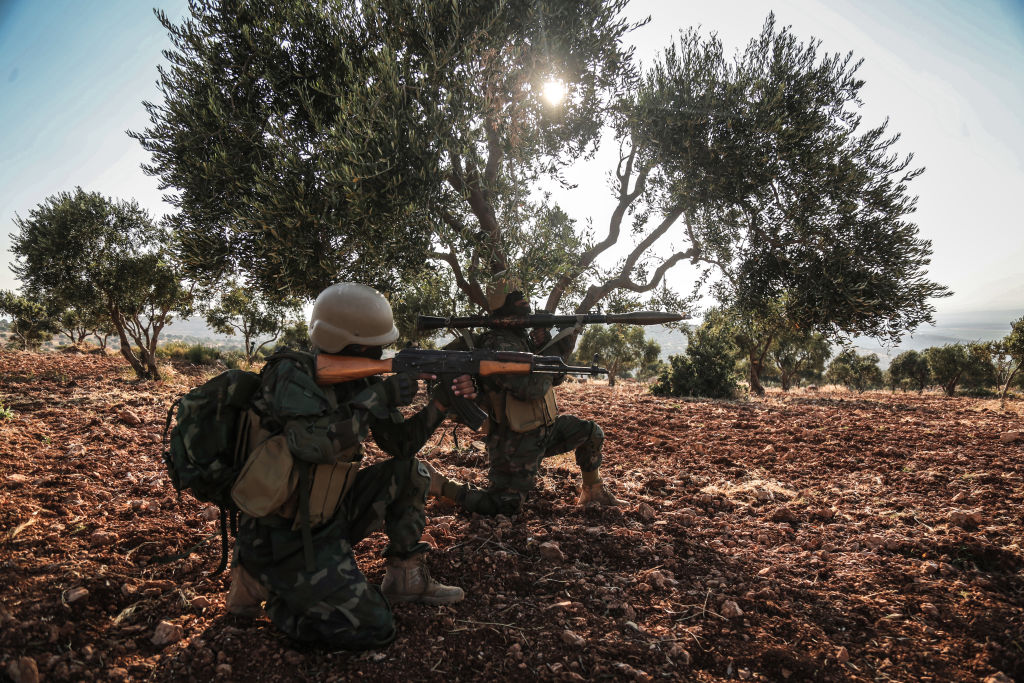
Since the start of the regime’s military campaign in Idlib last month, a group of Free Syrian Army factions that fought alongside Turkish soldiers has gradually entered the region. This development may balance the Hayat Tahrir al-Sham presence and ultimately help to force the group out of the demilitarized zone, ensuring a continued Turkish-Russian consensus on Idlib.
Monday Briefing: Bahrain workshop is little more than a kabuki show
In this week’s Monday Briefing, MEI experts Gerald Feierstein, Guney Yildiz, Nathan Stock, Elizabeth Dent, and Eran Etzion provide analysis on recent and upcoming events including this week’s Bahrain “workshop” on Palestine’s economic development, an opposition victory in Istanbul’s rerun election, the release of a portion of the Trump administration’s Israel-Palestine peace plan, the fracturing of the Global Coalition to Defeat ISIS, and Tuesday’s trilateral meeting between the U.S., Israel, and Russia.
The oldest peer-reviewed publication dedicated to the study of the modern Middle East, MEI’s flagship journal covers politics, society, and culture in the region.