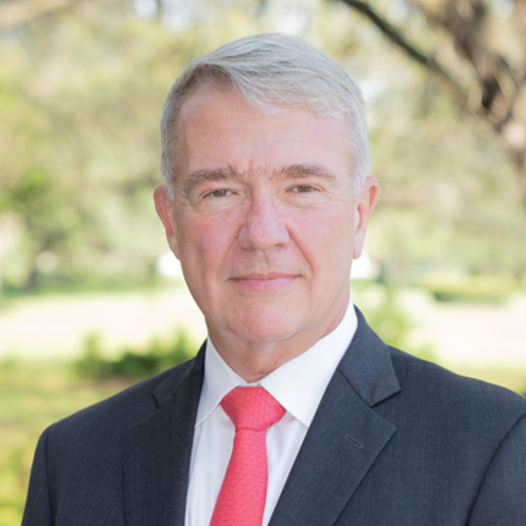
Reflections on a Diplomatic Career in the Middle East: A Conversation With Ambassador Yael Lempert
Brian is joined by Amb. (ret.) Yael Lempert, Vice President for Outreach at MEI, to discuss her career in diplomacy and the importance of US diplomatic efforts abroad. She shares stories from postings across the Middle East in Baghdad, Cairo, Tripoli, Jerusalem, and Amman and examines how her personal and professional experiences shaped her approach to the work. Together, Brian and Yael discuss the realities of life in the Foreign Service, the core tenets of American diplomacy, and why it matters in today’s Middle East.
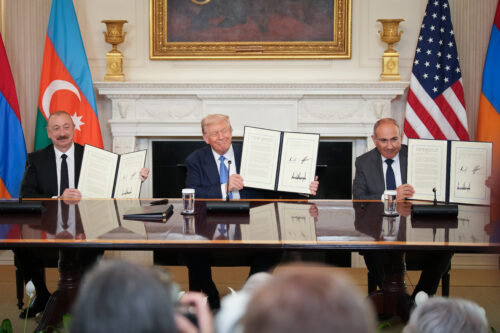
Trump’s South Caucasus Peacemaking Is His Most Successful, but It Remains Unfinished
Of all the fronts in President Trump’s peacemaking agenda, the South Caucasus has delivered the most concrete results. The August 2025 Washington Declaration, signed between Armenia and Azerbaijan and witnessed by Trump, marked an important step toward peace in the region. The two sides initialed a peace agreement and advanced plans to unblock regional connectivity, including through the establishment of the Trump Route for International Peace and Prosperity (TRIPP), which would connect Azerbaijan to its Nakhijevan exclave through southern Armenia. Implementation of TRIPP has since made notable progress, but construction has yet to start. A breakthrough on those two tracks would, in turn, unlock Armenia–Türkiye normalization, transforming a long-fractured region into an area of trade and interdependence.
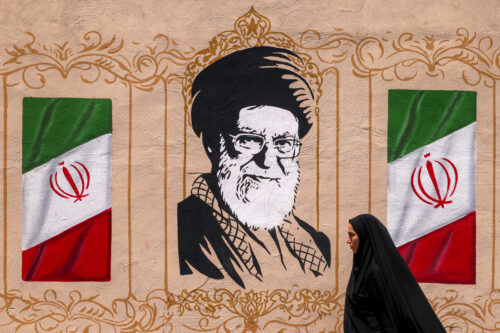
Wars don’t just end. They get interpreted, reinterpreted, and turned into strategic doctrine. That is what happened after the Iran-Iraq War of the 1980s, a conflict that saw the United States back Tehran’s Iraqi adversaries. The war taught Tehran three lessons it never unlearned: that Washington wants the Islamic Republic gone, that Iran stands essentially alone in the world, and that it cannot survive a direct, overt fight with the U.S. and Israel.
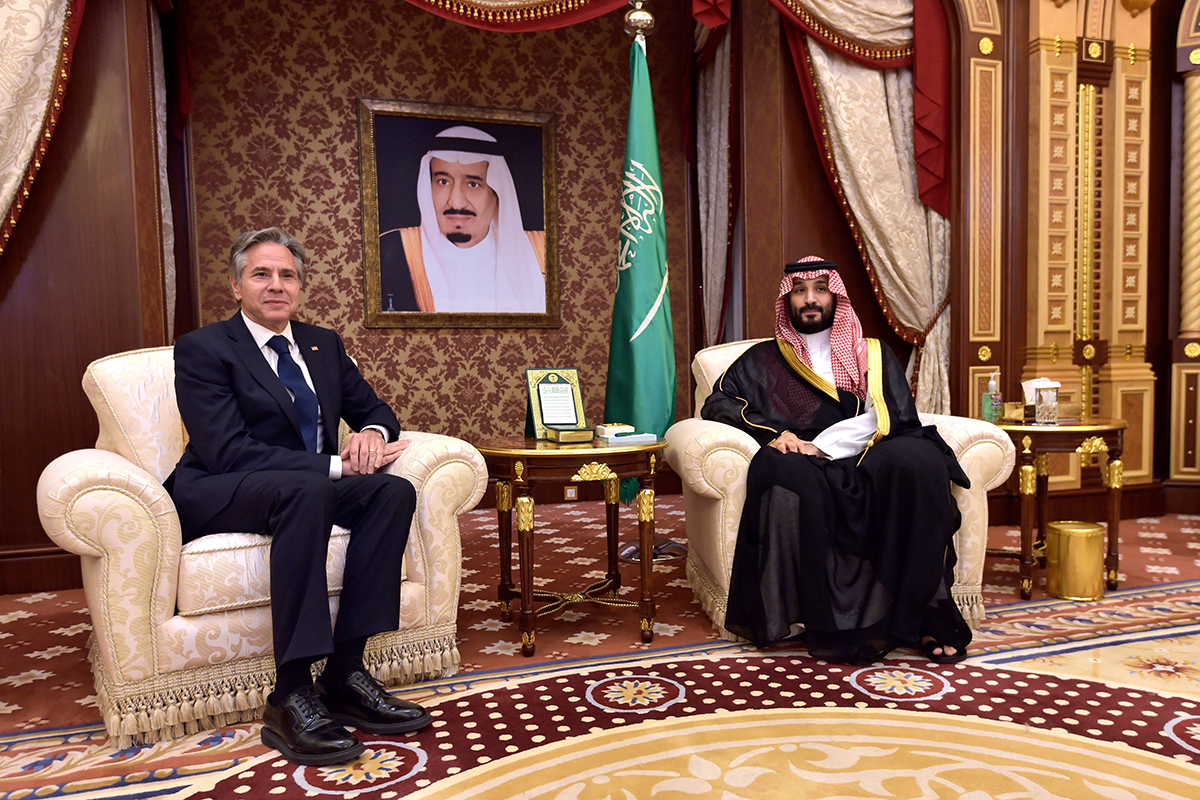
The oncoming Saudi-Israeli normalization: Obstacles, opportunities, and the US role
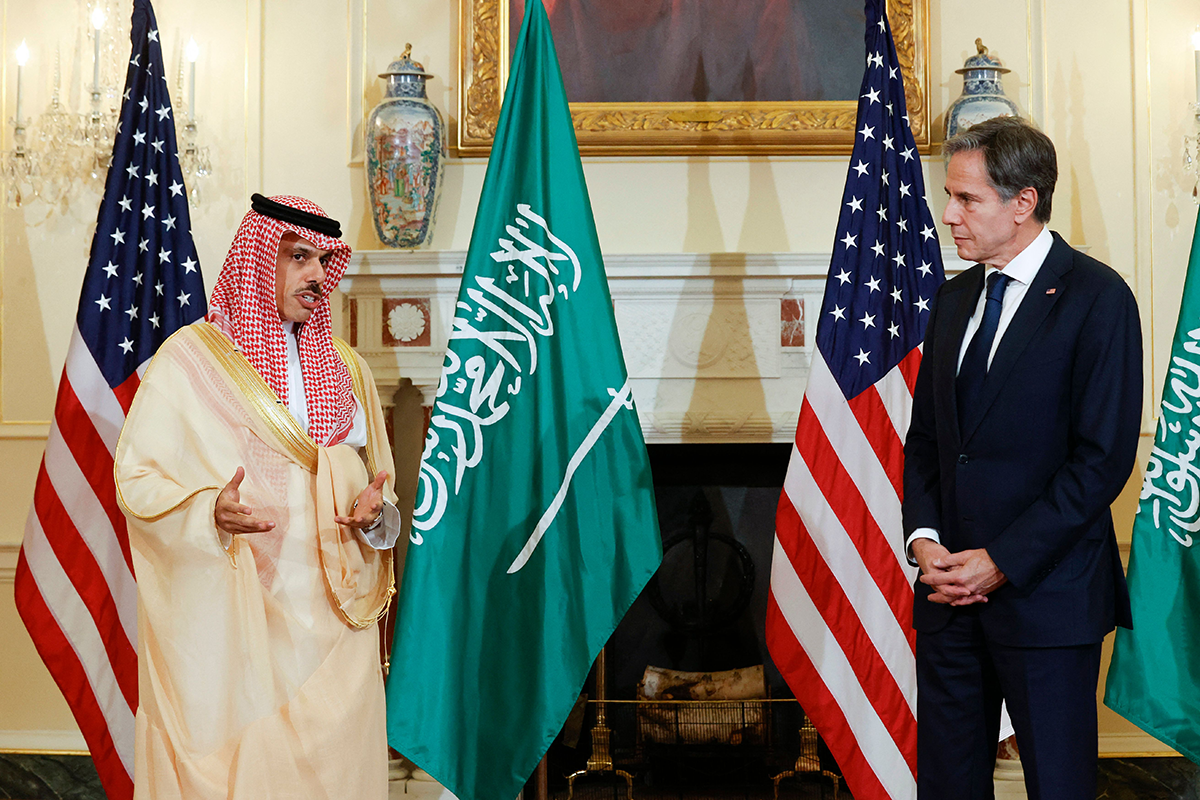
The normalization of relations between Saudi Arabia and Israel is looking increasingly likely, even if it does not take place in the immediate future. For Israel, normalizing relations with as many Arab states as possible — especially if it does not have to give up much in exchange — has always been a strategic goal. For the new Saudi Arabia, those ambitious goals strongly suggest opening up to the Israeli economy.
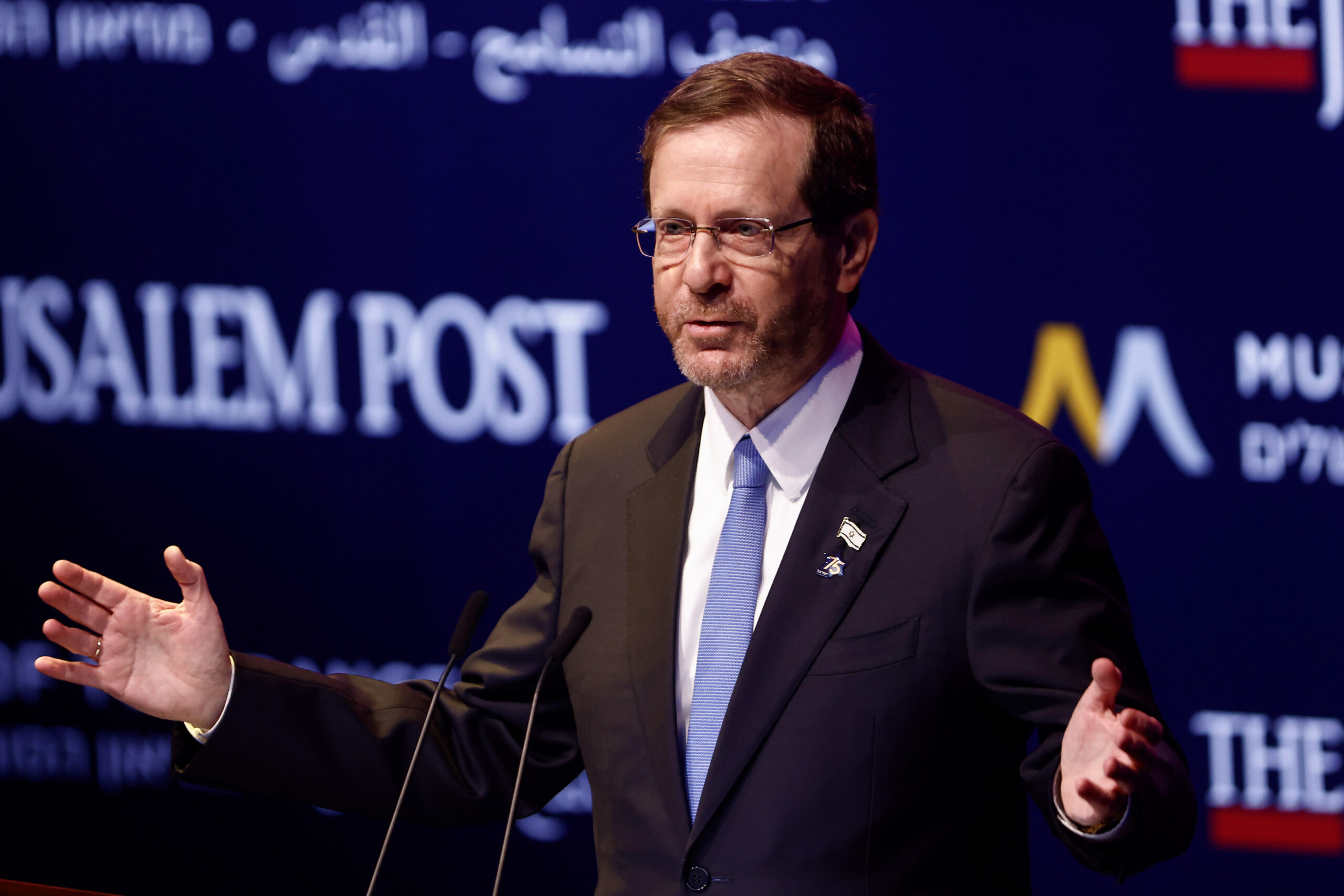
A US security guarantee to Israel should help to advance Israeli-Palestinian peace, not avoid it
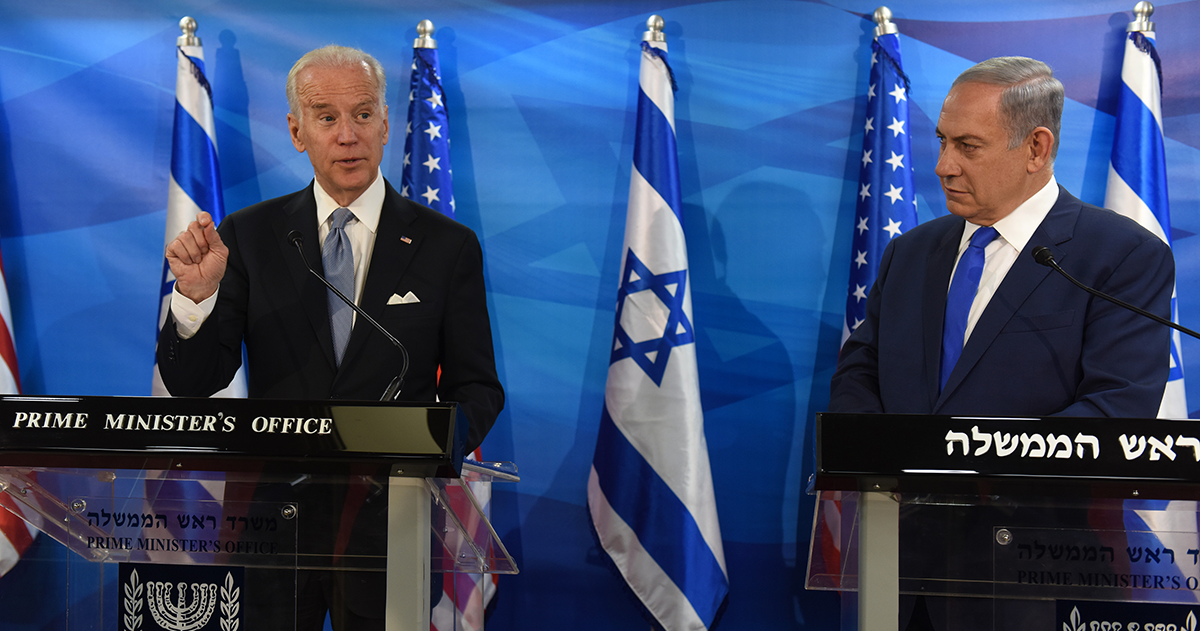
It has been nearly 70 years since Israel first asked the U.S. to sign a bilateral defense treaty. Ever since then, the idea of a formal security agreement has resurfaced from time to time, only to be struck down, due to an understanding that it does not serve the two sides’ actual needs. Prime Minister Netanyahu is currently floating the idea once again, but the U.S. can make use of his interest in a security upgrade to revive a different idea instead: the decade-old security plan for the two-state solution, known as the Allen Plan.
Ben Samuels | 'Taking the Edge Off the Middle East' Ep. 3
Middle East Focus Presents: ‘Taking the Edge Off the Middle East’ with Brian Katulis
A series of casual conversations with leading policy professionals on the most important happenings in the Middle East today – hosted by MEI VP for Policy Brian Katulis.
Ben Samuels – U.S. correspondent for Haaretz – sits down with Brian to discuss how he got into journalism, the state of politics in Israel, and the country’s ongoing judicial overhaul.
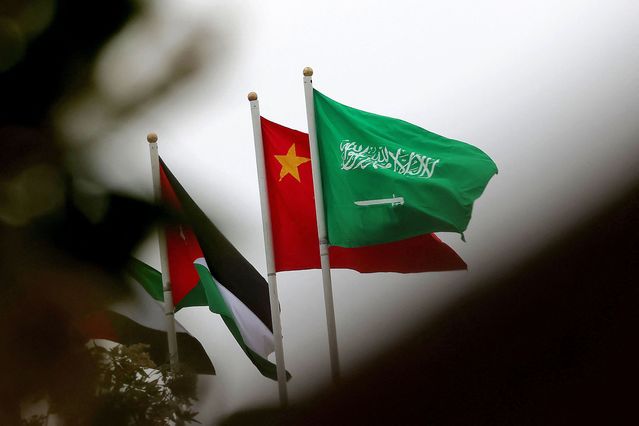
A Saudi-Israel Deal Could Pay Dividends for the Global Economy
The Biden administration is working on a deal between Israel and Saudi Arabia that could be a game changer for the Middle East. Such an opening would show just how much the tectonic plates in the region are shifting away from regional tensions, civil wars, and threats from terrorism toward a new, more promising phase of greater stability and prosperity.
Five factors to watch in US diplomatic efforts on a possible Israel-Saudi deal
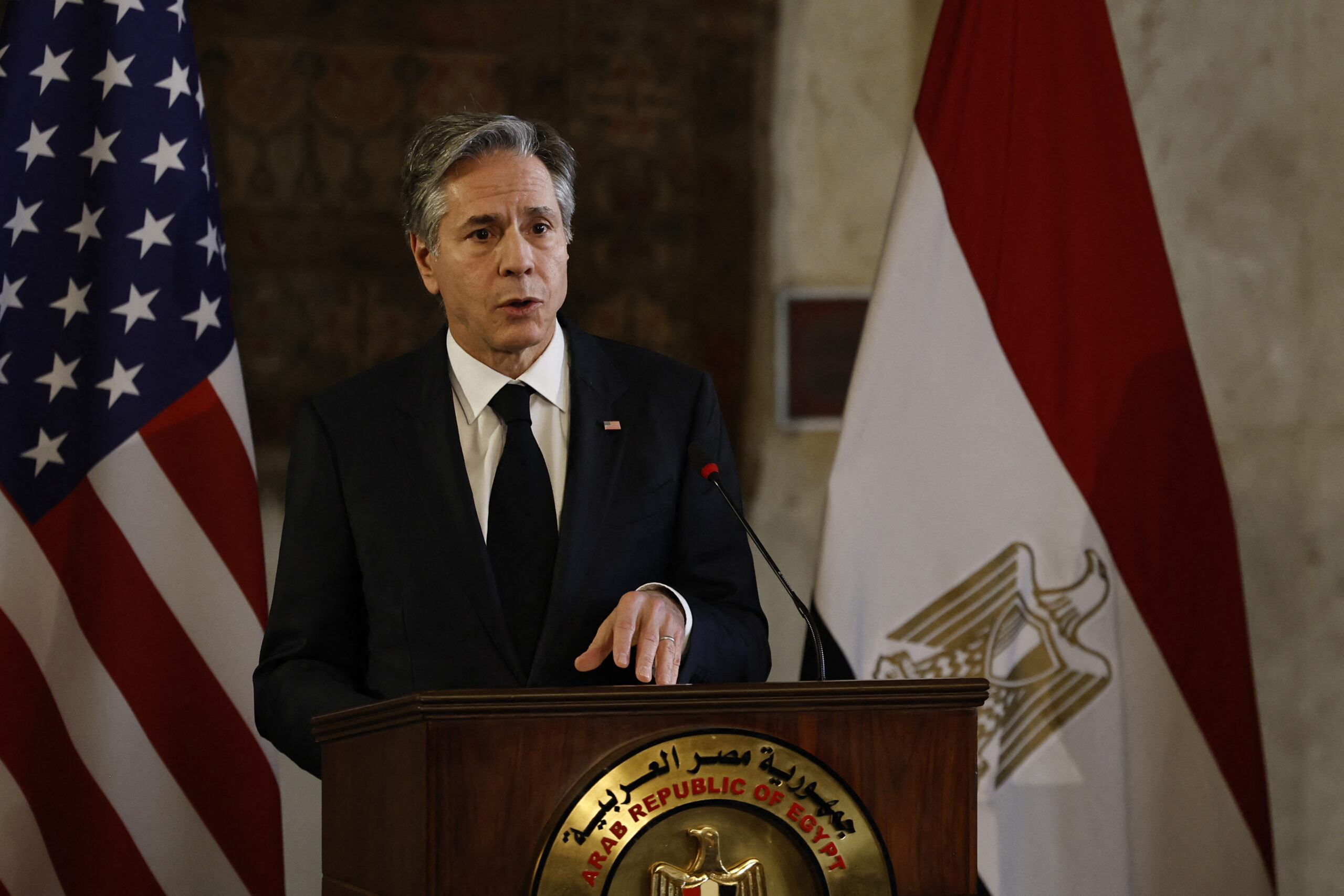
Forging a deal establishing open, normal bilateral ties between Saudi Arabia and Israel would be a major feat with plenty of potential perils along the way — the diplomatic equivalent of climbing Mount Everest. If done right, the result would be historic and transformative for the Middle East with positive geopolitical repercussions. Here are five factors to watch as the Biden administration continues its efforts to produce a major diplomatic breakthrough in the region.
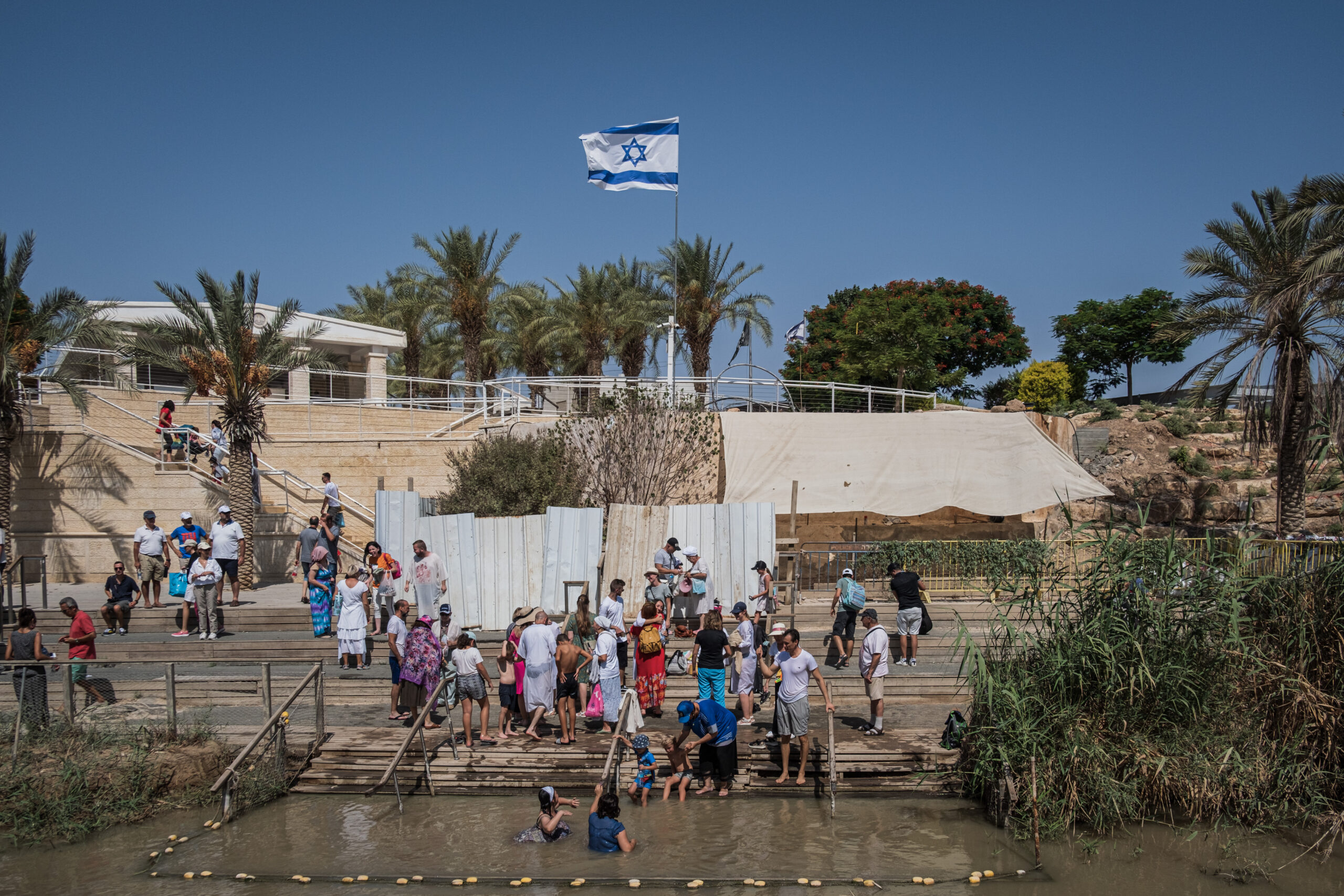
Stabilizing instability: The challenges of Middle East peacebuilding
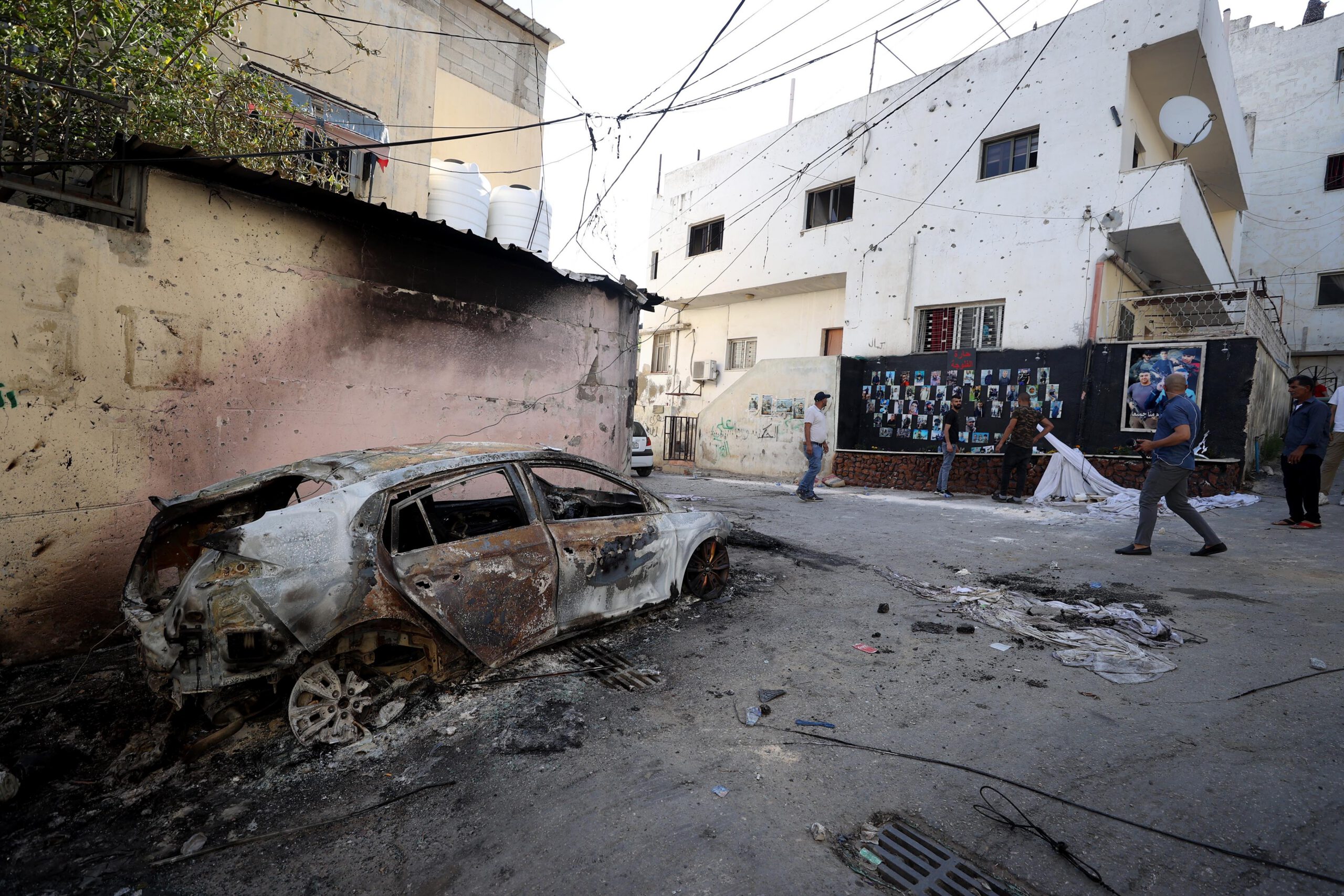
The Middle East is experiencing a remarkable spate of diplomacy, de-escalation, and normalization. This is generally a positive development, as the region needs to take charge of its own destiny. But normalization and de-escalation does not always lead to meaningful conflict resolution; indeed, sometimes the reverse is true. What needs to be done so that this positive momentum can be the first phase of a more meaningful set of engagements to build a more lasting regional peace and integration?
Putting Diplomacy First in the Middle East: Creating Incentives for De-Escalation
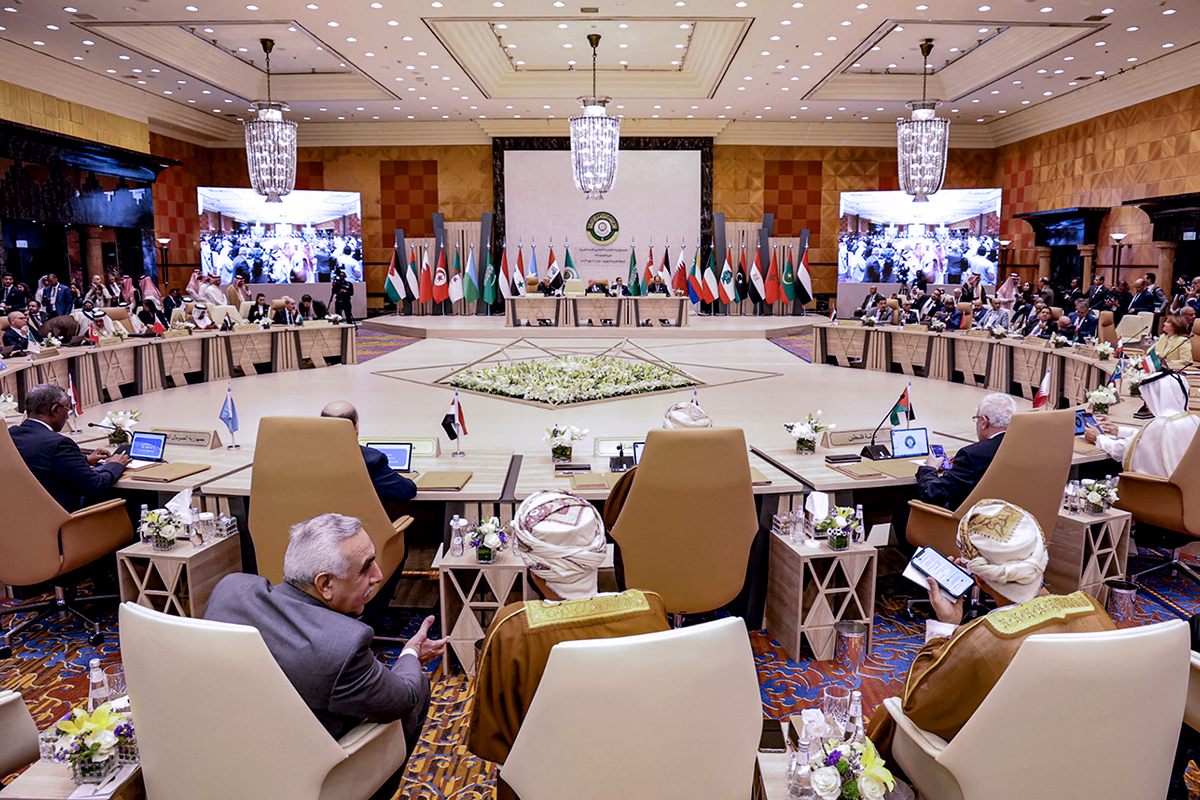
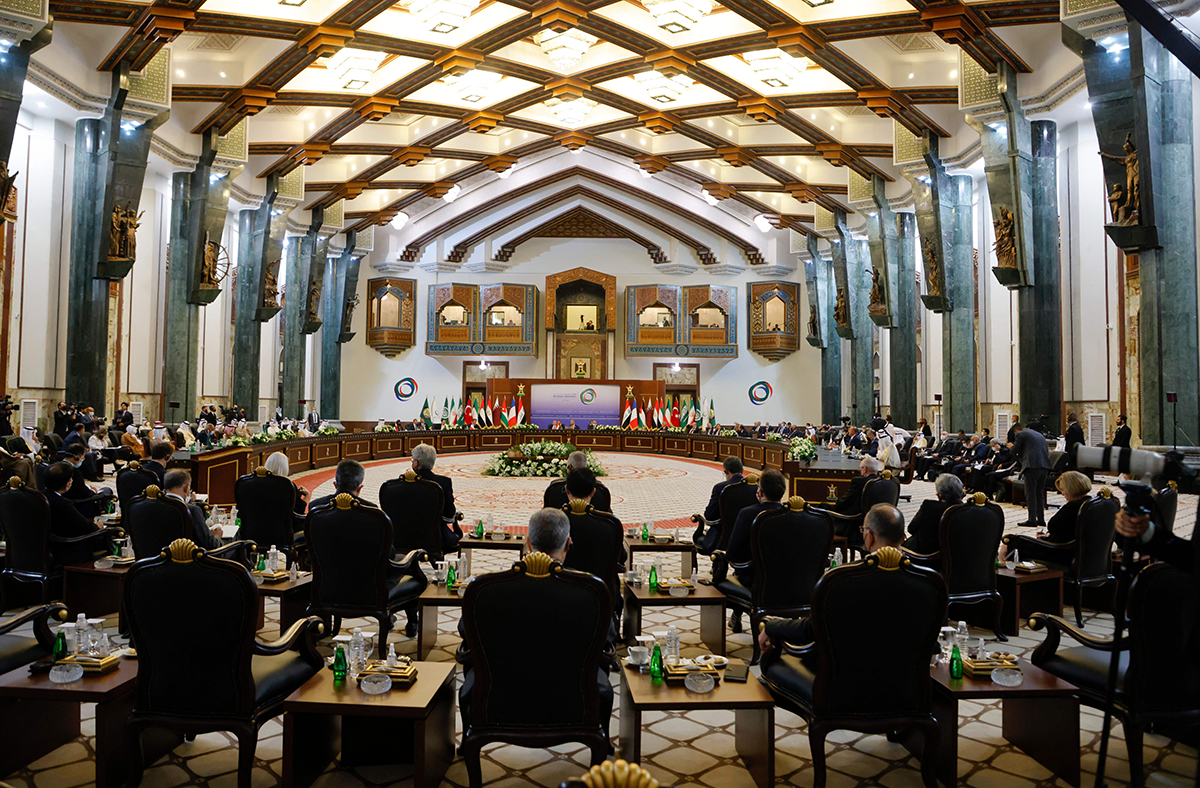
The Middle East is undergoing a historic transformation with unprecedented opportunities to build new relationships, de-escalate tensions, and foster conditions for stronger integration. At the same time, the region remains on edge because of ongoing tensions in Yemen, Syria, Iraq, and other conflict zones, a civil war that broke out recently in Sudan, along with the overarching challenges presented by fraught relations between Iran, Israel, and several Arab Gulf countries — with the longer-term implications of the still-fragile Iranian-Saudi rapprochement yet to be fully assessed.
The oldest peer-reviewed publication dedicated to the study of the modern Middle East, MEI’s flagship journal covers politics, society, and culture in the region.