Daniel Benaim previously served as Deputy Assistant Secretary of State for Arabian Peninsula Affairs and NSC Senior Director for Speechwriting and Strategic Initiatives and Special Assistant to the President. As Deputy Assistant Secretary of State for the Arabian Peninsula from 2021-2025, he took part in a range of initiatives, including diplomacy to end regional wars, efforts to bring jailed Americans home safely, the evacuation of almost 100,000 Afghan allies through the Gulf, arms sales, semiconductor exports, commercial diplomacy, and competition with China in the Middle East. Daniel has served multiple stints at the White House, State Department, and US Senate, as well as US think tanks and universities, and published in Foreign Affairs and the New York Times. He is a lifetime member of the Council on Foreign Relations.
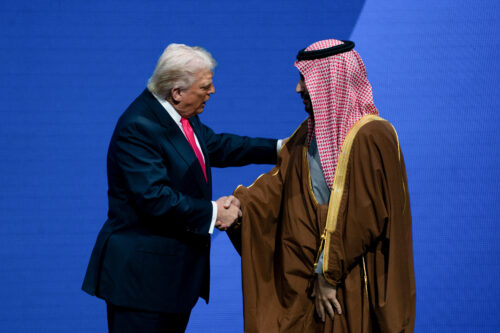
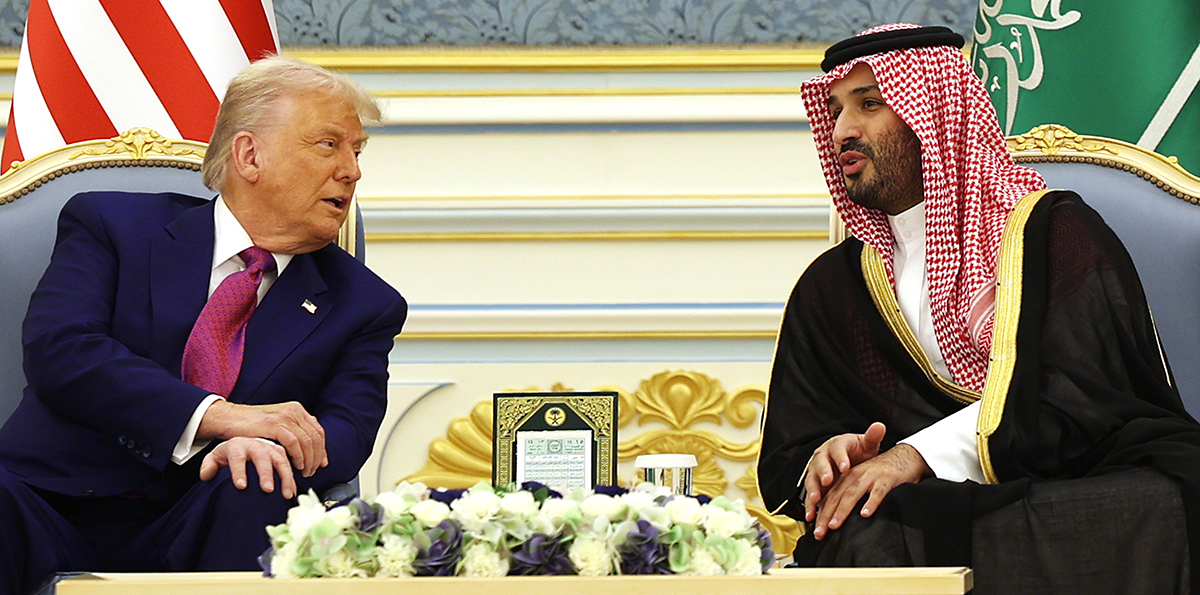
Last May, U.S. President Donald Trump paid a triumphant visit to Saudi Arabia, Qatar, and the United Arab Emirates. Over the course of a four-day tour, he admired the Gulf capitals’ “gleaming marvels,” cheered on their ambitious modernization plans, and showcased over $3 trillion in pledged Gulf investment and “mega-deals” between U.S. and Gulf businesses.
Now Would Be a Great Time to Send US Ambassadors to the Middle East
As a fragile cease-fire takes hold in the Middle East, countries are jockeying to shape the peace. But one group remains largely absent: US ambassadors.
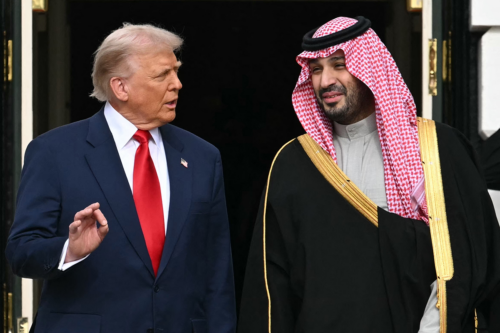
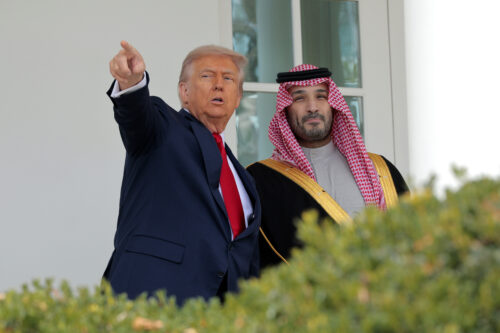
On November 18, Saudi Crown Prince Mohammed bin Salman is scheduled to make his first trip to Washington since 2018. In a new MEI Policy Memo, Daniel Benaim breaks down why it matters for the US and the relevant policy considerations.
On November 18, Saudi Crown Prince Mohammed
bin Salman (MBS) is scheduled to make his first trip to Washington since 2018. President Donald Trump has doubled down on the Gulf from the outset of his second term, making Riyadh his first planned overseas trip and reorienting ties around major artificial intelligence (AI) and investment deals. MBS’s visit will test whether both sides can translate ambitious pledges into concrete outcomes. Significant upgrades in defense and security are expected, with movement possible on semiconductor sales and nuclear cooperation. Behind the ambitions, harder questions about Saudi-Israeli normalization and alignment in a rapidly changing region loom as important Oval Office topics.
This week, US President Donald Trump makes his inaugural visit to the Middle East since the start of his second term, traveling to Saudi Arabia, Qatar, and the United Arab Emirates on May 13-16. Amid the heightened focus on US policy toward the Middle East, MEI’s experts take stock of Trump’s trip to the Gulf, how his administration has shaped its approach to the wider region in its first several months, and how regional actors are responding to the policies coming out of Washington.
Analysis: Trump’s Gulf tour should deepen economic alignment
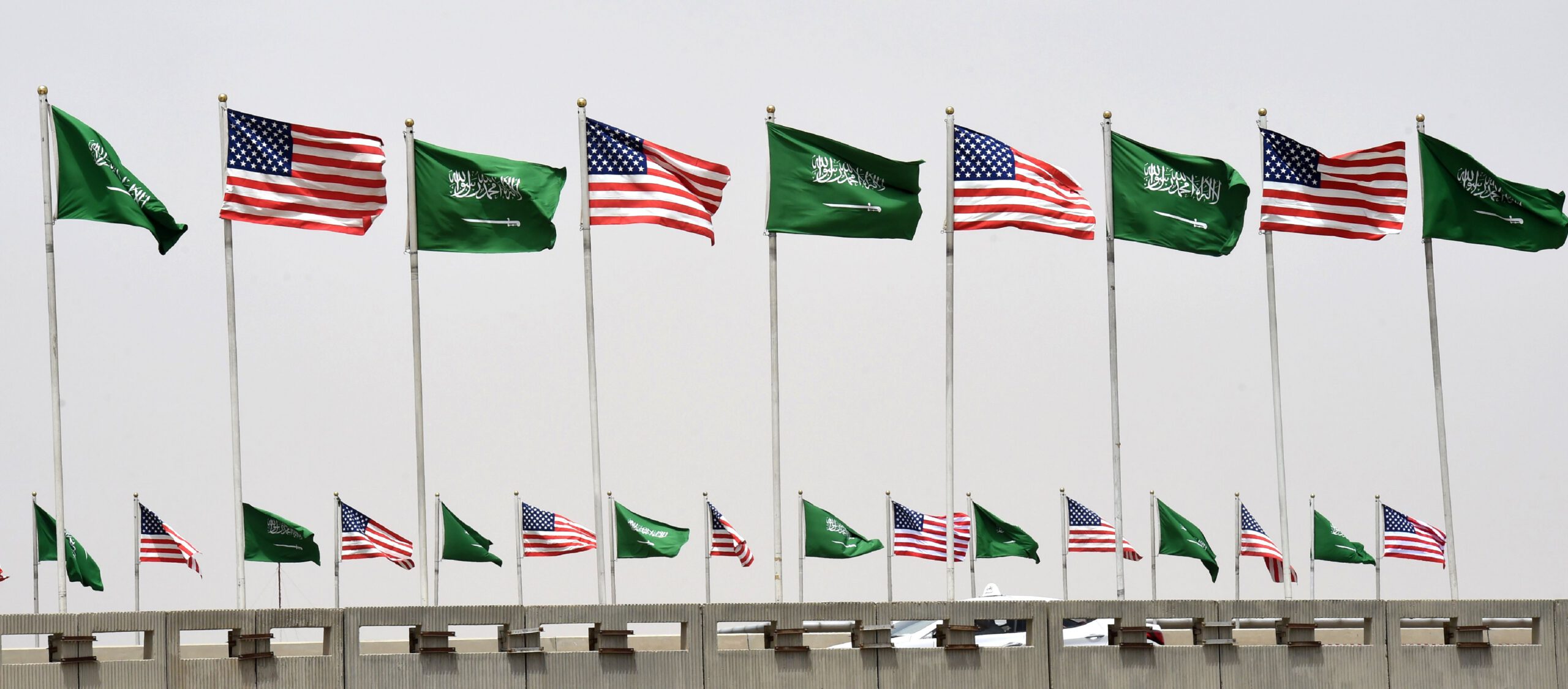
It has been a dynamic period in US-Gulf relations. A steady stream of senior Gulf officials has visited Washington to engage the new administration. There have been talks to end the Russia-Ukraine war in Saudi Arabia, the Gaza crisis in Qatar, and nuclear negotiations with Iran in Oman.