Skip to Content

Javid Ahmad is an Associate Fellow at the Middle East Institute. He was previously a non-resident senior fellow with the Atlantic Council’s South Asia Center, focusing on security and counterterrorism, transregional militancy, and illicit networks. From 2020-2021, he served as Afghanistan’s ambassador to the United Arab Emirates. He serves as a member of the board of advisors for GardaWorld Federal Services, a federal contractor that provides security and risk management services to U.S. government agencies. Previously, he was a nonresident fellow with the Modern War Institute at the U.S. Military Academy at West Point, where he provided tailored assessments on violent extremism, insider threats, political risk and counterterrorism financing issues in South Asia and the Middle East. He has worked with the US defense community, including General Dynamics, where he provided security and macroeconomic analysis and assessments to US government and business clients.

Prior to that, he worked on South Asia-related issues for the Pentagon’s Afghanistan-Pakistan Hands and the US Naval Postgraduate School. He also worked as a program coordinator for Asia for the German Marshall Fund in Washington, a Washington-based think tank, and the NATO headquarters in Brussels. Ahmad’s writing has appeared, inter alia, in The Wall Street Journal, The Washington Post, Foreign Affairs, The New York Times, Foreign Policy, The National Interest, The Hill, and CNN.

Education
MA in National Security Studies, Yale University
BA in International Relations and Economics, Beloit College

Regions of Expertise
South Asia, Afghanistan, Pakistan, Central Asia, Middle East

Issues of Expertise
Counterterrorism, Militants and Jihadist Groups, Conflict Zones, Political Violence, Threat Finance, Regional Political Dynamics
The Latest from Javid Ahmad

Filter by
8 Results
The Pakistani General Running Washington’s Backchannel to Tehran
  • Commentary
  • The Pakistani General Running Washington’s Backchannel to Tehran

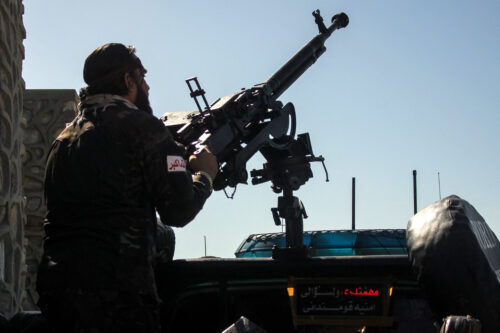
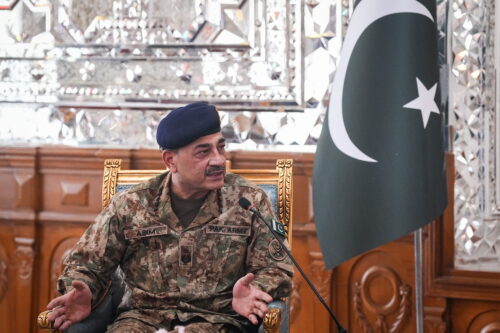
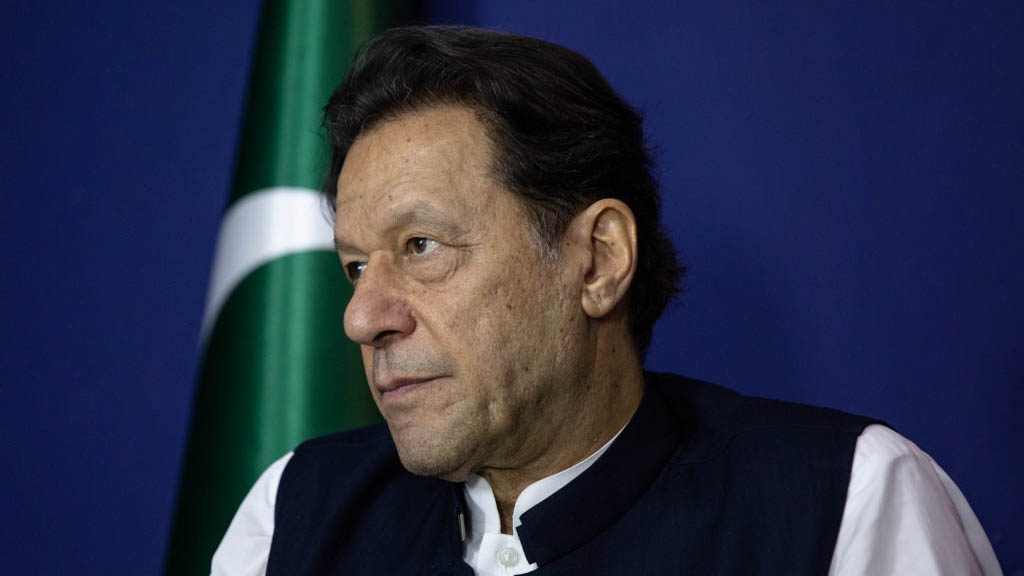
    As Washington and Tehran edge closer to escalation, the most critical line of communication keeping the crisis from spiraling is being run not by polished diplomats, but by an unlikely figure: a Pakistani general. Field Marshal Asim Munir, Pakistan’s powerful army chief, has quietly become the key intermediary in the U.S.-Iran standoff, managing what may be the most important backchannel between the two sides. The mediation has thrust Pakistan to the center of the crisis while exposing it to enormous risk.

    America Is Fighting the Wrong Drone War
  • Commentary
  • America Is Fighting the Wrong Drone War

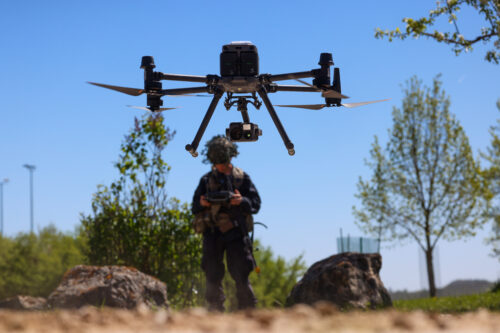
    For two decades, US drones hunting terrorists across the mountains of South Asia were the symbol of American military power: precise, lethal, and unmatched. That era is now over. Drones are no longer exquisite tools of counterterrorism and have evolved into something far more common and destabilizing: cheap, expendable, and mass-produced tools of attrition.

    Navigating the shadows: Afghanistan’s terrorism landscape three years after the US withdrawal and its international implications
    Photo by Marco Di Lauro/Getty Images
  • Analysis
  • Navigating the shadows: Afghanistan’s terrorism landscape three years after the US withdrawal and its international implications

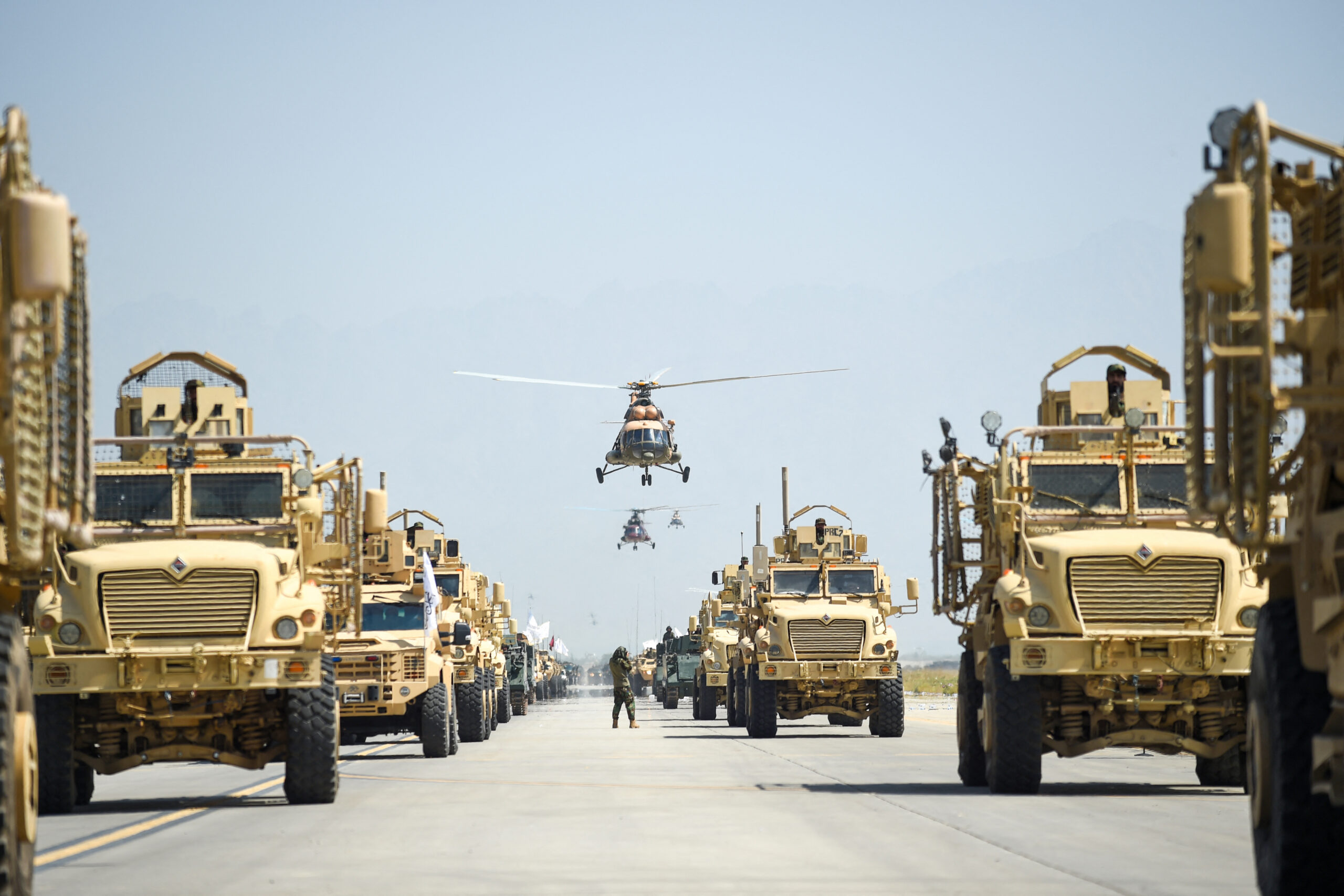
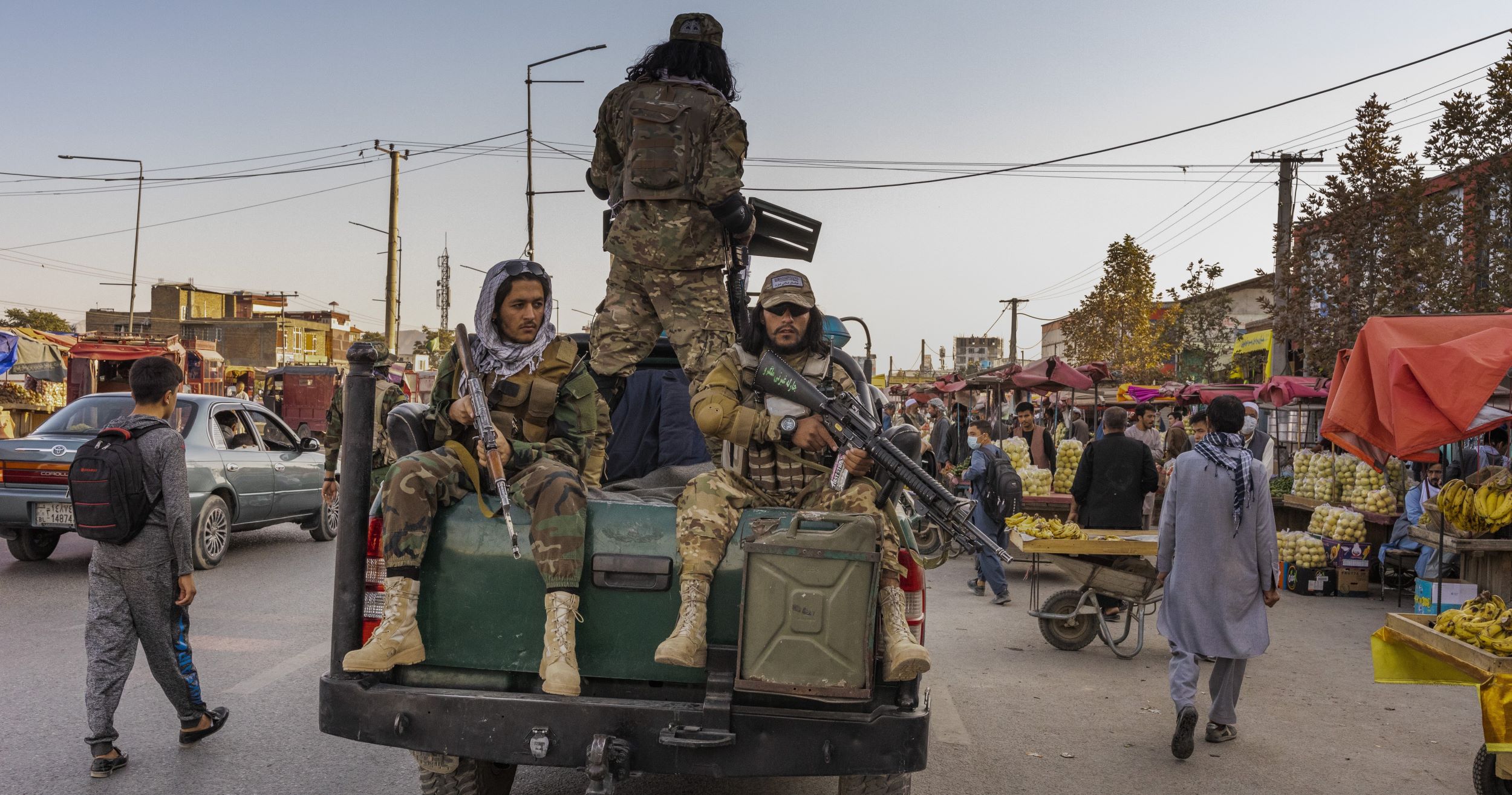
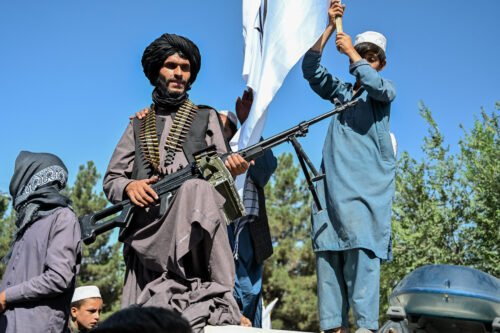
    Three years since the US and allied withdrawal from Afghanistan, the facts on the ground challenge some more optimistic depictions of the Taliban’s counterterrorism cooperation with the US, al-Qaeda’s reemergence, or the capacity of ISKP to direct external attacks that could threaten American interests.

    The Taliban Leadership Tracker
  • Commentary
  • The Taliban Leadership Tracker

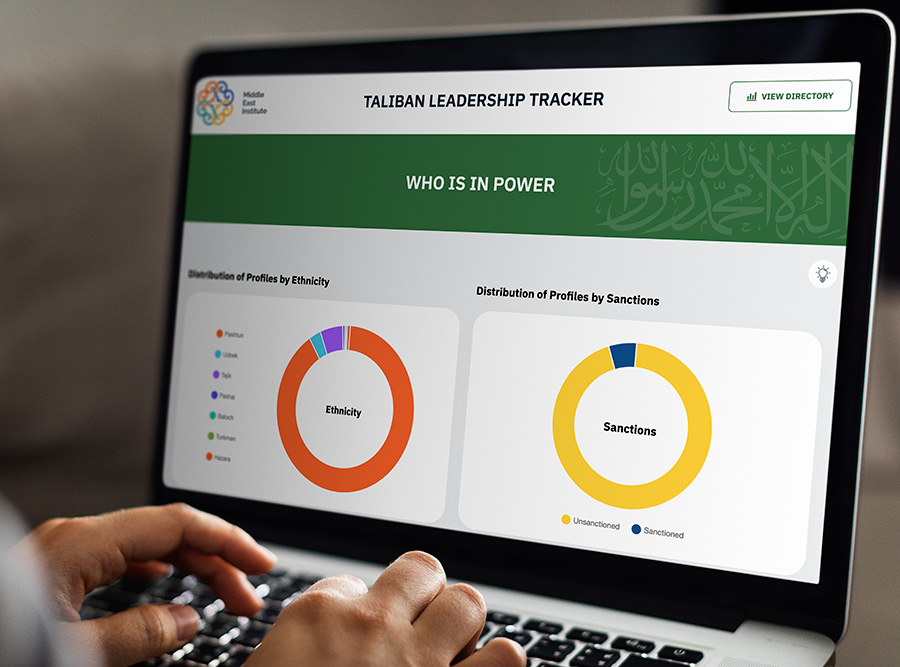
    Since seizing control of Afghanistan in August 2021, the Taliban has appointed thousands of individuals to various political, military, administrative, and judicial positions across the country, occupying crucial roles as decision-makers, influencers, local enforcers, and implementers who help shape the Taliban government policies and actions.

    It’s Time To Recognize the Taliban
  • Commentary
  • It’s Time To Recognize the Taliban

    The United States should diplomatically recognize Afghanistan’s Taliban government. That’s not easy for us to say as a former Afghan ambassador and former CIA regional counterterrorism chief. Doing so will be perceived as a painful betrayal to many, but the alternative—allowing Afghanistan’s dangerous descent into a hermit kingdom and forsaking the insight and means to influence or shape events—would mean more dire consequences for all.

    The Taliban’s religious roadmap for Afghanistan
    Photo by MOHD RASFAN/AFP via Getty Images
  • Analysis
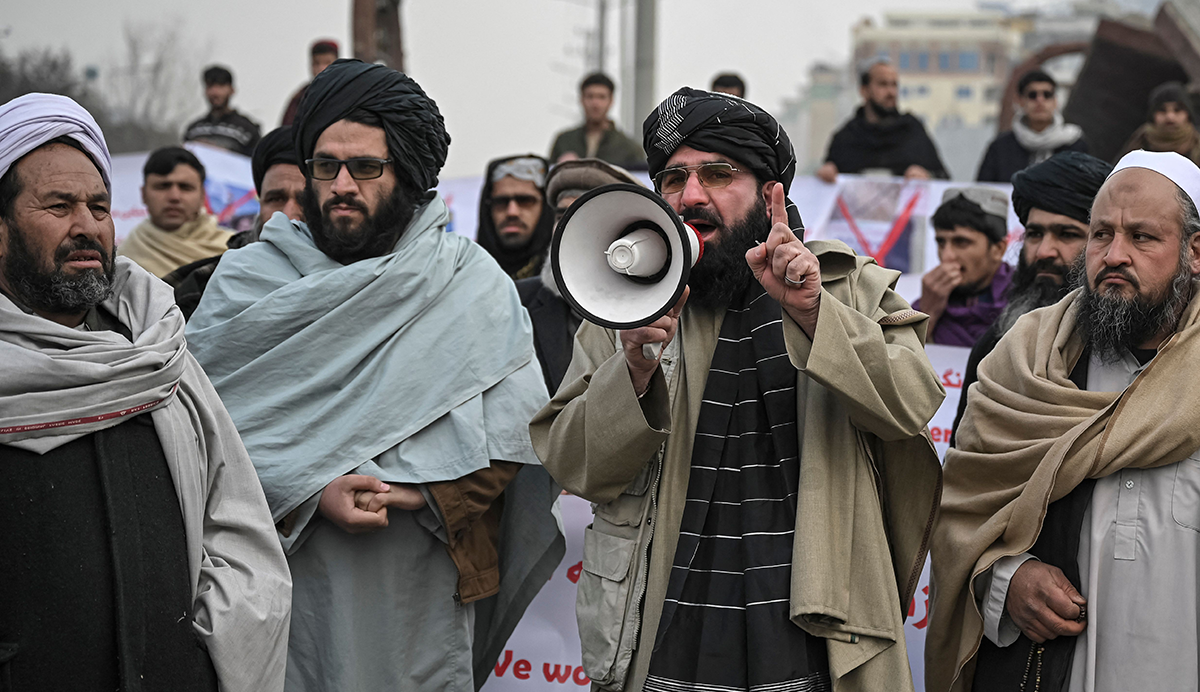
  • The Taliban’s religious roadmap for Afghanistan

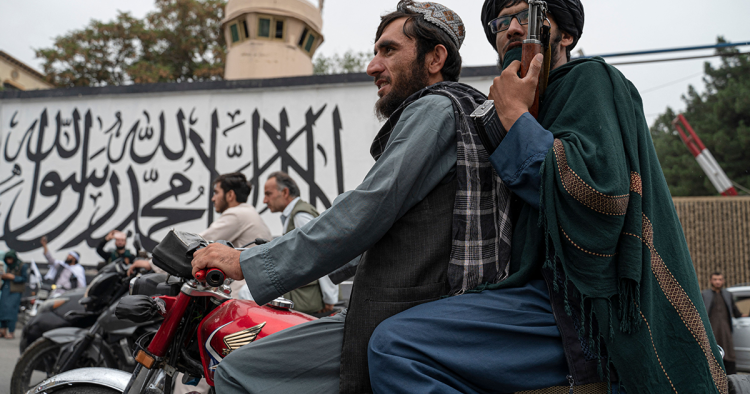
    After a grueling 20-year campaign, America concluded its war in Afghanistan where it started: with the Taliban in charge. But this isn’t your father’s Taliban. In recognition of their need for a firmer ideological base and their desire to establish a purely Islamic system, the Taliban rulers are gradually putting together the framework for their new ideological state. They are enacting three closely intertwined ideological initiatives in order to solidify their rule: fleshing out a state religious ideology, burnishing their “originalist” religious credentials, and channeling Afghan nationalism into religious nationalism. These ongoing efforts, which revolve around the Taliban’s Islamism, provide a preview of how the new rulers intend to interact with temporal political realities by provoking religious reform in order to rule Afghanistan.