Skip to Content

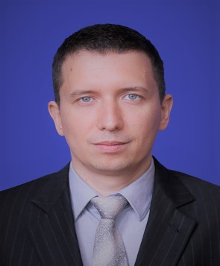
Paskal Zhelev

This individual is a guest contributor. MEI is not able to assist with contact requests.

Paskal Zhelev

Paskal Zhelev, Ph.D. is an Associate Professor of International Economic Relations at the University of National and World Economy (UNWE) in Sofia, Bulgaria. He has extensive international teaching experience in international political economy, international economics, and global economy. His research interests are in the field of international trade, international competitiveness, industrial policy, foreign direct investment, and regional economic integration.

Dr. Zhelev served as Secretary-General for International Cooperation at the UNWE-Sofia (2016-2019). In 2019 he took part in the Top Management Program of the Ministry of Education and Science of Republic of Kazakhstan and was Vice-Rector for International Affairs and Internationalization at the Korkyt Ata Kyzylorda State University. Currently, he is Vice-Dean for Quality Assurance and International Cooperation of the Faculty of International Economics and Politics at the UNWE-Sofia. Dr. Zhelev is a member of the Governing Board of the Union of Economists in Bulgaria and the Management Committee of the Association of Economic Universities of South and Eastern Europe and the Black Sea Region (ASECU).

The Latest from Paskal Zhelev

Filter by
2 Results
Building a Closer Black Sea: Promoting Trade and Economic Interdependence
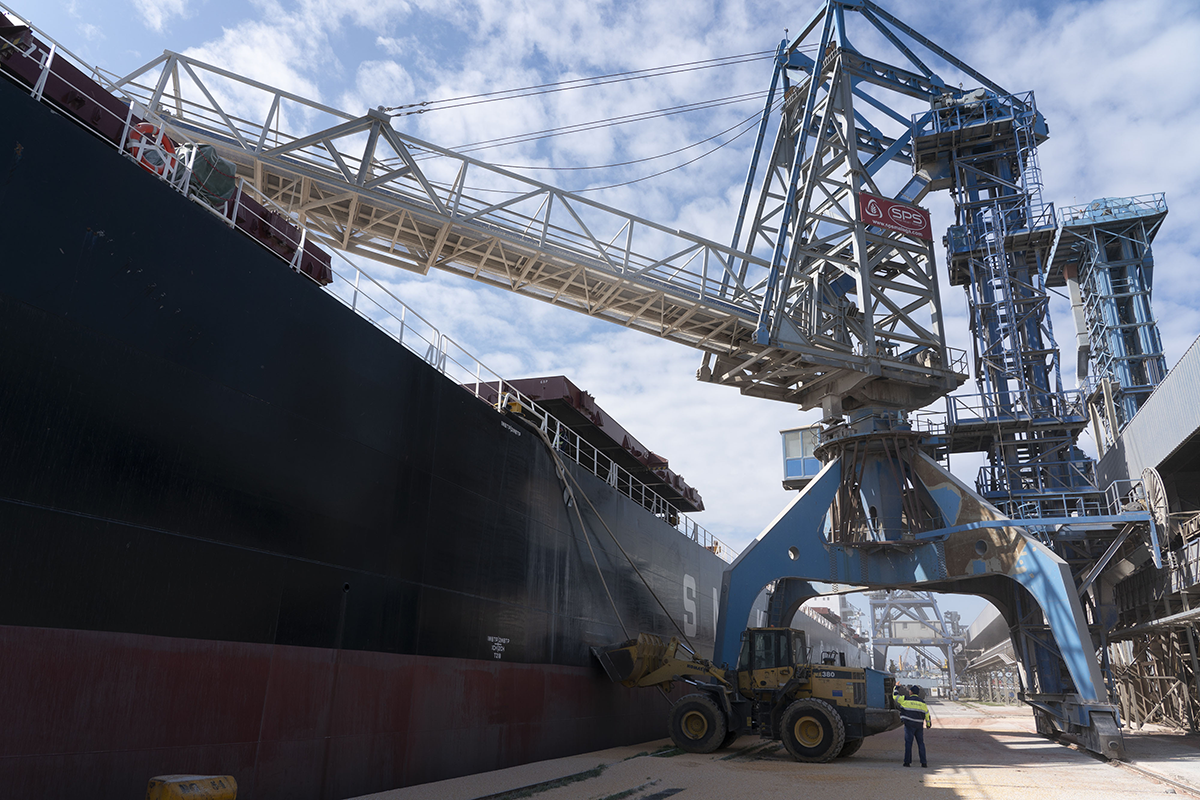
Photo by Evgeniy Maloletka/Bloomberg via Getty Images.
  • Analysis
  • Building a Closer Black Sea: Promoting Trade and Economic Interdependence

    While the Black Sea has historically been an area of significant geostrategic importance, this has not made it a vibrant zone of commerce, transport, energy, tourism, or cultural exchange. Rather, it has become a theater of struggle for dominance and competing geopolitical and geo-economic interests. This situation has been exacerbated by conflict between Russia and countries in the region, like Ukraine and Georgia, that have sought closer ties with the West and aspire to NATO membership and EU integration. These developments have dire consequences for regional security and stability, disrupting political and economic ties in the area and beyond. A long-term solution to the region’s security issues could be based on intensifying trade relations and increasing economic interdependence between the states. This paper identifies major barriers to closer regional trade and economic cooperation and outlines ways to overcome them.


    August 30, 2021

    Challenges of economic integration in the Black Sea
  • Analysis
  • Challenges of economic integration in the Black Sea

    Countries in the Black Sea region have largely failed to integrate with their neighbors, despite common levels of openness and dependence on foreign trade. For many countries in the region, trade has become a driving force for growth, accounting for on average one-third of regional GDP. However, Black Sea supply chains largely connect the region to the outside world – primarily Europe and Asia – instead of neighboring countries. Highly integrated trade relationships, like those seen in Southeast Asia, simply do not exist amongst Black Sea countries.  

    September 27, 2020