
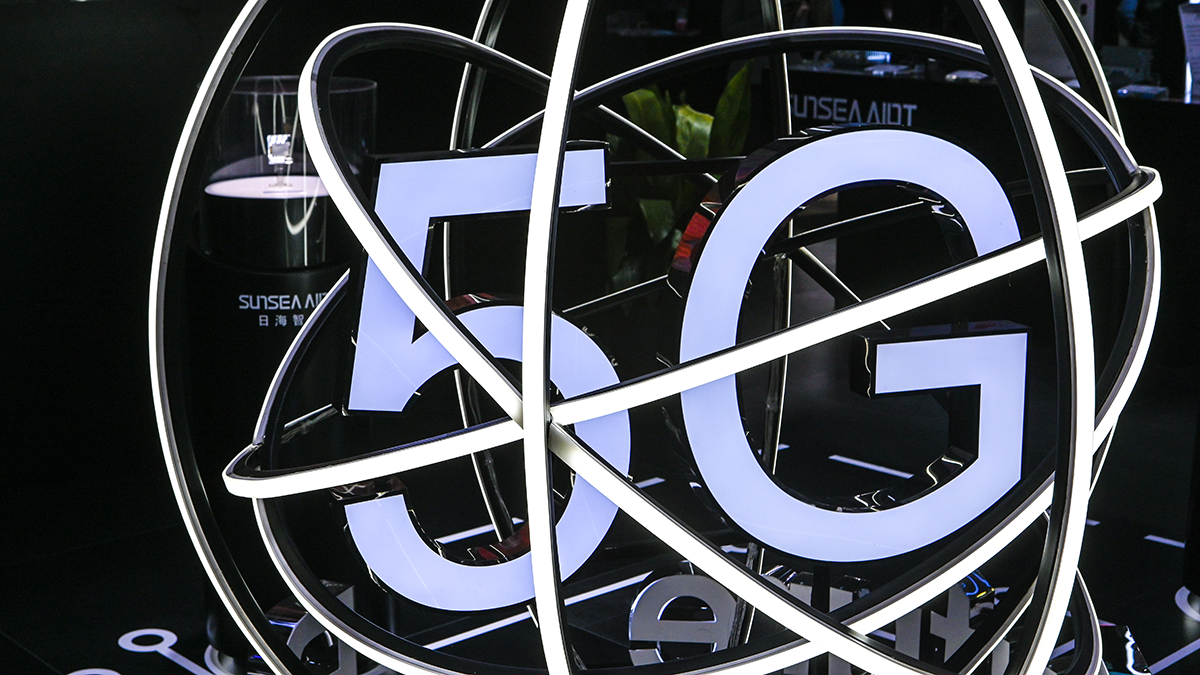
Recent moves by Chinese tech giants like Huawei, ZTE, and Hikvision have raised concerns in Washington about Beijing’s technological outreach to developing nations. To stem the international growth of these companies, the U.S. has discouraged countries from adopting Chinese technologies through efforts like promoting the Clean Network Initiative. Countries across the globe often must choose between Chinese or Western technology, and these choices have broad implications. The intense Chinese and American competition over the future of next generation technologies, e.g., 5G, has made it unclear if U.S. opposition stems from the actual risks of Chinese engagement or mere political considerations. Nations considering Chinese technologies and infrastructure projects must take a realistic viewpoint of China’s global rise and ambitions to understand the benefits and risks. Among these nations are those of the Middle East and North Africa (MENA). These countries will have to navigate the Chinese Belt and Road (BRI) mega-project.
The Middle East Institute (MEI) is an independent, non-partisan, not-for-profit, educational organization. It does not engage in advocacy and its scholars’ opinions are their own. MEI welcomes financial donations, but retains sole editorial control over its work and its publications reflect only the authors’ views. For a listing of MEI donors, please click here.
MENA Energy Recap, Q2-2026: Mideast Energy Confronts its Hormuz Era
Iranian Attacks Need Not Change the Gulf’s AI Ambitions