This individual is a guest contributor. MEI is not able to assist with contact requests.
Attiya Ahmad is Georgetown University’s 2009-10 Center for International and Regional Studies Post-Doctoral Fellow. She recently completed her PhD in Cultural Anthropology at Duke University. Dr. Ahmad’s work brings together scholarship on Islamic studies, globalization, diaspora and migration studies, economic anthropology, and political economy.
Mastering the growing crisis in the South Caucasus: A role for the West and Turkey
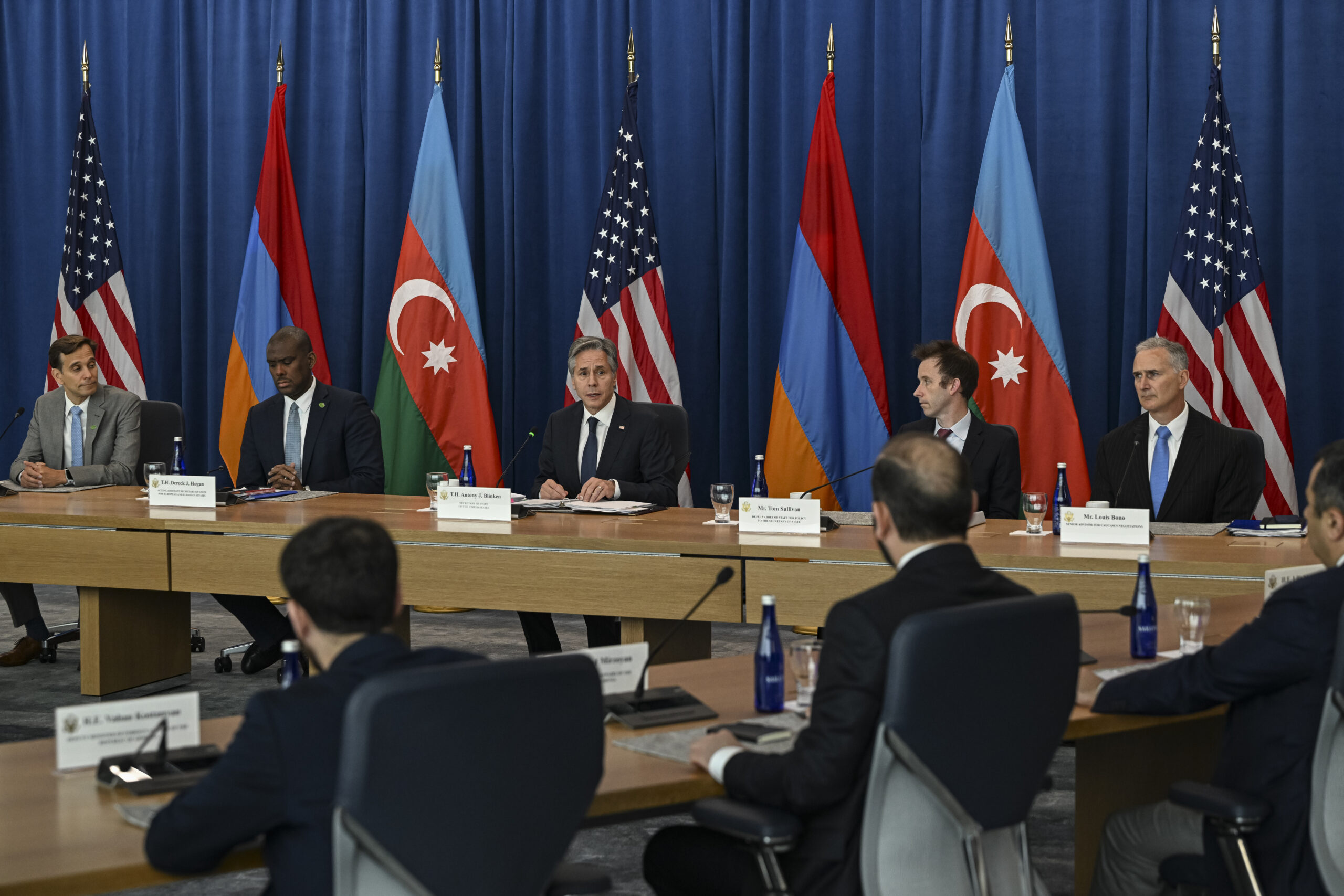
The South Caucasus region needs a clear push from the West to ensure its long-term stability and achieve a pro-Western orientation. But no lasting solutions in this space will be possible until there is an end to the war in Ukraine that fulfills the interests of both Ukraine itself and the broader West. The United States and the European Union, in cooperation with other key players — foremost Turkey — must showcase greater determination, flexibility, and coordination when it comes to their policies toward the region.
Perspectives from the Bonn Climate Change Conference Ahead of COP28
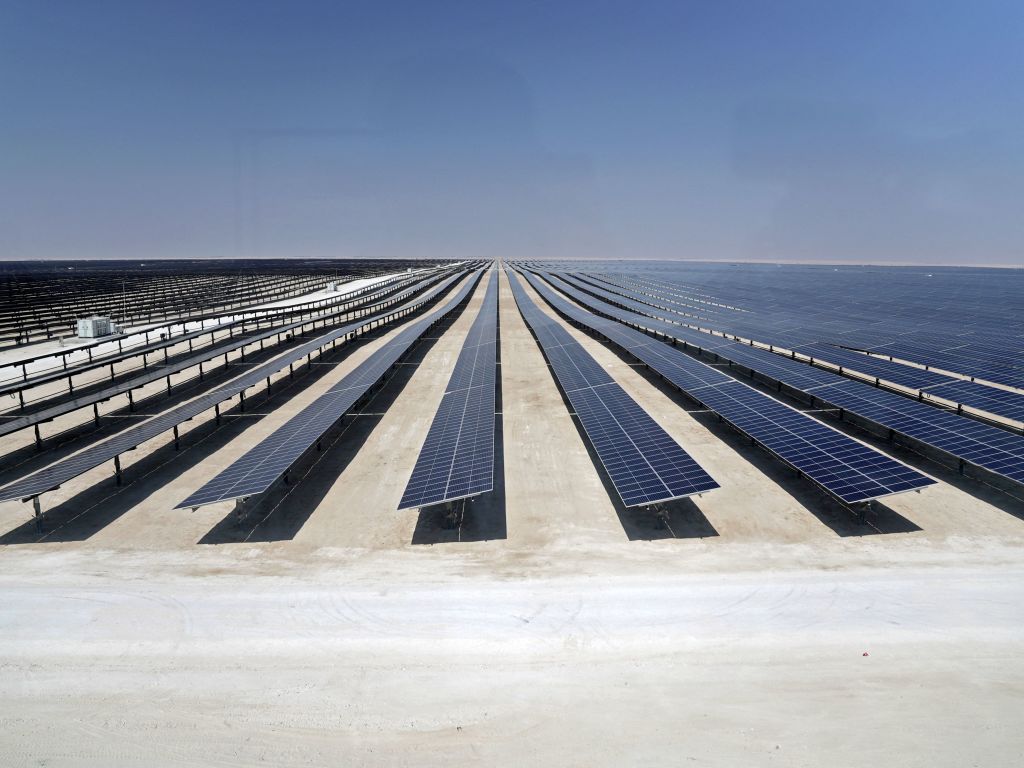
This year’s Bonn Climate Change Conference featured events and discussions focusing on climate issues such as adaptation, mitigation, the global stocktake, and climate loss and damage. Progress on these issues at the Bonn Conference is intended to translate into potential draft decisions to be adopted at the COP28 meeting taking place in the UAE later this year. Mohammed Mahmoud discusses the details of the Bonn Conference, how it may have shaped the MENA climate change agenda, and other major outcomes with Athra Khamis and Neeshad Shafi, two of MEI’s non-resident scholars in the Climate and Water Program that attended the Bonn Conference.
In the last few years, the global energy outlook has been transformed. The rise of populist politics and a growing sense of urgency about climate change have roiled debates about energy policy in wealthy countries, generating a dizzying mix of new industrial policies. The COVID-19 pandemic made it far harder to predict fuel prices and consumption patterns and forced many countries to confront their connections to fragile multistate supply chains and legacy petrostates.
No real winners, only losers, following Israeli assault on Jenin
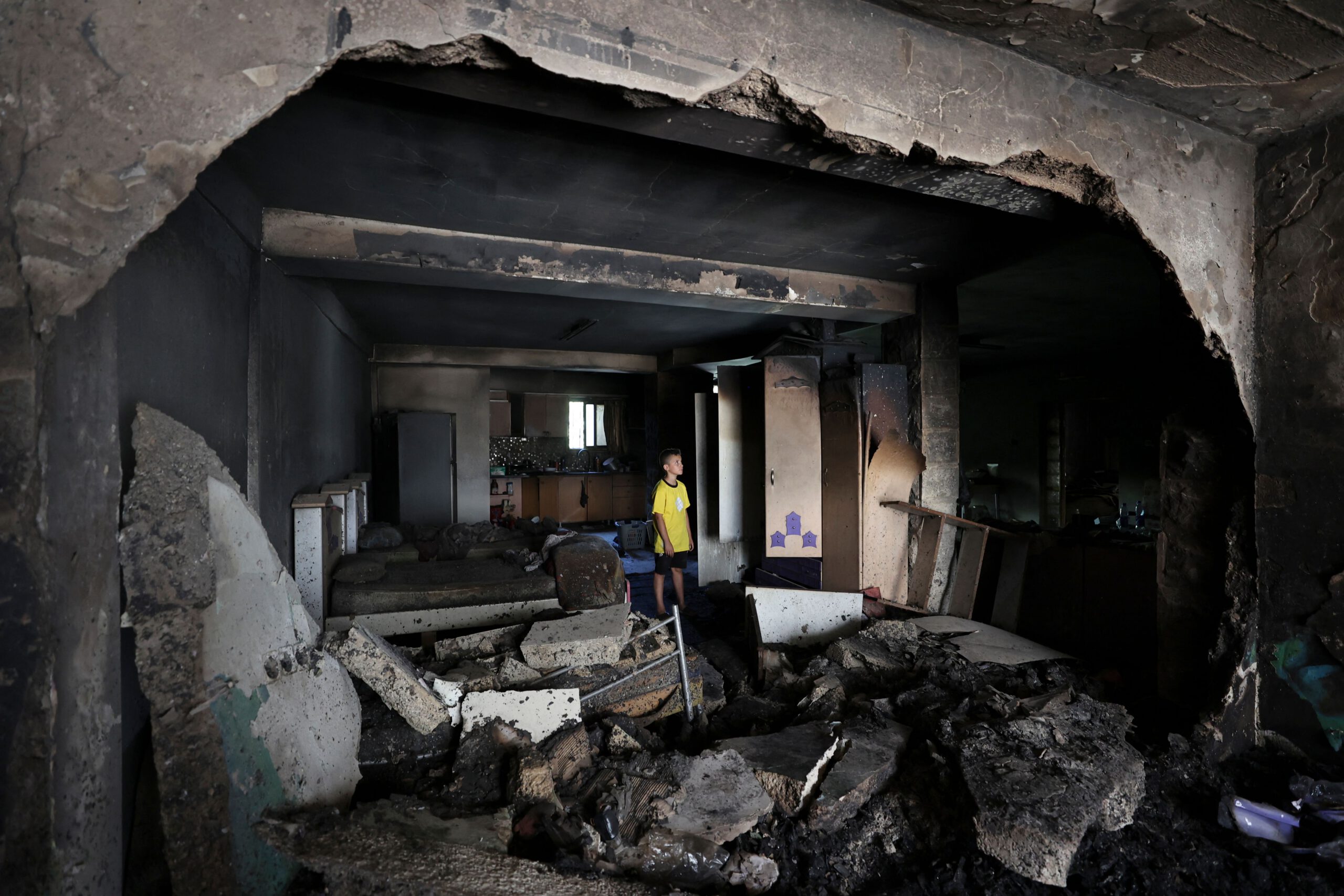
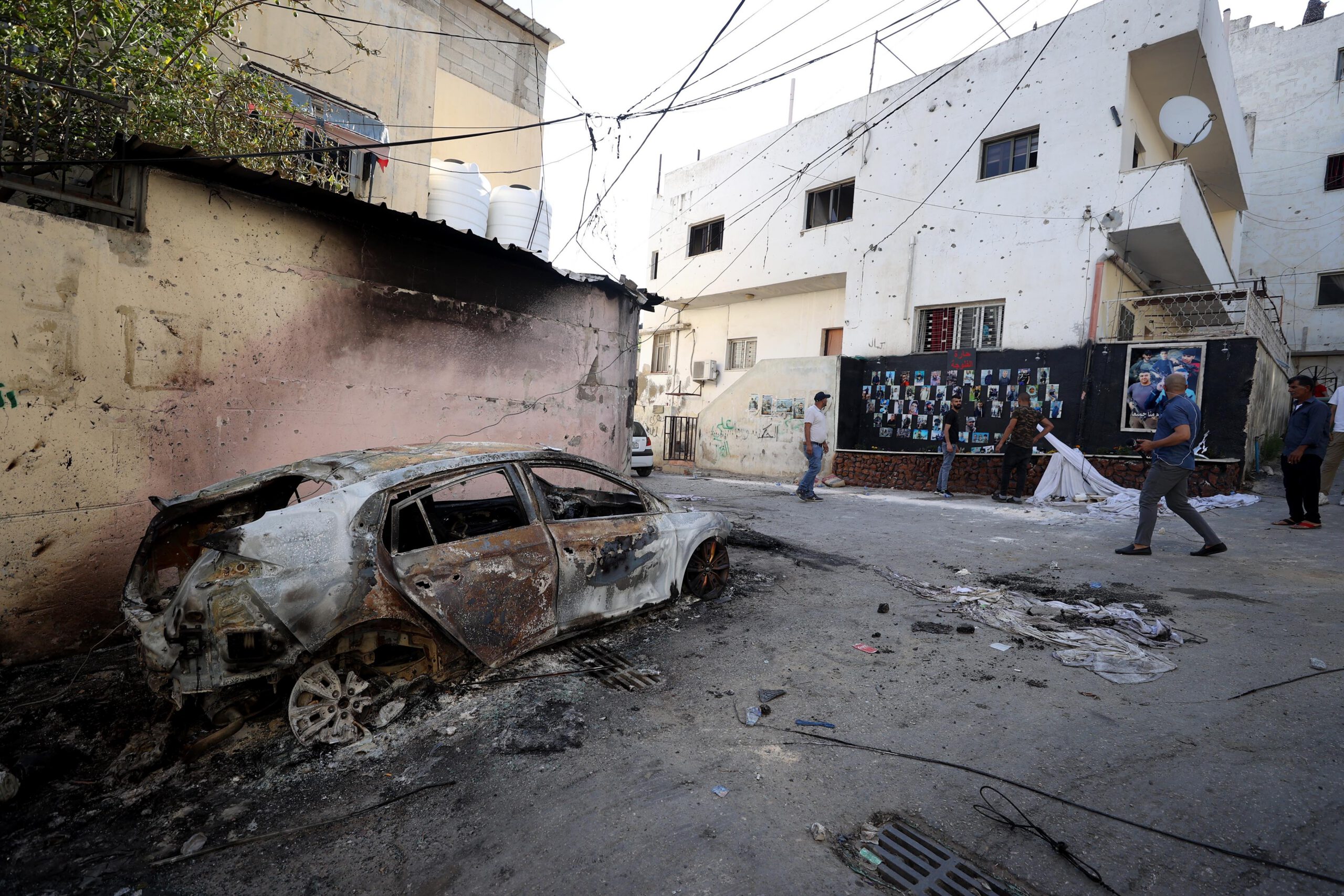
In the wake of Israel’s deadly assault on the Jenin refugee camp, the largest military operation in the West Bank in nearly two decades, Israeli military officials have been quick to declare victory. But contrary to such bluster, the attack produced no real winners and only losers.
July 4 from abroad: The many ages of America in the Arab world
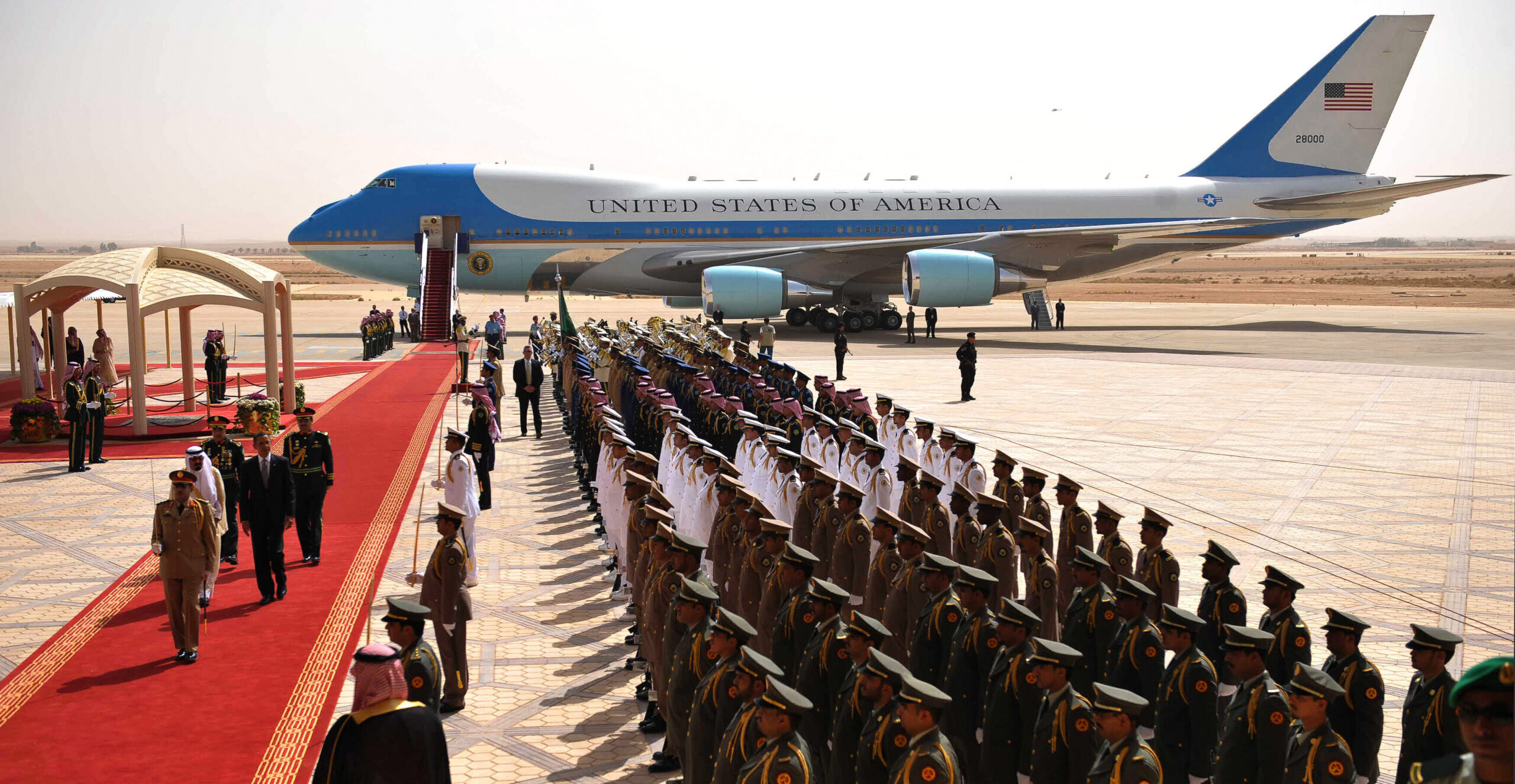
From the past century until today, the U.S. has cast a long shadow in the Middle East region and relations have gone through many highs and lows. It is important to be aware of this trajectory to better understand the relationship today; and perhaps there are lessons to inform the future of the relationship in the coming century.
Coercive deprivation: Unraveling the Assad regime’s policy on domestic reconstruction
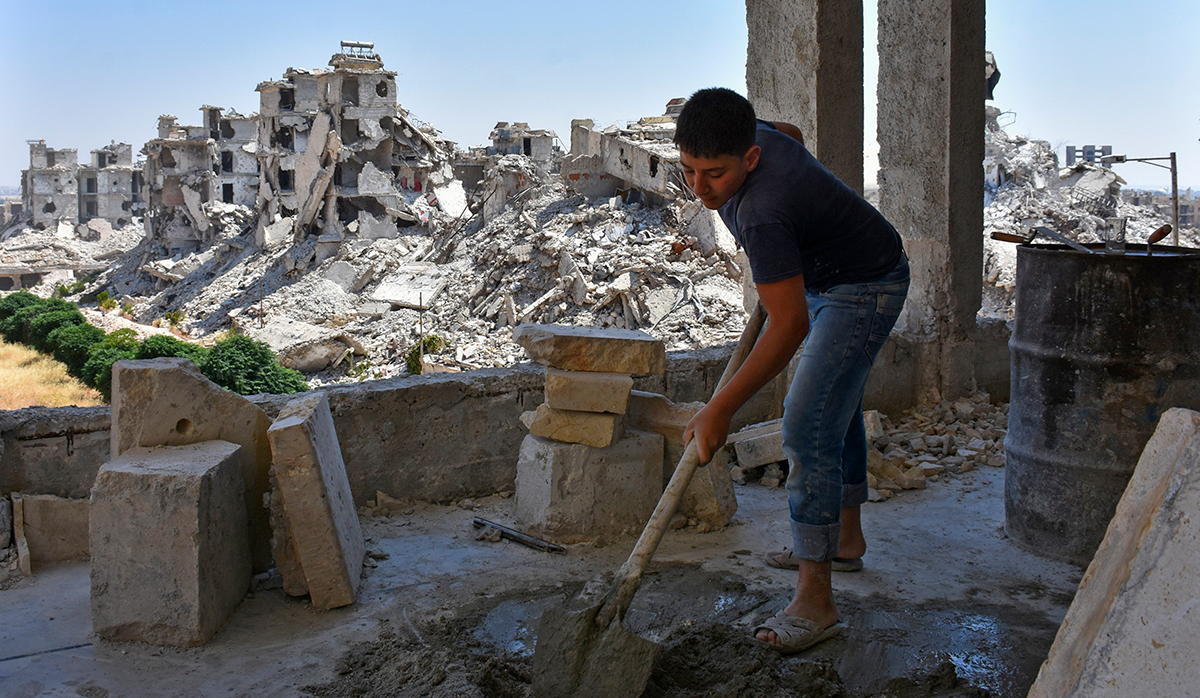
Since the early years of the Syrian conflict, the Assad regime has systematically diverted local resources dedicated for reconstruction purposes to rehabilitate facilities in areas and sectors that benefit it and its inner circle, as well as placed the burden of rehabilitating properties onto Syrians themselves. To finance this policy, the regime has exploited four key resources, including imposing multiple reconstruction taxes, diverting U.N. and INGO early recovery and rehabilitation projects, capitalizing on local-led crowdfunding campaigns, and forcing Syrians to bear the cost of repairing their own damaged properties.
The false promise of Washington’s foreign military sales reforms
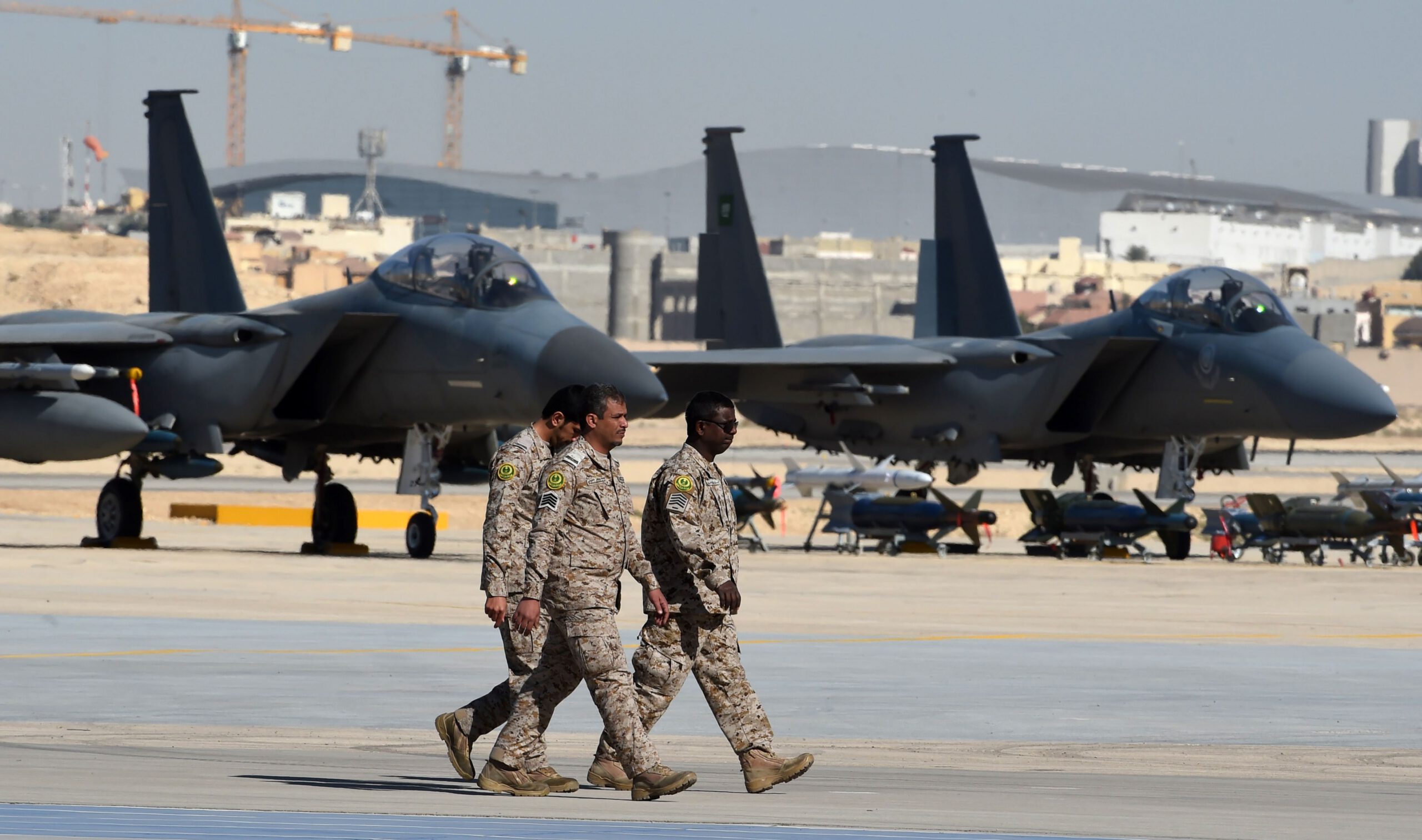
Over the past few weeks, the US State Department and the US Defense Department released separate but similar statements about the changes each organization has instituted to the Foreign Military Sales, or FMS, process. There are 80 recommendations coming out of the Pentagon, but in short, they all advocate for less bureaucracy and more speed.
Georgia the interconnector — but where’s Washington?
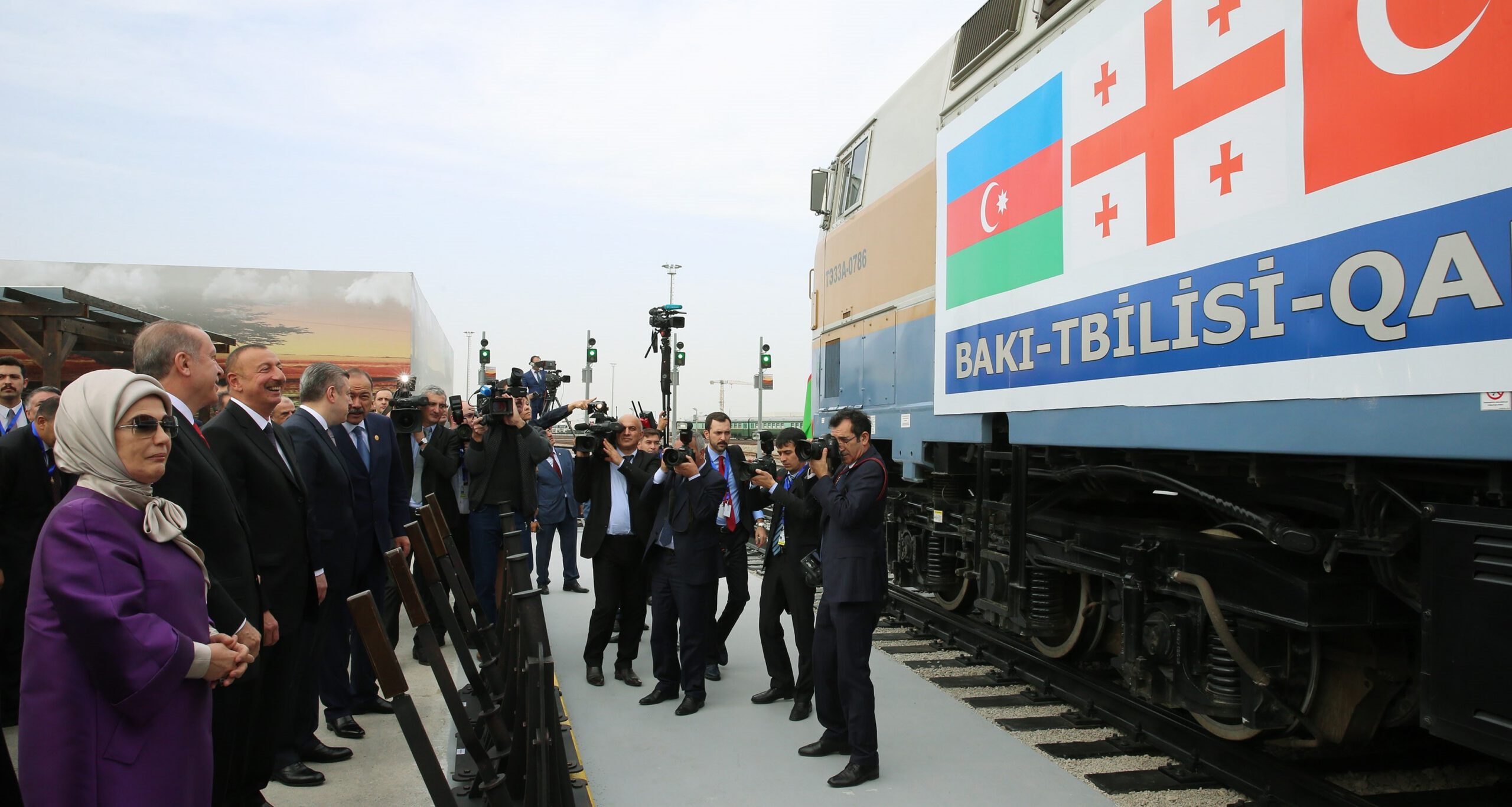
For the sake of safeguarding transatlantic — and thus also American — security interests in the South Caucasus, it is becoming increasingly imperative that the United States better anchor itself economically, politically, and militarily in the eastern Black Sea region, especially strategically placed Georgia.
Understanding the growing Indo-Israeli strategic cyber partnership
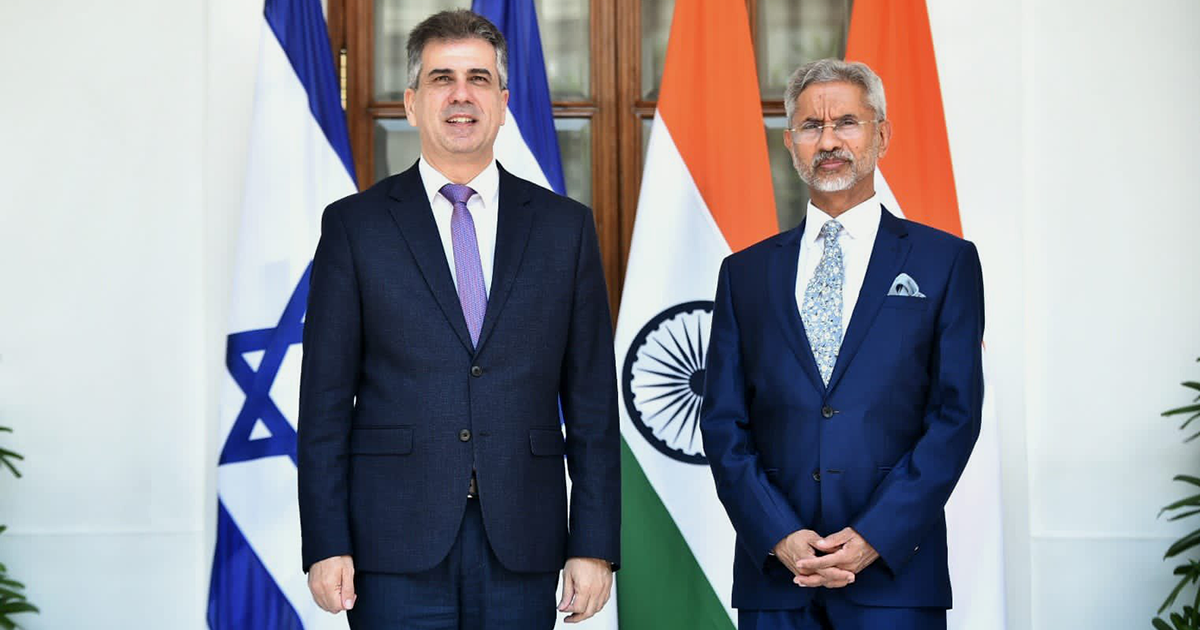
India and Israel have embarked on a mission to enhance their bilateral strategic cyber partnership. Private-sector collaboration and investment have laid the foundation for this partnership, which has now expanded to government-level agreements and frameworks.
The Gulf’s twin failings: Innovation and private sector employment for nationals
The Gulf states emerged from the global pandemic with the wind in their economic sails. But high-profile events like Qatar’s hosting of the FIFA World Cup and the UAE’s World Expo continued to mask two subtle but major weaknesses that have plagued them for decades. Why do Gulf economies lack innovation? And why do they struggle to create private sector employment for nationals?
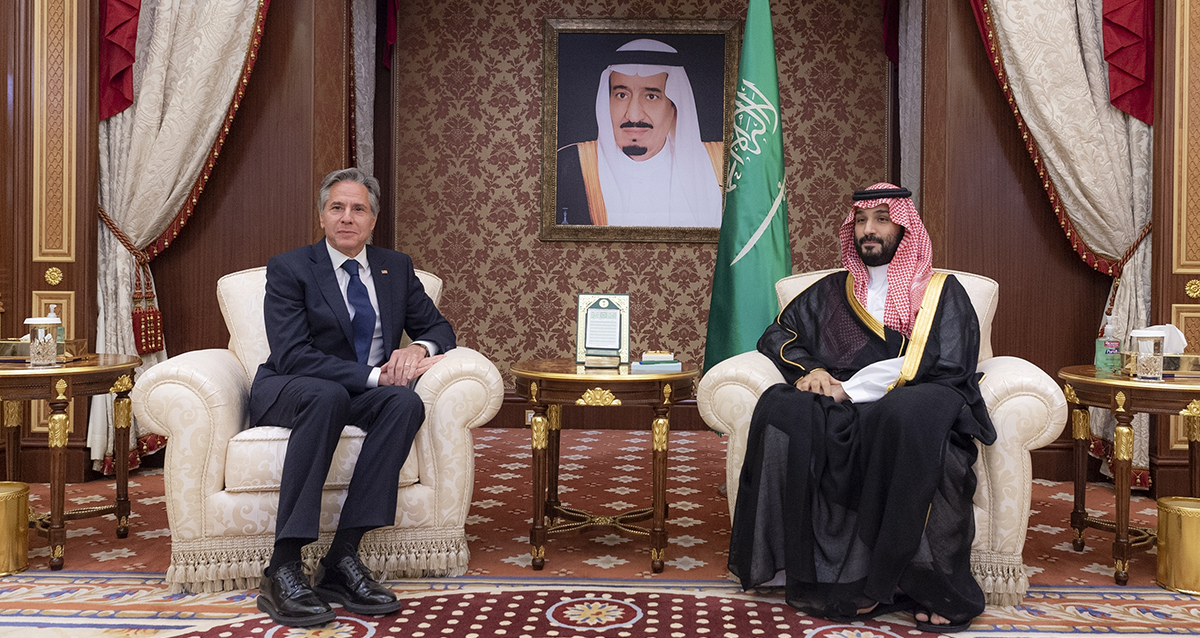
Saudi Arabia can alleviate US concerns over its civilian nuclear energy program. Here’s how.
Saudi leaders have stepped up their plans for developing peaceful nuclear energy, inviting technical bids to the planned construction of two 1.4 gigawatt-electric nuclear reactors and restating the kingdom’s intention to use domestic uranium resources for producing low-enriched uranium as nuclear fuel.