Attiya Ahmad is Georgetown University’s 2009-10 Center for International and Regional Studies Post-Doctoral Fellow. She recently completed her PhD in Cultural Anthropology at Duke University. Dr. Ahmad’s work brings together scholarship on Islamic studies, globalization, diaspora and migration studies, economic anthropology, and political economy.
The Latest from Attiya Ahmad
The “Anti-Strategic President” Needs to Revive a Policy Process to Resolve Iran
President Donald Trump’s disdain for strategy extends to process: mass National Security Council firings and reliance on a tiny circle of advisors have left the interagency policy process dormant amid the Iran war. The result is improvised, damaging moves like the Strait of Hormuz toll scheme. Reviving a professional, deliberative policy process is essential.
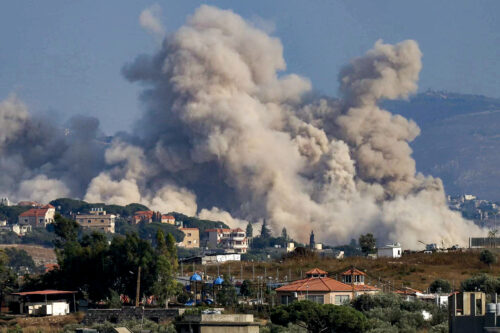
Iraq Is Between Iran and a Hard Place
It has become a commonplace for Americans to describe our current war with Iran as stuck in a kind of limbo, neither full war nor real peace. We’re not the only ones. Iraq finds itself caught in a limbo of its own, between America and Iran, between the tolerable and the intolerable, between progress and relapse.
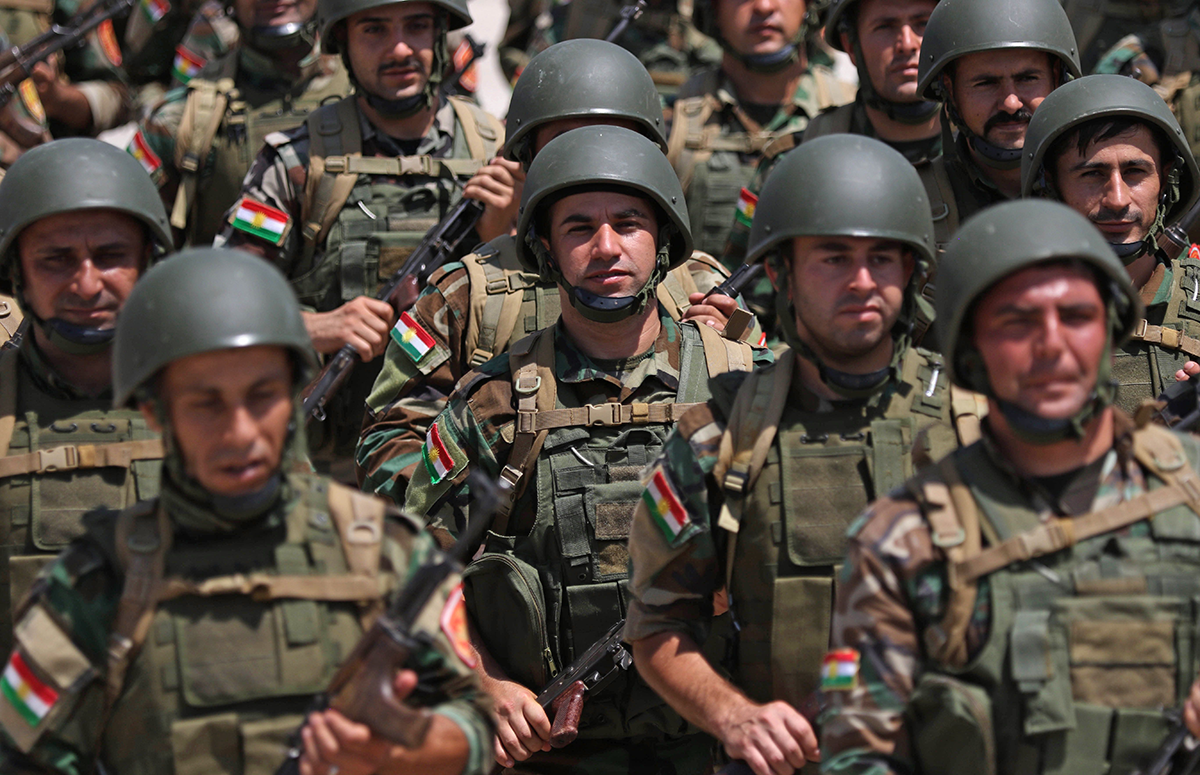
The Army of Kurdistan
The Iraqi Peshmerga, the military arm of the Iraqi Kurdistan Regional Government (KRG), remains one of the United States’ most important defense partners in the Middle East. This monograph provides an in-depth assessment of Peshmerga combat effectiveness, particularly considering its experience in the war against the Islamic State and its subsequent clash with the Iraqi Army and Iran-backed militias. Drawing on past research and more than two dozen interviews with Peshmerga officers, US military officers, and subject matter experts, this study includes detailed policy recommendations as well as a discussion of their implications.
MENA Energy Recap, Q2-2026: Mideast Energy Confronts its Hormuz Era
The MENA Energy Recap is a quarterly review of key energy developments that took place in the region from April through June of 2026 and what they signal in the months ahead. The Recap views these developments through the lens of policy and strategy, energy security, and markets.
The New Old Middle East
In many ways, the U.S.-Israeli war against Iran and the war in Gaza that preceded it seem transformative. After decades of shadow warfare, Iran and Israel have now attacked each other’s homelands directly. And Israel and the United States have joined forces in a genuinely novel way to wage war against Iran.
How to end the ‘Hormuz war’
It is now clear the United States is sinking into the quagmire of its war with Iran with no clear idea of how to get out. More than five months of intermittent bombing of Iran have not brought Tehran any closer to surrender. Recurring threats by US President Donald Trump to launch a massive military campaign against the country aren’t causing Iran to submit to US demands.
Regional Escalation and the Fight Over Hormuz
As the US-Israel-Iran war enters its sixth month, the conflict has taken a sharp turn. After a brief lull in the fighting, Iran launched a surprise ballistic missile attack on US forces on July 28, and the US and Saudi Arabia struck back at Iran-backed militias in Iraq, marking Riyadh’s entry into the war. MEI Senior Fellow Alex Vatanka joins host Alistair Taylor to discuss the escalation, what may come next, and the state of talks over sharing the Strait of Hormuz.
Beyond Ports: China’s Digital Networks of Influence in the Middle East and Africa
For more than a decade, assessments of Chinese strategy in the Middle East and Africa have focused on assets, including the ports Chinese firms own, the pipelines they finance, and the networks they build. This lens has produced familiar maps of Chinese “footholds” and debates over future military bases, but ownership alone reveals less about influence.
The more useful question is not what China owns, but how Chinese firms become embedded in the operational and digital systems that keep trade corridors moving. Influence derives not from controlling infrastructure outright but from participating in the governance of the networks that move goods, data, finance, and information across them.

US Central Command
United States Central Command (CENTCOM), one of the US Department of Defense’s (DoD) six geographical combatant commands, is responsible for countering threats, responding to crises, and strengthening regional stability in the Middle East, Central Asia, and parts of South Asia.
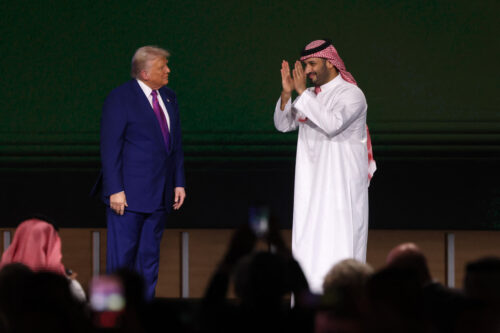
Sensitive Diplomacy: The US-Saudi Nuclear Agreement
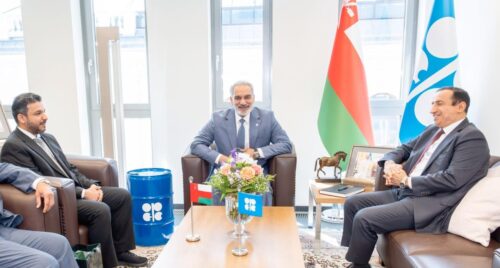
Cartel at Dusk: OPEC’s Future After the Iran War
Something more consequential than another oil market disruption is underway. The Iran war has exposed and accelerated an institutional weakness within OPEC that had been building for years. The closure of the Strait of Hormuz, the UAE’s departure, Iraq’s brief flirtation with exit, and the continued rise of U.S. oil production all point to a deeper question about the cartel’s durability. The issue has shifted from OPEC’s ability to manage crises toward whether its model of collective discipline can withstand mounting structural strain.
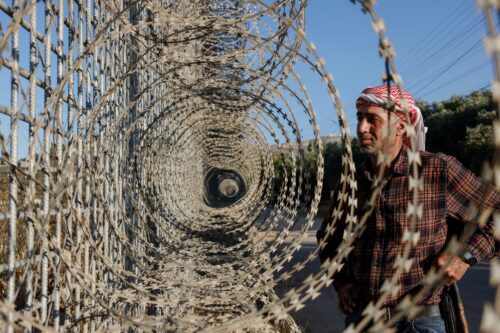
The Strategic Cost of Palestinian Powerlessness
This report considers the lack of Palestinian political agency as a driver of regional insecurity that must be resolved before wider conflicts can be settled. The author analyses the conditions that contributed to the destruction of Palestinian political capacity, including Israeli policies, Palestinian shortcomings, and exploitation by Iran, and makes recommendations for an Arab strategic initiative.