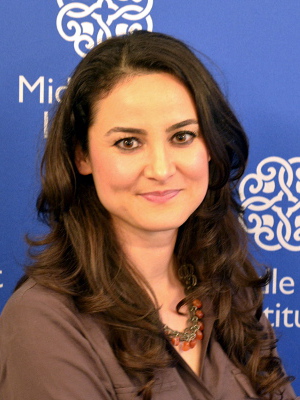
Gönül Tol is a senior fellow at the Middle East Institute (MEI), where she focuses on Turkish politics, US-Turkey relations and regional dynamics in the Middle East.
A frequent commentator, Dr. Tol has written extensively on Turkish domestic and foreign policy for publications such as Foreign Affairs, The New York Times, Foreign Policy, and TheFinancial Times. Her articles include “Turkey Is Now a Full-Blown Autocracy” in Foreign Affairs (March 2025), “The Indispensable Erdogan” in The New York Times and “Erdogan Sees Nothing But Opportunity in Syria” in TheFinancial Times (December 2024).
Syria After Assad: Transitional Justice, Governance, and the Road Ahead
With Bashar al-Assad ousted and Syria entering a new political chapter, what comes next for a country ravaged by war, repression, and sectarian divisions? Gonul Tol speaks with Steven Heydemann (Smith College) and Radwan Ziadeh (Arab Center Washington DC) about the challenges of transitional justice, prospects for democratic reform, and the role of Syria’s new de facto leader, Ahmed al-Sharah. Can a centralized government model provide inclusive governance? What kind of support—or interference—should Syrians expect from foreign powers?
Deal or Deception: The Kurdish Card in Erdogan’s New Game
The Kurdistan Workers’ Party (PKK) has announced it will disband and end its decades-long armed insurgency. Is this a turning point in Turkey’s century-long conflict with its Kurdish population—or a political maneuver to secure President Erdogan’s grip on power? Gonul Tol is joined by Kurdish MP Ceylan Akca and political scientist Murat Somer to unpack the stakes of this historic shift, the demands for constitutional recognition, and whether peace is possible in a country where democracy itself is under threat.
Caught in the crossfire: How the Iran-Israel war undermines Erdoğan’s agenda
Israel’s full-blown war against Iran threatens to upend regional dynamics and Turkey’s careful balancing act. The conflict presents both immediate threats and long-term strategic risks for Turkey.
Don’t trust Erdogan’s "peace process" with the Kurds
After decades of repression, many of Turkey’s Kurds are hopeful that their long struggle for basic rights may finally be nearing a breakthrough. That hope is fueled by newly launched talks between Turkish President Recep Tayyip Erdogan’s nationalist coalition and the imprisoned leader of the Kurdish Workers Party (PKK), Abdullah Ocalan. The talks have already produced the historic declaration by the PKK to disband and renounce armed struggle. Pro-Kurdish politicians have praised Erdogan’s efforts to pursue a peaceful solution.
President Donald Trump’s recent visit to Saudi Arabia, Qatar, and the UAE reignited debate over U.S. ties to authoritarian regimes. But the controversy underscores a deeper question: why has democracy struggled to take root in the Arab world? In this episode of Rethinking Democracy, host Gonul Tol sits down with Dr.
As a scholar of Turkey, I spent years watching President Recep Tayyip Erdoğan’s rise—and, I’ll admit, I once believed in the promise. I had reservations about his Islamist roots, but his vows to fight corruption, reduce poverty, and expand freedoms seemed like the antidote to Turkey’s democratic fragility. For a moment, it felt like real progress.
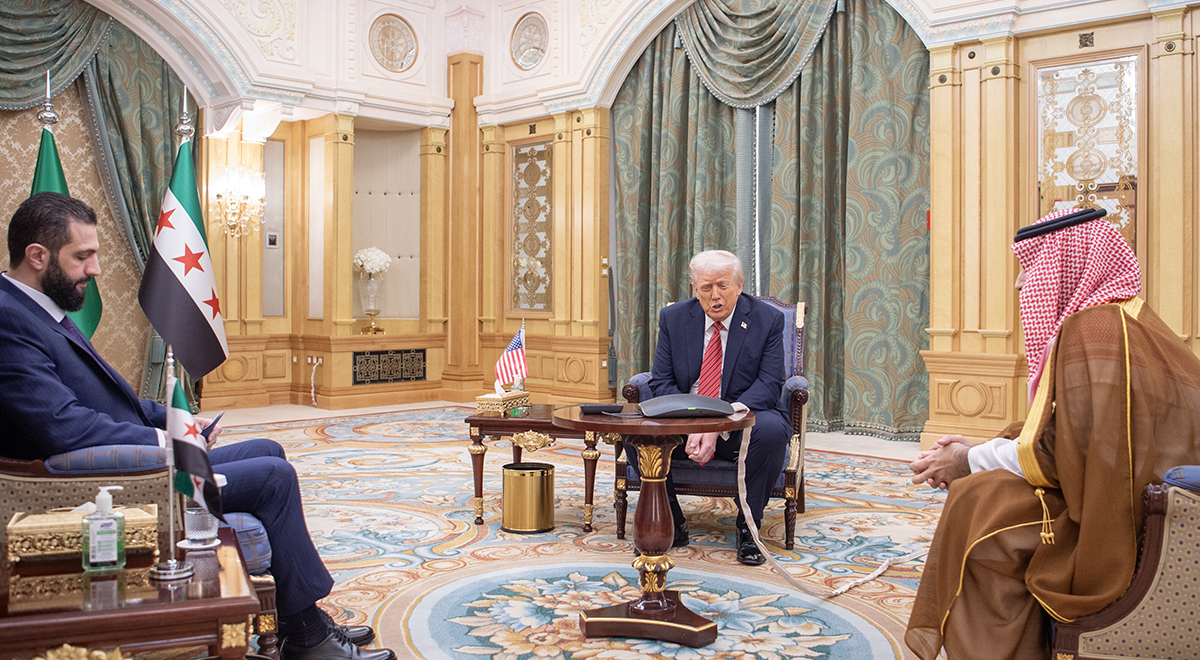
Trump should build on the momentum with Syria and help prevent a Turkey-Israel clash
Two recent developments present the new Syrian government with a critical opportunity to stabilize the country. First, US President Donald Trump announced plans to lift sanctions on Syria. Second, the Kurdistan Workers’ Party declared it would disband and dissolve itself — a move that will help Damascus to finalize a deal with the Syrian Democratic Forces and integrate it into the new Syrian national army. President Trump should build on this momentum and seize the opportunity to address one of the most complex remaining challenges facing Syria: the risk of a military confrontation between Turkey and Israel inside the country.
Illiberal Hegemony? Trump’s Foreign Policy and the GOP’s Identity Crisis – with Bill Kristol
Neoconservatives and MAGA isolationists are locked in a battle for the soul of Republican strategy. Nowhere is the split more glaring than over the Middle East: hawks view it as a proving ground for American power and allegiance to Israel, while isolationists see only endless wars that have bled America dry. Where does Trump fall in this tug-of-war?
This week, US President Donald Trump makes his inaugural visit to the Middle East since the start of his second term, traveling to Saudi Arabia, Qatar, and the United Arab Emirates on May 13-16. Amid the heightened focus on US policy toward the Middle East, MEI’s experts take stock of Trump’s trip to the Gulf, how his administration has shaped its approach to the wider region in its first several months, and how regional actors are responding to the policies coming out of Washington.
Can Ukraine’s fight for democracy survive without US support?
Ukraine faces a pivotal year in its fight against Russian aggression — and for its democratic future. With fears mounting that President Trump could abandon peace talks with Kyiv and Moscow, the risk grows that US disengagement could tip the balance toward Russia and fracture the global democratic order.
Le Pen vs. İmamoğlu? Why the comparison fails — and matters
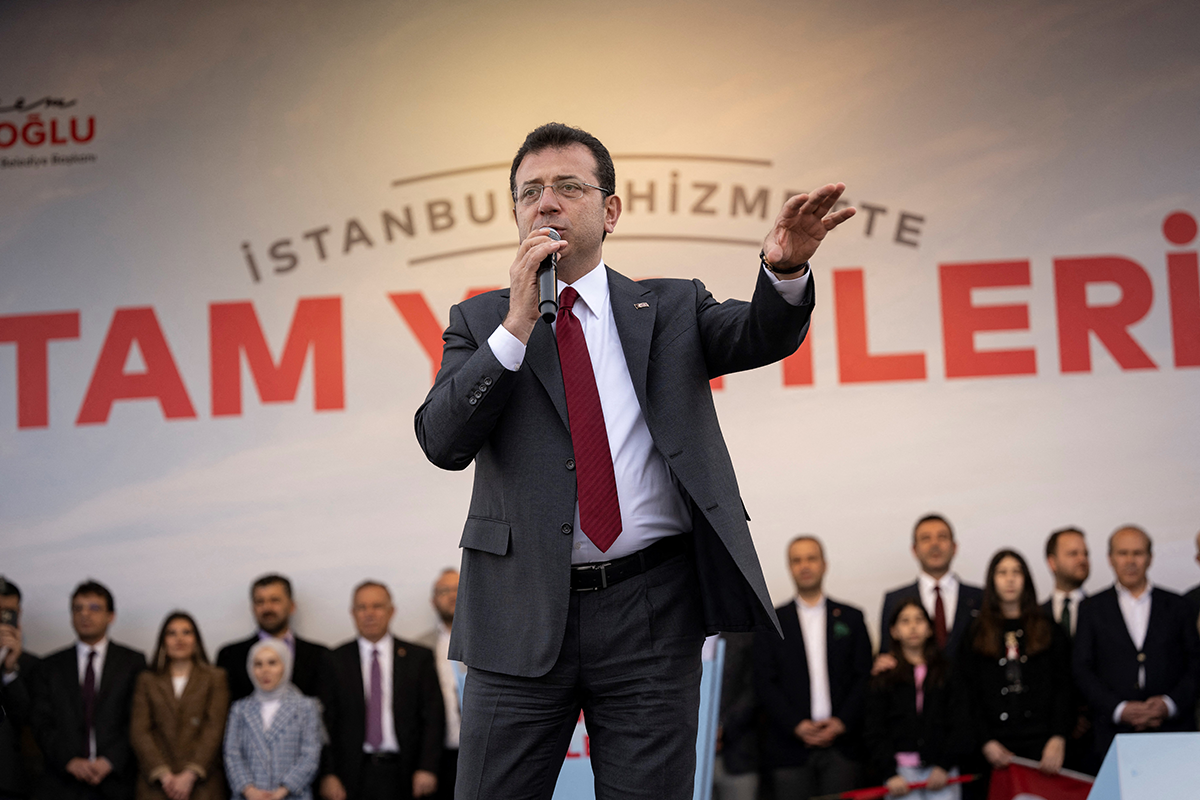
Marine Le Pen, leader of France’s far-right National Rally, was convicted of embezzling EU funds and barred from running for office for five years, effectively disqualifying her from the 2027 presidential race. Meanwhile in Turkey, Ekrem İmamoğlu, mayor of Istanbul and President Recep Tayyip Erdoğan’s most formidable rival, was arrested on corruption charges and jailed, just as he was poised to become the opposition’s presidential candidate. Both Le Pen and Turkish officials are now pointing to each other to justify their own actions.
Rethinking Democracy Ep. 7: The Protests and Political Crisis Shaping Turkey's Democratic Future
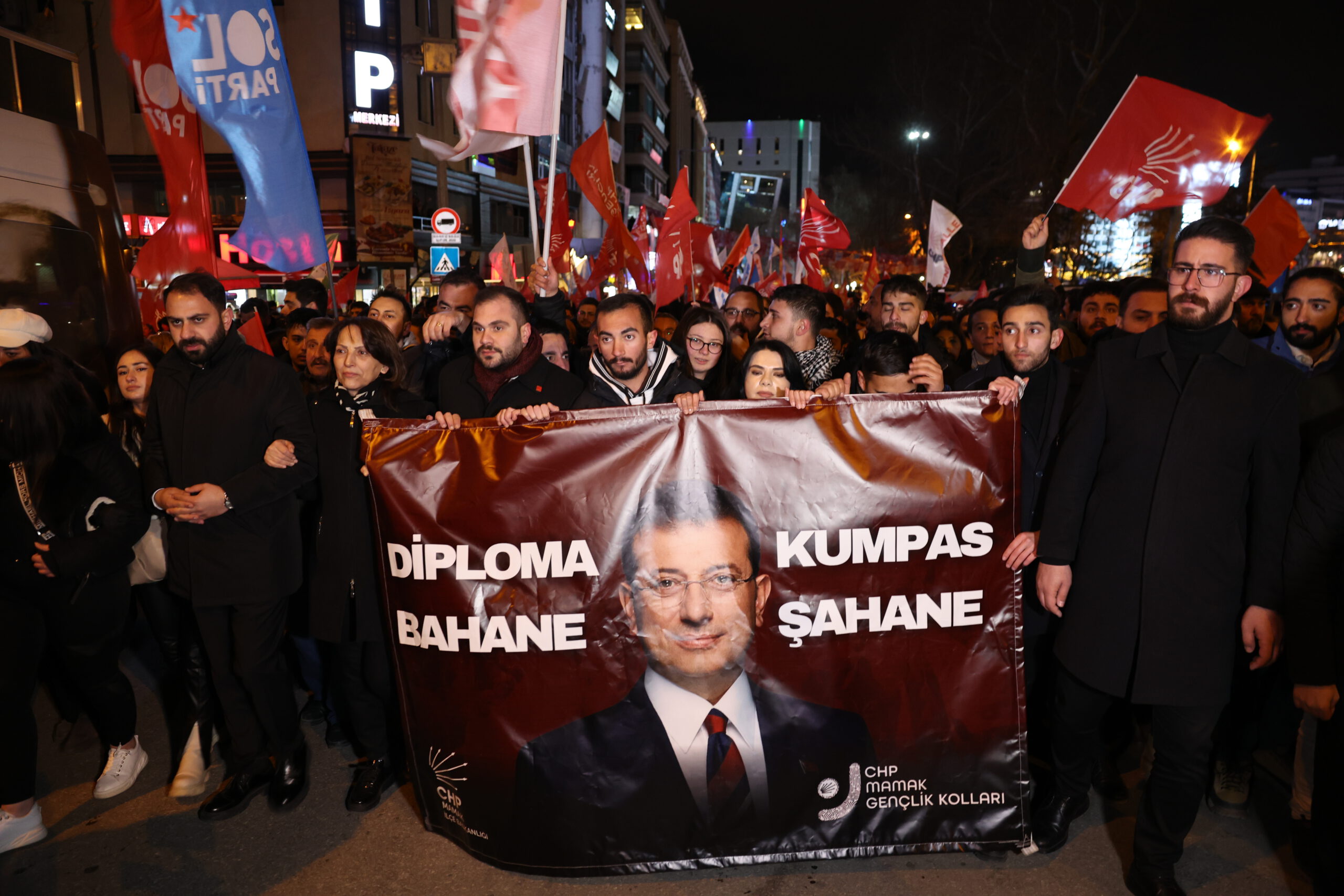
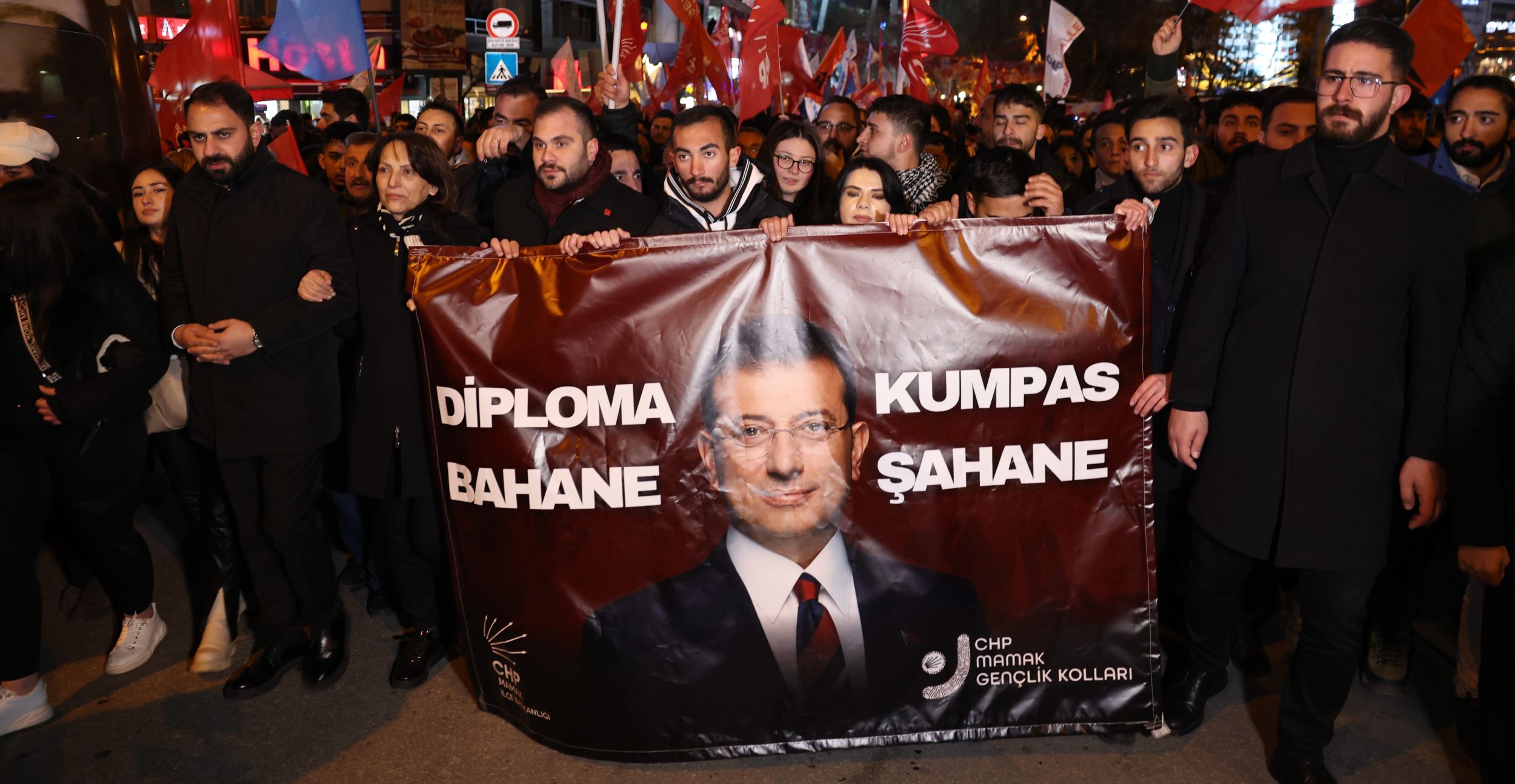
Turkey has plunged into turmoil after authorities arrested Istanbul Mayor Ekrem İmamoğlu, President Erdoğan’s strongest opponent, on charges of corruption. Mass protests, the largest in over a decade, have erupted nationwide after İmamoğlu was removed from office and jailed just hours before the opposition was set to declare him its presidential candidate.
Just days before Turkey’s main opposition party was set to select its next presidential candidate, the leading contender, Istanbul Mayor Ekrem Imamoglu, was arrested and jailed, effectively removing him from the race.
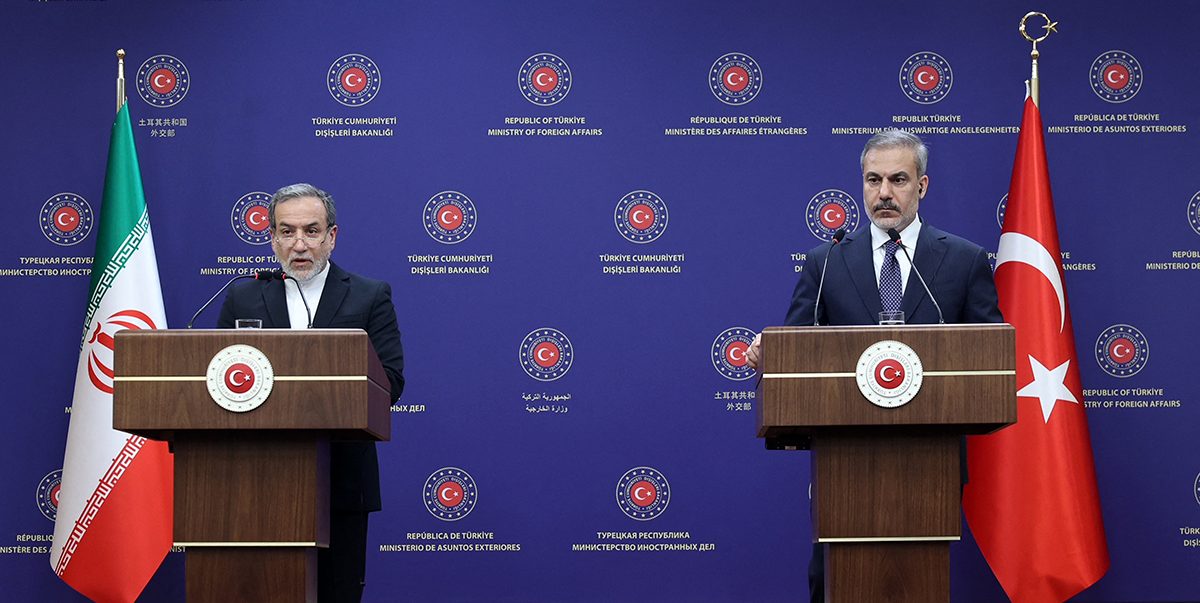
War of words as Turkey-Iran tensions escalate over Syria, Iraq
After decades of managing tensions through careful balancing, Turkey and Iran now find themselves increasingly at odds following recent shifts in the regional balance of power. With Ankara emboldened and Tehran on its back foot after the fall of the regime of Bashar al-Assad, the struggle for influence between the two neighbors and long-time rivals is escalating in both Syria and Iraq and could spread well beyond their borders.