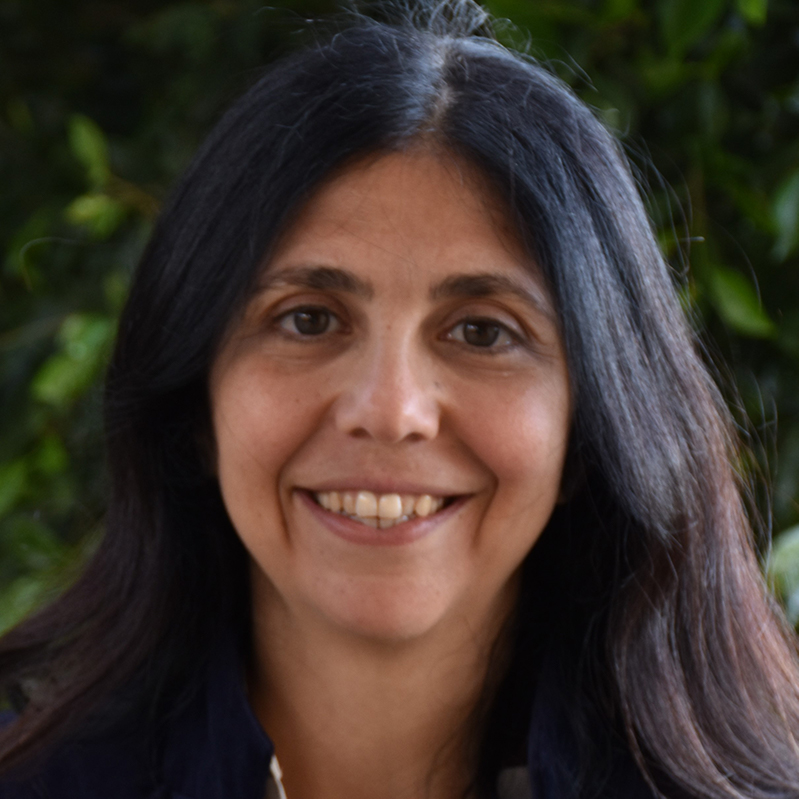
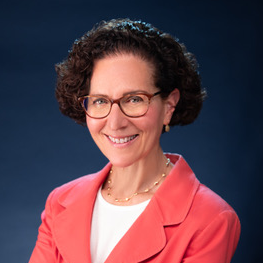
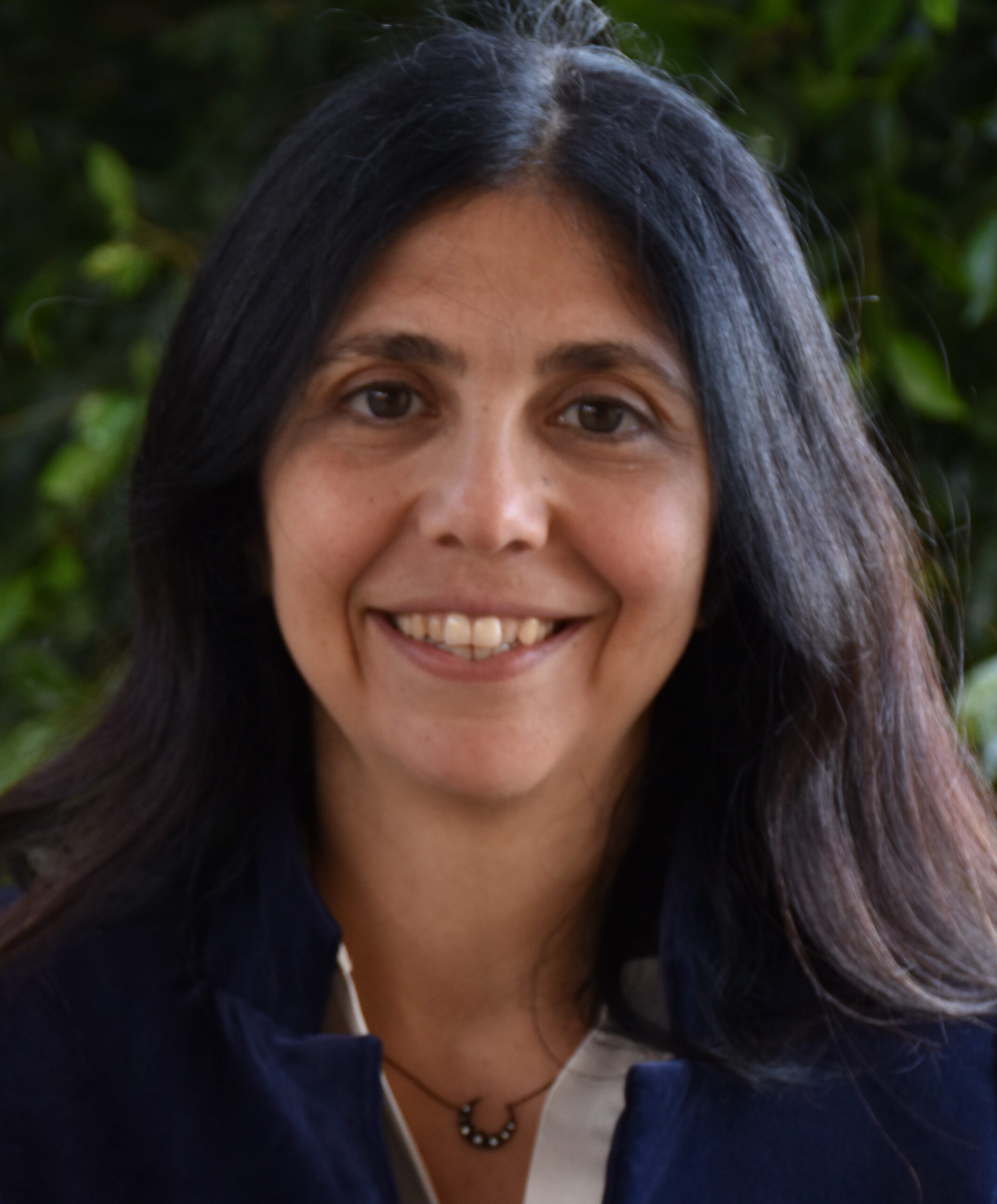
Mona Fawaz is Professor in Urban Studies and Planning at the American University of Beirut. She recently co-founded the Beirut Urban Lab at the American University of Beirut, a regional research center invested in working towards more inclusive, just, and viable cities. Mona is also the director of the Social Justice and the City research program based at the Issam Fares Institute of Public Policy at AUB. She was a fellow at the Radcliffe Institute of Advanced Studies at Harvard University during the 2014/15 academic year and in Summer 2017. She has served on numerous national, regional and international juries, including the Aga Khan awards in 2019.
Mona’s research spans across urban history and historiography, social and spatial justice, informality and the law, land, housing, property and space, as well as planning practice, theory and pedagogy. She is the author of over 50 scholarly articles, book sections, and reports in Arabic, French and English. She has also worked as a consultant, advising on urban and regional development as well as housing, land, and property issues. In addition, Mona has been tightly involved in Beirut’s ongoing transformations by publishing in the local press and speaking in numerous local venues where she has advocated for upgrading informal settlements, protecting the urban commons, improving urban livability, adopting more inclusive planning standards, and more generally, defending the right to the city for the urban majorities.
Projecting the Middle East into the future, climate change tops the challenges facing the region. With rising temperatures, higher sea levels, desertification, and the increasing frequency of extreme weather events, climate impacts are widely felt in everyday lives. To be sure, conditions vary given geographic diversity, but while heat stresses may be more extreme in the Arab Gulf, food and water security undermine long-term livability throughout the Middle East.
Thinking MENA Futures: The Next Five Years and Beyond
The Middle East and North Africa (MENA), for a variety of reasons, are unrivaled in their need for bold, creative thinking about their future. But that is precisely why creative thinking about the future of the region — why strategic foresight — is essential. Produced in conjunction with MEI’s Strategic Foresight Initiative, Thinking MENA Futures aims to map out some of the possible futures for the region, as envisioned by thoughtful innovators working today to realize them.
Unforgiven and unforgotten: Beirut’s port blast one year on
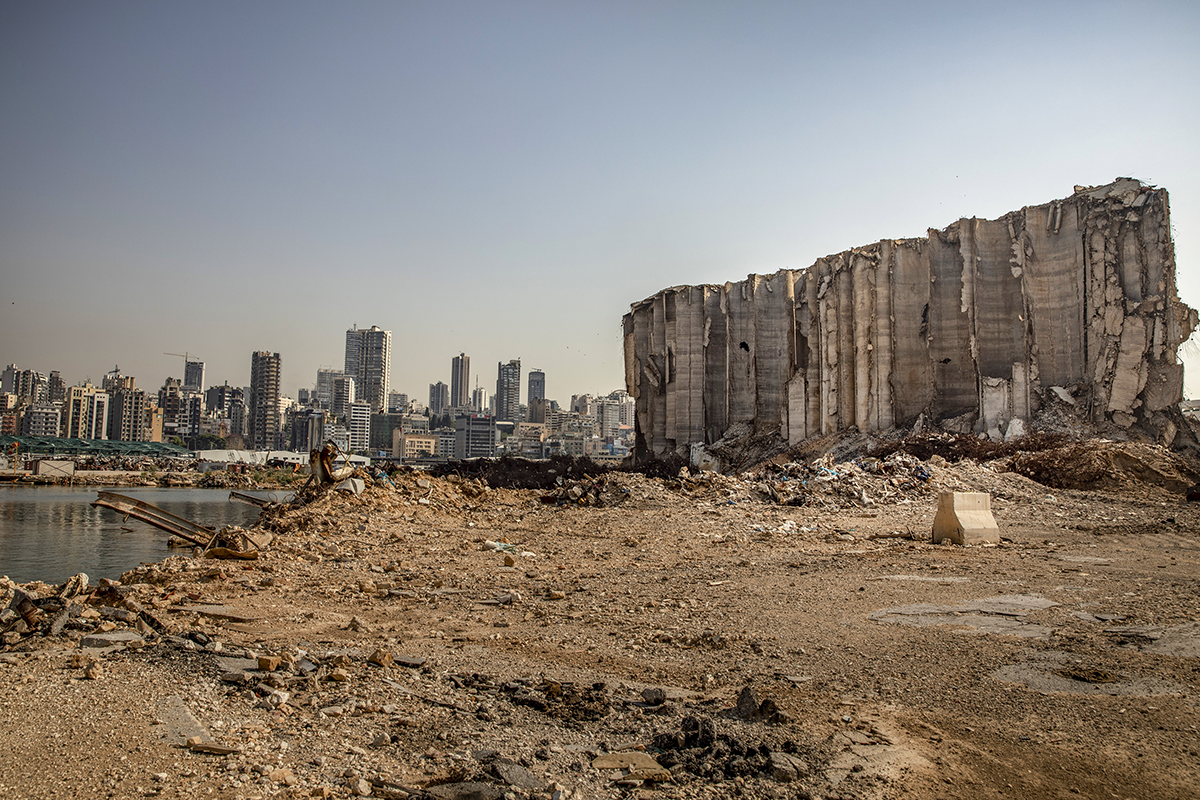
On August 4, 2020, images out of Beirut shocked the world. Hundreds of tons of ammonium nitrate exploded in the capital’s port, destroying most of the city and leaving behind 206 victims, thousands of injured, and hundreds of thousands of displaced. In this series, guest contributors join MEI’s resident and non-resident experts to reflect upon the political, legal, urban, and foreign policy implications of what may well be Lebanon’s crime of the century.