Naade Ali is currently serving as a Research Assistant to Dr. Marvin G. Weinbaum, Director for Pakistan and Afghanistan Studies at the Middle East Institute (MEI). He has over five years of involvement working with international organizations and think tanks in different capacities as a political researcher, policy advisor, peace strategist, and human rights practitioner, with a demonstrated interest and experience in human and national security, democratization, conflict resolution, and political culture. Prior to joining MEI, Ali worked with Media Foundation 360, a think tank dedicated to strengthening democratic practices in Pakistan.
He has also worked for the Multinational Development Policy Dialogue of Konrad Adenauer Stiftung, a bridge-builder between the European Union and the Global South that implements and facilitates multi-stakeholder dialogue on sustainable development, with a focus on the nexus of democracy and governance, peace and security, and climate and energy. He was also involved with Open European Dialogue of the German Marshall Fund of the United States, a politically neutral platform for Europe’s policymakers that convenes political dialogues and policy workshops on key political challenges.
Ali holds a Master of Science in International Relations: Global Governance and Social Theory from the University of Bremen, as well as a graduate training certification in Multilateralism from the United Nations Office in Geneva. He is a former fellow at the Hansen Institute on Leadership and International Cooperation at the University of San Diego, where he received hands-on training in diplomacy, mediation, and conflict resolution.
A Strategic Conundrum: Pakistan’s Transit Corridor to Iran as Lifeline or Liability
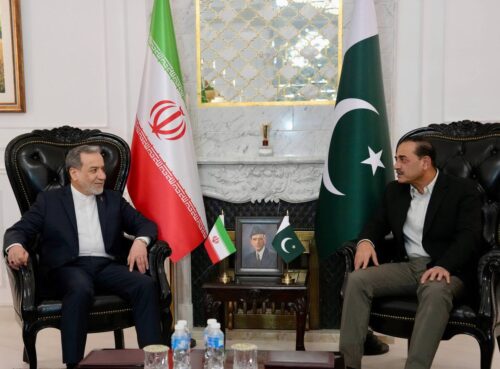
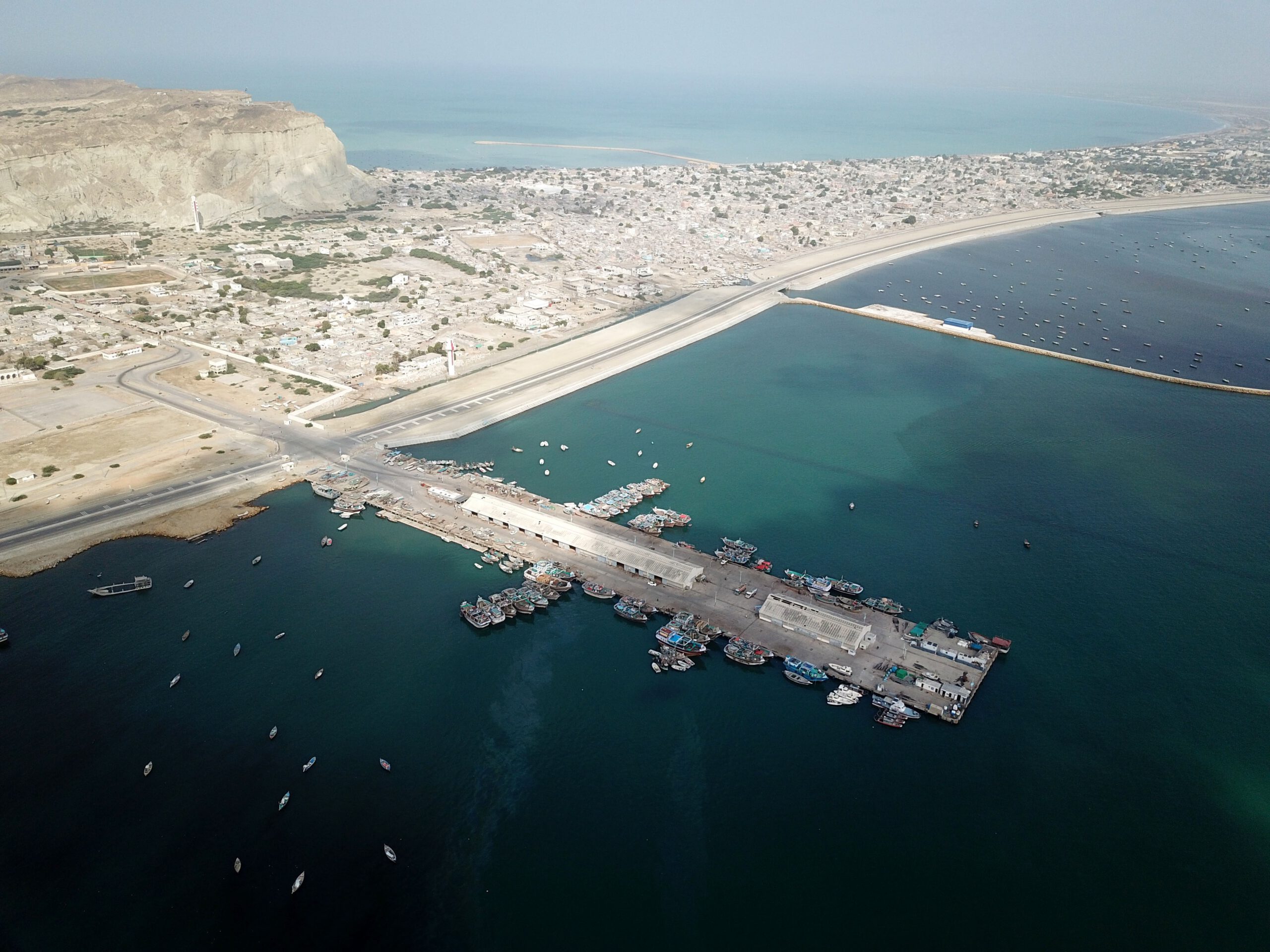
The US-Iran standoff over the Strait of Hormuz — disruptive to global trade and energy flows, and devastating for debt-burdened economies — has handed Pakistan an unexpected geoeconomic opportunity, one that may persist even if the framework agreement announced on June 14 results in a lasting peace and permanent reopening of the strait. But seizing it will have interlocking consequences for Islamabad’s ties with Tehran, Washington, and the Gulf states.
The Pakistan-Afghanistan conflict: A strategic concern for the US
Pakistan’s relationship with the Afghan Taliban has shifted from open sponsorship in the 1990s to a silent partnership following 2001 to alienation and belligerence since 2021. Their current conflict, which comes at great cost to both countries and seems to have no easy military or political resolution, also poses a threat to the stability and prosperity of neighboring states. Although American strategic interests in the region greatly diminished following the United States’ military withdrawal from Afghanistan in August 2021, the region’s altered political dynamics have prompted a growing American engagement with Pakistan and tentatively with Afghanistan. At the same time, the US has become a factor in how both Islamabad and Kabul have come to form their national security strategies.
Pakistan’s strategic defense pact with Saudi Arabia: A new security architecture in the wider Middle East
Following Israel’s September 9 strike on Hamas targets in Qatar, Pakistan has taken swift and significant foreign policy steps in response and adopted an unusually assertive stance. This shift was largely influenced by Pakistan’s military chief, Field Marshal Asim Munir. The latter is determined to enhance his country’s strategic autonomy and diplomatic leverage in an increasingly complex international environment by positioning Pakistan as a key security actor and an emerging middle power on the global stage.
Pakistan’s ability to thread the needle in relations with the US and Iran tested by the Israel-Iran war
When the Israel-Iran war broke out and the United States decided to assist the Israeli side by striking Iran’s nuclear program, both Tehran and Washington expected Islamabad to side with their respective positions. This situation placed the Pakistani government in a politically sensitive and diplomatically delicate position.
The recent brief yet intense escalation of hostilities between India and Pakistan has further exposed the fragile nature of South Asia’s security landscape. The four-day tit-for-tat cross-border military confrontation between the two nuclear-armed rivals has significantly undermined prospects for normalization, redefining the rules of engagement and signaling a shift in how both countries may manage their relationship moving forward.
Thousands of once protected Afghan refugees in the United States face deportation
The chaotic US military pullout from Afghanistan in August 2021 became a hot campaign issue in the 2024 presidential election and continues to echo today. President Donald Trump, who set the withdrawal in motion during his first term in office, repeatedly criticized President Joe Biden’s administration for leaving behind billions of dollars of military equipment. Also left behind were tens of thousands of Afghans, and their family members, who faced retribution for assisting US forces in the fight against the Taliban.
US disengagement and new regional security dynamics in Afghanistan’s neighborhood
Afghanistan’s neighborhood is in the midst of a consequential restructuring of its security architecture. Key regional actors Pakistan, Afghanistan, Iran, and China have been continuing to adjust their defense plans and security partnerships to meet the growing threats posed by domestic and cross-border terrorism. At the same time, these four countries have also been looking for new ways to fill the vacuum in southern Asia left by the United States military’s departure from Afghanistan.
The strategic alliance between Pakistan and China, driven largely by opportunism and geostrategic interests, seems unshakable. However, the extent of its mutual benefit remains under scrutiny, especially for Islamabad, whose reliance on Beijing continues to deepen. Although China claims to base its foreign policy interactions on five key principles — respect for sovereignty, non-aggression, non-interference, equality and mutual benefit, and peaceful coexistence — its dealings with Pakistan indicate an unequal power dynamic that primarily serves its own interests. This imbalance in the Pakistan-China strategic alliance has led to a situation in which Islamabad’s autonomy is increasingly curtailed, and its vulnerability to Beijing’s influence is becoming more apparent.
Pakistan's Independence Day highlights deepening ideological divide
On Aug. 14, Pakistan celebrated its 78th Independence Day against the backdrop of a widening ideological and societal divide between proponents of Islamic nationalism and those championing democracy. Seizing the occasion, both the military and political leaders, recognizing Pakistan’s vulnerability to political instability and eroding social cohesion, have sought to shape the national discourse and sway public opinion with their respective narratives.
Pakistan’s political scene looks increasingly unsettled and complicated
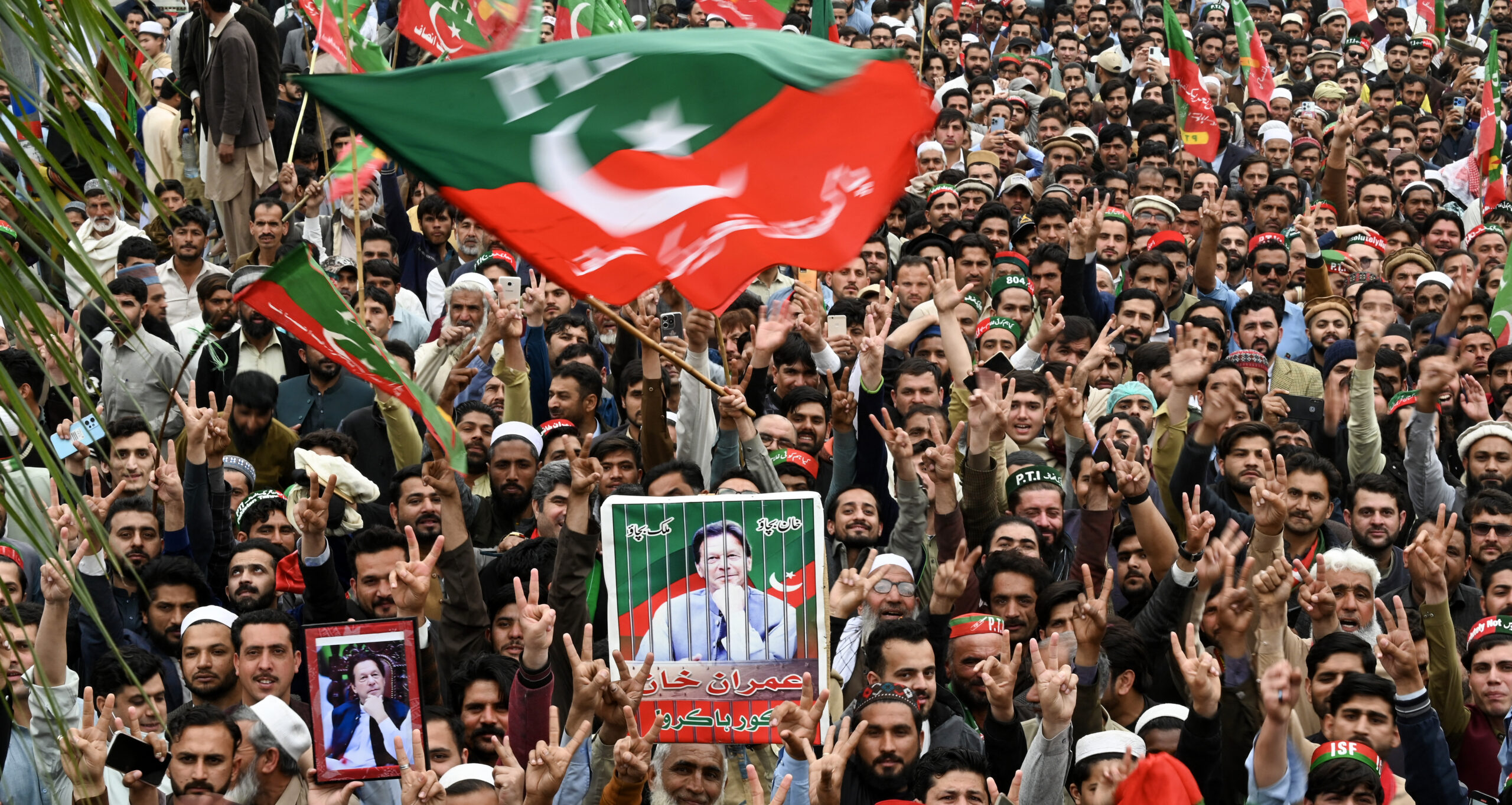
The deep rift between the Pakistan Tehreek-e-Insaf (PTI) party and Pakistan’s civil-military establishment shows no sign of weakening but appears to be shifting. The coalition government and its military sponsors, so recently seen as having taken command of the political heights, are now showing signs of panicking as they appear to be losing the initiative and ability to set the narrative.
The newly formed government coalition in Islamabad initially looked weak, unstable, and probably short lived. But in the weeks since the outcome of the vote was announced, the political landscape has rapidly changed. Nevertheless, there are portents of trouble ahead that could send Pakistan back into the political tangle from which it has so recently emerged.
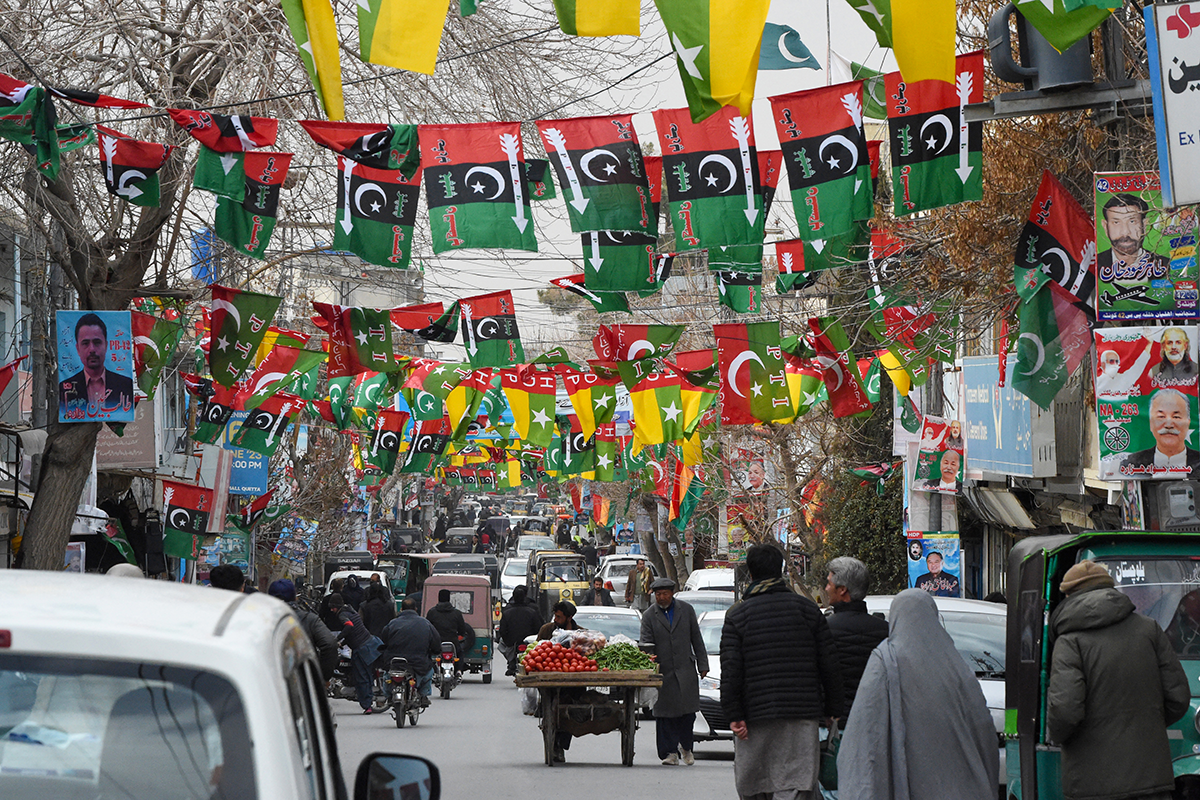
What to expect as Pakistan goes to the polls for a long-awaited national election
Though delayed by several months, Pakistan is now on the verge of a national election on Feb. 8 that will replace an elected government ousted in April 2022 by an opposition-cum-military alliance.
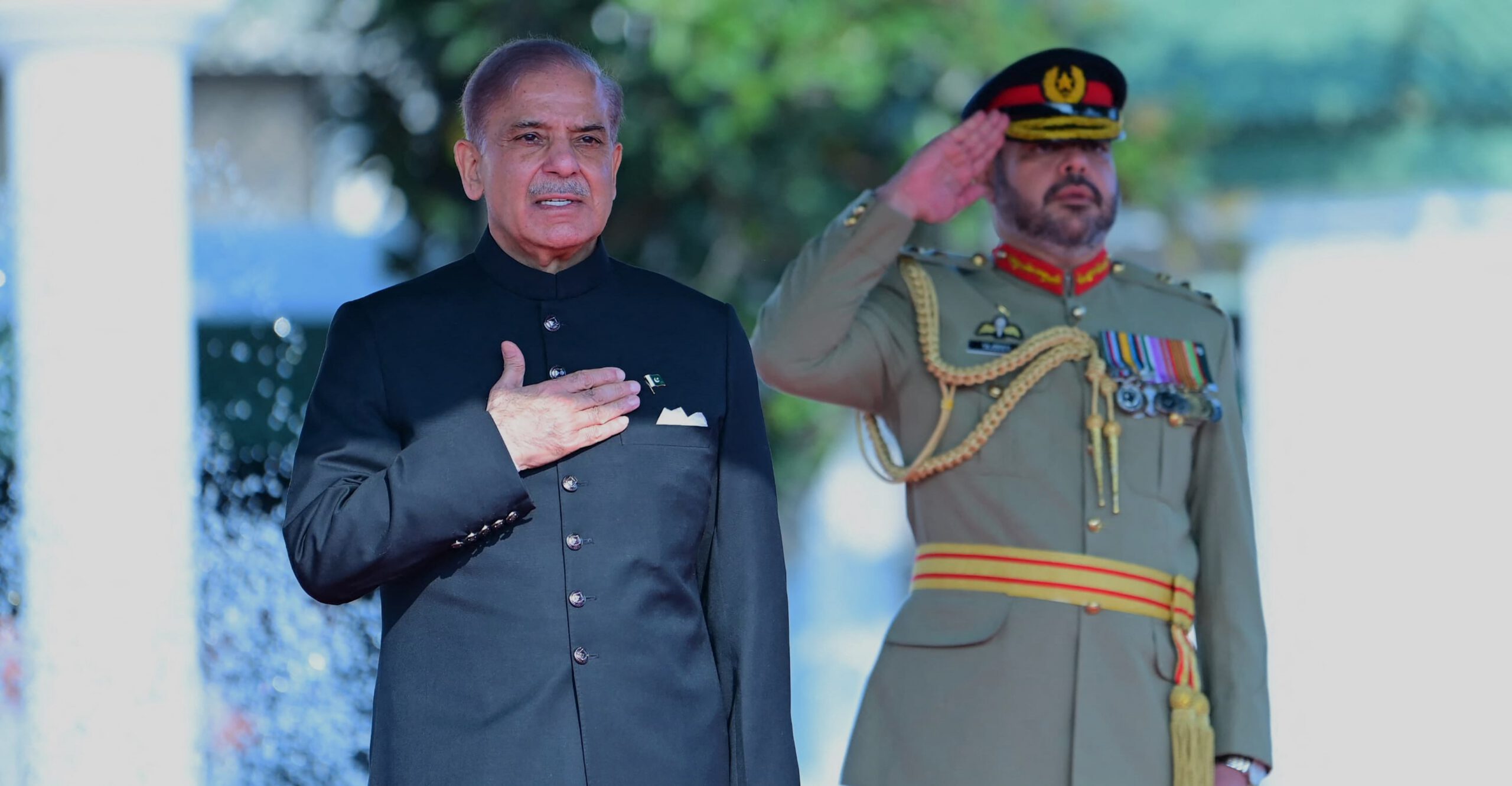
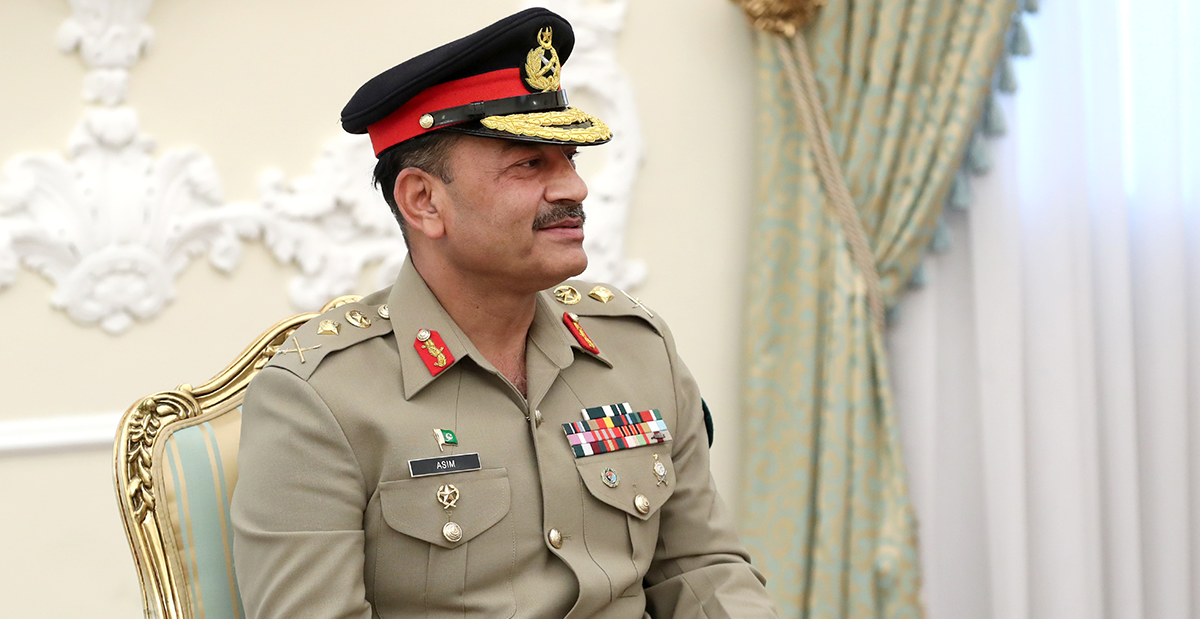
Pakistan’s military and foreign policy under Gen. Asim Munir
Gen. Qamar Javed Bajwa orchestrated a paradigm shift in Pakistan’s traditional geostrategic focus, transitioning from geopolitics to geoeconomics. His successor, Gen. Asim Munir, in command of Pakistan’s military for the past year, now faces the challenging task of turning Gen. Bajwa’s unrealized vision into a reality, a goal that requires cultivating positive interdependence and multi-alignment with a diverse range of partners, while also ensuring domestic stability.