Skip to Content

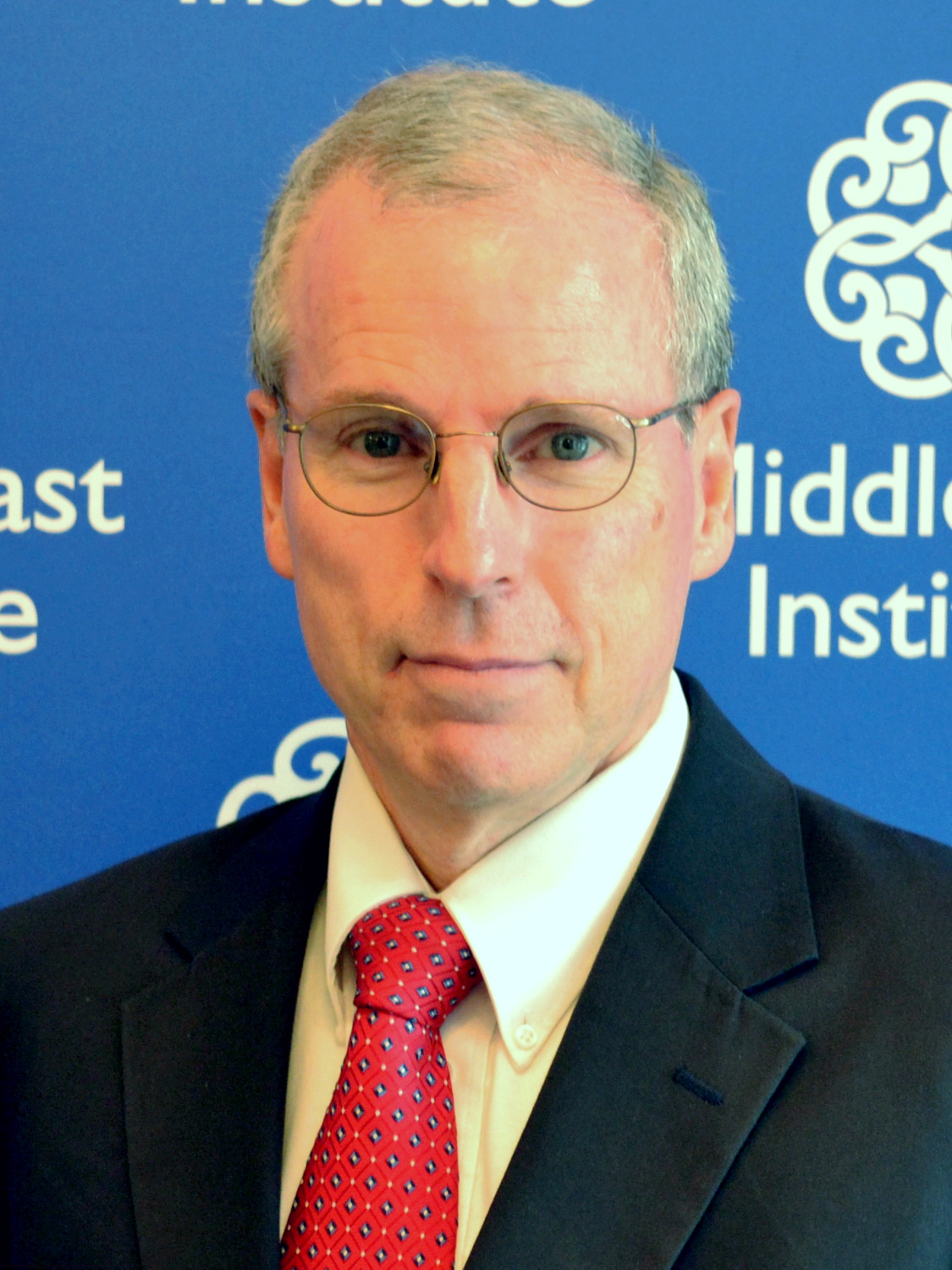
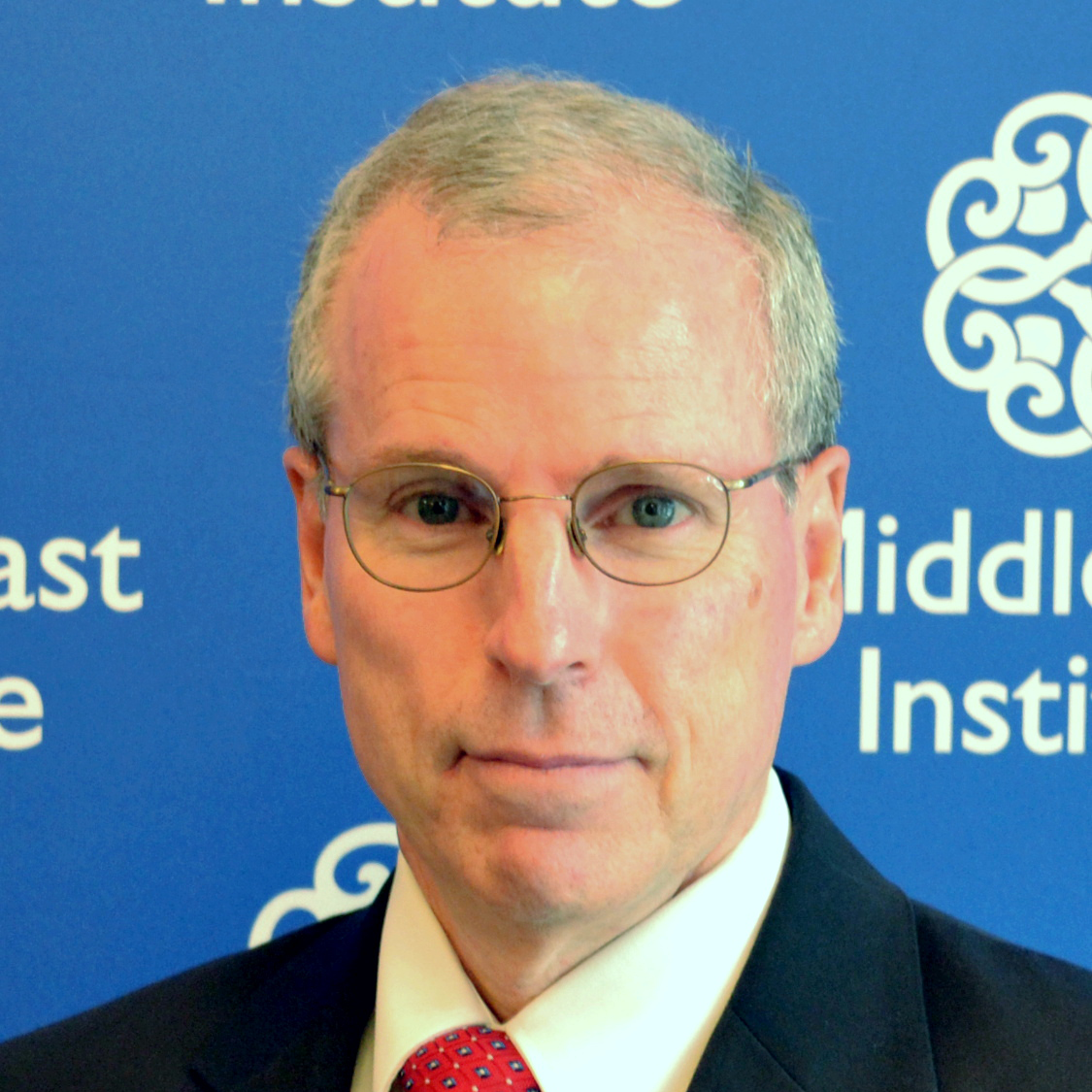
Amb. (ret.) Robert S. Ford is currently a senior fellow at the Middle East Institute in Washington where he writes about developments in the Levant and North Africa. Amb. Ford  retired from the U.S. Foreign Service in 2014 after serving as the U.S. Ambassador to Syria from 2011 to 2014. In this role, Amb. Ford was the State Department lead on Syria, proposing and implementing policy and developing common strategies with European and Middle Eastern allies to try to resolve the Syria conflict. Prior to this, Amb. Ford was the deputy U.S. Ambassador to Iraq from 2008 to 2010, and also served from 2006 until 2008 as the U.S. Ambassador to Algeria, where he boosted bilateral education and rule of law cooperation. Amb. Ford served as deputy chief of mission in Bahrain from 2001 until 2004, and political counselor to the U.S. Embassy in Baghdad from 2004 until 2006 during the tumultuous establishment of the new, permanent Iraqi government. In 2014 he received the Secretary’s Service Award, the U.S. State Department’s highest honor.  He also received in April 2012 from the John F. Kennedy Library in Boston the annual Profile in Courage Award for his stout defense of human rights in Syria.  He has appeared on CNN, PBS, Fox, MSNBC, NPR, the BBC and Arabic news networks as well as in The New York Times and Foreign Policy.

Education
B.A. in international studies, Johns Hopkins University; M.A. in Middle East studies and economics, Johns Hopkins SAIS; Advanced Arabic studies, American University of Cairo

Regions of Expertise
Syria, Iraq, North Africa

Issues of Expertise
US foreign policy, economic and political development, Islamist movements

Languages
Arabic, French

Sample Interview:

April 17, 2015: An Interview with Amb. Robert S. Ford.
The Latest from Robert S. Ford

Filter by
173 Results
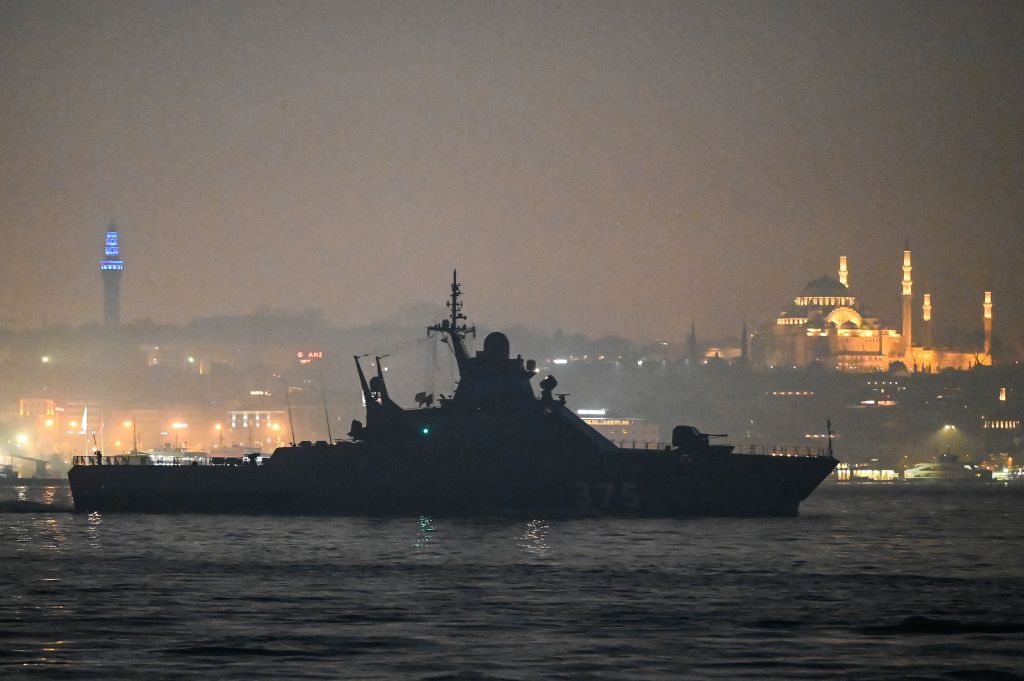
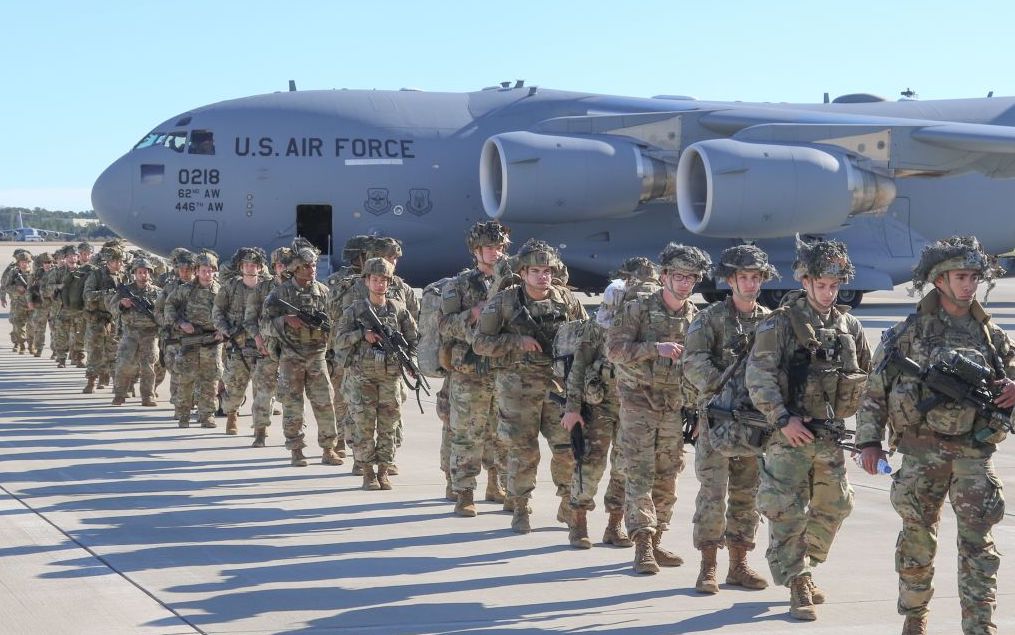
ميليشيات العراق تسعى لاستغلال وجود القوات الأمريكية
  • Commentary
  • ميليشيات العراق تسعى لاستغلال وجود القوات الأمريكية

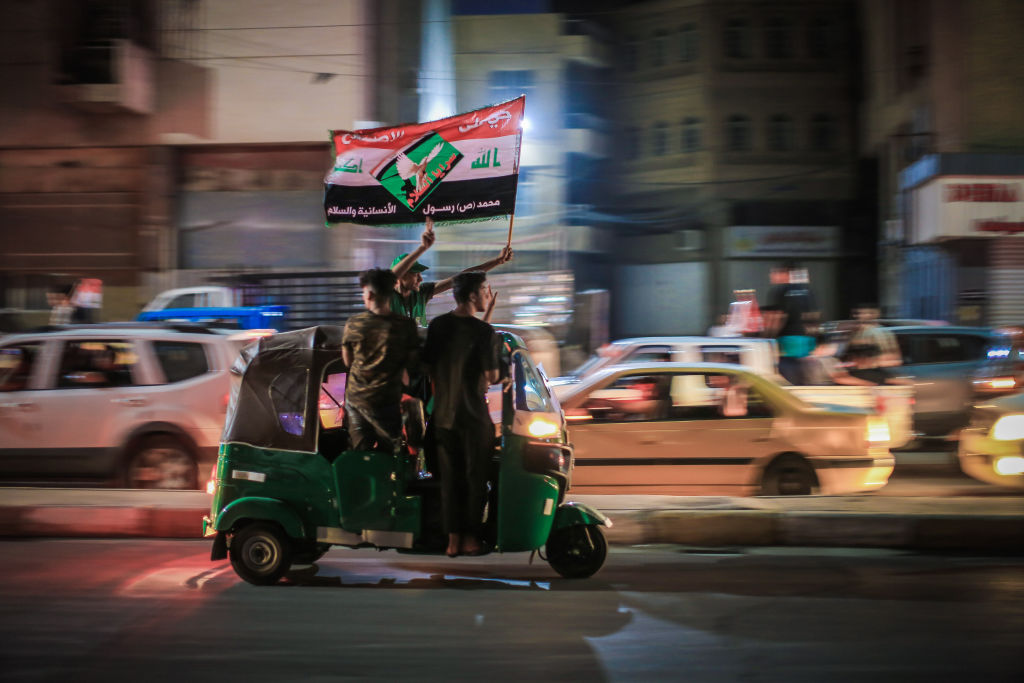
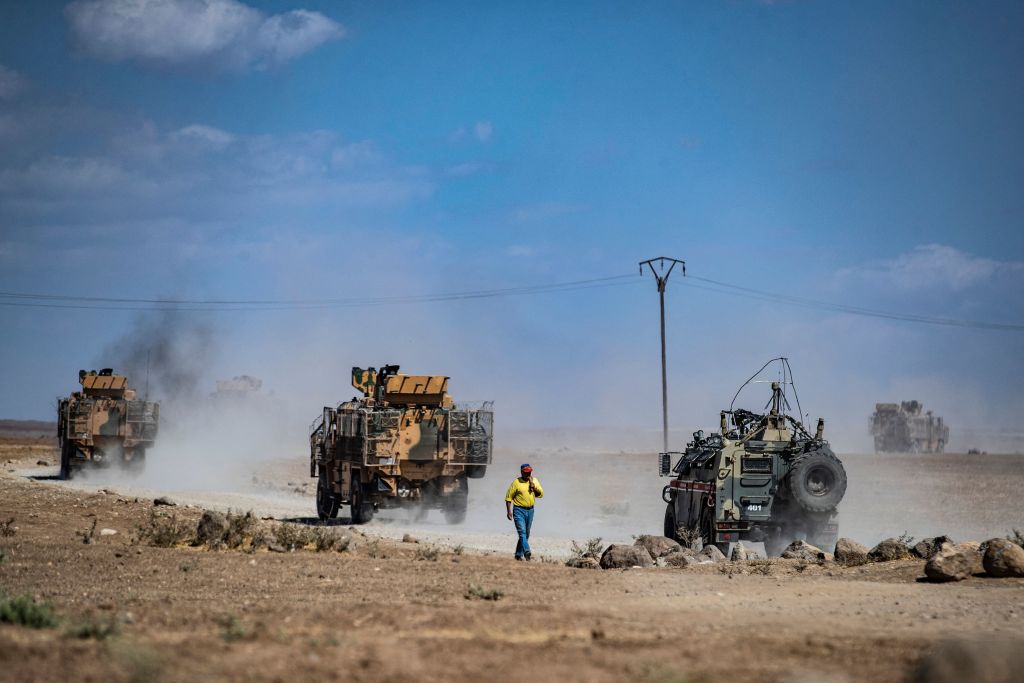
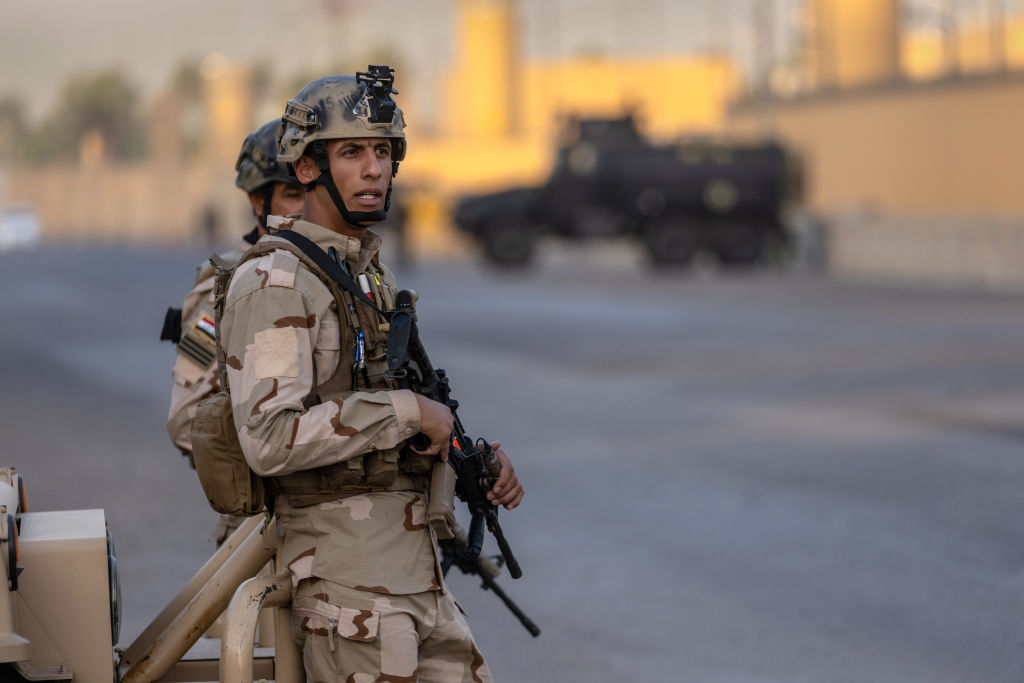
    في 9 ديسمبر/كانون الأول، قال الجنرال الأمريكي المسؤول عن التحالف الدولي المناهض لتنظيم الدولة الإسلامية في العراق إن المهمة القتالية الأمريكية قد انتهت وأن القوات الأمريكية لن تقدم سوى المشورة والتدريب والمساعدة والاستخبارات لشركائها العراقيين. لن يغير التحول في الأدوار حجم القوة الأمريكية الصغيرة في العراق كثيرًا، لكن الجنرال فرانك ماكنزي، قائد القوات الأمريكية في الشرق الأوسط، قال في 9 ديسمبر/كانون الأول إن تواجد الناتو في مهمة المساعدة يجب أن يزيد.

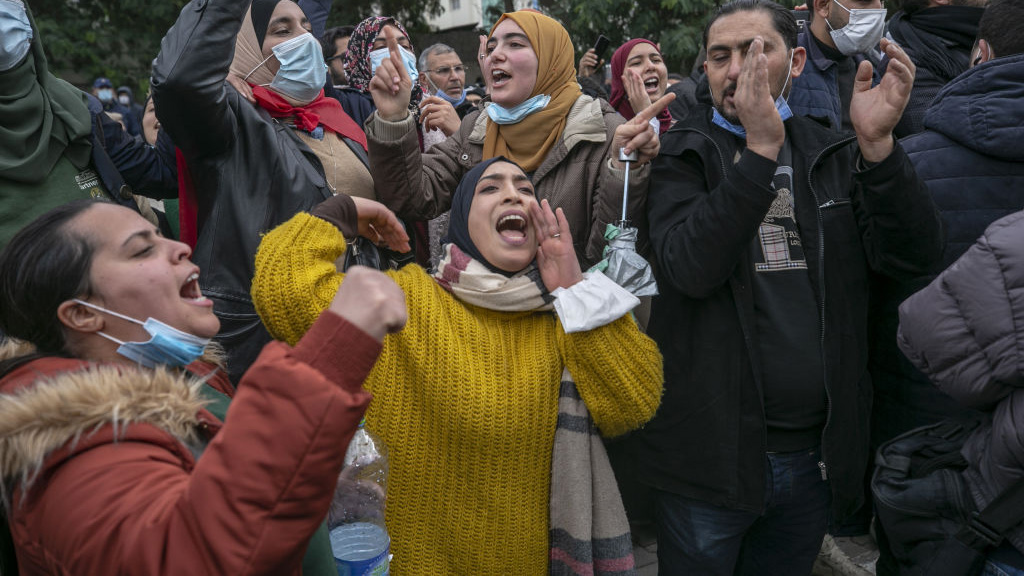
    ضبط النفس الغربي مع تونس
  • Commentary
  • ضبط النفس الغربي مع تونس

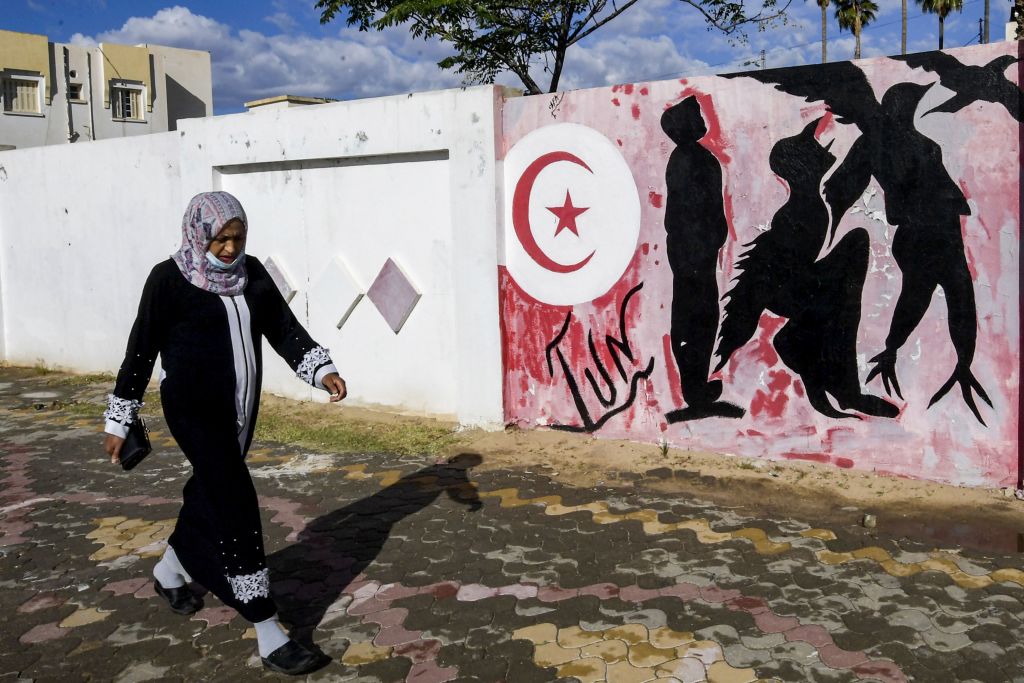
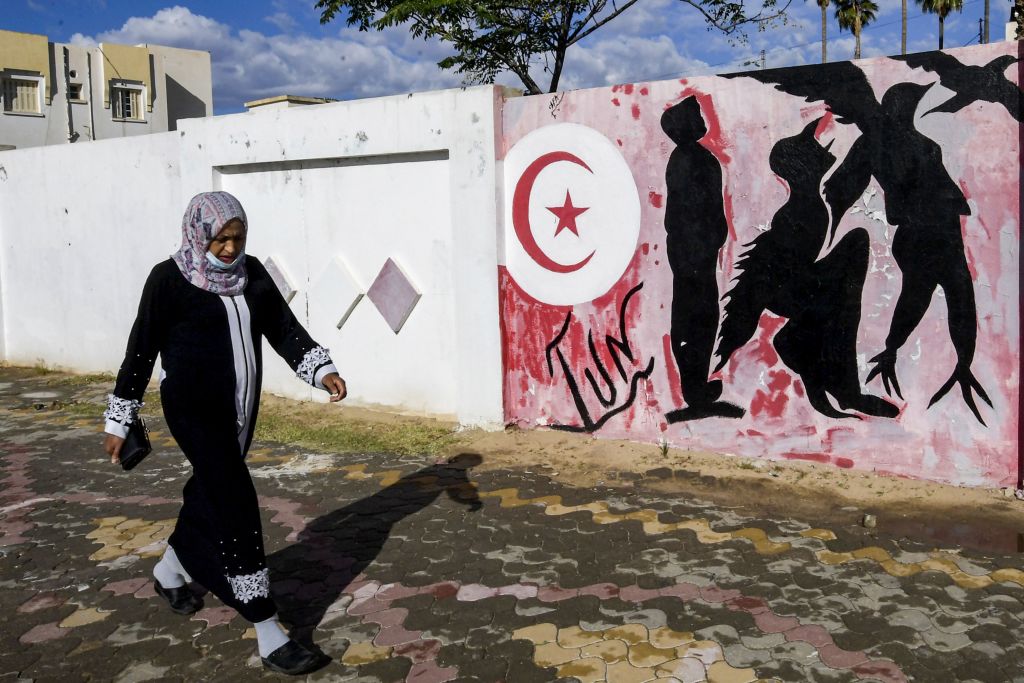
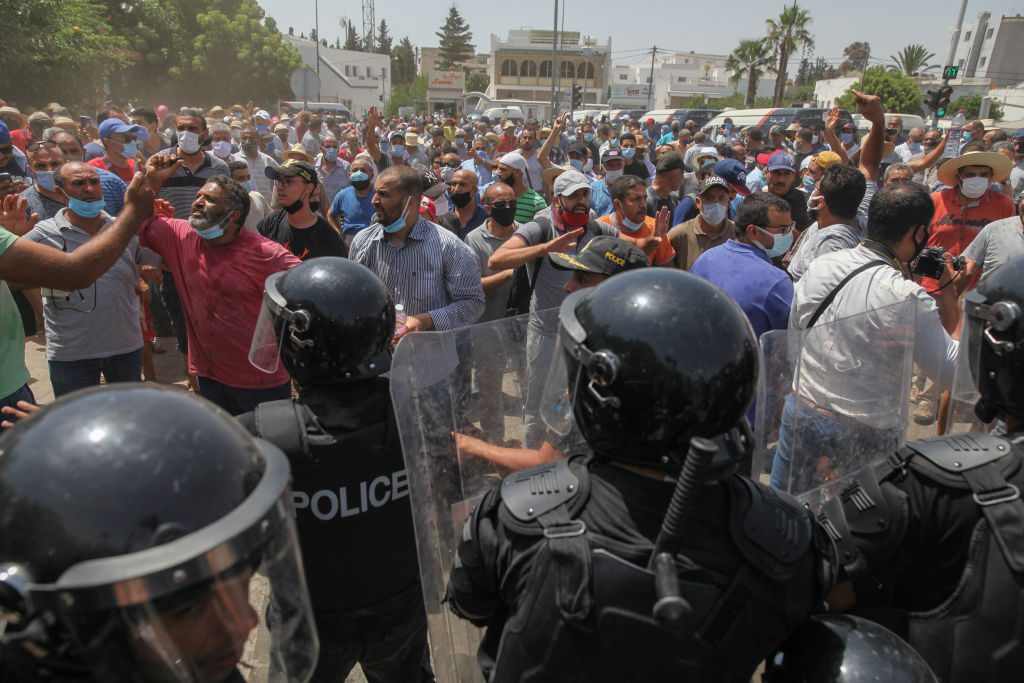
    تجنبت الدول الغربية تسمية استيلاء الرئيس قيس سعيّد على الحكومة في تونس بـ”الانقلاب”، كما امتنعت عن اتخاذ خطوات لتعليق المساعدات الاقتصادية لهذا البلد. ففي 27 يوليو/تموز، أجرى وزير الخارجية أنتوني بلينكن اتصالًا هاتفيًا بالرئيس التونسي للحث على احترام المبادئ الديمقراطية والحوار المفتوح مع جميع الفاعلين السياسيين في تونس.

    بايدن بحاجة إلى الهدوء في العراق
  • Commentary
  • بايدن بحاجة إلى الهدوء في العراق

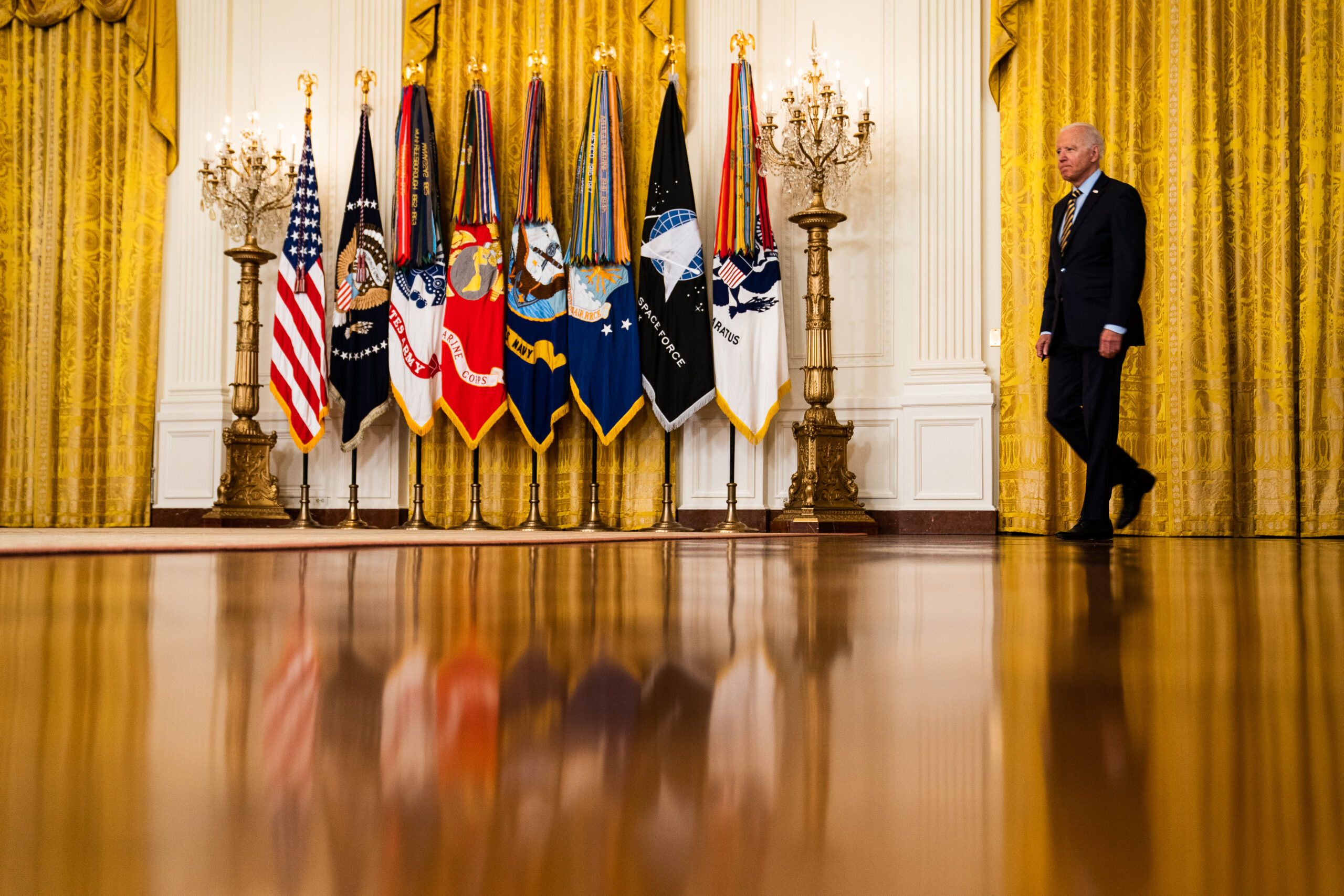
    لقاء الرئيس جو بايدن مع رئيس الوزراء العراقي مصطفى الكاظمي يوم الاثنين 26 يوليو/تموز لن يفتح آفاقًا جديدة، لكن الأمريكيين بدلًا من ذلك يحاولون إبراز الجوانب غير العسكرية للعلاقة الثنائية. ففي وزارة الخارجية الأمريكية في نهاية الأسبوع الماضي، قاد وزير الخارجية أنتوني بلينكن ووزير الخارجية العراقي فؤاد حسين فرقًا ناقشت التعاون المستمر في مجالات مثل الصحة العامة، حيث يدعم الأمريكيون جهود بغداد للتعامل مع تفشي فيروس كورونا. كما أعلن بلينكن يوم الجمعة الماضي عن مساعدات إنسانية أخرى بقيمة 155 مليون دولار للعراقيين النازحين داخليًا وكذلك لتجمعات اللاجئين العراقيين في الدول المجاورة.

    Algeria’s election reinforces political divisions
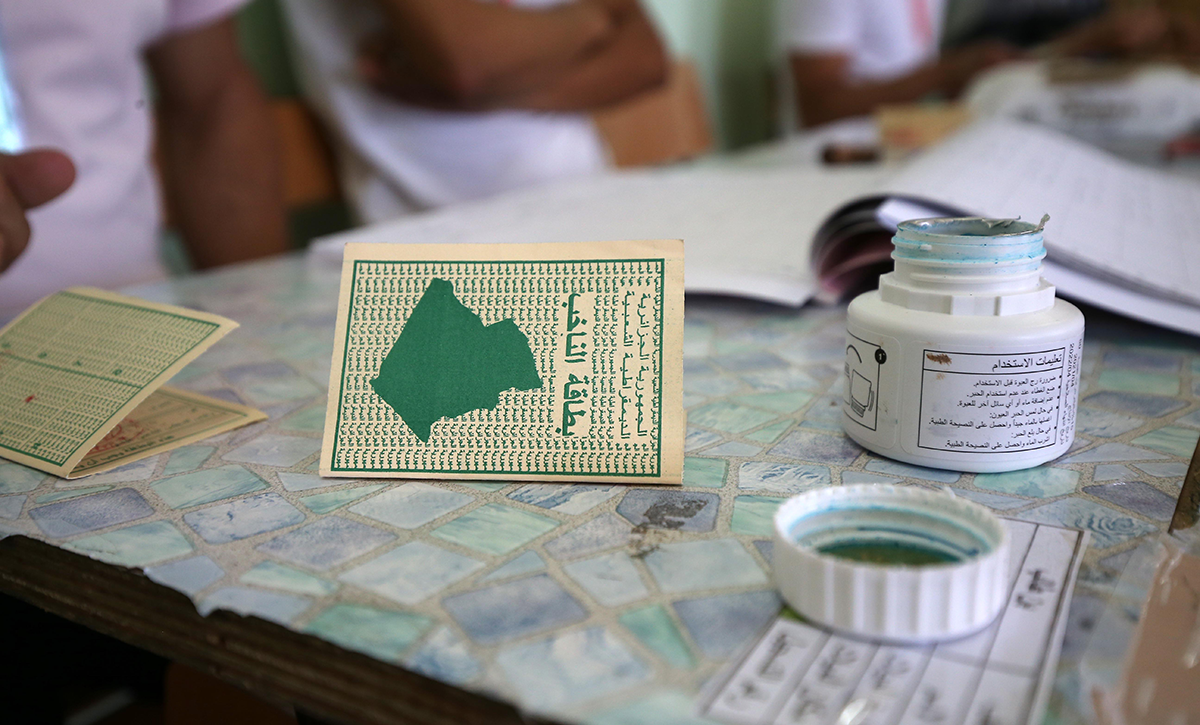
    Photo by Billal Bensalem/NurPhoto via Getty Images
  • Analysis
  • Algeria’s election reinforces political divisions

    The June 12 election for the National Assembly, the lower house of the Algerian parliament, shows that the country is stuck between, on the one side, a political system led by President Abdelmadjid Tebboune and backed by the army that rejects deep change and, on the other side, a population that has lost faith in the old system. Preliminary results announced June 15 indicated the phoenix-like return of discredited political parties that had strongly supported former President Abdelaziz Bouteflika, deposed in 2019. But in a sense President Tebboune is now more isolated than ever. His remark that he didn’t care about the record low voter turnout in the election shows the distance between him and most of the Algerian public.