Moroccan youth angrily protest government’s failed development promises
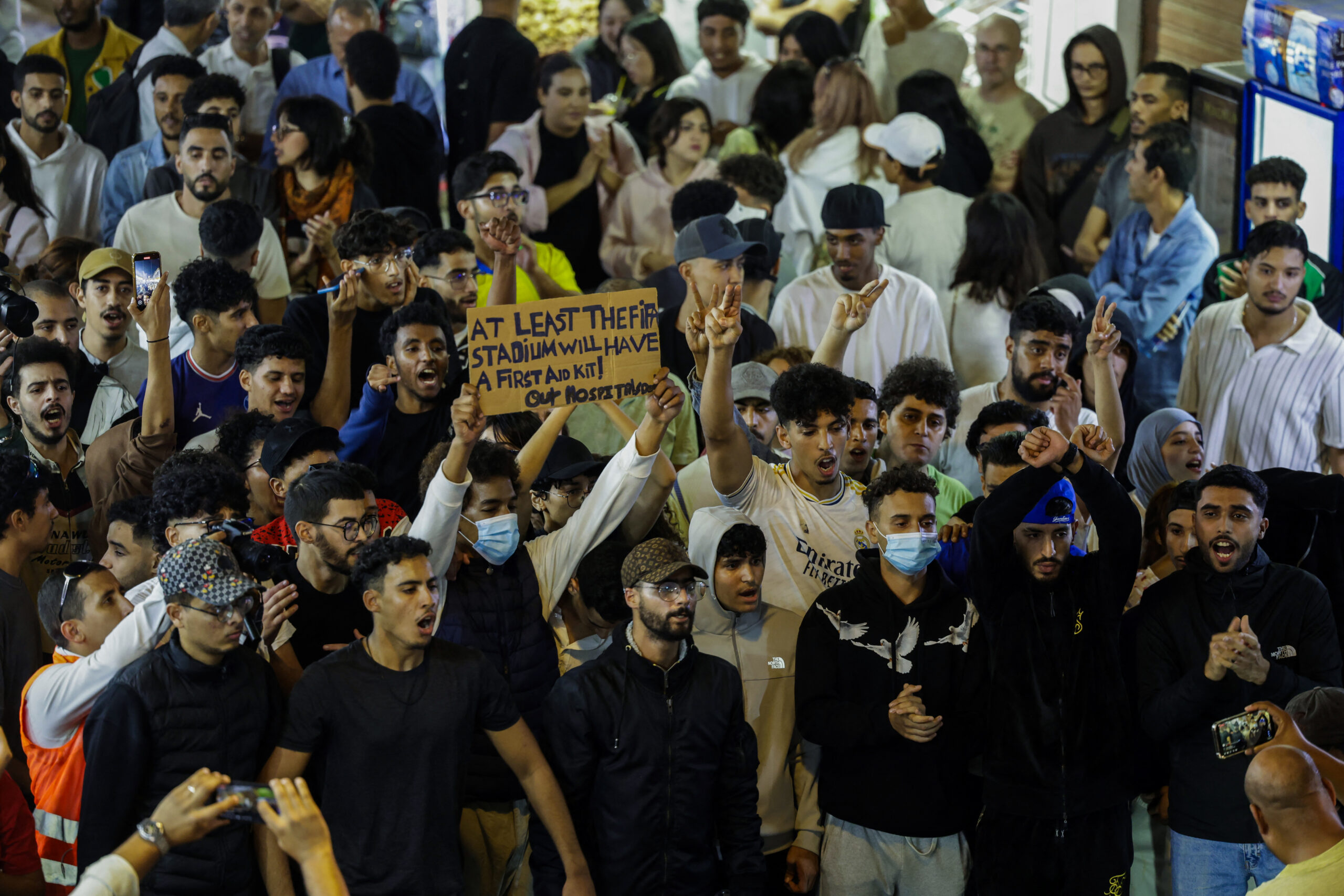
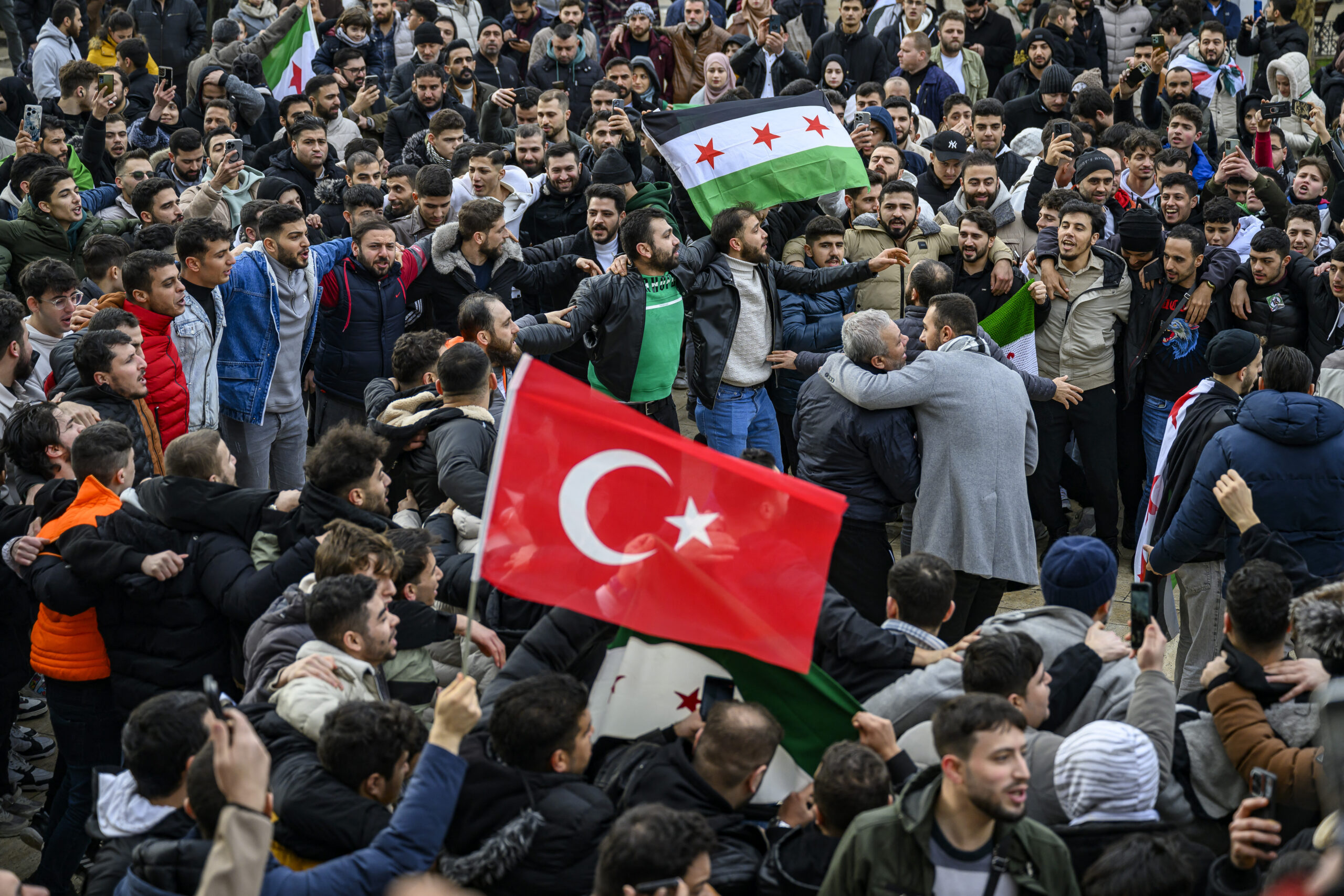
Hundreds of young Moroccans are protesting across 11 cities since September 27 under the banner “GenZ 212.” The central trigger behind the demonstrations has been a deep popular frustration with Morocco’s persistent inability to deliver on its development plans and promises. This sort of broad disaffection will be challenging for the government to address quickly and credibly.
Water and Power: Egypt, Sudan, and Ethiopia at Odds Over Africa’s Largest Dam
In this episode of Middle East Focus, hosts Alistair Taylor and Matthew Czekaj are joined by MEI Senior Fellow Mirette F. Mabrouk to unpack the growing tensions over the recently inaugurated Grand Ethiopian Renaissance Dam (GERD) on the Nile.
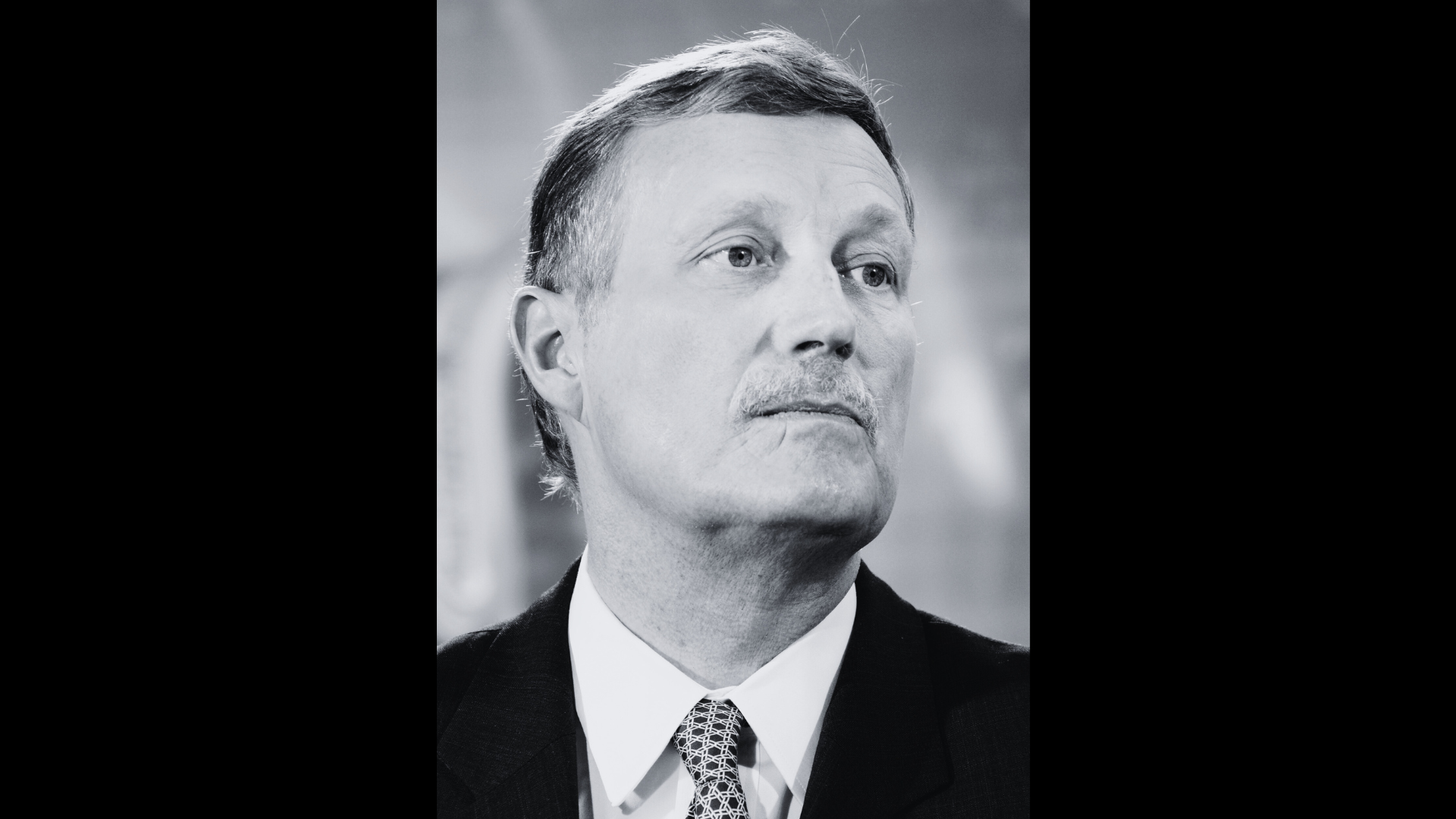
The Middle East Institute (MEI) is deeply saddened by the passing of George Hoguet, a distinguished former member of our Board of Governors and longtime supporter of our mission
Will Trump’s red line on West Bank annexation hold?
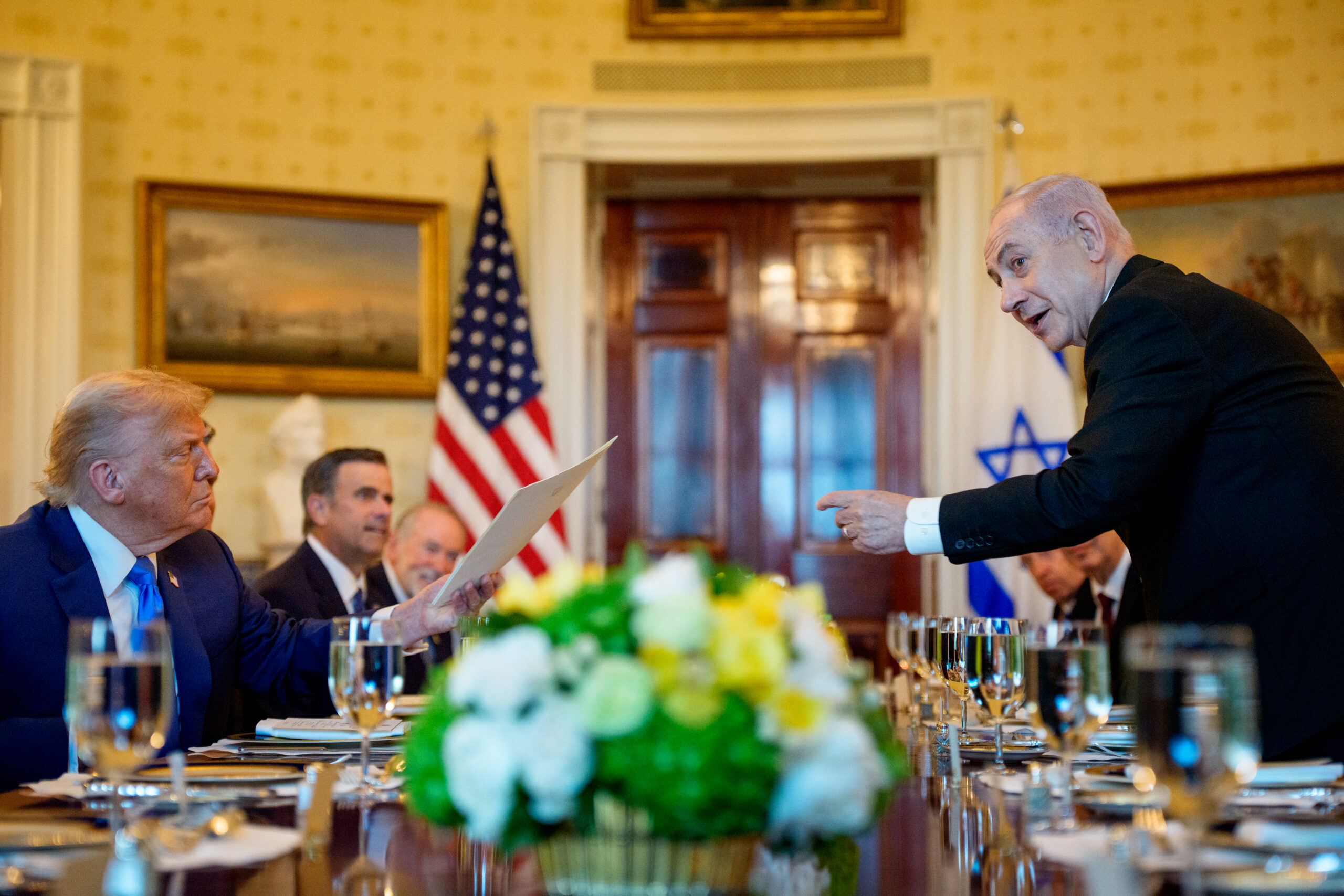
The spotlight for US policy in the Middle East will shift from the United Nations General Assembly (UNGA) meeting in New York to Washington, DC, where US President Donald Trump will meet with Israel’s Prime Minister Benjamin Netanyahu on Monday for the fourth time in eight months.
A Middle East NATO? Regional Security Options After Doha
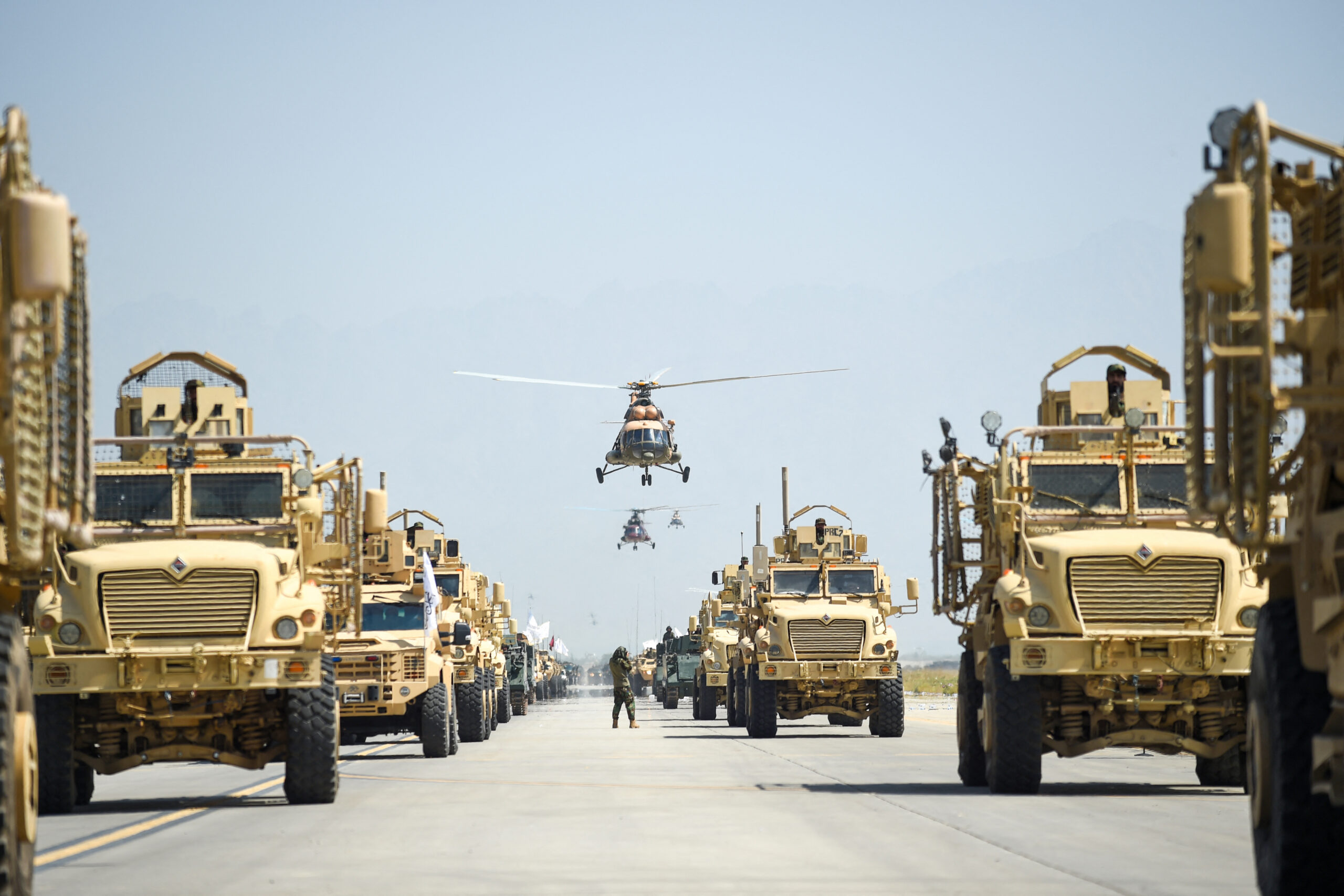
Israel’s September 9 strike on Hamas leaders in Doha rattled Gulf capitals and revived a decades-old debate over whether the region needs a NATO-style defensive alliance. MEI Senior Fellow Jason Campbell joins hosts Alistair Taylor and Matthew Czekaj to unpack why past attempts at collective defense have fallen short, whether this moment is different, and what the crisis means for US security strategy in the Middle East.
War and Peace in the Middle East: A View from Qatar
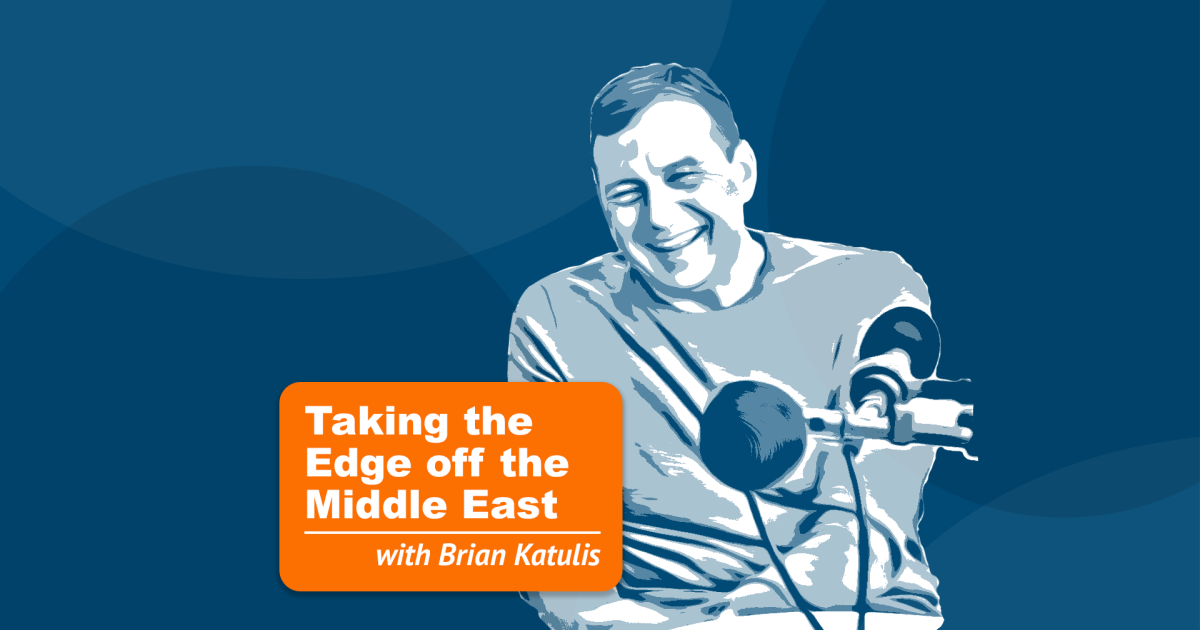
In this special bonus episode of Taking the Edge Off the Middle East, host Brian Katulis sits down with Dr. Majed Al-Ansari, adviser to the Prime Minister of Qatar and spokesman for Qatar’s Ministry of Foreign Affairs. Dr. Al-Ansari offers insights into the small country’s unique role in mediating conflicts worldwide.
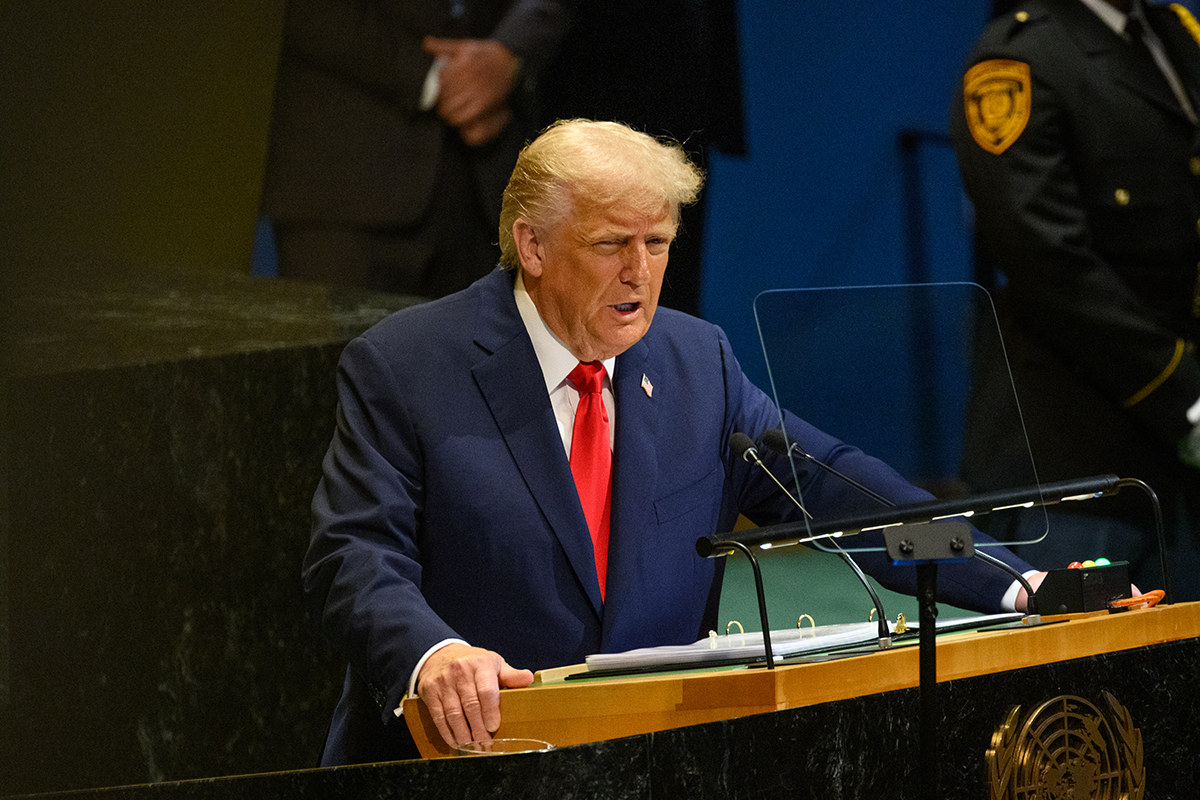
Strategic drift in US Middle East policy as Trump speaks on the world stage
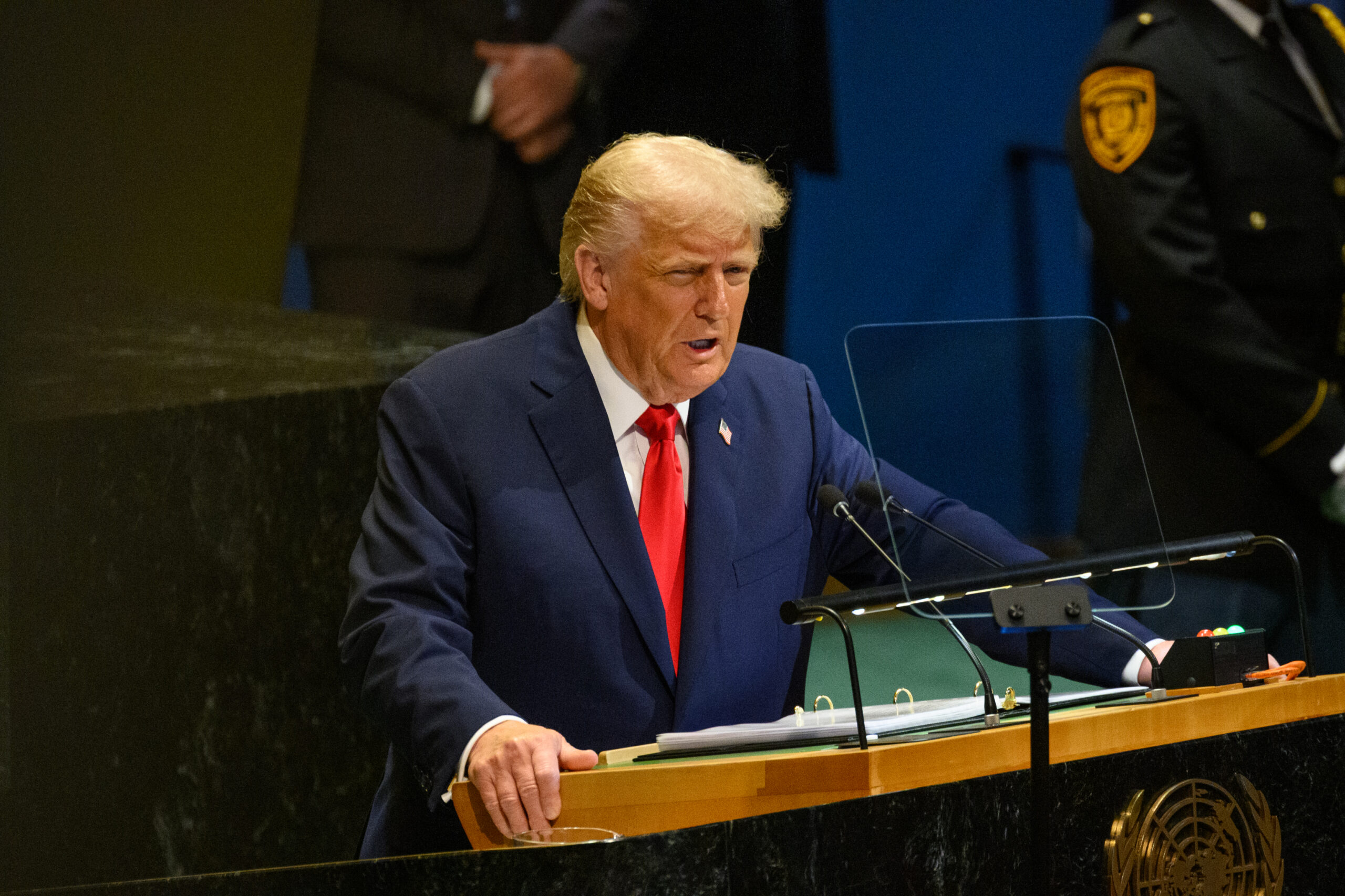
President Donald Trump used his speech this week before the United Nations General Assembly to reinforce his unique style of US foreign policy-making and levy criticisms against others, including the UN itself. But Trump did little to create a framework for crafting solutions to address problems and thorny security challenges.
Once hailed as a rare democracy in the Middle East, Lebanon has now slipped into the ranks of closed autocracies. Decades of corruption, sectarian rule, and foreign meddling have left the country reeling — and the past year brought assassinations, mass displacement, and Israel’s full-scale war against Hezbollah in the south. With its economy in free fall and its political system on life support, Lebanon stands at a crossroads: could shifts in regional power, efforts to disarm Hezbollah, and a change in leadership pave the way for recovery, or will instability deepen?
Unconventional Wisdom: The Search for America’s Soul
Former Assistant Secretary of Defense for Public Affairs and longtime Democratic National Security and Communications strategist Doug Wilson joins Brian for an expansive conversation about what’s at stake in US foreign policy at a time of global upheaval. Drawing on decades of experience in government, the private sector, and political campaigns, Wilson reflects on how Trump’s second term has upended America’s role in the world — from dealing with autocrats to the collapse of US credibility abroad.
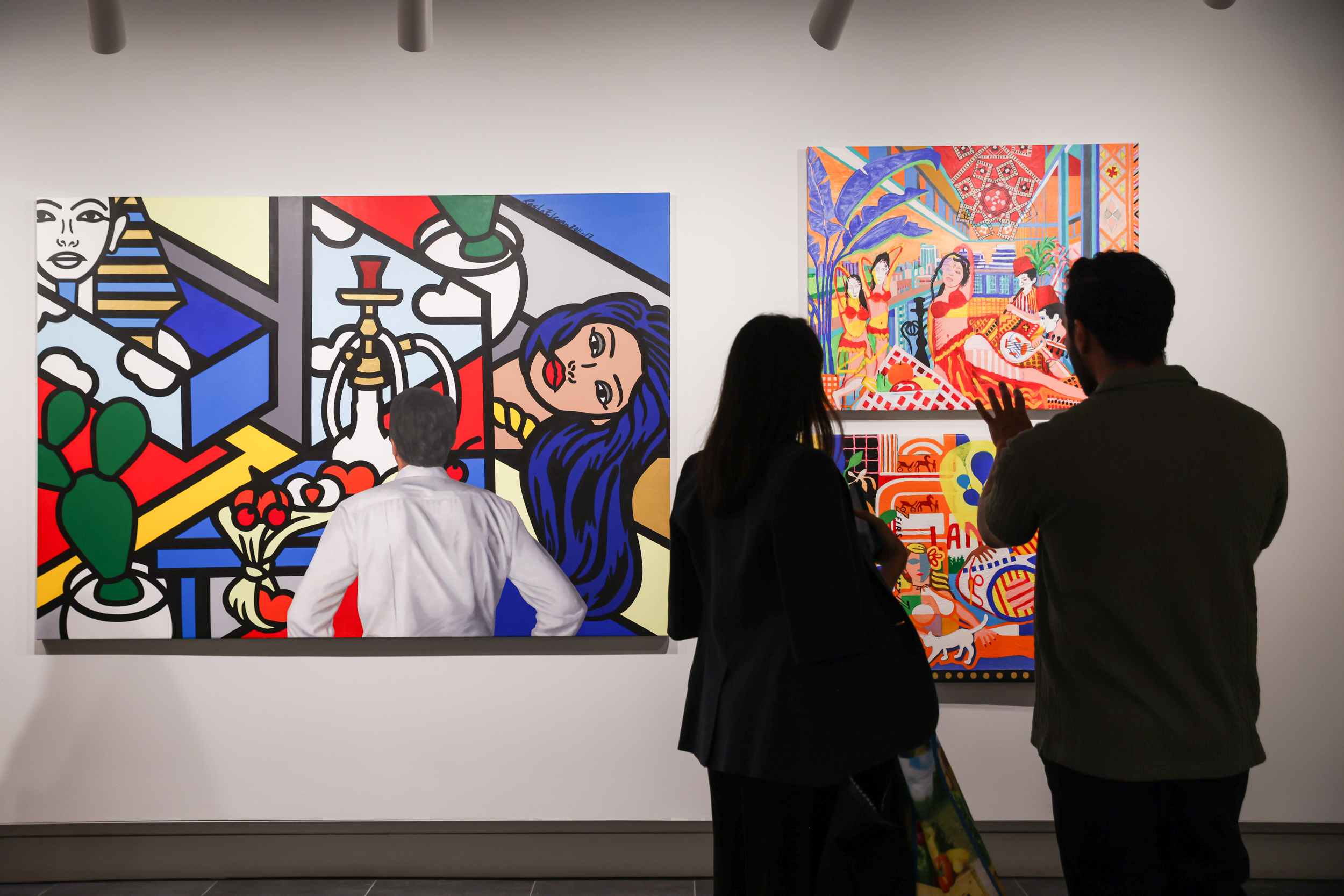
A Moveable Feast of MENA Pop Art at the MEI Gallery
A new exhibition at the Middle East Institute Art Gallery called Arab Pop Art: Between East and West offers a timely reminder that in spite of the conflict and turmoil in the region, there is a lively, vibrant, and cosmopolitan culture at play throughout the Middle East and North Africa.
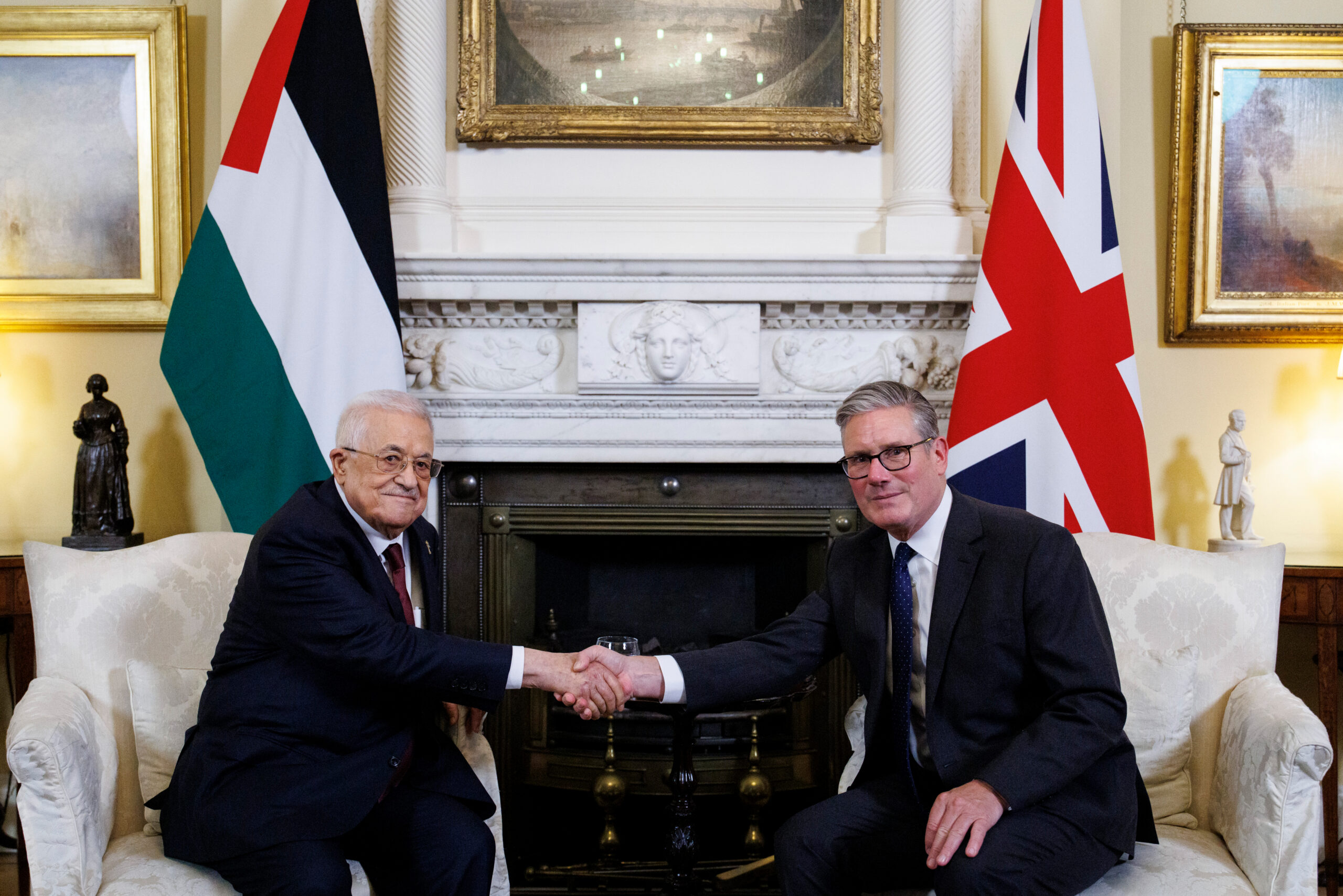
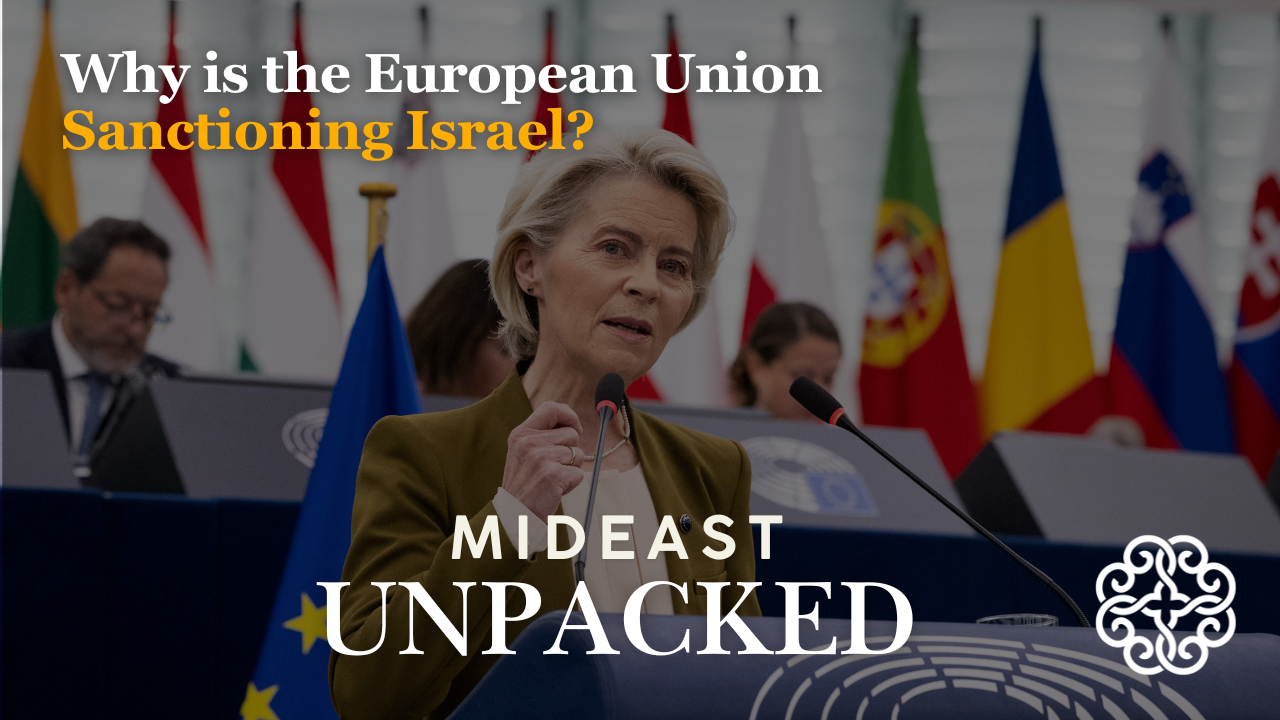
The European Union has announced plans to sanction Israel over the humanitarian crisis in Gaza. If adopted, the move would mark a historic shift in EU-Israel relations. MEI’s Iulia Joja unpacks the proposal’s background, what the sanctions would entail, and their potential impact on the EU’s position in the Middle East.