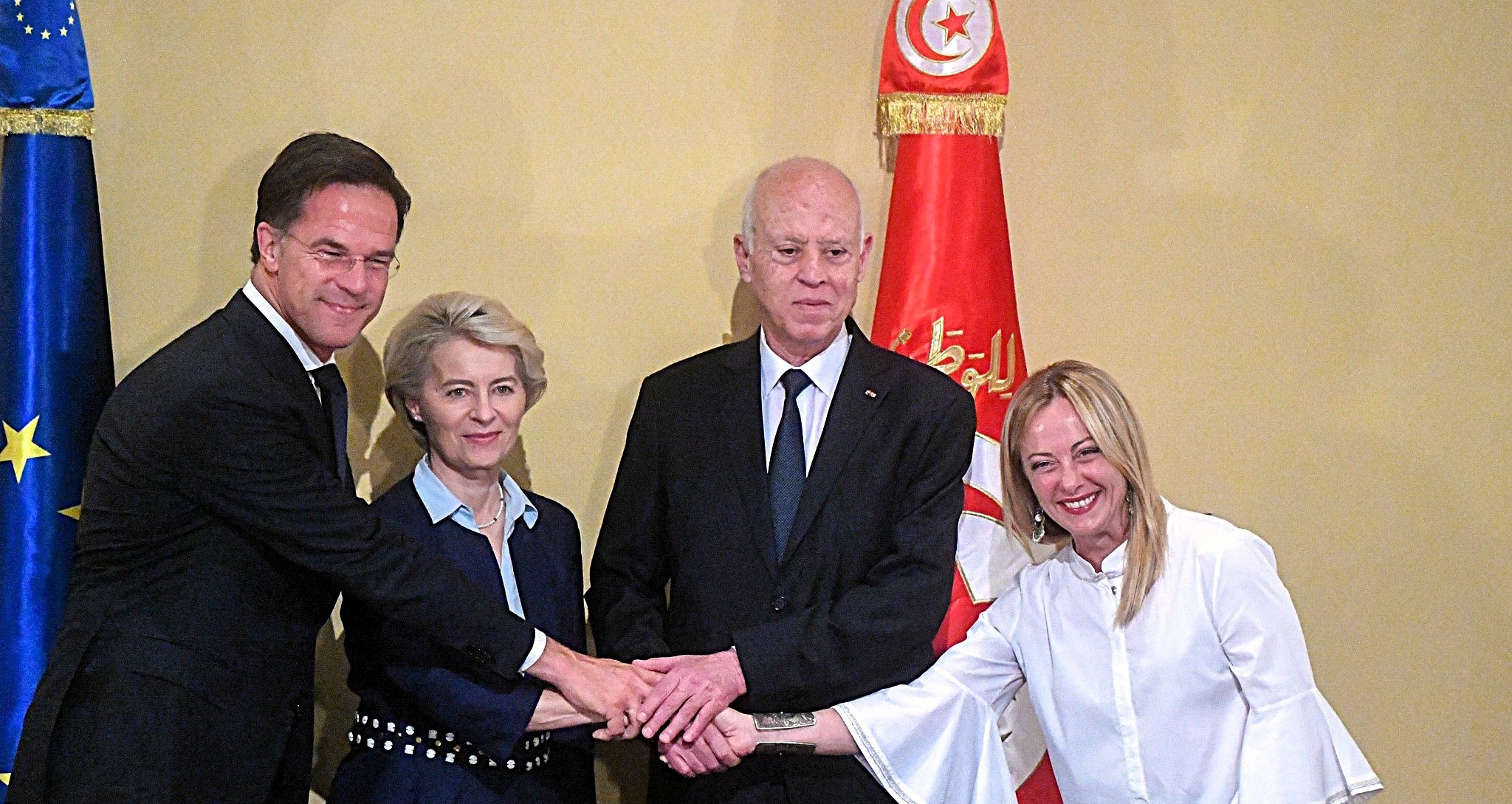
North African states are turning long-standing diplomatic relationships into new opportunities for leverage, using migration flows, energy supplies, and security partnerships as bargaining chips. These new tactics and strategies are reshaping regional diplomacy.
Crossing Red Lines: Israel's Doha Strike and What Comes Next
Israel’s strike on Hamas officials in Qatar frustrated Washington, outraged Arab partners, and underscored Prime Minister Benjamin Netanyahu’s choice to prioritize destroying Hamas over carrying on hostage talks. MEI Senior Fellow Natan Sachs joins hosts Alistair Taylor and Matthew Czekaj to unpack the fallout. They discuss the immediate consequences of the strike, its impact on future negotiations with Hamas, and political repercussions at home. Additionally, they get into the Israeli government’s broader calculations, the ramifications for its regional and international partnerships, and Netanyahu’s warning that Israel may face a new era of isolation.
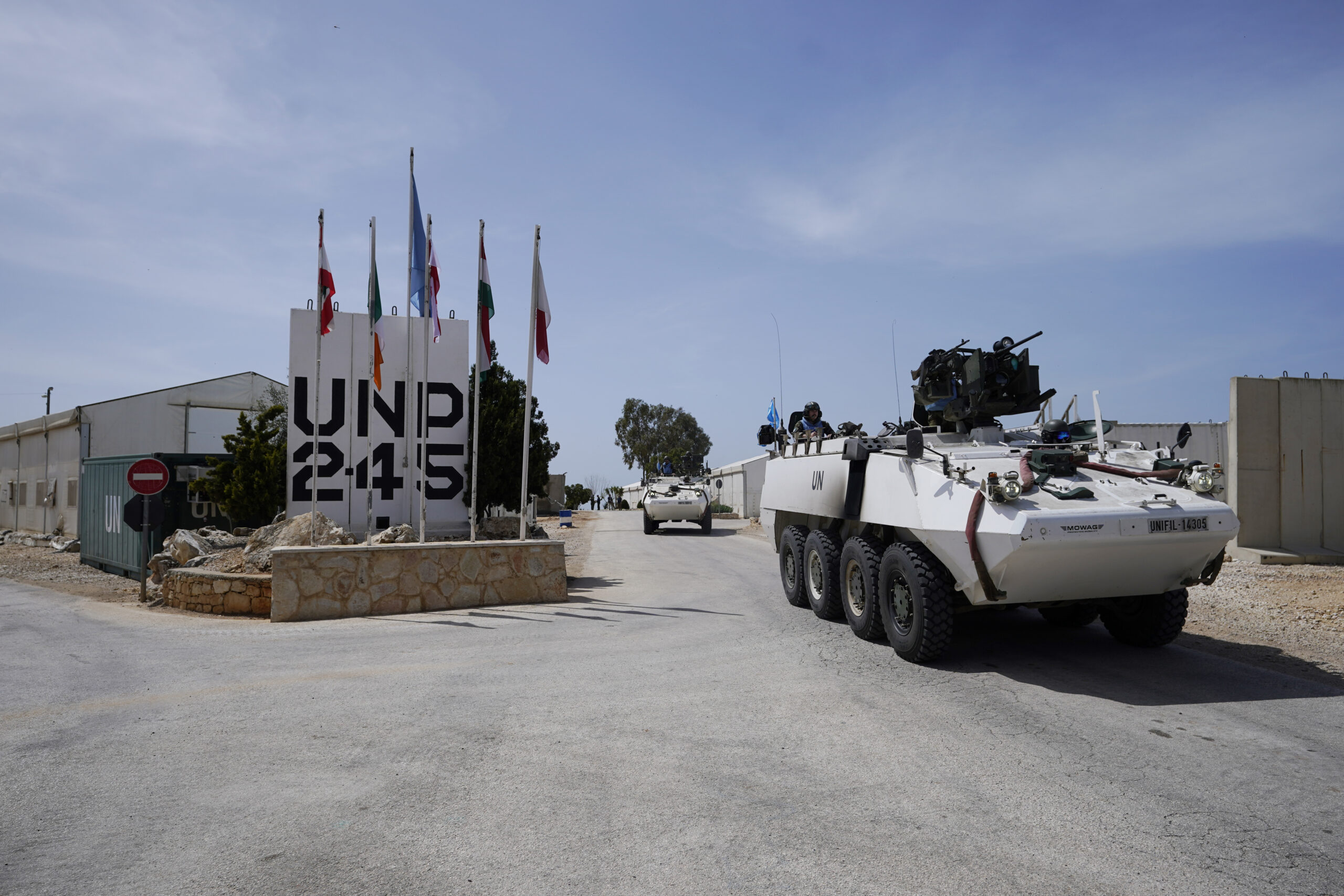
At the end of August, the United Nations Security Council renewed the mandate of the United Nations Interim Force in Lebanon (UNIFIL) for the final time. For nearly half a century, blue helmets have been a fixture in South Lebanon, an extraordinary tenure for a country only eight decades old. In many ways, UNIFIL’s longstanding presence served as a reminder of Lebanon’s struggle to assert its sovereignty, which has had destabilizing consequences for international peace and security.
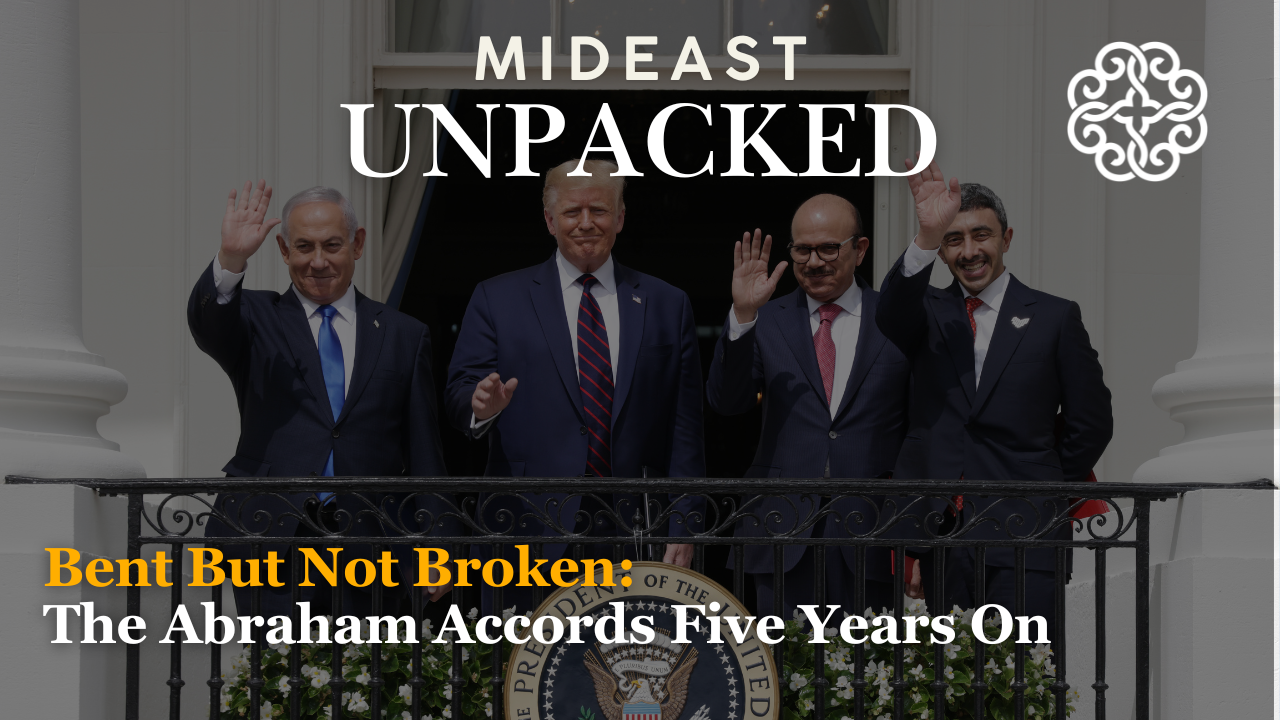
Bent But Not Broken: The Abraham Accords Five Years On
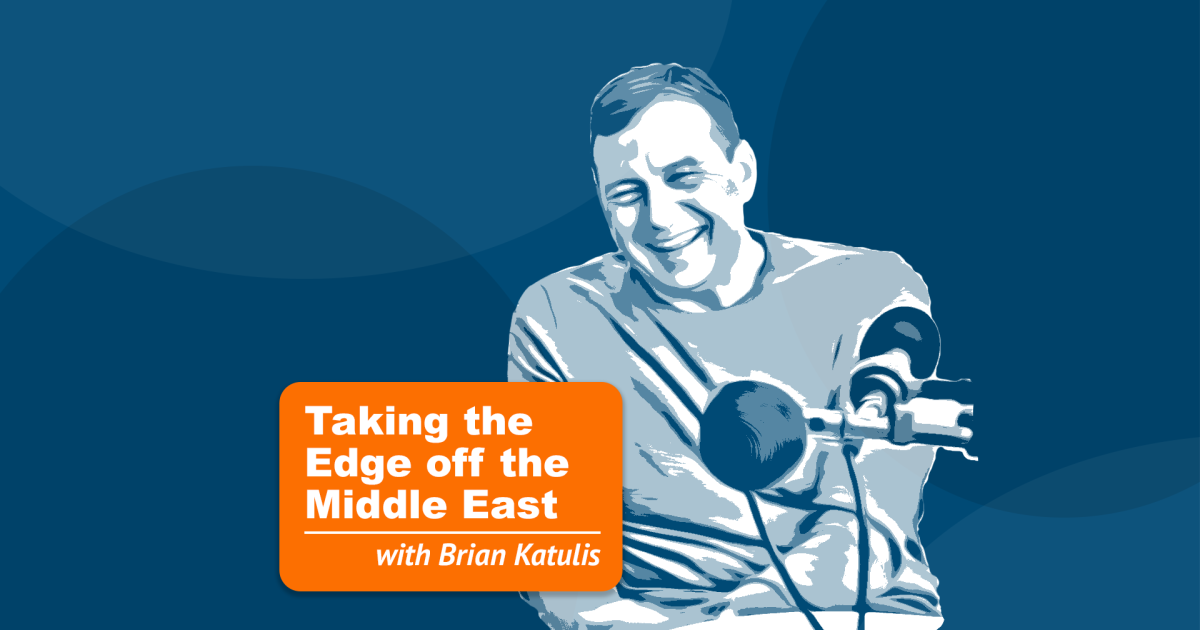
On the fifth anniversary of the Abraham Accords, MEI’s Brian Katulis reflects on their durability and future: “These Abraham Accords will not be broken. They’ll be bent, but I think they’ll stay in place. But they won’t expand in any way until there’s progress on the Palestinian question.” He unpacks the origins of the agreements, their strengths and limitations, and the key challenges that must be addressed for them to grow stronger.
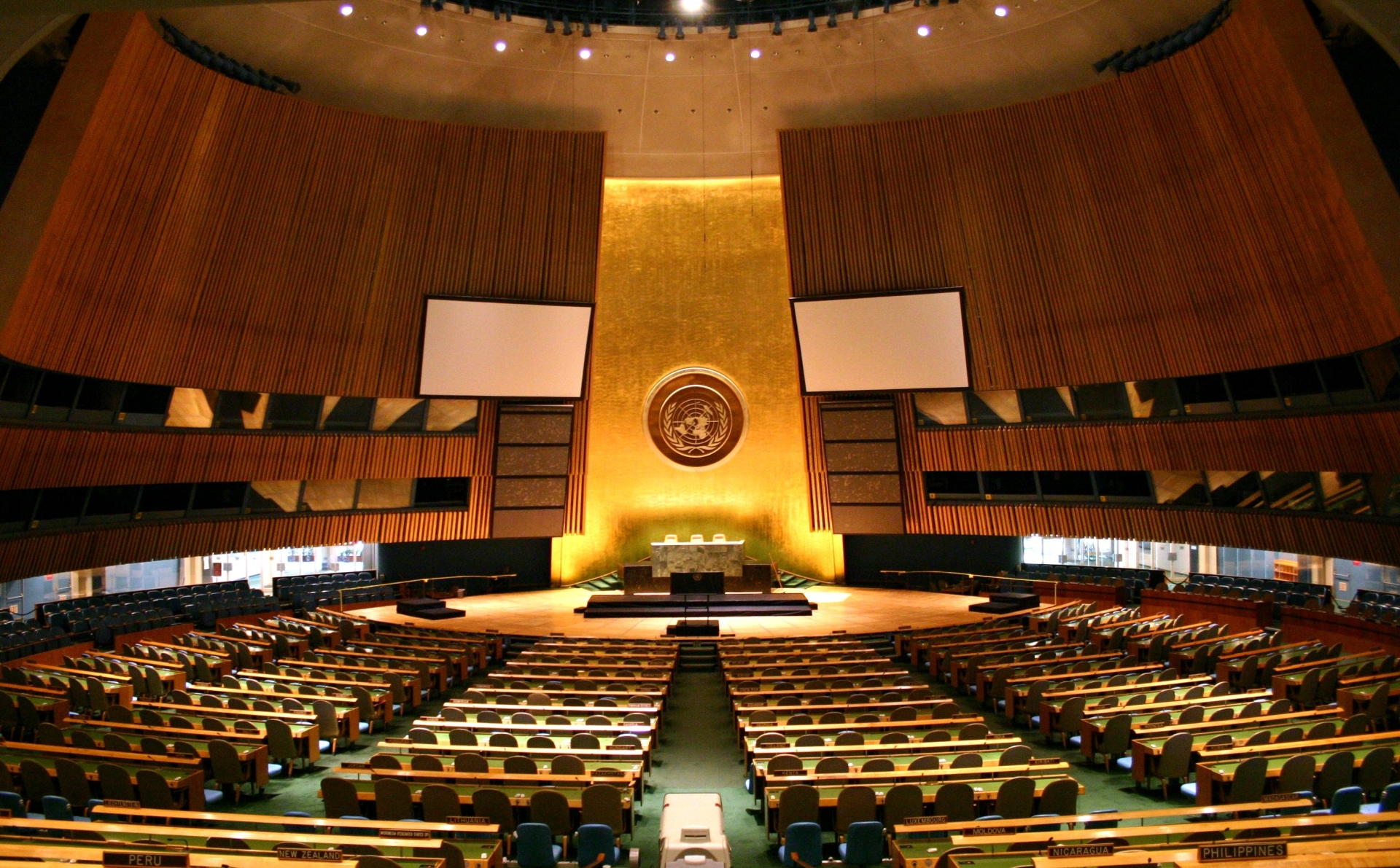
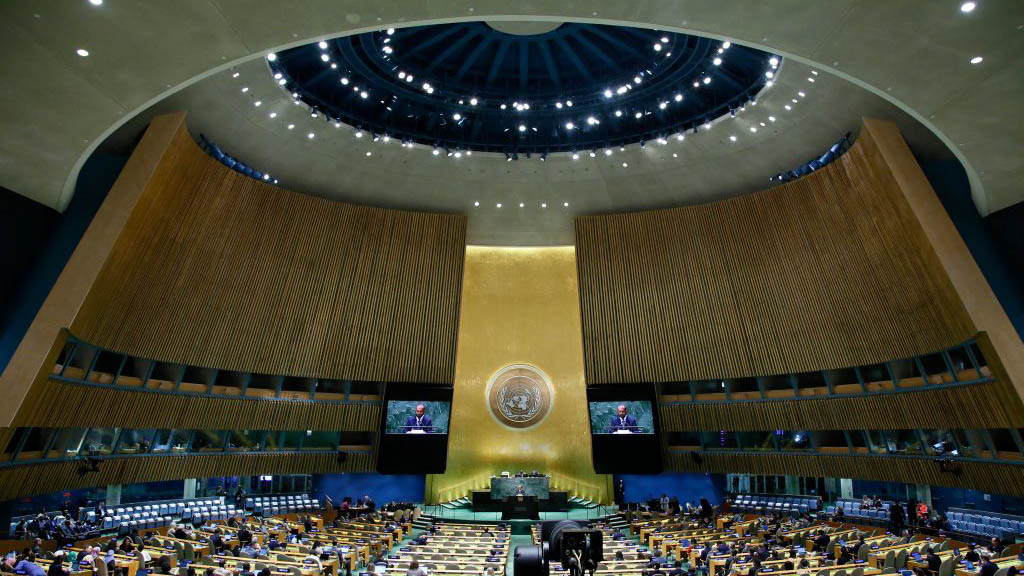
This month brings world leaders together to mark the annual opening of the United Nations General Assembly. Their formal speeches in front of the assembly vary in interest, as many contain more pious platitudes than meaty information. The real work of interest often happens behind-the-scenes, as world leaders meet bilaterally or in small groups to discuss the issues of the day away from the glare of media or the pressure for summits to deliver results. The occasion also provides opportunities for the unexpected to happen. The Middle East will figure largely in these talks. Here are some po
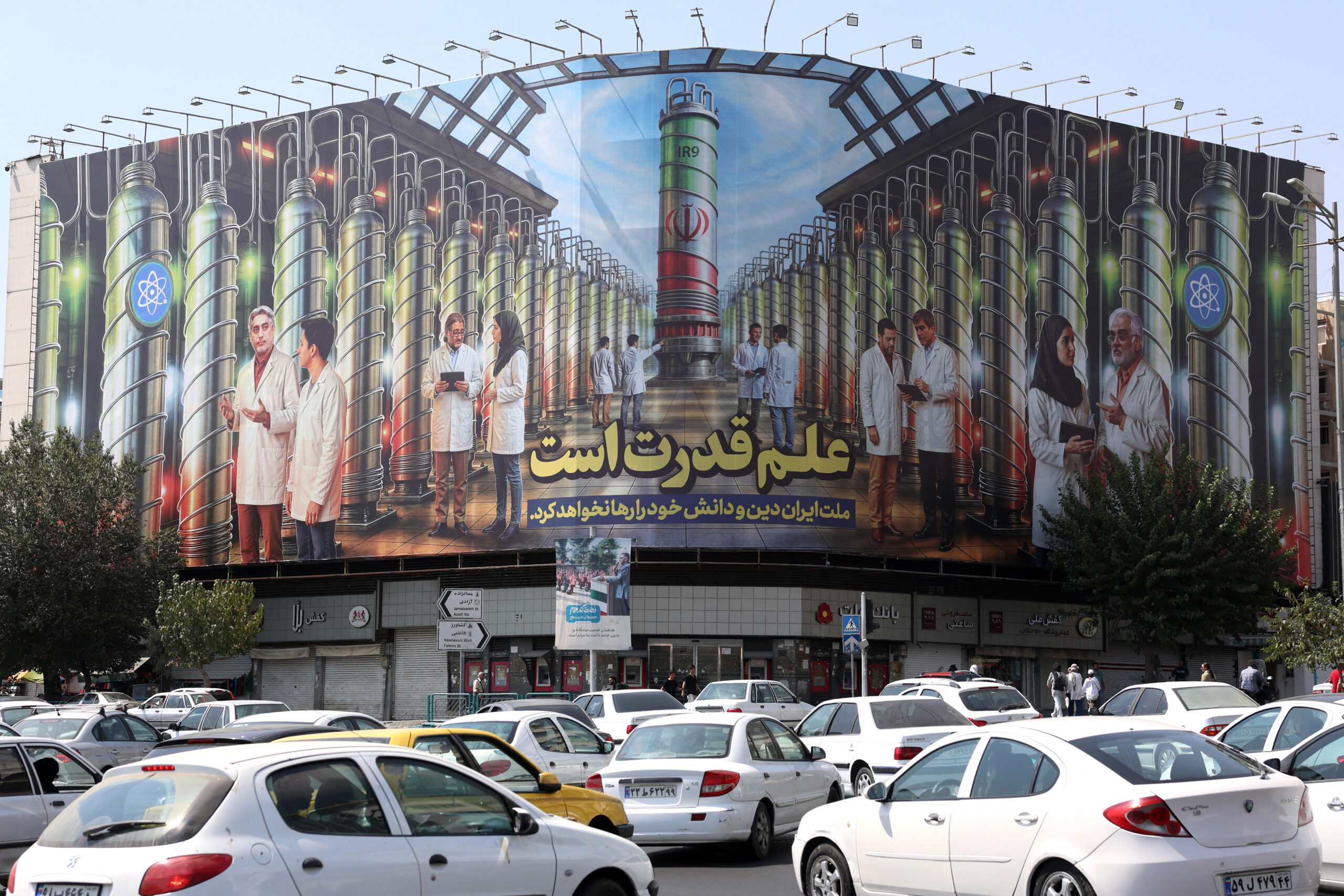
Under Pressure: Will Snapback Sanctions Bring Iran Back to the Table?
With Iran’s nuclear program devastated, the reimposition of UN sanctions looming, and Tehran grappling with the fallout of the 12-Day War, is the time ripe for Iran to return to the negotiating table? MEI Distinguished Diplomatic Fellow Alan Eyre — former senior US diplomat and member of the 2015 JCPOA negotiating team — joins hosts Alistair Taylor and Matthew Czekaj to assess whether meaningful US-Iran talks are still possible and what they could achieve amid deep mistrust and escalating pressure.
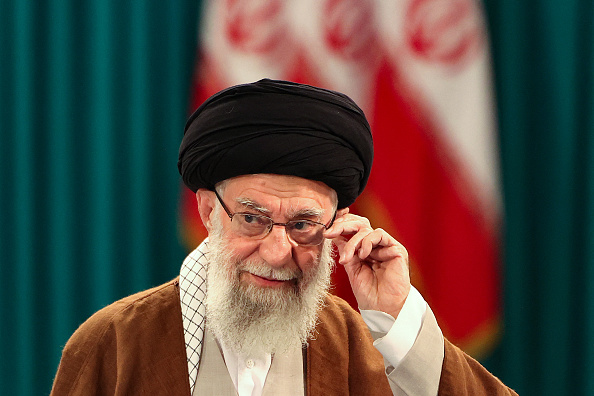
For years, Ayatollah Ali Khamenei, Iran’s supreme leader and ultimate powerbroker, has been insisting to his people that there would be no war with the United States or Israel. That claim was shattered when more than 1,000 Iranians were killed in June’s 12-day war. Now he warns against the country sliding into a “state of ‘no war, no peace.’” The diagnosis isn’t wrong—but refusing to confront hard choices is vintage Khamenei.
Markets, Mayors, and Crackdowns: Erdoğan’s High-Stakes Gamble
Turkey’s main opposition, the CHP, is facing its toughest test yet: mass arrests, sham court rulings, and the ouster of key leaders—including Istanbul’s mayor Ekrem İmamoğlu, Erdoğan’s chief rival. With trials looming that could replace CHP leadership with government loyalists, the party warns of a legal ‘coup.’ What does this crackdown mean for Turkey’s fragile economy, its 2028 elections, and the future of democracy itself?
Israel’s Doha strike could further destabilize region, undermine US security partnerships
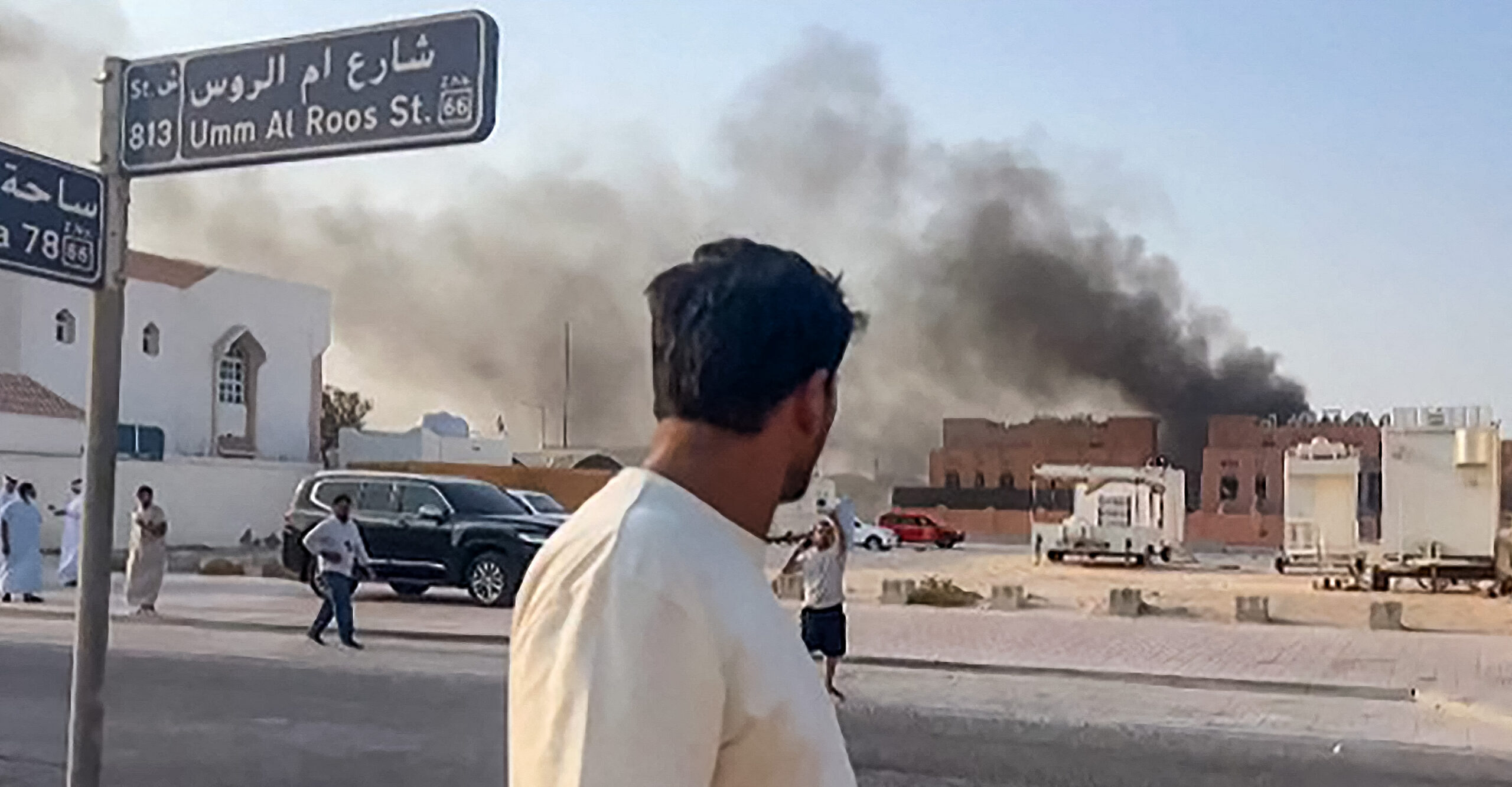
The reverberations of Israel’s strike on the Hamas negotiating team in Doha yesterday are still rippling across the globe and will continue to for the foreseeable future. Its ramifications are profound and will alter the geopolitical landscape not just in the Middle East but likely on a global scale.
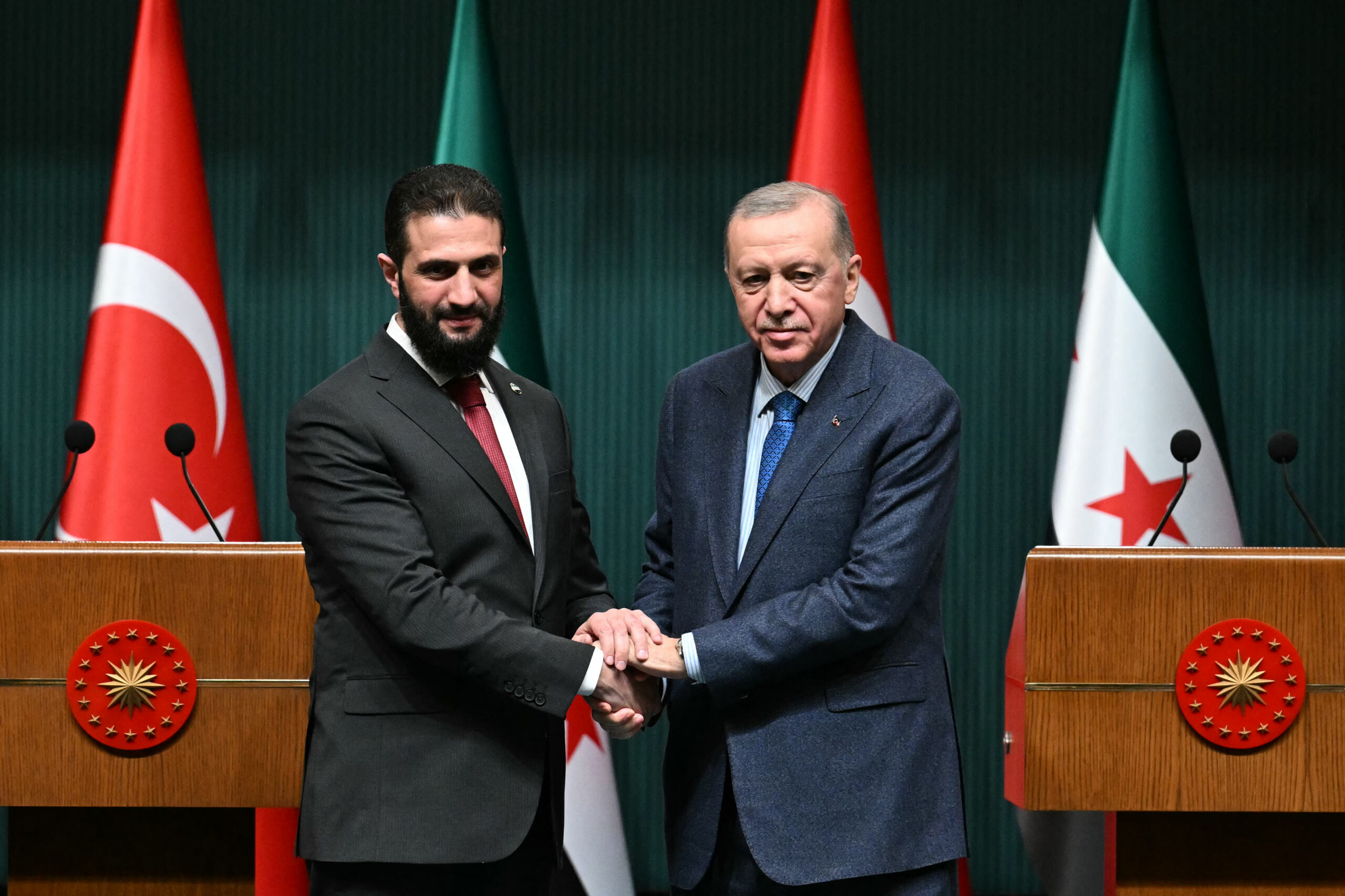
When Syrian dictator Bashar al-Assad was toppled late last year, it looked like a golden opportunity for Turkish President Recep Tayyip Erdogan. For more than a decade, the war next door had burdened Ankara with problems that it could not fix: millions of Syrian refugees straining domestic politics, U.S.-backed Kurdish militias entrenching along Turkey’s border, and a battlefield dominated by Russian and Iranian influence that left Ankara exposed to Moscow’s and Tehran’s whims.
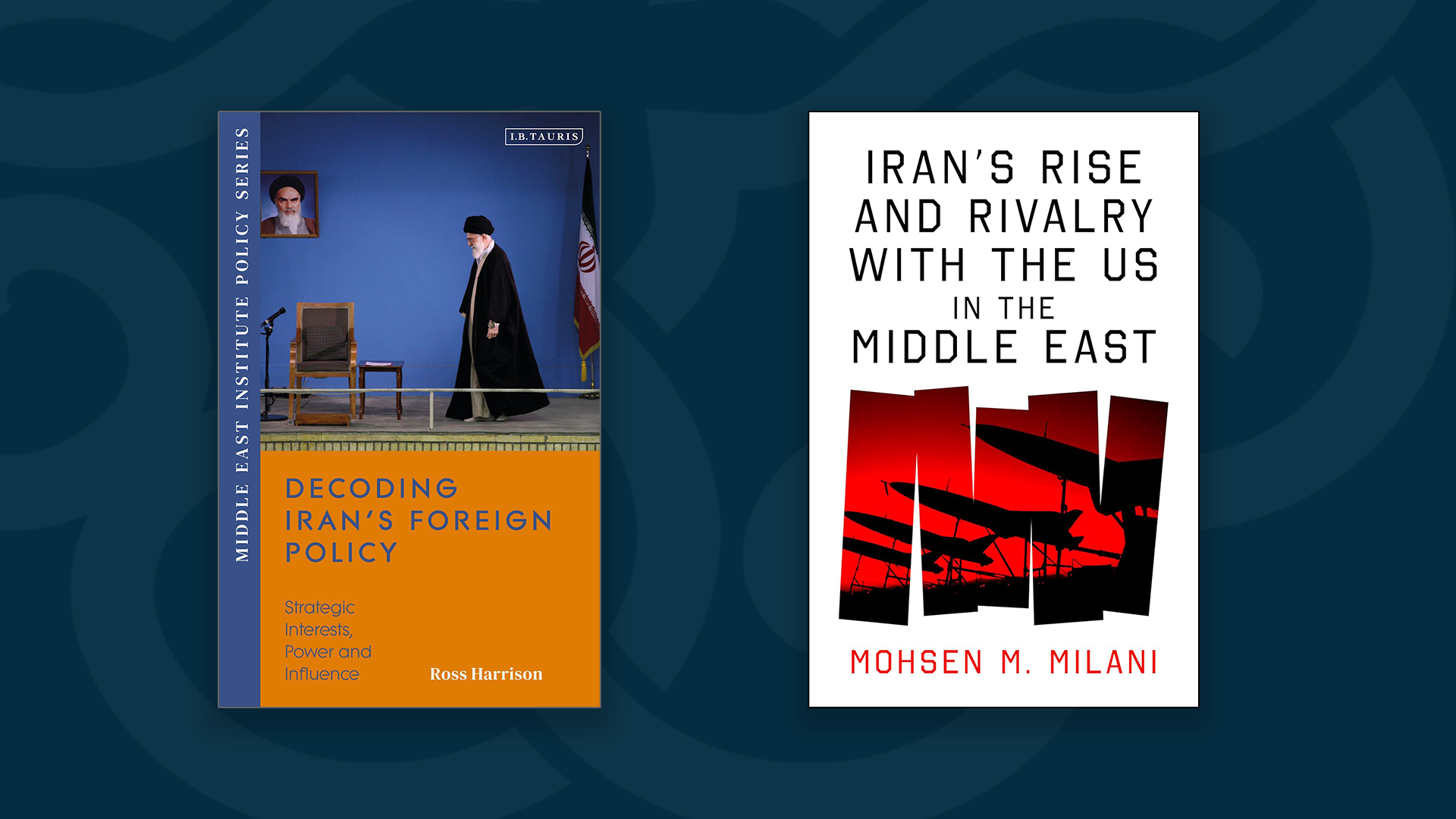
Ross Harrison and Mohsen Milani—two leading experts on Iranian strategy—join Brian for a conversation about the evolution of the Islamic Republic’s foreign policy. Both draw on insights from their latest works: Harrison’s Decoding Iran’s Foreign Policy and Milani’s Iran’s Rise and Rivalry with the US in the Middle East. They unpack the fallout of the Twelve-Day War, the weakening of the “Axis of Resistance,” and the lessons Tehran might take from Vietnam’s transformation.