This individual is a guest contributor. MEI is not able to assist with contact requests.
Sara Sadek is an affiliated researcher and coordinator at the Center for Migration and Refugee Studies (CMRS) at the American University in Cairo. She obtained an MA in Refugee Studies from the University of East London. Since 2005, she has worked on various research projects on Iraqi and Sudanese communities in Egypt, contributing to a report on Iraqis in Egypt and recently producing a paper on challenges of integration for Iraqis in Arab states for the Henry L. Stimson Center’s forthcoming volume Transnational Challenges.
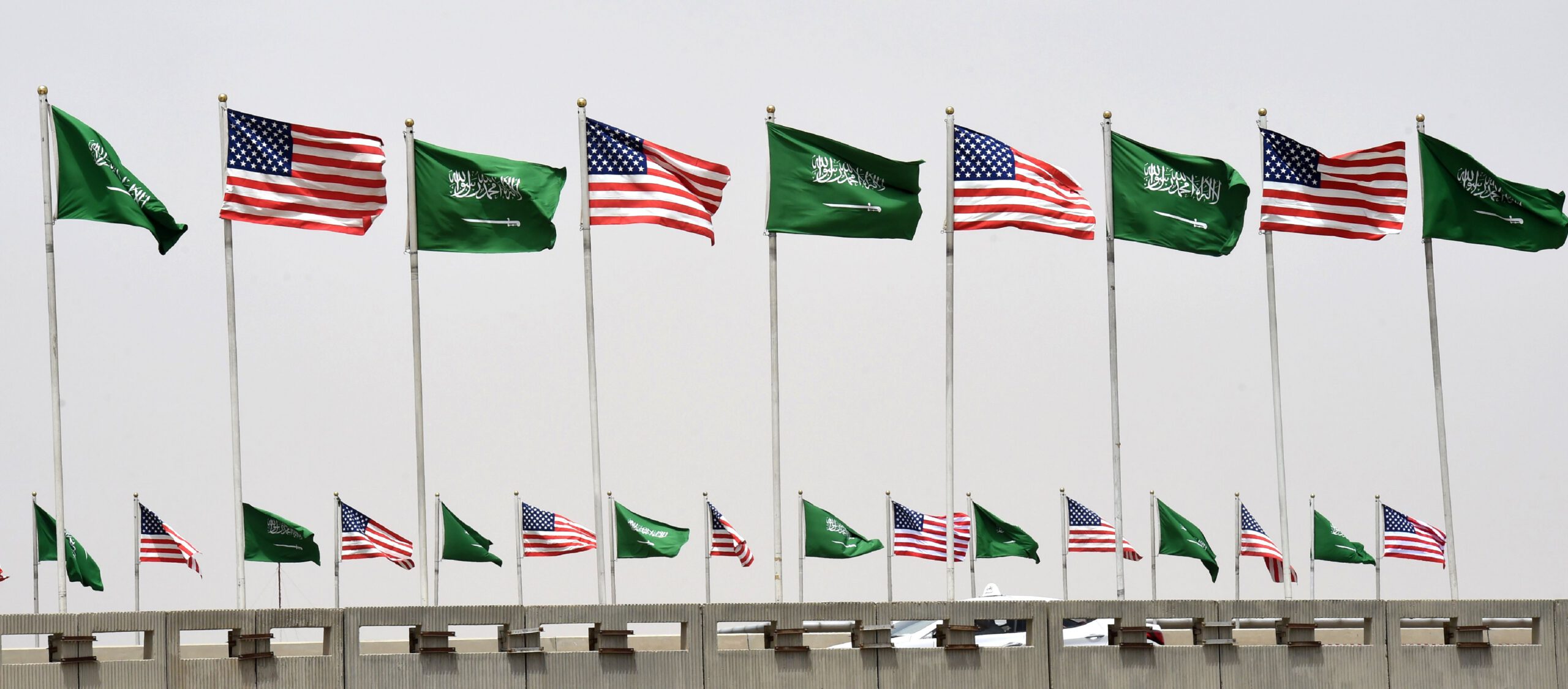
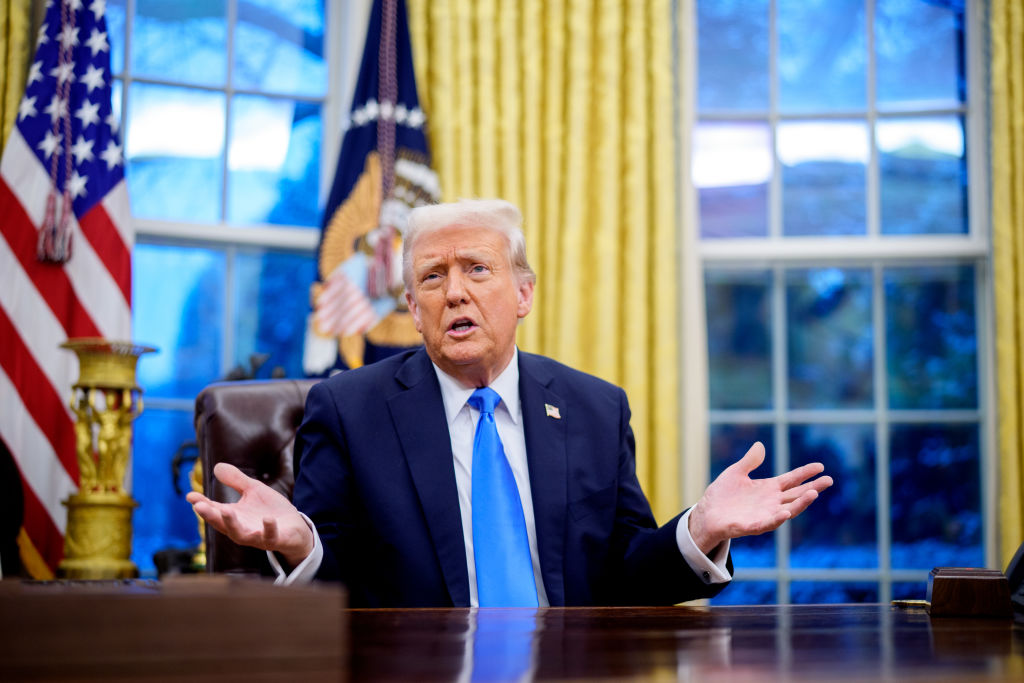
This week, US President Donald Trump makes his inaugural visit to the Middle East since the start of his second term, traveling to Saudi Arabia, Qatar, and the United Arab Emirates on May 13-16. Amid the heightened focus on US policy toward the Middle East, MEI’s experts take stock of Trump’s trip to the Gulf, how his administration has shaped its approach to the wider region in its first several months, and how regional actors are responding to the policies coming out of Washington.
Analysis: Trump’s Gulf tour should deepen economic alignment
It has been a dynamic period in US-Gulf relations. A steady stream of senior Gulf officials has visited Washington to engage the new administration. There have been talks to end the Russia-Ukraine war in Saudi Arabia, the Gaza crisis in Qatar, and nuclear negotiations with Iran in Oman.
The Damascus-SDF agreement two months on: Fragile progress or delayed collapse?
On March 10, 2025, Ahmed al-Sharaa, the president of Syria, and Mazloum Abdi, the commander-in-chief of the Syrian Democratic Forces, signed a historic agreement, ending a long-running divide between Damascus and the Democratic Autonomous Administration of North and East Syria. Now, two months after the deal was signed, how far has it progressed, and what are the main obstacles and disputes between the parties during this transitional phase?
Trump’s Gulf Visit: Strategic Stakes and Symbolic Optics
President Donald Trump is heading to Saudi Arabia, Qatar, and the UAE on his first foreign trip of his second term, with major investment deals, defense cooperation, and tech diplomacy on the agenda. What are the Gulf states hoping to gain, and what does the trip signal about US policy in the region? Alistair Taylor speaks with Dr. Ibrahim al-Assil, Senior Fellow at MEI, about the goals of the visit, the geopolitical and economic dynamics at play, and how regional powers are navigating a complex landscape shaped by Iran, China, AI ambitions, and the crisis in Gaza.
President Donald J. Trump’s trip to the Middle East on May 13-16 comes on the heels of more than three months of whirlwind activity in US foreign policy where the region has been a higher priority than it was in the early months of the previous US administration. The US president has gained attention by proposing some provocative ideas and his team has made some signs of progress in talks with Iran, but thus far the second Trump administration has produced very few tangible advances for stability, prosperity, and progress in the Middle East. The following report assesses the US government’s actions on Middle East policy over the past three months, from late January to late April 2025.
It’s time to end the EU’s Assad-era sanctions on Syria
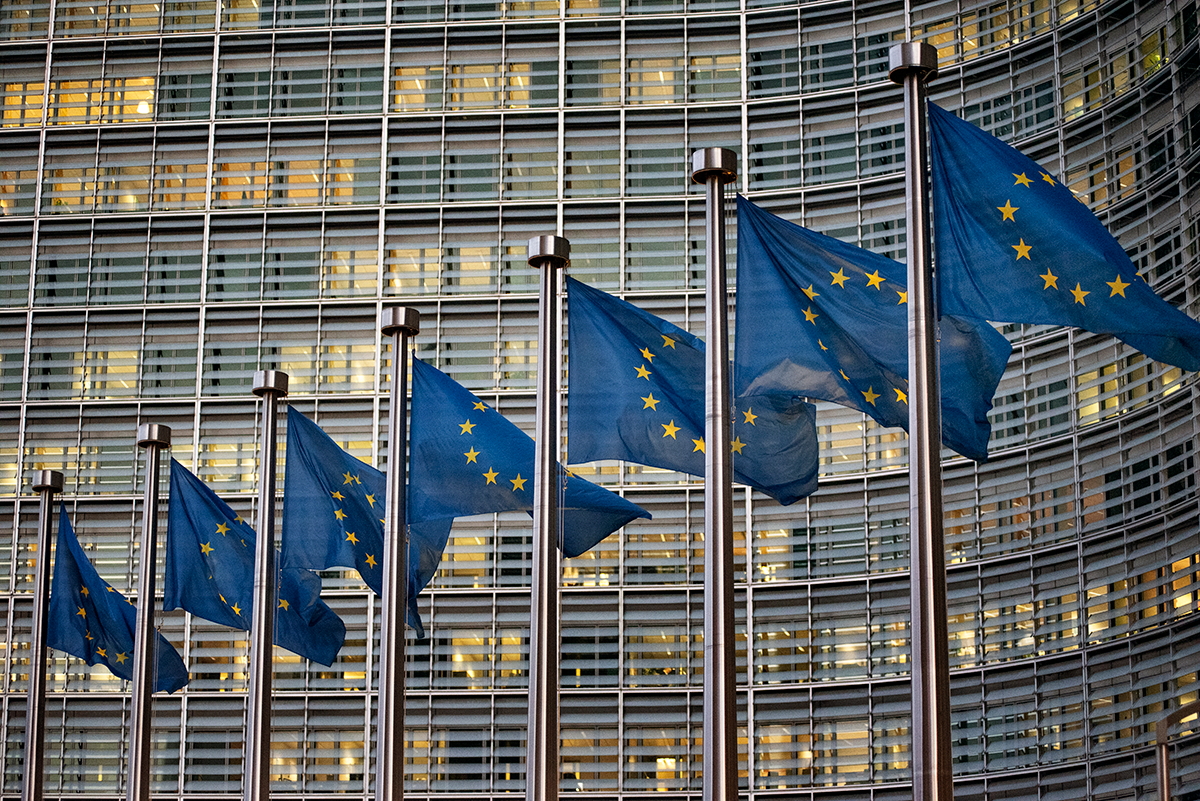
As the EU prepares for its annual review of sanctions imposed on Syria, it faces a moment of reckoning — an opportunity to demonstrate whether its policies not only continue to be principled and legal, but also in line with its strategic interests. They no longer serve the purpose for which they were designed, and the EU should let the entire sanctions regime on Syria collapse unconditionally and immediately.
Trump’s Second Term and the Middle East: A Conversation with Ambassador James Jeffrey
In this wide-ranging conversation, Ambassador James Jeffrey joins host Brian Katulis to unpack the Trump administration’s early moves in its second term and what they signal for US foreign policy in the Middle East.
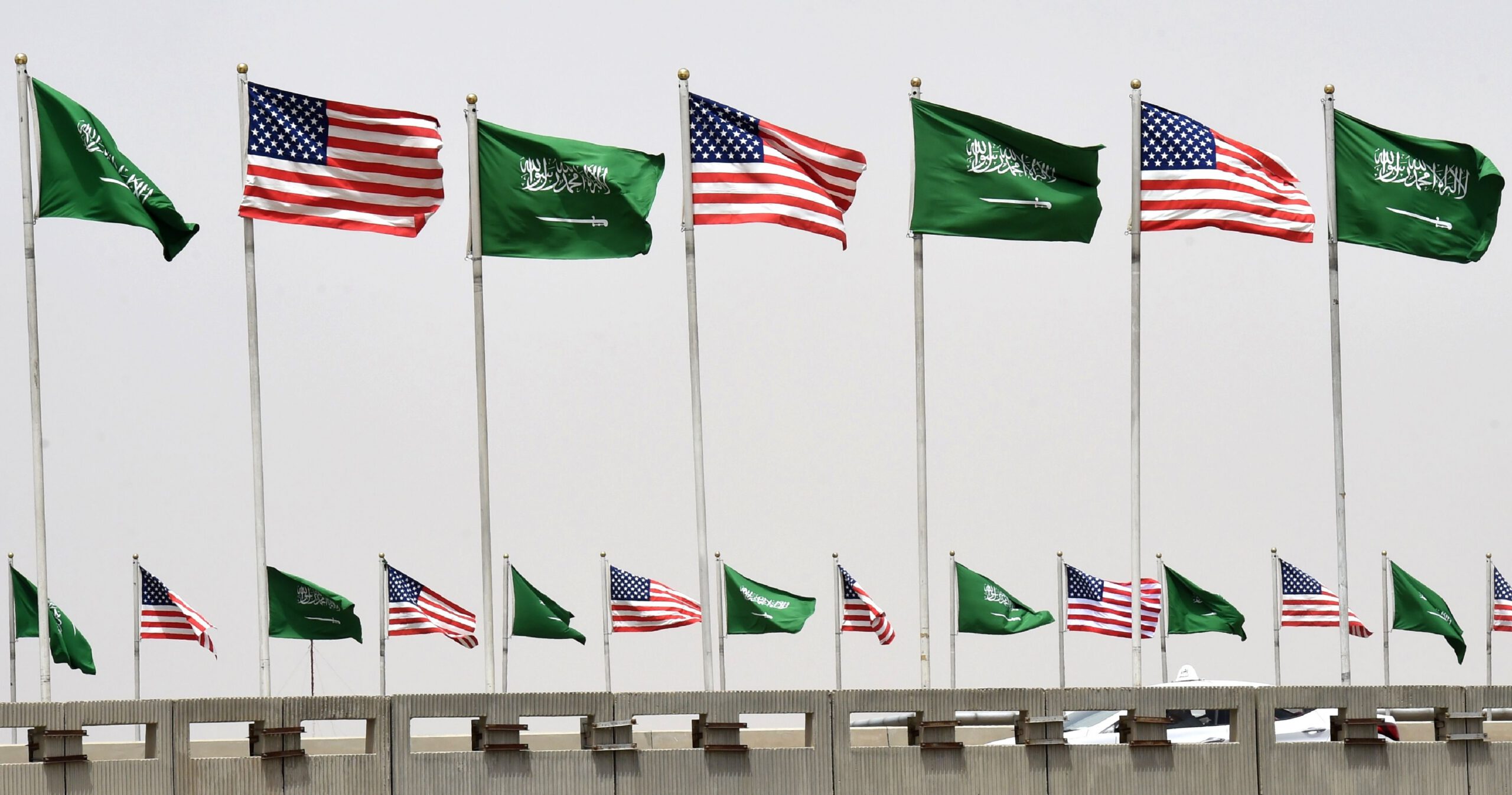
As Saudi Arabia accelerates its transformation into a global technology powerhouse, the United States has a pivotal opportunity to redefine its partnership with the kingdom. Moving beyond the traditional oil-for-security framework, a new partnership centered on artificial intelligence and digital infrastructure can anchor US-Saudi relations in the 21st century.
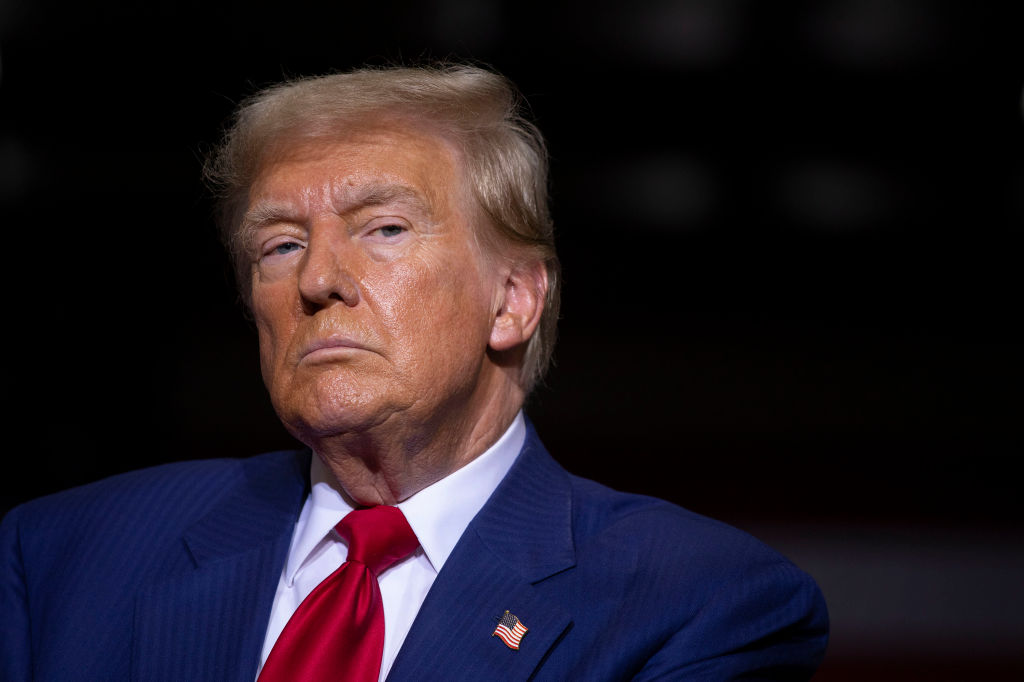
Trump’s domestic political support craters at the 100-day mark before his Middle East trip
President Donald Trump reached the 100-day mark in his second term this week seeing a sharp drop in his domestic political standing. This comes less than two weeks before Trump embarks on a key Middle East trip to the Gulf. The administration may be looking to the presidential visit as a chance to achieve some progress, but the region remains fraught with uncertainty and US policy in the Middle East rarely provides domestic political dividends.
Iran appears to be reorienting its approach to diplomatic engagement with its neighbors and the West by prioritizing the economic benefits of cooperation. A possible withdrawal of support for the Houthis is the latest significant potential outcome of Iran’s shifting stance. The following are five factors to watch for as a Tehran under duress reformulates its policies.
Turkey at a Crossroads: Protests, Crackdowns, and the Future of Democracy
The arrest of Istanbul Mayor Ekrem İmamoğlu has sparked the largest wave of public protests in Turkey in over a decade, signaling a potential turning point in the country’s political trajectory. As the opposition rallies support and President Erdoğan intensifies his crackdown, what lies ahead for Turkish democracy, the Kurdish peace process, and the broader political landscape? MEI Senior Fellow Gonul Tol joins host Alistair Taylor to unpack the growing unrest, the strategic stakes for Erdoğan’s ruling coalition, and the mobilization of a new generation of political activists.
First Stop, Riyadh: Why Trump’s Saudi Visit Will Be Nothing Like the Last
As President Trump prepares for his visit to Saudi Arabia in May, MEI’s F. Gregory Gause, III unpacks the evolving Saudi-American relationship. Compared to his first term, Trump faces a more volatile Middle East and a Crown Prince Mohammed bin Salman whose calculations have fundamentally shifted. The new regional landscape has directly reshaped MBS’s priorities toward regional stability, cautious Iran relations, and economic transformation through Vision 2030. Discover what challenges await as these two leaders navigate complex dynamics, oil markets, and the fallout from the Gaza War.
Can Ukraine’s fight for democracy survive without US support?
Ukraine faces a pivotal year in its fight against Russian aggression — and for its democratic future. With fears mounting that President Trump could abandon peace talks with Kyiv and Moscow, the risk grows that US disengagement could tip the balance toward Russia and fracture the global democratic order.
Thousands of once protected Afghan refugees in the United States face deportation
The chaotic US military pullout from Afghanistan in August 2021 became a hot campaign issue in the 2024 presidential election and continues to echo today. President Donald Trump, who set the withdrawal in motion during his first term in office, repeatedly criticized President Joe Biden’s administration for leaving behind billions of dollars of military equipment. Also left behind were tens of thousands of Afghans, and their family members, who faced retribution for assisting US forces in the fight against the Taliban.
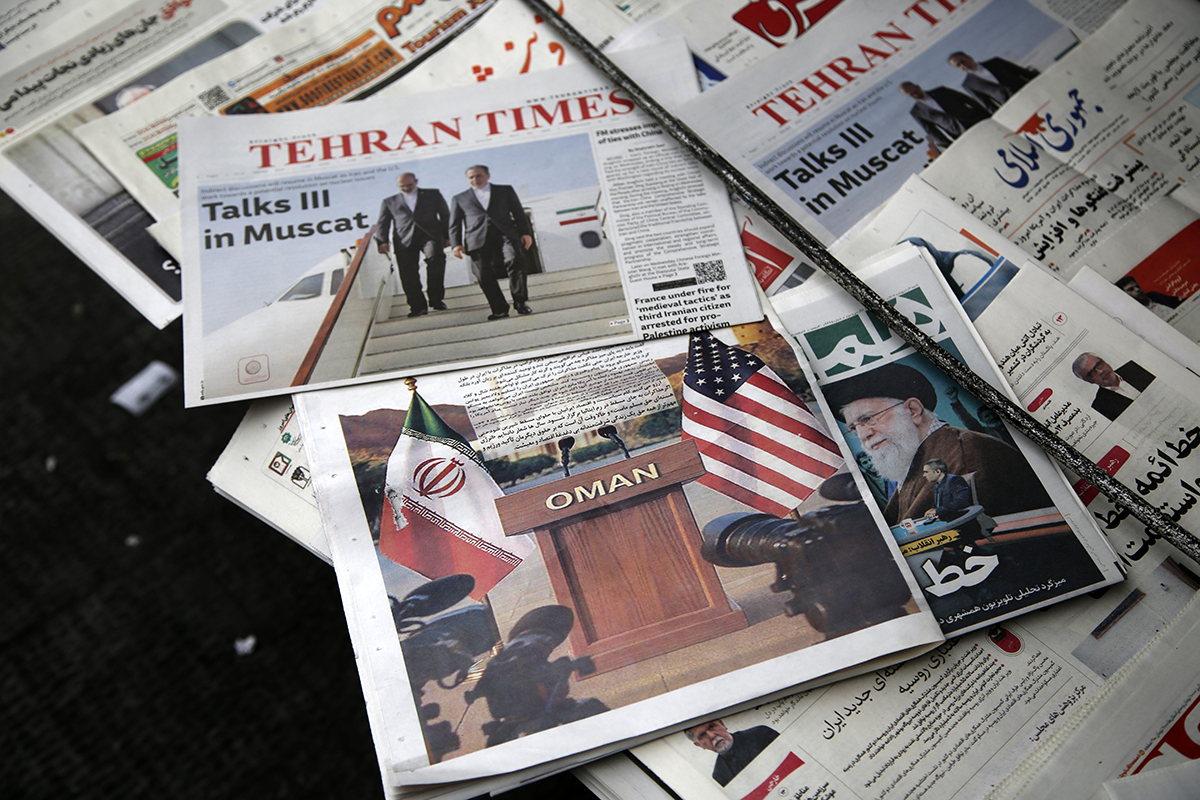
US-Iran Nuclear Talks: A Fragile Opening for Diplomacy
Following seven years of diplomatic deadlock, Washington and Tehran have resumed nuclear negotiations — and for the first time in years, there are signs of real momentum.
Alex Vatanka, MEI Senior Fellow and author of The Battle of the Ayatollahs in Iran, joins hosts Alistair Taylor and Matthew Czekaj to analyze the current round of talks, the technical issues under discussion, and the political stakes on both sides. He explores Iran’s economic and domestic pressures, US red lines, and the role of key players like Israel, China, and Oman in shaping the negotiations.