This individual is a guest contributor. MEI is not able to assist with contact requests.
Shahmahmood Miakhel is the Country Director in Afghanistan for the US Institute of Peace (USIP). Prior to that he was a Governance Advisor for the United Nations Assistance Mission in Afghanistan (UNAMA), and, from 2003–2005, a Deputy Minister of the Interior in the Government of Afghanistan. In 1994–1995 he worked for the United Nations Development Programme (UNDP) and United Nations Office for Project Services (UNOPS) in South and Southeast Afghanistan helping to establish District Rehabilitation Shuras (DRS). He also worked as a reporter for the Pashto service of the Voice of America from 1985–1990.
What does Trump’s new National Security Strategy mean for the Middle East?
In this episode, MEI Distinguished Diplomatic Fellow Ambassador David Hale joins host Alistair Taylor to unpack the Trump administration’s new National Security Strategy (NSS). Released on December 4, the document outlines the administration’s foreign policy vision, priorities, and approach to global challenges. Ambassador Hale analyzes the new NSS and how it compares to previous US strategy documents. The conversation focuses on what the NSS means for the future of US policy in the Middle East, and how it is likely to be received by regional actors.
Admiral Brad Cooper, Commander of US Central Command, Addresses MEI
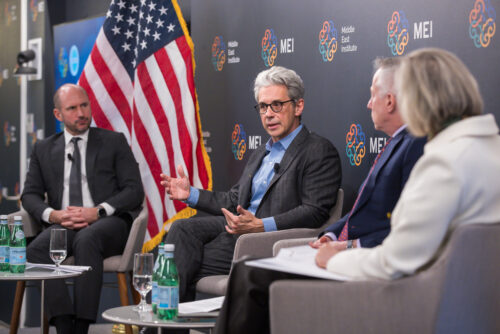
Admiral Brad Cooper, USN, Commander of US Central Command, gave opening remarks at MEI’s conference titled “Assessing US Policy on Post-Assad Syria & Its International Integration.”
“Today, one year since Syria’s transition began, we remain laser focused on the work ahead. We will continue to work with our Syrian partners to pursue ISIS and support SDF integration. A Syria at peace with itself and its neighbors can lead to a more peaceful and prosperous Middle East.”
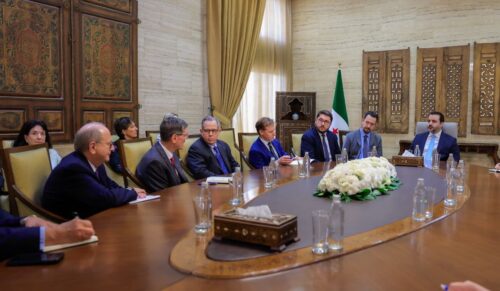
The Middle East Institute has released the Syria trip report 'A New Day in Syria: Opportunities for Reconstruction and Renewal' in parallel to the recorded debrief. This 2025 Syria Trip Debrief provided context for the report and deeper insight into the recommendations mentioned.
The Methods and Means of Greenfield Direct Investment Between China and the GCC States
This article examines the changing volume and allocations of investment flows between China and the Gulf Cooperation Council (GCC) states over the last two decades, roughly from 2003 to the present.
Soft Power in Hard Times: Pope Leo XIV’s Visit to Lebanon
MEI Senior Fellow Fadi Nicholas Nassar joins host Matthew Czekaj to share expert insights and personal reflections on Pope Leo XIV’s trip to Lebanon from November 30 to December 2. Nassar unpacks the significance of the visit, part of the pontiff’s first overseas tour since assuming office, and its potential impact on Lebanon’s untenable status quo. The conversation explores key questions, including the ability of spiritual and moral authority to compensate for the shortcomings of political leadership as well as whether Lebanon’s government will be able to capitalize on the momentum generated by this visit as the possible return of conflict looms on the horizon.
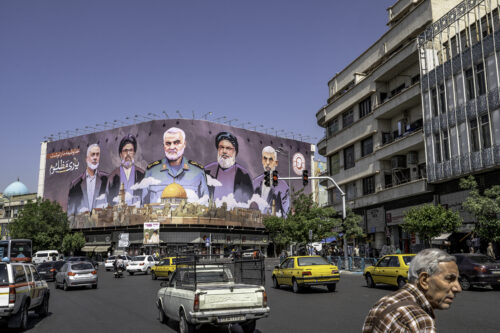
This backgrounder provides an overview of the Axis of Resistance, a loosely aligned network of armed groups and state actors led and supported by Iran to project its influence and military strength across the Middle East.
How Palestinian Roots Shaped an American Ambassador
Brian welcomes Ambassador (ret.) Theodore “Ted” Kattouf, who previously served as US Ambassador to Syria and the United Arab Emirates, as well as President and CEO of the leading nonprofit organization Amideast. Kattouf reflects on how his Palestinian-American background shaped his diplomatic career and worldview. The two also take time to honor the life and legacy of Paul Kattouf, Ted’s son and Brian’s high school classmate, who was murdered in 2024.
American commitment to foundational values must withstand assault by an individual
Two members of the US diplomatic corps who served in Afghanistan and are involved in the Afghan resettlement program call on Americans to uphold principles of justice and fairness when judging the person accused of shooting National Guard members in Washington, DC.
From Brightest Hope to Open-Air Prison: How Tunisia Lost Its Democratic Promise
Thousands of Tunisians marched in the capital last week against what they called ‘injustice and repression,’ accusing President Kais Saied of cementing one-man rule through the police and judiciary. The protest is part of a wider wave of unrest—journalists, NGOs, fractured political parties, doctors, bankers, and transport workers all say Saied has turned the country into an open-air prison and demand relief from Tunisia’s deepening political and economic crisis.
From Strategy to Impact: Strengthening Cultural Diplomacy
Three distinguished thought leaders—each working at the intersection of arts and global engagement—joined us for a discussion about the strategies, tools, and programs needed to build an effective and globally connected cultural diplomacy agenda.
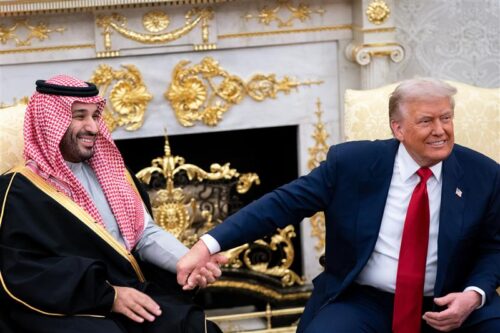
Last week’s visit by Saudi Crown Prince Mohammed bin Salman to Washington, DC marked a pivotal moment in the 80-year relationship between the United States and Saudi Arabia. History could look back on this moment as a major turning point for both countries, depending on how key strategic issues are addressed in the months to come.
This backgrounder provides an overview of the Organization of Petroleum Exporting Countries (OPEC), including its history, structure, and function, and the US government’s approach to the organization.
Trump-MBS summit: Good feelings, real commitments, and unresolved questions
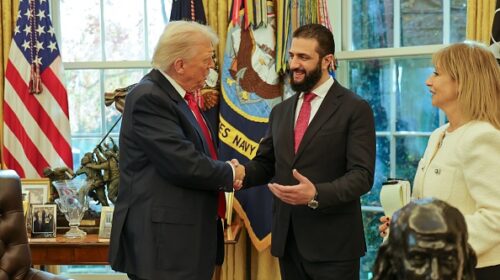
Mohammed bin Salman, the crown prince, prime minister, and main decision-maker in Saudi Arabia, left Washington and his summit with President Donald Trump with a number of promises made and commitments received. But several questions, including on shared diplomatic agenda items, the extent of civilian nuclear cooperation, and the nature of the American defense commitment to Saudi Arabia, remain unanswered.