This individual is a guest contributor. MEI is not able to assist with contact requests.
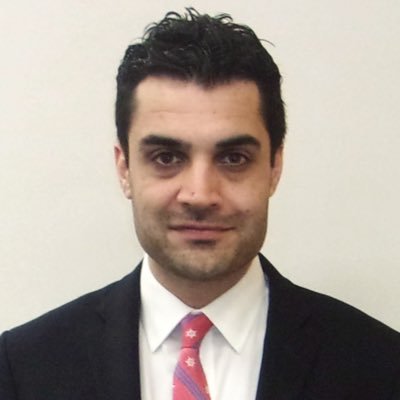
Shahmahmood Miakhel is the Country Director in Afghanistan for the US Institute of Peace (USIP). Prior to that he was a Governance Advisor for the United Nations Assistance Mission in Afghanistan (UNAMA), and, from 2003–2005, a Deputy Minister of the Interior in the Government of Afghanistan. In 1994–1995 he worked for the United Nations Development Programme (UNDP) and United Nations Office for Project Services (UNOPS) in South and Southeast Afghanistan helping to establish District Rehabilitation Shuras (DRS). He also worked as a reporter for the Pashto service of the Voice of America from 1985–1990.
Egypt and Gaza: Conflict, Crisis, and the Path to a Ceasefire
With the dire humanitarian crisis in Gaza in the global spotlight, Egypt faces mounting pressure both at home and abroad. In this episode of Middle East Focus, hosts Alistair Taylor and Matthew Czekaj speak with MEI Senior Fellow Mirette Mabrouk about how Cairo is handling the crisis in the neighboring coastal strip. What are the Egyptian government’s main concerns as conditions there continue to deteriorate? How is Egypt responding to domestic outrage and changing international dynamics?
Daniel Silverberg and Elisa Ewers—two veterans of Capitol Hill and the executive branch—join Brian for a candid conversation about the shifting politics of US Middle East policy inside the Democratic Party. Drawing on decades of experience shaping national security strategy, they unpack why so many debates remain trapped in a post-Iraq War mindset, how October 7th transformed bipartisan dynamics, and what’s at stake when values, strategy, and political reality collide. From Iran and Gaza to the role of Arab partners and the rise of populism, the trio explores how America’s approach to the region must evolve—and how the next generation can lead that charge with clarity, humility, and purpose.
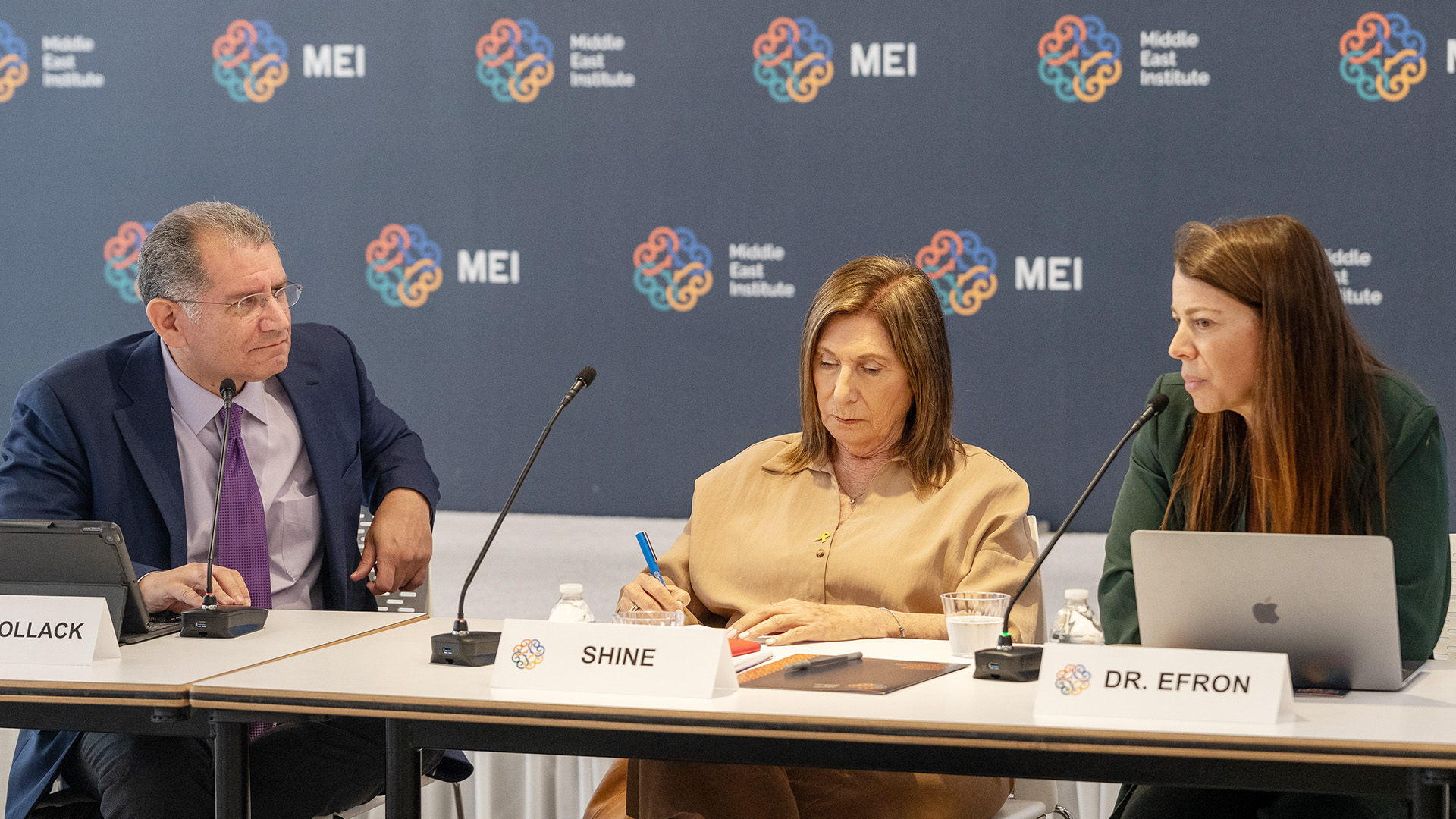
As the dog days of August approach, we are pleased to share a curated summer reading list featuring some of VP for Policy Ken Pollack’s favorite books on the region. Covering a variety of timely and engaging topics, the list offers recommendations for anyone interested in deepening their understanding of the Middle East.
Inflection point or continuing spiral in the Middle East?
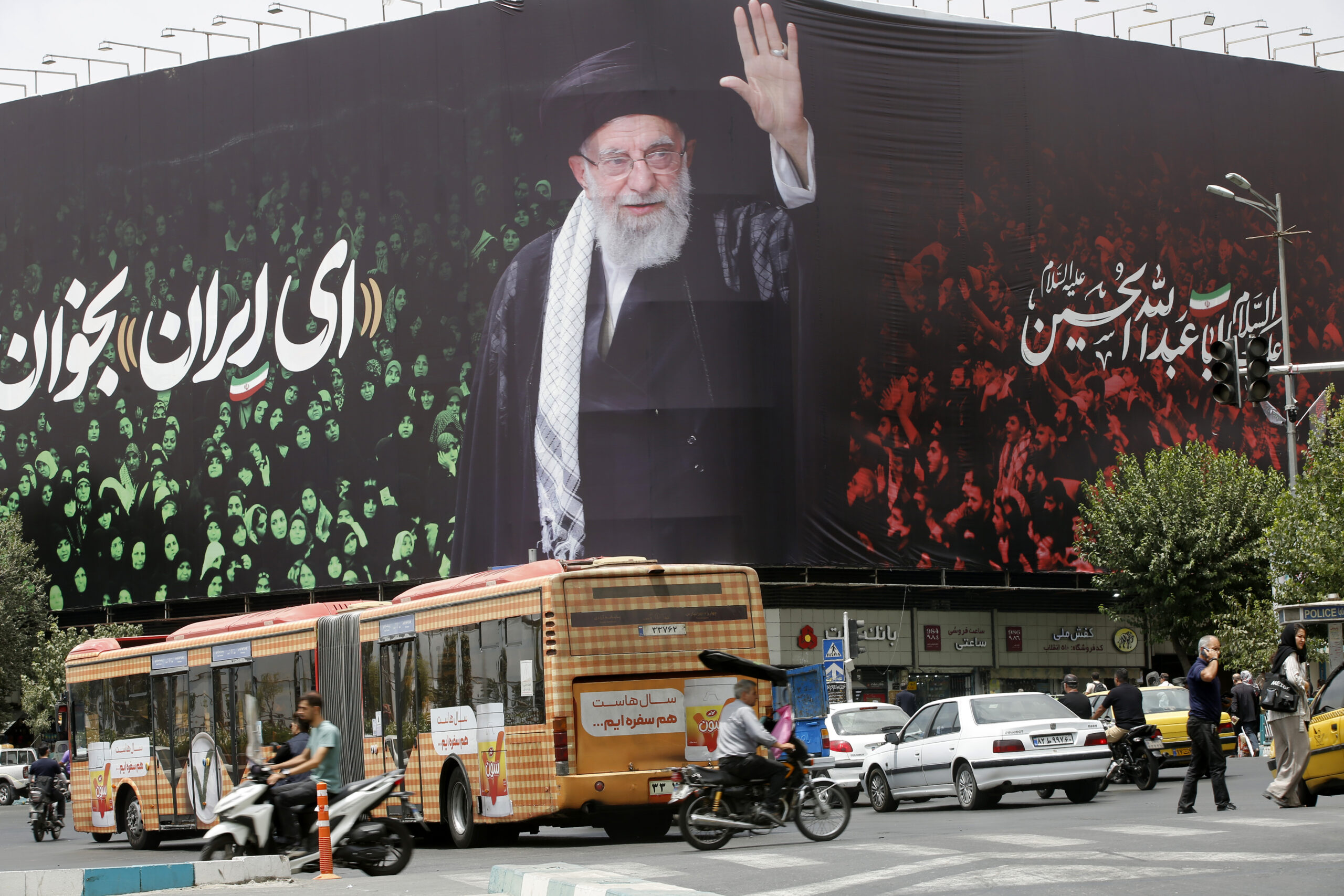
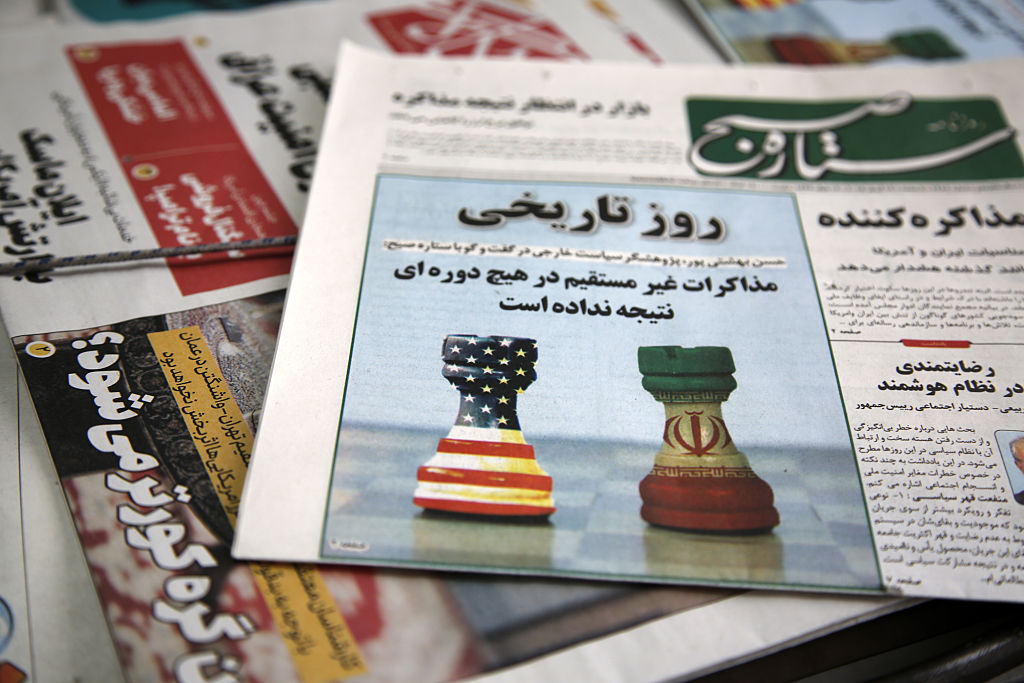
After almost two years of fighting in Gaza, and after the decimation of Hizballah, the fall of Bashar al-Assad’s regime in Syria, and the 12-day Israeli-American war on Iran, the Middle East is in new strategic and political territory. Two pathways lie ahead: the first is one in which the gains and changes brought about by war are turned, through intense diplomacy and negotiation, into new international and political arrangements that bring about a period of security and stability in the region; the second is one in which that corner is not turned, and the wars in Gaza, Iran, and potentially Yemen, Syria, and Lebanon, continue indefinitely. The trajectory will depend on the choices of key actors — above all Iran, Israel, and the United States.
Former MEI Board Member John Hurley Confirmed as Treasury Under Secretary for Terrorism and Financial Intelligence
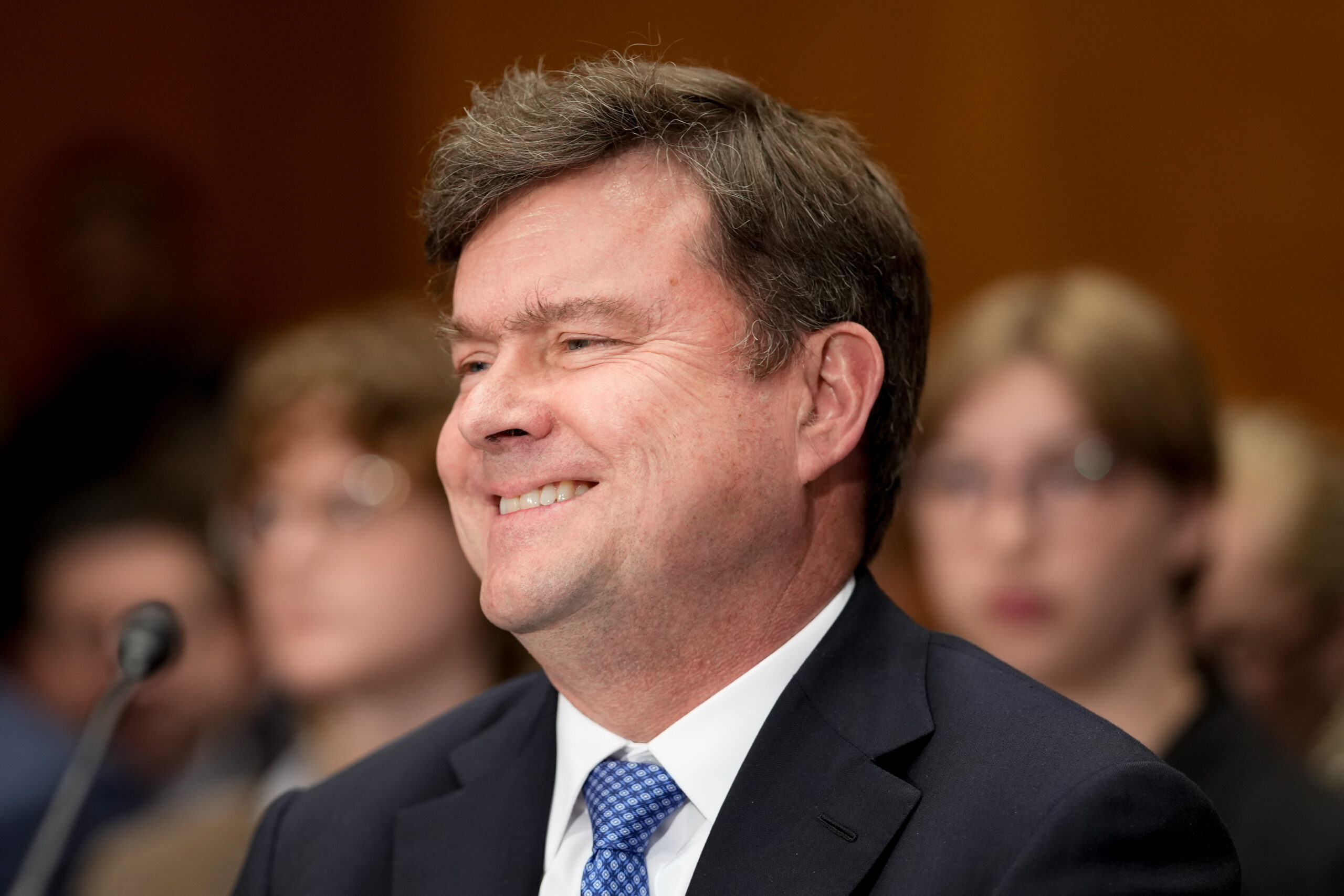
(Washington, DC, July 25, 2025) – The Middle East Institute (MEI) congratulates former Board of Governors member John K. Hurley on his confirmation by the US Senate to serve as Under Secretary for Terrorism and Financial Intelligence at the US Department of the Treasury.
The Regional and Domestic Elements of Erdoğan's Grand Strategy
In this episode of Middle East Focus, hosts Alistair Taylor and Matthew Czekaj are joined by MEI Senior Fellow Gönül Tol to discuss how shifting regional dynamics — from the Israel-Iran war to renewed violence in southern Syria — are reshaping Turkey’s foreign policy and President Recep Tayyip Erdoğan’s domestic agenda. They unpack Ankara’s ties with the US under the Trump administration, its strained relations with Israel, the implications of Turkey’s peace process with the PKK, and Erdoğan’s bid to maintain his hold on power. The conversation also explores how Turkey is positioning itself as Western engagement grows more uncertain and what this means for the future of democracy in the country.
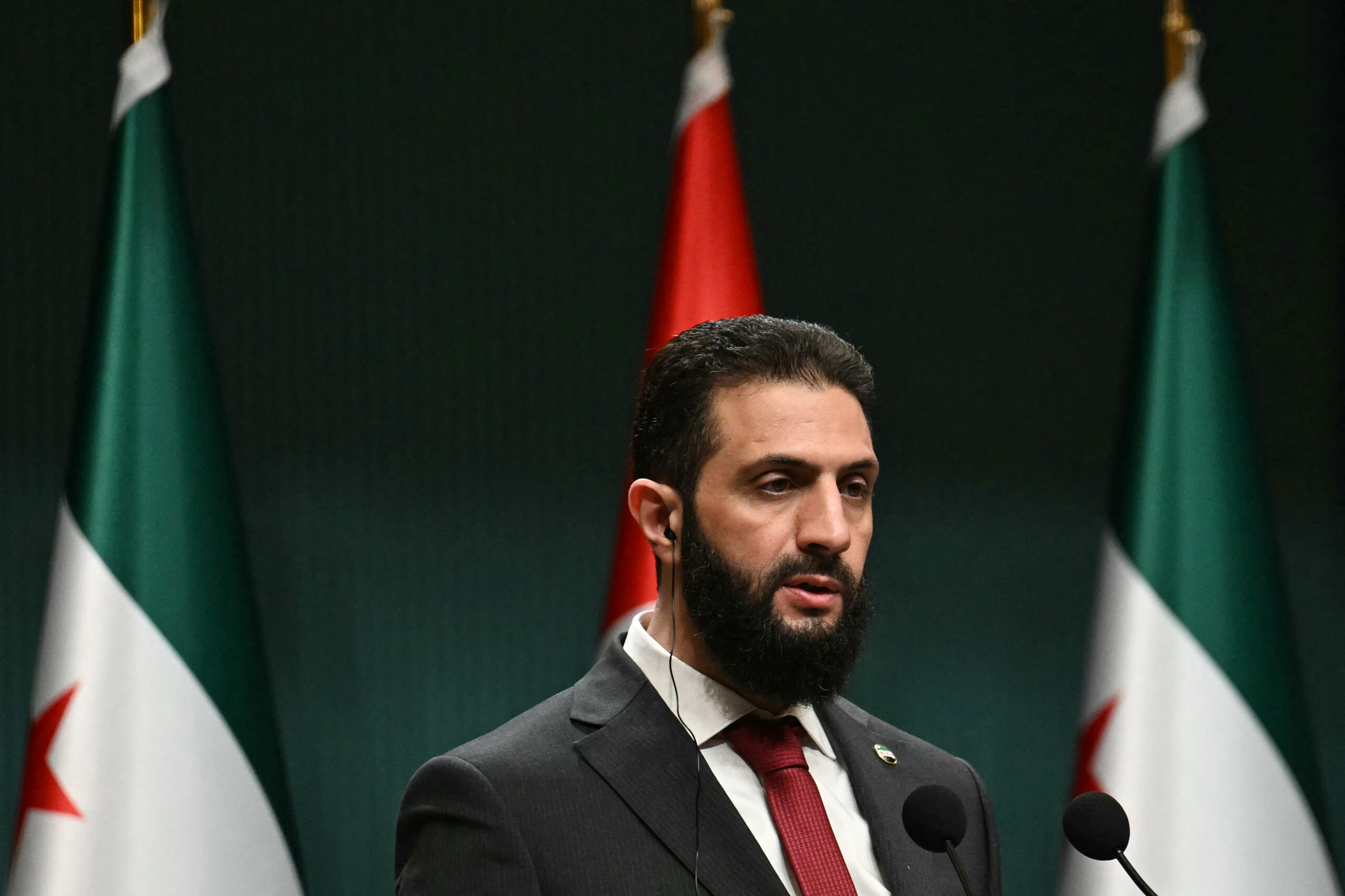
Recent developments in Syria are causing surprise and confusion. In a bold move, President Trump and his administration acquiesced to requests from the Turkish and Saudi leadership and lifted most sanctions on the Ahmed al-Sharaa regime, his Salafist HTS movement, and Syria itself. It did so without conditionality, without much effort to understand the character, intentions, and capabilities of the new power in Damascus, and without a plan to use this windfall as leverage.
Two’s a Crowd: The Strategy of Forward Defense in the Middle East
The Middle East is in a state of suspended animation, neither plunged into total war nor buoyed by enduring peace. Within this uneasy equilibrium, all await the next moves by the protagonists—the United States, Israel, and Iran—as the dust settles on the 12-Day War of June 2025, in which they all took part. Also waiting are Syria and Lebanon, where Iran’s fading footprint could presage a more viable future.
MENA Energy Recap, Q2-2025: Markets Soften, Resolve Hardens, Investments Grow
The MENA Energy Recap is a quarterly review of key energy developments that took place in the region from April through June of 2025 and what they signal in the months ahead. The Recap views these developments through the lens of policy and strategy, energy security, and markets.
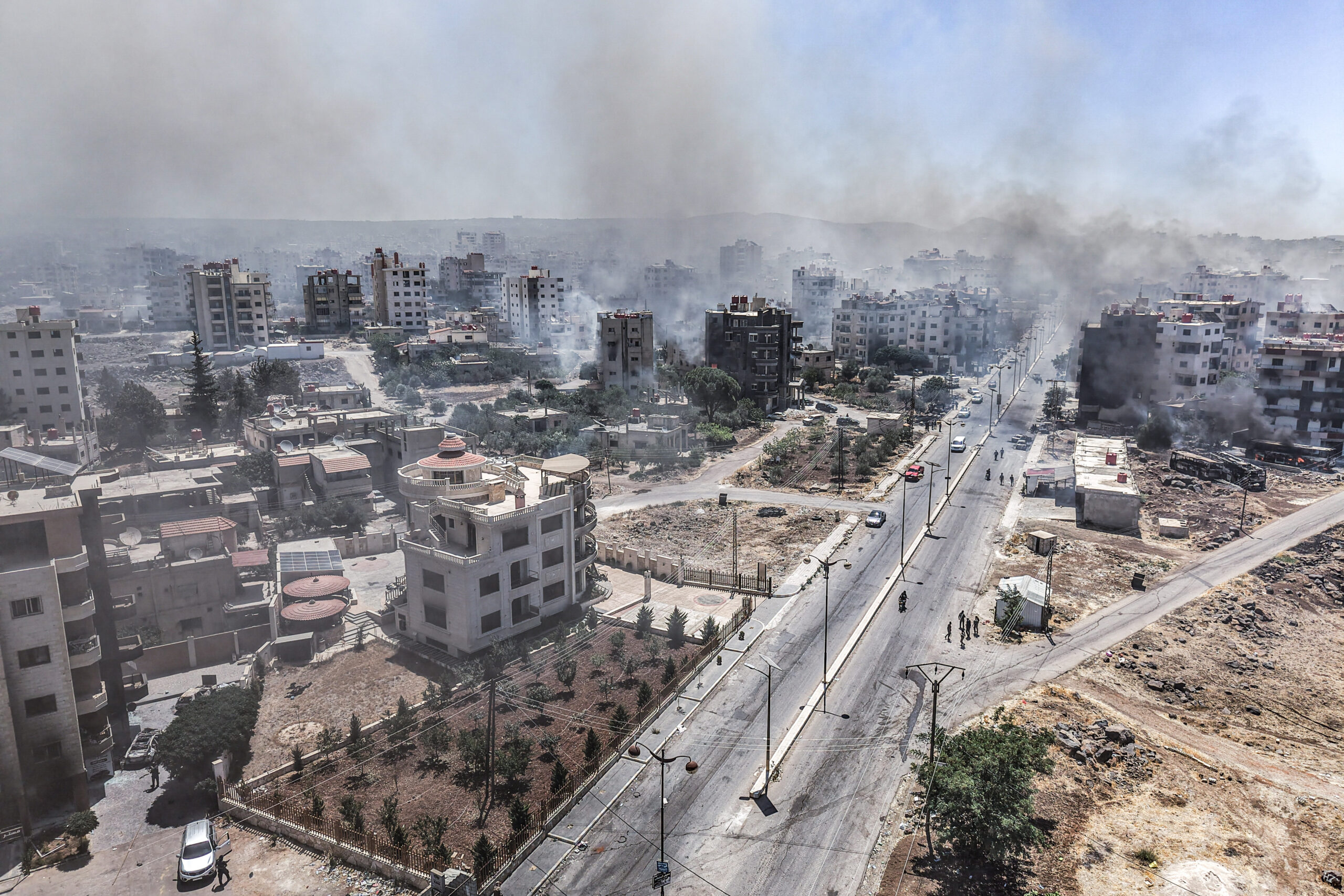
Probably few if any Middle East analysts had Israeli airstrikes targeting key government installations of the Syrian state on their summer 2025 bingo cards. And yet that is precisely what happened on Wednesday, as Israeli jets hit Syria’s military headquarters and an area near the presidential palace in Damascus.
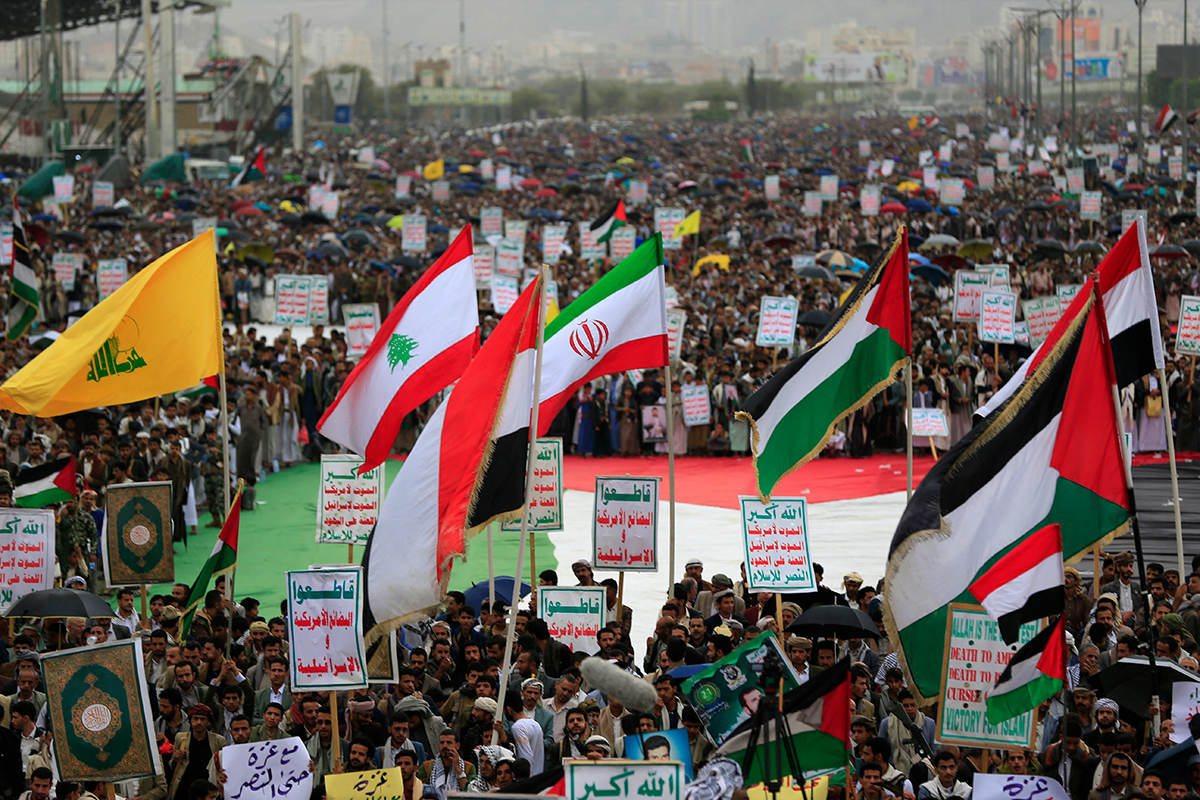
Amid sustained regional conflict and global uncertainty, the Arab Gulf states are navigating a shifting economic and strategic landscape with surprising resilience. MEI Senior Fellow Karen Young joins hosts Alistair Taylor and Matthew Czekaj to break down the latest economic data and geopolitical developments affecting the Gulf economies — from the ripple effects of the Israel-Iran war and Houthi maritime threats to energy diversification and global investment strategies. Young unpacks the challenges and opportunities shaping the Gulf’s economic resilience and explains what it all means for regional stability and growth.