The Unavoidable Neighbor: Managing Iran Beyond the War
Gulf states and their partners are increasingly looking beyond their most immediate interests of containing the war with Iran. While recent talks between Saudi Arabia, Turkey, Pakistan, and Iran have kept de-escalation on the agenda, a broader regional security framework and non-aggression pact has also emerged, envisioning a longer-lasting solution to regional conflicts. The talks have yet to produce a settlement, but they reflect a growing recognition that Gulf security cannot depend entirely on Washington. Iran will still be there, and its neighbors will have to find ways of living with it.
Recent Elections and What They May Mean for the Middle East
Recent elections for the Israeli Knesset and American Congress may make less of a difference in the Middle East than some people think. Elections are significant indicators of national political trends, but do not always translate into changes in national security strategies. That is likely the case now in both nations.
The Coming Debate Over the US Military Presence in the Gulf
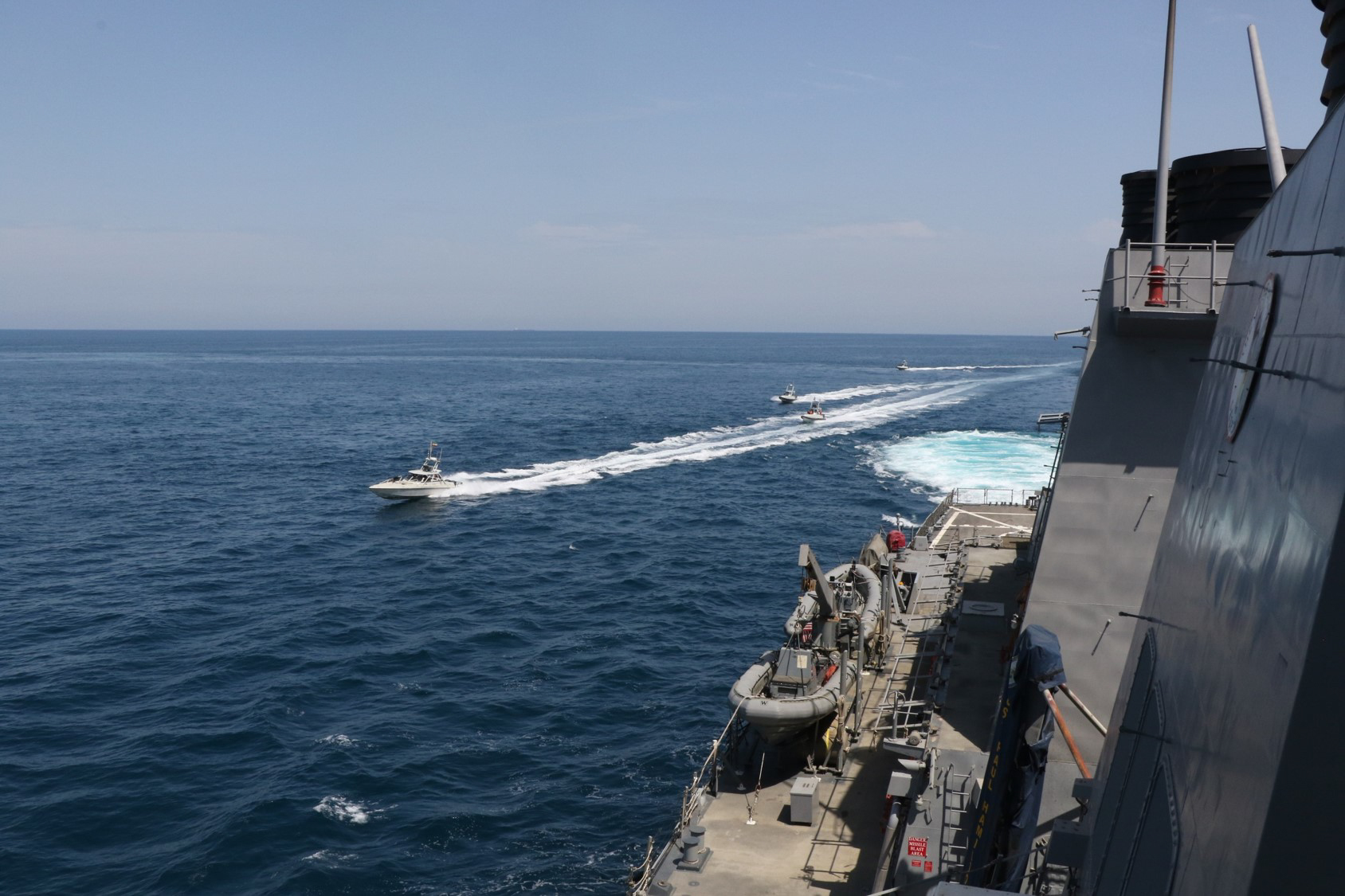
The war with Iran is hardly over, but the debate over the shape and nature of the post-conflict American posture in the Gulf region is just beginning. Undoubtedly, how the war ends will affect how the United States adjusts its role. While this debate is still in its early stages, something of a conventional wisdom is already developing in policy circles that could seriously compromise American influence in the Middle East.
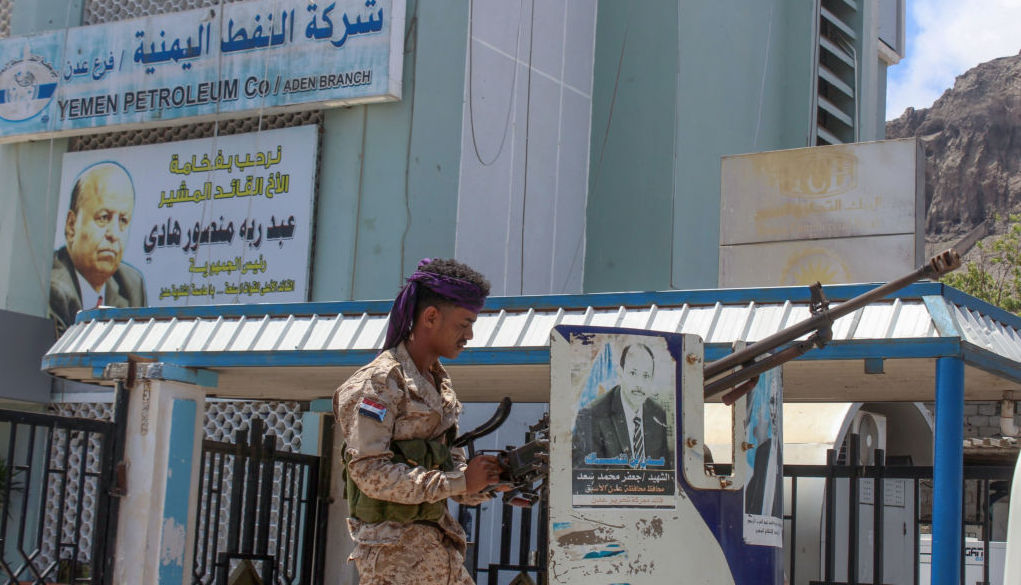
Yemen's competition for Saudi patronage heats up as the STC declares self-rule
On April 25, the Southern Transitional Council declared self-administration and claimed authority over state institutions in the interim capital of Aden. The declaration demonstrates the region’s volatility, the limited reach of Yemen’s government, and the difficulty of imposing a solution to the problem of secessionism. It is also sparking political competition for Saudi patronage, and all of this poses a major diplomatic challenge for the Saudis.
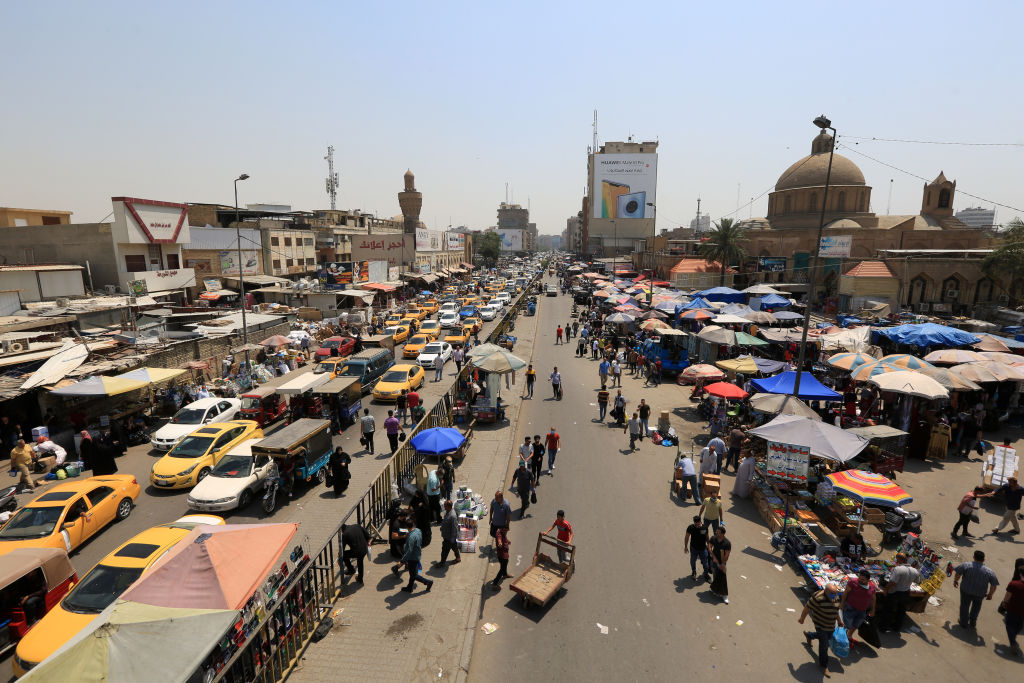
Iraq’s political jockeying continues as Baghdad-Erbil tensions flare up
The current state of affairs is a clear indication that the post-2003 system of apportionment of political posts on ethno-sectarian lines is no longer working.
Supporting refugee communities during the pandemic
Basma El Husseiny (Action for Hope) and Samar El Yassir (Anera) join guest host Lyne Sneige to discuss the impact of the COVID-19 pandemic on refugee communities and the NGOs that work with them.
Gen. Joseph Votel on US military challenges in the Middle East
MEI Distinguished Senior Fellow Joseph Votel, a retired four-star general in the Army and former commander of U.S. Central Command, joins host Alistair Taylor to discuss the challenges facing American forces in the Middle East today, from COVID-19 and ISIS to the turbulent situations in Iraq and Afghanistan.
US-Iran tensions in Iraq and the effect on civil society
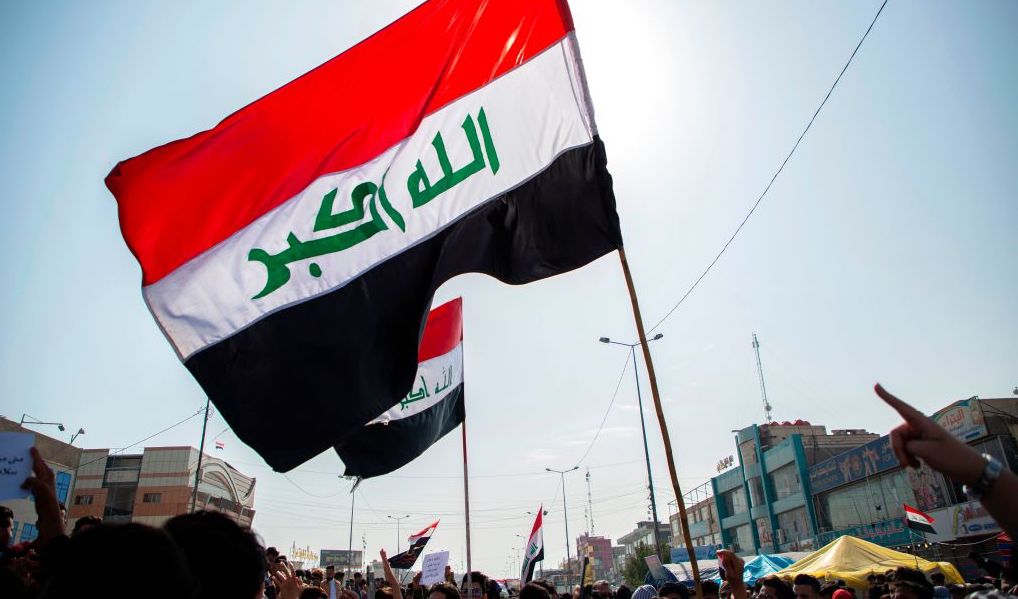
As the protests have raged, the Iraqi government has implemented a new policy in its application of rules and regulations monitoring civil society organizations (CSOs). The militias’ violent response to the protests has been well-documented; however, the more covert attack on civil society threatens civic engagement among the population more broadly.
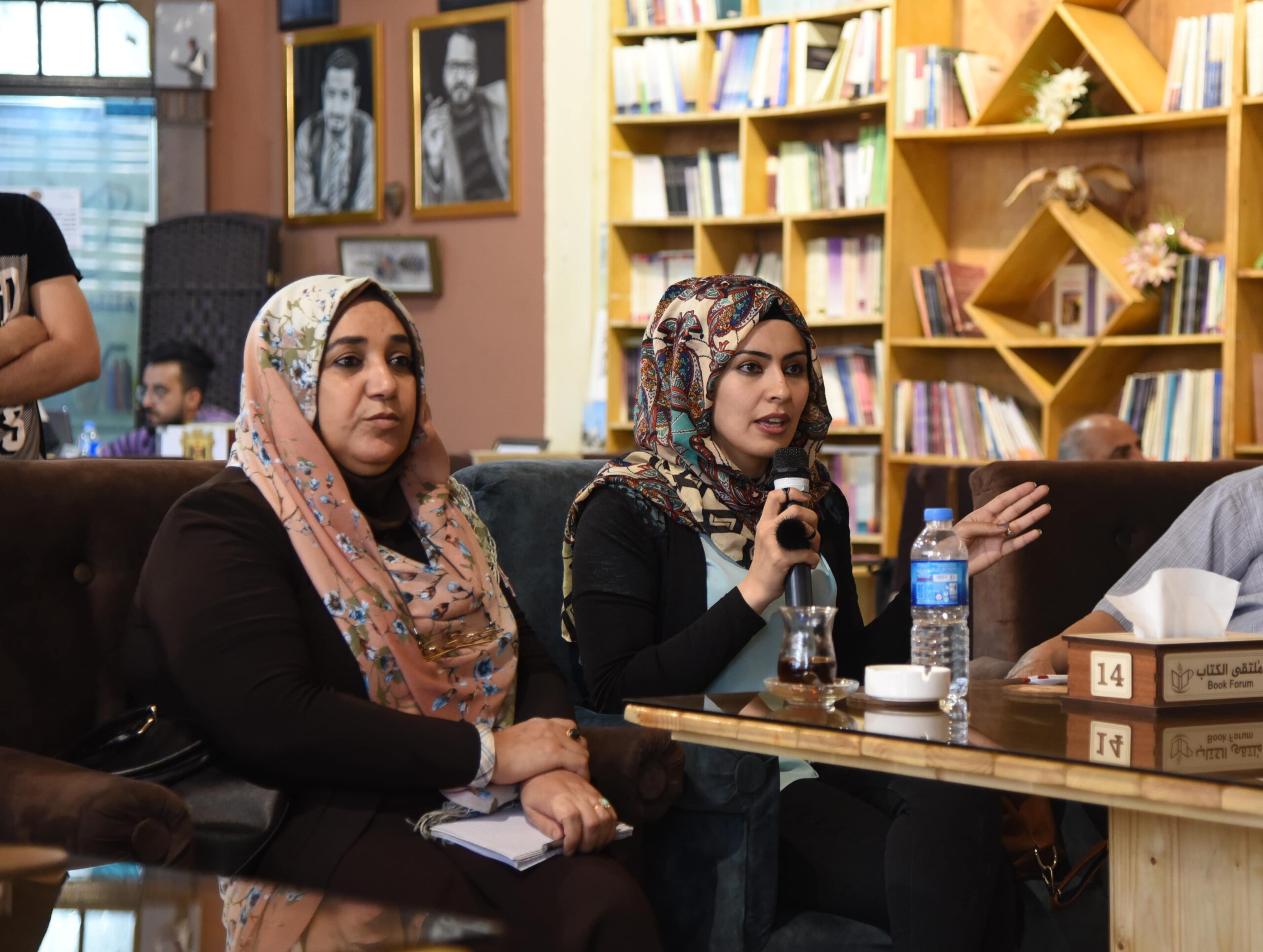
Mosul’s Book Forum: Rebuilding minds one book at a time, even under lockdown
The spiritual cousin to the Shabandar Café — Baghdad’s literary heart that survived being bombed by extremists in 2007 — Mosul’s Book Forum is both an intellectual refuge and a laboratory for discussion and cultural expression.
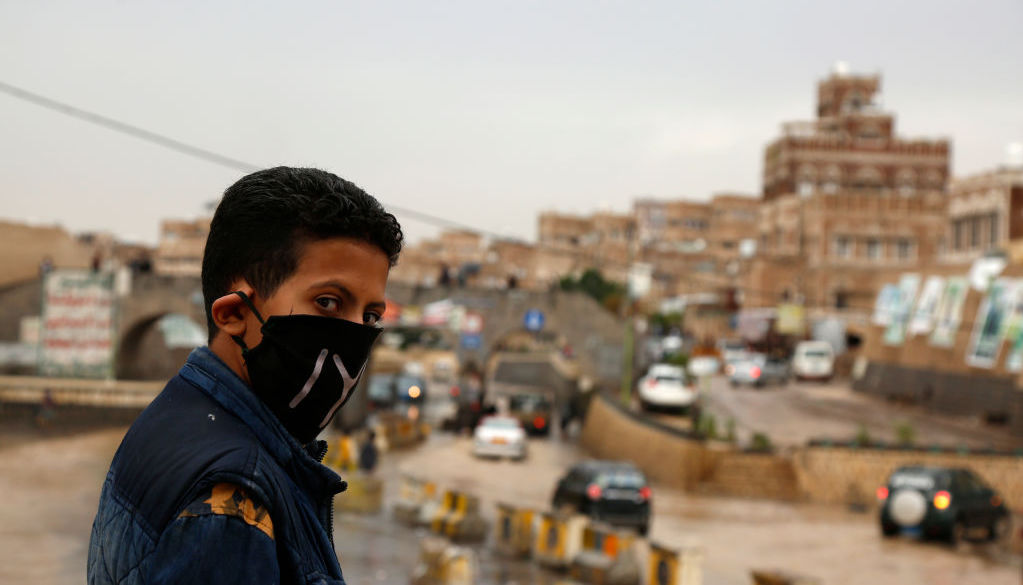
Initial data of Covid-19 mortality rates in the United States suggest that in several regions and cities, the virus hits minority communities harder than the general population. A similar trend has emerged in the Islamic Republic of Iran where published data indicates Iran’s ethnic minorities have higher Covid-19 fatality rates than the general Iranian population.
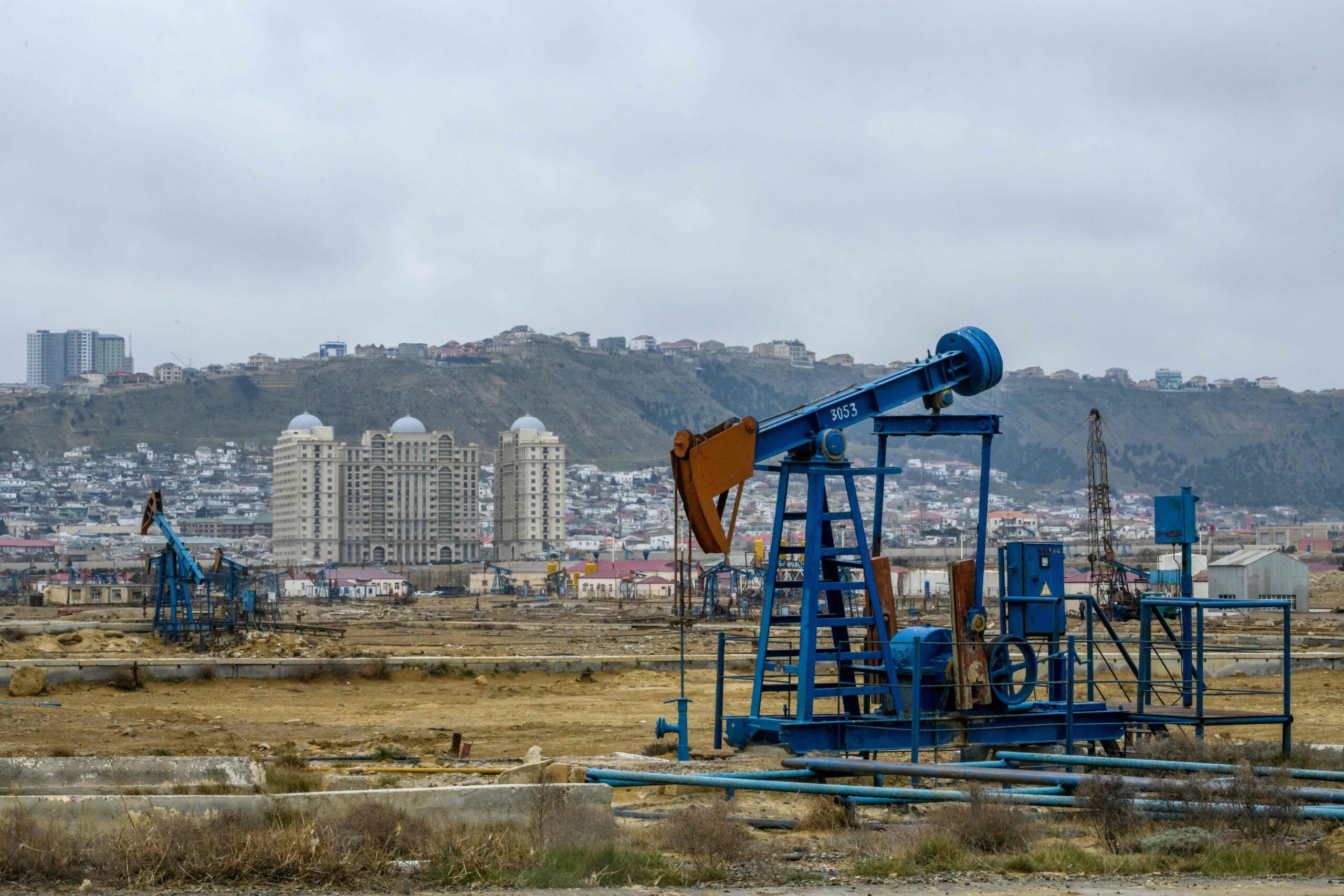
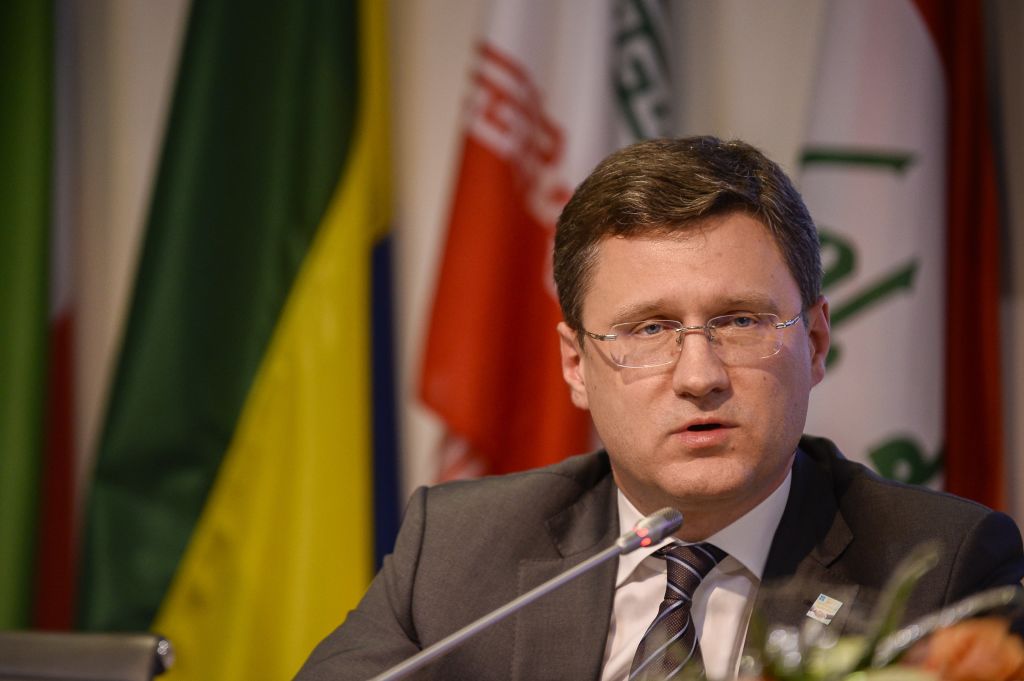
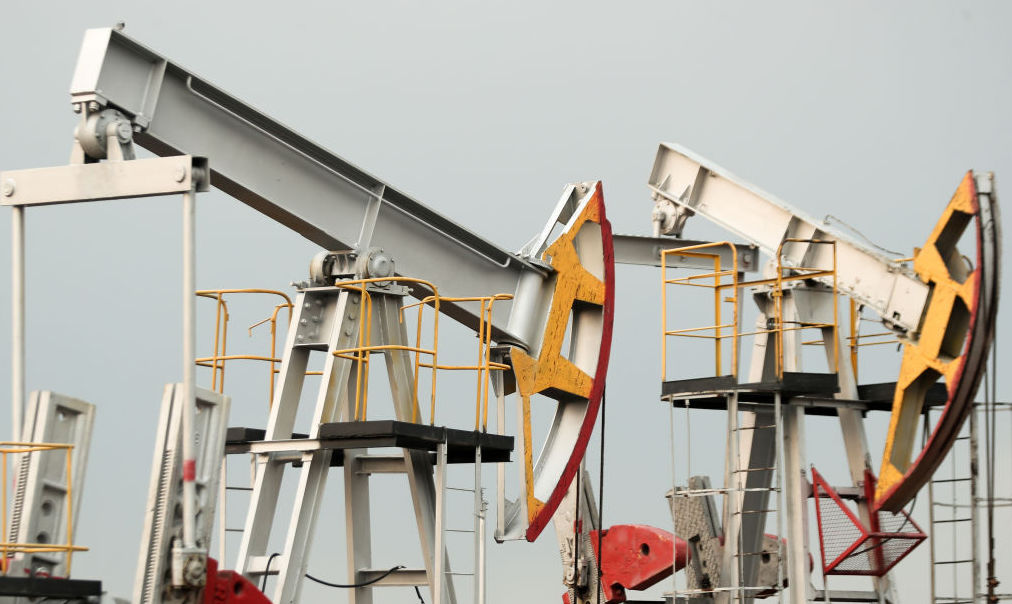
The April 12 OPEC+ deal to cut oil production that ended the disastrous five-week Saudi Arabia-Russia price war is a short-term fix for the global industry, but will not resolve the larger problem of over-production. The price war heightened animosity between Riyadh and Moscow and calls into question whether the OPEC+ partnership will ever be the same again.
MEI senior fellows Mick Mulroy and Eric Oehlerich join host Alistair Taylor to discuss child soldiering, a growing global problem that has a disproportionate impact on the Middle East and Africa. Click here to read their new report, “Begin with the children: Child soldier numbers doubled in the Middle East in 2019.”
In an effort to boost its economic competitiveness, Qatar is hedging its bets on emerging technologies. The Gulf sheikhdom, eager to diversify its gas-dependent economy, is cultivating various technological areas, notably artificial intelligence (AI).
The oldest peer-reviewed publication dedicated to the study of the modern Middle East, MEI’s flagship journal covers politics, society, and culture in the region.