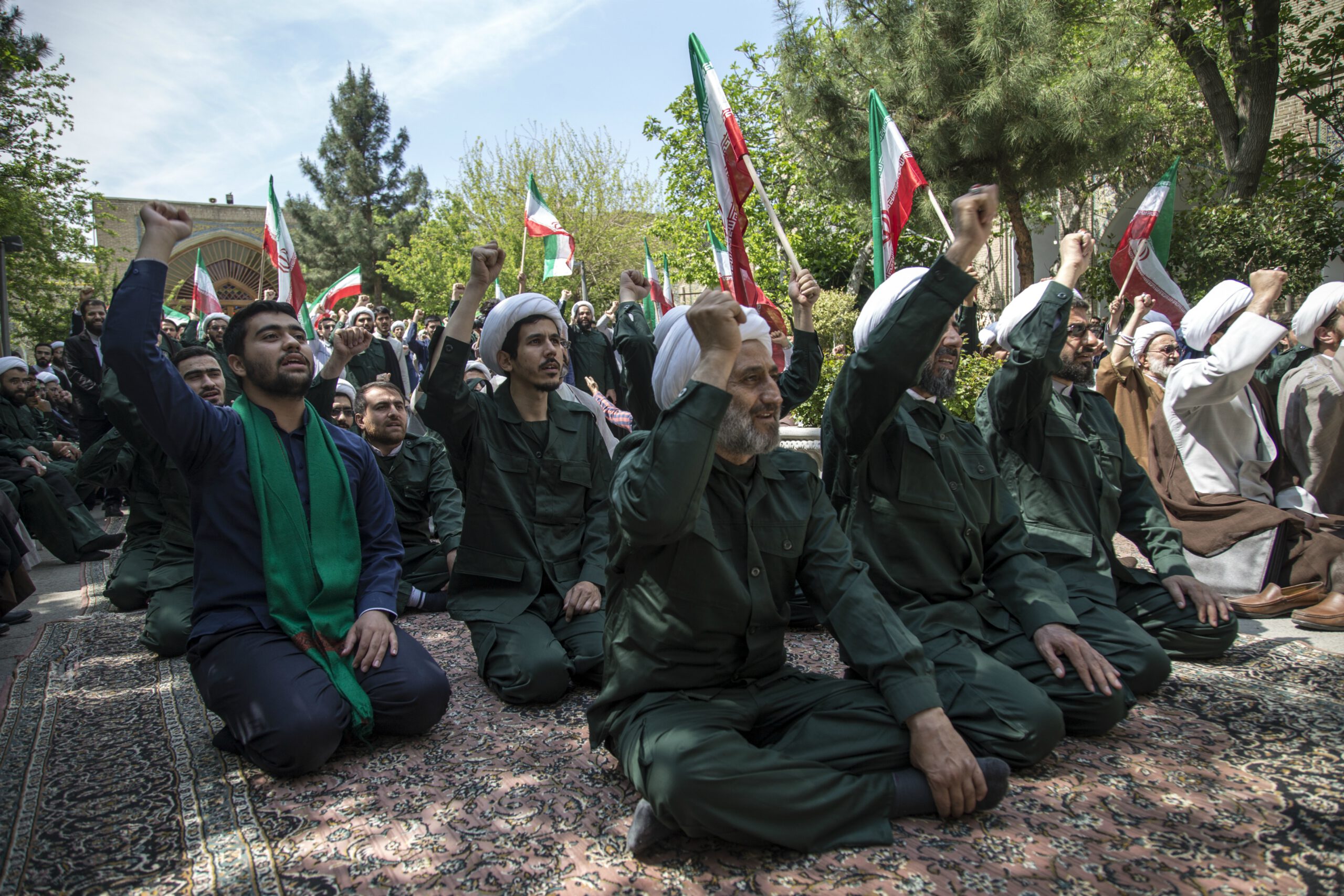
After decades of political setbacks, Iran’s former Revolutionary Guards commander has returned to the center of power. Is he an incidental beneficiary of war, or have observers underestimated him all along?
The Unavoidable Neighbor: Managing Iran Beyond the War
Gulf states and their partners are increasingly looking beyond their most immediate interests of containing the war with Iran. While recent talks between Saudi Arabia, Turkey, Pakistan, and Iran have kept de-escalation on the agenda, a broader regional security framework and non-aggression pact has also emerged, envisioning a longer-lasting solution to regional conflicts. The talks have yet to produce a settlement, but they reflect a growing recognition that Gulf security cannot depend entirely on Washington. Iran will still be there, and its neighbors will have to find ways of living with it.
Recent Elections and What They May Mean for the Middle East
Recent elections for the Israeli Knesset and American Congress may make less of a difference in the Middle East than some people think. Elections are significant indicators of national political trends, but do not always translate into changes in national security strategies. That is likely the case now in both nations.
Following a brief lull on the Israel-Syria front earlier this year, Tel Aviv has once again resorted to striking Iranian assets to its north. While a direct confrontation between the IDF and Syrian forces seems unlikely, the path forward for Israel and Syria is unclear.
The recent arrest in Turkey of two suspects accused of spying for the United Arab Emirates highlights the growing divide between the two countries. Although the original cause of the rift – diverging views of the Muslim Brotherhood – has become less relevant in recent years, the enmity between the two nations endures.
How will the end of US sanctions waivers impact Iran and global energy markets?
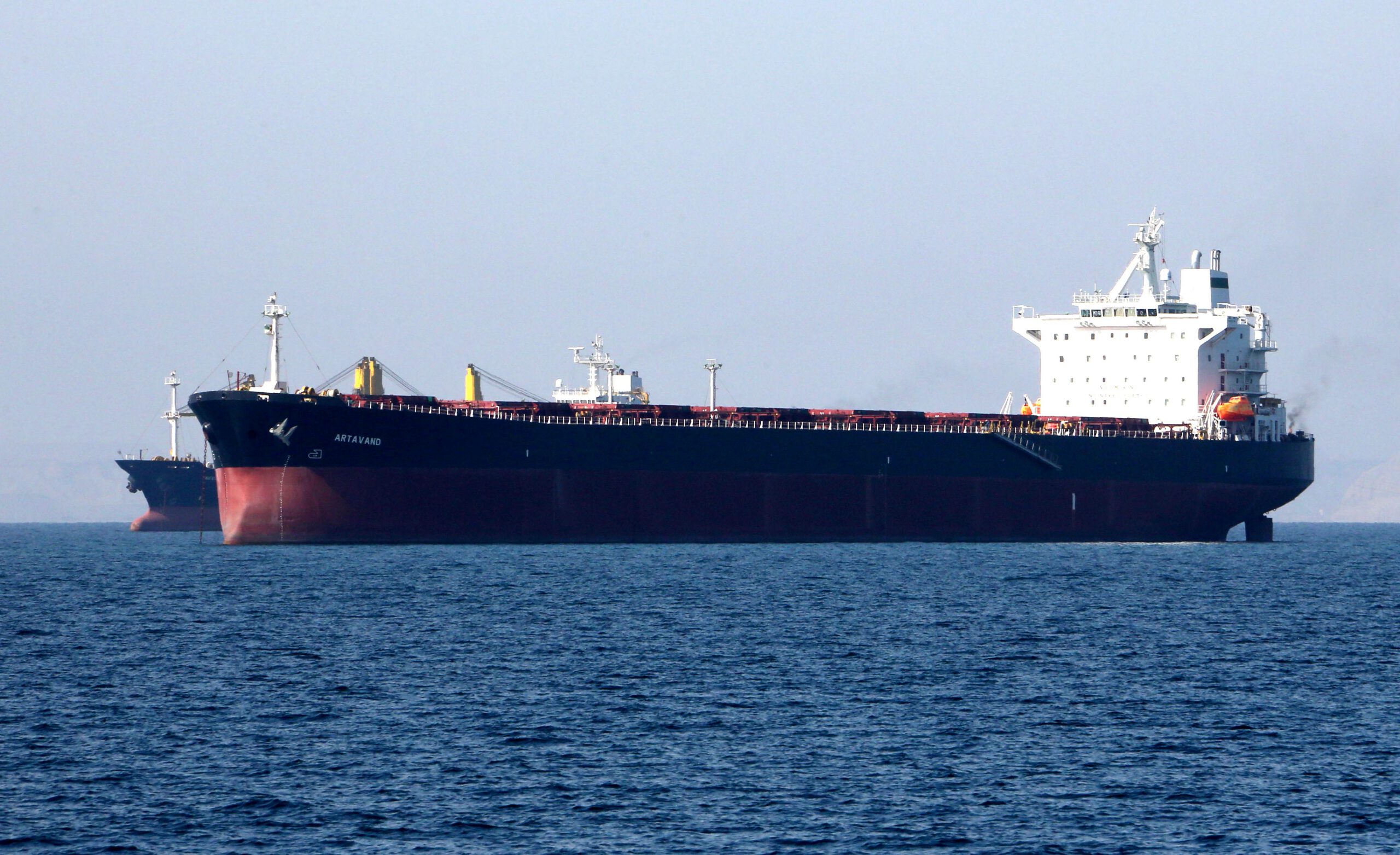
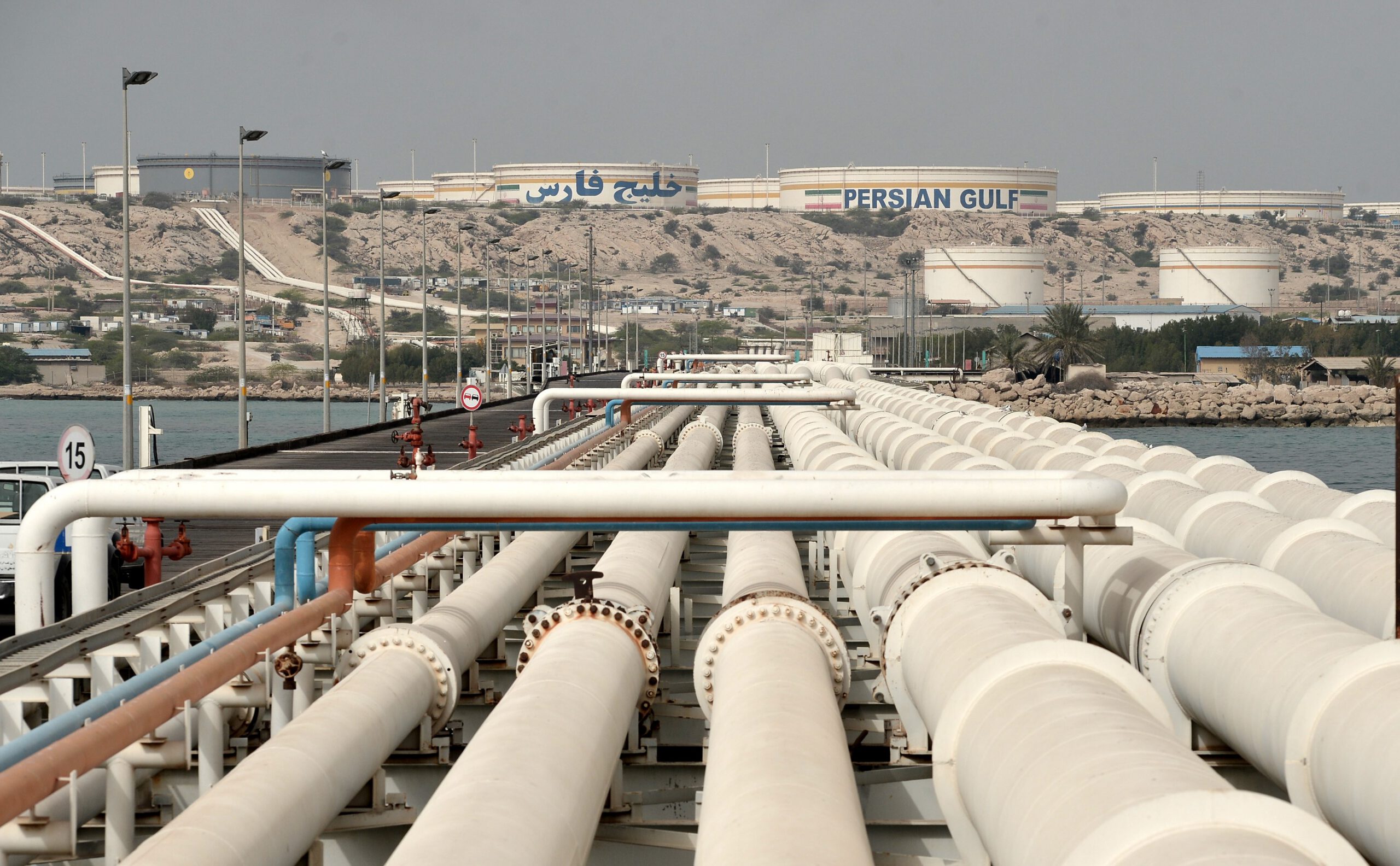
The Trump administration’s decision on April 22 to stop waiving sanctions on eight countries that purchase Iranian crude sent oil prices to their highest levels in six months and resulted in defiance and hand-wringing from the three biggest buyers. Meanwhile, Iran said it would retaliate by shutting the Strait of Hormuz, a move that would make it difficult for other Persian Gulf countries to get their crude to market.
Monday Briefing: Conflict is far from over in Syria
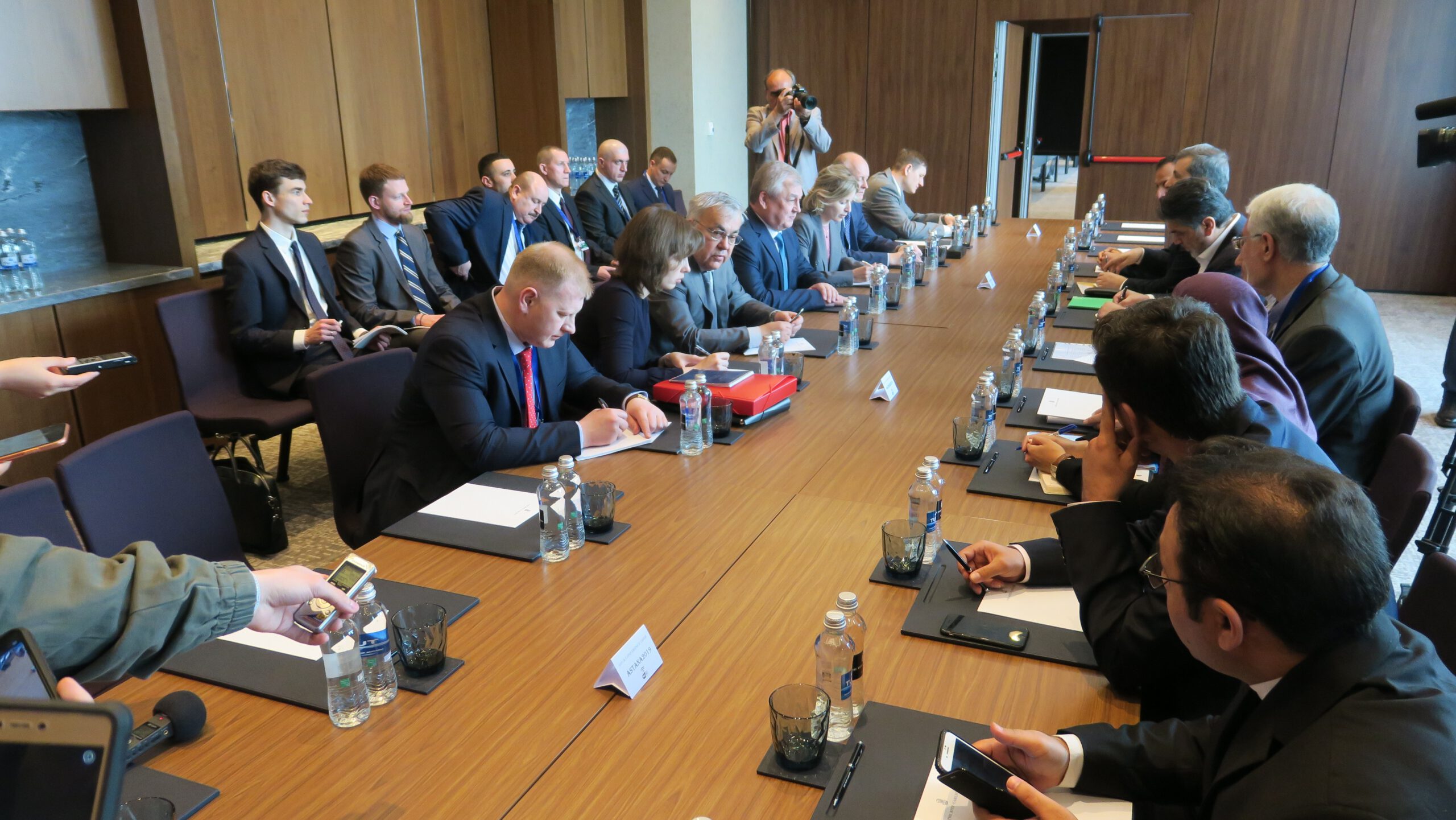
In this week’s Monday Briefing, contributors Charles Lister, Gerald Feierstein, Ruba Husari, Guney Yildiz, Mirette F. Mabrouk, and John Calabrese provide analysis on recent and upcoming events including the failure of the twelfth rounds of Syria peace talks in Astana, negotiations over Yemen’s strategic port of Hodeida, a new report on Iraq’s oil production potential, ongoing US-Turkey talks about a buffer zone in Syria, Egypt’s recently passed constitutional amendments, and Beijing’s second Belt and Road Forum.
Iranian President Hassan Rouhani has faced many difficulties over the past few years, both at home and abroad. It seems likely that President Trump’s recent designation of the Islamic Revolutionary Guard Corps (IRGC) as a foreign terrorist organization (FTO) may render Rouhani’s prospects even worse as domestic support for the organization grows.
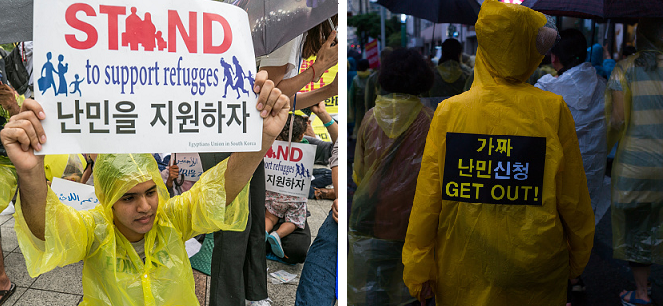
South Korea’s experience with the current global refugee crisis began in 2018 with the arrival of around 550 Yemeni citizens on Jeju Island using the visa-free entry system. Before even developing a clear understanding of the asylum applicants, much of the Korean public hastily leaped to fearful conclusions about the new arrivals inspired by Europe’s experience with Islamic terrorism and populist anti-refugee rhetoric found in other countries. The impact of this discourse has brought significant attention and public concern regarding Muslim refugees in Korea. This article examines the Korean debate over accepting Yemeni refugees by detailing how the Korean public and government have responded since 2018. It traces the arrival of Yemeni refugees, how different Korean groups reacted, and concludes with a discussion of what efforts are needed to resolve the dispute.
Monday Briefing: US and key partners on course for conflict over Iran oil waivers
In this week’s Monday Briefing, MEI experts Gerald Feierstein, Marvin G. Weinbaum, Randa Slim, Emadeddin Badi, and Robert S. Ford provide analysis on recent and upcoming events including the US decision to end Iran oil waivers, the flagging Afghan peace process, Iraq’s evolving regional policy, the status of General Hifter’s offensive in Libya, and Russia’s maneuvering to control the upcoming Syria talks in Astana.
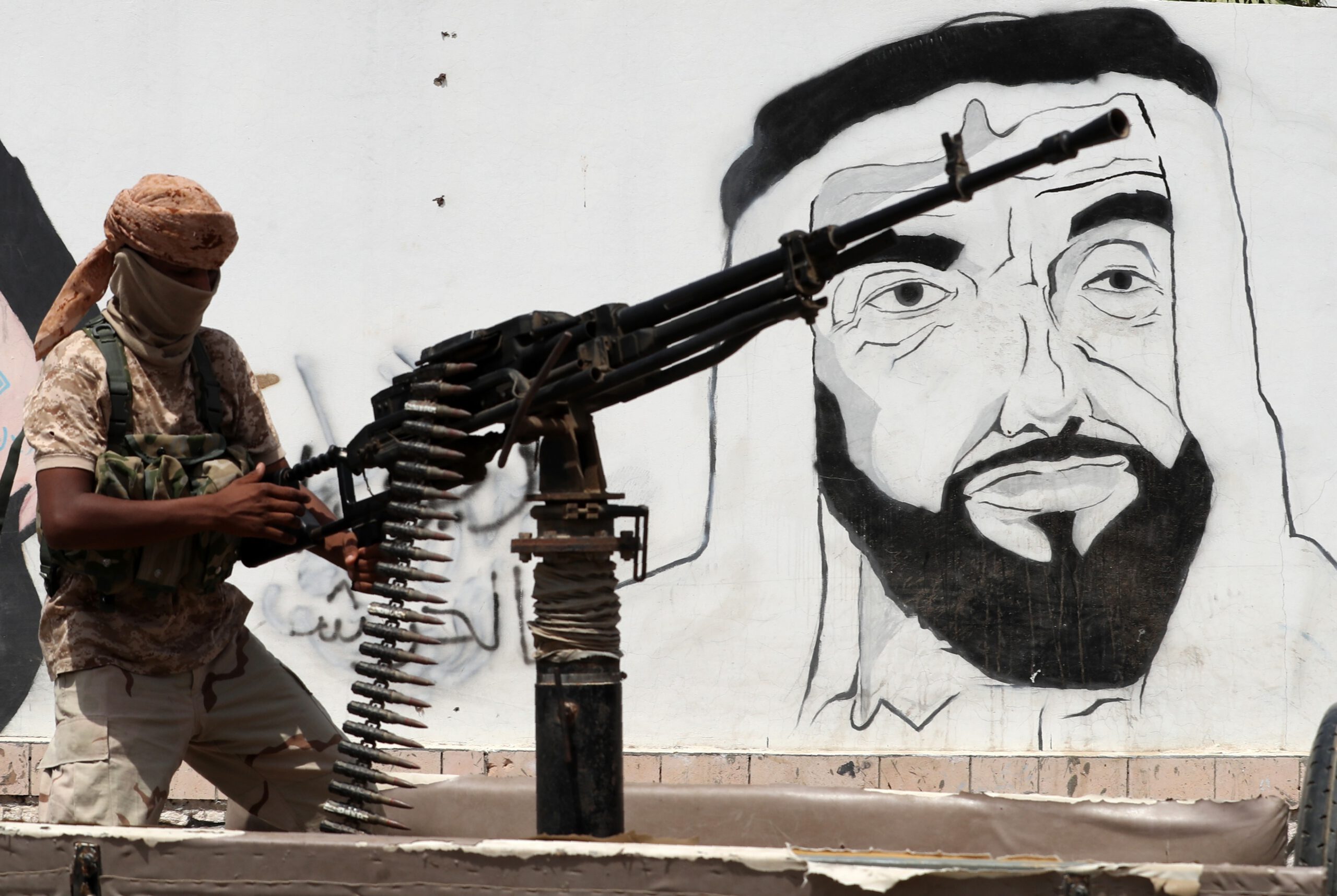
Yemen’s strategic and oil-rich eastern governorate of Hadramawt stands at a critical turning point, as feuds between competing political and military groups are coming to a head. While the UAE and Saudi Arabia are likely to reach a political compromise, local political groups and militias may not so agreeable.
US sanctions and the future of Turkish-Iranian energy ties
Iran’s huge hydrocarbons reserves and Turkey’s growing demand for oil and gas seem to suggest great potential for energy collaboration. US sanctions and pricing disputes, however, limit and complicate the prospects of such a partnership.
Monday Briefing: New Arab uprisings echo earlier revolts
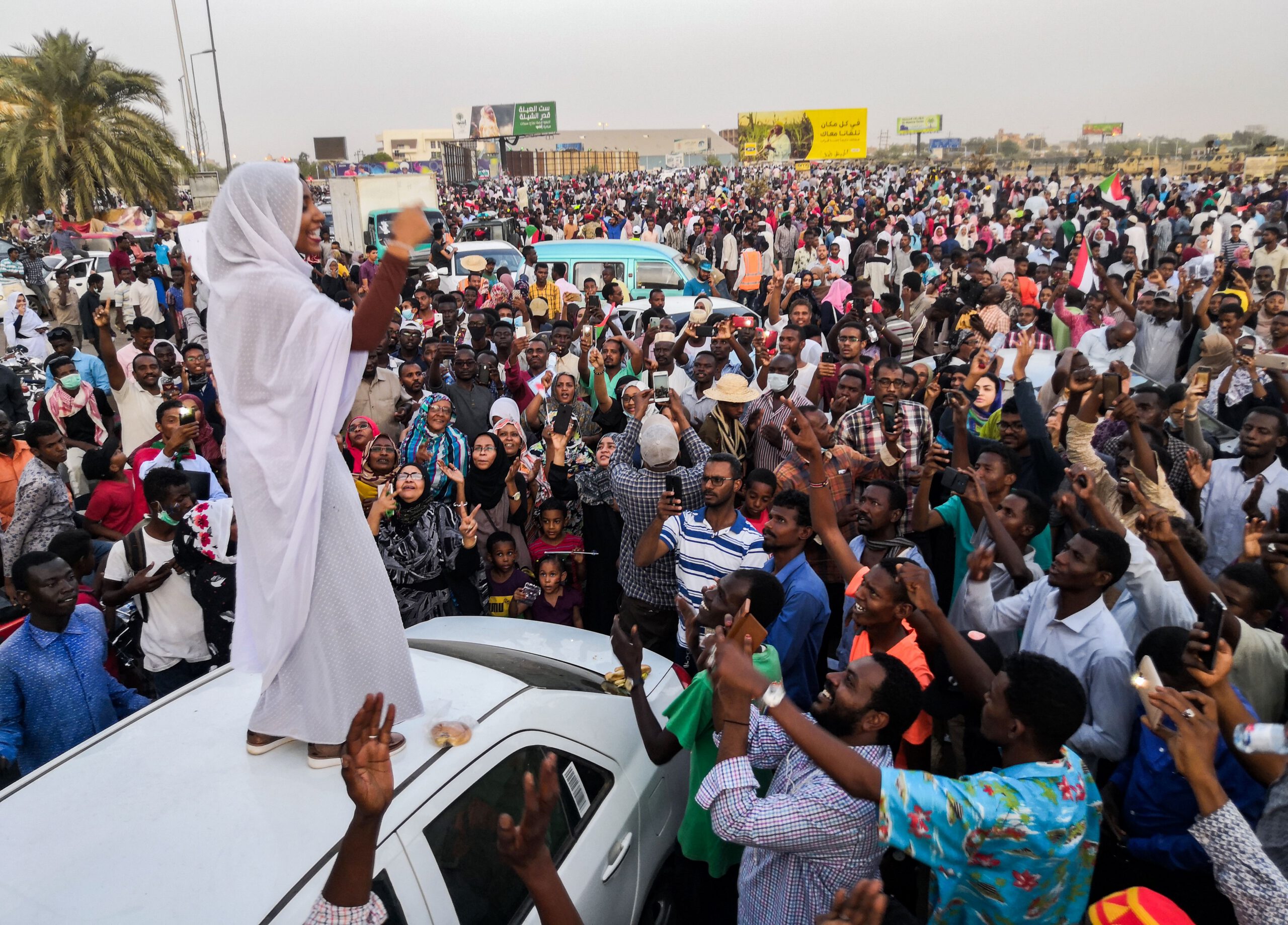
In this week’s Monday Briefing, MEI experts Paul Salem, Jonathan M. Winer, Robert S. Ford, Mirette F. Mabrouk, and Charles Schmitz provide analysis on recent and upcoming events including the current uprisings in Algeria and Sudan, General Hifter’s effort to take Tripoli, the hirak protest movement in Algeria, the strategic partnership between Egypt and the U.S., and cracks in the coalition of President Hadi in Yemen.
MEI Senior Fellow Alex Vatanka and Omar Al-Nidawi, a Middle East analyst focusing on Iraqi political, security and energy affairs, join host Alistair Taylor to discuss what the designation means in practical terms, how Tehran has responded, and its implications for the region going forward.
Despite the many obstacles, the U.S. and Iraq continue to work together to combat the threat of ISIS, and security elites in Baghdad and Washington understand the importance and value of the relationship. Yet, populists on both sides have repeatedly tested the others’ will in a dangerous game of chicken.
Car Bombs as Weapons of War: ISIS's Development of SVBIEDs, 2014-19
The suicide vehicle-borne improvised explosive device (SVBIED) has been one of ISIS’s most powerful and versatile weapons. The group consistently adapted its SVBIED designs based on operational environment and other factors, with modifications in armor, payload organization, color, and detonation technology. ISIS’s research and development of SVBIED technology presents a continued threat, even after the collapse of the territorial caliphate, due to the group’s ability to share and export its designs, enabling nascent ISIS provinces halfway around the world to launch powerful attacks on unsuspecting communities.
On April 8, the Trump administration designated the Islamic Revolutionary Guard Corps (IRGC), Iran’s elite military force, as a foreign terrorist organization. The reaction in Tehran was stern and swift.
The oldest peer-reviewed publication dedicated to the study of the modern Middle East, MEI’s flagship journal covers politics, society, and culture in the region.