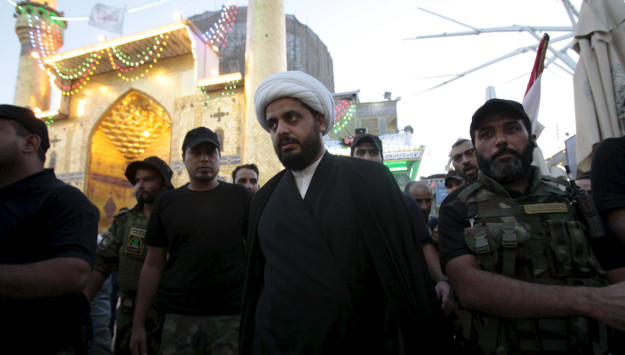
After decades of political setbacks, Iran’s former Revolutionary Guards commander has returned to the center of power. Is he an incidental beneficiary of war, or have observers underestimated him all along?
The Unavoidable Neighbor: Managing Iran Beyond the War
Gulf states and their partners are increasingly looking beyond their most immediate interests of containing the war with Iran. While recent talks between Saudi Arabia, Turkey, Pakistan, and Iran have kept de-escalation on the agenda, a broader regional security framework and non-aggression pact has also emerged, envisioning a longer-lasting solution to regional conflicts. The talks have yet to produce a settlement, but they reflect a growing recognition that Gulf security cannot depend entirely on Washington. Iran will still be there, and its neighbors will have to find ways of living with it.
Recent Elections and What They May Mean for the Middle East
Recent elections for the Israeli Knesset and American Congress may make less of a difference in the Middle East than some people think. Elections are significant indicators of national political trends, but do not always translate into changes in national security strategies. That is likely the case now in both nations.
Mohammed bin Salman in Washington: Impact on U.S.-Saudi relations
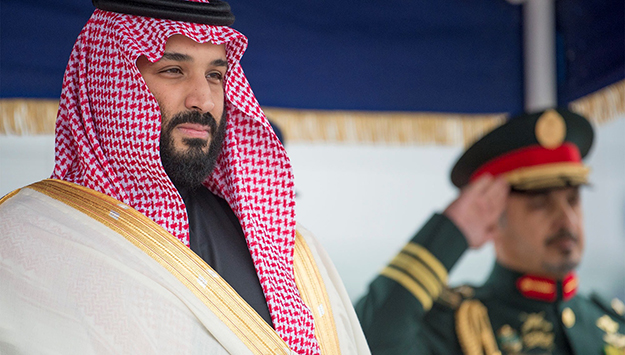
Saudi Crown Prince Mohammed bin Salman passed through D.C. this week to sell his Vision 2030 roadmap for transforming the Saudi economy. Karen Young, senior resident scholar Arab Gulf States Institute in Washington, and Gerald Feierstein join host Paul Salem to discuss this, as well as other key policy issues affecting U.S.-Saudi relations, from the war in Yemen to the Kingdom’s internal crackdown on corruption.
Hamas official says relations with Tehran improved to pre-Syrian crisis level
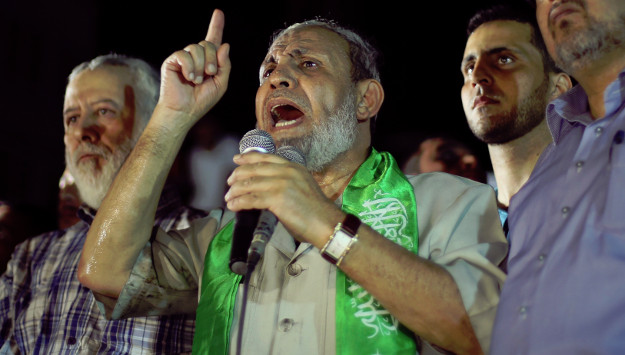
A senior member of the Palestinian Hamas has said the militant group and Tehran have recently managed to repair their relations which were strained as a result of the two sides’ differences over the Syrian conflict previously. According to Iran’s Fars News Agency, Mousa Abu Marzouk, a Hamas official, told a Palestinian TV that Hamas’ relationship with the Islamic Republic is “excellent” – adding that Iran responds positively to the group’s requests which are often denied by other countries.
Iran's Iraqi militia allies eye next elections to consolidate gains, expel US
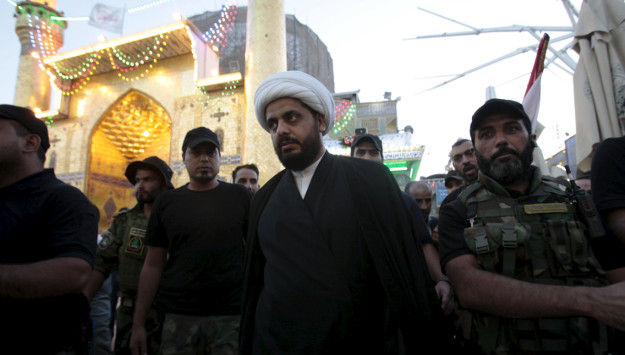
The head of Asa’ib Ahl al-Haq (AAH), an Iranian-supported Iraqi militia group, has said that the country’s paramilitary forces known as the Popular Mobilization Forces (PMF) will remain a military organization and participate in the upcoming parliamentary elections at the same time.
Monday Briefing: Mohammed bin Salman’s American charm offensive
In this week’s Monday Briefing, MEI experts Gerald Feierstein, Paul Salem, Charles Lister, Jean-François Seznec, and Jonathan M. Winer provide analysis on recent and upcoming events including the shaping of U.S.-Saudi relations, Pompeo’s appointment to secretary of state, Turkey’s capture of Afrin, the future of Saudi energy, and Egypt’s efforts to unite the Libyan military.
Ahmadinejad reveals Quds Force secrets after aide sent to jail
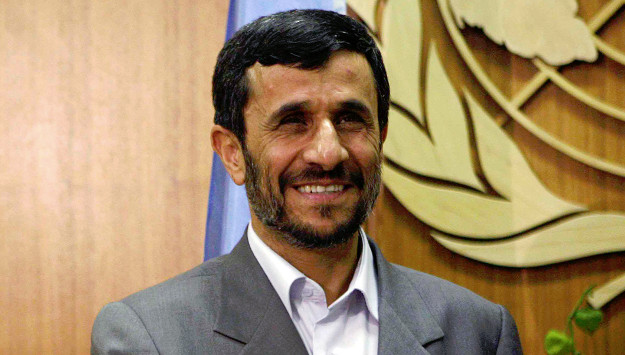
Former Iranian President Mahmoud Ahmadinejad’s relations with the regime have reached a new low since the Judiciary imprisoned his associates Hamid Baqaei and Esfandiar Rahim-Mashaei on embezzlement charges. Reacting to the Judiciary’s ruling, Ahmadinejad disclosed the charges against Baqaei in detail, which shed light on the operational mode of the Quds Force of the Islamic Revolution Guards Corps (IRGC QF).
Transnational Shiite clergy’s challenge to the Islamic Republic
The March 6 arrest of Hossein Shirazi, son of prominent Iraqi Persian cleric Ayatollah Sadeq Shirazi, has triggered protests by non-Iranian Shiites – signifying the inherent tensions between the Iranian state and transnational Shiite clergy institutions.
Protesters chant antigovernment slogans at Isfahan Friday prayer
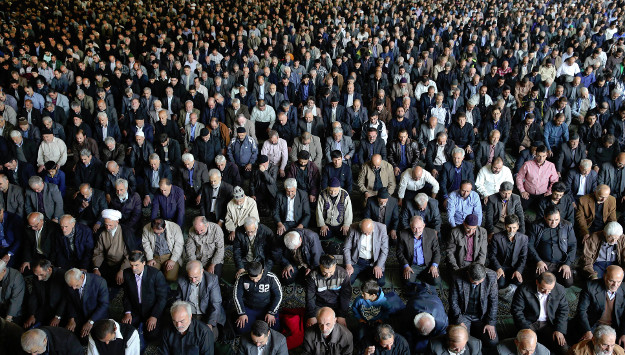
Earlier today, worshippers in the central Iranian province of Isfahan used the occasion of Friday prayers to protest against the government. According to Radio Farda, the protesters turned their back to the Friday prayer leader as a gesture of disdain and chanted anti-regime slogans.
Iran, Turkey, Russia discuss Syria as violence rages unabated
The foreign ministers of Iran, Turkey and Russia today held a trilateral meeting in Astana, Kazakhstan’s capital, to discuss the Syrian conflict. In a statement after the meeting, the three sides stressed that they will work together to seek a political settlement to end the seven-year war and protect Syria’s sovereignty and territorial integrity.
Iraq’s Vice-President calls on Iran to stop meddling in Iraqi internal affairs
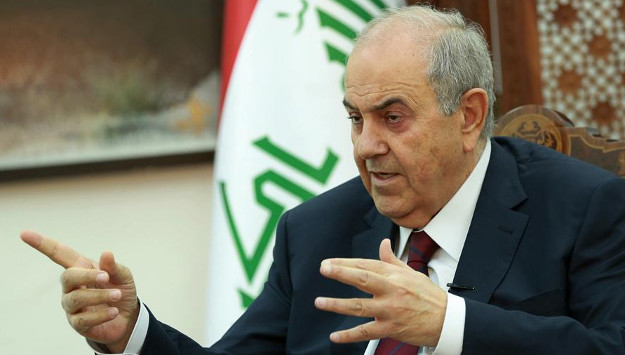
Iraq’s Vice President Ayad Allawi has called on Iran to stop interference in the Iraqi internal affairs, Fars News Agency, which is affiliated with Iran’s Revolutionary Guards, reported.
Iran’s top clerical body rules out missile negotiation with West
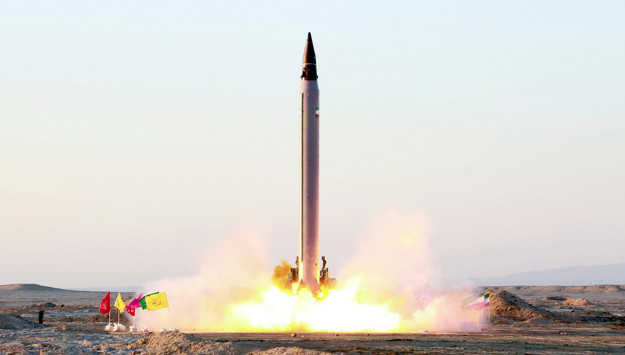
Iran’s Assembly of Experts has said that Tehran will not negotiate with Western powers over its defense matters and called on the government to further enhance the country’s ballistic missile program.
Afghans see Iran’s hand in Taliban’s latest gains in western Afghanistan
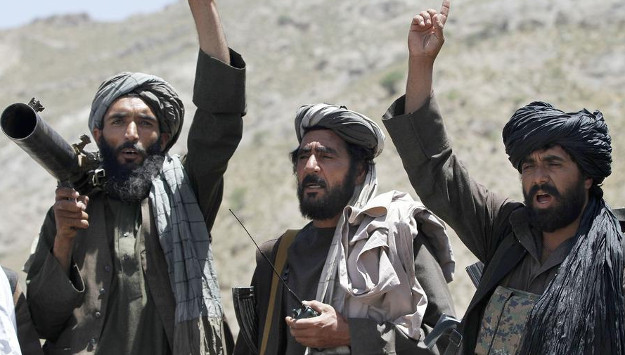
On Monday, the Taliban briefly overrun a district in western Afghanistan’s Farah Province bordering Iran, just days after the insurgents killed several Afghan security forces in another district in the province. With Farah teetering on the brink of collapse, Afghan officials blame the Islamic Revolution Guards Corps (IRGC) for aiding the Taliban insurgents in western Afghanistan in an effort to torpedo construction projects and undermine stabilization efforts by the US-led coalition in the region.
Saudi Arabia’s Crown Prince Mohammed bin Salman will land in the U.S. on March 19 as part of a three week, multi-city tour. It’s his first extended foreign travel, which has already taken him to London, since being named Saudi heir apparent in June 2017.
The oldest peer-reviewed publication dedicated to the study of the modern Middle East, MEI’s flagship journal covers politics, society, and culture in the region.