After decades of political setbacks, Iran’s former Revolutionary Guards commander has returned to the center of power. Is he an incidental beneficiary of war, or have observers underestimated him all along?
The Unavoidable Neighbor: Managing Iran Beyond the War
Gulf states and their partners are increasingly looking beyond their most immediate interests of containing the war with Iran. While recent talks between Saudi Arabia, Turkey, Pakistan, and Iran have kept de-escalation on the agenda, a broader regional security framework and non-aggression pact has also emerged, envisioning a longer-lasting solution to regional conflicts. The talks have yet to produce a settlement, but they reflect a growing recognition that Gulf security cannot depend entirely on Washington. Iran will still be there, and its neighbors will have to find ways of living with it.
Recent Elections and What They May Mean for the Middle East
Recent elections for the Israeli Knesset and American Congress may make less of a difference in the Middle East than some people think. Elections are significant indicators of national political trends, but do not always translate into changes in national security strategies. That is likely the case now in both nations.
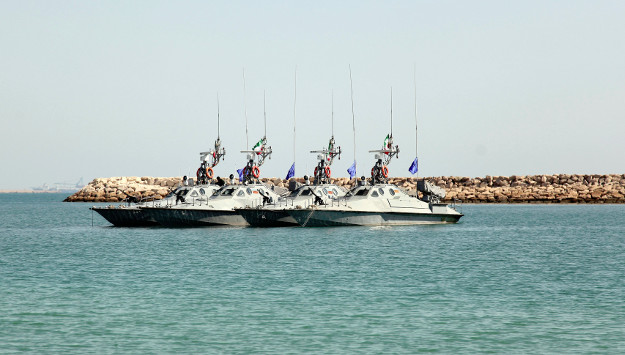
Iran Navy Plans to Deploy Fleets to Open Seas between Europe and Americas
The outgoing commander of the Iranian Navy hailed the expanding presence of the country’s naval forces in international waters and said the Navy plans to send fleets to open seas between Europe and Americas.
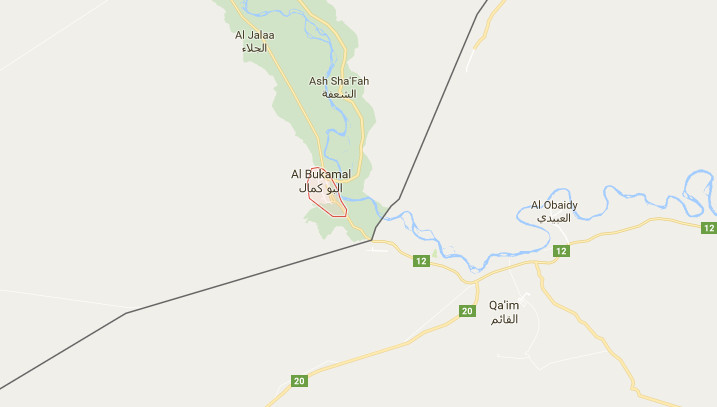
Syrian, Iranian-Led Forces Capture Abu Kamal, Threaten to Confront U.S. and S.D.F.
The Syrian Army and Iranian-led forces have captured Abu Kamal, a strategic border town in eastern Syria and the last major ISIS stronghold in the country, Iranian and Arab media report. While the physical and military defeat of the Islamic State is good news, the rapid territorial gains by pro-Syrian regime forces, particularly in the oil-rich eastern province of Deir Ezzor, have increased the risk of a potential confrontation with U.S.-backed Syrian opposition forces that have also captured strategic areas from ISIS in northern and eastern Syria.
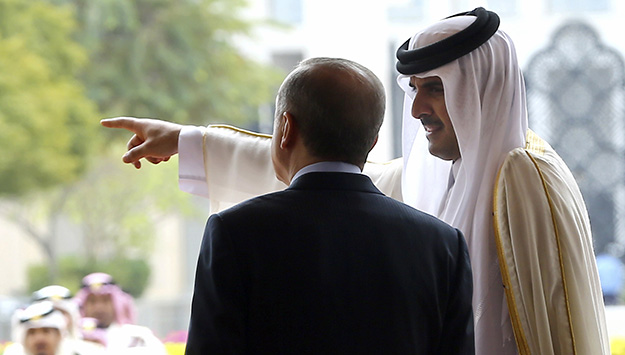
Qatar is Turkey’s closest ally in the Gulf Cooperation Council (G.C.C.) and, since 2011, Ankara has become Doha’s most important regional ally. From Syria to Libya, the Qataris and Turks have worked in tandem to pursue shared interests, chiefly via support for Islamist non-state actors. More than four months into the G.C.C. crisis, Ankara has played a pivotal role in assisting Qatar weather the blockade imposed by a quartet of Arab countries—Bahrain, Egypt, Saudi Arabia, and the United Arab Emirates (U.A.E.).
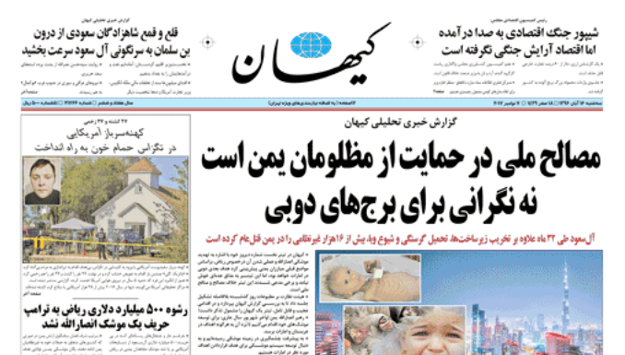
The Houthi missile attack against King Khalid International Airport in Riyadh on Saturday not only heightened tension between Saudi Arabia and Iran, but also triggered a war of words between media outlets representing different factions in the Islamic Republic.
Harakat al-Nujaba Reacts to U.S. Move to Sanction Iran-Backed Iraqi Militias
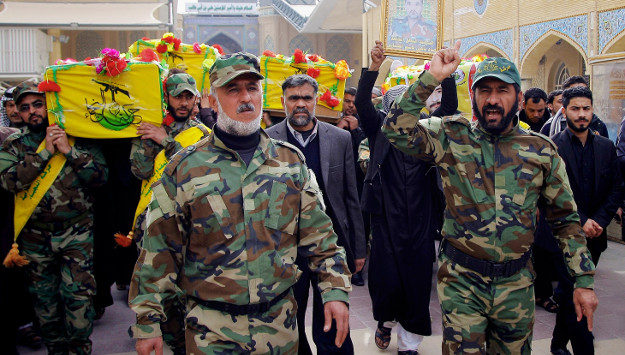
Harakat al-Nujaba, a militia unit within Iraq’s Popular Mobilization Forces (P.M.F.), lashed out at the United States for seeking to impose sanctions against the group and other Iranian-sponsored militia organizations fighting in Iraq and Syria. On November 3, a bill was introduced the U.S. House of Representatives, entitled “Iranian Proxies Terrorist Sanctions Act of 2017,” which, if passed, will impose terrorism-related sanctions with respect to Asa’ib Ahl al-Haq and Harakat al-Nujaba groups.
Mohammed bin Salman’s High-Wire Act | Monday Briefing
In this week’s Monday Briefing, MEI experts Gerald Feierstein, Paul Salem, Ruba Husari, Amal Kandeel, and Gonul Tol provide analysis on recent and upcoming events including the arrests of numerous prominent Saudi government officials and leading businessmen on charges of corruption, Lebanese Prime Minister Hariri’s resignation, oil prices in the Middle East hitting new highs, the threat to MENA due to rising temperature levels in the region, and the Turkish prime minister’s visit to Washington.
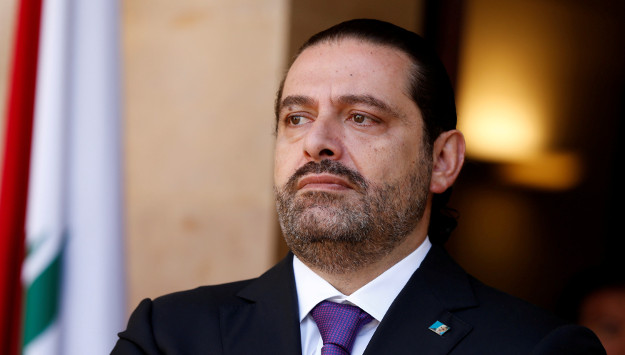
Hariri’s Resignation Alarms Tehran about Lebanon’s Future
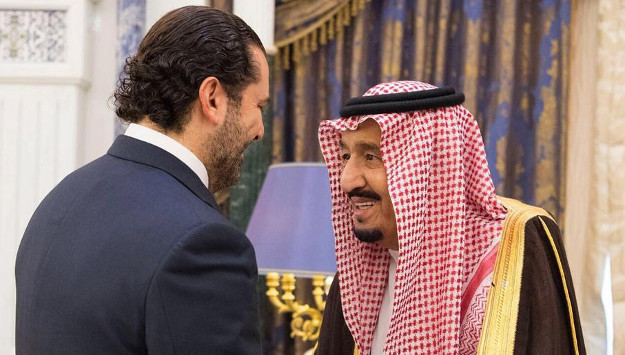
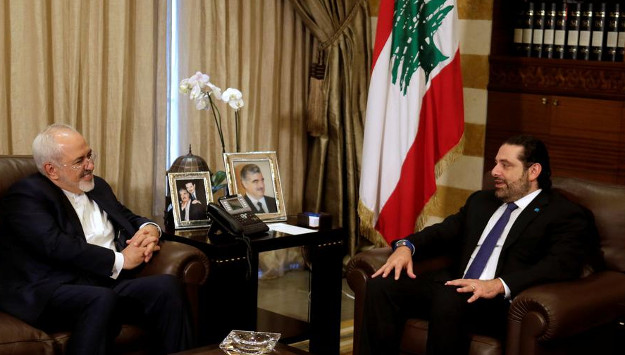
The resignation of Lebanese Prime Minister Saad Hariri on Sunday has sent shockwaves in Tehran. While Iranian leaders and their regional allies try to appear measured and confident, they fear that political instability in Lebanon and a potential war between Israel and Iran’s ally Hezbollah – particularly at a time when Hezbollah and other Iranian proxies are still engaged in the Syrian war – could adversely impact Tehran’s regional ambitions.
Iran Sees Hariri’s Resignation as Part of U.S.-led Plan to Counter Its Regional Influence
Saad Hariri’s unexpected resignation has rattled Tehran. Many Iranian officials, analysts and media outlets warn that the Lebanese prime minister’s resignation is part of a broader strategy by the United States and its regional allies – particularly Israel and Saudi Arabia – to counter the growing influence of Iran and its proxies in the Middle East.
The sudden resignation of Massoud Barzani as president of the Kurdish Region of Iraq (K.R.I.) casts into high relief the challenges that confront U.S. policy in the region today. Focused military action has set ISIS on its heels. Chairman of the Joint Chiefs of Staff General Joseph Dunford, U.S.
Hardliners Accuse Europe of "Betraying" Iran on Nuclear Deal
A prominent Iranian cleric today warned the Rouhani government against trusting European powers to renegotiate the Joint Comprehensive Plan of Action (JCPOA), the nuclear deal Tehran signed with world powers in 2015. “The Europeans are currently betraying [us] and defending the Americans.
Militants Kill Eight Iranian Border Guards near Turkish Border
The Iranian media reports that at least eight Iranian border guards were killed in clashes with an armed group today in the northwestern province of West Azarbaijan. Alireza Radfar, the deputy governor-general of West Azerbaijan, said the “terrorists” also sustained heavy casualties. He added that security forces are conducting a search operation in the area for other members of the group.
Khamenei: U.S. Is Iran’s “No. 1 Enemy” That Need to Confronted
Supreme Leader Ali Khamenei said today that the United States is Iran’s “number one enemy” and lashed out at President Donald Trump for calling his country a “terrorist nation.” He also stressed that Tehran will defy U.S. pressure and not give more concessions to Washington.
The oldest peer-reviewed publication dedicated to the study of the modern Middle East, MEI’s flagship journal covers politics, society, and culture in the region.