After decades of political setbacks, Iran’s former Revolutionary Guards commander has returned to the center of power. Is he an incidental beneficiary of war, or have observers underestimated him all along?
The Unavoidable Neighbor: Managing Iran Beyond the War
Gulf states and their partners are increasingly looking beyond their most immediate interests of containing the war with Iran. While recent talks between Saudi Arabia, Turkey, Pakistan, and Iran have kept de-escalation on the agenda, a broader regional security framework and non-aggression pact has also emerged, envisioning a longer-lasting solution to regional conflicts. The talks have yet to produce a settlement, but they reflect a growing recognition that Gulf security cannot depend entirely on Washington. Iran will still be there, and its neighbors will have to find ways of living with it.
Recent Elections and What They May Mean for the Middle East
Recent elections for the Israeli Knesset and American Congress may make less of a difference in the Middle East than some people think. Elections are significant indicators of national political trends, but do not always translate into changes in national security strategies. That is likely the case now in both nations.
Iran’s Navy to Unveil New Assets, Expand Presence in International Waters
Iran’s Navy Commander Habibollah Sayyari said today that the country’s naval forces will unveil its new domestically-built naval assets this year and will also extend their area and scope of operations beyond the Persian Gulf region.
Iran-Backed Militia Leaders Call for Seizure of Kirkuk from Kurds
A spokesman of Iraq’s Popular Mobilization Forces (P.M.F.) has said that the paramilitary forces will “not rush to a civil war sought by” Iraqi Kurdistan’s President Masoud Barzani, but cautioned that P.M.F.
Rouhani Still Seeks Economic Engagement with the West
President Hassan Rouhani continues to insist that the 2015 nuclear deal is safe, despite very vocal agitation from the Trump White House. The Trump administration’s September 14 decision to continue to waive sanctions on Iran’s oil and gas industries—as is required by the nuclear deal as long as Tehran is compliant with its obligations—also points to the deal’s strong likelihood for survival in the foreseeable future.
House Committee Passes Anti-Hezbollah Legislation | MEI Flash
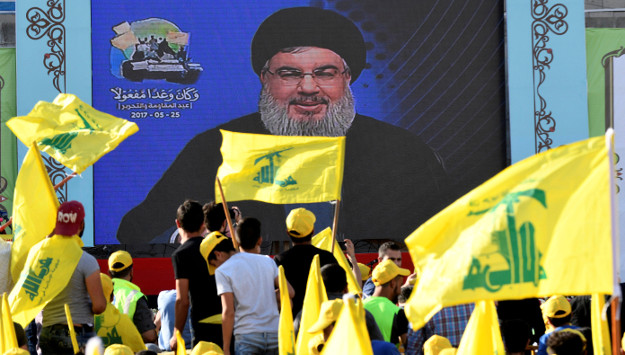
The U.S. House of Representatives Foreign Affairs Committee passed two bills today that tighten sanctions on Hezbollah. The bills amend sections of the Hezbollah International Financing Act of 2015. The first bill imposes sanctions on any foreign person that assists a number of key Hezbollah financial, security, foreign relations, and media institutions. The second bill imposes sanctions on persons responsible for use of people as human shields in the 2006 war or thereafter, and names Hezbollah senior leadership among those intended.
Iraqi Hezbollah Calls Barzani “Traitor”, Warns “Resistance” Will Retaliate
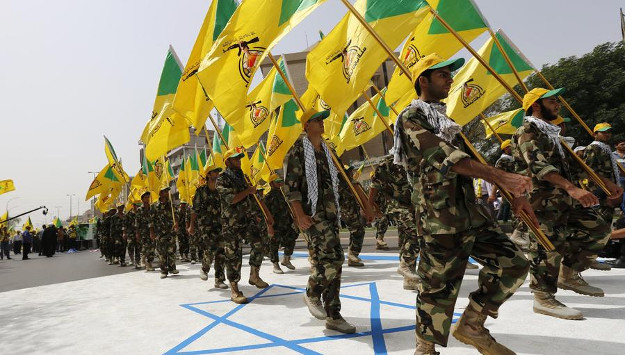
Iranian-aligned Iraqi militant leaders continue to threaten violence against the Kurdish Regional Government (K.R.G.) over the independence vote on Monday. “Kurdistan’s referendum has no value and the resistance will take a series of measures to respond,” said Jafar al-Husseini, the spokesman of the Hezbollah Brigades, an Iranian-sponsored militia group within the Popular Mobilization Forces (P.M.F.). “Officials in Kurdistan are American tools in Iraq and the region.
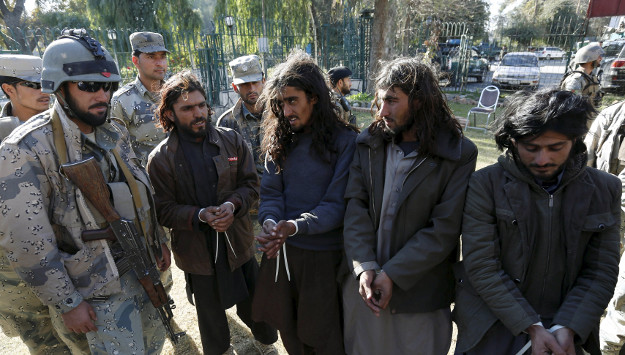
Local officials in western Afghanistan say Iran and Pakistan continue to assist Taliban fighters to destabilize the region. “Pakistan and Iran support the Taliban. Residents have seen Pakistani and Iranian clerics bringing money to Taliban in Shindand [District,” alleged Abdul Ghani Noori, the head of Zer Koh District of Herat Province, bordering Iran. He claimed that between 200 and 400 Taliban militants are present in the district and called on Afghan security forces to launch an “extensive operation” against terrorists in the area.
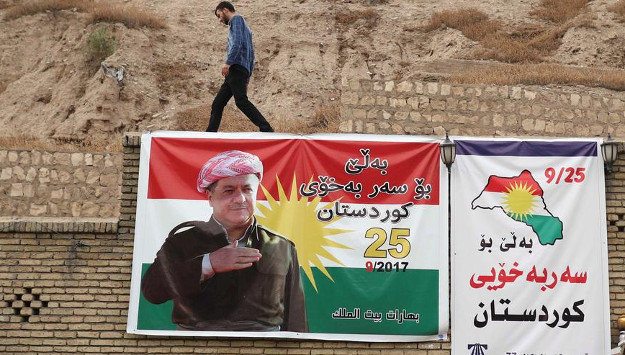
Iran Beefs up Security in Its Kurdish Regions after Iraqi Vote
Iranian authorities have stepped up security measures in Kurdish regions in the northwest since Iraqi Kurdistan held an independence vote on Monday, the BBC Persian reports. The government has suspended or slowed access to the internet in some western regions, including in Kurdistan Province, which borders Iraqi Kurdistan. Video footages show that the government has dispatched armed forces and riot police as well as tanks and armed vehicles to Kurdish areas.
Iran Rejects Kurdish Vote, Threatens to Punish Erbil over "Israeli Project"
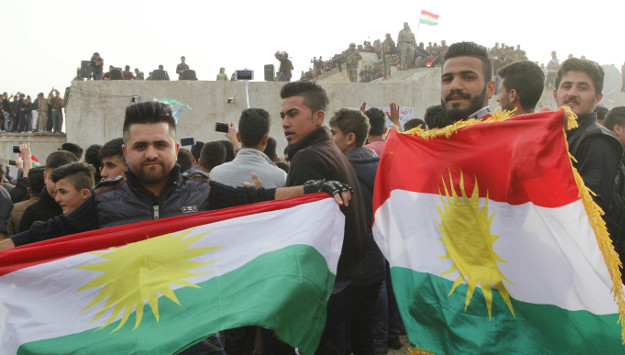
Iranian leaders and state-run media outlets reacted angrily to Iraqi Kurdistan’s decision to hold an independence referendum on Monday, and threatened retaliatory actions against Erbil. Tehran halted all flights to and from Erbil and Sulaymaniyah in northern Iraq and the Iranian military launched war games near the Kurdish border. Senior Iranian officials stressed that the Islamic Republic rejects the plebiscite and described it as an “Israeli and American plot” to divide Iraq and counter Iranian influence in the region.
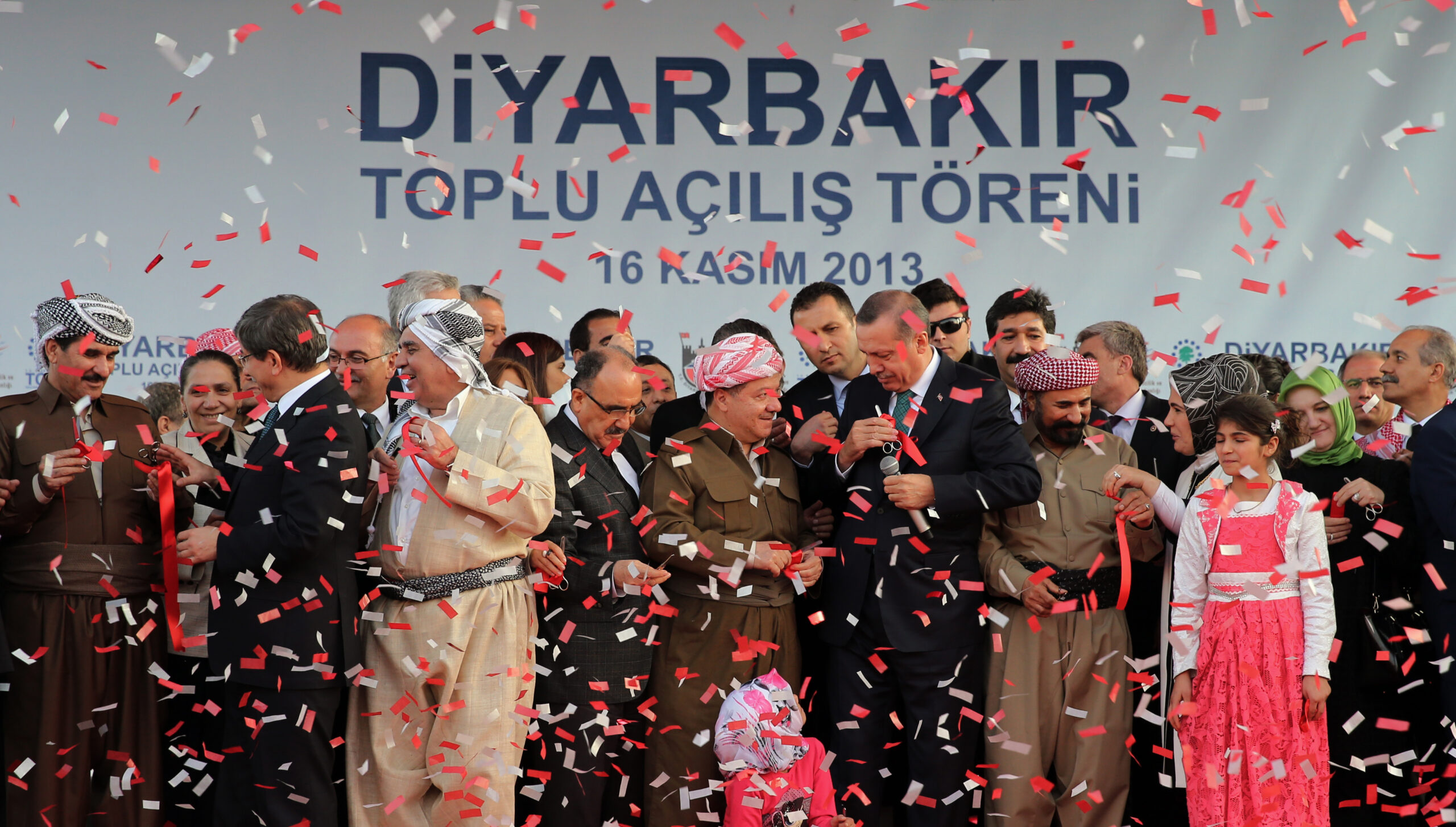
Turkey has been threatening economic sanctions and military action against its long-time ally, the Kurdistan Regional Government (K.R.G.) over Erbil’s decision to hold an independence vote.
President Donald Trump spent a portion of his first speech before the U.N. General Assembly attacking Iran. MEI experts Gerald Feierstein and Ahmad Majidyar join host Paul Salem for a discussion of the speech and what lies ahead for U.S.-Iran relations and the nuclear deal.
President Donald Trump spent a portion of his first speech before the U.N. General Assembly attacking Iran. MEI experts Gerald Feierstein and Ahmad Majidyar join host Paul Salem for a discussion of the speech and what lies ahead for U.S.-Iran relations and the nuclear deal.
Think West to Go West: Origins and Implications of India’s West Asia Policy Under Modi (Part I)
Prime Minister Modi’s 2015 visit to the U.A.E. and subsequent events have seen India’s view of the region undergo a fundamental shift. This essay, the first of two parts, shows how New Delhi has come to regard the Gulf more as a source of investment and less as a source of energy and visas; and has begun to take a more strategic and military view of the region.
High-Level Turkish Military Delegation to Visit Iran Next Week
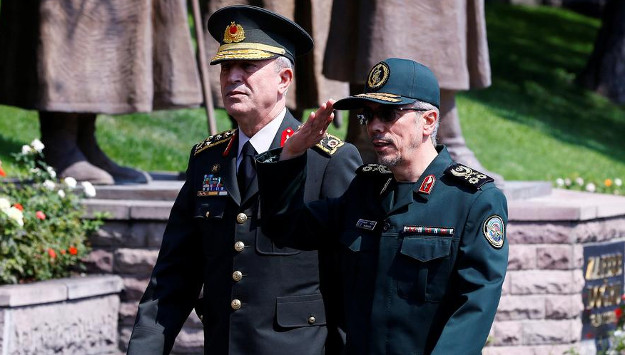
Turkey’s Chief of the General Staff Hulusi Akar, leading a high-ranking military delegation, will visit Tehran for strategic talks next week, the Iranian media reported today. Akar is expected to meet with his Iranian counterpart General Mohammad Hossein Bagheri, President Hassan Rouhani and other top Iranian military and political leaders.
Iran and Venezuela to Build $1 Billion Oil Refinery in Syria
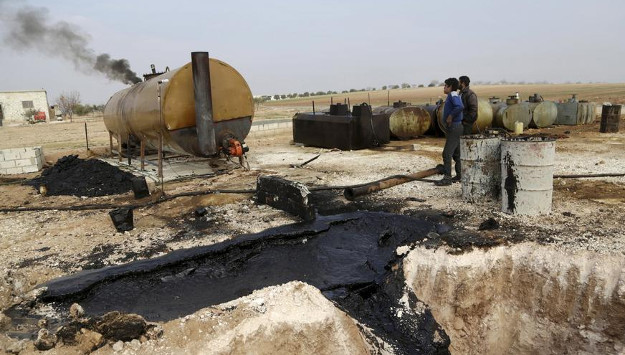
Iran will start constructing an oil refinery in Syria by this year’s end, a senior official of Iran’s Research Center of Petroleum Industry (R.I.P.I.) announced today.
The oldest peer-reviewed publication dedicated to the study of the modern Middle East, MEI’s flagship journal covers politics, society, and culture in the region.