The Coming Debate Over the US Military Presence in the Gulf
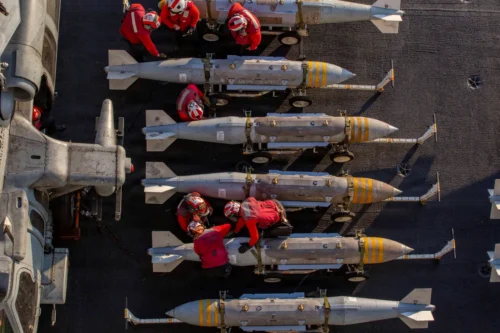
The war with Iran is hardly over, but the debate over the shape and nature of the post-conflict American posture in the Gulf region is just beginning. Undoubtedly, how the war ends will affect how the United States adjusts its role. While this debate is still in its early stages, something of a conventional wisdom is already developing in policy circles that could seriously compromise American influence in the Middle East.
Curb Your Enthusiasm: Why the Midterms Might Not Change Much in US Middle East Policy
With less than a week before the midterm elections in the United States, the spotlight is on the economy and cultural divides. US foreign policy remains mostly on the sidelines, but this year’s inconclusive Iran war and its effect on America’s economy have shaped the broader political environment in this electoral cycle.
The Multiple Costs of the US–Iran War – From Hormuz to Europe and South Asia: The Widening Economic and Political Geography of the Conflict
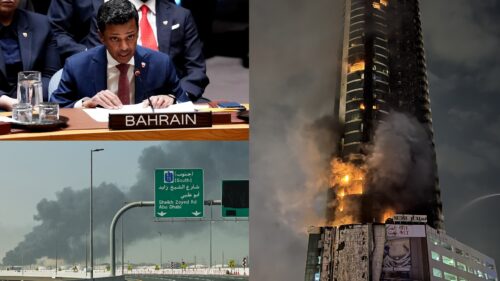
Wars are decided by those who hold military power, but their costs are increasingly borne by those who have little or no voice in the decisions that start them. The US–Iran war shows this imbalance very clearly. Its economic consequences have gone far beyond the battlefield and have disrupted energy markets, trade routes, food supplies, public finances and investment in the Gulf, Europe, Africa and Asia. The most striking feature of the conflict, however, is not only the size of the damage but its very unequal distribution.
How to prevent the Iran war from becoming a vortex that draws in more countries
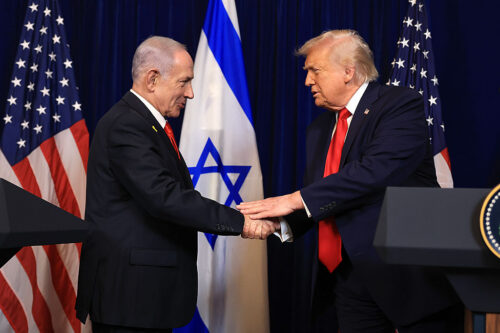
By attacking Iran without clear objectives or an exit strategy, the US and Israel turned what was the greatest strategic and chronic threat to regional security into an unpredictable set of imminent dangers. A fundamental task for US national security is to prevent this conflict from becoming a vortex that increasingly pulls in other powers.
Lebanon on the Brink: Hizballah, Iran, and the War’s Spillover
Hosts Alistair Taylor and Matthew Czekaj are joined by MEI Senior Fellow Fadi Nicholas Nassar to discuss Hizballah’s role in the escalating conflict in the Middle East and the implications for Lebanon. A day after the United States and Israel launched a joint military campaign against Iran, Tehran’s Lebanese proxy fired missiles at northern Israeli territory. Israel responded swiftly and forcefully, and Lebanon’s government and population now fear the Iranian-backed militia is dragging the country back into war. The conversation explores the broader repercussions of Hizballah’s actions against the backdrop of a widening war in Iran and Lebanon’s quickly evolving political climate. Nassar also outlines recommendations for how Lebanon can move forward as a sovereign and effective state.
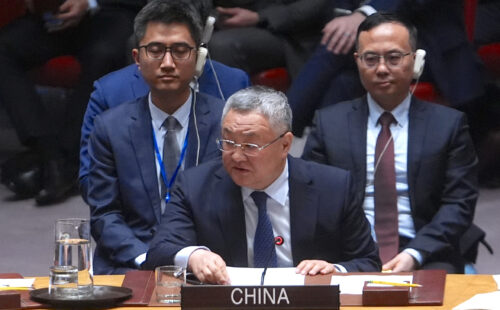
China in the crossfire: Calculated moves amid the US-Iran showdown
The launch of large-scale US and Israeli strikes against Iran places Beijing in a strategically uncomfortable position. This campaign is the most significant US military operation since the Iraq War, unfolding across a region central to China’s energy security and commercial ambitions.
Is Turkey the New Iran — Or Is that the Wrong Question?
The balance of power in the Middle East is shifting. Iran is on the defensive — its military capabilities were badly degraded by last year’s 12 days of Israeli and US strikes, and growing protests at home have made the regime look more vulnerable than it has in years.
Arming a Kurdish insurgency would be a risky endeavor – for both the US and Iran’s minority Kurds
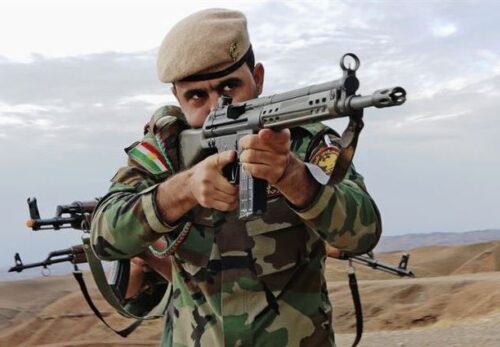
With the Iranian regime weakened by relentless American and Israeli missiles, Washington is eyeing a familiar U.S. ally in the Middle East to help push the Islamic Republic over the edge: the Kurds.
After the Iran War: What Is America’s Long Game in the Middle East?
Brian is joined by Dana Stroul, Director of Research and Shelly and Michael Kassen Senior Fellow at the Washington Institute for Near East Policy, to examine US objectives in the Middle East in the midst of the ongoing war between the US, Israel, and Iran. Drawing on her extensive experience in US policymaking, most notably as the Pentagon’s top civilian official responsible for the Middle East from 2021 to 2023, Dana offers an insider’s perspective on this strategic moment. Together, Dana and Brian unpack the rapidly developing situation in Iran, the fragility of the ceasefires in Gaza and Lebanon, the shifting landscape in Syria after Assad, and the United States’ role in a region that may be on the cusp of transformation.
After Khamenei: Iran enters its most uncertain transition since 1979
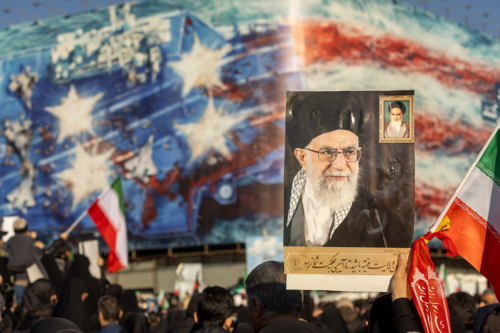
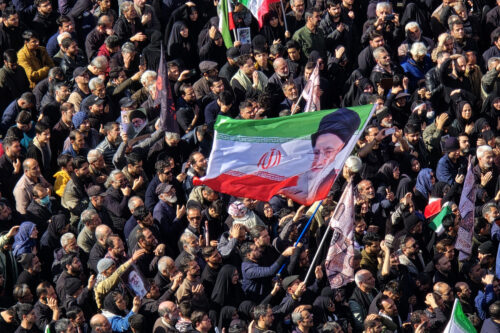
For nearly four decades, Ayatollah Ali Khamenei embodied the Islamic Republic’s certainty: a singular authority who shaped every major decision on war and peace, repression and reform, economics and ideology. His death, in a coordinated US-Israeli strike on his Tehran command compound on February 28, has ripped that certainty away in the most violent fashion imaginable.
The oldest peer-reviewed publication dedicated to the study of the modern Middle East, MEI’s flagship journal covers politics, society, and culture in the region.