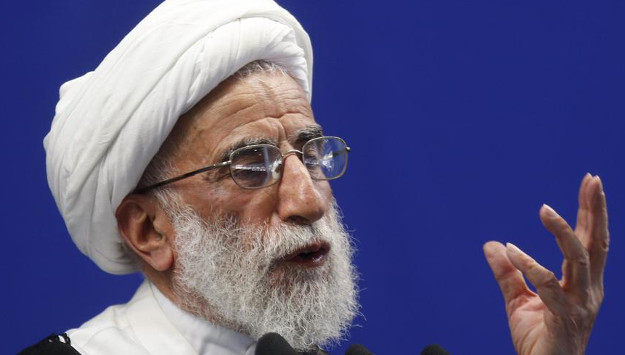
After decades of political setbacks, Iran’s former Revolutionary Guards commander has returned to the center of power. Is he an incidental beneficiary of war, or have observers underestimated him all along?
The Unavoidable Neighbor: Managing Iran Beyond the War
Gulf states and their partners are increasingly looking beyond their most immediate interests of containing the war with Iran. While recent talks between Saudi Arabia, Turkey, Pakistan, and Iran have kept de-escalation on the agenda, a broader regional security framework and non-aggression pact has also emerged, envisioning a longer-lasting solution to regional conflicts. The talks have yet to produce a settlement, but they reflect a growing recognition that Gulf security cannot depend entirely on Washington. Iran will still be there, and its neighbors will have to find ways of living with it.
Recent Elections and What They May Mean for the Middle East
Recent elections for the Israeli Knesset and American Congress may make less of a difference in the Middle East than some people think. Elections are significant indicators of national political trends, but do not always translate into changes in national security strategies. That is likely the case now in both nations.
Khamenei’s Aide Blasts Nuclear Deal, Urges Government to Emulate North Korea
A prominent voice for Iran’s hardliners has denounced the 2015 nuclear deal and demanded that the Islamic Republic emulate North Korea in resisting American pressure and threats. “They say the J.C.P.O.A. is a good model,” said Hossein Shariatmadari, the editor-in-chief of Kayhan newspaper, referring to the Joint Comprehensive Plan of Action. “Yes, it certainly is so but for the Americans not for Iran,” he added. “Iran only granted concessions in J.C.P.O.A. A J.C.P.O.A.
Top U.S. Official: Iran Fuels Yemeni Civil War by Sending Weapons to Houthis
Iran continues to inflame the civil war in Yemen by smuggling illicit weapons and technology to Houthi rebels, the top American admiral in the Middle East has said. In an interview with the New York Times, Vice Adm. Kevin M. Donegan pointed out that Tehran is also enabling Yemeni rebels to fire more advanced missiles into neighboring Saudi Arabia and target allied ships in the Red Sea. “These types of weapons did not exist in Yemen before the conflict,” Donegan said.
Iran-Backed Iraqi Militia Commanders Play Increasing Role in Kirkuk
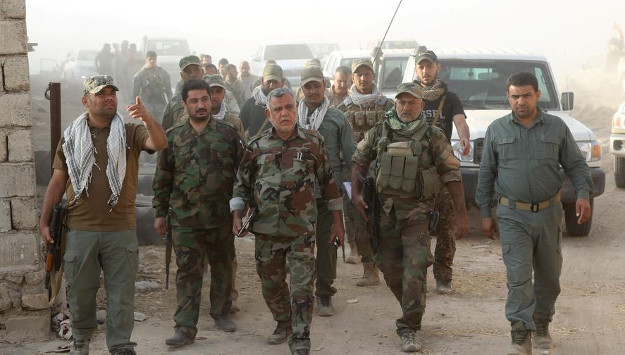
Abu Mahdi al-Muhandis, the operational chief commander of Iraq’s Popular Mobilization Forces (P.M.F.), traveled to the disputed province of Kirkuk on Monday and met with Abu Reza al-Najjar, the military commander of the northern zone in the province. According to Iran’s Fars News Agency, the Kurdish Regional Government last Wednesday deployed two battalions of Peshmerga forces and PKK militants to Kirkuk to assist Kurdish forces in the region against a perceived threat from P.M.F.
Khamenei: Iran Won’t Be Bullied, Will Respond to Any U.S. “Wrong Move” on Nuclear Deal
As Iranian President Hassan Rouhani was leaving Tehran to attend the U.N. General Assembly in New York, Iran’s Supreme Leader Ali Khamenei gave a fiery speech accusing Washington of reneging on the terms of the nuclear deal and pursuing hostile policies toward the Islamic Republic. Speaking to a gathering of law enforcement students in Tehran, Khamenei stressed that the Islamic Republic will not be bullied by the United States and will react forcefully to any “wrongdoing” by Washington with regards to the nuclear issue.
Iran Set to Launch New Satellite despite Western Concerns
Iran’s Minister of Communication and Information Technology announced today that the country has three satellites that are ready to be launched in the near future. “We have had talks with the Ministry of Defense as required and we will launch the satellites whenever they say,” Mohammad Javad Azari Jahromi told reporters in Tehran.
Iranian, U.S. Officials Spar over Nuclear Deal at I.A.E.A. Conference
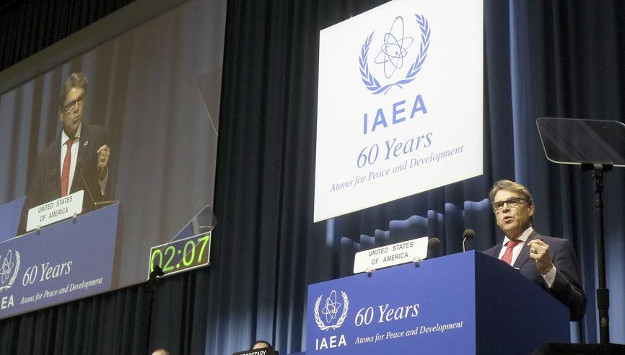
At the 61st General Conference of the International Atomic Energy Agency (I.A.E.A.) in Vienna earlier today, the top Iranian nuclear official warned that U.S. “hostile” actions are undermining the nuclear agreement Tehran signed with world powers two years ago.
Iran’s New Army Chief: Tiniest Mistake Will Shorten Israel’s 25-Year Lifespan
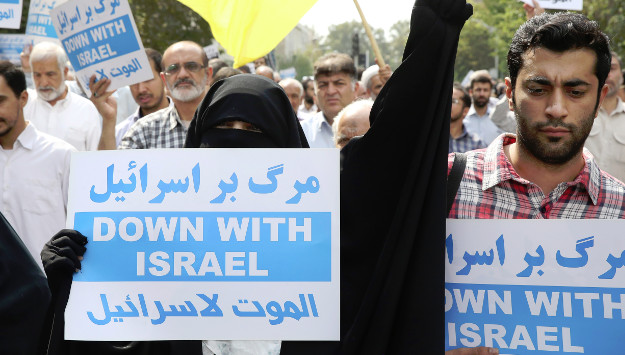
On Monday, the new chief commander of Iran’s Army said Israel had a maximum life span of 25 years and that the Jewish state would perish even earlier if it “makes any mistake” over its remaining lifetime. “The notion that the Zionist regime of Israel will not be existing 25 years from now does not mean that it would have a full time span of 25 years to live,” Tasnim News Agency quoted Major General Abdolrahim Mousavi as saying. He also warned that any Israeli mistake would result in the destruction of Haifa and Tel Aviv.
Kata’ib Hezbollah: We’re Ready to Fight American Troops in Iraq
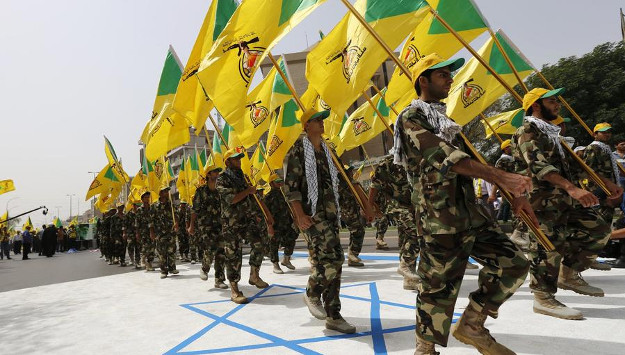
Kata’ib Hezbollah, an Iranian-supported Iraqi militia group, has threatened to “fight American occupiers” and accused U.S. troops of aiding the Islamic Statein Iraq. “Washington is engaged in smuggling and evacuating Islamic State criminals from Iraq,” Jafar al-Husseini, the spokesman of the group, was quoted as saying in an article published on the organization’s official website. It added that the group will release evidence to substantiate the allegations in the future.
Tehran, Ankara and Moscow Reach Agreement over Syria’s Idlib
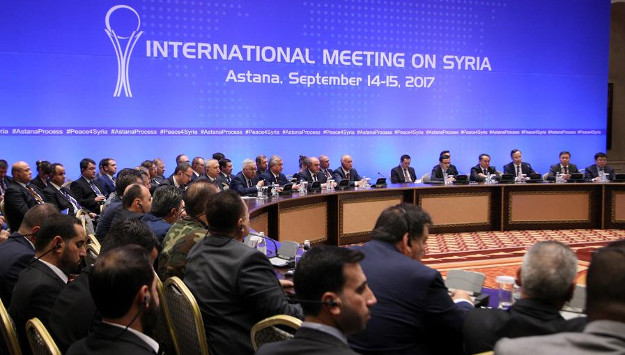
Iran, Turkey and Russia have agreed to establish the fourth de-escalation zone in Syria’s Idlib Province, according to a joint statement issued by the three countries at the end of the sixth round of talks in Kazakhstan today. Iranian media published the full text of the statement in Farsi and English.
Iran Reacts to U.S. Congress Move Aimed at Blocking Boeing Sales
Head of Civil Aviation Organization of Iran Ali Abedzadeh has said that the latest U.S. Congressional bill will have no impact on the implementation of contracts between Tehran and international companies for the purchase of commerical aircraft. “All agreements with airplane manufacturing companies are signed in accordance with the Joint Comprehensive Plan of Action, which is an agreement between Iran and the international community and endorsed by the United Nations as well,” he added.
Top Iranian Official: Iran Won’t Allow Inspection of Military Sites, “Case Closed”
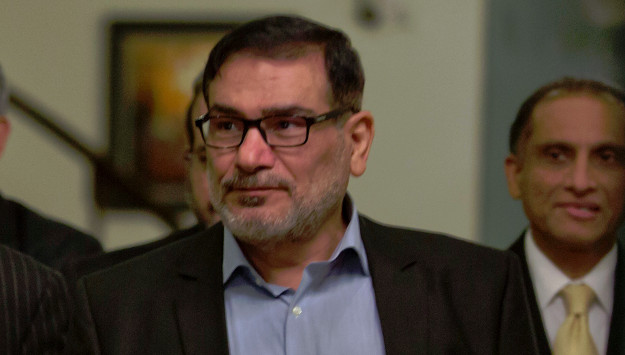
Secretary of Iran’s Supreme National Security Council Ali Shamkhani ruled out the possibility of allowing foreign inspectors to visit Iranian military sites. “There is no nuclear activity or even research in any of the Islamic Republic of Iran’s military centers, and visits by the International Atomic Energy Agency (IAEA) over the past years have confirmed the issue,” he said.
Top Iranian, Turkish Military Leaders Discuss Regional Issues over Phone
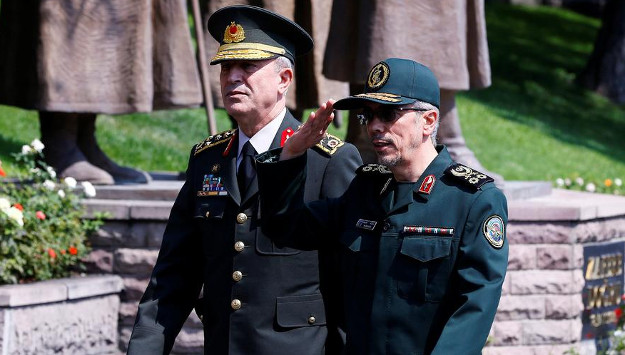
The top Iranian and Turkish military officials discussed the Iraqi Kurdistan’s independence referendum plan and its implications in a telephone call earlier today, Iranian media reported. “The two sides stressed the significance of enhancing bilateral relations and cooperation and described the potential independence referendum in the Iraqi Kurdistan and its ramifications on regional security, peace and stability – including on Iran and Turkey – as detrimental and dangerous,” Iran’s Fars News Agency reported.
Iran-Backed P.M.F. Commander Warns of Civil War over Iraqi Kurdistan Dispute
The leader of a powerful group within Iraq’s Popular Mobilization Forces (P.M.F.) has warned that the country could lapse back into anarchy and civil strife over the escalating dispute on the Kurdish autonomy.”If tension over the Iraqi Kurdistan’s referendum continues, it will certainly culminate in civil war” Hadi al-Amiri, the head of Iranian-supported Badr Organization, was quoted as saying by Iran’s Fars News Agency.
The spokesman of Iran’s Guardian Council has announced that the influential body has not finalized its assessment of a bill that the Iranian Parliament recently passed to counter U.S.
The oldest peer-reviewed publication dedicated to the study of the modern Middle East, MEI’s flagship journal covers politics, society, and culture in the region.