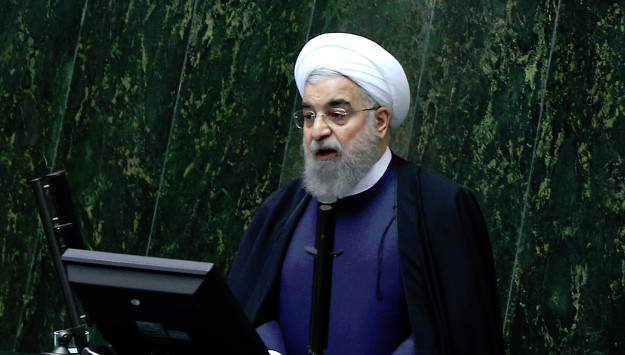
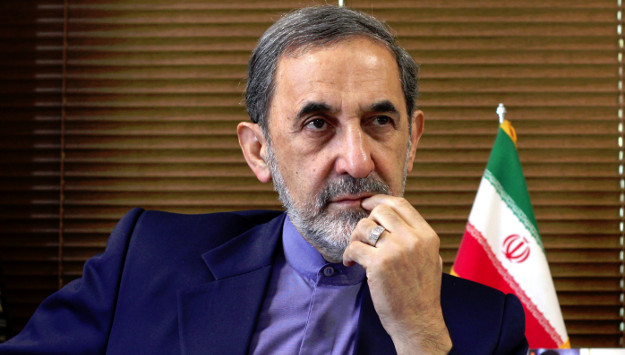
After decades of political setbacks, Iran’s former Revolutionary Guards commander has returned to the center of power. Is he an incidental beneficiary of war, or have observers underestimated him all along?
The Unavoidable Neighbor: Managing Iran Beyond the War
Gulf states and their partners are increasingly looking beyond their most immediate interests of containing the war with Iran. While recent talks between Saudi Arabia, Turkey, Pakistan, and Iran have kept de-escalation on the agenda, a broader regional security framework and non-aggression pact has also emerged, envisioning a longer-lasting solution to regional conflicts. The talks have yet to produce a settlement, but they reflect a growing recognition that Gulf security cannot depend entirely on Washington. Iran will still be there, and its neighbors will have to find ways of living with it.
Recent Elections and What They May Mean for the Middle East
Recent elections for the Israeli Knesset and American Congress may make less of a difference in the Middle East than some people think. Elections are significant indicators of national political trends, but do not always translate into changes in national security strategies. That is likely the case now in both nations.
I.R.G.C. Outlet: U.S. Eyes Post-ISIS Military Presence in Iraq and Syria to Counter Iran
A lengthy report in Fars News Agency (F.N.A.), an outlet close to the Islamic Revolution Guards Corps (I.R.G.C.), claims that the United States is seeking to contain the growing influence of Iran and its proxies in Iraq and Syria by increasing its military presence in northern and southern Syria and keeping
Iran’s Defense Minister Cautions about Anti-Iran “Arab NATO” by U.S. and Its Allies
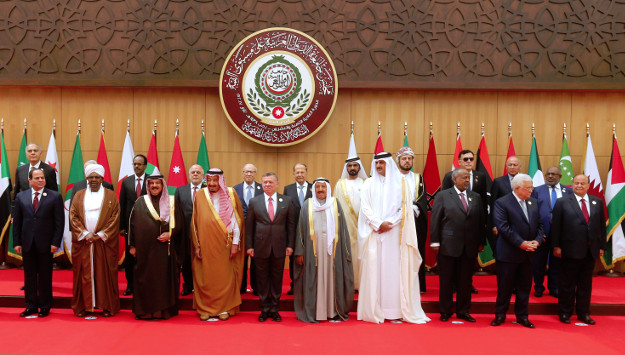
President Donald Trump’s planned trip to Saudi Arabia has triggered concern in Tehran. Iranian officials and media outlets appear to be particularly troubled by Riyadh’s decision to invite leaders of dozens of Muslim countries to attend a summit with the American president. Many Iranian leaders and analysts say Washington, Israel and Sunni Gulf nations want to establish an “Arab NATO” or “American-Arab NATO” to confront Iran’s power and influence in the region.
Hardliners Question Rouhani’s Pledge to Remove Remaining Sanctions if Reelected
The hardline Iranian media – particularly outlets affiliated with the Islamic Revolution Guards Corps (I.R.G.C.) – has attacked President Hassan Rouhani for pledging to make efforts to remove remaining U.S. sanctions against Iran if reelected.
Syria Talks Resume in Geneva; Saudis to Give Warm Welcome to Trump; Qalibaf Withdraws from Iran Presidential Race
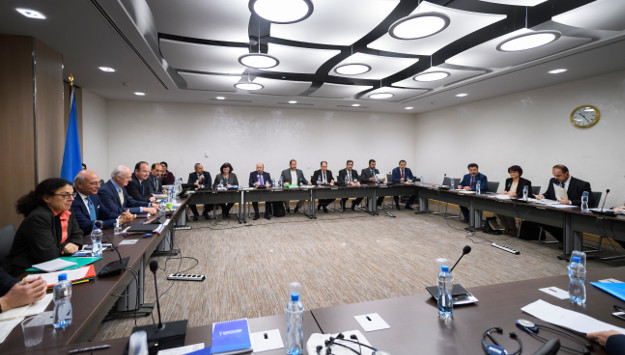
In this week’s Monday Briefing, MEI experts Charles Lister, Gerald Feierstein, Eran Etzion, and Alex Vatanka provide analysis on recent and upcoming events including the resumption of Syria talks in Geneva, President Trump’s upcoming visit to Saudi Arabia and Israel, and the latest developments in the home stretch of Iran’s presidential election.
Escalating Tension between Iran-Backed P.M.F. Groups and Peshmerga Forces in Sinjar
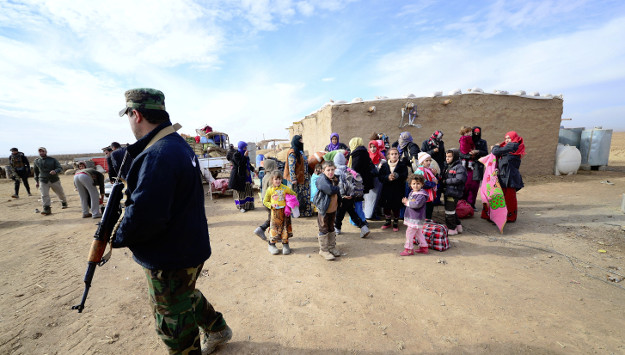
A commander of Kurdish peshmerga forces in the Iraqi town of Sinjar, Sarbast Lazkeen, has cautioned that any further expansion of Iran-backed Popular Mobilization Forces (P.M.F.) toward the Syrian border and into Kurdish regions could prompt a direct military intervention by Turkey, Saudi Arabia or the United States.
Hezbollah Reportedly Deploys 1,000 Fighters near Syria-Jordan Border to Face “U.S.-Backed” Militants
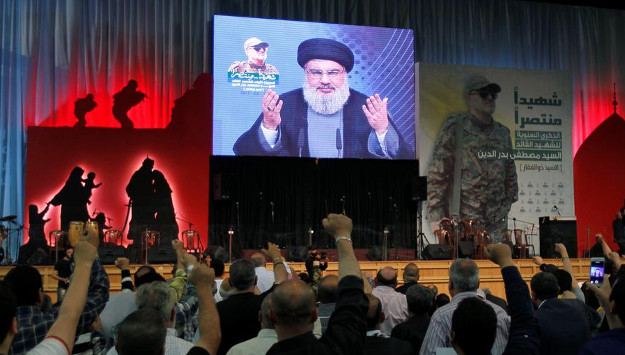
The Lebanese Hezbollah has dispatched hundreds of its fighters in two main fronts in southern Syria near the border with Jordan, according to Fars News Agency, an outlet affiliated with the Islamic Revolution Guards Corps (I.R.G.C.).
I.R.G.C. Outlet: U.S. Military Build-up along Iraq-Syria Border Aimed at Countering "Shiite Crescent"
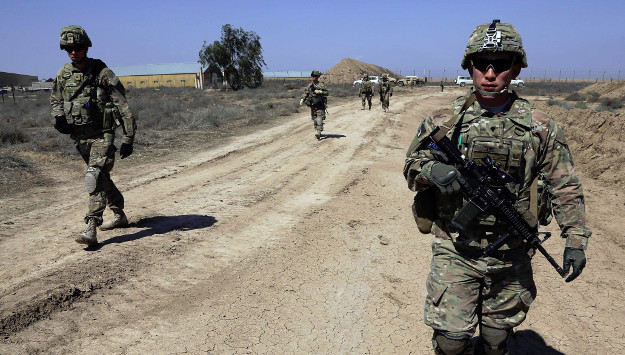
Recent reports that the Trump administration is in talks with Baghdad about keeping American troops in Iraq after the defeat of the Islamic State have triggered concern in Tehran. The Iranian media also have raised the alarm that the U.S. increasing military presence in Iraq and Syria is aimed at countering the influence of Iran and its regional allies in the Middle East.
Iran-Backed Iraqi Popular Mobilization Forces Make Gains in Western Mosul
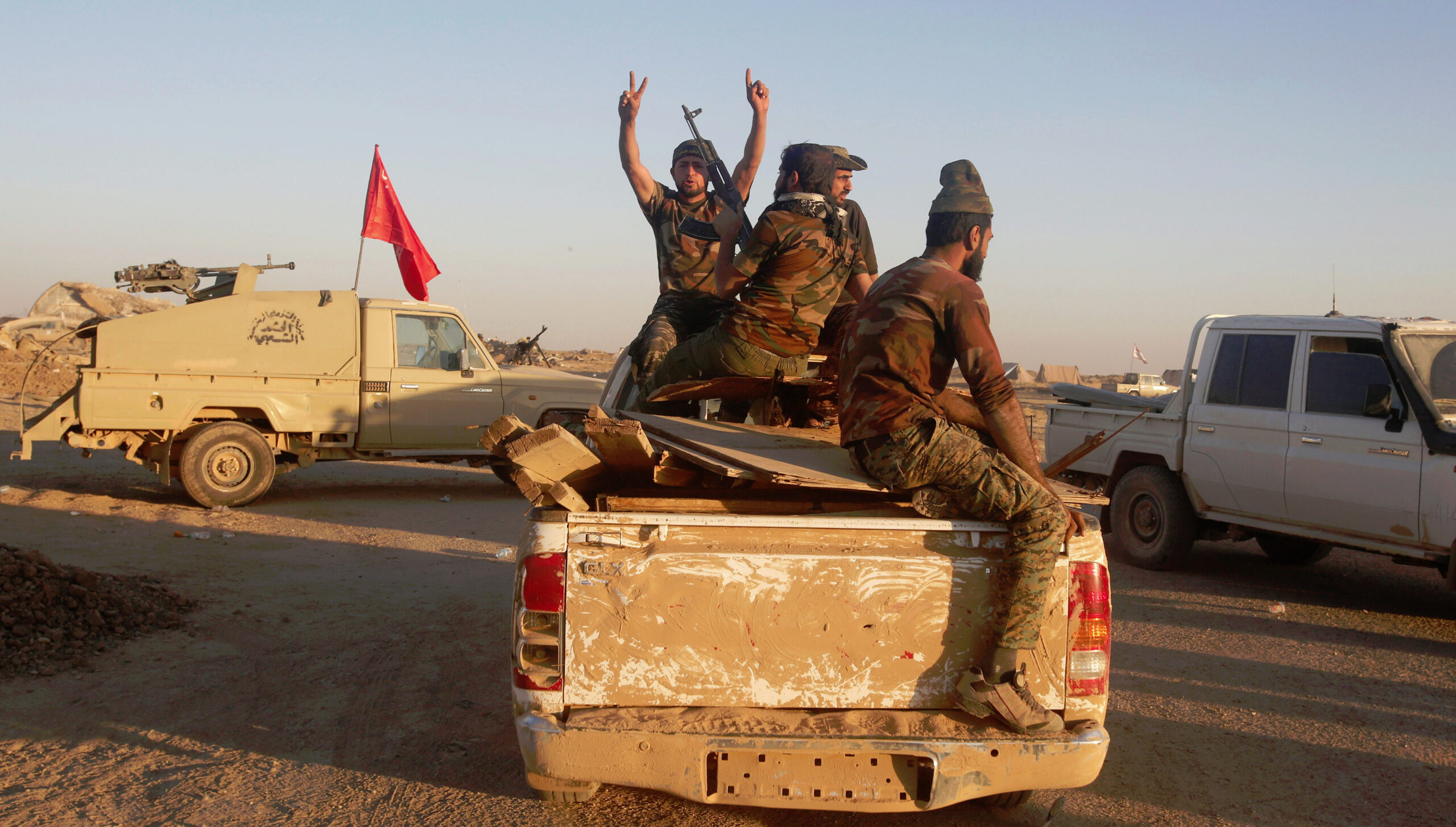
The Iraqi Hashd al-Shaabi – the paramilitary Popular Mobilization Forces (P.M.F.) – earlier today announced the launch of the second phase of the “Muhammad Rasulullah” operation in western Mosul of Iraq’s Nineveh Province.
Iran-Supported Militia Groups Eye Politics after Islamic State
Muhammad al-Hattab, a commander of the Iraqi Popular Mobilization Forces (P.M.F.), has hinted that the paramilitary forces may enter politics and participate in elections after the Islamic State is defeated.
Iran-Controlled Militant Group Says Regional Alliance Will Create “Shiite Full Moon”
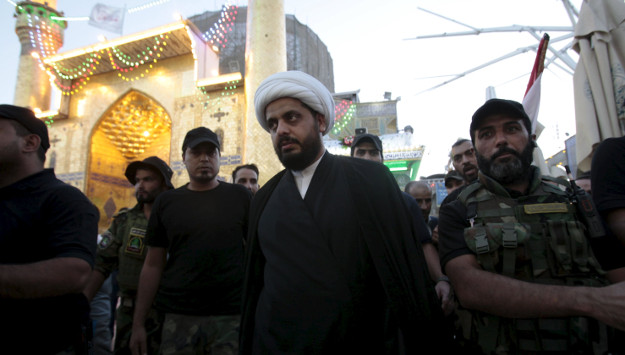
The leader of a prominent Iran-supported Shiite militia group has said that his organization aims to establish a “Shiite full moon” not a “Shiite crescent.” In a
Supreme Leader’s Aide Defends Iran’s Role in Regional Conflicts, Questions U.S. Presence in Mideast
A senior Iranian official has defended the Islamic Republic’s involvement in regional conflicts and questioned the presence and role of the United States in the Middle East.
The oldest peer-reviewed publication dedicated to the study of the modern Middle East, MEI’s flagship journal covers politics, society, and culture in the region.