After decades of political setbacks, Iran’s former Revolutionary Guards commander has returned to the center of power. Is he an incidental beneficiary of war, or have observers underestimated him all along?
The Unavoidable Neighbor: Managing Iran Beyond the War
Gulf states and their partners are increasingly looking beyond their most immediate interests of containing the war with Iran. While recent talks between Saudi Arabia, Turkey, Pakistan, and Iran have kept de-escalation on the agenda, a broader regional security framework and non-aggression pact has also emerged, envisioning a longer-lasting solution to regional conflicts. The talks have yet to produce a settlement, but they reflect a growing recognition that Gulf security cannot depend entirely on Washington. Iran will still be there, and its neighbors will have to find ways of living with it.
Recent Elections and What They May Mean for the Middle East
Recent elections for the Israeli Knesset and American Congress may make less of a difference in the Middle East than some people think. Elections are significant indicators of national political trends, but do not always translate into changes in national security strategies. That is likely the case now in both nations.
Iran’s Foreign Minister Zarif: Do Not Pay Much Attention to Trump’s Words
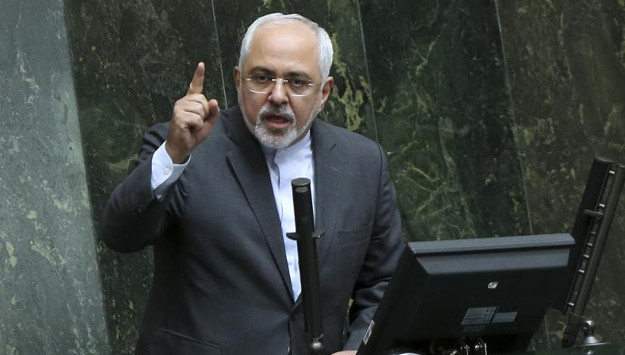
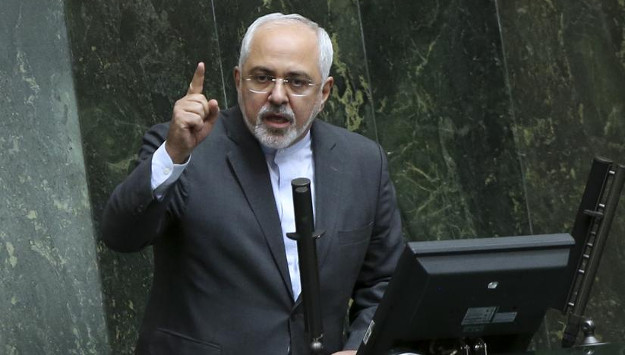
The Iranian foreign minister on Wednesday played down latest remarks by President Donald Trump on the possibility of Washington walking away from the 2015 Iran nuclear deal, the Iranian media reported. “I believe they have broken the spirit of the agreement,” Trump had told the Associated Press. “There is a spirit to agreements, and they have broken it.” Asked by the Iranian press on the sidelines of a cabinet session in Tehran about Trump’s statement, Javad Zarif replied: “Do not pay much attention to Trump’s words.”
Iran-Backed Iraqi Militia Forces Retake Ancient City of al-Hadar in Western Mosul
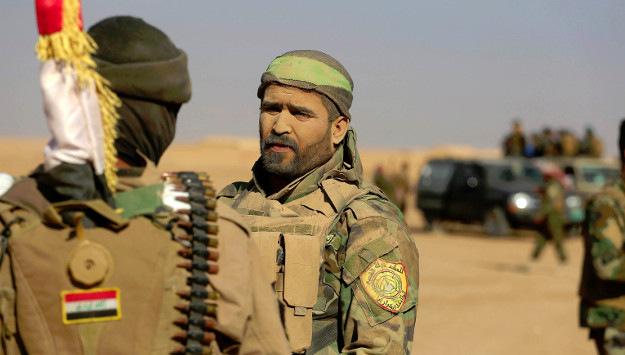
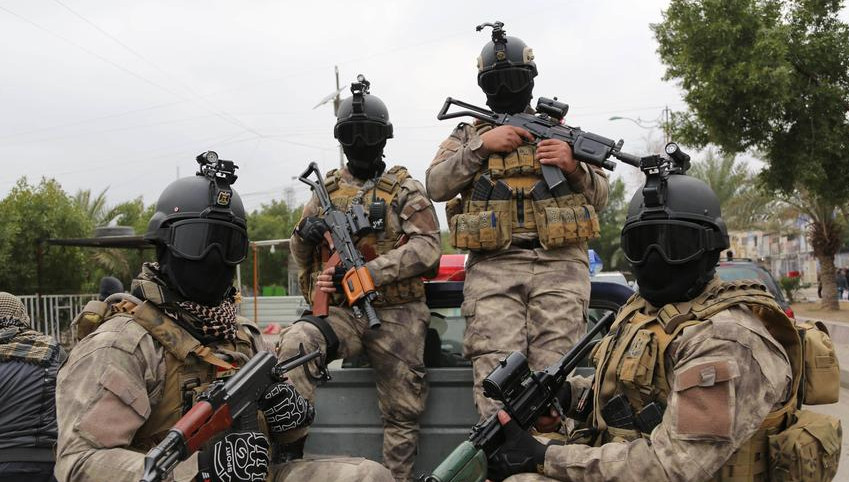
The Iraqi Popular Mobilization Forces (P.M.F.) today liberated the historic city of al-Hadar in western Mosul from the Islamic State, the Iranian media reports. Iraqi security forces cooperated with the P.M.F. in al-Hadar offensive.
India-Saudi Arabia Relations: New Bilateral Dynamics
This essay discusses the progressive development of India-Saudi Arabia relations. It looks first at the landmark visits that have laid the foundation and supplied the momentum for progress in the relationship. The essay focuses on five pillars of cooperation: trade and investment, energy relations, overseas employment, defense and security ties, and cultural interaction.
The Horn of Africa’s Growing Importance to the U.A.E.
The Horn of Africa is currently playing a pivotal role in the U.A.E.’s security interests at a time of international uncertainty, regional conflicts, and demanding domestic transformations. The U.A.E. is expanding its foothold in the region, with Eritrea to host its first military base abroad and another in Somaliland in the works. Abu Dhabi’s ‘pivot to the Horn’ strategy is designed to tackle three rising security concerns now: Yemen’s instability, freedom of navigation threats, and piracy.
Khamenei Asks Presidential Candidates to Pledge Not to Rely on West
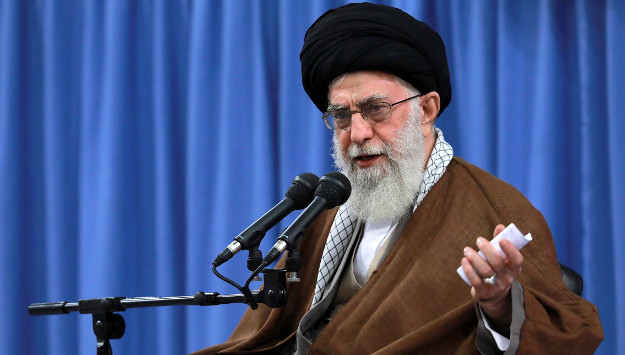
Iran’s Supreme Leader Ali Khamenei today called on next month’s presidential candidates to make a pledge not to seek foreign investment to bolster the country’s fragile economy and instead to promote self-sufficiency and domestic production.
Tehran’s New Envoy Calls for Expanding Ties with Baghdad in Meeting with Abadi
Brigadier General Iraj Masjedi, the new Iranian ambassador to Baghdad, met with Iraqi Prime Haider al-Abadi on Monday to discuss ways to further boost bilateral ties between the two countries, the
Pope’s Egypt Visit to Reassure MidEast Christians | Monday Briefing
In this week’s Monday Briefing, MEI experts Paul Salem, Alex Vatanka, Eran Etzion, and Gerald Feierstein provide analysis on recent and upcoming events including the Pope’s upcoming visit to Egypt, Ahmadinejad’s public feud with Ayatollah Khamenei, Israeli efforts to draw Russian support away from Iran, and the appointment of Prince Khalid bin Salman as Saudi Ambassador to the U.S.
Iranian Student in Rare Video Blasts Regime for Repression at Home and Foreign Wars
A rare video circulating on Iranian social media shows a university student strongly denouncing the Iranian regime’s acts of oppression at home as well as costly military engagements abroad at the expense of domestic priorities. “Mr. Hassan Abbasi: Your theory is the theory of terror and horror and exporting arms and war.
I.R.G.C. Navy Receives New Anti-Ship Cruise Missiles
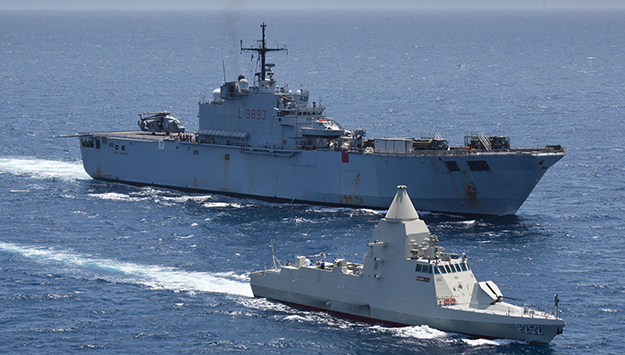
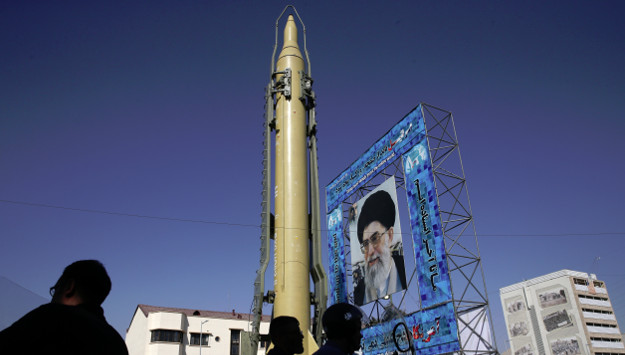
The Islamic Revolution Guards Corps (I.R.G.C.) Navy received the first consignment of the new Nasir anti-ship cruise missile on April 22, the Iranian media reports.
Iran-Backed Iraqi Mobilization Forces Urge Baghdad to Expel Turkish Ambassador
The Iraqi Popular Mobilization Forces (P.M.F.) – an alliance of largely Shiite militia groups dominated by Iran – has called on the Baghdad government to expel the Turkish ambassador from Iraq, Fars News Agency reported. The call came after President Recep Tayyip Erdogan called the P.M.F.
Tillerson’s Remarks Draw Angry Reaction from Iran’s Foreign Minister
Iranian Foreign Minister Javad Zarif on Thursday issued a strongly-worded statement in reaction to the latest allegations by the Trump administration about Iran’s destabilizing role in the Middle East and the 2015 Iran nuclear deal. “The Islamic Republic of Iran entered the JCPOA (Jointed Comprehensive Plan of Action, or Iran nuclear deal) with the view that it would be prudent way to address shared concerns and achieve shared objectives specifically related to the nuclear issue, without entering into other contentious issues, including the nefarious activities of the U.S.
Iranian Cleric Admits I.R.G.C. Provides Weapons to Houthis in Yemen
A senior Iranian cleric, who reportedly advises Supreme Leader Ali Khamenei, has in a rare video admitted that Iran provides weapons to the Houthi rebels in Yemen.
The oldest peer-reviewed publication dedicated to the study of the modern Middle East, MEI’s flagship journal covers politics, society, and culture in the region.