After decades of political setbacks, Iran’s former Revolutionary Guards commander has returned to the center of power. Is he an incidental beneficiary of war, or have observers underestimated him all along?
The Unavoidable Neighbor: Managing Iran Beyond the War
Gulf states and their partners are increasingly looking beyond their most immediate interests of containing the war with Iran. While recent talks between Saudi Arabia, Turkey, Pakistan, and Iran have kept de-escalation on the agenda, a broader regional security framework and non-aggression pact has also emerged, envisioning a longer-lasting solution to regional conflicts. The talks have yet to produce a settlement, but they reflect a growing recognition that Gulf security cannot depend entirely on Washington. Iran will still be there, and its neighbors will have to find ways of living with it.
Recent Elections and What They May Mean for the Middle East
Recent elections for the Israeli Knesset and American Congress may make less of a difference in the Middle East than some people think. Elections are significant indicators of national political trends, but do not always translate into changes in national security strategies. That is likely the case now in both nations.
Jailed Female Activist Accuses Rouhani of Colluding with I.R.G.C. ahead of Elections
Hengameh Shahidi, a reformist activist and journalist who was recently imprisoned in Iran, has accused President Hassan Rouhani of striking a deal with the Islamic Revolution Guards Corps (I.R.G.C.) ahead of the country’s presidential elections slated for May this year.
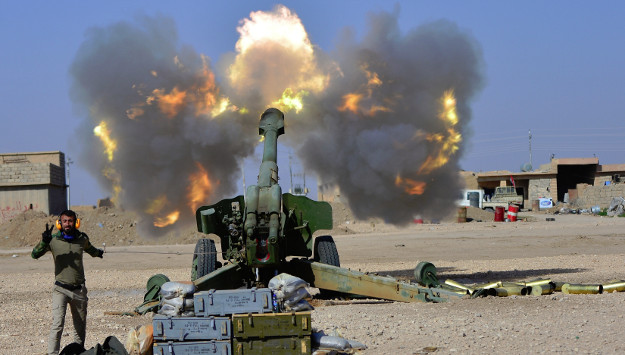
Iran-Supported Iraqi Militia Groups Make Further Advances in Western Mosul
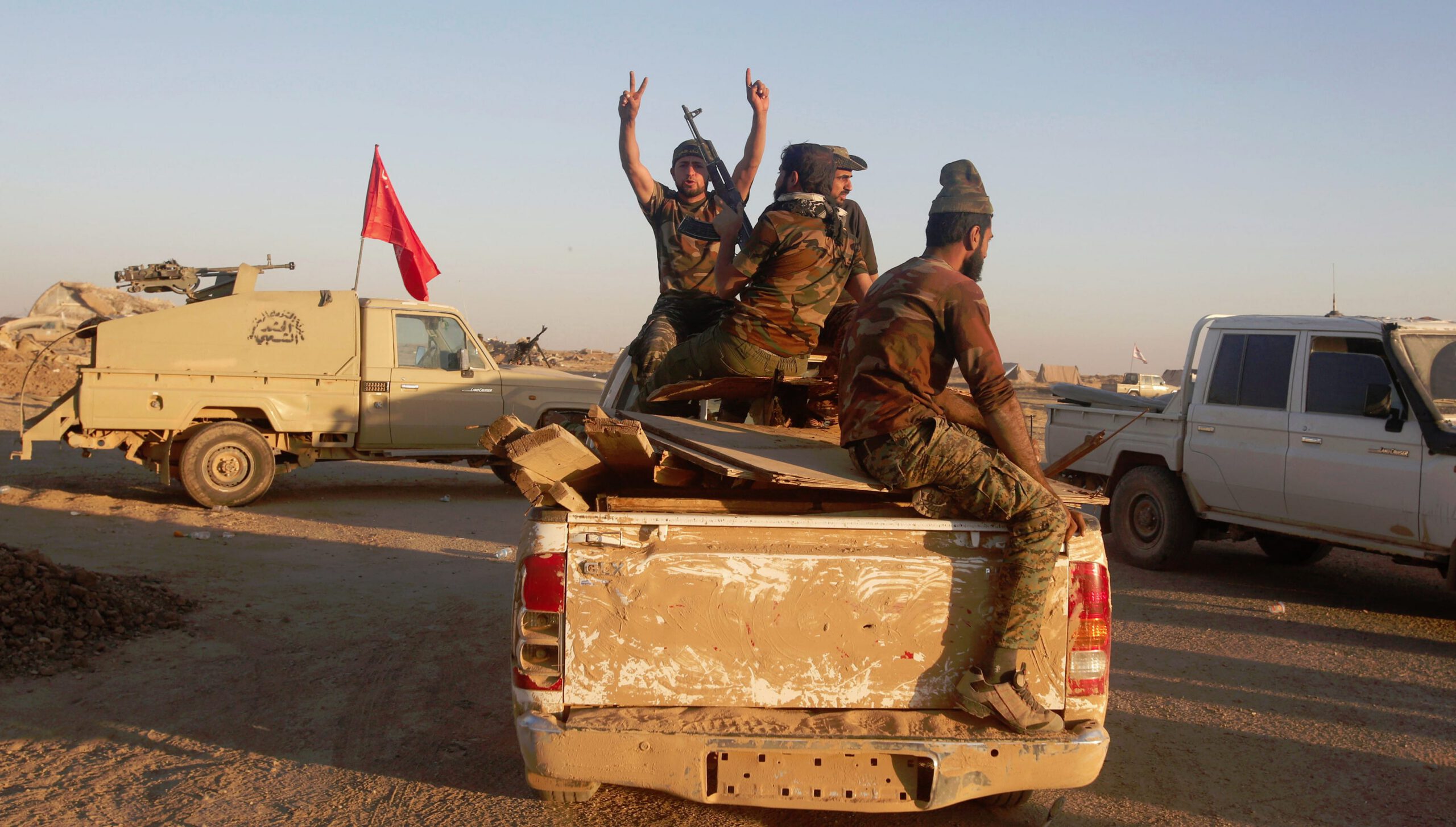
The Iraqi Popular Mobilization Forces (PMF) have seized several villages in northwestern Mosul from the Islamic State in recent days and are planning to enter the strategic city of Tal Afar, the Iranian media reports.
In this week’s Monday Briefing, MEI experts Charles Lister, Randa Slim, Paul Salem, and Eran Etzion provide analysis on recent and upcoming events including the meeting of the anti-ISIS coalition in D.C., the Iraqi Prime Minister’s visit to the U.S., the upcoming Arab League summit, and Israeli Prime Minister Netanyahu’s visit to China.
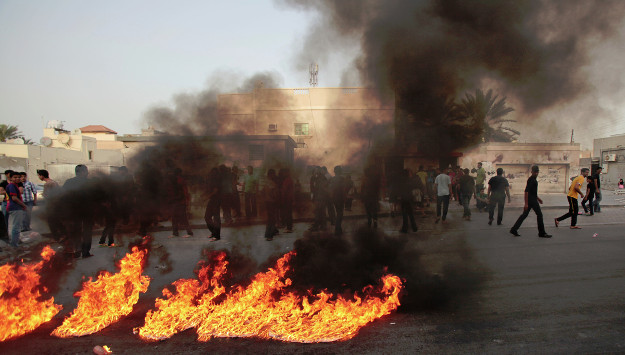
U.S. Designation of Iran-Backed Bahraini Militants Prompts Angry Reaction from Tehran
The U.S. Department of State’s designation of two Iran-backed Bahraini militants as Specially Designated Global Terrorists (S.D.G.T.) has prompted an angry reaction from Tehran. Iran’s Foreign Ministry called allegations by Washington that Tehran supports terrorist activities in Bahrain as “baseless and politically-motivated,” and accused the U.S.
Latest Crackdown in Iran Points to I.R.G.C.’s Meddling in Elections
A number of senior Iranian lawmakers have criticized the country’s security and intelligence authorities for the latest wave of crackdown on journalists and social and political activists.
Riyadh’s Offer to Contribute Troops in Syria Prompts Angry Reaction from Tehran
Ali Shamkhani, the head of Iran’s Supreme National Security Council (SNSC), has warned the United States and Saudi Arabia against sending military forces to Syria, the
Iran Arrests Late President’s Daughter, Activists in Pre-Election Crackdown
Judicial authorities in Iran have sentenced the daughter of late president Akbar Hashemi Rafsanjani to six months in jail for “spreading lies to disturb the public opinion about the Judiciary and Sepah [Islamic Revolution Guards Corps],” opposition website Kaleme reported today.
Iran’s Judiciary Calls for Purge of Dual Nationals, Depicts Them as Security Threat
Iran’s Prosecutor General Mohammad Jafar Montazeri has sent a new list of government officials with dual nationality to the country’s Ministry of Intelligence – calling for a thorough investigation into their cases.
Iran’s Judiciary Orders Increased Social Media Clampdown ahead of Elections
Iran’s Prosecutor General Mohammad Jafar Montazeri announced earlier today that the country’s judicial authorities each week filter between 16,000 and 20,000 Telegram accounts.
Redefining the Drivers of India-G.C.C. Economic Relations
Against the backdrop of the global geo-economic shift from West to East, India and its G.C.C. counterparts can, and should, seize the opportunity to recalibrate and reshape their economic relations. This essay discusses how the adoption of a value chain approach and its application to the healthcare high-tech digital service sectors.
Iran-Supported Militia Groups Intensify anti-U.S. Propaganda in Iraq
With the Islamic State on the verge of losing Mosul, Iran’s Islamic Revolution Guards Corps (I.R.G.C.) and its Iraqi militia proxies have recently launched a vicious propaganda campaign against the U.S. and its regional allies – posing security risks to U.S. military advisers that are helping the Iraqi security forces in the country.
The oldest peer-reviewed publication dedicated to the study of the modern Middle East, MEI’s flagship journal covers politics, society, and culture in the region.