Recent Elections and What They May Mean for the Middle East
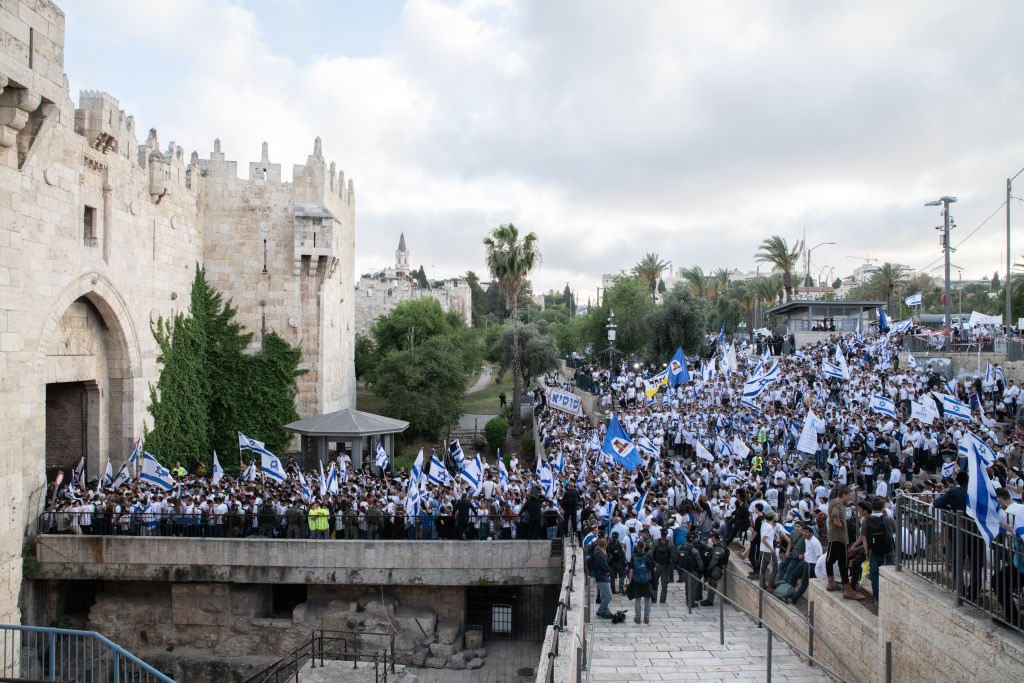
Recent elections for the Israeli Knesset and American Congress may make less of a difference in the Middle East than some people think. Elections are significant indicators of national political trends, but do not always translate into changes in national security strategies. That is likely the case now in both nations.
The Coming Debate Over the US Military Presence in the Gulf
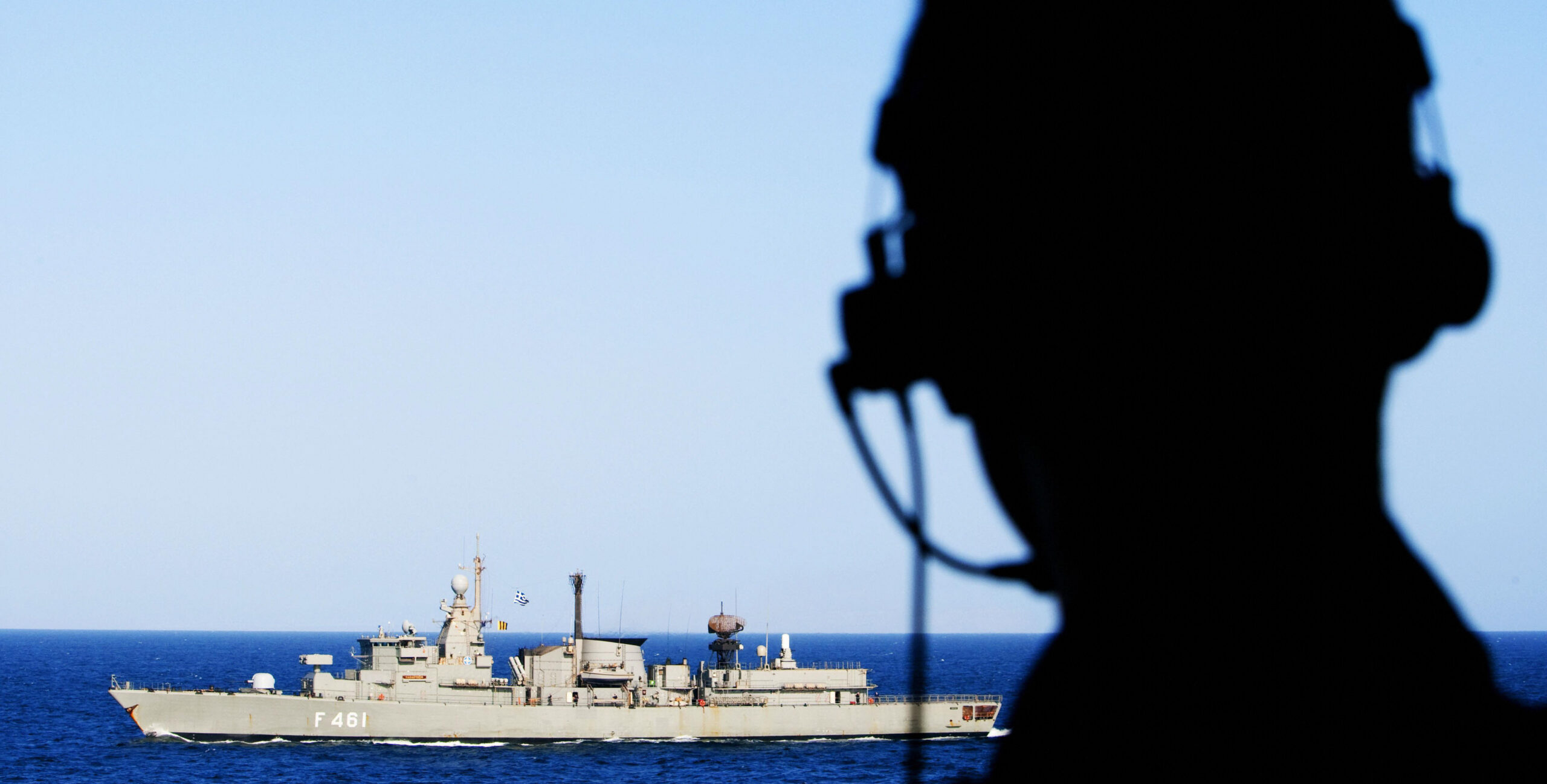
The war with Iran is hardly over, but the debate over the shape and nature of the post-conflict American posture in the Gulf region is just beginning. Undoubtedly, how the war ends will affect how the United States adjusts its role. While this debate is still in its early stages, something of a conventional wisdom is already developing in policy circles that could seriously compromise American influence in the Middle East.
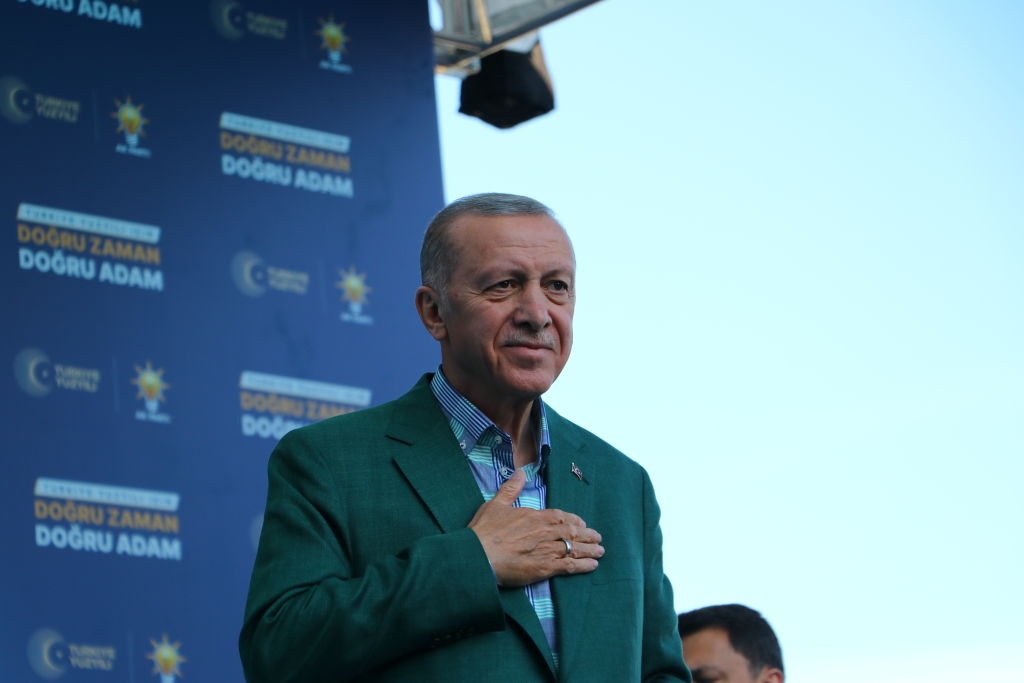
Curb Your Enthusiasm: Why the Midterms Might Not Change Much in US Middle East Policy
With less than a week before the midterm elections in the United States, the spotlight is on the economy and cultural divides. US foreign policy remains mostly on the sidelines, but this year’s inconclusive Iran war and its effect on America’s economy have shaped the broader political environment in this electoral cycle.
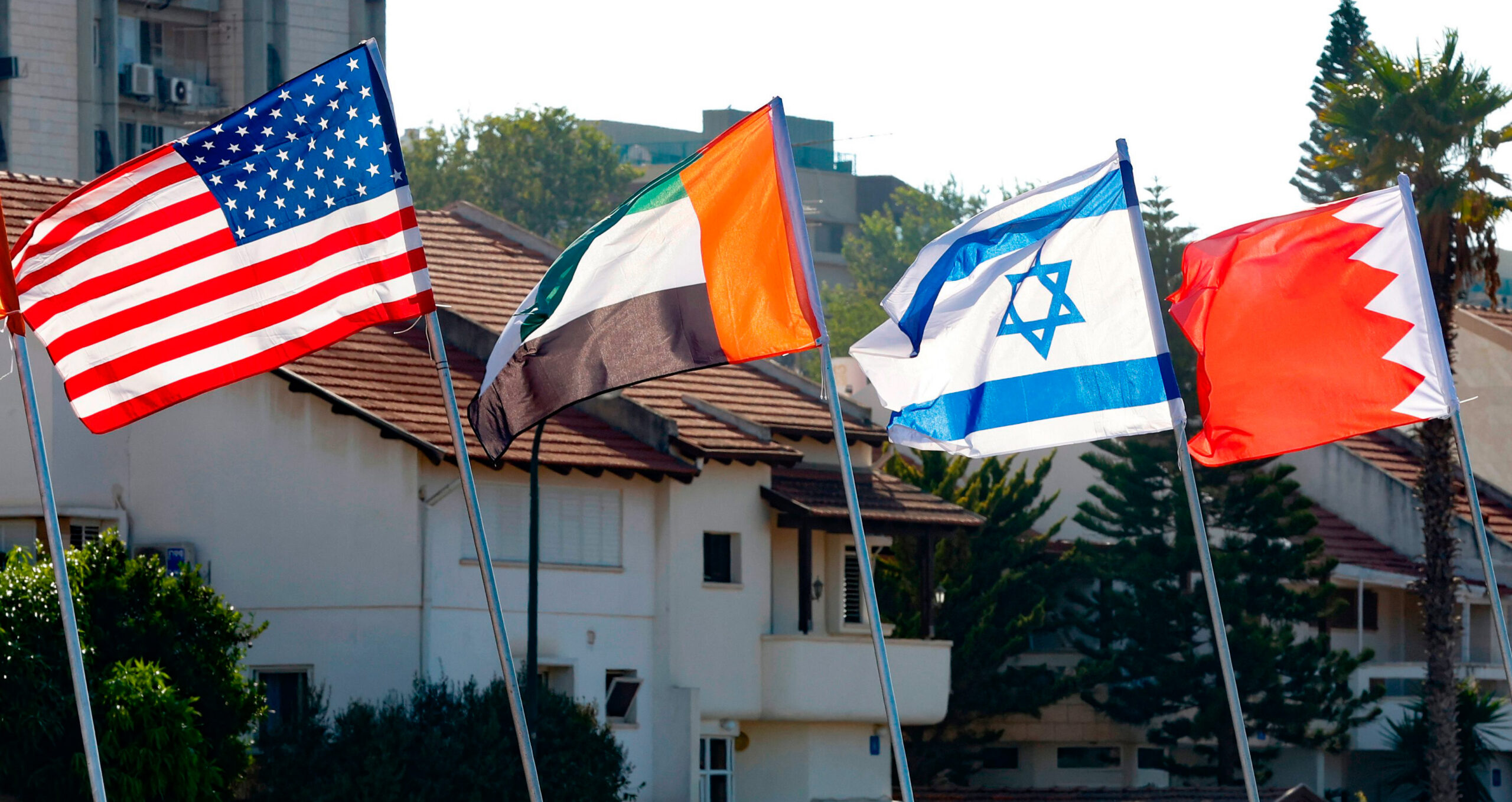
The technical is geopolitical: Expanding US-UAE relations through AI
With AI development disproportionate attention is given to the world’s technological heavyweights, the U.S. and China, as they seek an innovative edge in their great power competition. But Gulf states like the UAE are also moving rapidly to invest in and adopt AI, with significant implications for bilateral relations. The momentum in both the U.S. and the UAE can be leveraged by anchoring further ideas for political, diplomatic, and military cooperation in the technical evolution of AI.
A Three-Part Formula to Persuade Armed Groups in Yemen to Respect Human Rights
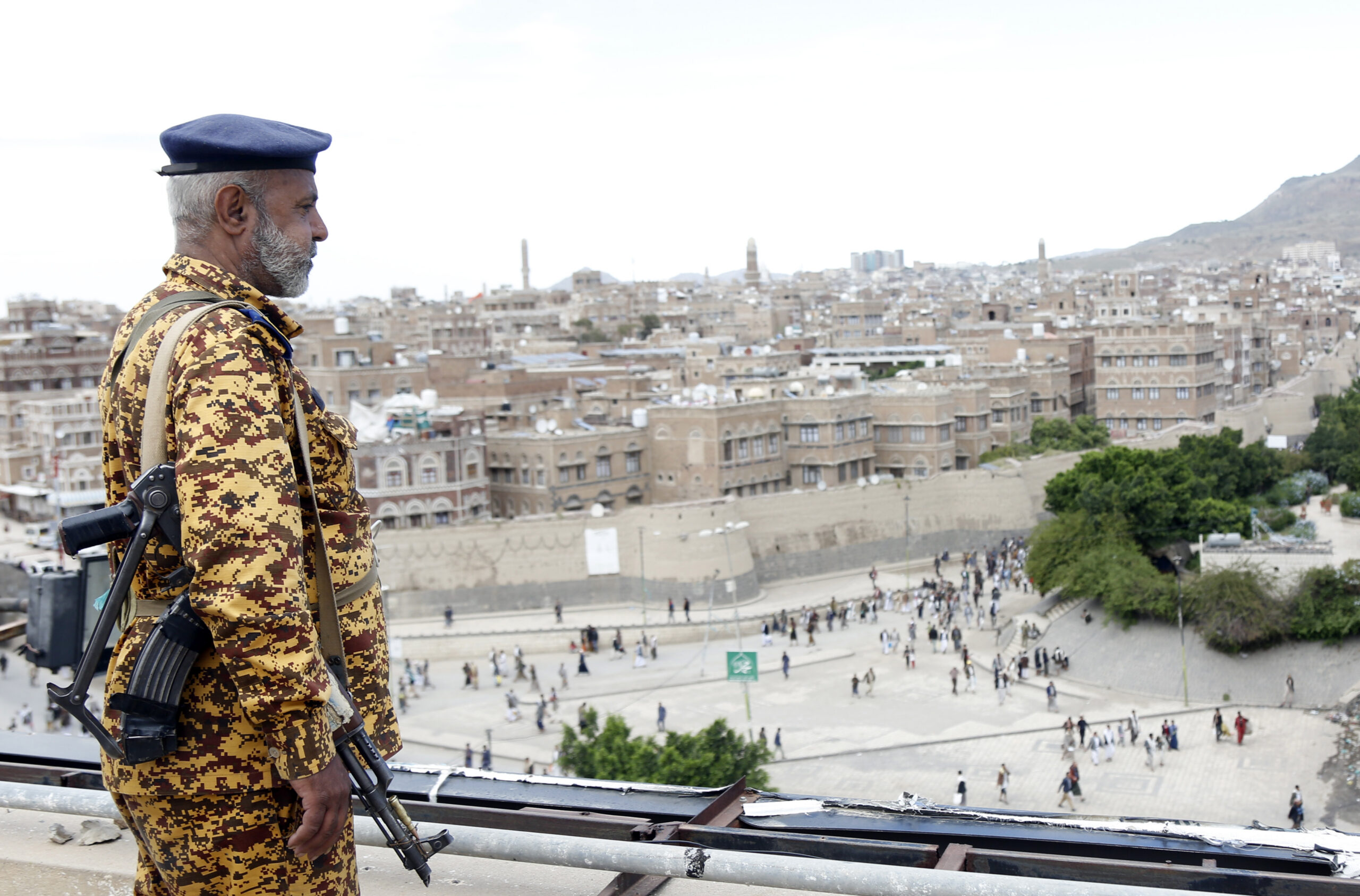
During nearly a decade of grinding civil war in Yemen, nonstate armed groups and hybrid actors have proliferated on all sides of the conflict. Members of some armed groups have committed violations against civilians, including arbitrary detentions, forced disappearances, torture, land grabbing, extortion, and gender-based violence.
Joining the pieces together: Toward a comprehensive EU maritime approach for the Northwestern Indian Ocean, Persian Gulf, and Red Sea
Until recently, the EU has favored a piecemeal approach toward the Northwestern Indian Ocean, the Gulf, and the Red Sea, despite their close interdependence and inter-connectedness in the security, political, and economic realms. But the EU is now signaling a growing desire to steer its naval policy toward a more holistic and organic process, creating an opportunity for Brussels to become a more relevant security actor in the waters off the Arabian Peninsula.
Decarbonization and Political Transformation in Iraq: The Impact on Politics, Society and Regional Relations
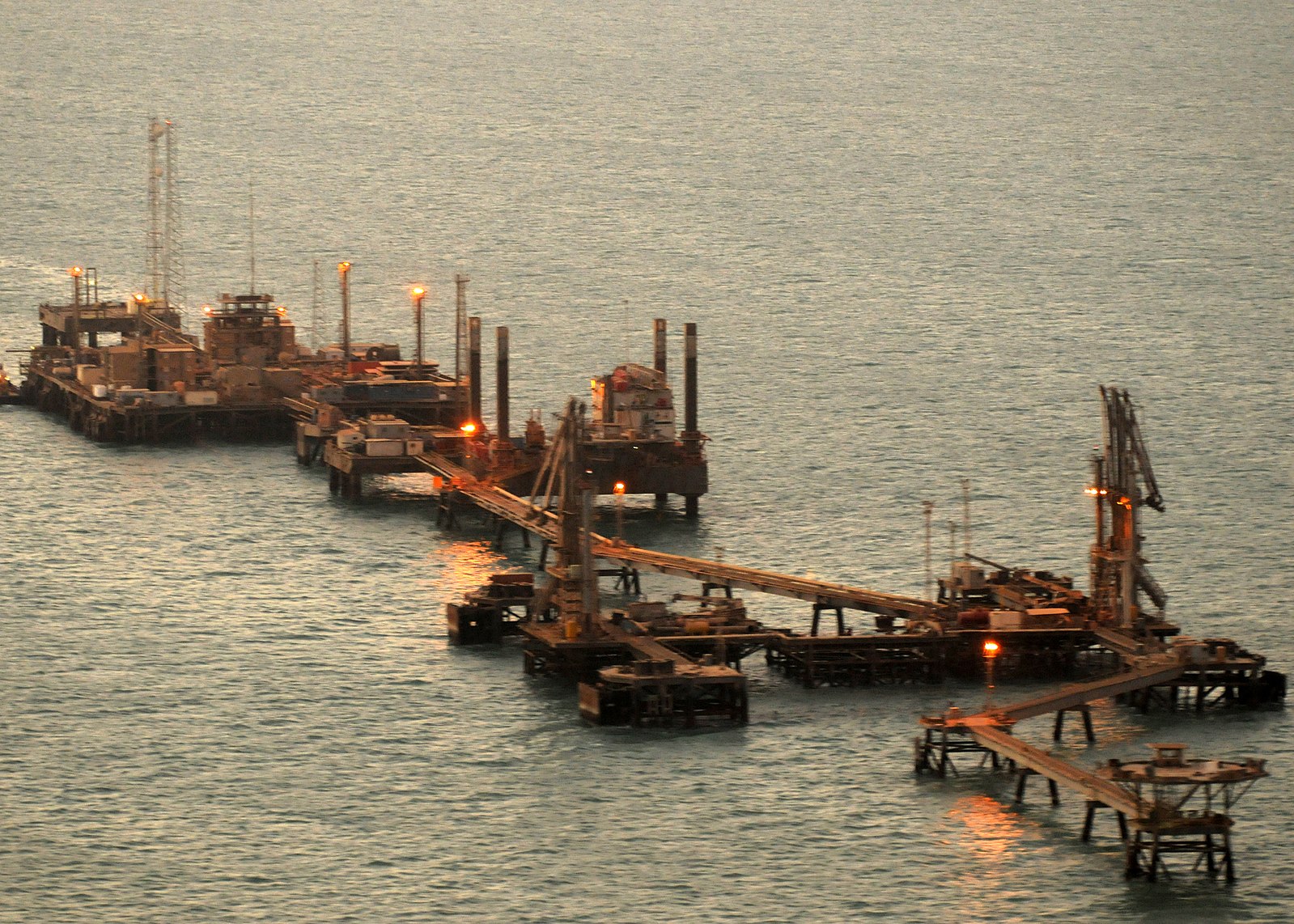
What happens when a petrostate loses its oil rents? While the oil market continues to go through boom-and-bust cycles, cases such as Iraq provide evidence of how the rapid loss of oil revenues—traumatic decarbonization—may affect the politics and stability of these petrostates. In Iraq, multiple shocks to oil revenues from 2014 through 2020 fundamentally altered the organization and concentration of political power in Iraq with destabilizing and democratic consequences.
The IRGC’s enmity toward Israel is an aberration in Iranian history
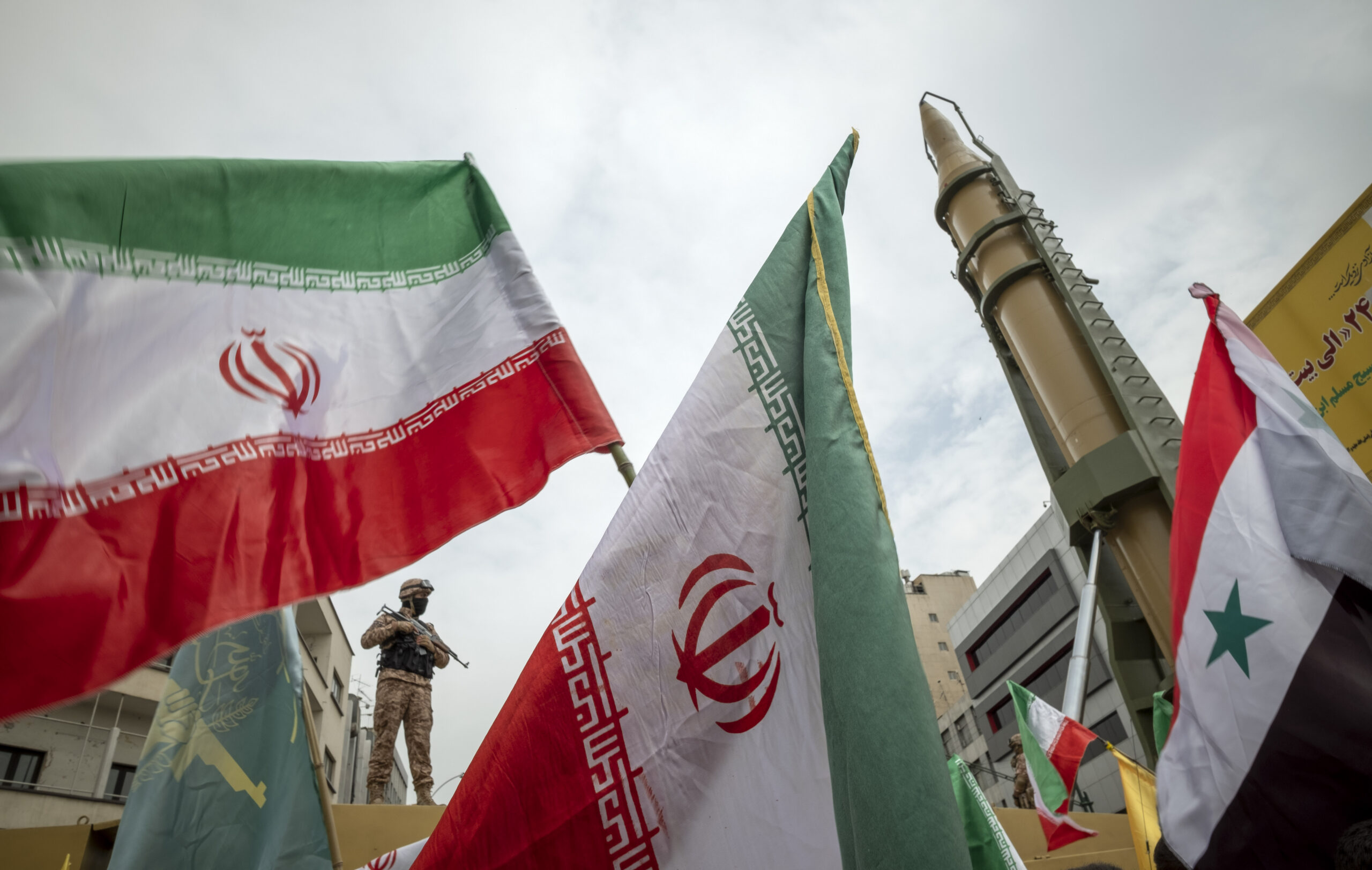
Iran’s Islamic Revolutionary Guard Corps (IRGC) is at its core an ideological army, not a national one, and its notorious enmity toward Israel is an aberration in Iranian history. But many Israelis to this day think Iran could be a natural partner as long as the country gave up its pursuit of ideologically driven regional dominance, disavow calls for the destruction of Israel, and were instead to again allow the regular army, the Artesh, to pursue Iranian national interests.
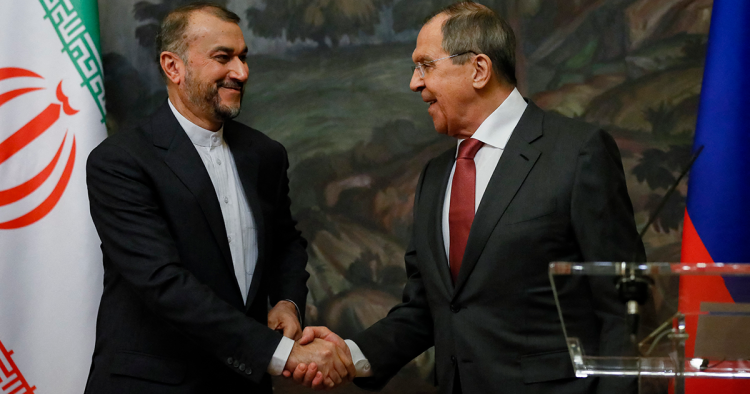
One of Russian President Vladimir Putin’s special envoys keeps visiting Iran. Igor Levitin, Putin’s advisor, has visited Tehran twice in 2023, totaling five visits in the last six months. During his latest visit, Levitin met with top Iranian figures, including Mohammad Mokhber, first vice president and top economic coordinator, and Ali Shamkhani, secretary of the Supreme National Security Council.
Both historical and modern-day conflicts in the Middle East have all been centered around classical territorial considerations of the loss or recovery of land. Escaping that cycle required a shift away from one of the main root causes of conflict: geography. The current changes in the region, characterized by a significant drive toward de-escalation and a growing willingness to periodically part ways with traditional allies, may be telling symptoms of a profound tectonic shift toward “quantum politics.”
Getting ahead of the Middle East’s climate refugee conundrum
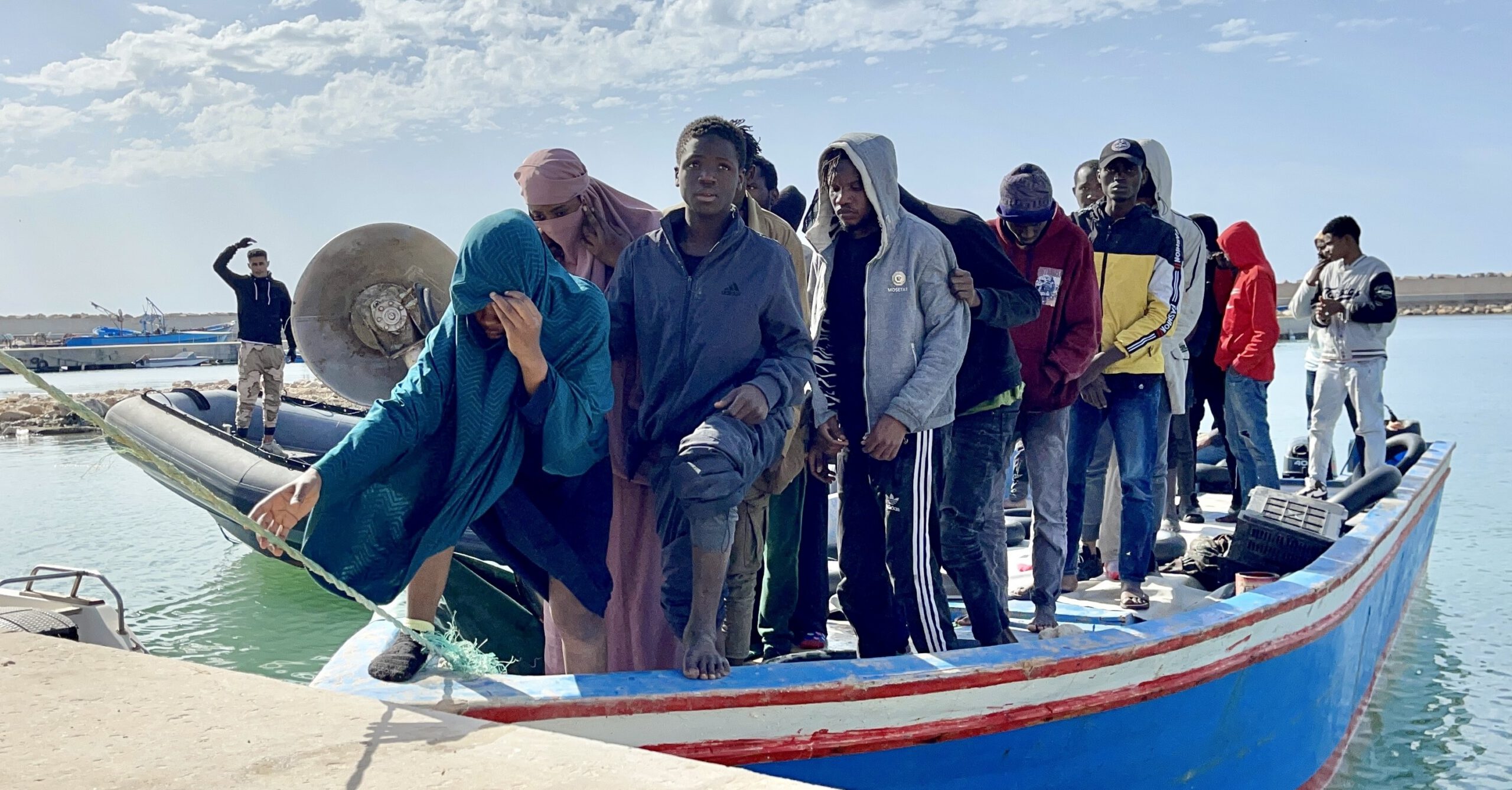
Over the coming decades, the worsening effects of climate change will increasingly displace many millions of vulnerable people in the Middle East and North Africa, and many of these refugees will attempt to relocate to the Global North. To avert such a monumental looming problem requires pragmatic solutions and their swift implementation.
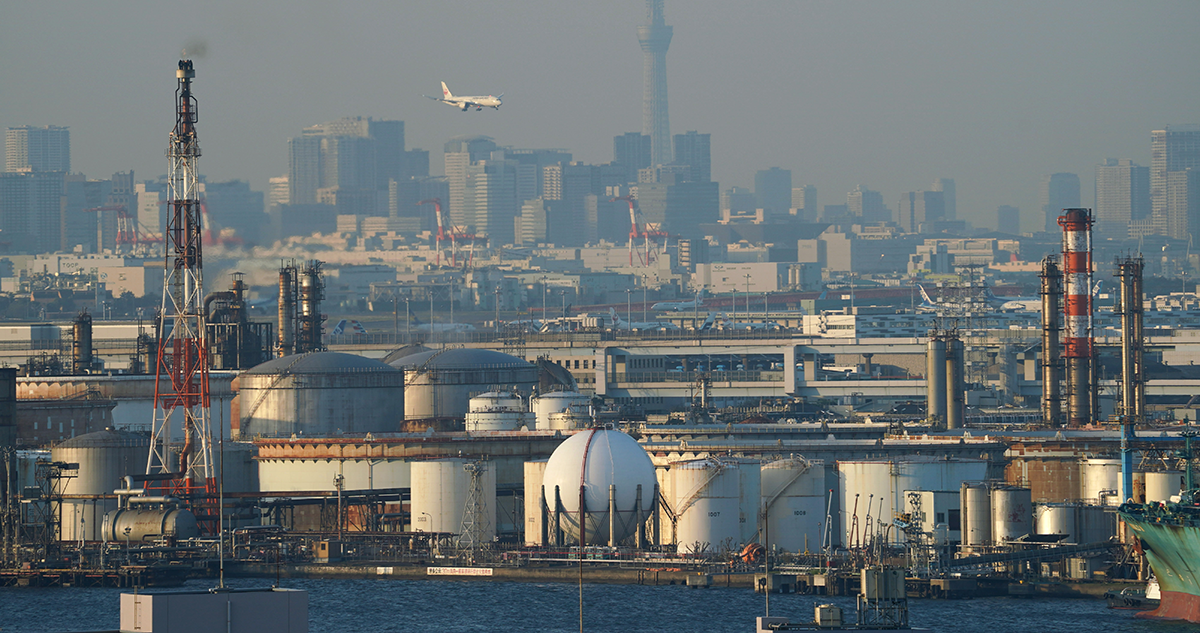
When Saudi Arabia suddenly announced in early April that it would reduce its oil production by 500,000 bpd, followed shortly thereafter by several other OPEC+ members, bringing the total cut to 1.1 million bpd, Japan was greatly concerned. In spite of Japan’s serious efforts to work toward a carbon-neutral society, the country is still heavily dependent on oil, the overwhelming majority of which comes from the Persian Gulf.
The oldest peer-reviewed publication dedicated to the study of the modern Middle East, MEI’s flagship journal covers politics, society, and culture in the region.