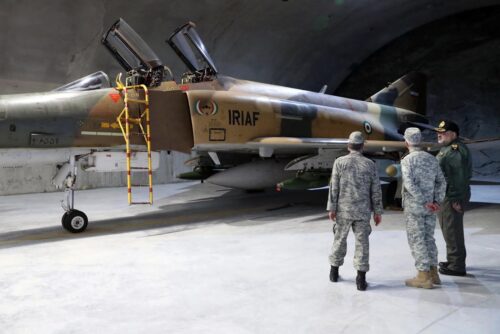
Iran’s Role in Arab Allies’ Underground Warfighting
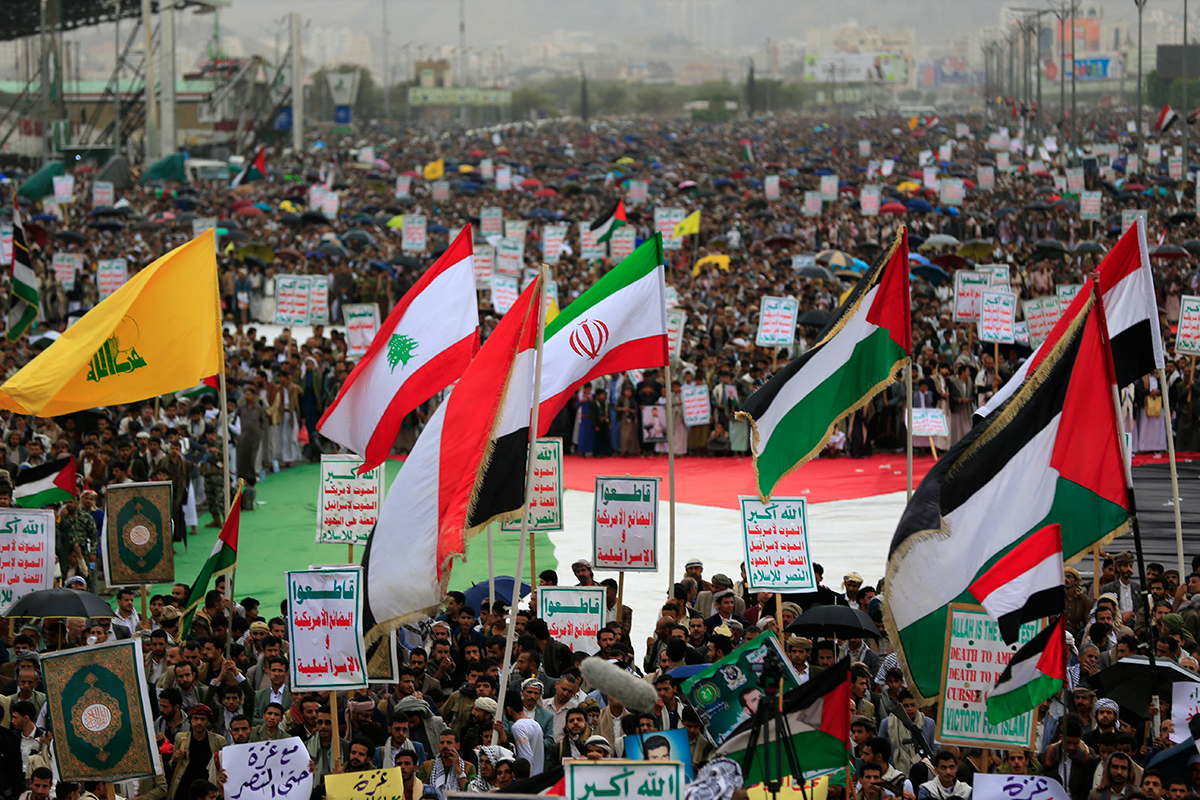
Hamas, Hizballah and Houthi tunnel networks resemble Iran’s underground missile cities. But their origins reveal a more complicated story of local necessity, Iranian assistance and military adaptation.
Dr. Marwan Muasher: Has the Middle East Really Changed?
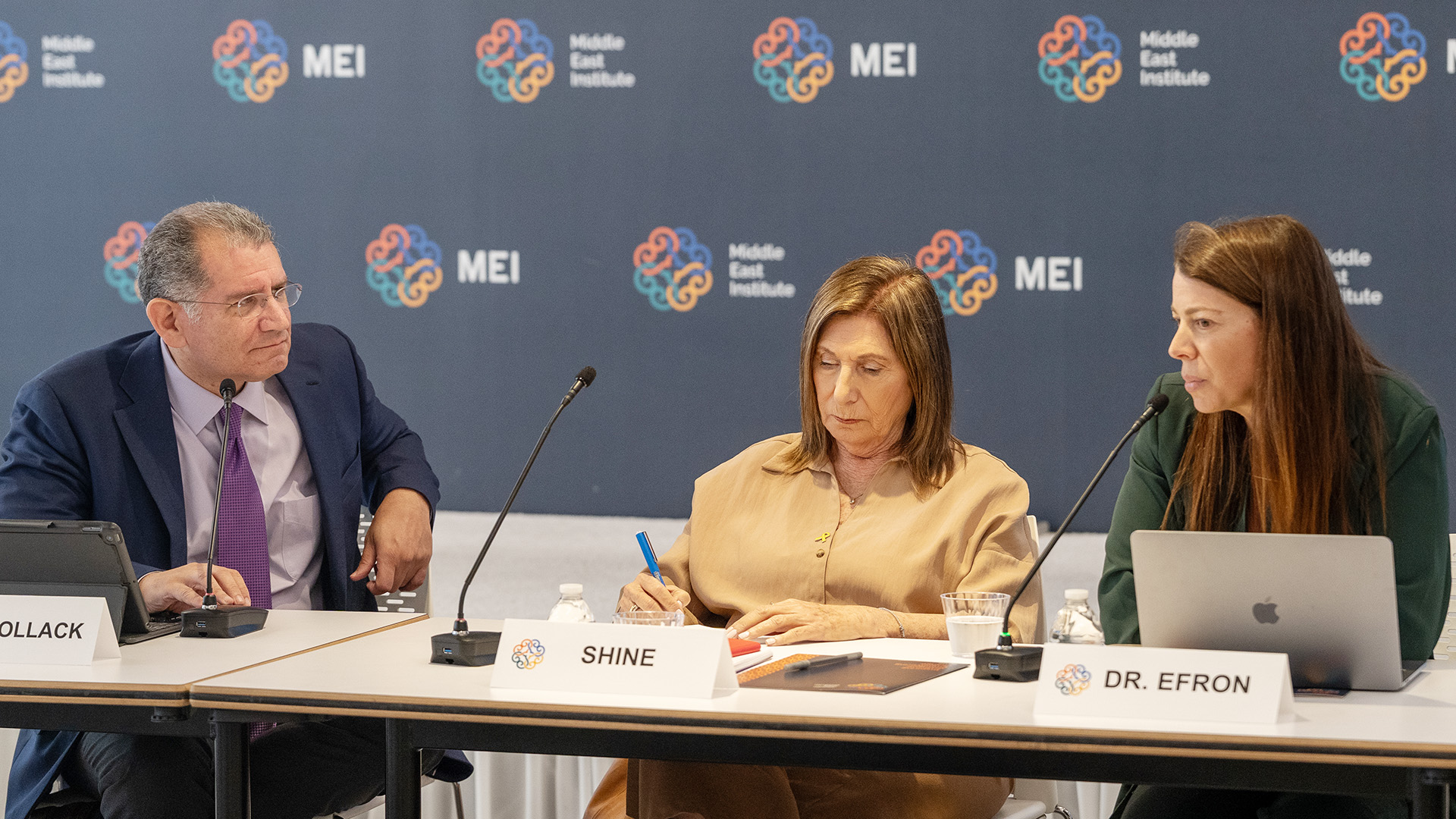
Have October 7 and the Iran war remade the Middle East, or just made it more dangerous? In the first episode of Re-Orient, Gönül Tol puts that question to Dr. Marwan Muasher, Jordan’s former Deputy Prime Minister and Foreign Minister. Muasher draws on his extensive career to unpack the key issues driving today’s Middle East, from regional alignments to US influence, and offers insights on what has the potential to shape this volatile part of the world.
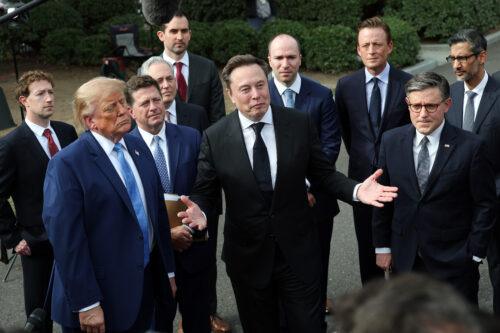
President Donald Trump’s next move on Iran should follow from what he actually wants, and with his legacy at stake, the choice matters. If the ultimate goal is regime change through internal collapse, the logic points to a long squeeze: tighter enforcement of the economic blockade and periodic military strikes to limit Iranian actions in the Strait of Hormuz, a campaign that might outlast his presidency. Whether by design or by drift, that is roughly the course Washington is on today.
Digital frontlines: What the 12-day war revealed about the evolution of Iran’s cyber strategy
During June’s Israel-Iran war, a quieter but significant battle played out in cyberspace, highlighting how Tehran has refined its use of digital tools to shape the battlespace, control domestic narratives, and project influence abroad. While largely ineffective in operational terms, Iran’s cyber response marked a new phase in its strategic evolution.
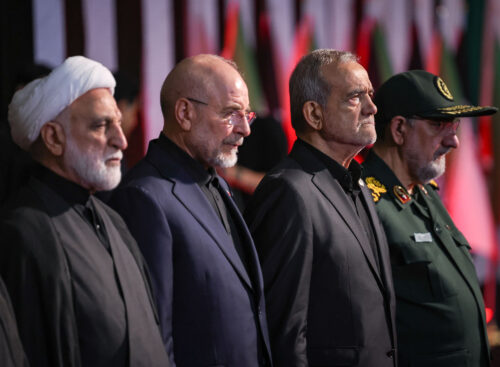
President Masoud Pezeshkian’s first year in office has been defined by Iran’s familiar political structural constraints, external crises, and a moderate-reformist base forever frustrated with his cautious pragmatism and unfulfilled promises. His July 2024 election was undeniably a setback for hardliners. Yet one year later, the assessment is sobering: While Pezeshkian has in some ways perhaps helped in slowing the hardline march, he has not made any fundamental difference in how the Islamic Republic is run. Every decision requires second-guessing Supreme Leader Ali Khamenei’s next move, and even as a president boxed in by the system with limited powers, he is constantly under the sword of Damocles.
US Policy in the Middle East: Second Quarter 2025 Report Card
Six months into his second term, President Donald Trump remains in search of a major, concrete foreign policy win. Trump 2.0’s foreign policy is still struggling to produce a major positive outcome from its frenetic activity trying to end kinetic wars while prosecuting an unprecedented economic war with much of the rest of the world. The whirlwind of uncertainty since Trump returned to office in January has yet to improve America’s overall strategic position in the world. The following report assesses the US government’s actions over the past three months from May to mid-July 2025.
As the dog days of August approach, we are pleased to share a curated summer reading list featuring some of VP for Policy Ken Pollack’s favorite books on the region. Covering a variety of timely and engaging topics, the list offers recommendations for anyone interested in deepening their understanding of the Middle East.
Inflection point or continuing spiral in the Middle East?
After almost two years of fighting in Gaza, and after the decimation of Hizballah, the fall of Bashar al-Assad’s regime in Syria, and the 12-day Israeli-American war on Iran, the Middle East is in new strategic and political territory. Two pathways lie ahead: the first is one in which the gains and changes brought about by war are turned, through intense diplomacy and negotiation, into new international and political arrangements that bring about a period of security and stability in the region; the second is one in which that corner is not turned, and the wars in Gaza, Iran, and potentially Yemen, Syria, and Lebanon, continue indefinitely. The trajectory will depend on the choices of key actors — above all Iran, Israel, and the United States.
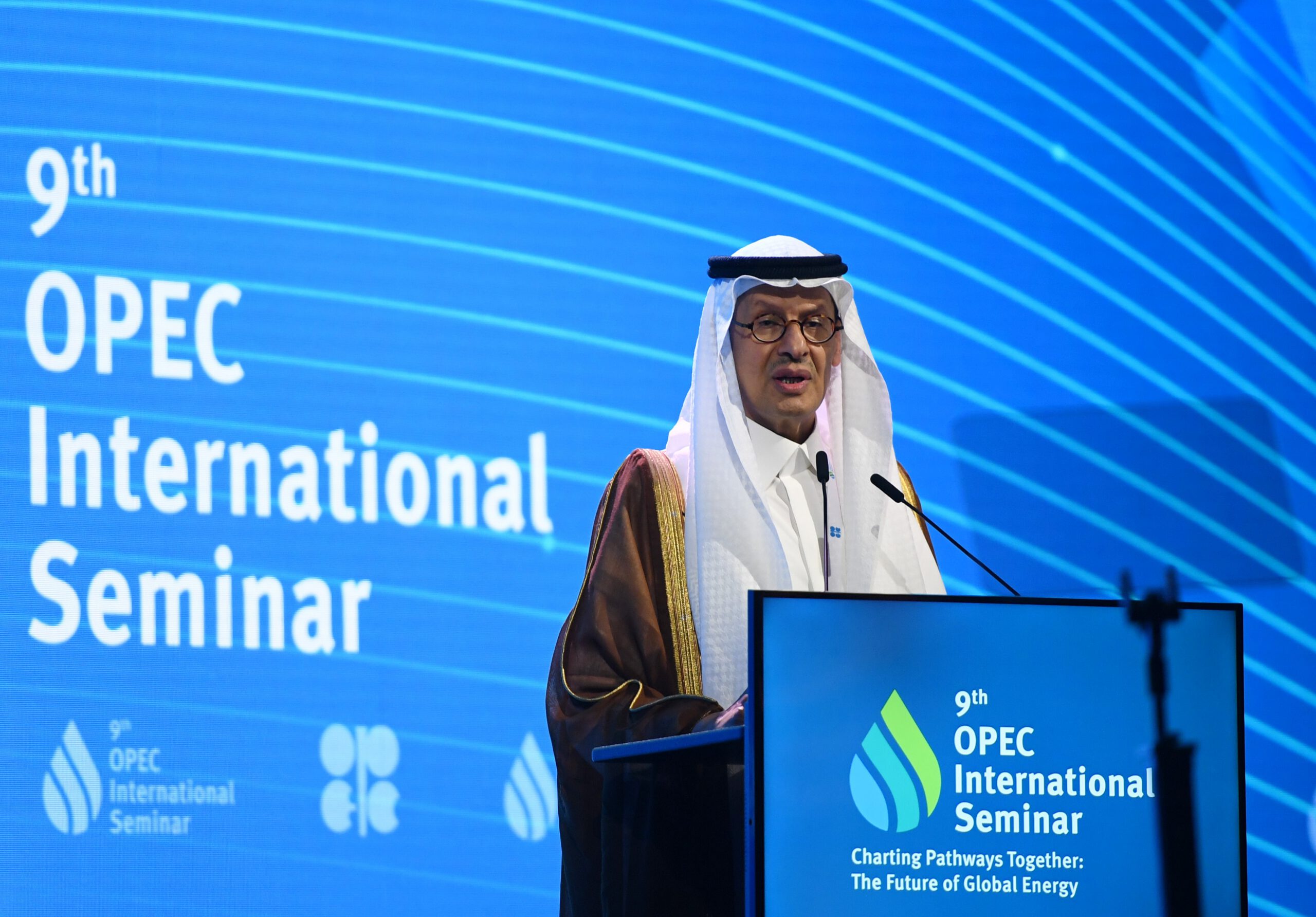
MENA Energy Recap, Q2-2025: Markets Soften, Resolve Hardens, Investments Grow
The MENA Energy Recap is a quarterly review of key energy developments that took place in the region from April through June of 2025 and what they signal in the months ahead. The Recap views these developments through the lens of policy and strategy, energy security, and markets.
Probably few if any Middle East analysts had Israeli airstrikes targeting key government installations of the Syrian state on their summer 2025 bingo cards. And yet that is precisely what happened on Wednesday, as Israeli jets hit Syria’s military headquarters and an area near the presidential palace in Damascus.
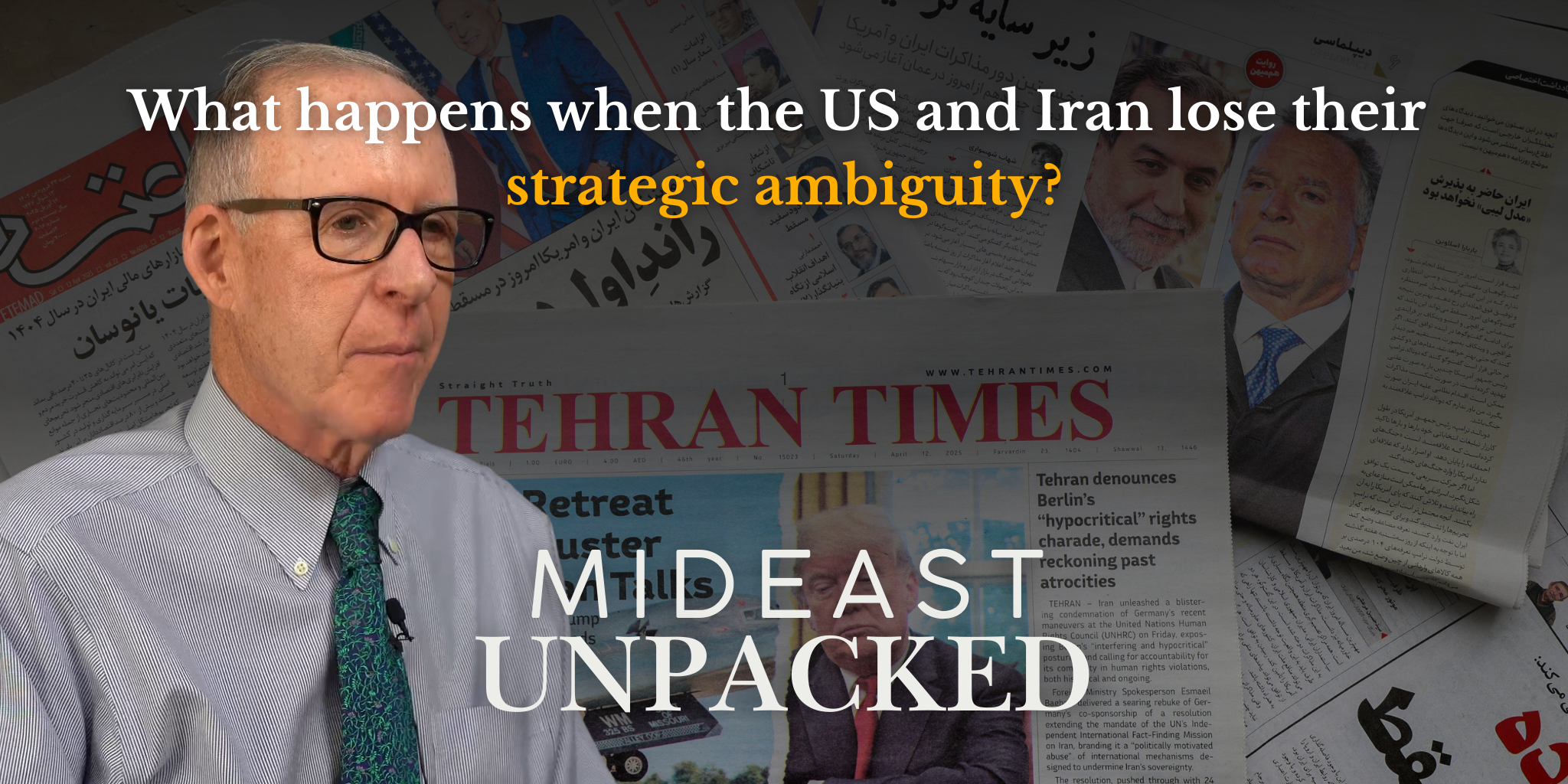
What happens when the US and Iran lose their strategic ambiguity?
MEI Senior Fellow Ross Harrison breaks down how this foreign policy approach can help mitigate conflict—and how both Washington and Tehran may have undermined their own ambiguity during the recent 12-day war, with potentially lasting consequences for regional stability.
Deals, Diplomacy, and Day-After Plans: The Trump Administration's Middle East Strategy
As the Trump administration marks six months in office, it is pursuing a flurry of diplomatic initiatives across the Middle East — some publicly coordinated, others shaped behind closed doors. MEI Distinguished Diplomatic Fellow Mara Rudman joins hosts Alistair Taylor and Matthew Czekaj to assess the administration’s broader regional strategy and its handling of key issues.
The 12-day Israel-Iran war: China’s response and its implications
Last June’s Israel-Iran conflict became a revealing stress test for Beijing’s Middle East strategy, its role in global diplomacy, and the coherence of what some have described as an emergent “Axis of Upheaval” between China, Russia, and Iran.
Trump still looking for major wins on the global stage after budget battle victory at home
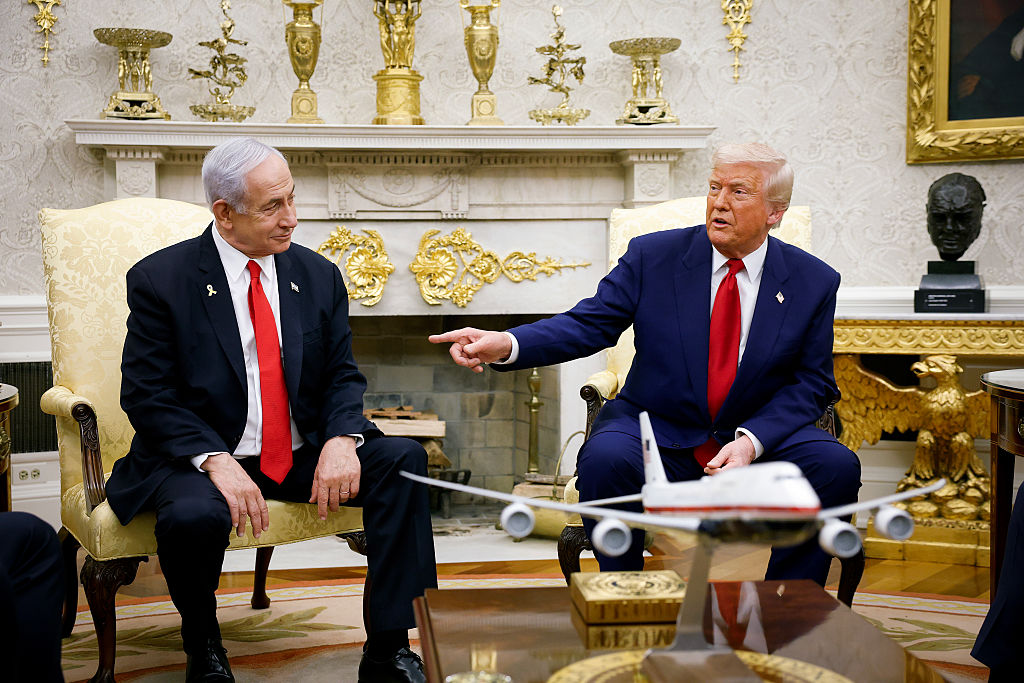
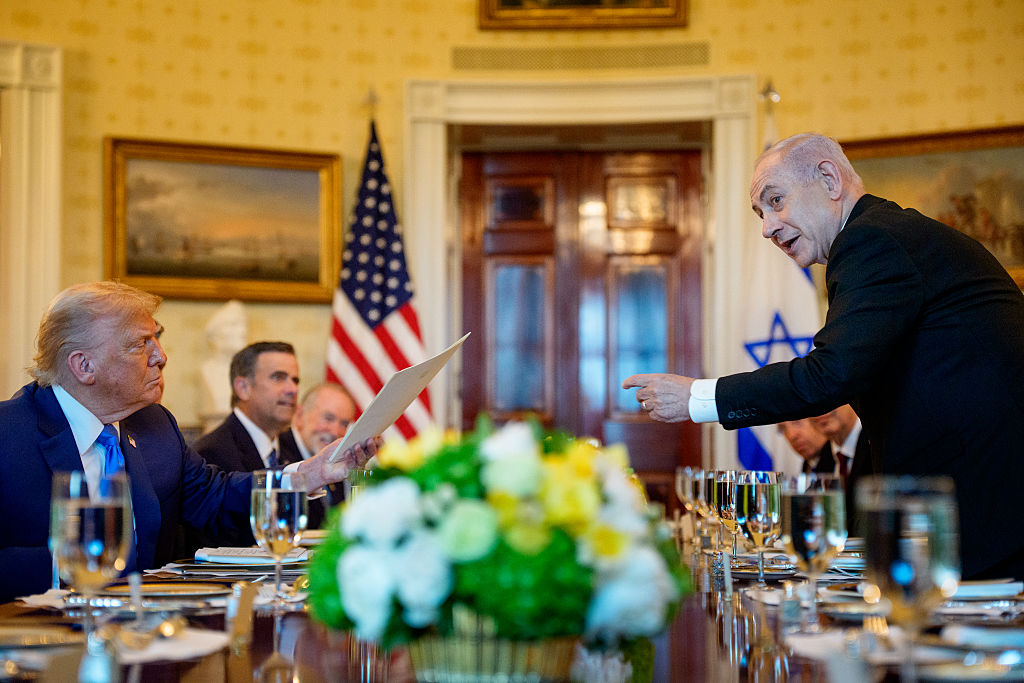
US President Donald Trump hosted Israeli Prime Minister Benjamin Netanyahu for the third time in his second term this week, shortly after securing a major victory for his domestic policy agenda in the budget bill passed by Congress.
Pakistan’s ability to thread the needle in relations with the US and Iran tested by the Israel-Iran war
When the Israel-Iran war broke out and the United States decided to assist the Israeli side by striking Iran’s nuclear program, both Tehran and Washington expected Islamabad to side with their respective positions. This situation placed the Pakistani government in a politically sensitive and diplomatically delicate position.
Trump’s Middle East policy arrives at a temporary and fragile limbo
Domestic politics has taken center stage in the United States as Congress struggles to pass President Donald Trump’s proposed budget plan. But July is also shaping up as a pivotal month for Trump’s foreign policy in the Middle East and beyond.
Egypt and Saudi Arabia: Any good relationship needs work
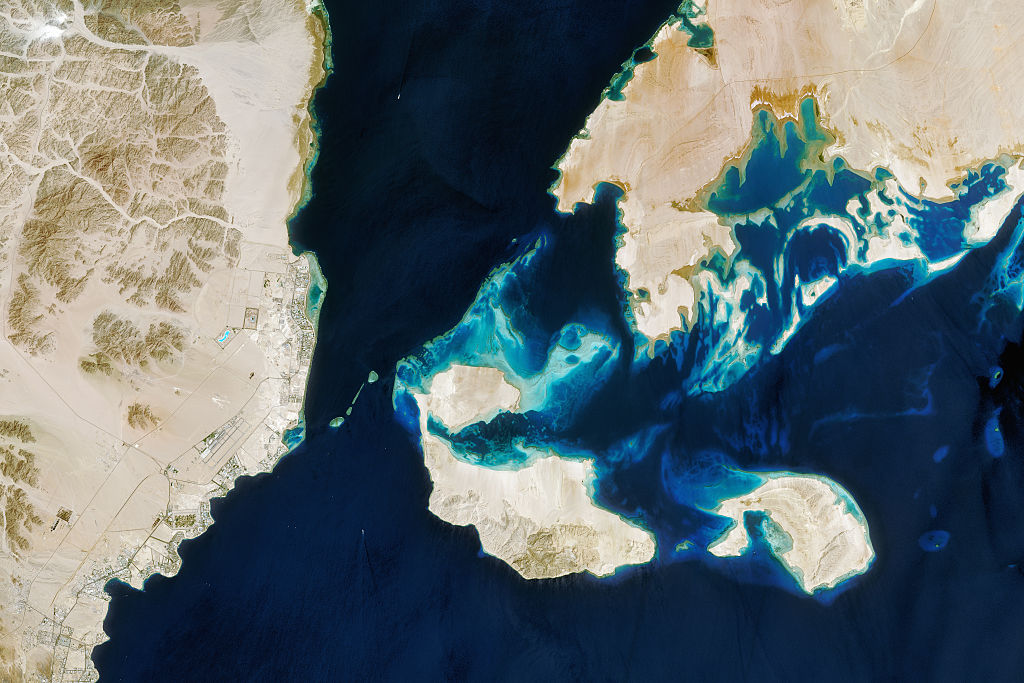
Egypt and Saudi Arabia share many foreign policy and regional security objectives and have a long and complicated relationship. Recent events in the Middle East have strengthened that relationship, even as they continue to negotiate difficult bilateral issues, like the long-running dispute over control of the islands of Tiran and Sanafir.
The oldest peer-reviewed publication dedicated to the study of the modern Middle East, MEI’s flagship journal covers politics, society, and culture in the region.