The Americans Are Gone. Will Iraq’s Militias Disarm?
On September 30, the US completed its military withdrawal from Iraq, ending a 12-year-long mission to combat ISIS that began in 2014. The date was also meant to be the deadline for disarming the largely Iranian-backed militias known as the Popular Mobilization Forces (PMF), but Prime Minister Ali al-Zaidi has now pushed that cutoff back to June 30, 2027. MEI Distinguished Diplomatic Fellow Amb. (ret.) Robert S. Ford joins hosts Alistair Taylor and Matthew Czekaj to discuss what the US military withdrawal means for Iraqi security and the nature of the bilateral relationship going forward. They also speak about what it will take for Baghdad to bring the PMF militias to heel, and how Iraq may navigate the post-Iran war era.
Jordan’s Economy Weathers Iran War’s Shocks and Finds New Opportunities
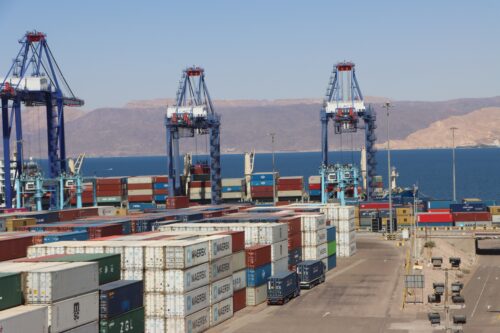
In the summer of 2003, King Abdullah II told Bloomberg Jordan sits “between Iraq and a hard place,” a play on words designed to describe the kingdom’s challenging environment to an American audience amid the US-led Iraq war to the east and the lingering Palestinian-Israeli conflict to the west. Jordan is grappling with a much “harder place” today.
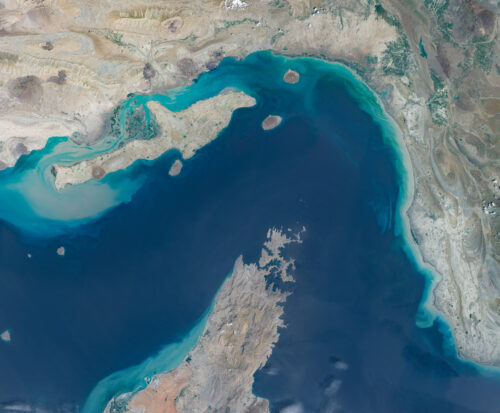
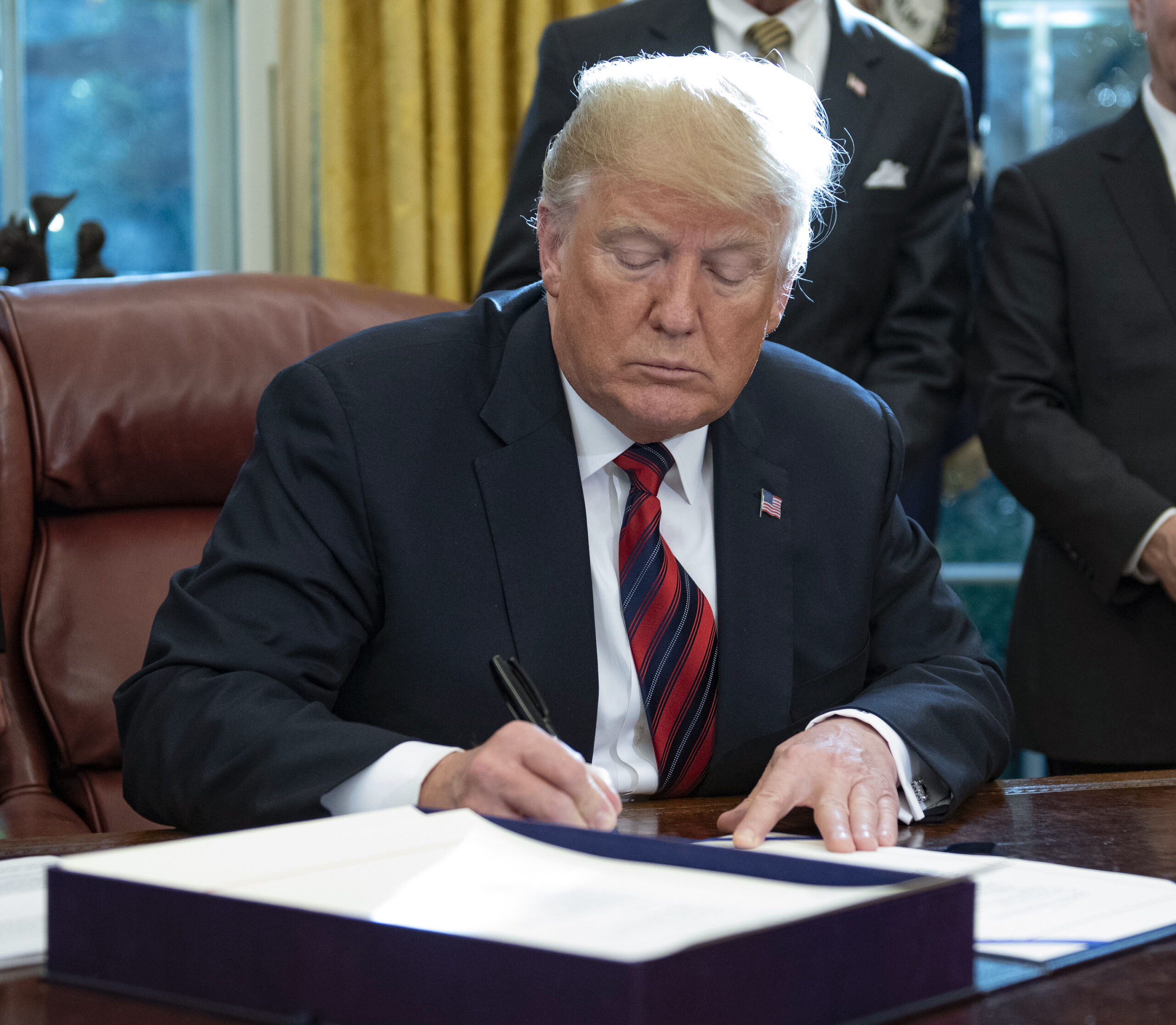
Proponents of the war with Iran have taken recent increases in crude-oil flows through the Strait of Hormuz as proof that the US strategy is finally working. President Trump is so confident in this that he recently rejected a seven-day plan, set forward by Iran’s foreign ministry, to end the war and open the strait. The United States is “winning tremendously,” Trump boasted.
In our final episode of the year, host Alistair Taylor interviews several MEI scholars on the key events that transpired across the Middle East in 2018 including in the Gulf, Iran, Turkey, and Afghanistan. Guests include Paul Salem, Gerald Feierstein, Alex Vatanka, Gonul Tol, and Ahmad Majidyar.
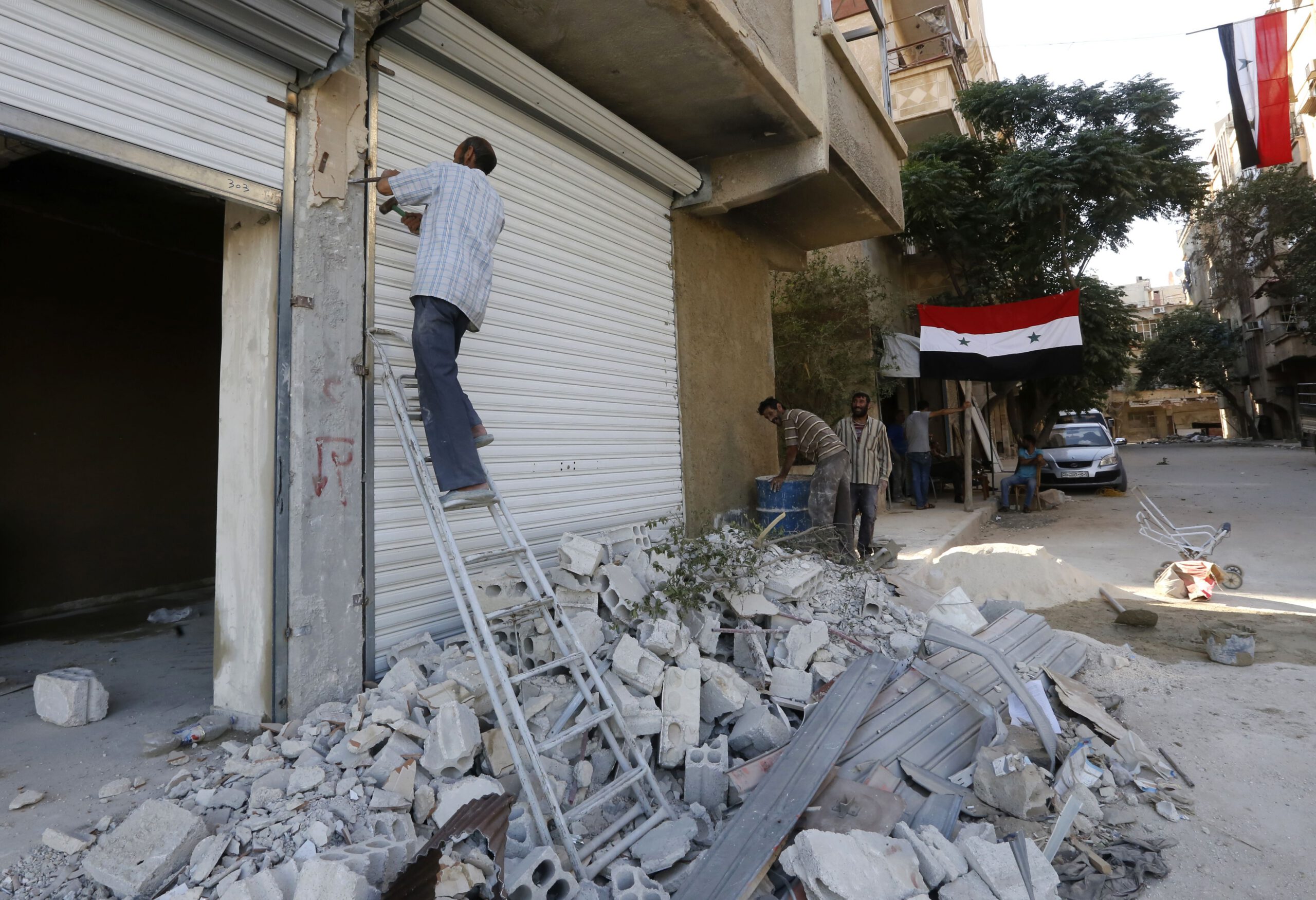
While non-Arab powers have taken the lead in the Syrian crisis so far, Damascus will need to restore political, economic, and diplomatic ties with regional Arab states as it moves into the phase of postwar reconstruction and development.
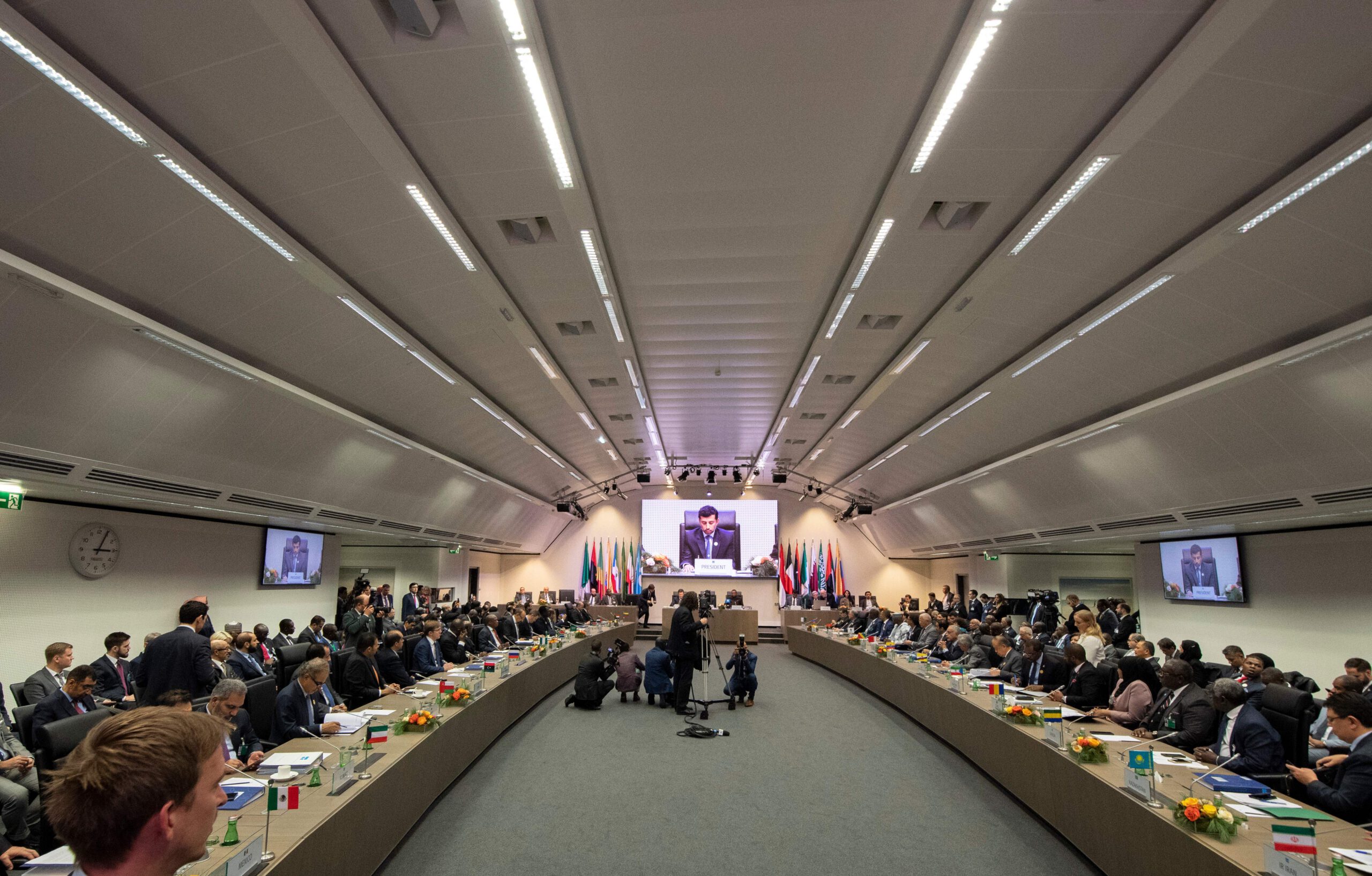
New OPEC+ deal shows Saudis’ oil-market grip continues to slip
While OPEC and Russia-led non-OPEC members agreed to cut oil production last week by 1.2 million bpd, Riyadh’s ability to control the cartel and global oil prices is waning.
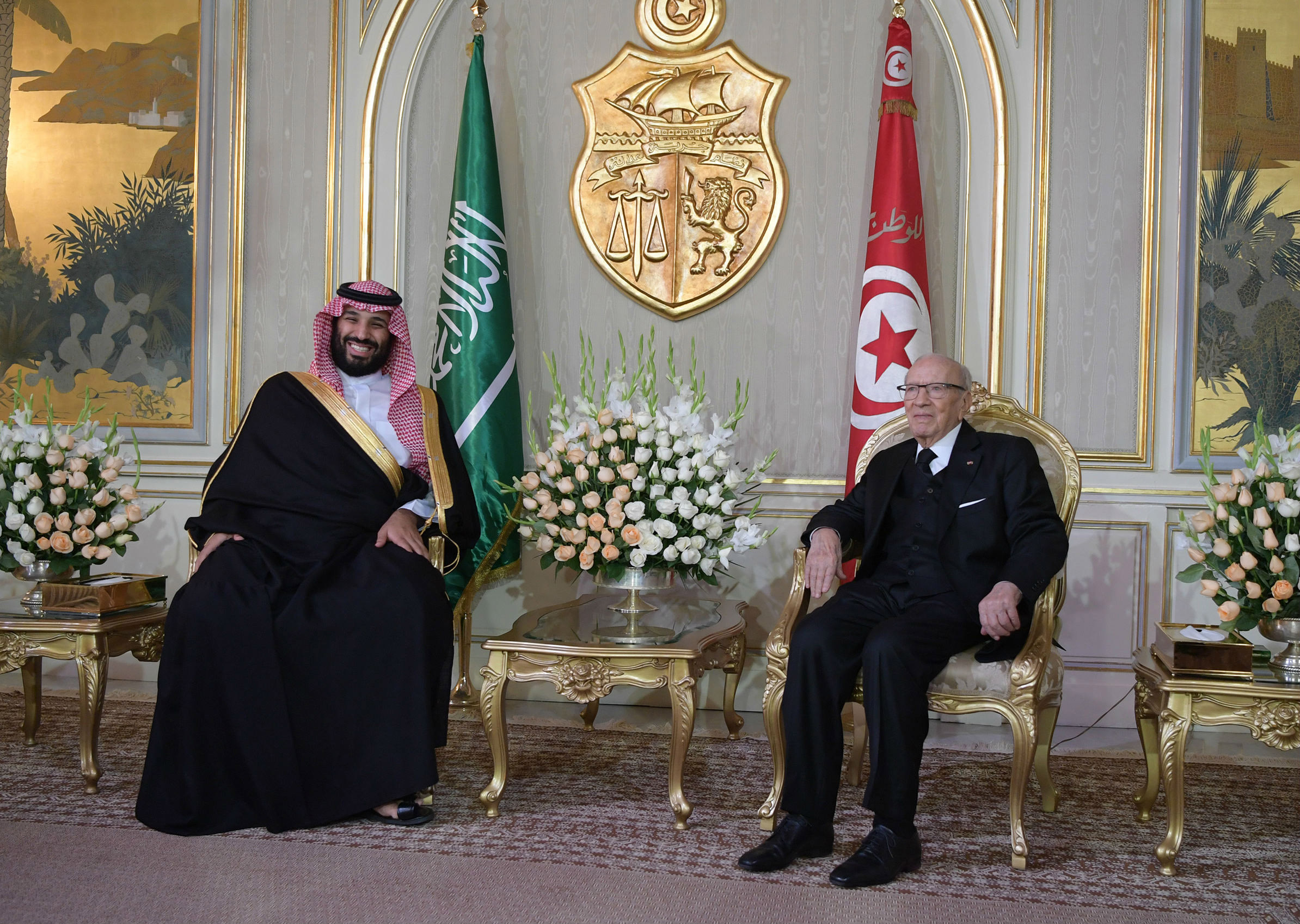
Saudi-Tunisian relations: Balancing fiscal support and foreign policy
While Tunisia remains geographically and politically distant from Saudi Arabia, its economic troubles may offer an opportunity for the kingdom to leverage fiscal aid to secure stronger bilateral ties.
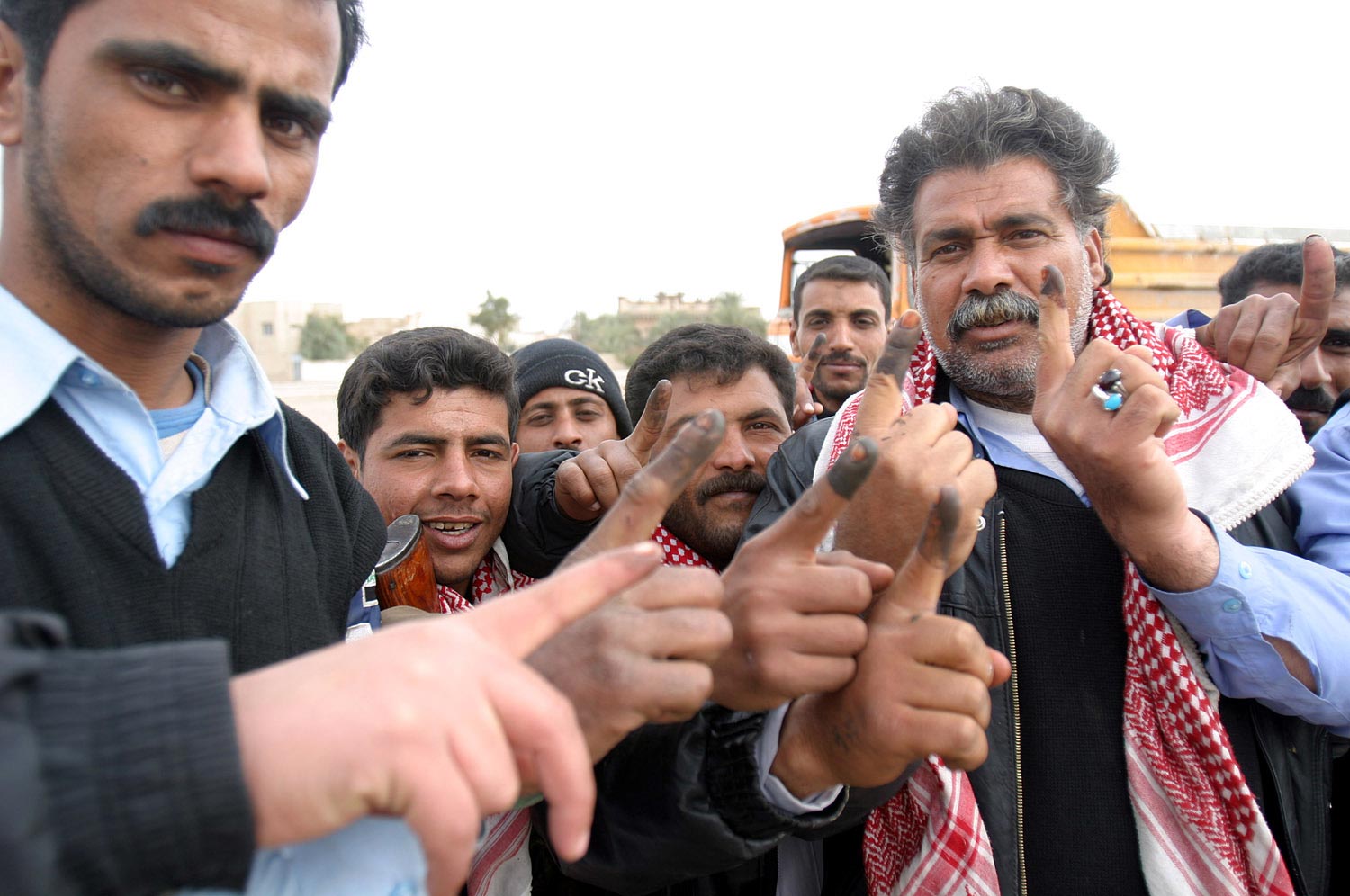
In this week’s Monday Briefing, MEI experts discuss recent and upcoming events including the coming changes in Trump’s administration, Iran’s hesitation in the US-China battle over Huawei , the ongoing Sweden talks on Yemen, results of the latest GCC summit, and questions over the legitimacy of the Afghan elections.
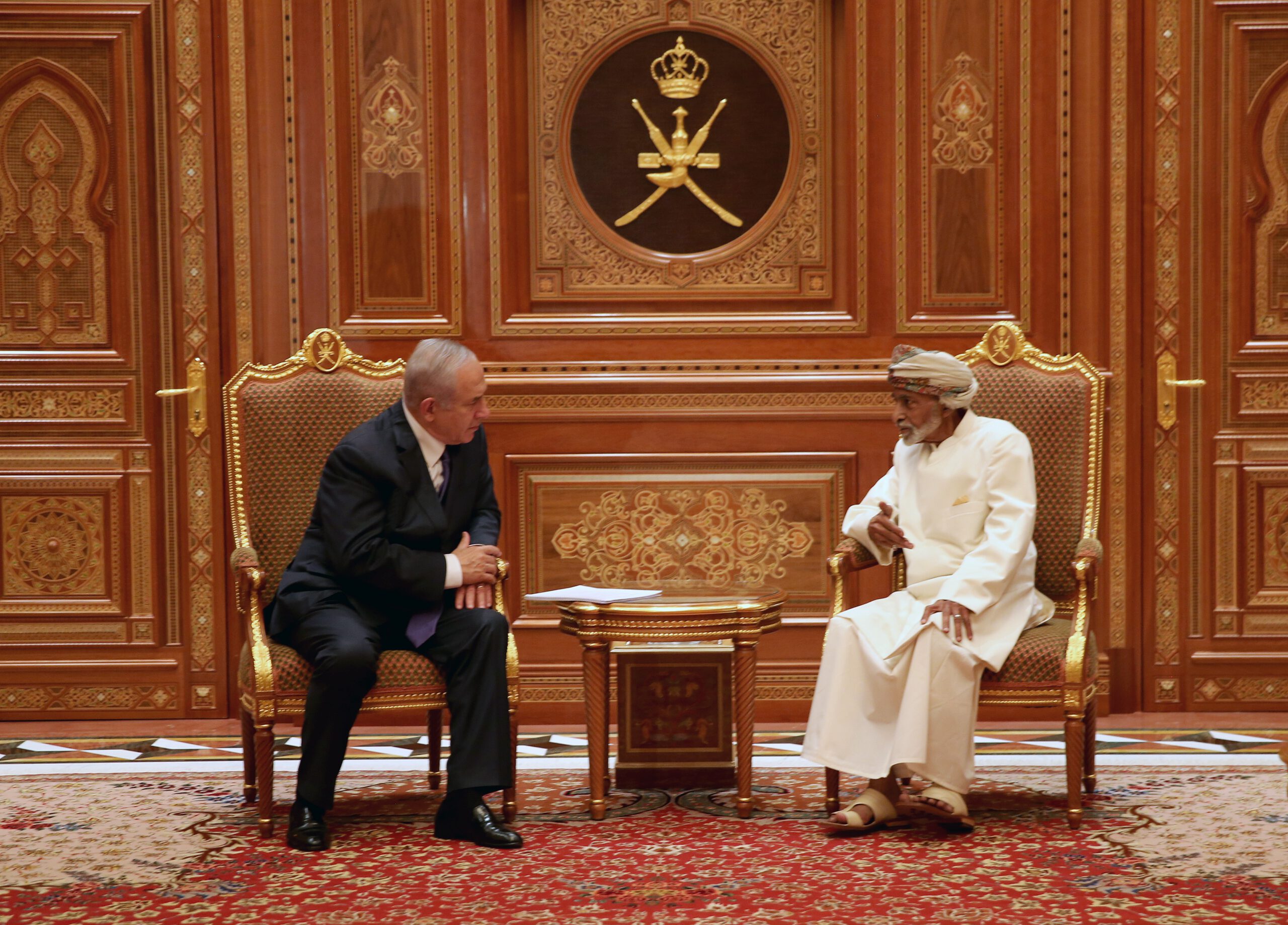
Oman and Israel: The emergence of a new strategic partnership
Although Oman has long been a regional mediator with ties to competing powers, it will need to maintain a delicate balancing act between its new strategic partnership with the Israelis and established relations with the Palestinians.
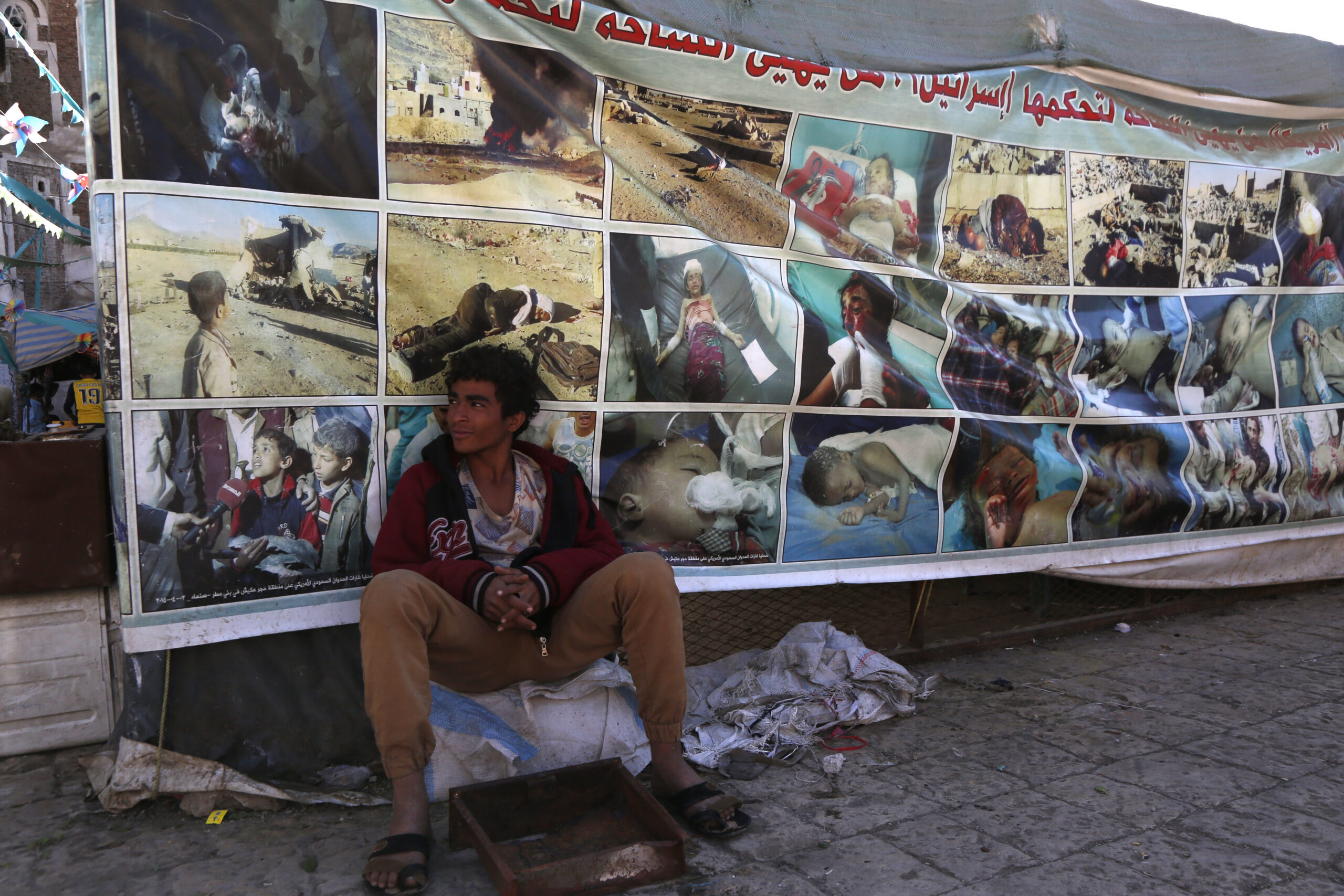
Restoring security and stability in Yemen is going to be a long-term process. Successful peace negotiations — including a ceasefire and confidence-building measures — can only be a first step toward that broader objective.
Giorgio Cafiero, CEO and founder of Gulf State Analytics, and F. Gregory Gause, head of the Department of International Affairs at Texas A&M University, join host Jerry Feierstein to discuss the state of GCC relations amid the Qatar dispute and other crises heading into the next GCC Summit.
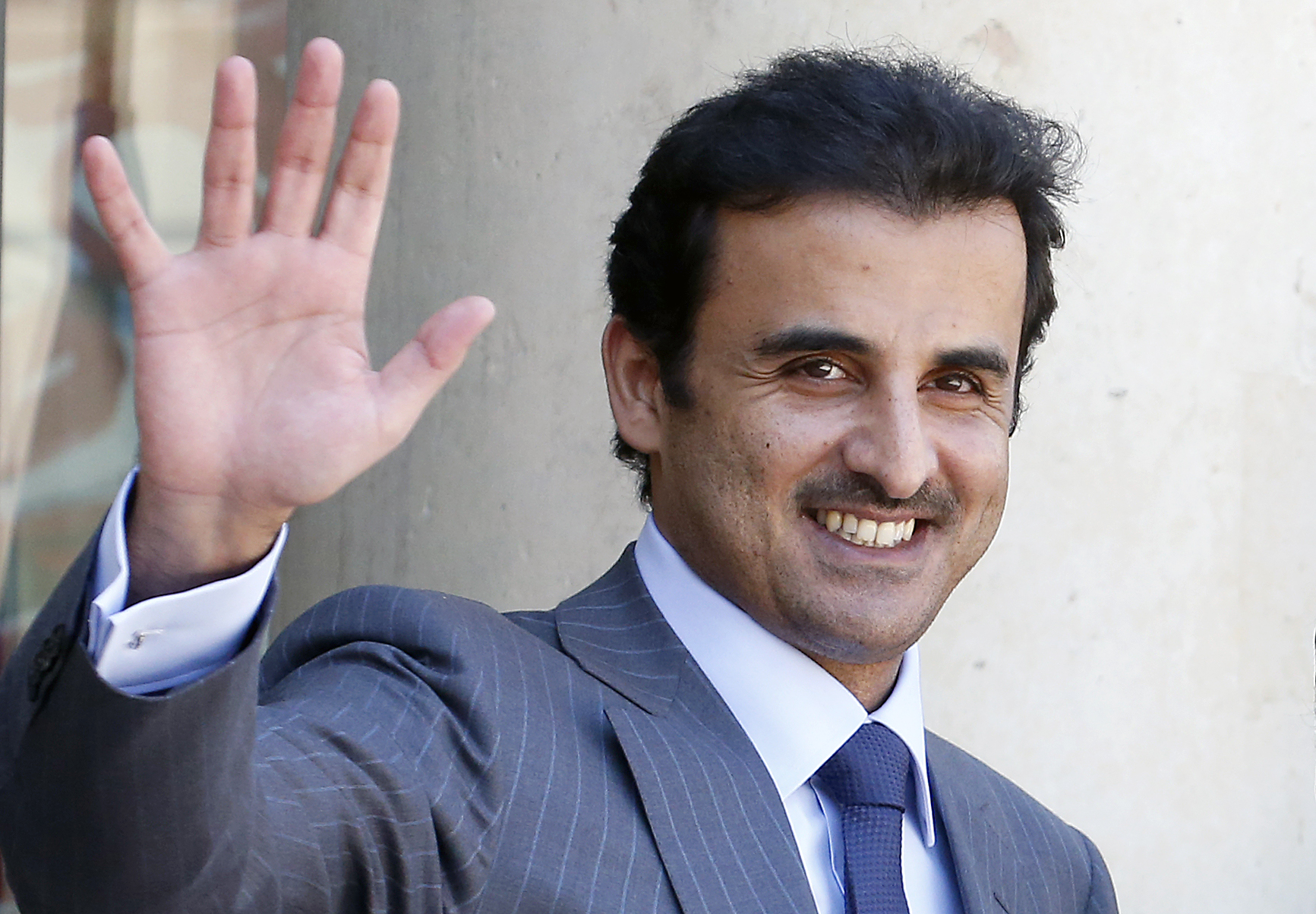
The GCC Riyadh summit: Beginning of the end of the Qatar crisis?
The upcoming GCC summit in Saudi Arabia offers an opportunity to bring the opposing sides to the table, but it is far from clear what will come out of the meeting
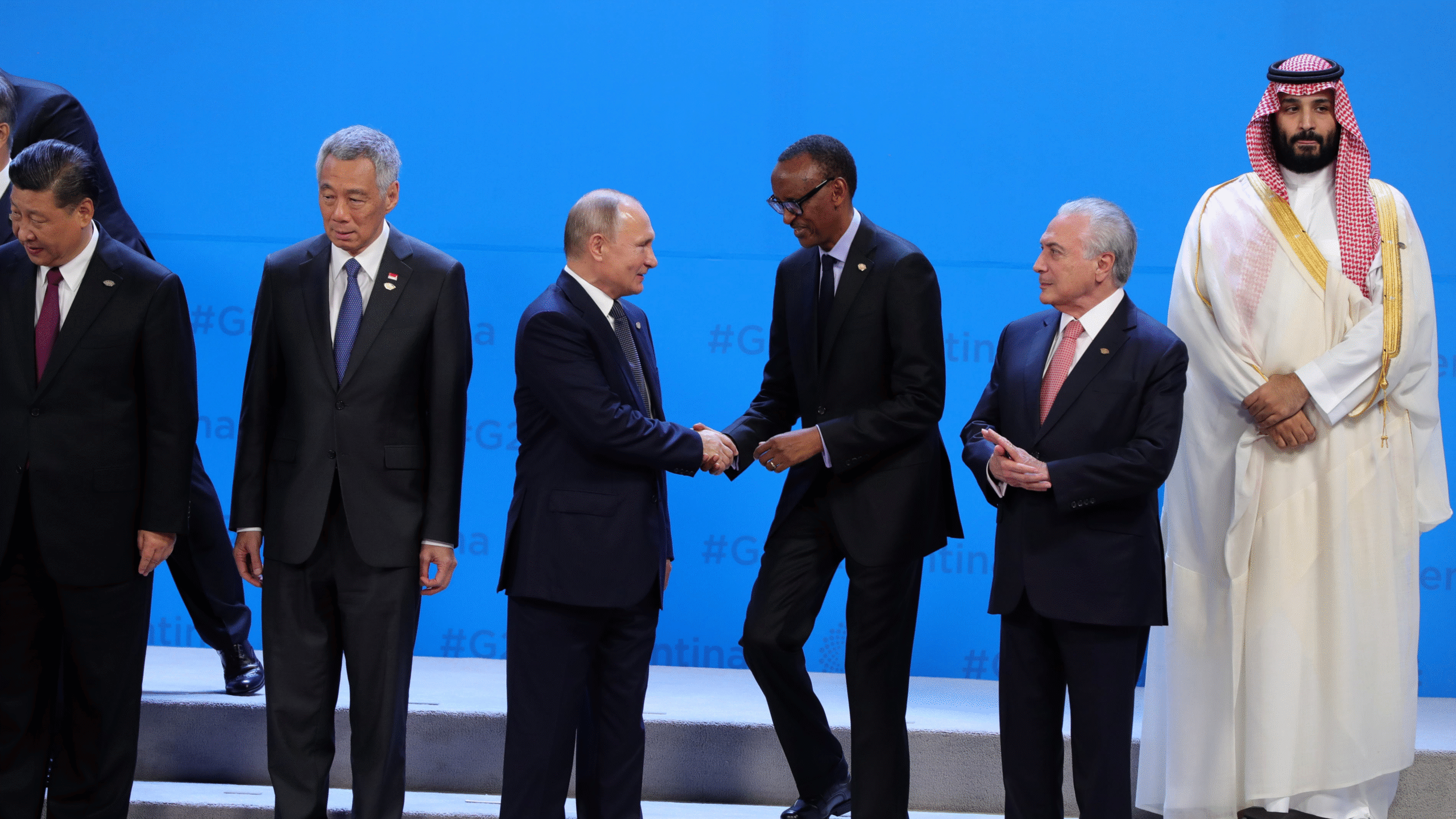
Monday Briefing: Optics and geo-economics at the G20
In this week’s Monday Briefing, MEI experts discuss recent and upcoming events including MBS’ lukewarm reception at the G20 summit, plans for a UN-hosted Western Sahara roundtable, and Qatar’s decision to leave OPEC.
Even if negotiating with Trump is impossible—and Iran’s Supreme Leader Ali Khamenei has said it is—the leadership in Tehran can still look at his presidency as an opportunity to prepare the ground to talk to his successor.
Monday Briefing: Russians launch air strikes after alleged gas attack
In this week’s Monday Briefing, MEI experts discuss recent and upcoming events including Russian air strikes in Aleppo, the elections in Bahrain, the growing international interest in Egypt’s offshore energy finds, and the appointment of a new Afghan team of negotiators for peace talks.
In this week’s Monday Briefing, MEI experts discuss recent and upcoming events including the Iraq-Kurdistan pipeline deal, how the YPG partnership affects US-Turkey ties, and the new Russia-Turkey gas pipeline.
The oldest peer-reviewed publication dedicated to the study of the modern Middle East, MEI’s flagship journal covers politics, society, and culture in the region.