Trump’s Midterm Loss Opens a Window for Iran Diplomacy
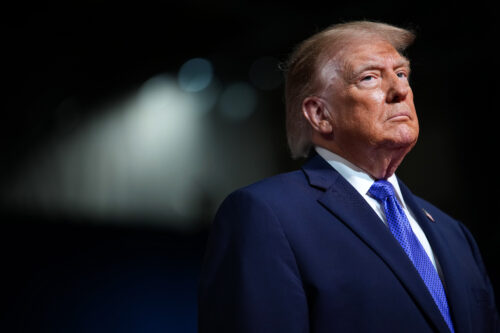
Eight months after launching the war alongside Israel, Trump has yet to explain what an American victory would look like or how much longer the United States must keep fighting to achieve it. While Americans opted to vote for the Democratic Party, which is preparing to challenge the logic of the war, Trump retains much executive power to stay in the war. Going forward, this means the political risks for him and his party will be high.
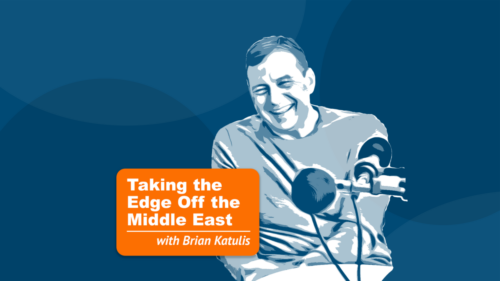
Brian is joined by His Excellency Talal Al Rahbi, the ambassador of the Sultanate of Oman to the United States of America, to discuss what it means to represent the “Switzerland of the Middle East” and the role of Oman’s quiet diplomacy. He also reflects on growing up during Oman’s transformation, his time spent in the United States, and why the two nations’ long-standing partnership matters today.
After decades of political setbacks, Iran’s former Revolutionary Guards commander has returned to the center of power. Is he an incidental beneficiary of war, or have observers underestimated him all along?
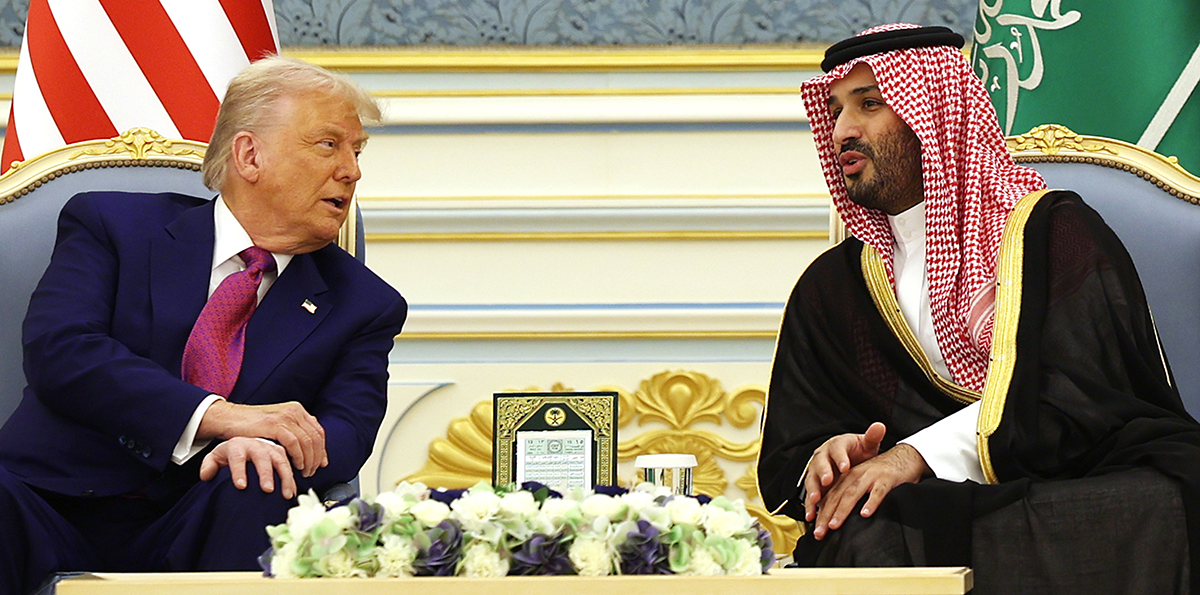
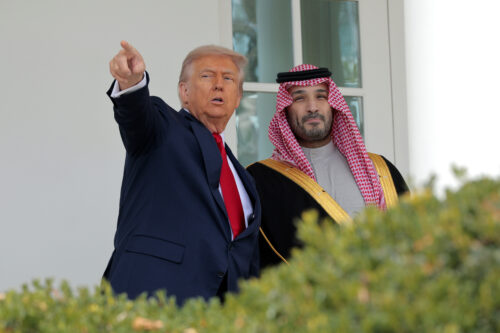
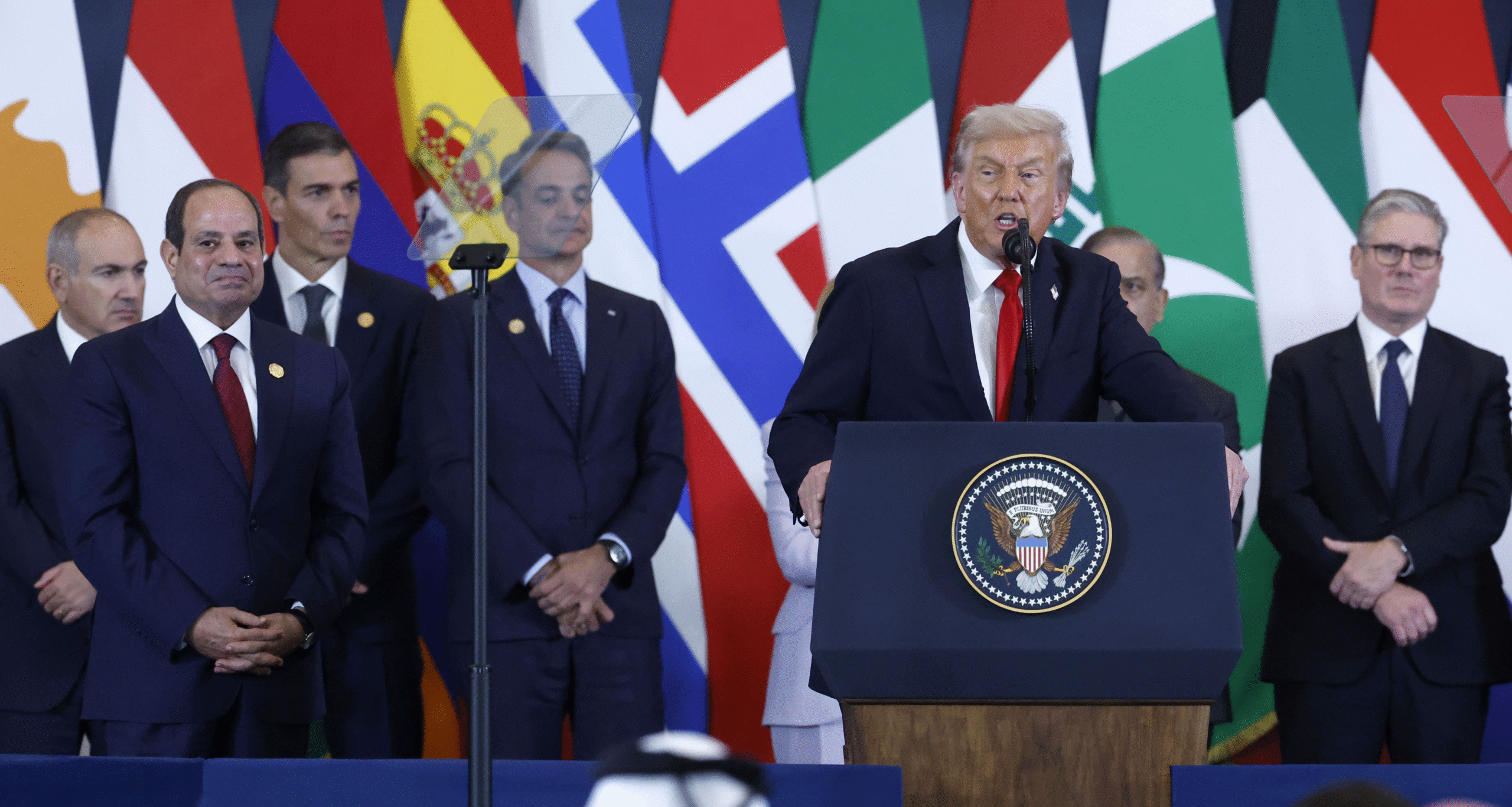
On November 18, Saudi Crown Prince Mohammed bin Salman is scheduled to make his first trip to Washington since 2018. In a new MEI Policy Memo, Daniel Benaim breaks down why it matters for the US and the relevant policy considerations.
On November 18, Saudi Crown Prince Mohammed
bin Salman (MBS) is scheduled to make his first trip to Washington since 2018. President Donald Trump has doubled down on the Gulf from the outset of his second term, making Riyadh his first planned overseas trip and reorienting ties around major artificial intelligence (AI) and investment deals. MBS’s visit will test whether both sides can translate ambitious pledges into concrete outcomes. Significant upgrades in defense and security are expected, with movement possible on semiconductor sales and nuclear cooperation. Behind the ambitions, harder questions about Saudi-Israeli normalization and alignment in a rapidly changing region loom as important Oval Office topics.
Divisions at home hinder America’s ambitions abroad
Over the past week, US President Donald Trump made an extended trip to Asia and threatened military actions against Latin American and African countries. But despite his administration’s continuing ambitions in the Middle East region, few major breakthroughs are expected there in the immediate future due to the government shutdown and unilateral cuts to national security infrastructure.
The legitimacy trap: How international institutions sustain the Houthis’ hold on Yemen
For years, the prevailing assumption was that the Houthis’ survival depended on battlefield victories and Iranian support. Both are essential, but there is a third critical and often overlooked factor: the weaponization of international engagement. In a pattern that continues to repeat itself, engagement without accountability strengthens rather than moderates Houthi behavior.
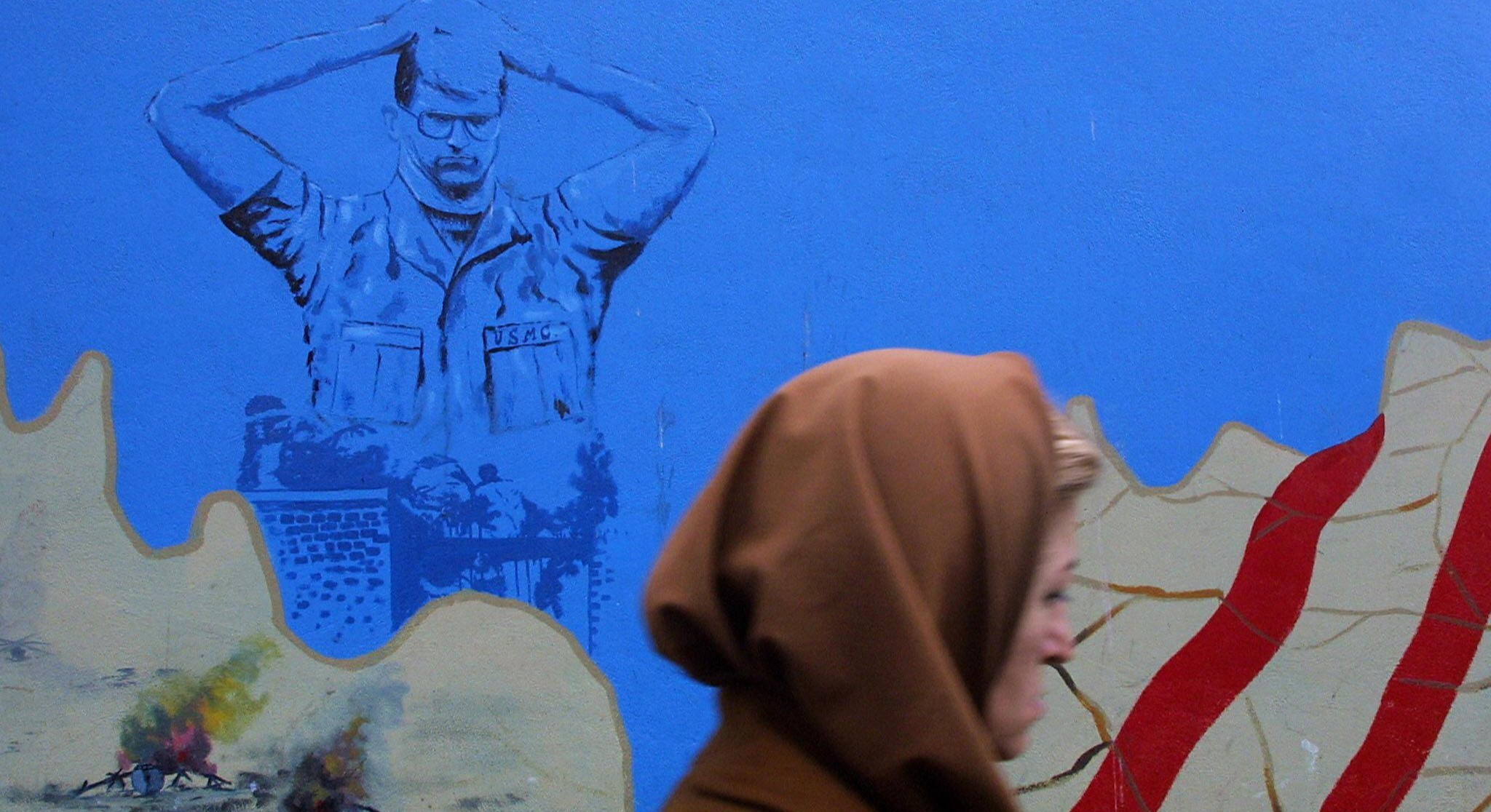
The taboo of regret: Iranian reflections on the seizure of the US embassy in 1979
For decades, the 1979 takeover of the US Embassy in Tehran has symbolized the righteousness of the Islamic Republic of Iran’s revolutionary defiance and the legitimacy of “resistance” as state ideology. To question it is to pry open the logic of the entire enterprise.
US Policy in the Middle East: Third Quarter 2025 Report Card
President Donald Trump continued to rewrite the playbook of US foreign policy this summer and early fall, with mixed results on the global stage but producing some important openings for progress in the Middle East due to a negotiated Gaza cease-fire and hostage-release deal.
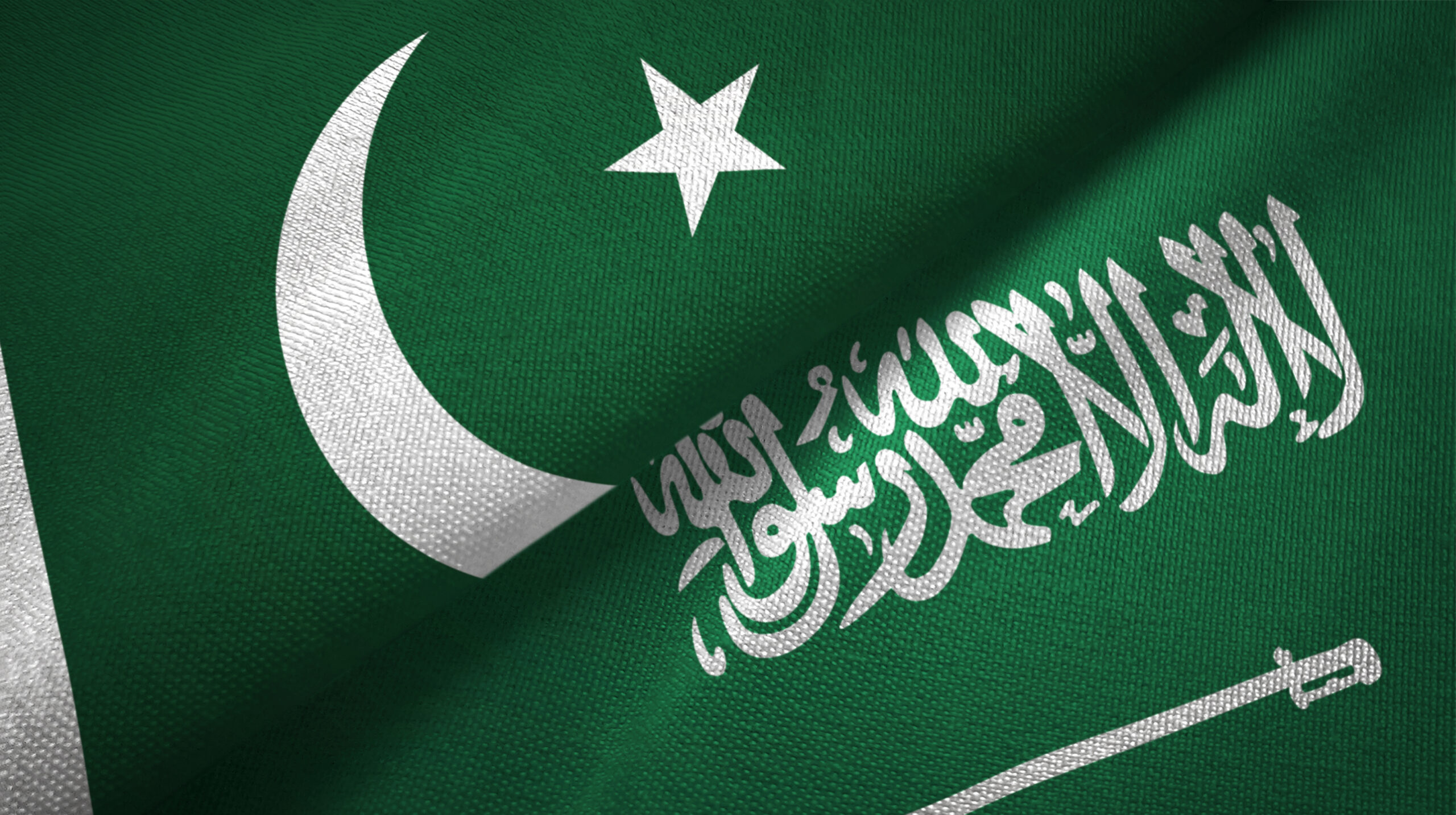
Has Pakistan agreed to use nuclear force to defend Saudi Arabia?
Saudi Arabia and Pakistan signed a mutual defense pact on September 17, 2025, declaring that “any aggression against either country shall be considered an aggression against both.” The wording of the agreement sparked speculation that Pakistan might use its nuclear capabilities to defend Saudi Arabia. MEI’s F. Gregory Gause contends otherwise, offering insight into the history and strategic calculations driving the deal. To learn more about the deal, visit our website.
Pakistan’s strategic defense pact with Saudi Arabia: A new security architecture in the wider Middle East
Following Israel’s September 9 strike on Hamas targets in Qatar, Pakistan has taken swift and significant foreign policy steps in response and adopted an unusually assertive stance. This shift was largely influenced by Pakistan’s military chief, Field Marshal Asim Munir. The latter is determined to enhance his country’s strategic autonomy and diplomatic leverage in an increasingly complex international environment by positioning Pakistan as a key security actor and an emerging middle power on the global stage.
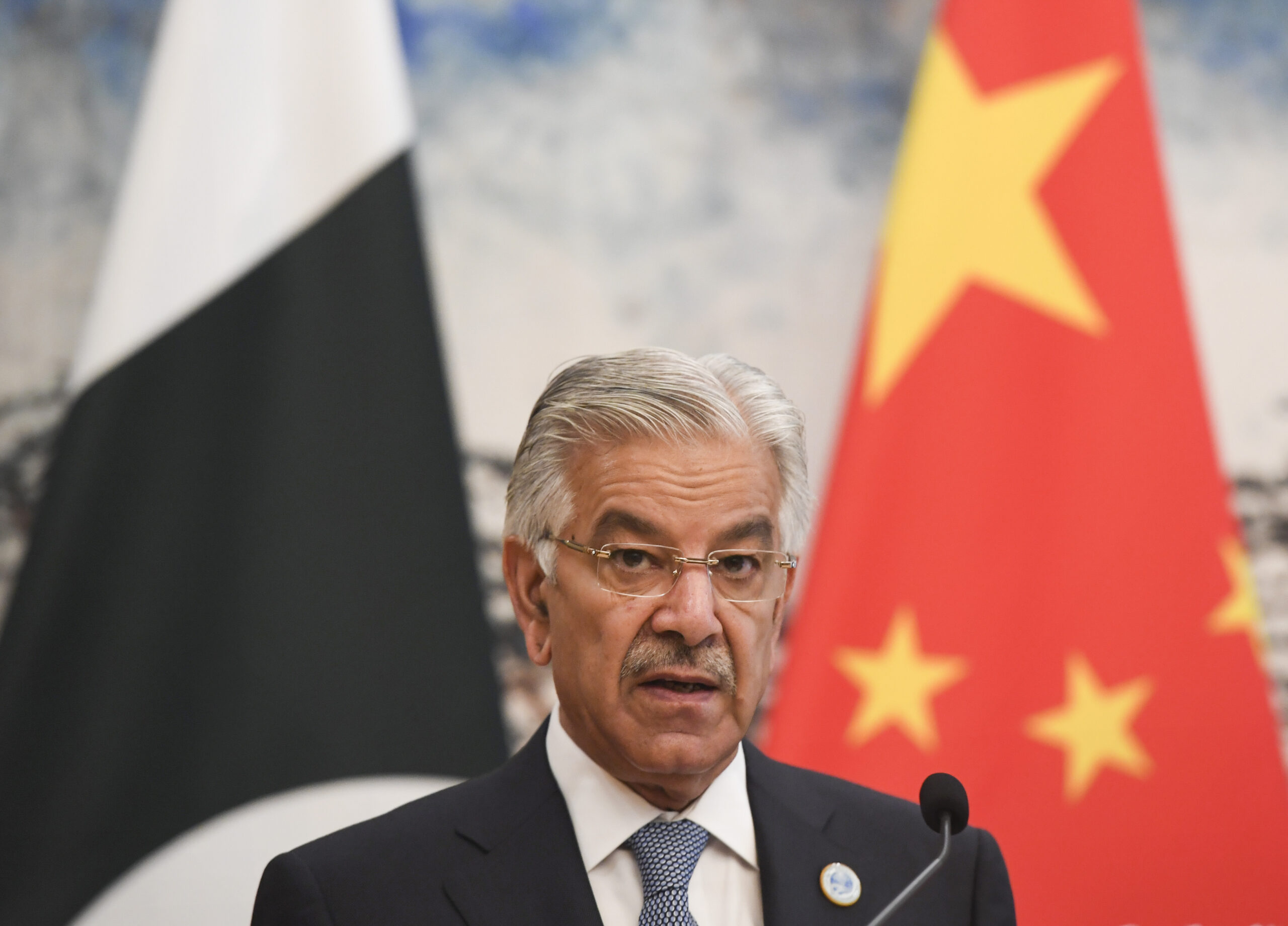
Silent leverage, quiet gains? China and the Saudi-Pakistan defense pact
The Strategic Mutual Defense Agreement (SMDA) between Saudi Arabia and Pakistan, signed in Riyadh on September 17, is far more than a bilateral pledge. It represents a profound reordering of alignments in the Gulf and South Asia, reflecting and reinforcing the broader erosion of US preeminence in the Eurasian security architecture. While much of the initial commentary centered on the striking commitment of a wealthy Gulf monarchy to the defense of a nuclear-armed South Asian state, as well as the question of whether Pakistan had in fact extended its nuclear umbrella to Saudi Arabia, the deeper story is arguably China’s potential advance.
Don't believe the hype: The modest reality of the Saudi-Pakistani defense pact
The September 17 Saudi-Pakistani defense agreement generated a wave of overheated commentary about Saudi Arabia now residing under a Pakistani nuclear umbrella and how a new strategic reality was in the offing in the Persian Gulf and South Asian regions. Analysts need to slow their roll. Extended deterrence is an extremely difficult thing to pull off. The devil is in the details, about which we know nothing.
A Middle East NATO? Regional Security Options After Doha
Israel’s September 9 strike on Hamas leaders in Doha rattled Gulf capitals and revived a decades-old debate over whether the region needs a NATO-style defensive alliance. MEI Senior Fellow Jason Campbell joins hosts Alistair Taylor and Matthew Czekaj to unpack why past attempts at collective defense have fallen short, whether this moment is different, and what the crisis means for US security strategy in the Middle East.
Strategic drift in US Middle East policy as Trump speaks on the world stage
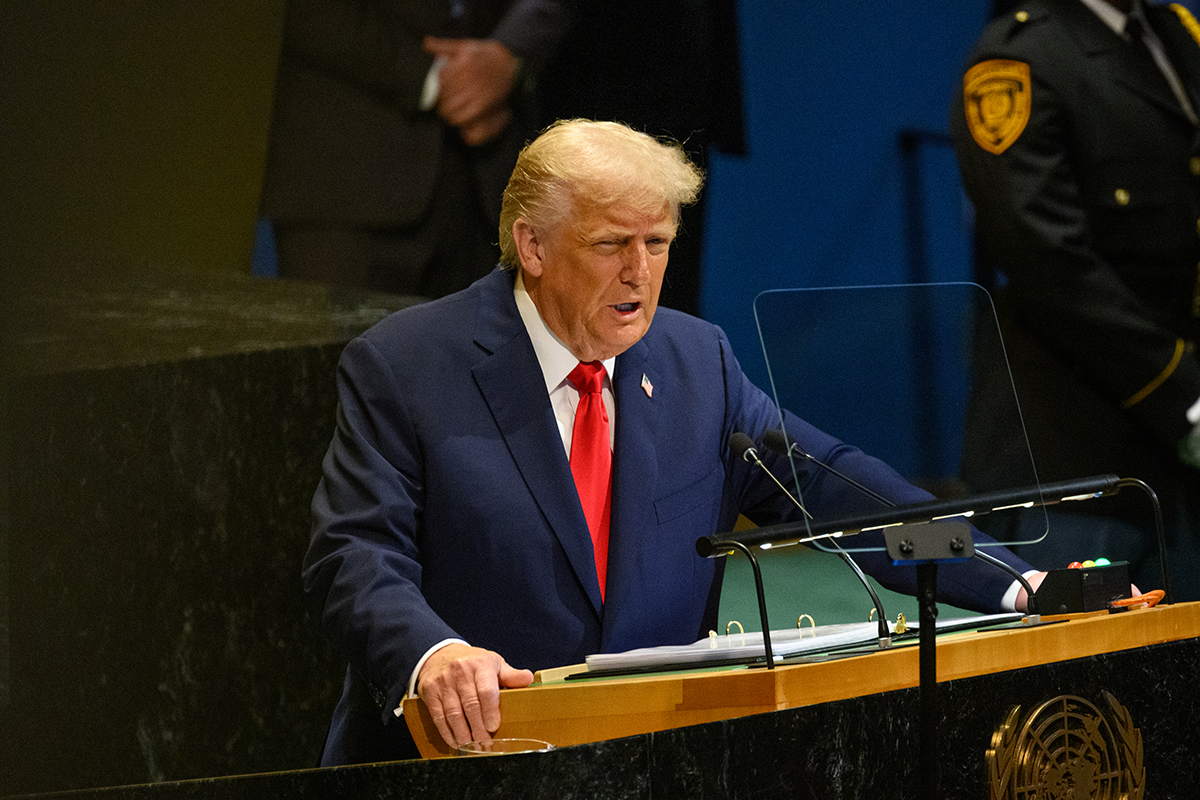
President Donald Trump used his speech this week before the United Nations General Assembly to reinforce his unique style of US foreign policy-making and levy criticisms against others, including the UN itself. But Trump did little to create a framework for crafting solutions to address problems and thorny security challenges.
Israel’s Doha strike could further destabilize region, undermine US security partnerships
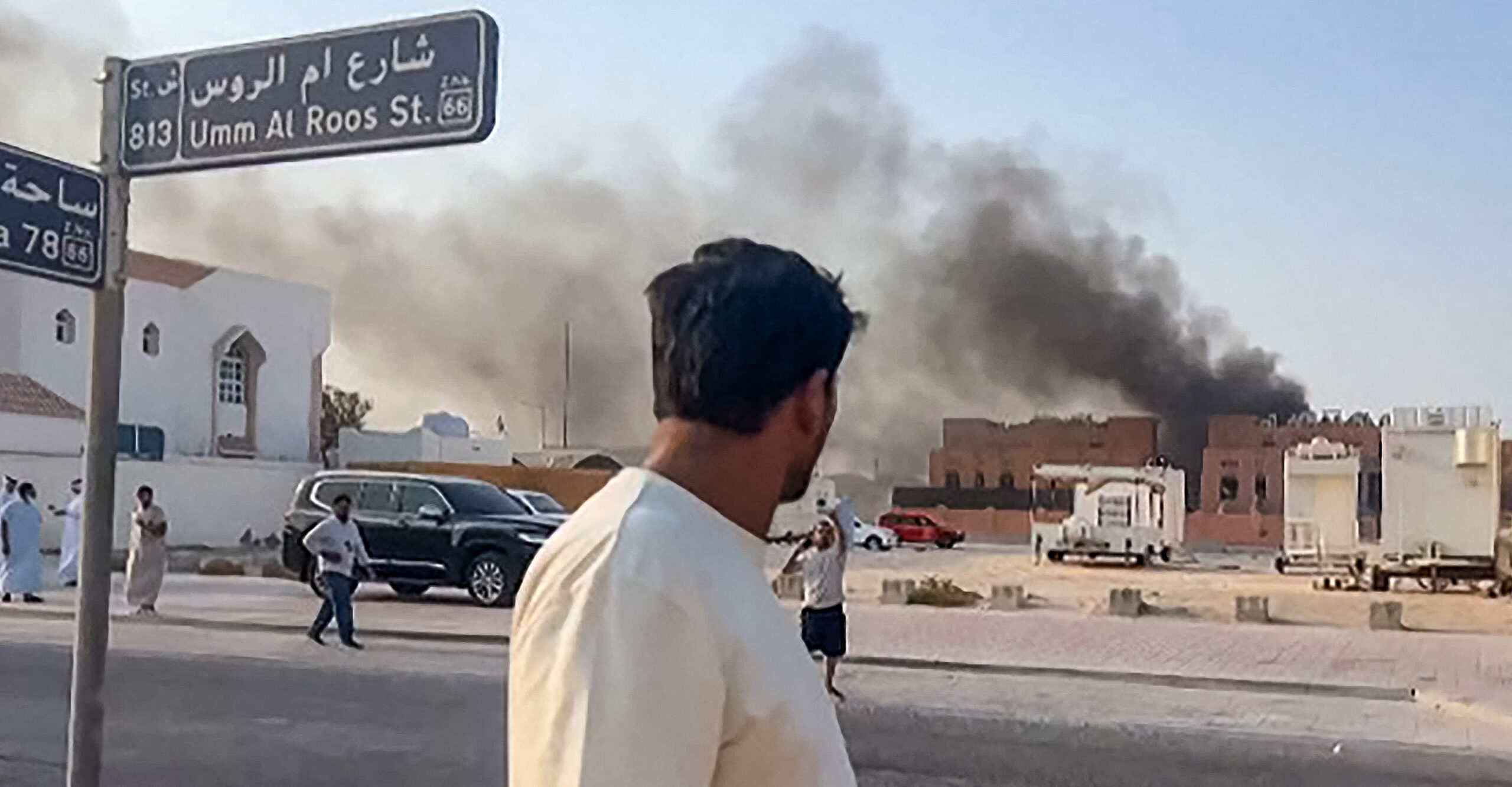
The reverberations of Israel’s strike on the Hamas negotiating team in Doha yesterday are still rippling across the globe and will continue to for the foreseeable future. Its ramifications are profound and will alter the geopolitical landscape not just in the Middle East but likely on a global scale.
The oldest peer-reviewed publication dedicated to the study of the modern Middle East, MEI’s flagship journal covers politics, society, and culture in the region.