The Americans Are Gone. Will Iraq’s Militias Disarm?
On September 30, the US completed its military withdrawal from Iraq, ending a 12-year-long mission to combat ISIS that began in 2014. The date was also meant to be the deadline for disarming the largely Iranian-backed militias known as the Popular Mobilization Forces (PMF), but Prime Minister Ali al-Zaidi has now pushed that cutoff back to June 30, 2027. MEI Distinguished Diplomatic Fellow Amb. (ret.) Robert S. Ford joins hosts Alistair Taylor and Matthew Czekaj to discuss what the US military withdrawal means for Iraqi security and the nature of the bilateral relationship going forward. They also speak about what it will take for Baghdad to bring the PMF militias to heel, and how Iraq may navigate the post-Iran war era.
Jordan’s Economy Weathers Iran War’s Shocks and Finds New Opportunities
In the summer of 2003, King Abdullah II told Bloomberg Jordan sits “between Iraq and a hard place,” a play on words designed to describe the kingdom’s challenging environment to an American audience amid the US-led Iraq war to the east and the lingering Palestinian-Israeli conflict to the west. Jordan is grappling with a much “harder place” today.
Proponents of the war with Iran have taken recent increases in crude-oil flows through the Strait of Hormuz as proof that the US strategy is finally working. President Trump is so confident in this that he recently rejected a seven-day plan, set forward by Iran’s foreign ministry, to end the war and open the strait. The United States is “winning tremendously,” Trump boasted.
The Republic of Yemen occupies the southwest corner of the Arabian Peninsula. Unlike its oil-rich neighbors, Yemen is the poorest country in the Arab world. Like other countries football (soccer) is Yemen’s most popular sport. Football has been played in parts of Yemen since before the turn of the 20th century, and since the 1970s, the game’s popularity has increased significantly.
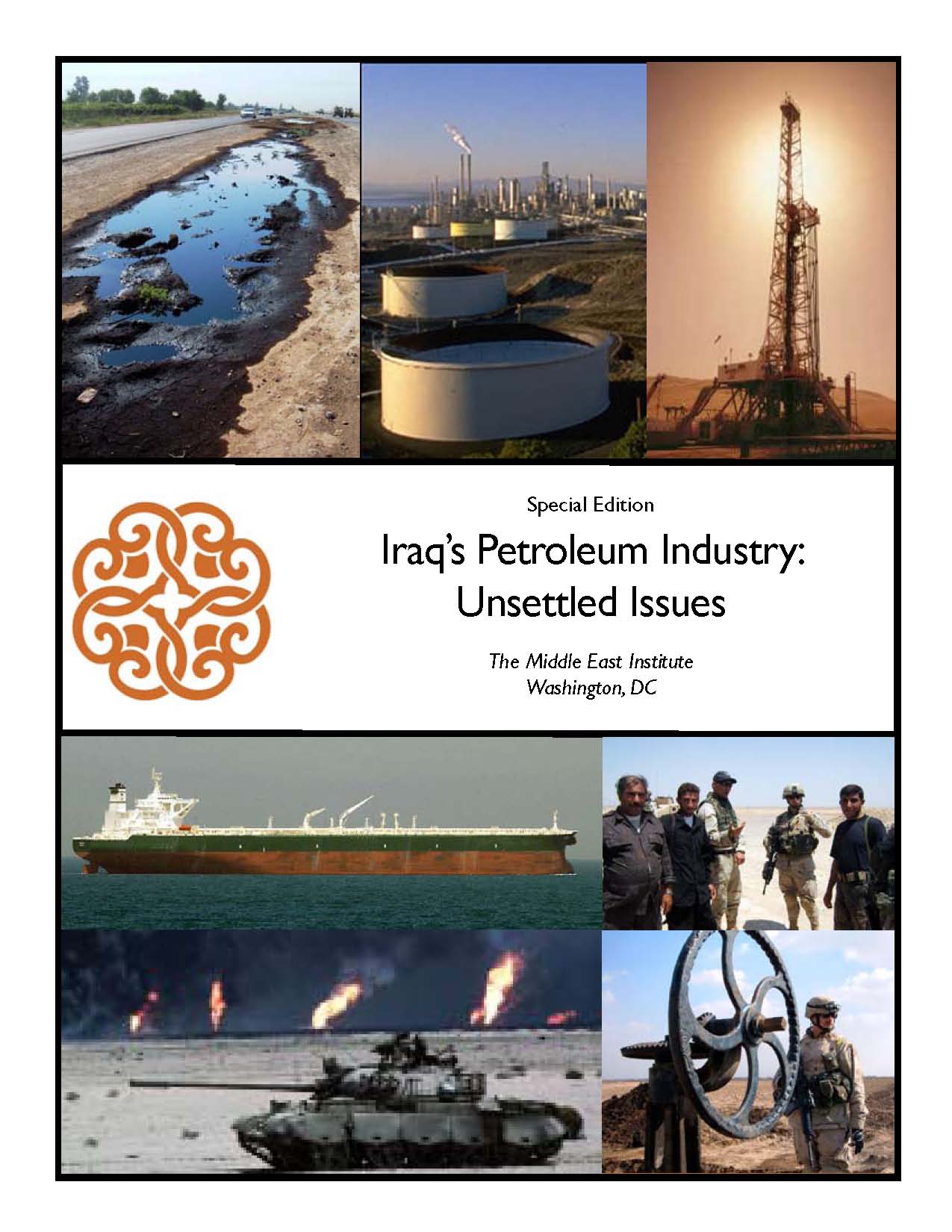
Iraq has the world’s third-largest oil reserves. However, the development of Iraq’s petroleum sector has been severely hampered by decades of war, sanctions, underinvestment, the exodus of scores of technocrats, and sabotage. Repairing Iraq’s oil infrastructure and expanding exploration, development, and production is of paramount importance to the country’s future. In June 2009, the Iraqi Oil Ministry embarked on an effort to help meet this challenge by offering service contracts to international oil companies (IOCs) in two rounds of tenders.
Since June 2009, the Government of Iraq (GoI) has secured nearly a dozen major oil field technical service agreements with international oil companies (IOCs) after two highly publicized bidding rounds. The deals are seen as the cornerstone of Iraq’s economic development in the coming years. While future oil production has been rather optimistically projected as high as 12 million barrels per day (bpd) by 2020, significant obstacles to the development of the oil and gas industry remain.
The Status of Forces Agreement and Investing in Iraq: Risky Business?
In spite of ongoing security and political instability, Iraq remains one of the most fertile yet volatile regions in the world for emerging business opportunities, specifically in the petroleum industry. Since the completion of the widely successful “surge” and implementation of the Status of Forces Agreement (SOFA), Iraq has experienced slow but steady improvements in security and economic opportunities in the petroleum sector. As a result, there has been an influx of international companies eager to engage Iraq’s ministries for access to these lucrative markets.
The Middle East Institute is proud to host Sean Foley, author of The Arab States: Beyond Oil and Islam (Lynne Rienner, 2010), for a discussion about the politics of the Gulf states and their role in the global economy. In the book, Foley presents a fresh picture of these states as cosmopolitan and tolerant societies that face many of the same socio-economic problems that other states do – including those that lack oil.
Transnational Networks and Local Challenges: Iraqis in Cairo
Originally posted March 2010
It is estimated that over four million Iraqi refugees have fled to neighboring countries in the region since the 2003 war began. While migration continued after the war, the peak of this influx was witnessed particularly in and after 2006 due to the acceleration of violence in central and southern Iraq. More particularly, the majority of these refugees fled due to direct threats to their lives and their immediate families.
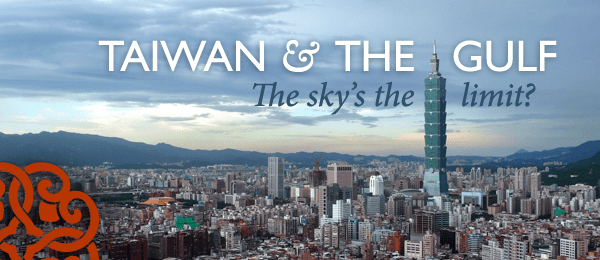
Dubai’s Burj Khalifa and Taiwan’s Taipei 101 tower, the world’s two tallest skyscrapers, differ in height by a stunning 1,076 feet, are separated by nearly 4,000 miles of ocean, and are situated in countries and regions which, linguistically and culturally, have little in common ― except business.
This Commentary first appeared as an op-ed in the The National, March 14, 2010.
Iraq’s parliamentary elections have just concluded, but the major political battles are about to begin. At stake is what kind of country Iraq will become. Will Iraq’s progress toward greater stability continue? Will it look east towards Tehran for support and encouragement, or to the United States and its fellow Arabs? The stakes are high, and no one can afford to remain uninterested while Iraq continues its dramatic political evolution.
The Kurds of Iran: A Look at their Past, Present and Future
The Middle East Institute is proud to host Carol Prunhuber, Sharif Behruz and Idris Ahmedi and for a lecture about the political, social and human rights status of Iran's Kurds, one of the country's largest ethnic groups. Iran's Kurdish population has long pushed for autonomy, and in 1979 Ayatollah Ruhollah Khomeini declared a "holy war" against the Kurds in Iran seeking self-rule. Since then the relationship between Iran's Kurds and the Islamic Republic has been characterized by frequent military crackdowns.
The oldest peer-reviewed publication dedicated to the study of the modern Middle East, MEI’s flagship journal covers politics, society, and culture in the region.