The Strategic Cost of Palestinian Powerlessness
This report considers the lack of Palestinian political agency as a driver of regional insecurity that must be resolved before wider conflicts can be settled. The author analyses the conditions that contributed to the destruction of Palestinian political capacity, including Israeli policies, Palestinian shortcomings, and exploitation by Iran, and makes recommendations for an Arab strategic initiative.
Iran’s New Grand Design: The Next Evolution of the Axis of Resistance
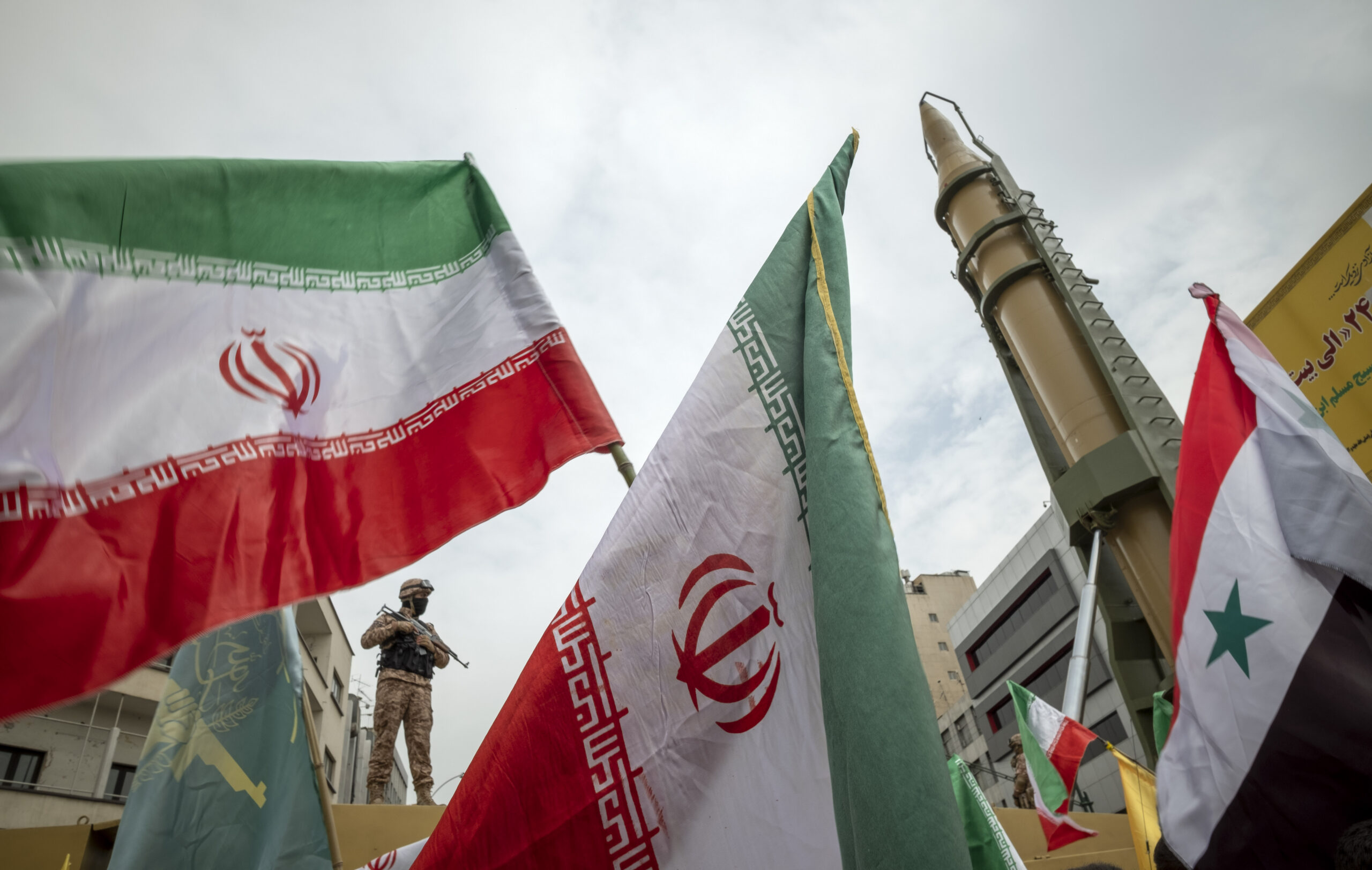
Iran is transforming its Axis of Resistance into a decentralized, Yemen-centered network that leverages the Houthis to threaten both the Strait of Hormuz and the Bab el-Mandeb, extending Tehran’s coercive reach over the world’s key maritime chokepoints and reshaping the post-war balance in the Middle East and Red Sea.
Featured Experts
MEI Art Gallery – August First Friday Open House
The race to replace Ali Shamkhani, Iran’s most palatable interlocutor with the West
Rear Admiral Ali Shamkhani has served for 10 years as secretary of the Supreme National Security Council, Iran’s top policymaking body in both domestic and foreign policy matters. A number of recent developments have aroused speculation that he could soon vacate his seat. Such a change would be an important signpost of how the Iranian establishment is posturing itself against the backdrop of continued revolutionary sentiment among significant segments of the population.
The GCC and the road to net zero
The Gulf Arab states, while major oil and gas producers, can play a significant role in supporting global efforts to achieve net-zero goals. They are not only endowed with great potential for renewable energy resources as well as some of the world’s lowest carbon content fuels, but also with, to varying extents, sizable financial resources. Yet, to unlock such huge potential, the Gulf Arab states will need to systematically identify and address the various challenges in their path to net zero.
It’s time for a Saudi-US tech dialogue
The traditional 20th-century pillars of U.S.-Saudi bilateral relations are energy and security — a reflection of Cold War dynamics and the critical role that Saudi Arabia plays in the global economy as an energy superpower. Now, in 2023, Riyadh and Washington should think beyond energy to explore opportunities and address critical challenges in areas such as tech and cyber, which could ultimately cement their strategic relations for the 21st century.
Special Briefing: A grinding war vs. Russian loss in Ukraine: The impact, challenges, and policy opportunities for the MENA region
Read MEI’s weekly briefing featuring expert analysis of key regional developments for the week ahead.
Under pressure: Houthis target Yemeni government with economic warfare
Even as the Iran-backed Houthi rebels pursue back-channel talks with Saudi Arabia as Riyadh looks for a major de-escalation in the coming weeks, they have also been ratcheting up the pressure on the internationally recognized Republic of Yemen Government. The Houthis’ strikes on government-controlled critical infrastructure exhibit the same strategic use of Iranian-supported non-conventional warfare tactics seen in their previous cross-border attacks into Saudi Arabia and the United Arab Emirates.
Russia's Influence in MENA After a Year of War in Ukraine
MEI Managing Editor Matthew Czekaj speaks with scholars Iulia-Sabina Joja, Alex Vatanka, Yörük Işık, Charles Lister, and Roger Kangas on Russia’s current standing in the Middle East a year since re-invading Ukraine.
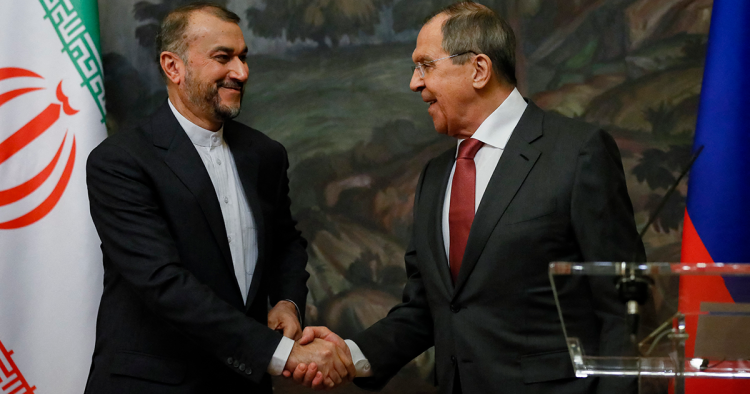
How has Russian aggression in Ukraine redrawn Moscow’s relationships in the MENA region? And as the Middle East increasingly becomes a key area of global great power competition, is Russia still a meaningful player there, politically, economically, militarily, and diplomatically?
The dilemma of public sector salary payments in Yemen
Amid international efforts to resurrect the fragile peace in Yemen, the Iran-backed Houthi militia is imposing stringent conditions for their return to the negotiating table, demanding that state payments of civil servant salaries also go to their militia members and loyalists through direct deposits, which would bolster both their forces and their transnational allies. While the need to compensate Yemeni civil servants is undeniable, the Houthis’ self-serving demands threaten to undermine any progress toward a lasting peace.
Challenges of mechanized and combined arms warfare: Lessons for Ukraine from Syria and Iraq
The difficulty of quickly providing mechanized and armored equipment to Ukraine, training Ukraine to employ this equipment in combined arms operations, and ensuring Ukraine can maintain and sustain combat power should not be underestimated. As the examples of Turkey’s 2016 military operation in Syria and the U.S. operation in Fallujah in 2004 illustrate, dislodging Russia from its prepared defensive positions will be a daunting task for the Ukrainian Armed Forces.
Weekly Briefing: Tending the garden – Secretary Blinken’s visit to Turkey and Greece
Expert regional analysis by MEI scholars and contributors.
As great power competition in the Middle East heats up, polling data shows a complex picture of popular attitudes
The Middle East and North Africa is one of the epicenters for what the U.S. has termed “great power competition” especially between the U.S. and China, although Russia also figures into the assessment. There is particular sensitivity to China’s perceived economic inroads into the region as it has surged to become its largest economic partner. Based on Arab Barometer’s Wave 7 raw favorability numbers, China’s increased presence in the region appears to have paid dividends in terms of its popular standing, especially in North Africa.
Iraq needs renewables, but they won’t solve its power problems without broader reforms
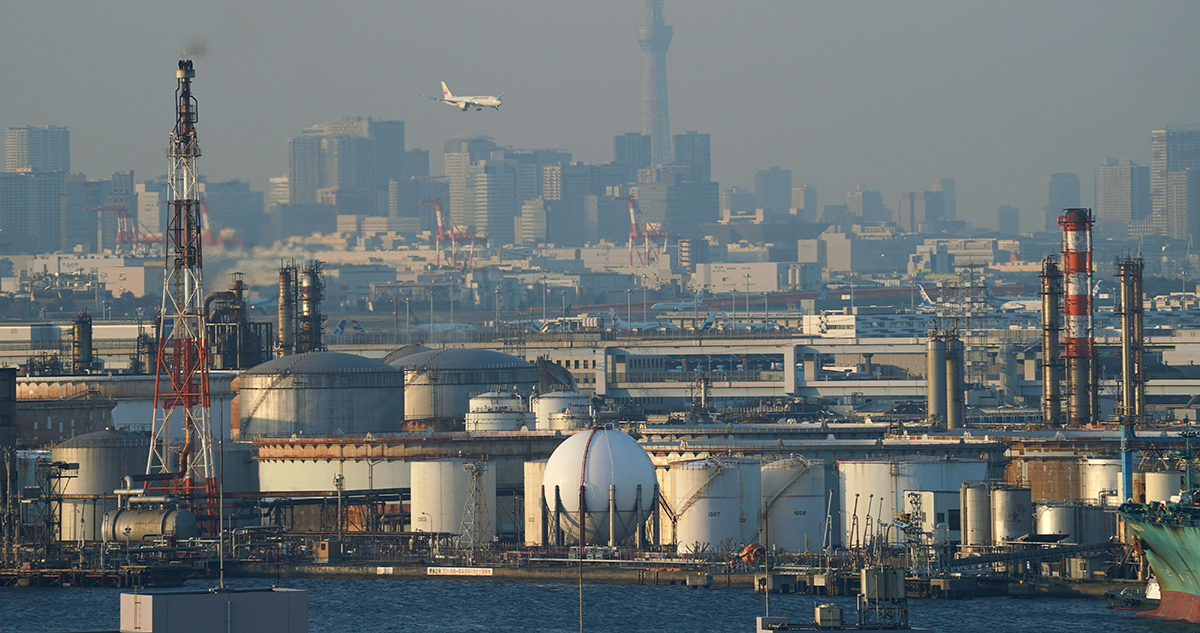
Despite massive hydrocarbon reserves, Iraq struggles with chronic electricity shortages. There is a clear need to explore cleaner alternatives, such as renewable energy systems, yet the deployment and integration of these systems would be hindered by the same structural woes that have crippled the electricity sector, and which go far beyond generation issues.
After Oil-for-Security: A Blueprint for Resetting US-Saudi Security Relations
Although U.S.-Saudi bilateral ties are on the mend, ambiguities and the transactional nature of the 1945 oil-for-security covenant contribute to mistrust and tensions. The burden of fixing or stabilizing the relationship is a shared responsibility. It’s time for Washington and Riyadh to reconfigure their security ties in accordance with new U.S. geopolitical priorities and new Saudi defense requirements. This report lays out such a process.
Saudi-Houthi talks could pave the way for intra-Yemeni ones, but will they ensure sustainable peace?
A Saudi-Houthi agreement now looks increasingly likely, but it is highly doubtful that such a deal by itself will end the multi-layered war or build a sustainable peace.
Monday Briefing: Syria’s Assad exploits earthquake aftermath to push for sanctions relief
Read MEI’s weekly briefing featuring expert analysis of key regional developments for the week ahead.
Is There a Way Forward for Political Resolution in Yemen?
Director of MEI’s Arabian Peninsula Program Gerald Feierstein speaks to MEI Non-Resident Scholars Fatima Abo Alasrar & Ibrahim Jalal on a host of current events in Yemen. What have been the takeaways from U.S. Special Envoy Timothy Lenderking’s recent visit to the country – and what are the current trends in the Saudi-Houthi dialogue?
Read the Middle East Journal
The oldest peer-reviewed publication dedicated to the study of the modern Middle East, MEI’s flagship journal covers politics, society, and culture in the region.